
Review · CYCLING & E-BIKE RIDES
3h Tokyo E-Bike Tour: Hidden Gems, and Local Life with guide
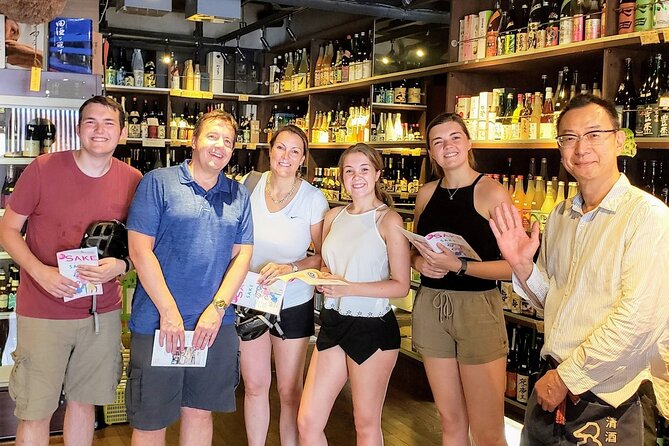
Tokyo is easier on an e-bike. In three hours you cover a lot of ground with e-assist bikes and an English guide who keeps the ride smooth and the stops meaningful. I love that it is small-group friendly, so you get real attention while you glide past major sights and everyday streets.
The one drawback to think about is simple: you need to feel comfortable riding through busy city traffic at times, even though the pace stays manageable.
In This Review
- Key things that make this tour work
- Getting on the bike near Kanda Station
- Why a 3-hour e-bike tour is a smart Tokyo first move
- Kanda: business Tokyo, backstreet bars, and local rhythm
- Tokyo Station and the Imperial Palace area, up close without the hassle
- Ginza backstreets and Tsukiji Outer Market food energy
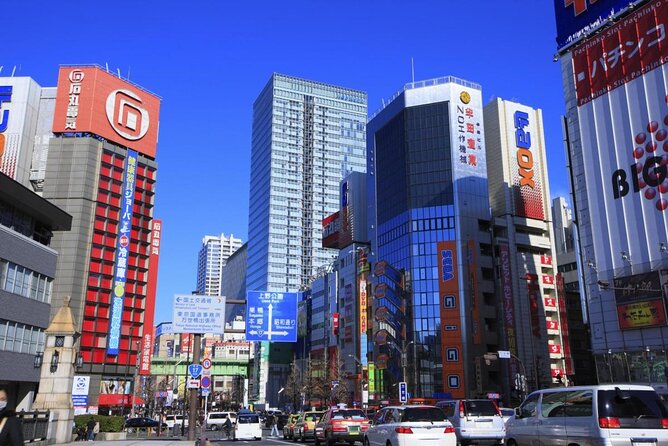
- Akihabara: subculture Tokyo without turning into a maze
- Kappabashi Street for knives, tools, and kitchen gear dreams
- Asakusa: oldest-temple Tokyo and helpful ritual context
- Ryogoku sumo area and Nihonbashi as Tokyo’s distance hub
- Safety, pace, and how the guide keeps the group moving
- What to pack (and what you will get)
- Weather reality in Tokyo: rain and heat can change everything
- Price and value: is $63.01 worth it?
- Who this tour fits best
- Should you book this 3-hour Tokyo e-bike tour?
- FAQ
- What is the duration of the Tokyo e-bike tour?
- Where is the meeting point?
- What is included in the price?
- Do I need to be able to ride a bicycle?
- What are the age and height requirements?
- Is the route different in the morning and afternoon?
- Is there free cancellation?
Key things that make this tour work
- Small-group format (up to 6) that helps the guide manage stops and keep everyone together
- E-assist riding that lets you keep momentum without turning the whole day into a workout
- An English guide who explains history, architecture, and local routines as you pass by
- Route options by time of day, with different neighborhoods in the AM vs PM tours
- Photo and context stops that go beyond check-the-box sightseeing
Getting on the bike near Kanda Station
Meeting is right by JR Kanda Station, with a short walk from the west exit. The shop setting is practical too, with a restroom, luggage storage, and a waiting room before you roll out.
This matters more than it sounds in Tokyo. You want an easy start before you navigate streets, find the right corner, and figure out bike gear in a hurry. Also, having a place to stash bags (just not valuables) makes the ride feel lighter.
More Bike Rides in Tokyo
- Tokyo Great Cycling Tour
★ 5.0 · 811 reviews - Tokyo Top Highlights 3h Guided E-bike Tour
★ 5.0 · 714 reviews - Tokyo: 3-Hour Bike or E-Bike City Highlights Tour
★ 4.8 · 435 reviews
Why a 3-hour e-bike tour is a smart Tokyo first move
Tokyo is big, but your time is limited. A 3-hour loop gives you a broad cross-section without exhausting yourself the way a pure walking plan can.
On an e-bike, the goal is not speed. It is flow, so you can move between areas like Tokyo Station, the Imperial Palace gates, and markets without burning hours on transit transfers. You also get periodic stops, so you are not just riding past everything while staring at the handlebars.
One small detail I like here is the emphasis on pace. Many riders report the e-bike is easy to operate, and the guide keeps things organized so you can enjoy the ride instead of constantly worrying about where you are.
Kanda: business Tokyo, backstreet bars, and local rhythm
Depending on the route you choose, Kanda shows up as a true neighborhood warm-up. For the AM route, you ride through Tokyo’s financial business central with modern buildings that are photogenic and easier to read once you get the street context.
For the AM/PM Kanda segment, the vibe shifts toward smaller, downtown streets. It is the kind of place that feels like it belongs to Japanese workdays, with compact spots and classic street energy.
This is where you start building a mental map. After Kanda, the rest of the day makes more sense, because you understand how Tokyo layers business, residential streets, and landmark zones right next to each other.
Tokyo Station and the Imperial Palace area, up close without the hassle
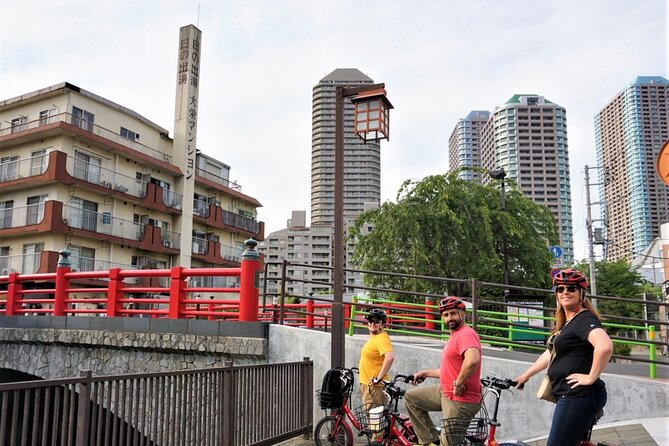
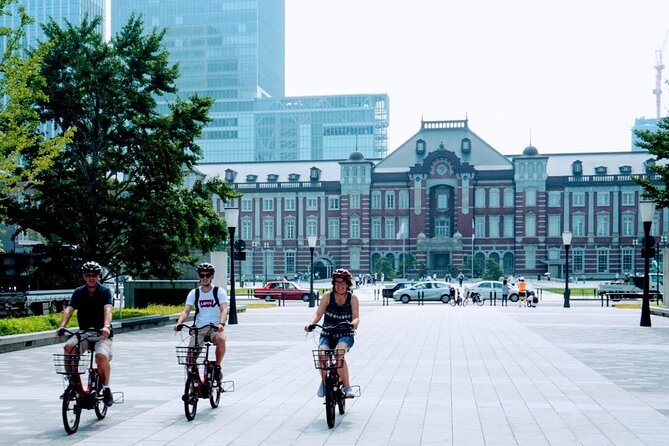
From Tokyo Station Marunouchi Ekimae Hiroba, you get a clear view of the Tokyo Station Marunouchi building, and the guide explains the station’s history as you look on from nearby streets.
Then the ride flows toward the Imperial Palace area. You cycle toward Kokyo Otemon Gate and look across the moat toward landmarks such as the Fujimi yagura tower. After that, you continue through the castle gates like Sakuradamon, which helps the whole area feel less abstract and more graspable.
Here’s the value: Tokyo’s most famous spots can feel distant if you approach them only by train stops and ticket lines. On a bike ride like this, you connect the dots between architecture, entrances, and the surrounding streets.
One caution though: that area includes structured spaces and traffic patterns. You will want to keep your attention on the guide, follow instructions closely, and stay steady in your lane.
More Bike Tours in Tokyo
- Tokyo Guided Small-Group Biking Tour
★ 5.0 · 1,250 reviews - Tokyo: 3-hour Guided E-Bike Tour of the City’s Hidden Gems
★ 4.8 · 251 reviews - Tokyo: 3-Hour Bike or E-Bike Tour of City’s Hidden Gems
★ 4.7 · 81 reviews - Tokyo: West-Side Cycling and Food Tour with Guide
★ 5.0 · 37 reviews
Ginza backstreets and Tsukiji Outer Market food energy
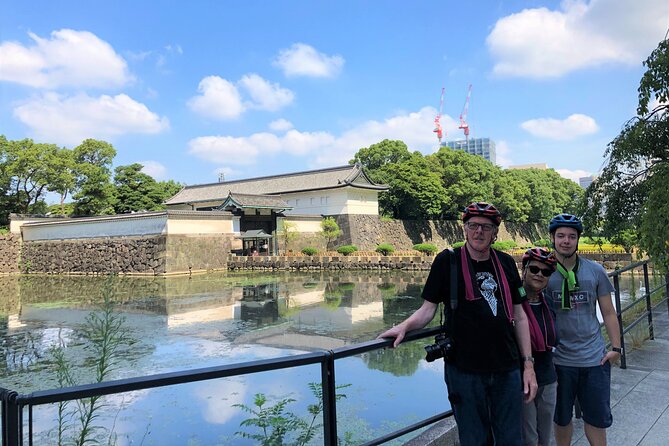
From the Imperial Palace zone, the tour can route you through Ginza in a way that many people do not see on foot. Instead of only big storefront streets, you may pass through backstreets where luxury brands cluster but the scale feels more intimate.
Next comes Tsukiji Jogai Market in the AM route. This is the Outer Market area with smaller, older-style food shops lined along narrow streets. The guide helps you notice what is special here, and you get a short window to look around at items and local food culture.
This part is great for food-focused travelers who want a taste of Tokyo beyond restaurants with English menus. It also gives you something practical: you can use the sights as a shortlist for where you want to return later.
Akihabara: subculture Tokyo without turning into a maze
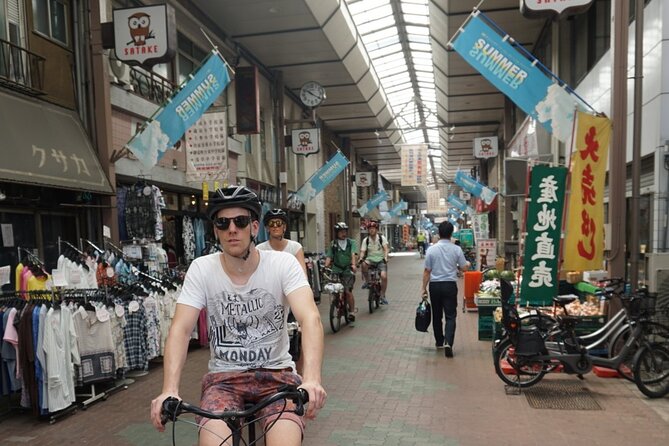
If you do the PM route, Akihabara enters the picture as the subculture hub. You get a brief, pointed look at the geek and youth culture side of Tokyo, and the guide helps you frame what you are seeing so it feels less like random shopping streets.
You may find that the stop is short on purpose. That is not a flaw. Akihabara is endless, and the tour is about orientation and context, not a full shopping marathon.
For first-timers, this can be the perfect “I get it now” stop. You leave with the basic map of what streets to revisit later, if you want to dig deeper on your own.
Kappabashi Street for knives, tools, and kitchen gear dreams
Another PM highlight is Kappabashi Street, also known for the Kappabashi Dogugai shopping area. This is tool street energy, with shops selling professional cooking tools and authentic Japanese knives.
If you are the type who likes practical souvenirs, this is a strong match. A cheap keychain is fine, but a good kitchen knife or tool makes daily life in your own kitchen feel more connected to your trip.
The tour description also suggests time to look around and do some shopping, which matters. Too many city tours rush past shopping zones so you feel guilty if you stop. Here, you get that permission to slow down.
Asakusa: oldest-temple Tokyo and helpful ritual context
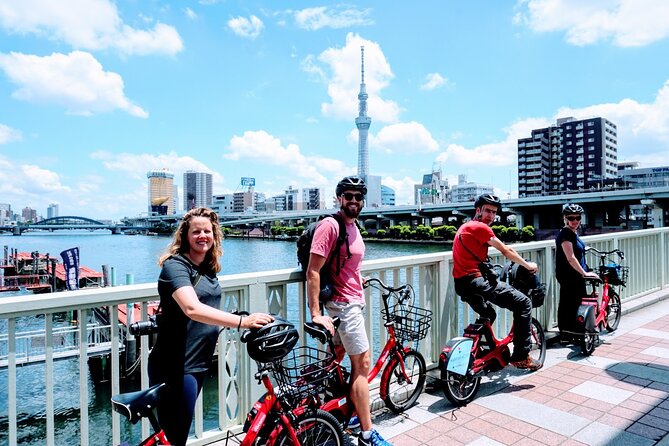
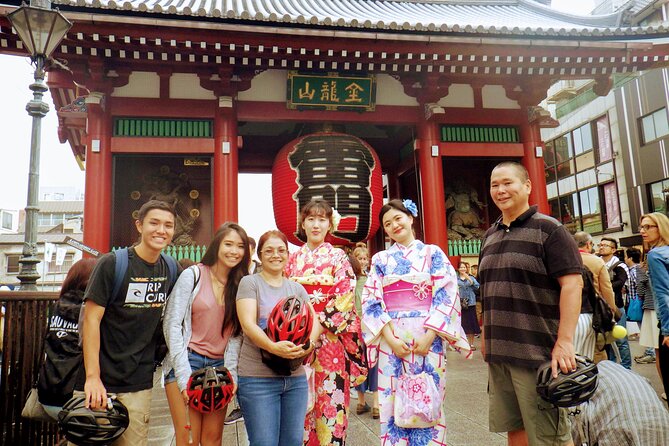
Asakusa is the most “you came to Tokyo” stop on the PM route. The focus is on the area’s historic temple setting, with time to enjoy the atmosphere.
One thing I really value here is the way the guide can explain temple customs and rituals. When you understand what people are doing and why, the whole scene stops feeling like a photo backdrop and starts feeling like a place with living traditions.
Also, Asakusa tends to attract everyone, which can make it feel crowded. On an e-bike tour, you can still get the main sights while avoiding some of the extra walking strain. You just need to follow the guide’s timing and stay aware of pedestrians.
Ryogoku sumo area and Nihonbashi as Tokyo’s distance hub
On the PM route, Ryogoku brings in the sumo wrestler area. The tour notes that you might meet real sumo wrestlers if you are lucky, which is the kind of Tokyo detail that makes a city feel special and not staged.
The AM/PM element that ties everything together is Nihonbashi Bridge. The tour frames it as the once-again center point, and notes that road distance measurements start from this bridge. That little geography fact makes it easier to understand why Tokyo’s layout feels the way it does.
Together, these stops add variety. You go from government and markets to subcultures and traditional spaces, with enough time in each place to understand the personality of the neighborhood.
Safety, pace, and how the guide keeps the group moving
This tour is set up for safety and comfort, but you are still riding a bike in a real city. Helmets are provided, and the instructions are clear that you should wear one. The ride also includes insurance, plus simple rain gear.
What stands out in the strongest feedback is the guide style. Guides like Yo, Ted, Take, Ninja, Kazu, Jenny, and Yoshiko come up often, and the pattern is the same: friendly energy, good explanations, and patience with questions. Many riders also mention that the guide keeps the group together and makes it easy to follow.
If you get anxious about cycling in traffic, do not panic. Your job is to ride predictably, keep your speed steady, and watch the guide for the flow. If you can do that, the e-bike system helps you feel in control.
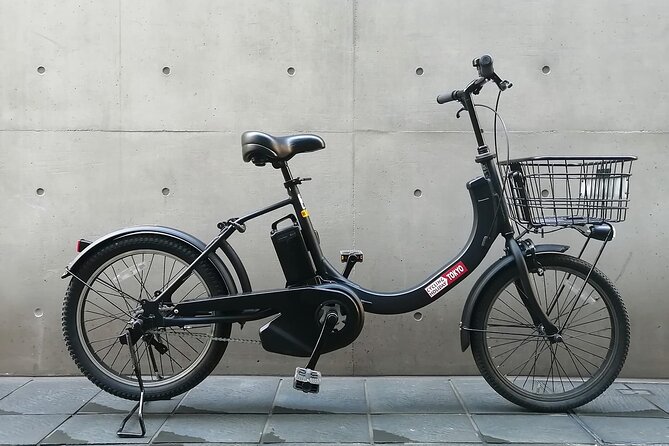
One extra rider tip: some bikes may include a front basket, which is handy for water and your small bag. That turns the ride from pack everything in pockets into a calmer, more organized experience.
What to pack (and what you will get)
Included items are practical for comfort: rental e-assist bike, helmet, English guide, insurance, simple rain gear, and either winter gloves or summer cooling products. You can also leave luggage with the provider during the tour, except valuables.
Still, I recommend you bring your own basics. In summer, pack towels and sunscreen, and consider electrolytes if it is hot. In winter, bring warm layers and gloves, even though winter gloves are included, because Tokyo cold can sneak in through wind.
You also need to be able to ride. The tour notes that if you cannot ride a bicycle, you cannot join. The minimum height is 147 cm and the minimum age is 12.
Weather reality in Tokyo: rain and heat can change everything
Tokyo weather can be tricky. The tour checks the weather forecast the day before and will cancel in case of rain. If it is forecast sunny but it rains during your ride, the guide decides whether to continue or stop along the way.
Summer brings another layer: the heat and humidity risk can be serious. The tour uses a heat stress index (WBGT) and may cancel if conditions look dangerous. If conditions become dangerous while riding, the guide can stop the tour and return, with the fee refunded.
This is not just admin detail. It is part of why the experience feels safe. You do not want a “power through it” culture on a bike ride. You want informed judgment, water focus, and real safety calls.
Price and value: is $63.01 worth it?
At $63.01 per person for about three hours, the value comes from what you get bundled together. You pay for the bike rental, helmet, guide time, insurance, and the route structure that connects multiple neighborhoods.
A lot of Tokyo sightseeing costs time in transit. This tour replaces part of that time with a guided, ride-based plan that strings together landmark zones and neighborhood streets. If you like seeing many different parts of Tokyo in a short window, the price starts to look fair fast.
Also, the small group size helps you feel like you are not stuck in a herd. You get enough personal attention to ask questions, and the guide explanations make stops more useful.
If you prefer only slow, quiet wandering, you might not like the structured timing. But for orientation, context, and efficient exploring, it is a strong deal.
Who this tour fits best
This is a great match if you are:
- Doing Tokyo for the first time and want an easy way to build your bearings
- Curious about both landmark areas and day-to-day neighborhood life
- Comfortable riding a bike in a busy city, even if you go at a relaxed pace
- Traveling with teens or adults who enjoy photos and short explanations at each stop
It can also be a smart first activity on your trip. You leave with a map in your head, and then you can choose later what to revisit on foot or by subway.
Should you book this 3-hour Tokyo e-bike tour?
Book it if you want a practical Tokyo sampler that does not trap you in long walks or complicated routing. The combination of e-assist bikes, a friendly English guide, and stops that cover Tokyo Station, the Imperial Palace gates, markets, and popular subculture areas is a solid use of time.
Skip it if you are not comfortable riding through busy streets, or if your schedule cannot handle a weather-dependent start. Tokyo rain and summer heat are real, and this tour treats safety seriously.
If you are the kind of traveler who likes seeing more than just one face of a city, this ride earns its spot on your itinerary.
FAQ
What is the duration of the Tokyo e-bike tour?
It runs for about 3 hours.
Where is the meeting point?
You meet at Cycling Holiday Tokyo, located at 3-chōme-8-6 Uchikanda, Chiyoda City, Tokyo 101-0047. The shop is near Kanda station, about a 1-minute walk from the west exit of JR Kanda Station.
What is included in the price?
Included items are the rental e-assist bike, helmet, English guide, insurance, simple rain gear, simple gloves in winter, cooling products in summer, and luggage storage during the tour (except valuables). Food and drinks are not included.
Do I need to be able to ride a bicycle?
Yes. The tour states that if you cannot ride a bicycle, you cannot join.
What are the age and height requirements?
The minimum age is 12 years, and the minimum height is 147 cm (4.8 ft).
Is the route different in the morning and afternoon?
Yes. The tour offers morning and afternoon options, and the route stops differ depending on the time of day.
Is there free cancellation?
Yes. Free cancellation is available up to 24 hours in advance for a full refund. If you cancel less than 24 hours before the start time, you are not refunded.
More E-Bikes in Tokyo
- Tokyo: Private Cycling Tour with cute E-bike
★ 5.0 · 11 reviews - Tokyo Bay Area: Sunset Night View 3h E-bike Guided Bike Tour
★ 5.0 · 11 reviews - Tokyo: 3-Hour E-Bike Tour of the City’s Riverside Areas
★ 5.0 · 8 reviews - Hidden Kyoto E-Biking tour
★ 5.0 · 1,843 reviews
More Cycling Tours in Tokyo
- Tokyo: 3h Private E-bike Tours, Starting at Your Hotel
★ 5.0 · 36 reviews - Tokyo: Hidden Gems Guided Bike Tour with Lunch
★ 4.5 · 30 reviews - Tokyo: 2-Hour Night Bike Tour of the City’s Hidden Gems
★ 4.9 · 25 reviews - Tokyo Bike Tour: Shibuya, Harajuku & Hidden Gems
★ 5.0 · 20 reviews
Newly listed around Tokyo
- Tokyo private transfer for Yokohama Port★ 4.5 · 63 reviews
- Tokyo Allstar Food Tour★ 4.5 · 206 reviews
- Luxury Kimono Photoshoot at Ginza Tokyo★ 5.0 · 7 reviews
- Tokyo Art Aquarium Museum E-Ticket with optional Tokyo Metro Pass★ 5.0 · 17 reviews
- Tokyo: Best Ginza Food Tour at 3 Local Eateries★ 5.0 · 83 reviews
- Private One Day Nikko Tour with Bilingual driver★ 3.5 · 11 reviews
- PRIVATE tour in 180SX to Daikoku+++++★ 5.0 · 6 reviews
- Kabuki Talk★ 5.0 · 10 reviews
Cycling & E-Bike Rides, compared.
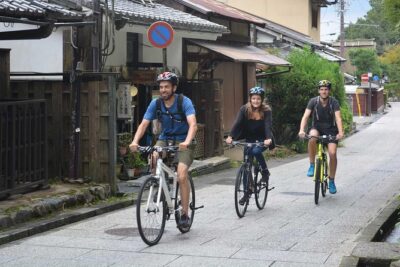
Arashiyama Bamboo Forest & Hidden Gems Bike Tour (Early Bird)
Read our review →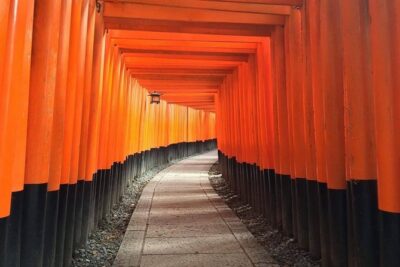
5 Top Highlights of Kyoto Full Day Bike Tour (E-bike option)
Read our review →
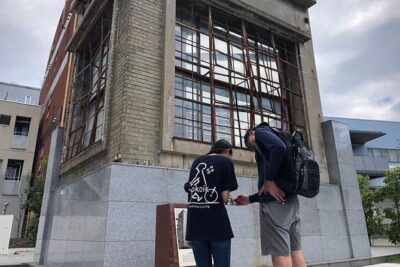
Hiroshima 2hr Peace Cycling Tour with Local Guide
Read our review →
5-Hour Osaka Bike Tour to the Neighborhood of Osaka Castle
Read our review →Browse the lists this tour appears in