
Review · CYCLING & E-BIKE RIDES
Tokyo Great Cycling Tour
Tokyo by bike feels like magic. In about six hours, you pedal from Tsukiji to big cultural stops with a maximum of 12 riders, and the main sightseeing blocks are listed as admission ticket free. The trade-off is that this is real cycling, so you need moderate physical fitness and you have to be flexible if weather turns.
I really like that you are not stuck with slow, wide-road sightseeing. Bikes can access places buses cannot reach, so your route has the feeling of moving like a local through neighborhoods. The guides named in reviews, including Toshi, Nick, and Naoko, are watchful about safety and welfare, and on a very hot day they adjusted the meal plan from a picnic to lunch at an izakaya.
In This Review
- Key highlights at a glance
- One half-day that actually changes your view of Tokyo
- Getting started at Shinkawa, and why the morning schedule helps
- Tsukiji Jogai Market: the old and new feel side by side
- Zojo-ji Temple with Tokyo Tower framed behind it
- The cityscape moments: high-rises, offices, and a cemetery in the middle
- Meiji Jingu Shrine: a major stop without the long trek
- Imperial Palace area: seeing where the Emperor and Empress live
- Guides make the difference: safety, pacing, and small-group attention
- Price, and whether $99.49 makes sense for your day
- What to expect from the ride itself
- Weather, heat, and the plan B you will hope for
- Who this tour is best for
- Should you book the Tokyo Great Cycling Tour?
- FAQ
- How long is the Tokyo Great Cycling Tour?
- What time does the tour start?
- Where is the meeting point?
- How many people are in the group?
- Are admission tickets included for the stops?
- Does the tour require good weather?
- What is the cancellation policy?
Key highlights at a glance
- Small group of up to 12 for easier pacing and more hands-on guiding
- Bike access beyond buses, meaning you can see Tokyo from streets you might not reach otherwise
- Major landmarks in one morning, including Meiji Jingu and the Imperial Palace area
- Listed admission ticket free for the main stops you visit
- Heat and weather responsive, with plans that can shift when conditions get rough
One half-day that actually changes your view of Tokyo
Tokyo is so big, and it is so spread out, that a normal walking day can feel like you are constantly playing catch-up. This tour helps because it strings together several distinct areas into one ride, with guided context as you move. You cover a lot of ground without doing that exhausting, stop-and-start sprint that turns a city day into a blur.
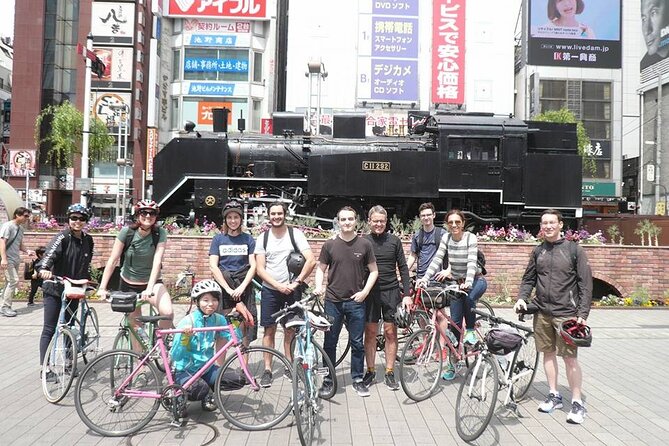
The other reason this works is the format. With a small group capped at 12, you get a more controlled rhythm. You are not wandering with dozens of strangers. You can ask questions, and the guide can keep an eye on everyone’s comfort level.
The stops are not all the same kind of sightseeing either. You mix market energy, temple and shrine atmosphere, and cityscape moments. That variety is what makes it feel like more than a checklist.
More Bike Rides in Tokyo
- Tokyo Top Highlights 3h Guided E-bike Tour
★ 5.0 · 714 reviews - 3h Tokyo E-Bike Tour: Hidden Gems, and Local Life with guide
★ 5.0 · 670 reviews - Tokyo: 3-Hour Bike or E-Bike City Highlights Tour
★ 4.8 · 435 reviews
Getting started at Shinkawa, and why the morning schedule helps
You begin at Tokyo Great Tours, 1-chōme-3-2 Shinkawa, Chuo City, Tokyo 104-0033. The start time is 9:00 am, and the tour ends back at the meeting point. It also uses a mobile ticket, and the meeting area is near public transportation, which matters in Tokyo because it helps you avoid last-minute navigation stress.
A morning start is also smart for your own comfort. Even when the day stays clear, Tokyo can heat up fast. Getting the core sightseeing blocks done earlier reduces the chance that you are miserable by the time you reach the later stops.
Tsukiji Jogai Market: the old and new feel side by side
Your first stop is Tsukiji Jogai Market. Even after the Inner Market moved to Toyosu, this area still has that steady mix of local shoppers and tourists. That matters because it lets you see Tsukiji as more than a single famous headline. You get a functioning market atmosphere, not just a photo moment.
This stop is timed at 15 minutes. Short stops can feel rushed on a walking tour, but on a bike day they work well. You get to orient yourself, take in the sights, and still move before the group energy drops.
One practical tip: treat this as a sensory warm-up. You are about to pedal through multiple landmark areas, so use this time to notice the texture of the neighborhood, how people move through the streets, and how the market sits in the bigger city.
Zojo-ji Temple with Tokyo Tower framed behind it
Next comes Zojo-ji, listed as an old Buddhism temple. What you are really experiencing here is contrast. You get traditional temple architecture, and in the background there is Tokyo Tower, which creates a striking blend of old and modern.
The stop is also 15 minutes. That is enough time to see the main scene the guide is pointing you toward, and then get moving again before the group strings out too far. If you like photography, this is a good place to take a few minutes and line up your shots, because the visual contrast makes composition easier.
Why this stop is valuable on a bike tour: you are not walking up to it from a distant transit hub. You are arriving as part of a route, which keeps your momentum. In Tokyo, momentum is half the battle.
More Bike Tours in Tokyo
- Tokyo Guided Small-Group Biking Tour
★ 5.0 · 1,250 reviews - Tokyo: 3-hour Guided E-Bike Tour of the City’s Hidden Gems
★ 4.8 · 251 reviews - Tokyo: 3-Hour Bike or E-Bike Tour of City’s Hidden Gems
★ 4.7 · 81 reviews - Tokyo: West-Side Cycling and Food Tour with Guide
★ 5.0 · 37 reviews
The cityscape moments: high-rises, offices, and a cemetery in the middle
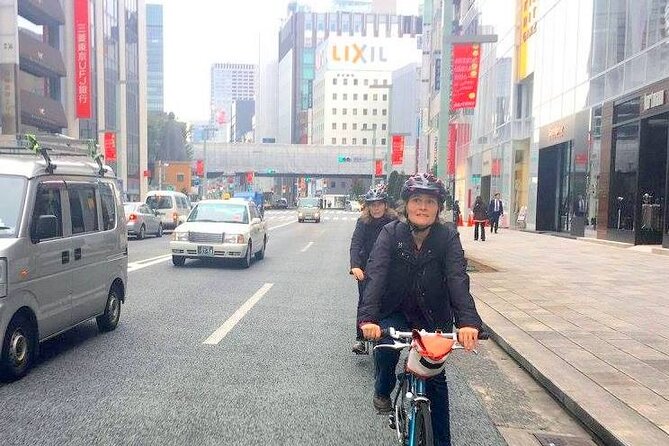
Between major landmarks, the ride includes a couple of neighborhood-style stops. One is a stretch with high-story apartments, expensive shopping and office buildings. Another is a cemetery situated in the middle of fashionable areas.
These parts are brief, but they are the reason a cycling tour feels more like Tokyo than a museum day. They help you understand how the city is layered. You see how the skyline and everyday life overlap, and you get the quiet shock of finding a cemetery tucked into an area that feels upscale.
If you tend to think of cities only as the famous sights, these small stops recalibrate your instincts. They show you how Tokyo can be orderly and surprising at the same time.
Meiji Jingu Shrine: a major stop without the long trek
Meiji Jingu Shrine is one of Tokyo’s most popular Shinto shrines, and this stop is timed at 20 minutes. That longer block compared with the other sites makes sense because shrines often benefit from a slower pace, even if you are still moving as a group.
On a bike tour, you get a different kind of advantage here. You are not spending your time commuting between far-separated points. You are arriving with the guide’s route already decided, which means you can spend more of your limited time inside the experience itself.
What I like about this stop in a small group setting: you can follow the guide’s explanation and still have room to step back, look around, and reset. With a big group, people often feel rushed. Here you have just enough breathing space.
Imperial Palace area: seeing where the Emperor and Empress live
The final landmark block is the Imperial Palace area. This stop is listed at 15 minutes, and it is timed around the fact that it is where the Emperor and Empress live.
Even if you have only passing interest in royal history, this stop has a purpose in the ride. It closes the loop with a site that is more symbolic and civic than religious or market-based. It gives the day a different kind of weight.
In my opinion, the best way to enjoy a short palace stop is to focus on the atmosphere your guide is describing and then give yourself one quiet moment to look at how the area sits within the surrounding city.
Guides make the difference: safety, pacing, and small-group attention
What stands out most from the experience pattern is the care from the guides. Multiple reviews mention guides like Toshi, Nick, and Naoko making sure guests are safe and looked after. One review specifically noted that the bike was running smoothly, which might sound basic, but it is huge in a cycling tour.
Biking in Tokyo is not inherently difficult, but it does require attention. With a group of up to 12, the guide can manage spacing and keep everyone from drifting too far or falling behind. That makes the experience feel easier than you might expect.
Also, the tour is designed as a cultural ride. You do not just get motion. You get explanations as you pedal, which helps the sights connect into a story you can actually remember.
Price, and whether $99.49 makes sense for your day
At $99.49 per person for around six hours, this is not a budget coupon, but it also is not a luxury-only experience. It sits in a middle zone where value comes from time saved and access gained.
Here is where the money usually earns its keep:
- You visit multiple major stops in one morning, including Meiji Jingu and the Imperial Palace area.
- The main sightseeing blocks are marked as admission ticket free.
- You move efficiently between neighborhoods, because bikes can reach places buses cannot reach.
- The guide and the small-group size help you avoid the chaos of self-planning.
If your goal is to see more Tokyo in less time, the price starts to look reasonable. If you are the kind of traveler who likes to wander slowly and soak in one neighborhood deeply, you might find a structured route less satisfying. But for most people, this hits the sweet spot of variety plus efficiency.
What to expect from the ride itself
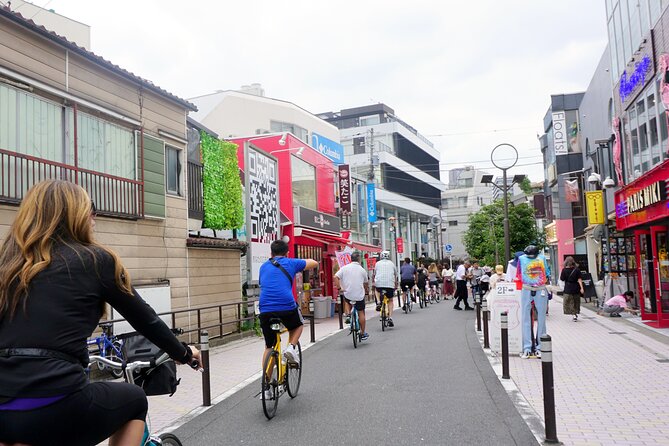
You will be cycling along city streets, with the goal of experiencing Tokyo like a local rather than from a bus window. That means you will feel movement. You will also feel small changes in the environment as you transition from markets to temples, then to cityscape scenes.
Fitness requirement is listed as moderate. That is a helpful phrase because it signals you do not need to be an athlete, but you also should not expect a fully effortless shuffle.
A practical mindset helps: wear comfortable shoes, keep water in your routine, and pay attention to the guide’s instructions. If you get the chance to ask about pace or stopping points, do it early. Guides can usually adjust how you experience a stop, especially in a small group.
Weather, heat, and the plan B you will hope for
This tour requires good weather. If it is canceled due to poor weather, you are offered a different date or a full refund.
Heat is a real factor too. One review notes that on a very hot day, the picnic plan was changed to lunch at an izakaya. That is a good sign. It suggests the team monitors conditions and can swap to something more comfortable without canceling the whole experience.
My advice: if you book, keep an eye on the forecast and plan your morning like you are going to ride. Tokyo sun and humidity can make even short distances feel longer.
Who this tour is best for
This tour is a strong fit if you:
- Want a lot of Tokyo in one morning without wasting time between far-apart sights
- Like small groups and prefer a guided route over solo navigation
- Are curious about how neighborhoods contrast, from market areas to major shrines and palace grounds
It may be less ideal if you:
- Have limited cycling comfort or want only leisurely walking
- Get stressed by city riding or tight schedules
- Need a day where everything is fully flexible and unstructured
Should you book the Tokyo Great Cycling Tour?
If you want value, a guided route, and the feeling of seeing Tokyo beyond the usual walk-and-train pattern, I think this is a good bet. The combination of small group size, bike access, and multiple landmark stops in about six hours makes it a smart use of limited time.
Book it if you are comfortable with moderate fitness and you can be flexible with weather. Skip it if cycling itself is your weak point, because this experience is designed around pedaling, not sitting still and staring out a window.
FAQ
How long is the Tokyo Great Cycling Tour?
The tour lasts about 6 hours.
What time does the tour start?
The start time is 9:00 am.
Where is the meeting point?
You meet at Tokyo Great Tours, 1-chōme-3-2 Shinkawa, Chuo City, Tokyo 104-0033, Japan.
How many people are in the group?
The tour has a maximum of 12 travelers.
Are admission tickets included for the stops?
The listed stops for Tsukiji Jogai Market, Zojo-ji, Meiji Jingu, and the Imperial Palace area are marked as admission ticket free.
Does the tour require good weather?
Yes, it requires good weather. If it is canceled due to poor weather, you’ll be offered a different date or a full refund.
What is the cancellation policy?
You can cancel for a full refund up to 24 hours in advance of the experience’s start time.
More Cycling Tours in Tokyo
- Tokyo: 3h Private E-bike Tours, Starting at Your Hotel
★ 5.0 · 36 reviews - Tokyo: Hidden Gems Guided Bike Tour with Lunch
★ 4.5 · 30 reviews - Tokyo: 2-Hour Night Bike Tour of the City’s Hidden Gems
★ 4.9 · 25 reviews - Tokyo Bike Tour: Shibuya, Harajuku & Hidden Gems
★ 5.0 · 20 reviews
Newly listed around Tokyo
- Tokyo private transfer for Yokohama Port★ 4.5 · 63 reviews
- Luxury Kimono Photoshoot at Ginza Tokyo★ 5.0 · 7 reviews
- Tokyo Allstar Food Tour★ 4.5 · 206 reviews
- Tokyo Art Aquarium Museum E-Ticket with optional Tokyo Metro Pass★ 5.0 · 17 reviews
- Tokyo: Best Ginza Food Tour at 3 Local Eateries★ 5.0 · 83 reviews
- Private One Day Nikko Tour with Bilingual driver★ 3.5 · 11 reviews
- Japanese Whisky Tasting Experience at Local Bar in Tokyo★ 5.0 · 59 reviews
- PRIVATE tour in 180SX to Daikoku+++++★ 5.0 · 6 reviews
Cycling & E-Bike Rides, compared.
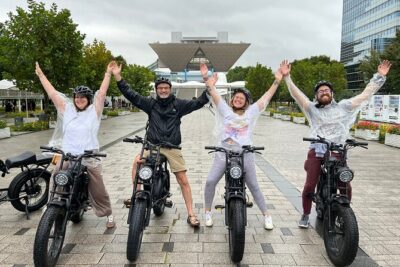

3h Tokyo E-Bike Tour: Hidden Gems, and Local Life with guide
Read our review →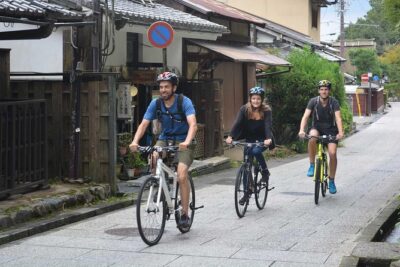
Arashiyama Bamboo Forest & Hidden Gems Bike Tour (Early Bird)
Read our review →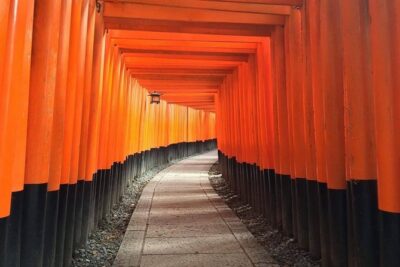
5 Top Highlights of Kyoto Full Day Bike Tour (E-bike option)
Read our review →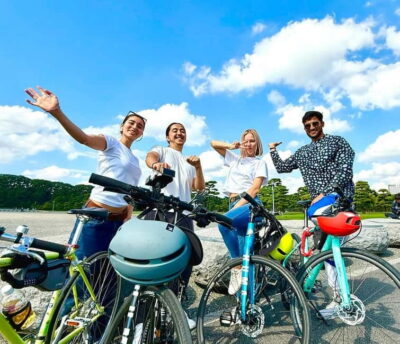
Hiroshima 2hr Peace Cycling Tour with Local Guide
Read our review →
5-Hour Osaka Bike Tour to the Neighborhood of Osaka Castle
Read our review →Browse the lists this tour appears in