
Review · SHRINE & TEMPLE VISITS
A trip to visit Ise Grand Shrine and experience Ama culture
Two worlds in one Ise day. This private outing pairs Ise Jingu with Ama culture, guided by locals like Kyohei or Emiko who explain what you are seeing and why it matters. It is a smart way to hit the big spiritual landmark and the sea-women traditions in one half-day, without you having to map anything out.
I like that the itinerary keeps its focus. You get a proper stroll through Okage Yokocho before the shrine, and then you sit down for a traditional seafood BBQ connected to the Ama way of life. One possible snag to keep in mind: the Ama show at Mikimoto Pearl Island can be affected by island operations, and meal costs may not be handled the way you expect, so it is worth confirming before you go.
In This Review
- Key highlights you should know
- Entering Ise Jingu in the right mindset
- Okage Yokocho: old streets with real purpose
- Ama culture explained through food and stories
- Mikimoto Pearl Island and the Ama show moment
- Timing and the car-only flow for an easy half-day
- What is included, and what you should budget for
- Guide quality: why Kyohei and Emiko matter
- Comfort, access, and who this tour is best for
- Should you book this Ise and Ama day?
- FAQ
- How long is the Ise and Ama culture tour?
- What time does the tour start and end?
- Where does the tour pick you up?
- Is the tour offered in English?
- Is the tour wheelchair accessible?
- What costs are not included in the tour price?
Key highlights you should know
- Ise Jingu first, with a guide to help you follow Shinto etiquette and the flow of the grounds
- Okage Yokocho stroll, old-street atmosphere with snack and shopping options along the way
- Ama Hut style seafood BBQ, including the stories around how local harvesting traditions work
- Mikimoto Pearl Island Ama show, with an on-site cultural performance linked to pearls
- Flexible swaps in-season, since one guide may adjust the program depending on what the region is doing (like seasonal wakame)
Entering Ise Jingu in the right mindset
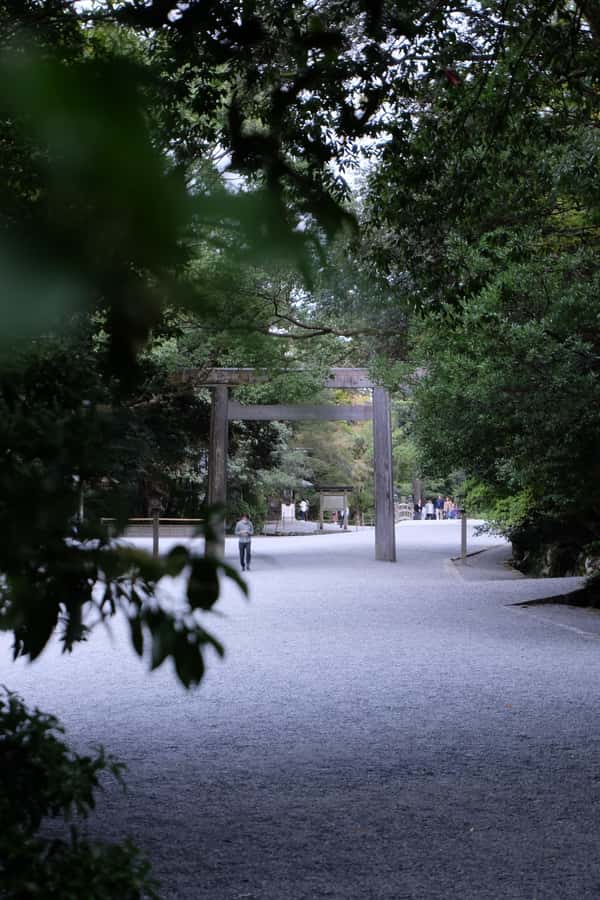
Ise Jingu is the main reason most people come to the Ise-Shima area. This tour puts you there during the first big block of the day, after a meet-up in Ise City, Toba City, or Shima City at 9:00. Since you are moving by car the whole time, you do not burn your energy on transfers, which matters because shrine visiting is more about pacing and attention than speed.
The tour is designed around a simple idea: show up, understand the customs, then walk. A local guide helps you make sense of Shinto practice and what you should do on-site. With guides like Emiko, you can expect explanations that keep you oriented, from how people behave on temple grounds to how to interpret the symbolism you are seeing. It is not just sightseeing, it is learning how to read the place.
Practical note: Ise Jingu is a walk-heavy visit, and the day includes additional strolling afterward. You will want comfortable shoes and a plan for sun and heat, especially in the summer. Even the best guide cannot fix tired legs, so show up rested.
More Shrine and Temple visits in Shizuoka:
- Kyoto: Fushimi Inari, Kinkakuji, Bamboo Grove 1 Day Bus Tour
★ 4.8 · 4,316 reviews - Kyoto: Tea Ceremony Ju-An at Jotokuji Temple
★ 4.9 · 3,207 reviews - Tokyo: Meiji Shrine, Asakusa, Skytree Bus Tour and Cruise
★ 4.7 · 1,986 reviews
Okage Yokocho: old streets with real purpose
After the shrine time, you shift gears into a more human, everyday side of Ise. Okage Yokocho is the old Japanese street area that you stroll as part of the plan. Think small lanes, traditional town vibes, and a place where shopping and light eating feel natural, not forced.
What I like about this stop is timing. You are not rushed through it. The earlier shrine experience sets the tone, then Okage Yokocho gives you a chance to slow down and browse. If you want snacks, this is typically the kind of place where you can pick something small and go with the mood of the moment. And if you just want photos and atmosphere, you still get value because the lanes help you picture how daily life fits around a major shrine region.
In one report from a past guest, the day felt packed without feeling rushed, which usually means the guide is pacing the group instead of clicking through stops. That is exactly what you want here. Old streets work best when you have a little time to wander at your own speed inside a structured day.
Ama culture explained through food and stories
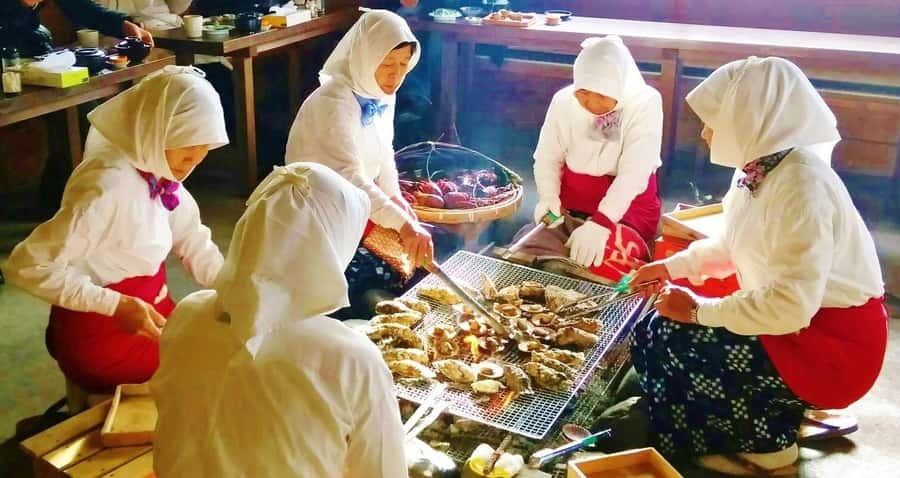
The heart of the experience is the Ama component, not as a museum topic, but as living culture. The tour includes dining at Hachiman Kamado, described as a traditional seafood BBQ lunch in the style of an Ama hut restaurant. You will sit down and eat, then listen to stories from local sea women, tying the meal to the skills, work routines, and community knowledge behind it.
Here is the value: food is a fast teacher. When you eat something tied to a specific tradition, it is easier to understand the people behind it. You also get context that you would not get from a quick show alone.
Two details to keep in mind. First, in at least one instance, the BBQ was carried out at a restaurant run by an Ama woman rather than at a literal hut setting. That is not necessarily a problem, but it is a heads-up that the exact phrasing of where you eat can differ by day. Second, in one account, a guest reported paying for their own lunch plus the guide’s lunch, which was unexpected for them. That suggests you should confirm how meal payments are handled, especially if your package language makes it sound fully covered. If you are the type who likes clarity, ask your guide early in the day how costs are managed for lunch.
What you can count on: you will be eating local seafood, and you will be hearing why Ama life matters to Ise and the nearby coastline.
Mikimoto Pearl Island and the Ama show moment
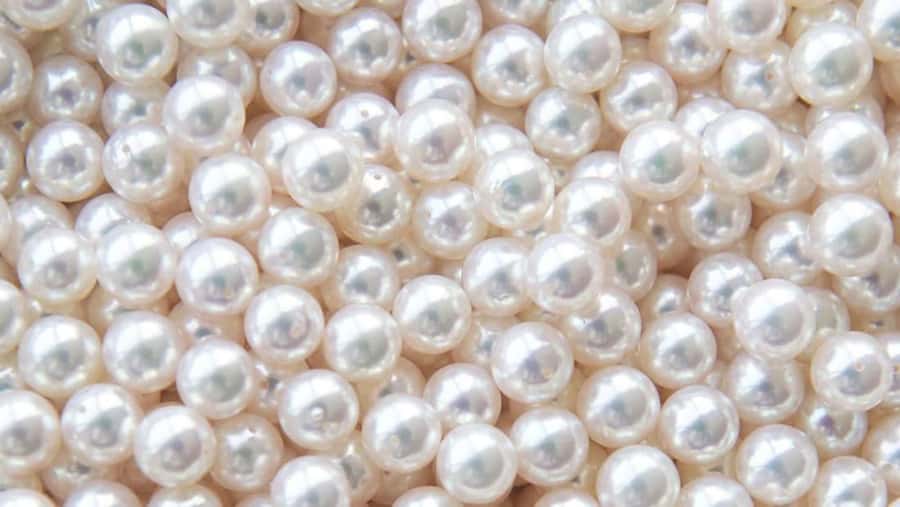
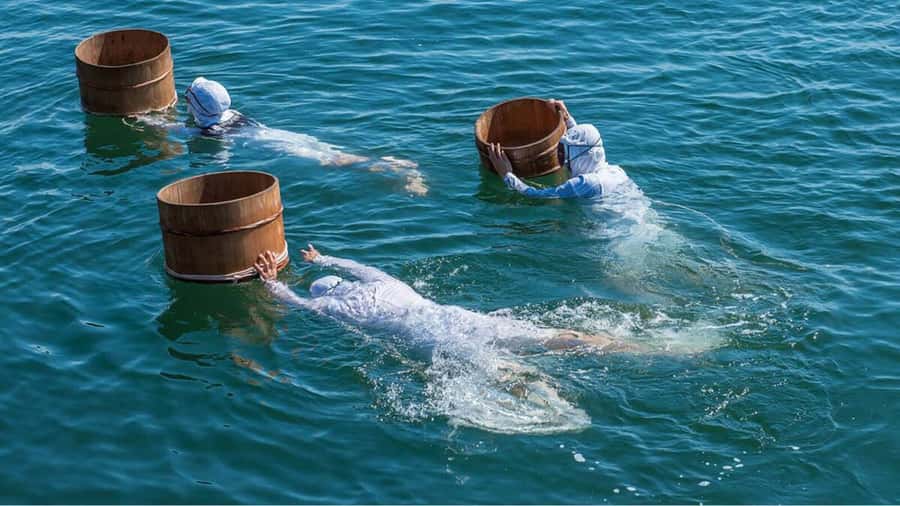
The final major cultural hit is Mikimoto Pearl Island. The tour is built around watching a traditional Ama show there. Pearls are part of Mikimoto’s global story, but the connection here is human. The performance is meant to bring you closer to the Ama traditions that are tied to the sea and, ultimately, to the idea of pearls.
This stop is also where you should be flexible. One past experience described a day when the show could not be performed due to island closure, and that disappointment came from the lack of advance readiness. You cannot plan for every operational change, but you can protect your expectations by asking a simple question before you commit to the day: if the show cannot run that day, what is the backup plan? A good guide will have an answer or at least a practical adjustment.
On a more positive note, another account highlighted that the guide, Kyohei, was able to swap the Ama show with watching regional fishermen process wakame during the wakame season. That is the kind of flexibility you want in a private tour. It keeps the day meaningful even if one set piece changes.
If you care about getting the most from the performance, arrive with the mindset that this is cultural education, not just entertainment. Watch how the performers move, listen to the explanations you get, and connect it back to what you ate earlier. That is where the day really clicks.
A few more Shizuoka days to weigh up
- Tokyo: Mt. Fuji 5th Station & Hakone Cruise 1-Day Bus Tour
★ 4.2 · 2,381 reviews - Full Day Tour to Mount Fuji in Spanish
★ 5.0 · 279 reviews - Full Day Tour to Mount Fuji with Guide in Spanish
★ 5.0 · 257 reviews - Private sightseeing tour from Shimizu Port / Van Taxi
★ 5.0 · 114 reviews
Timing and the car-only flow for an easy half-day
This is a longish day, listed at 8 hours, but it is structured tightly. You meet at 9:00, and the tour disbands around 17:00. That timing can sound like a full day, but the car-only movement matters. The tour is “moved entirely by car,” which helps you avoid spending half your time on local transit.
It also makes the walking portions easier to manage because the walking is concentrated in the stops. You get a walking tour element, including the old street stroll, plus temple grounds walking. Between those, you get transit time back in the shade or with air conditioning, depending on your vehicle.
One practical consideration: pickup is included, but where it happens can affect your cost. If you are staying outside Ise City, there may be additional charges for pickup. Within the cities named for meet-up, it is more straightforward. If you want this to feel effortless, share your hotel name, station name, or address early so the guide can plan efficiently.
What is included, and what you should budget for
This is a private tour exclusively for you, with a local resident guide and pickup service. You also get a walking tour component. The day is listed in English.
What is not included is the part people often trip over. You are responsible for food and drink prices, admission fees, and transportation fees used on the tour. The BBQ lunch is described as part of the experience, but because food and drink prices are not listed as included, you should be prepared to pay for lunch and any drinks you order. Again, because one guest reported unexpected lunch charges that included the guide’s meal, it is smart to clarify how lunch costs work for your specific booking.
If you want maximum value, treat this as a cultural program plus paid on-the-spot costs: shrine and island admissions if they apply, and your meals and drinks. That is still often a good deal because you are buying time with a guide who can turn stops into understanding.
Guide quality: why Kyohei and Emiko matter
This is one of those tours where the guide can change your entire day. In the strong feedback, Kyohei came through as punctual, reliable, and good company, with humor that helped even through intense heat. There is also a sense that he knows the region in a practical way, not just from a script.
Emiko is praised for explaining Shinto religion and customs clearly and for being fluent in more than one language. That is helpful because when religious etiquette makes sense, you stop worrying about whether you are doing it wrong, and you start paying attention to details you would otherwise miss.
One other useful point from the experiences shared: Kyohei was reported as having real firsthand experience in the sea tradition, which makes his Ama stories feel grounded. When a guide truly understands the work, the explanations tend to feel specific instead of general.
Comfort, access, and who this tour is best for
This experience is not suitable for wheelchair users. The stops involve temple grounds and walking streets, so the physical demands likely go beyond what is workable for a wheelchair on this itinerary.
Who it fits well:
- You want a private, local-guide day instead of a crowded group bus tour
- You want a mix of major shrine sightseeing plus a cultural sea tradition
- You value explanations that connect food, customs, and performances
- You prefer a structured day with enough flexibility to handle seasonal changes
If you are traveling with kids, one report praised how the guides looked after toddlers in a big family group. Private tours can be easier for families because you can adjust pacing and stop frequency. Still, you should plan for walking and heat.
Should you book this Ise and Ama day?
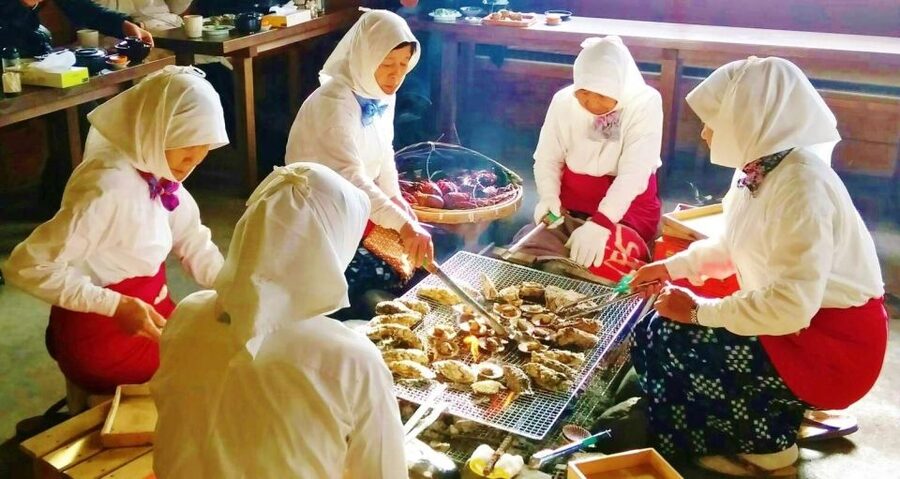
I would book it if you want one guide-driven day that covers the big shrine moment at Ise Jingu, adds the atmospheric old-street walk of Okage Yokocho, and then tackles Ama culture through both a meal and an on-site performance at Mikimoto Pearl Island.
I would think twice or ask extra questions before booking if you are tightly schedule-bound around the show at Mikimoto Pearl Island. The experience described included a day when the show could not run due to closure. Also confirm the payment flow for lunch and any drinks, since not every booking day handles meal costs the same way.
If your goal is an efficient, culturally guided day in the Ise-Shima area, this private tour has clear strengths. You get multiple signature experiences, you get local context from guides like Kyohei or Emiko, and you get a car-only flow that keeps the day manageable.
FAQ
How long is the Ise and Ama culture tour?
It runs for about 8 hours.
What time does the tour start and end?
You meet at 9:00 and the tour disbands around 17:00.
Where does the tour pick you up?
Pickup is available from your accommodation. If you are outside Ise City, additional charges may apply. You can also choose a meet-up based on your hotel name, station name, or address.
Is the tour offered in English?
Yes, the live tour guide speaks English.
Is the tour wheelchair accessible?
No, this tour is not suitable for wheelchair users.
What costs are not included in the tour price?
Food and drink prices, admission fees, and transportation fees used on the tour are not included. Pickup and drop-off service from the meeting point is also not included.
Newly listed around Shizuoka
- Private Fuji Full-day Car Tour with Hotel Pickup -Local Guide★ 5.0 · 12 reviews
- Halfway Up Mt,Fuji, Oshino Hakkai, Kawaguchiko from Tokyo★ 3.6 · 13 reviews
- Tokyo: Mount Fuji 5th Station & Onsen Day Trip★ 4.3 · 75 reviews
- Tokyo: Fuji Cable Car Tour (Ticket Inc.) – Kawaguchiko Views★ 4.8 · 12 reviews
- Mount Fuji E-Bike Tour: Explore Nature and History★ 5.0 · 7 reviews
- Mt. Fuji Drive Tour (Includes Visit to Local Speedway)★ 5.0 · 19 reviews
- From Tokyo: Izu Omuro Mountain, Jogasaki Coast Day Trip★ 4.0 · 11 reviews
- Private sightseeing tour from Shimizu Port / Van Taxi★ 5.0 · 114 reviews
Shrine & Temple Visits, compared.
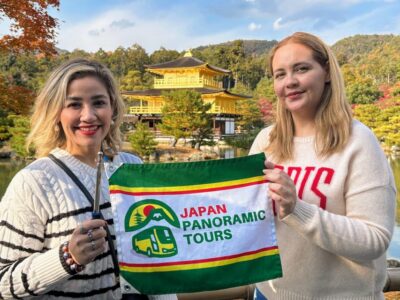
Fushimi Inari, Kinkakuji, Bamboo Grove 1 Day Bus Tour
Read our review →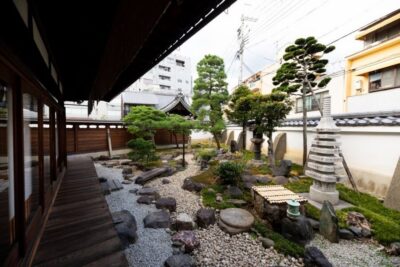
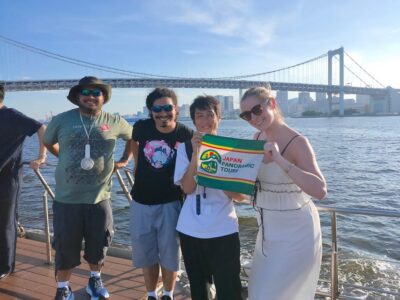
Meiji Shrine, Asakusa, Skytree Bus Tour and Cruise
Read our review →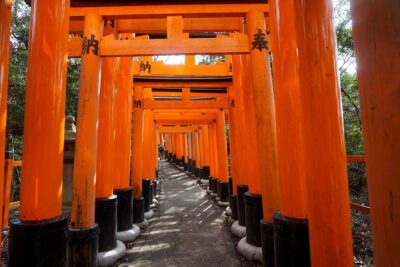
Fushimi Inari Hidden Hiking Tour (Private Option Available)
Read our review →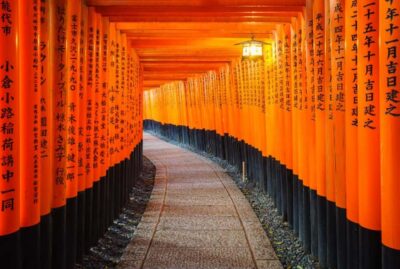
Osaka/Kyoto:Kinkakuji,Arashiyama,FushimiInariShrine,NaraPark
Read our review →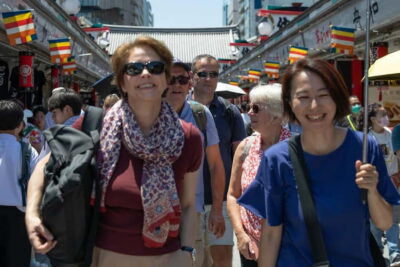
Asakusa Walking Tour with Sensoji Temple Visit
Read our review →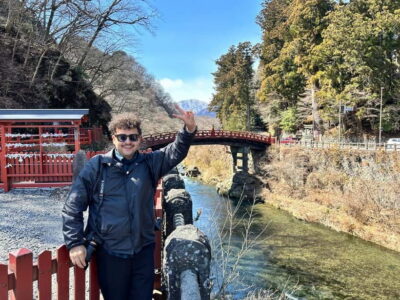
Nikko: Kegon Falls, Lake Chuzenji & Toshogu Temple
Read our review →
Kamakura & Enoshima Day Trip including Temple Tickets
Read our review →Browse the lists this tour appears in