Review · OSAKA TOURS
Amanohashidate Ine Funaya Miyama Village No Sato Tour from Osaka
Four icons of Kyoto meet one Osaka morning. This day tour packs in Ine Funaya, Amanohashidate, and two other high-impact stops, all wrapped into one smooth (if long) outing from Osaka. You get coastal calm, pine-tree drama, and rural thatched-roof life, with plenty of free time to wander at your own pace.
I love how the tour hits two of my favorite styles of Japan in one shot: photo-ready villages and spiritual, slower moments. Ine Funaya feels like a throwback to working boats, and Miyama Kayabuki-no-sato Kitamura is the kind of place where you instinctively slow your steps. The schedule also gives small pockets of breathing room between sights, not just nonstop marching.
One thing to plan around: this is a 9 to 10 hour day with travel time included, and it’s run as a carpooling trip. If you show up late, you can lose your place, and delays from traffic are on the time buffer, not the company’s responsibility.
In This Review
- Key highlights to know before you go
- A long day out of Osaka, built around four big moments
- Ine Funaya in Fuga: the Venice of Japan, minus the chaos
- Amanohashidate: the pine-lined sandbar and the upside-down fun
- Chionji Temple at the southern end: prayers for wisdom and success
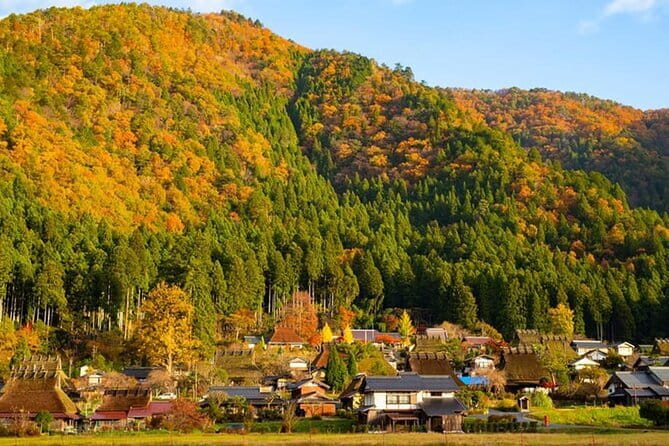
- Miyama Kayabuki-no-sato Kitamura: thatched roofs and rural architecture
- Price and timing: why $89.99 can still feel fair
- Guide and group size: what to expect from the human part
- Who should book this tour (and who might skip it)
- Should you book the Amanohashidate, Ine Funaya, Chionji, and Kayabuki-no-sato day tour?
- FAQ
- Where does the tour start and where do you finish?
- How long is the tour?
- What is included in the tour price?
- How much does the tour cost?
- What is the group size limit?
- Does the tour require good weather?
- Are children and seniors allowed?
- What if I need to cancel?
Key highlights to know before you go
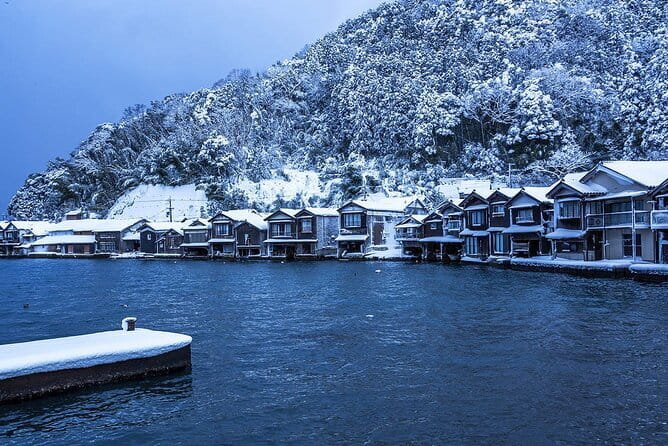
- Ine Funaya looks like the Venice of Japan, with traditional boathouses along the shore
- Amanohashidate is a 3.6 km sandbar lined with about 8,000 pine trees
- You’ll have a chance to try the playful upside-down sandbar viewing tradition
- Chionji Temple is tied to Monju Bosatsu and is known for academic success prayers
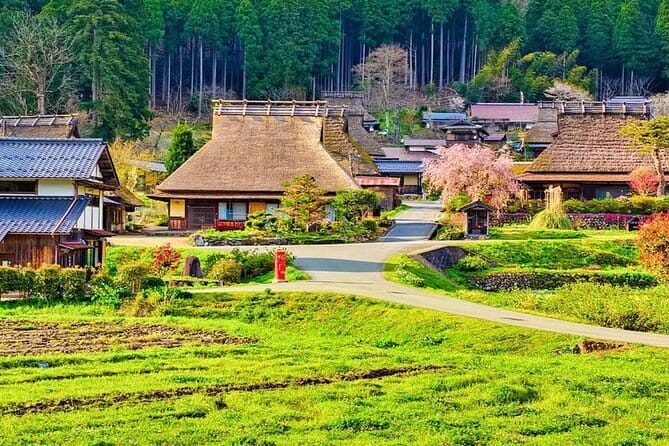
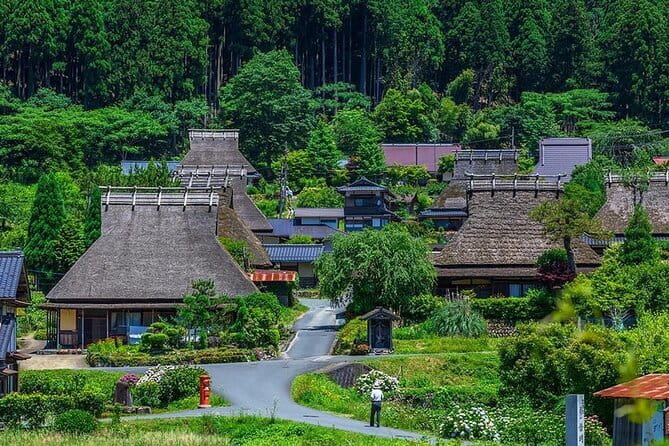
- Miyama Kayabuki-no-sato Kitamura preserves about 50 thatched-roof homes, ideal for slow wandering
A long day out of Osaka, built around four big moments
This is a full-day road trip, starting at 7:20 am from 1-chōme-3 Nipponbashi Parking in Osaka. You’ll ride out of the city and come back into the Shinsaibashi and Dotonbori area at the end, which makes the day easy to connect with dinner plans afterward.
The good news is the sightseeing is structured around four places that each have their own “wow” factor. Ine Funaya and Kayabuki-no-sato give you two different versions of village charm, Amanohashidate hits you with a wide-open natural spectacle, and Chionji Temple slows the tempo with a calm, prayer-centered stop. The tour is also capped at 46 travelers, so it doesn’t feel like you’re swallowed by a huge bus swarm.
The tradeoff is time. With travel time included, you should expect a 9 to 10 hour day, and you won’t have hours to soak in every detail. It’s still a very good way to see a lot without logistics headaches, but go in knowing it’s a packed itinerary.
A few more Osaka days to weigh up
- Osaka Go Karting Tour with Funny Costume
★ 5.0 · 2,658 reviews - Osaka Castle: Museum and Tower Entry Ticket
★ 4.5 · 2,380 reviews - Osaka: Shinsekai Food Tour with 13-15 Dishes at 5 Eateries
★ 4.8 · 2,204 reviews
Ine Funaya in Fuga: the Venice of Japan, minus the chaos
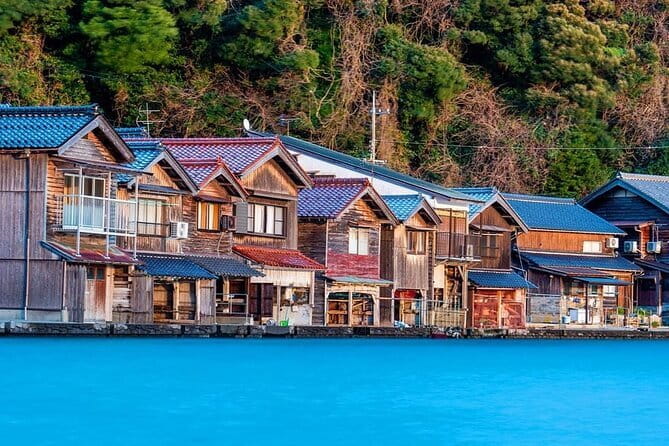
Your first stop is Ine Funaya, Fuga, a coastline village often described as the Venice of Japan. The signature here is the traditional funaya boathouses, wooden structures built directly along the water, tied to the working life of fishing families.
When you arrive, the place rewards walking slow and looking down as much as forward. From the shore paths and viewpoints, you get that classic layered look of boathouses and water, and it’s especially satisfying if you like architecture details or old-school coastal industries. You’ll also get a 40 minute stop, and admission is free, so you can spend your time actually strolling instead of paying at each gate.
The main benefit of starting here is mood. Ine Funaya gives you a coastal reset early in the morning, before the day turns more scenic and more temple-focused. It’s a strong “first impression” stop, and it’s also one of the reasons this tour gets high marks for combining two beautiful villages in a single day.
Practical note: Ine can involve a bit of uneven outdoor walking, so wear shoes that handle casual outdoor surfaces. With only about 40 minutes, you’ll want to avoid long detours and keep moving at a relaxed pace.
Amanohashidate: the pine-lined sandbar and the upside-down fun
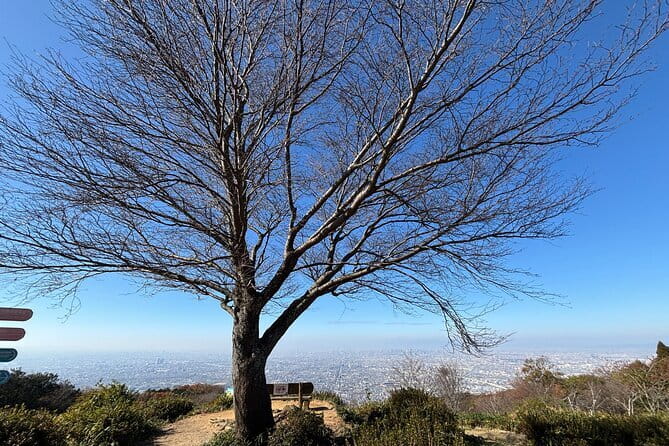
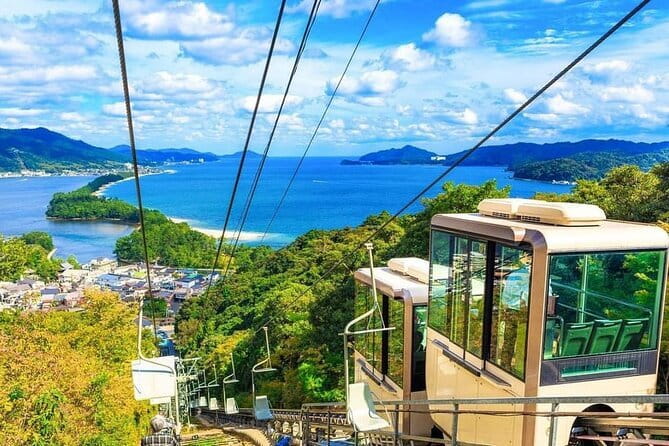
Next up is Amanohashidate, one of Japan’s top three scenic spots, and for good reason. The big deal is a 3.6 km natural sandbar covered with about 8,000 pine trees, stretching across the water like a living brushstroke.
You’ll have 1 hour 30 minutes here, with free admission. That’s enough time to enjoy the main viewpoint(s), take photos, and then still step back and just look. If you’re the type who likes “stand and watch” travel moments, this stop will hit.
One detail I think is worth planning around is the upside-down viewing tradition. The tour highlights a fun way to view the sandbar from a lower or inverted angle, usually for photos that make the long pine line feel extra dramatic. You don’t need special gear. Just be ready to line up with others briefly and experiment with your angle, then move on before you lose the rest of your time.
Amanohashidate is also a perfect “wide scene” break between village walking and the more grounded temple and rural architecture later. It adds variety, not just more sightseeing. And it helps explain why people say the itinerary is packed with highlights but still feels balanced enough to breathe.
If you’re sensitive to crowds, go with a patient mindset. This is a famous stop, so you’ll see other visitors. Still, the sandbar scale helps, because you’re not trapped inside a small space.
Chionji Temple at the southern end: prayers for wisdom and success

After the scenic spectacle, you’ll head to Chion-ji Temple. This stop is shorter, about 30 minutes, but it’s focused, and it adds a different kind of value than the visual stops.
Chionji is dedicated to Monju Bosatsu, the Bodhisattva of wisdom, and it’s known for its connection to prayers for academic success. In practical terms, this means you’re not just sightseeing a pretty temple. You’re stepping into a place designed for intention, focus, and quiet wishes.
This is also where the day feels more meaningful if you travel with any interest in how faith shows up in daily life. The temple stop helps reset your energy after the open-air sandbar views. It’s a good moment to slow down, step away from photos, and just pay attention.
One small caution: since the stop is short, aim to arrive ready to move. Don’t plan on reading everything cover to cover or wandering far into side areas. Use the time to see the main temple setting and participate in whatever gentle prayer steps are available to visitors.
A different sort of day in Japan:
- Osaka Food Tour: 13 Dishes at 5 Local Eateries
★ 5.0 · 2,149 reviews - Hungry Osaka Street Food Tour:15 Tastings & 3 Drinks with a Local
★ 5.0 · 1,727 reviews - Osaka: teamLab Botanical Garden Entry Ticket
★ 4.5 · 1,710 reviews - Osaka: Tea Ceremony Experience
★ 4.9 · 1,426 reviews
Miyama Kayabuki-no-sato Kitamura: thatched roofs and rural architecture
The final major attraction is Miyama Kayabuki-no-sato Kitamura, a traditional village known for its thatched-roof houses. You get about 40 minutes here, and admission is free, which makes this a very high-value stop. You’re basically paying for the ride and enjoying the structure and atmosphere on-site.
This village preserves about 50 traditional homes, and the key visual is the roofline. If you like rural architecture, you’ll appreciate how the roofs create a strong silhouette and how the village feels designed for slow walking. Even in a short visit, you can get that “how did people live here?” feeling without needing special context.
What makes Kayabuki-no-sato work in a one-day itinerary is contrast. Compared with Ine Funaya, you’re leaving water-edge village life and stepping into mountain-era rural charm. Compared with Amanohashidate, it’s smaller, quieter, and more tactile. You’re moving from scale to details.
Also, this stop tends to be a favorite because it photographs well but doesn’t feel like a theme park. If you time your walking right, you can get calm moments between groups. That’s one reason this tour earns praise for being able to see two of the most beautiful villages in Japan in the same day.
Price and timing: why $89.99 can still feel fair
At $89.99 per person, this tour isn’t “cheap,” but it can be good value if you factor in how much ground it covers from Osaka. It’s not just one stop. You’re getting four distinct places, plus a guide and transportation to stitch them together.
The admissions being free at each major stop helps a lot. You’re mainly paying for the organization, the carpooling ride, and the fact that you don’t have to coordinate separate buses and local transfers across the region. With a one-day format, that matters.
Also, many people book this type of day tour around 50 days in advance, which usually means it fills up around peak times. The group size is capped at 46 travelers, and the time commitment is big, so booking earlier is smart if your dates are firm.
The schedule is long, and you should expect that each stop is paced. If you go in expecting a slow, sit-in-cafes day, you might feel rushed. If you go in wanting a good sampling of highlights and you’re okay with shorter wandering, it’s a very solid deal.
Guide and group size: what to expect from the human part

This tour includes a guide who speaks Chinese, Japanese, English, and Korean. That’s great on paper, but what matters most is how clearly you can follow instructions and meet up on time.
One real-world consideration: language ability can vary day to day. A previous participant flagged that the guide’s English communication wasn’t as strong as promised. That doesn’t mean your experience will be the same, but it’s a good reason to keep things simple: show up early, pay attention to meeting points, and don’t rely on the guide for extra interpretation beyond basic direction.
The upside is the group size keeps things manageable. With a max of 46, you can still find your own rhythm within the tour day. If you like taking breaks between stops, you’ll appreciate that the pacing allows for some decompression rather than sprinting from one photo to another.
And because the tour disbands in the Shinsaibashi and Dotonbori areas, you’ll likely feel like you can roll into evening plans without going back to the exact start point.
Who should book this tour (and who might skip it)
This works best for you if you want a one-day “greatest hits” visit from Osaka. It’s ideal if you care about scenery but also want a temple stop and a rural village, not just a single type of attraction.
I also think it suits travelers who like structured sightseeing but still want to walk around on their own. The stops include free time, and the tour doesn’t look like it’s built only around listening to a lecture.
You might want to skip if you:
- hate long days, because travel time counts and the tour runs roughly 9 to 10 hours
- need lots of time at each stop, because the stop durations are designed to fit four major locations
- are very sensitive to schedule changes, since the order can be adjusted based on weather or traffic
If you’re traveling with seniors, note that 70+ should present a medical certificate before participating. For young kids, children aged 0 to 2 are free if they do not take a separate seat, which can help families manage costs.
Should you book the Amanohashidate, Ine Funaya, Chionji, and Kayabuki-no-sato day tour?
I’d book it if your goal is one memorable day that blends three visual highlights with one calm, prayer-centered stop. You get the water-world charm of Ine Funaya, the big iconic Amanohashidate sandbar with the chance to try the upside-down viewing tradition, and then two rural settings that contrast nicely with each other.
It also scores well for visitors who want a day that feels full but not frantic, with breathing room between stops. The only real downside is the limited time at each place, so set expectations that this is sightseeing sampling, not lingering all day in one village.
If your dates are flexible, aim for good weather. The tour notes it requires good weather, and if it’s canceled for poor conditions you’ll get an alternate date or a full refund. And no matter what, show up on time at the meeting point, because carpooling trips are strict about being late.
FAQ
Where does the tour start and where do you finish?
The tour starts at 1-chōme-3 Nipponbashi Parking in Osaka at 7:20 am. The tour ends with disbanding in the Shinsaibashi and Dotonbori areas.
How long is the tour?
The total duration is about 9 to 10 hours, and it includes transportation time.
What is included in the tour price?
The tour includes transportation and a Chinese, Japanese, English, and Korean-speaking guide. Admission tickets for the listed sightseeing stops are free.
How much does the tour cost?
The price is $89.99 per person.
What is the group size limit?
This tour has a maximum of 46 travelers.
Does the tour require good weather?
Yes. The tour states it requires good weather. If it is canceled due to poor weather, you’ll be offered a different date or a full refund.
Are children and seniors allowed?
Children aged 0 to 2 are free as long as they do not occupy separate seats. Seniors aged 70+ should present a medical certificate before participating.
What if I need to cancel?
You can cancel for a full refund if you cancel at least 24 hours before the experience’s start time. If you cancel less than 24 hours before, the amount paid is not refunded.
Newly listed around Osaka
- 2 Hours of Bar Hopping in Osaka Style★ 5.0 · 22 reviews
- Osaka Authentic Local Izakaya Hopping Experience: Food & Drinks★ 5.0 · 99 reviews
- Same-Day Osaka Food Crawl with local food and Hidden gems★ 5.0 · 114 reviews
- Well-balanced BENTO (lunch box) Cooking Class★ 5.0 · 35 reviews
- Anime Cosplay Photshoot-50 Digital Photos Provided★ 5.0 · 8 reviews
- OSAKA:Feel the Power! Learn Taiko Drum from Professionals★ 5.0 · 28 reviews
- Three Types of Ramen Cooking Class in Osaka★ 5.0 · 119 reviews
- Urban Canvas: Osaka Street Art Bike Tour★ 5.0 · 47 reviews
Osaka Tours, compared.
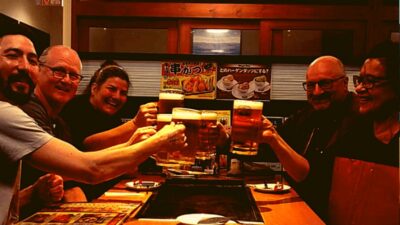
Shinsekai Food Tour with 13-15 Dishes at 5 Eateries
Read our review →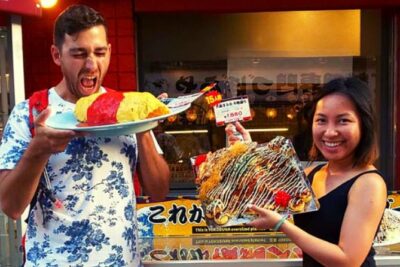
Osaka Food Tour: 13 Dishes at 5 Local Eateries
Read our review →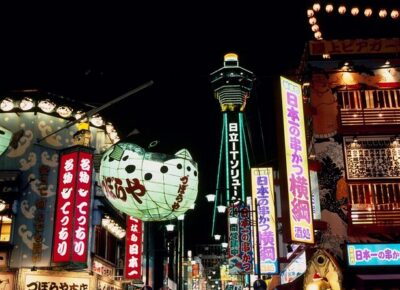
Hungry Osaka Street Food Tour:15 Tastings & 3 Drinks with a Local
Read our review →