Review · TOKYO TOURS
Best of Tokyo Small Group Tour
Tokyo clicks fast with a metro-savvy guide. This Best of Tokyo day tour links Imperial Palace gardens with Senso-ji, and it helps you understand how the city moves between neighborhoods. Guides such as Shish and Helena are especially strong at answering practical questions, including how to use the Tokyo train system without wasting time.
The main catch is the pace. It lasts 7 hours and involves plenty of walking, so wear comfortable shoes, and skip this if you’re a wheelchair user or over 95.
In This Review
- Key Tour Takeaways
- Enter Tokyo With a Small-Group Plan That Actually Fits a Day
- From Starbucks at Kokyo Gaien to the Imperial Palace Calm
- Imperial Palace Gardens and Nijubashi Bridge, a Photo Stop With Meaning
- Asakusa and Senso-ji: The Biggest Temple Moment and the Street Life Around It
- Meiji Jingu Shrine: A Forested Reset Between City Zones
- Harajuku: Style, Youth Culture, and the Joy of Street-Level Tokyo
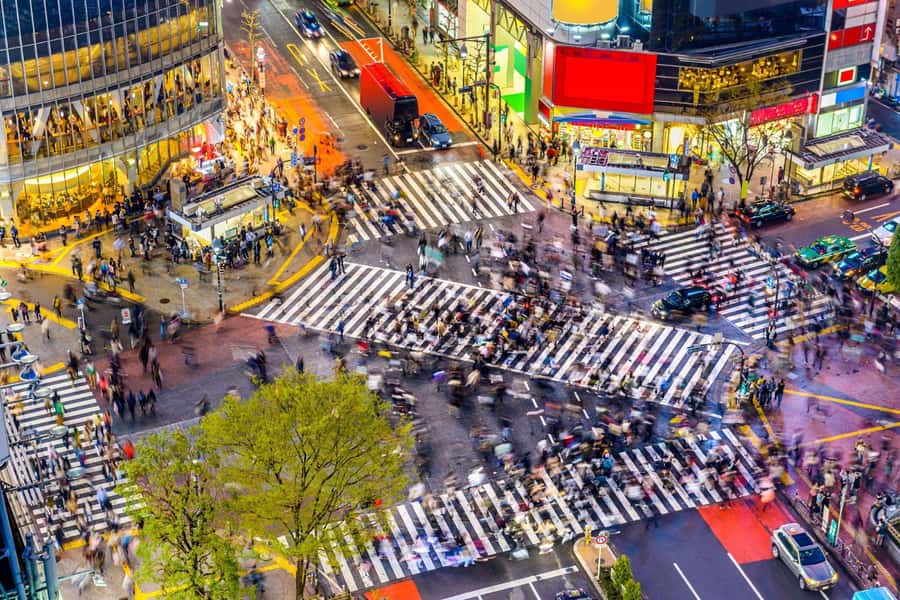
- Shibuya Crossing: How to Watch the Icon Without Losing Your Plan
- Price and Transit Value: What $99 Really Buys You
- What the Guide Adds: Better Questions, Better Timing, Easier Metro
- Who Should Book This Tour, and Who Should Skip It
- Should You Book This Best of Tokyo Small Group Tour?
- FAQ
- How long is the Best of Tokyo small group tour?
- Where does the tour start and meet your guide?
- Where does the tour finish?
- Is lunch included?
- What language is the tour guide?
- Is the tour wheelchair accessible?
Key Tour Takeaways
- Imperial Palace gardens and Nijubashi Bridge give you a calm starting point and great photo angles
- Senso-ji and Asakusa cover both the big temple moment and the street-life around it, including time for lunch on your own
- Meiji Jingu’s quiet grounds offer a breather after busier central areas
- Harajuku walking time lets you see Tokyo’s style and youth culture at street level
- Shibuya Crossing ends the day with iconic orientation, plus a focused photo stop
- Small group format makes questions about transit and etiquette actually useful
Enter Tokyo With a Small-Group Plan That Actually Fits a Day
Tokyo is famous for being easy to enjoy and surprisingly easy to get lost in. That tension is exactly what makes this tour a smart first-day choice. You get a guided rhythm through major sights, with transfers handled so you can focus on seeing, not decoding station exits.
I also like the “day-first” logic. The sequence moves from the formal quiet of the Imperial area, to the historic temple world of Asakusa, then to the wooded calm of Meiji Jingu, and finally to the energy of Harajuku and Shibuya. It feels like you’re getting a real cross section of Tokyo instead of ticking off random pins.
At $99 for about 7 hours, the value is less about a bargain and more about what you save. You’re paying for an expert guide plus time-efficient metro passes, which matters when you only have one day and you want your feet and attention to go toward the right places.
A few more Tokyo days to weigh up
- Mt Fuji and Hakone 1-Day Bus Tour Return by Bullet Train
★ 5.0 · 26,383 reviews - 1-Day Tokyo Bus Tour
★ 5.0 · 14,250 reviews - Tokyo: TOKYO SKYTREE® Admission ticket
★ 4.5 · 11,192 reviews
From Starbucks at Kokyo Gaien to the Imperial Palace Calm
Your day starts at Starbucks Coffee at Kokyo Gaien Wadakura Fountain Park. That’s a convenient, easy-to-find landmark style meeting point, especially if you’re arriving from different directions. From there, you head into the Imperial Palace area with a guided walk that sets expectations fast: what you’re looking at, what the place represents, and where to stand for the best views.
The tour is designed for first-time visitors, and you can feel it in the flow. You’re not expected to already know Tokyo etiquette or navigation tricks. You’re guided step by step, and you get time to look, not just rush through.
One practical note: this section is the start of your day of walking. If you arrive under-dressed, you’ll notice it quickly, since you’ll be on your feet again and again. Comfortable shoes are not optional here, and carrying an umbrella can save your mood if weather shifts.
Imperial Palace Gardens and Nijubashi Bridge, a Photo Stop With Meaning
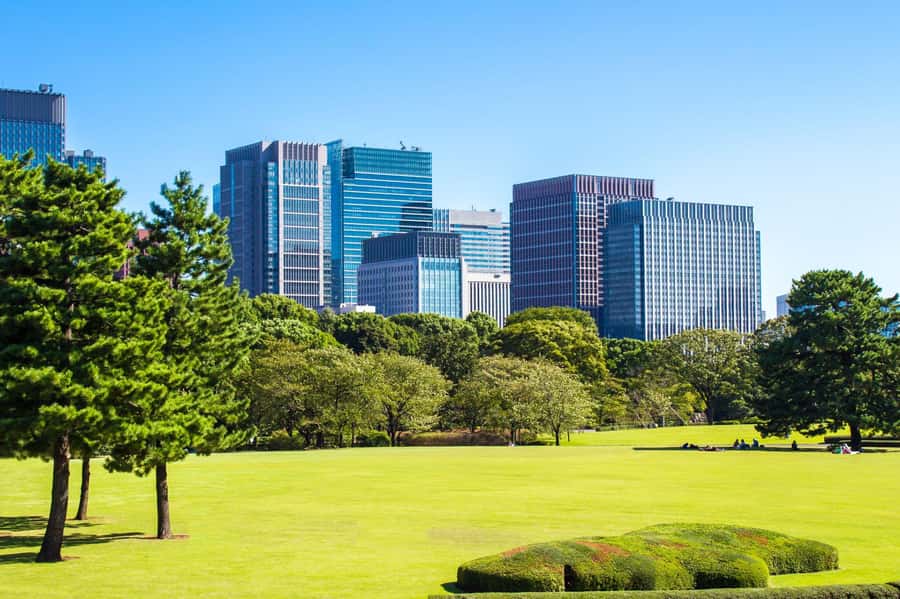
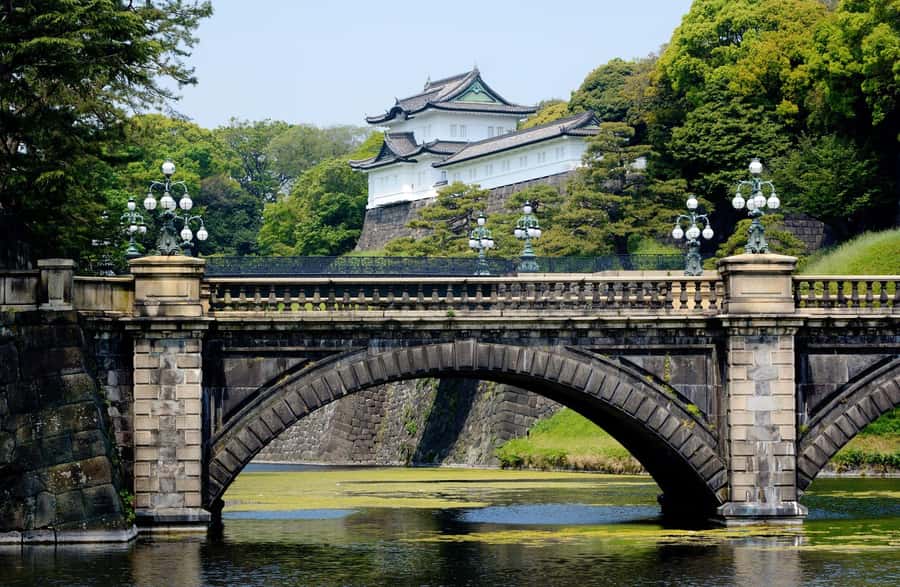
The Imperial Palace stop is more than a pretty park. The guided time gives you context for the space, including what you’re seeing and why it’s positioned the way it is. The gardens are where the experience feels most peaceful, and the main bridge, Nijubashi Bridge, gives you a classic Tokyo view with a sense of scale.
What I like most about this part is the pacing. It’s a calmer opening before the day turns louder. You get a moment to reset, learn where major landmarks sit, then move on with your bearings instead of your head full of unanswered questions.
Drawback-wise, the Imperial area still means outdoor walking and waiting for your turn at key viewpoints. If you’re traveling in bad weather, plan for slower movement and a bit more time in sheltered spots.
Asakusa and Senso-ji: The Biggest Temple Moment and the Street Life Around It
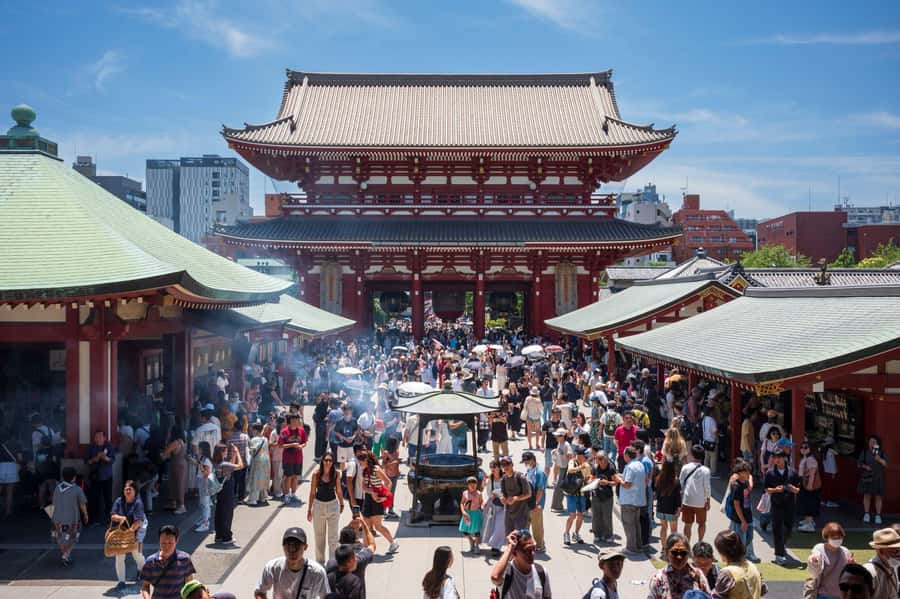
Then comes Asakusa, the historic-feeling neighborhood where old Tokyo energy shows up fast. You get guided time around Asakusa and Senso-ji Temple, including enough structure to know what you’re looking at, without killing the fun of wandering.
Senso-ji is the headliner. It’s the kind of place where the main sight is obvious, but the best experience is often what happens in the approach and the surrounding lanes. The tour gives you that foundation so you don’t just see the temple, you understand how the space works.
You also get time for the area’s shopping street energy, including Nakamise-dori. This is where you can snack, browse, and pick up small gifts that feel more like Tokyo culture and less like souvenirs from a gift shop.
Then there’s a dedicated lunch window in Asakusa that’s set aside as your own break. Lunch is not included, so you’ll be choosing on your own during that hour. I like this setup because it gives flexibility. If you want a quick bite and more walking time, you can do that. If you want to linger over food, you can.
The consideration here is simple: this is where crowds can build. If you’re sensitive to tight walkways, keep your expectations grounded. The guide helps you move through, but the area’s popularity does not shrink.
A different sort of day in Japan:
- Tokyo: teamLab Planets TOKYO Digital Art Museum Entry Ticket
★ 4.6 · 9,779 reviews - Mt Fuji & Hakone Cruise, Drum Show Bullet Train 1 Day from Tokyo
★ 4.0 · 7,413 reviews - Tokyo: Sumo Show Experience with Chicken Hot Pot and a Photo
★ 4.8 · 6,678 reviews - Tokyo: Shinjuku Food Tour (13 Dishes at 4 Local Eateries)
★ 5.0 · 6,603 reviews
Meiji Jingu Shrine: A Forested Reset Between City Zones
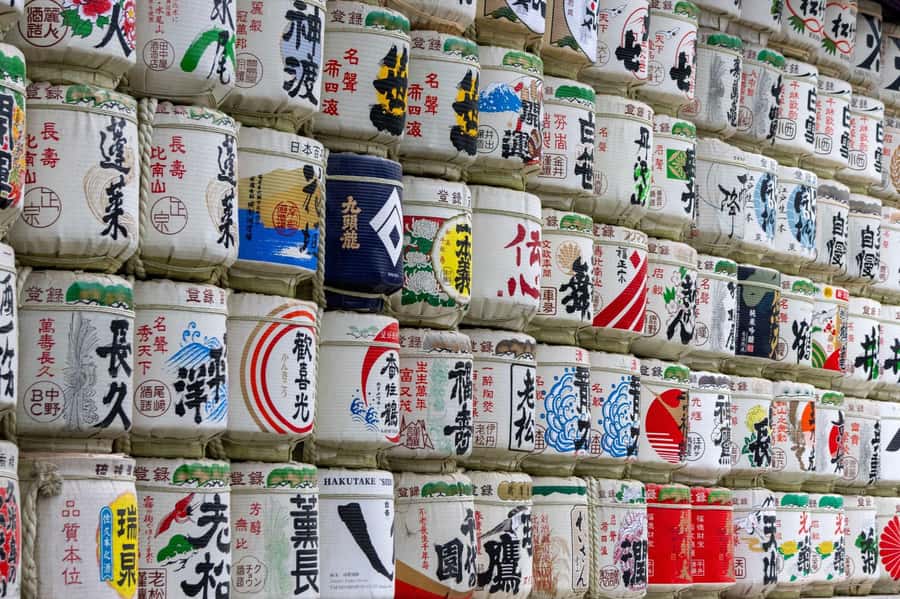
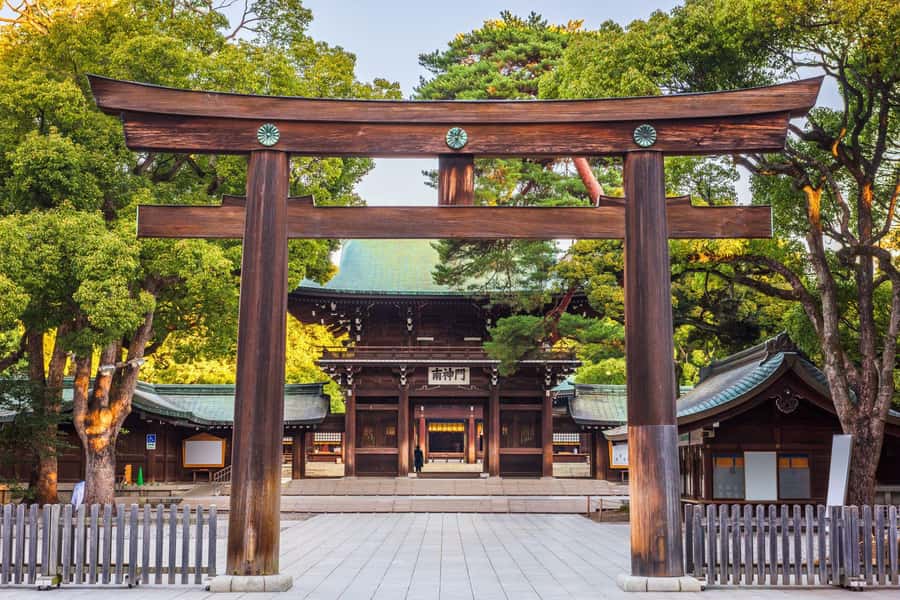
After Asakusa, the tour shifts to Meiji Jingu Shrine. This stop is a strong contrast, and that contrast is the point. The atmosphere changes from busy and sensory to calm and shaded, and it feels like Tokyo has a second mode.
You get guided time to see the shrine grounds and also explore quieter paths within the area. That guidance helps because Meiji Jingu can look simple from far away, but once you’re inside, you start noticing details that are easy to miss when you’re going solo.
I find this part helps the whole day make sense. It’s not just about checking another landmark. It’s about giving you a break so the last stretch, Harajuku and Shibuya, doesn’t feel like burnout.
Weather can still matter here, since you’ll be outside. If you get rain, a raincoat is often easier than constantly opening and closing an umbrella among crowds.
Harajuku: Style, Youth Culture, and the Joy of Street-Level Tokyo
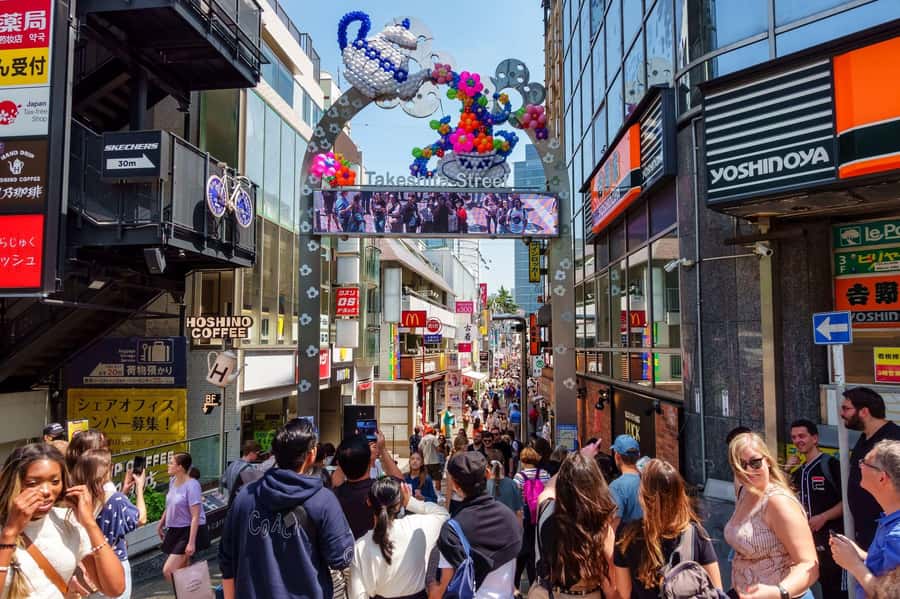
Harajuku is where Tokyo turns playful. You get guided time to walk the area, and the focus is on street-level discovery, not a single indoor attraction. It’s a chance to see the mix of fashions, attitudes, and street energy that makes Harajuku famous.
Even with limited time, guided walking matters. The guide can point out what’s actually worth your attention, and you don’t waste your stop time guessing which side streets are most interesting.
The stop is short, so treat it like a sampler. If you love fashion, keep an eye out for small storefronts and people-watching spots. If you’re more into architecture or food, you’ll still find plenty to wander around once you know the general direction.
The only drawback: Harajuku can feel like a lot at once if you’re hungry or tired. This is why the earlier calm of Meiji Jingu helps. By the time you reach Harajuku, you’re ready to enjoy the chaos instead of just surviving it.
Shibuya Crossing: How to Watch the Icon Without Losing Your Plan
The day ends with Shibuya Crossing, and you’ll get a photo stop plus guided time nearby. The important part is orientation. Shibuya is the kind of place where, if you stand in the wrong spot, you’ll get stuck behind moving bodies and lose time.
The tour’s finish at Shibuya Station also helps you leave with confidence. You’re not forced into a stressful guess about where to go next. You’re already at one of Tokyo’s major transit nodes, ready to continue exploring.
I like ending here because it feels like Tokyo closing credits. By the time you see Shibuya Crossing, you’ve already learned how the city sections connect, at least in a practical way. You can look at the crossing and understand it as part of the larger city machine, not just a photo moment.
Price and Transit Value: What $99 Really Buys You
At $99 per person for about 7 hours, you’re paying for two big things: an expert guide and guided metro travel with metro passes included. That combo is usually where a “highlights day” becomes worth it.
If you try to do this on your own, you would spend real time figuring out routes, station exits, and the smartest order to minimize backtracking. The tour removes that friction. You still do plenty of walking, but your time is spent on sights rather than logistics.
What you should measure as value is this: you get multiple major landmarks in one day, including the Imperial Palace area, Senso-ji in Asakusa, Meiji Jingu, Harajuku, and Shibuya Crossing. That is a lot to pack. The guide helps you make it feel coherent.
You do not get lunch included, and that’s worth noting. However, you do get a clear lunch window in Asakusa, which can be a good thing if you prefer to choose your own style of meal.
Overall, I see this as good value for a first trip day when you want structure and guidance more than flexibility.
What the Guide Adds: Better Questions, Better Timing, Easier Metro
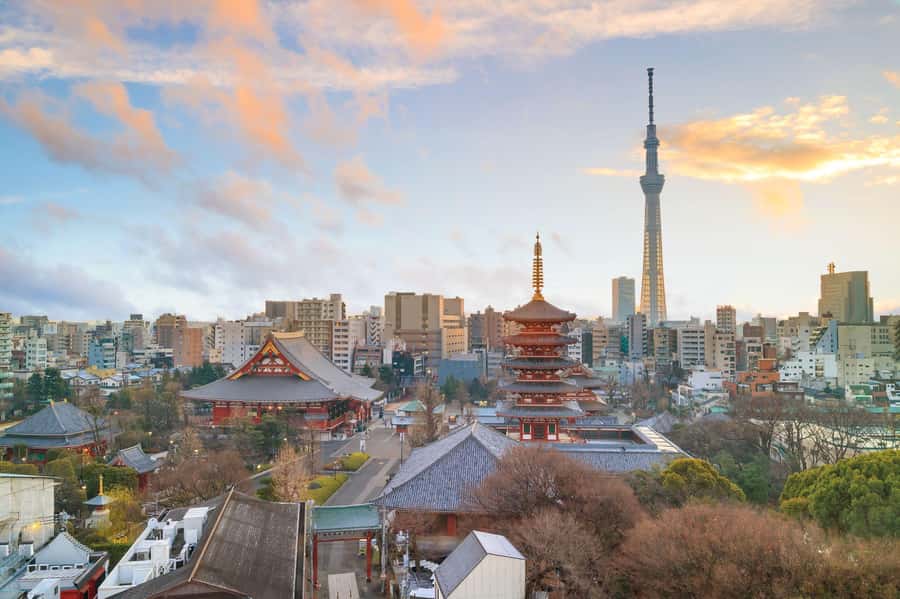
This tour’s strongest ingredient is the human part. The guides are praised for being helpful with questions about Tokyo and the train system, which matters because Tokyo transit can feel intimidating until it suddenly clicks. If your guide is Shish, expect a clear, practical intro to how to move through stations. If you’re with Helena, you can likely expect strong explanations and room to ask targeted questions. If you get Aki, the walking-and-learning approach is usually a highlight.
Even if you’ve used metro before, a guide can help you avoid common time sinks, like standing in the wrong area, missing a key viewpoint, or not understanding how transfers change your flow.
Also, the small group format helps. You’re not swallowed by a crowd where nobody can hear. You can ask short, practical questions and get direct answers, which is the difference between a day of watching and a day of understanding.
Who Should Book This Tour, and Who Should Skip It
This tour is best for first-time visitors who want the big Tokyo hits in one day, with guidance on how to use the metro. It’s also great if you want a calmer start with the Imperial Palace and then a structured contrast through Asakusa, Meiji Jingu, Harajuku, and Shibuya.
You might want to skip it if you:
- Need wheelchair access, since it is not suitable for wheelchair users
- Are over 95, since the tour is not suitable for people over 95
- Have very limited walking tolerance, since the day includes lots of walking across different neighborhoods
- Dislike busy areas, since Senso-ji and Asakusa can get crowded
If you’re comfortable walking and you want a guide to help you connect the dots, this is a strong match.
Should You Book This Best of Tokyo Small Group Tour?
I would book it if you’re trying to make Tokyo feel navigable fast. The $99 cost makes sense when you value a guide, included metro passes, and a route that hits the key landmarks without turning the day into a logistics puzzle.
I would not book it if you’re hoping for a slow, relaxed day with minimal walking. This tour is built for momentum, and comfort comes from preparation: comfortable shoes, basic weather readiness like an umbrella, and a mindset that the day moves from quiet to lively.
If you want your first Tokyo day to give you direction and confidence for the rest of your trip, this one is a practical place to start.
FAQ
How long is the Best of Tokyo small group tour?
The tour duration is 7 hours.
Where does the tour start and meet your guide?
Meet your guide in front of Starbucks Coffee – Kokyo Gaien Wadakura Fountain Park.
Where does the tour finish?
The tour finishes at Shibuya Station.
Is lunch included?
Lunch is not included, even though there is a lunch break scheduled in Asakusa.
What language is the tour guide?
The live tour guide is English.
Is the tour wheelchair accessible?
No, the tour is not suitable for wheelchair users.
Newly listed around Tokyo
- Tokyo: FC TOKYO Football Game at Ajinomoto Stadium★ 4.8 · 58 reviews
- Expert Anime Guide in Akihabara with a maid witch★ 4.9 · 19 reviews
- Experience Crafting a Flower-Adorned Mini Japanese Garden★ 4.7 · 15 reviews
- Old and Nostalgic Tokyo: Half-Day Yanaka Walking Tour★ 4.9 · 30 reviews
- Exclusive Tokyo Ramen Kitchen Experience★ 4.7 · 34 reviews
- Eat/Drink like a LOCAL-Taverns & Ramen★ 4.9 · 23 reviews
- Private Edo-Tokyo Open Air Architectural Museum Tour★ 4.8 · 15 reviews
- Nikko: Edo Wonderland Edomura Cultural Theme Park Ticket★ 4.3 · 205 reviews
Tokyo Tours, compared.
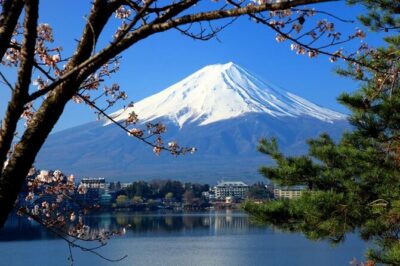
Mt Fuji and Hakone 1-Day Bus Tour Return by Bullet Train
Read our review →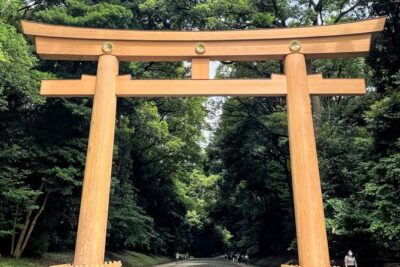

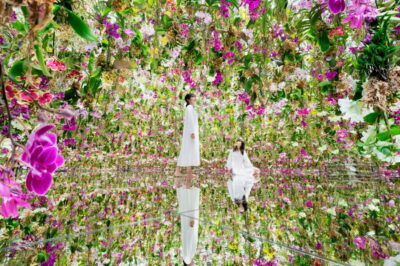
teamLab Planets TOKYO Digital Art Museum Entry Ticket
Read our review →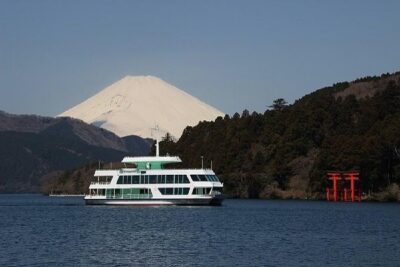
Mt Fuji & Hakone Cruise, Drum Show Bullet Train 1 Day from Tokyo
Read our review →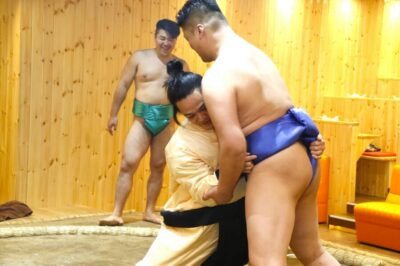
Sumo Show Experience with Chicken Hot Pot and a Photo
Read our review →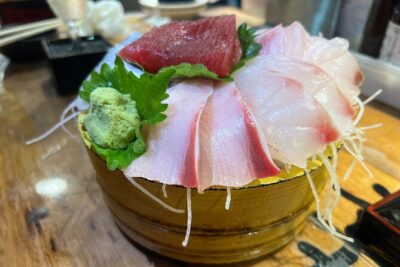
Shinjuku Food Tour (13 Dishes at 4 Local Eateries)
Read our review →