
Review · SHIRAKAWA-GO VILLAGE TRIPS
Departing from Takayama [Regular sightseeing bus] World Heritage Sites Shirakawago and Gokayama Ainokura
Snow villages, without the hard logistics.
This day trip is built for people who want UNESCO gassho-zukuri villages, but do not want the stress of getting there on your own. You get a comfortable, air-conditioned bus ride out of Takayama, plus a live guide who adds context so the thatched houses make sense fast, not 2 days later. I also like the simple structure: short guided stops, then time to wander at your own pace, which is key when the villages are busy.
Two stops do the heavy lifting here: Ainokura in Gokayama first, then Shirakawa-go second. Ainokura gives you the quieter, mountain-hugging feeling, while Shirakawa-go gives you the famous, poster-level scenery and more things to explore. One watch-out: lunch is not included, and Shirakawa-go can have enough foot traffic and restaurant lines that you may want to plan your meal timing carefully.
In This Review
- Quick picks before you go
- Takayama to UNESCO villages, the easy way
- Stop 1: Ainokura Gassho Community and its quiet prayer-house feel
- Stop 2: Shirakawa-go village walk, and why the layout matters
- Minkaen open-air museum: included, and worth the quick ticket
- Tenshukakau observatory: the classic poster view, timed right
- What the guide actually does on this bus tour
- Value and timing: what you are paying for at $64.80
- When to go: snow, autumn, and what changes day-to-day
- Who this trip suits best, and who should skip it
- Should you book this bus day trip?
- FAQ
- What time does the tour start?
- How long is the experience?
- Where is the meeting point?
- Does the tour include lunch?
- What admission fees are included?
- What is the maximum group size for a booking?
- Do I need to exchange vouchers before starting?
- Is transportation included?
- What should I do if the weather is bad?
- What is the cancellation policy?
Quick picks before you go
- Ainokura first, Shirakawa-go second: you start with the calmer village, then finish at the busiest one.
- Short but smart stop times: about 50 minutes in Ainokura, 2 hours for Shirakawa-go village exploring, plus museum and a viewpoint.
- Included entry where it matters: Minkaen and the Tenshukakau observatory are part of the plan, not add-ons.
- Guide context on the ride: you get background on the World Heritage sites and tips on how to spend your time.
- Seasonal notes beyond guidebooks: the guide shares food and dialect flavor from the Hida region.
- You still get free roaming time: the bus provides structure, but you choose your walking pace.
Takayama to UNESCO villages, the easy way
This trip runs about 7 hours 20 minutes and starts at 8:30 am in Takayama. You meet at 6-chōme-125 Hanasatomachi, Takayama, Gifu 506-0026, and the tour ends back at the same meeting point.
The value here is that you buy the hard part: getting to two remote, mountain-side UNESCO sites without renting a car or figuring out transfers. The bus is air-conditioned, and the day is paced so you are not stuck on the road all day with no payoff. A big part of the appeal is that the guide helps you understand what you are seeing while you are still on the way, so you arrive with your bearings.
Also, the “regular sightseeing bus” format means you are sharing the ride with other people. That is not a problem if you like conversations and a little buzz. If you crave privacy and silence, you might prefer a private tour. For most people, the shared bus is a fair trade for the convenience and included admissions.
If your group is lucky with a guide like Yamashia or Ikuichinami, you are likely to get clear planning on the bus, plus practical suggestions on where to walk and how to time your visits.
More History Tours in Takayama
- Kanazawa: World Heritage Shirakawa-go Morning Guided Tour
★ 4.9 · 988 reviews - Kanazawa: World Heritage Shirakawa-go & Two Local Experience
★ 4.9 · 274 reviews - Takayama: Authentic Sake Tasting at a Historic Brewery
★ 4.8 · 50 reviews
Stop 1: Ainokura Gassho Community and its quiet prayer-house feel
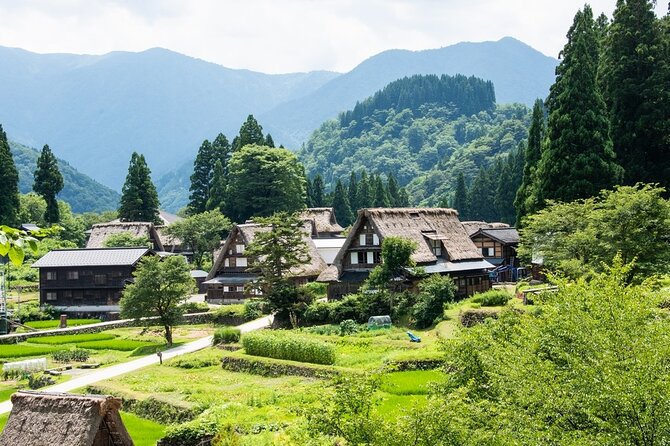
You start in Ainokura Gassho-zukuri Village in Gokayama. It is a UNESCO World Heritage site with 20 gassho-zukuri houses still in existence, and that number matters. This is not the “crowd-control museum” version of gassho. It feels more like a community tucked into the hills.
Your time here is about 50 minutes, and you should use it like a scouting mission. Walk in a loop, look for the steep, triangular thatched roofs from different angles, then take your photos early. After that, slow down. In a place this small, you will notice details like roof shape, house placement, and how the path lines up with the terrain.
Ainokura is also a smart choice first because it sets the mood for the rest of the day. You will likely feel the difference as soon as you step back onto the bus: Ainokura gives you the “storybook” hush, while Shirakawa-go later brings the high-visibility postcard setup.
Practical tip: if you want wide shots without crowds, Ainokura is where you start. Shirakawa-go can be lively, and you will feel glad you got your calm photos first.
Stop 2: Shirakawa-go village walk, and why the layout matters
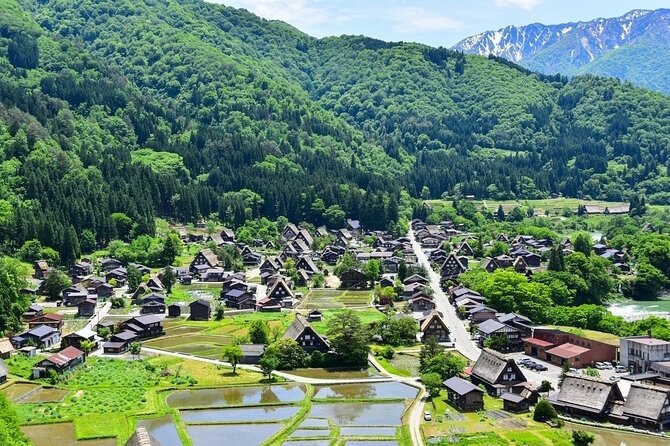
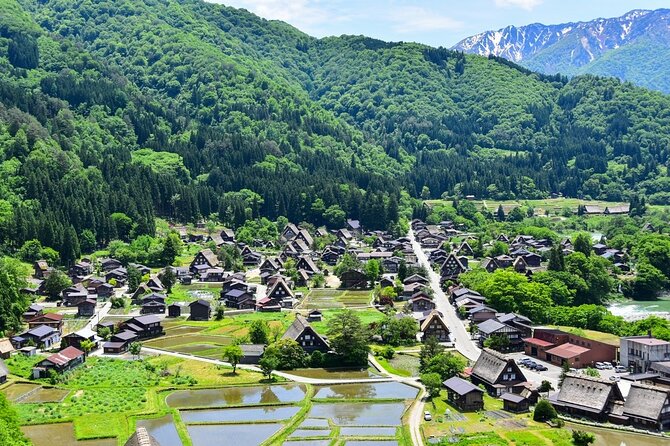
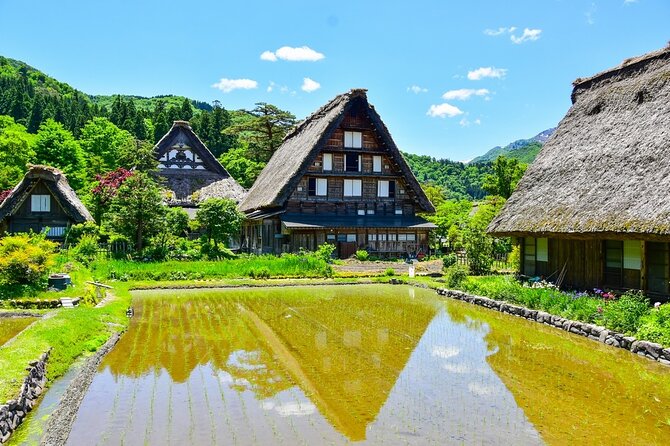
Next comes the Historic Villages of Shirakawa-go Gassho Style Houses, and this is the stop most people came for. Shirakawa-go has 114 thatched gassho-zukuri houses that still preserve the nostalgic village scenery. The roofs are steep for a reason: heavy snow needs steep angles so it does not pile up the way it would on flatter roofs.
You get about 2 hours here, which is long enough to do a proper wander, but not long enough to treat it like a slow hike. So I recommend this approach:
1) Take a short orientation walk first, then circle back for the photos you care about most.
2) If you see a viewing angle you like, do not assume you will have time later. People move fast in this kind of place.
You will also want to think about lunch timing. The tour plan leaves room for you to eat lunch at Shirakawa-go, but it is not included in the price. In practical terms, that means you should pick a simple meal strategy before you get hungry. If you hit peak dining at peak time, lines can eat chunks of your two-hour window, and then your “view deck” or museum time can get squeezed.
If you want one “best bang for time,” go for a meal earlier in the stop, then save your wandering for the quieter moments.
Minkaen open-air museum: included, and worth the quick ticket
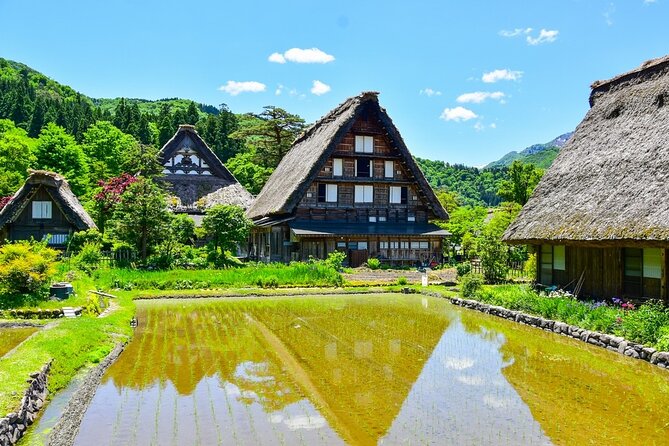
After you walk the main village streets, you move to Shirakawago Gassho Zukuri Minkaen. This is an open-air museum area where you can step into more of the gassho structure experience. Your time here is about 30 minutes, and the entrance fee is included.
This stop is a good use of time because it turns what you saw from the outside into something more hands-on. Even with a short visit, you can understand why these houses are built the way they are, and you can connect roof shape and layout to daily life.
One important seasonal note: the park is closed on Thursdays from December to March. If that happens, the tour will give a mascot instead. Translation: plan for the museum piece to be altered depending on the day and season, but the tour still keeps you on schedule.
Shirakawa-go Village trips readers book most in Takayama:
- From Takayama: Guided Day Trip to Takayama and Shirakawa-go
★ 4.9 · 113 reviews - Hida Takayama, Shirakawa-go+Observatory|Day Trip from Nagoya
★ 4.3 · 47 reviews - Shirakawa-go Half day tour (UNESCO World Heritage near Takayama)
★ 5.0 · 9 reviews - World Heritage Shirakawa-go and Experience Tours from Kanazawa
★ 5.0 · 4,049 reviews
Tenshukakau observatory: the classic poster view, timed right
Then you head to Tenshukakau Observatory, located on a hill to the northwest of Shirakawa-go. This is the viewpoint designed for the kind of photos you already have in your head, the famous layered village look.
Your time is about 20 minutes, and that is enough if you treat it like a quick photo sweep plus a short rest. If the weather is clear, this is where the day really clicks, because the village grid and roof angles make sense from above.
If you are traveling in snow season, this viewpoint becomes even more dramatic. But even in plain weather, you will appreciate why the roofs and paths create that instantly recognizable shape.
Tip: do not spend your whole village time chasing every shop. Save at least some energy for this viewpoint. It is one of the easiest ways to get the “I get it now” feeling.
What the guide actually does on this bus tour
This trip is not a private charter where a person walks with you door-to-door the whole time. Instead, the guide works the bus and the flow. They explain what you are looking at, share tips for where to walk, and help you get your bearings fast so you do not waste your short village stops guessing.
In day-to-day terms, that means you arrive with a game plan, then you explore on your own during the timed stops. That mix is great for many people because you can go at your own pace, stop for photos when you spot the right angle, and duck into small areas without feeling rushed by a companion.
One more nice detail: the guide provides seasonal information tied to the Hida region, including seasonal foods and local dialect flavor that you typically do not see in basic guidebooks. It is the kind of small cultural glue that makes a UNESCO sight feel less like a checklist.
Language: guides provide information in English and Japanese depending on the group setup. Either way, you should not expect a long, formal lecture. You get practical context and then freedom.
Value and timing: what you are paying for at $64.80
At $64.80 per person, this feels like a solid value if your goal is efficient sightseeing. The price covers the comfortable bus ride, and it also includes several key admissions:
- Admission is free for Ainokura Gassho Community
- Admission is free for the historic Shirakawa-go gassho houses area
- Entry to Shirakawago Gassho Zukuri Minkaen is included
- Entry to Tenshukakau Observatory is included
- Air-conditioned vehicle is included
Lunch is the main thing not included. That matters because gassho villages are exactly where food options can turn into either a quick win or a time sink. Bring cash or a card that works at small restaurants, and have a plan for eating inside your allocated time.
Time value is the other big piece. You get two UNESCO sites in one day without turning it into a whole travel day of transfers and waiting. If you were to do this DIY, you would likely spend money and time on transportation coordination, plus the mental overhead of timing. Here, the structure does that for you.
The one caution is the time balance in Shirakawa-go. If you choose to do both museums plus viewpoint plus shopping plus a sit-down lunch, you may feel a bit rushed. My advice is to treat shopping as a bonus, not a requirement, and to prioritize viewpoint and one museum if you like interiors.
When to go: snow, autumn, and what changes day-to-day
Gassho villages change with seasons, and this tour leans into that. The guide shares seasonal food notes and dialect flavor from the Hida region, which gives you something to listen for beyond house architecture.
Snow season is the big one people talk about because the steep roofs and winter light transform the whole place. If you are going in colder months, expect village paths that can be slick. Wear shoes with decent traction, and plan that you might move slower than you do in summer.
Autumn visits can also be very special, with the colors turning the village into a warmer-looking scene. Even when the villages feel “storybook,” the best photos still come from walking a few minutes off the easiest main paths, then doubling back for the classic angles.
No matter when you go, be ready for weather. The experience is described as requiring good weather. If conditions are poor, you may be offered another date or a full refund.
Who this trip suits best, and who should skip it
I think this day trip is a strong match for:
- First-timers who want both Gokayama Ainokura and Shirakawa-go in one day
- People who prefer guided structure plus self-guided wandering
- Travelers who want included entry without paying for multiple separate tickets on-site
- Anyone staying in Takayama who does not want to rent a car for mountain drives
You might want to skip it if you:
- Want to linger for hours inside Shirakawa-go and explore at a slow pace
- Prefer a fully escorted tour where someone stays with you throughout the entire walk
- Do not want to share bus time with other guests
Should you book this bus day trip?
Yes, if you want the most efficient way to hit two UNESCO gassho villages with clear guidance and included admissions. The combination of Ainokura first (quieter feel) and Shirakawa-go second (iconic, larger crowds) is smart, and the pacing gives you enough time to wander without making you feel trapped in a single spot.
If you book, do two things to make the day smoother: arrive a bit early so you have time to handle voucher redemption at the Nohi Bus area, and plan your lunch so it does not eat your Shirakawa-go time budget.
FAQ
What time does the tour start?
The tour starts at 8:30 am.
How long is the experience?
It runs about 7 hours 20 minutes (approx.).
Where is the meeting point?
You meet at 6-chōme-125 Hanasatomachi, Takayama, Gifu 506-0026, Japan.
Does the tour include lunch?
No. Lunch is not included, and you eat your lunch at Shirakawago during the visit.
What admission fees are included?
Admission is free for Ainokura Gassho Community and the Historic Villages of Shirakawa-go Gassho Style Houses. Entrance to Shirakawago Gassho Zukuri Minkaen is included, and entry to Tenshukakau Observatory is included.
What is the maximum group size for a booking?
The information states a maximum of 4 travelers on the application form, and the tour is shared with other guests.
Do I need to exchange vouchers before starting?
You will need to redeem your voucher at the designated redemption point at the meeting location area.
Is transportation included?
Yes. The tour includes an air-conditioned vehicle.
What should I do if the weather is bad?
The experience requires good weather. If it is canceled due to poor weather, you will be offered a different date or a full refund.
What is the cancellation policy?
Free cancellation is available up to 24 hours in advance of the start time for a full refund. If you cancel less than 24 hours before, the amount paid is not refunded.
More Historical Tours in Takayama
- Takayama Local Cuisine, Food & Sake Cultural Tour with Government-Licensed Guide
★ 5.0 · 17 reviews - Takayama to Gujo Hachiman, History Traditions and Crafts
★ 5.0 · 7 reviews - Full-Day Tour: Immerse in Takayama’s History and Temples
★ 5.0 · 6 reviews - Shirakawago(UNESCO world heritage)/ Onsen / Hiking / 1day tour
★ 5.0 · 6 reviews
Newly listed around Takayama
- Shuriken Experience in Takayama★ 5.0 · 46 reviews
- Takayama Half-Day Private Tour with Government Licensed Guide★ 5.0 · 69 reviews
- Shirakawago All Must-Sees Private Chauffeur Tour with a Driver (Takayama DEP.)★ 4.0 · 8 reviews
- Takayama Full-Day Private Tour with Government Licensed Guide★ 4.5 · 13 reviews
- Special Food tour in Takayama★ 4.5 · 7 reviews
- Special Food and Sake Factory Tour in Takayama★ 5.0 · 11 reviews
- Japanese Cooking Class with Local Family in Takayama Old Town★ 5.0 · 40 reviews
- Ninja Experience in Takayama – Trial Course★ 5.0 · 20 reviews
Shirakawa-go Village Trips, compared.
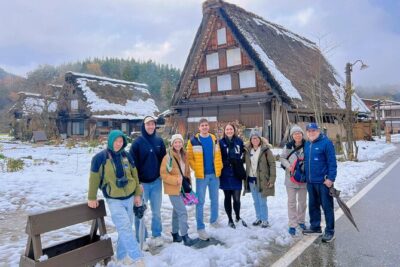
World Heritage Shirakawa-go and Experience Tours from Kanazawa
Read our review →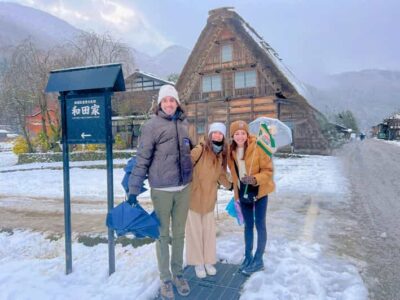
World Heritage Shirakawa-go Morning Guided Tour
Read our review →
World Heritage Shirakawa-go & Two Local Experience
Read our review →
1 Day Private Charter Tour to Shirakawa-go & Takayama
Read our review →
[One-day bus tour departing from Kanazawa Station] Shirakawa-go and Gokayama – Two World Heritage Villages Enjoyable Bus Tour
Read our review →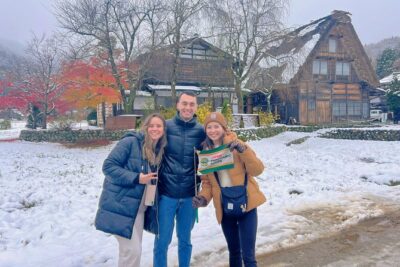
World Heritage Shirakawa-go Perfect Guided Tour from Kanazawa
Read our review →Browse the lists this tour appears in