
Review · JAPANESE COOKING WORKSHOPS
Japanese Cooking Class with Local Family in Takayama Old Town
Stepping into a real home changes everything. This private Japanese cooking class takes place in a 200-year-old Takayama townhouse that has its own history, and it turns cooking into a friendly cultural chat with Hisa and Bob. You get tea and wagashi first, then you cook step by step in the home’s semi-outdoor kitchen while learning how locals eat with the seasons.
I love that it is hands-on, not sit-and-watch. I also like that the hosts share plain, practical kitchen know-how, from making dashi to explaining ingredients like bonito and the logic behind seasonings. You can ask for food requests and restrictions in advance, which makes this feel personal instead of one-size-fits-all.
One consideration: you are paying for intimacy. Since it is a private experience in a small home setting, it is not the cheapest way to eat well in Takayama, and the comfort of a lived-in space means you will want to be flexible if the menu includes ingredients you did not plan on.
In This Review
- Key highlights to look for
- Takayama Old Town, inside a home with stories on every wall
- Tea, wagashi, and the home-cooking mindset before you start chopping
- The former clinic tour, why it matters for culture (not just photos)
- Aprons on, semi-outdoor kitchen mode: where the real teaching happens
- Dashi basics and ingredient logic: the flavor map you can reuse
- Making five seasonal dishes, tailored to your preferences
- Food highlights you should expect to care about
- The dessert step: fruit, prepared Japanese-style
- What you learn beyond recipes, the stuff that sticks
- Meal time in a 200-year-old home: eating as part of the lesson
- Price and value in plain terms: what you are really buying
- Who this fits best, and who might want a different style
- Practical tips before you go (so you get the best menu and best vibes)
- Should you book this Takayama cooking class with Hisa and Bob?
- FAQ
- Where does the cooking class start?
- How long is the Japanese cooking class in Takayama?
- Is this experience private?
- What do you get with the different time slots?
- Are alcoholic drinks included?
- Can the hosts accommodate dietary restrictions or requests?
- What should you expect at the start of the class?
- Is confirmation provided after booking?
- Is there a cancellation deadline for a full refund?
- Is the ticket digital?
Key highlights to look for
- 200-year-old townhouse setting on Old Town’s main street, including a former clinic area
- Tea and wagashi welcome, then a quick intro to home cooking rhythms
- Semi-outdoor kitchen cooking, with traditional tools and communal workflow
- Five seasonal dishes tailored to your preferences, plus fruit dessert prepared in a Japanese style
- Casual, English-friendly hosting from family members, including Bob and Hisa, who share stories as you cook
Takayama Old Town, inside a home with stories on every wall
Takayama Old Town is pretty on the outside, with merchant-street charm and easy wandering. What this experience adds is access. You meet at 93 Kamisannomachi, right on the Old Town main street, and then you step into a 200-year-old wooden townhouse that is usually closed to the public.
The house itself has layers. It used to function as a local clinic, where many babies were born, before it became the family home you experience today. Even if you do not care about architecture, you feel the difference once you cross the threshold. The layout and quiet corners make it clear this is not staged for tourists. It is a place where people actually live, cook, and share meals.
The most practical win is that the cooking lesson is built around that home setting. Instead of recipes floating in the air, you learn what tools and techniques matter in a real kitchen. You also get context for why food choices in Hida matter, especially their slower, seasonal lifestyle in the mountains.
More Cooking workshops in Takayama:
- Ramen Cooking Class at Ramen Factory in Kyoto
★ 5.0 · 1,937 reviews - Ramen & Gyoza Cooking Class in Tokyo with Local Supermarket Visit
★ 5.0 · 823 reviews - Kyoto: Ramen Cooking Class at a Ramen Factory with Souvenir
★ 4.9 · 532 reviews
Tea, wagashi, and the home-cooking mindset before you start chopping
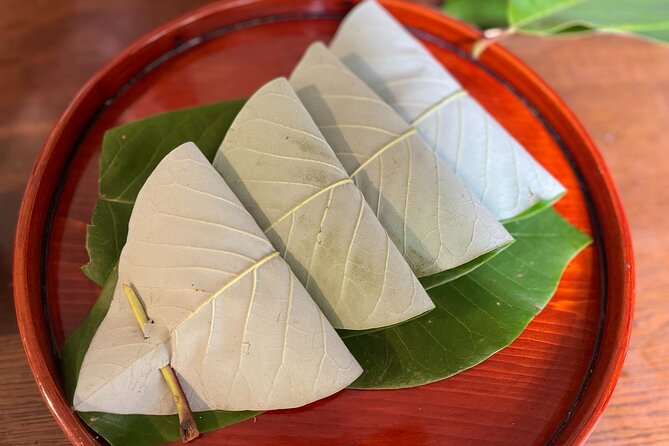
The class begins with a welcome that is small but meaningful. You will be served Japanese tea plus delicate wagashi sweets. This is not a throwaway detail. It sets the tone: calm, unhurried, and focused on the meal ahead.
Then you get an introduction to Japanese home cooking. Expect it to be straightforward, with an emphasis on process over fancy technique. The hosts guide you through core ideas such as how Japanese kitchens build flavor gradually, starting with foundational elements like dashi.
What I like about this opening is that it helps you stop thinking like a visitor. You start acting like a temporary family cook. That shift matters. When you understand what the base is doing, the rest of the meal makes more sense and your participation feels more confident.
The former clinic tour, why it matters for culture (not just photos)
Before the full cooking session kicks in, you are guided through parts of the home, including the former clinic area and the traditional living quarters. You are not just looking around. You are hearing how the space fit daily life for generations.
This is where the experience becomes more than food. You learn how a place can hold multiple eras and purposes, and how families make do with small, functional spaces. In Japan, rooms often have specific uses, and older homes show that clearly.
You can treat this as cultural context, or simply as a way to understand why the cooking is done the way it is. When you see the spaces where everyday life happened, the cooking tools and workflow feel less mysterious.
Aprons on, semi-outdoor kitchen mode: where the real teaching happens
Next comes the change you will actually feel. You put on a traditional apron and move into the semi-outdoor kitchen area. It is peaceful and practical, and it is also perfect for communal cooking because more than one person can work without feeling cramped.
This is one of the most praised parts of the experience because the hosts keep it interactive. Instructions are clear, but the vibe stays casual. You will not just stand and observe. You will handle tools, try techniques, and get guided when something needs adjusting.
In the semi-outdoor space, you learn with your hands. That is where the class earns its value. Cooking instruction in a real home is easier to remember because your brain links each step to a physical setting: where ingredients are placed, how heat is managed, and how family-style meals come together.
A few more Takayama days to weigh up
- Kyoto: Ramen, Gyoza, and Onigiri Cooking Class
★ 5.0 · 445 reviews - Kyoto: Japanese Washoku Bento Small Group Cooking Class
★ 5.0 · 380 reviews - Osaka: Ramen and Gyoza Cooking Class in Dotonbori
★ 5.0 · 378 reviews - Tokyo: Easy Ramen Cooking Experience in Kabukicho, Shinjuku
★ 4.6 · 321 reviews
Dashi basics and ingredient logic: the flavor map you can reuse
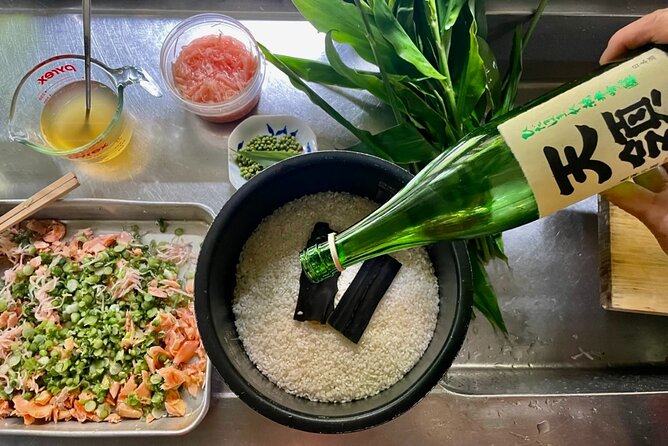
You do not just make a dish. You learn the engine behind many Japanese meals: dashi. The hosts guide you through making it and exploring key ingredients.
This part tends to be the turning point for people who already cook. You might notice how the class focuses on why ingredients work together, not just what to add. Reviews also point to explanations of ingredients like bonito, including how bonito can be shaved using a household tool.
I also like how the hosts connect seasoning to outcomes. In Japanese home cooking, small differences in soy sauce and dashi choices change the final balance. The class gives you enough of that logic to understand what you are tasting and why.
Even if you never make Japanese food at home, this still helps. You stop thinking in terms of random flavors and start recognizing structure: base, seasoning, and timing.
Making five seasonal dishes, tailored to your preferences
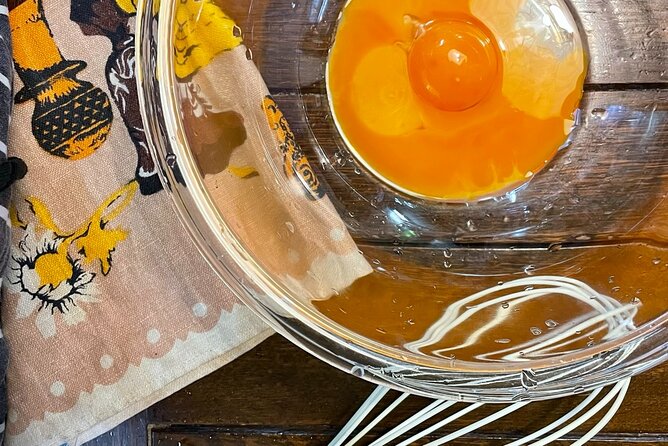
After the dashi and core ingredient prep, you work together on five seasonal dishes. The exact menu can vary based on the time slot and seasonal availability, and it is tailored to your preferences.
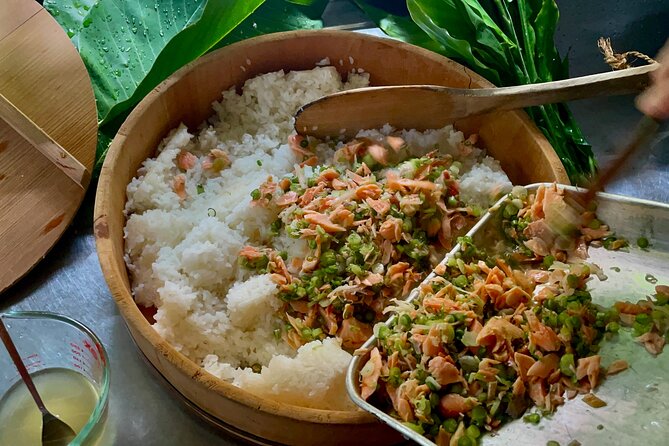
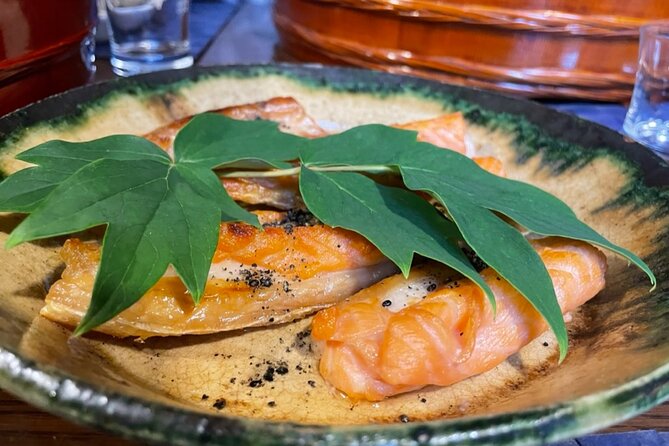
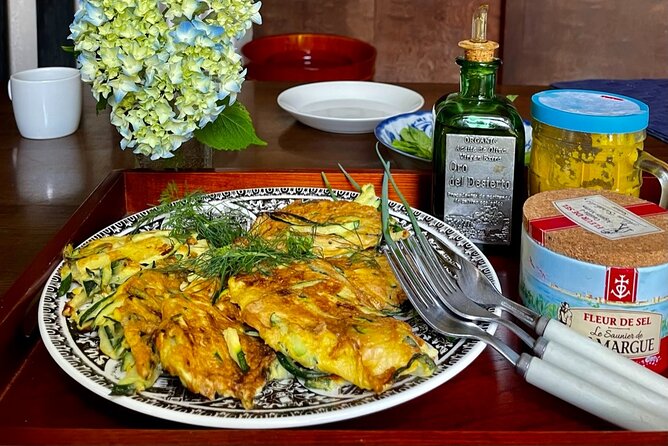
In practice, you may end up with dishes like sushi rolls, gyoza, tempura, tofu-based items, and even items featuring local produce and regional fish. Some experiences you might cook also include techniques like rice ball shaping and Japanese omelette style cooking. Others may include steak, depending on what is available and how the family designs your menu.
Here is the key detail that helps you decide: you are not stuck with a generic recipe list. You can request what you want and mention restrictions. The hosts say they are happy to accommodate as much as possible, which is a big deal for a home meal where ingredients matter.
For a first-timer, this structure is ideal. You get variety without feeling overwhelmed by too many steps. For a more serious food person, it is still a win because you are learning technique and ingredient thinking, not just assembling.
Food highlights you should expect to care about
- Fresh, seasonal ingredients chosen for the meal, not for show
- Traditional tools and techniques used in a home kitchen setting
- A step-by-step workflow where you participate, even if you are slower than the rest of the group
The dessert step: fruit, prepared Japanese-style
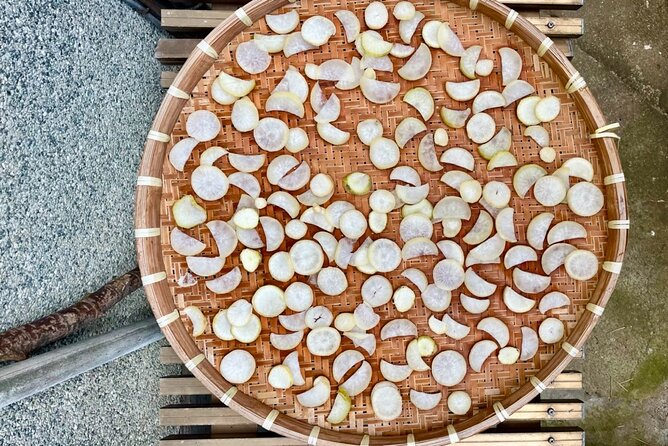
At the end of cooking, you finish with fresh seasonal fruit prepared for dessert in a uniquely Japanese style. It is a gentle close to a hearty meal.
This is another small but telling detail. Japanese home meals often end with something lighter and clean-tasting. You do not leave stuffed and heavy. You leave with the sense that the menu followed the seasons and the pacing of a normal day.
What you learn beyond recipes, the stuff that sticks
The cooking itself is the headline, but the lessons go wider. You learn how daily life in Takayama and the Hida mountains ties into food habits: seasonal rhythm, nature-driven choices, and a slower way of living.
The hosts also share stories as you cook, and they explain parts of the home and how family life used to work around this space. In some cases, the cooking instruction includes extra notes, like how certain ingredients behave and how seasoning is added in a specific order. You also get explanations comparing elements such as different soy sauces and dashis.
This matters because it turns the experience into transferable knowledge. You might not remember every dish name later, but you will remember the method: build flavor thoughtfully, respect seasonality, and keep steps practical.
And yes, the class is taught in English. Reviews highlight that hosts and family members are fluent in English, which keeps the teaching grounded and easy to follow.
Meal time in a 200-year-old home: eating as part of the lesson
You eat what you make, together, in the home. That part is not just about satisfaction. It helps you taste and learn immediately.
When you sit down right after cooking, you can connect your hands-on effort to the result. If something tastes different than you expected, you can ask right then. If a sauce seems too strong, the hosts can explain why and how it should balance.
Also, the meal portion is included, depending on your time slot:
- If you choose the 10:00 AM slot, lunch is included.
- If you choose the 4:30 PM slot, dinner is included.
Either way, you are not leaving hungry. And you are not relying on nearby restaurants after the class. The meal is the payoff.
Price and value in plain terms: what you are really buying
The price is $211.37 per person for about 3 hours, with a mobile ticket. On its face, that is not the cheapest activity in Takayama.
But the value is built from several factors you rarely get together:
- It is a private home experience, not a shared group class in a commercial studio.
- You get full meal inclusion (lunch or dinner based on the slot), plus tea and sweets up front and fruit dessert.
- You learn foundational technique like dashi, plus the cooking of multiple seasonal dishes.
- You gain rare access to a 200-year-old townhouse that includes a former clinic area, usually off-limits.
In other words, you are paying for a mix of instruction, hospitality, and environment. If you love food culture, this can be worth it because it gives you something harder to replicate later: the feeling of being welcomed into a local home.
If you are budget-focused or only want a quick bite, you might feel it is steep. But if you want one standout food memory in Takayama, this is the kind of experience that earns its cost.
Who this fits best, and who might want a different style
This class is especially well suited for:
- Food lovers who want technique, not just sampling
- Travelers who care about local life and want to see how people cook at home
- Anyone visiting Takayama and wanting a break from souvenir-heavy routines
- Small groups who prefer privacy, since only your group participates
It may not be ideal if you want:
- A large-group party atmosphere with lots of generic facts
- A high-speed itinerary where you are in and out fast
- An experience centered on cooking only, with minimal conversation
Also, because it is inside a home, it helps to be relaxed about the flow. You are part of a real kitchen process, not a classroom.
Practical tips before you go (so you get the best menu and best vibes)
Here are the small prep moves that can make the experience smoother.
First, think about what you want to learn. The hosts explicitly welcome requests for food and restrictions. If you have dietary limits, mention them clearly in advance. If you want to focus on certain techniques, ask for that.
Second, eat light earlier that day. You will have a full lunch or dinner included depending on your slot. You do not want to arrive already too full, because the class is part of the meal experience.
Third, be ready to participate. Even if your knife skills are rusty, you will get guidance, and you will still end up doing real steps. That is where the fun comes from.
Finally, treat the home tour as part of the cooking. The stories about the townhouse and the seasonal lifestyle help you understand why the meal looks and tastes the way it does.
Should you book this Takayama cooking class with Hisa and Bob?
If you want one authentic, local-feeling meal in Takayama, I think it is a strong yes. The combination of a 200-year-old townhouse, hands-on instruction, and a family-hosted welcome makes this different from most food tours that feel like a restaurant with a script.
Book it if:
- You like learning technique such as dashi and ingredient logic
- You want to ask questions in English and get story-driven context
- You will actually enjoy eating what you cook, together at the end
Consider skipping if:
- You want the cheapest meal option
- You prefer a big, public setting over a private home atmosphere
- You would rather sample food without hands-on cooking
If you do book, my best advice is simple. Tell the hosts what you want to get out of the experience, show up ready to cook, and take the time to listen during the quiet moments. That is when Takayama stops feeling like a stopover and starts feeling like a place you understand.
FAQ
Where does the cooking class start?
The meeting point is 93 Kamisannomachi, Takayama, Gifu 506-0846, Japan. The activity ends back at the meeting point.
How long is the Japanese cooking class in Takayama?
It lasts about 3 hours.
Is this experience private?
Yes. This is a private tour or activity, and only your group participates.
What do you get with the different time slots?
If you book the 10:00 AM slot, lunch is included. If you book the 4:30 PM slot, dinner is included. Coffee and/or tea is also included.
Are alcoholic drinks included?
No. Alcoholic beverages are not included.
Can the hosts accommodate dietary restrictions or requests?
Yes. You can write requests about food or restrictions, and the hosts say they are happy to accommodate as much as possible.
What should you expect at the start of the class?
You are welcomed with Japanese tea and wagashi (traditional sweets), then guided through an introduction to Japanese home cooking.
Is confirmation provided after booking?
You receive confirmation within 48 hours of booking, subject to availability.
Is there a cancellation deadline for a full refund?
Yes. You can cancel up to 24 hours in advance for a full refund.
Is the ticket digital?
Yes. This activity uses a mobile ticket.
Newly listed around Takayama
- Takayama Half-Day Private Tour with Government Licensed Guide★ 5.0 · 69 reviews
- Shuriken Experience in Takayama★ 5.0 · 46 reviews
- Shirakawago All Must-Sees Private Chauffeur Tour with a Driver (Takayama DEP.)★ 4.0 · 8 reviews
- Takayama Full-Day Private Tour with Government Licensed Guide★ 4.5 · 13 reviews
- Special Food tour in Takayama★ 4.5 · 7 reviews
- Special Food and Sake Factory Tour in Takayama★ 5.0 · 11 reviews
- Departing from Takayama [Regular sightseeing bus] World Heritage Sites Shirakawago and Gokayama Ainokura★ 4.5 · 137 reviews
- Ninja Experience in Takayama – Trial Course★ 5.0 · 20 reviews
Japanese Cooking Workshops, compared.

Ramen Cooking Class at Ramen Factory in Kyoto
Read our review →
Ramen & Gyoza Cooking Class in Tokyo with Local Supermarket Visit
Read our review →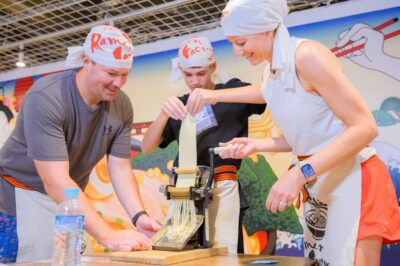
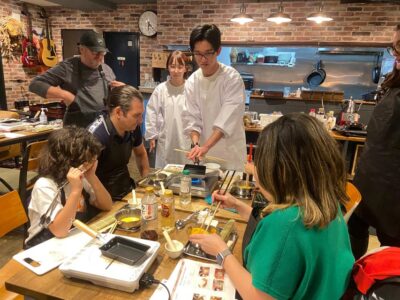
Ramen Cooking Class at a Ramen Factory with Souvenir
Read our review →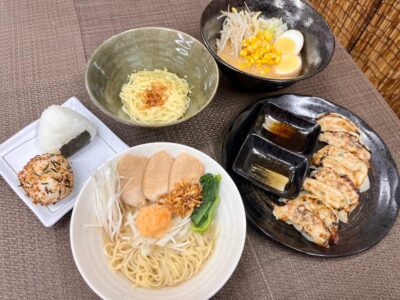
Japanese Washoku Bento Small Group Cooking Class
Read our review →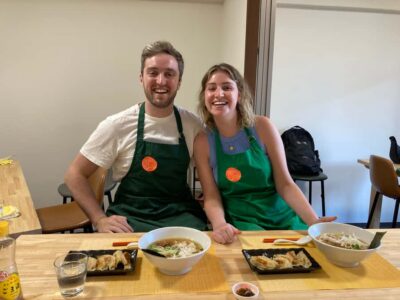
Sumo Stage Show with Bento or Snack + Fight & Photo
Read our review →
Ramen and Sushi Cooking Class with Sake Pairing Set in Tokyo
Read our review →Browse the lists this tour appears in