
Review · BREWERIES
Discover Japanese Coffee Brewing Experience at Tokyo
Siphon coffee feels like a science show. This workshop pairs Japanese-style brewing with a cupping session, so you learn the steps and taste what each step changes. I especially like the hands-on practice across multiple methods, not just a demo. One possible drawback: you only have 2 hours, so expect a strong foundation, not a long, slow masterclass.
You meet the team at Tasse Coffee Roastery in central Tokyo, in a comfortable space with calming natural wood tones. Instruction runs in English and Japanese, and the group stays small for more personal coaching. If you are sensitive to strong coffee smells, you might want to pace yourself during the tasting.
In This Review
- Key things I’d plan for (before you go)
- A Two-Hour Taste Lesson in Tokyo’s Coffee Culture
- Getting Oriented at Tasse Coffee Roastery (Comfort Matters)
- Coffee History in Japan, Plus the Parts That Affect Flavor
- Cupping Exercise: Train Your Nose, Then Your Brain
- Siphon Brewing Practice: Japanese-Style Coffee With Theater and Control
- Kyūsu 急須 Brewing: A Japanese Teapot Twist for Coffee
- Hand Drip Workshop: Water Temperature and Pour Precision
- How the Tasting Comparisons Tie It All Together
- What’s Included, and Why It Matters for Value
- Language Options and How to Use Them
- Optional Coffee Tasting Kit: When It’s Worth Buying
- Who This Workshop Suits Best (And Who Might Not)
- Should You Book This Japanese Coffee Brewing Workshop?
- FAQ
- How long is the Japanese coffee brewing experience in Tokyo?
- What brewing methods are included?
- Is the workshop taught in English or Japanese?
- Is this a private group activity?
- Is it suitable for children?
- What is included in the price?
Key things I’d plan for (before you go)
- Three brewing styles, one consistent workflow, so you can compare results instead of learning three unrelated tricks
- Guided cupping to help you identify aromas, acidity, body, and aftertaste
- Siphon brewing practice that shows how technique affects flavor
- Kyūsu 急須 method training using a Japanese teapot approach for coffee
- Hand drip basics with real control points, especially water temperature and pouring
- Small-group coaching in English or Japanese to match how you learn
A Two-Hour Taste Lesson in Tokyo’s Coffee Culture
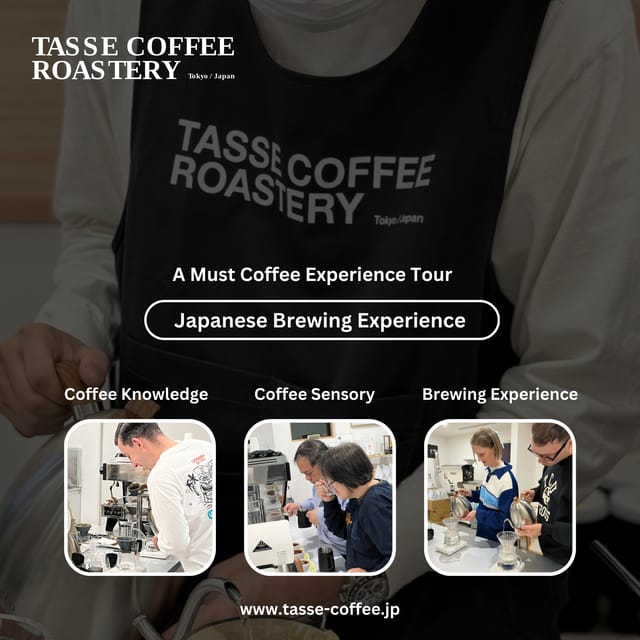
If you want Japan coffee culture in a format that actually sticks, this 2-hour workshop is built for results. You get a quick tour of how coffee became part of Japanese daily life, then you move straight into practical skills you can repeat at home. The focus is not on collecting trivia, it is on learning how to taste and brew with intention.
The sweet spot here is balance. You start with fundamentals, then you put your hands on brewing. You also get enough tasting time to connect brewing choices to the glass in front of you. That is why people leave feeling they learned a lot, not just watched a show.
A few more Tokyo days to weigh up
- 3-Hour Kyoto Insider Sake Brewery Tour with Tastings & Pairings
★ 5.0 · 917 reviews - Arashiyama Bamboo, Temple, Monkeys, or Secret Sake Brewery
★ 4.8 · 886 reviews - Kyoto: Insider Sake Brewery Tour with Sake and Food Pairing
★ 5.0 · 704 reviews
Getting Oriented at Tasse Coffee Roastery (Comfort Matters)
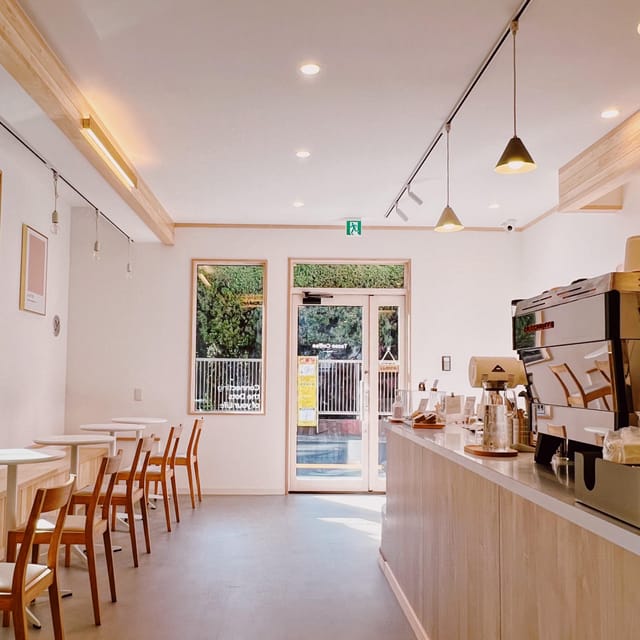
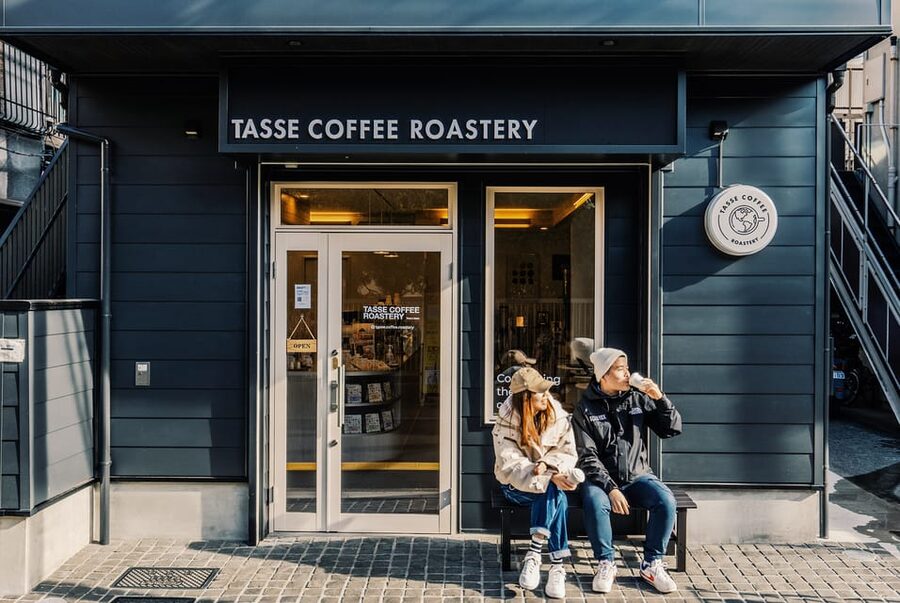
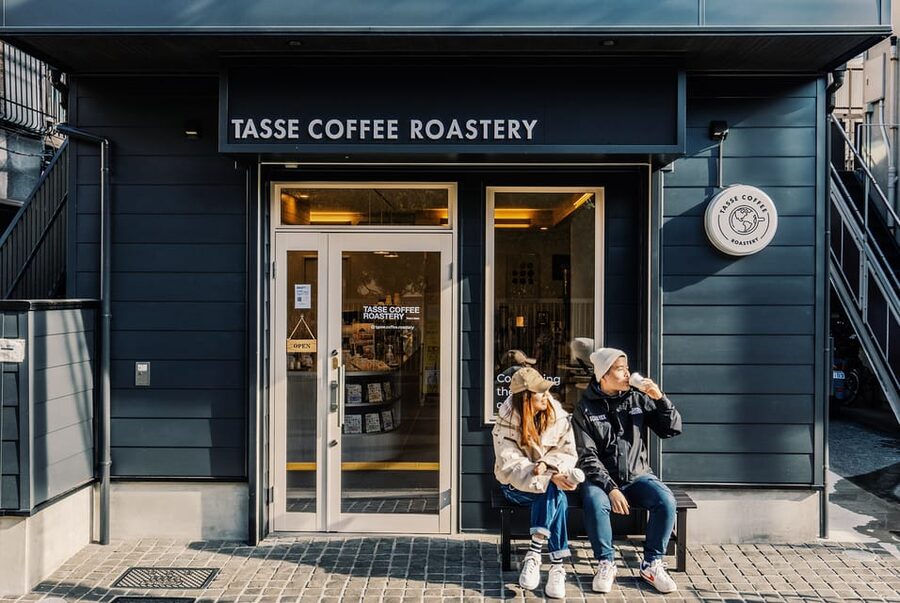
Your class takes place at Tasse Coffee Roastery, in the heart of Tokyo. The venue is designed with natural wooden tones, which may sound like a mood detail, but it changes the experience. When you are learning a sensory skill like cupping, a calmer room helps you pay attention to aroma and balance.
Because the workshop includes equipment for the full session, you do not need to bring tools or worry about gear compatibility. You also get a selection of premium beans used during the training, which keeps the class grounded in what you can taste rather than what you might own at home.
This is set up as a private group experience, with a small group size for more direct instruction. If you learn best by asking questions in the moment, that format is a real plus.
Coffee History in Japan, Plus the Parts That Affect Flavor
The workshop starts with introduction and basic coffee knowledge. You will cover coffee history and culture in Japan, and then you will move into something more practical: understanding different coffee beans and roasts.
The goal is not memorizing origins like a map quiz. You are learning how coffee processing and roast choices affect what shows up in your cup. One thing I like about this structure is that it connects the story of coffee to the choices you make while brewing, from selecting beans to controlling extraction.
You also get a clear idea of the journey from farm to cup. Even in a short session, that framing helps you taste with context. You can start asking better questions, like why a roast tastes clean and bright versus heavy and muted.
Cupping Exercise: Train Your Nose, Then Your Brain
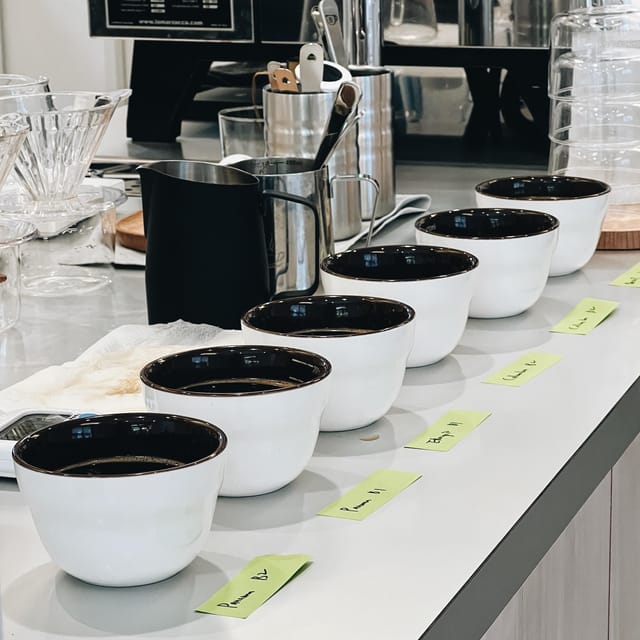
Next comes the cupping exercise, a guided tasting designed to teach you how to read flavor. Cupping is one of the fastest ways to learn what to notice, because you taste multiple cups and calibrate your senses.
During the session, you learn the importance of cupping and you practice identifying flavor profiles. The workshop specifically targets aromas, acidity, body, and aftertaste. That four-part checklist is exactly what you need for brewing adjustments later.
You will also do guided coffee tasting of the Tokyo coffee blends used in class. This matters because it is not just generic tasting. You get a chance to recognize how blends express themselves across different brewing methods you will use right after.
Practical tip: take notes while you taste. Even quick scribbles like more floral, less bitter, heavier body help you remember what you liked and why. It makes the next part of the workshop easier to follow.
A different sort of day in Japan:
- Mt Fuji and Hakone 1-Day Bus Tour Return by Bullet Train
★ 5.0 · 26,383 reviews - 1-Day Tokyo Bus Tour
★ 5.0 · 14,250 reviews - Tokyo: TOKYO SKYTREE® Admission ticket
★ 4.5 · 11,192 reviews - Tokyo: teamLab Planets TOKYO Digital Art Museum Entry Ticket
★ 4.6 · 9,779 reviews
Siphon Brewing Practice: Japanese-Style Coffee With Theater and Control
The siphon is the visually engaging method in the lineup, and it also teaches you something important about extraction. You explore the history and elegance of the siphon method, then you do a demonstration followed by hands-on practice.
I like how this part keeps things concrete. You are not just learning the romance of the siphon setup, you learn how that brewing style changes coffee flavor. With siphon brewing, technique and timing matter, and that is a great lesson because you can taste the difference when you get the steps right.
What you are really training here is attention. The method rewards consistency and careful observation. If you enjoy process, this one will click. If you get impatient with careful steps, the siphon can feel a bit more intense, but the payoff is that you understand how technique translates into taste.
And yes, it can feel like a small science lab. That is a good thing here, because it makes the method memorable.
Kyūsu 急須 Brewing: A Japanese Teapot Twist for Coffee
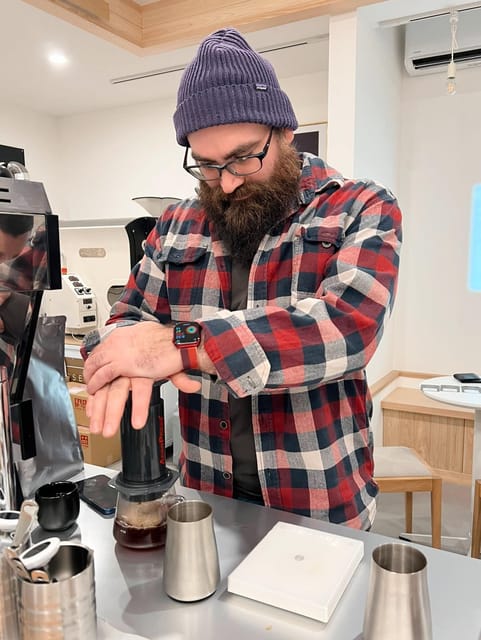
After the siphon, you shift to Kyūsu 急須, a Japanese teapot method adapted for coffee brewing. This is one of those ideas that sounds simple until you taste the result and realize brewing shape and flow change extraction.
You learn techniques for brewing coffee in a Kyūsu and you compare the taste profile with other methods used in the workshop. That comparison is key. You start to notice how the same beans can taste different depending on how hot water meets the grounds and how the final pour and contact time behave.
This is also a nice cultural moment. Using a teapot design for coffee ties coffee training to familiar Japanese objects and habits. Even if you already know Japanese coffee exists, this helps you understand how flexible Japanese brewing culture can be.
Hand Drip Workshop: Water Temperature and Pour Precision
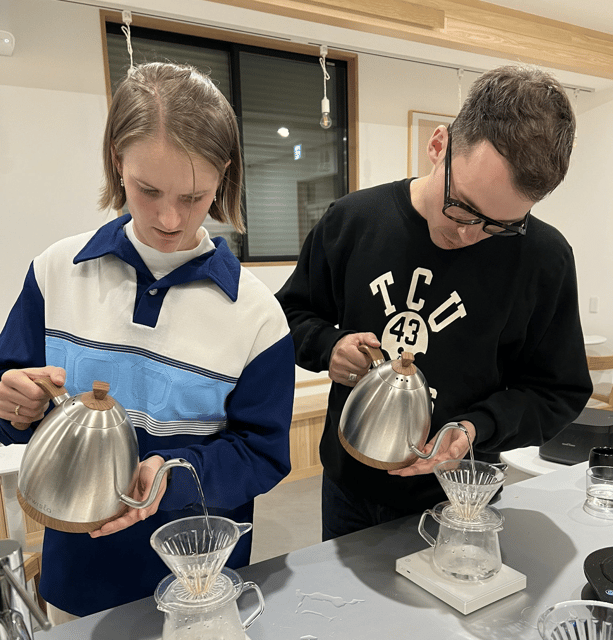
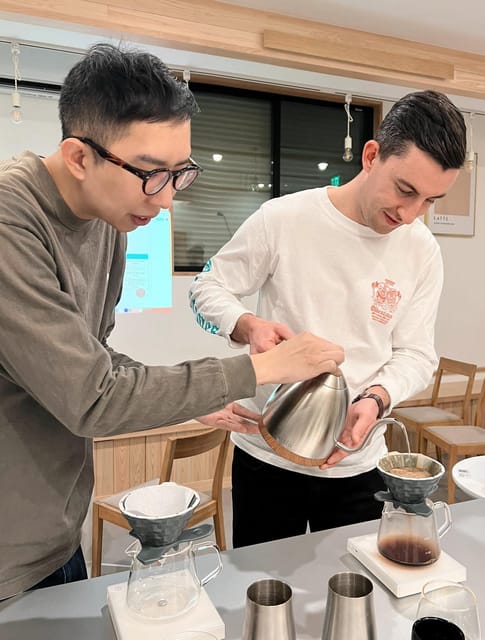
Hand drip is where most people feel the most immediate connection to what they can do at home. In the workshop, you learn the art of hand drip brewing with a clear focus on the mechanics that actually affect the cup.
You practice techniques for water temperature and pouring, and you get hands-on brewing time with taste comparisons. That is what makes hand drip more than a ritual. Temperature and pour pattern drive extraction, and extraction drives acidity, body, and bitterness.
If you have ever brewed at home and wondered why one cup tastes sharp while another tastes dull, this is the section that helps you diagnose it. Even without a huge time investment, you leave with specific control points to adjust next time.
Another practical bonus: hand drip is the most transportable skill. Even if you never use a siphon again, hand drip can become your default method.
How the Tasting Comparisons Tie It All Together
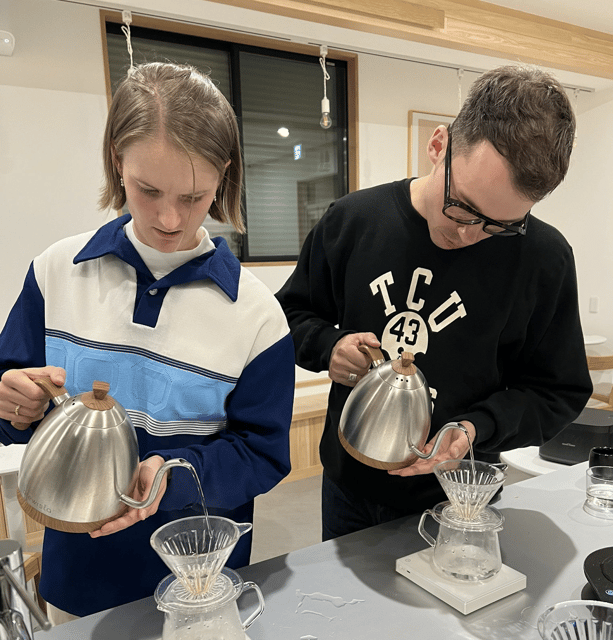
One reason this workshop earns a high rating is the tight link between brewing and tasting. You brew multiple methods, you taste through different Tokyo coffee blends, and you compare flavors across the process.
The class includes tasting comparisons and beverage samples made during the workshop. That means you are not guessing what a method does. You are tasting it, then learning why it might behave that way.
You also get insight into coffee selection. That is useful even if you do not plan to buy the exact beans used in class. You will learn what to look for when choosing roasts and beans that match the flavors you want.
If you are a coffee person who likes structure, this is satisfying. If you are new to coffee beyond ordering drinks, it is still approachable because the tasting categories stay clear and practical.
What’s Included, and Why It Matters for Value
The price is $116 per person for a 2-hour workshop. For Tokyo, that can feel like a big number at first glance. The value comes from what is covered: expert instruction, cupping, hands-on brewing across three methods, all equipment, and premium coffee beans for the session.
You also get beverage samples during the class, plus insights into coffee culture and coffee selection. That combination is hard to replicate if you try to do it yourself. You would need a brew station, materials for different methods, and a way to learn tasting language like acidity and aftertaste without guessing.
In short, you are paying for guided practice plus sensory training. If you enjoy learning by doing, that is a strong use of your time.
One more value point: the group stays small for a more personalized experience. That helps with corrections while you brew, and those tiny adjustments are often the difference between a mediocre cup and a great one.
Language Options and How to Use Them
The instructor supports both English and Japanese. If you are comfortable in English, you can follow the explanations and tasting guidance without slowing down. If you live in Japan and you want English instruction for clarity or comfort, this format is still a smart choice, since it gives you a different learning lens without forcing you to struggle with language.
Because the class includes practical exercises and comparisons, language matters more than it might in a pure lecture. You need to understand what to change when your cup tastes off.
If you are bilingual or learning either language, you can also treat it like a mini vocab workout for coffee terms you will actually use.
Optional Coffee Tasting Kit: When It’s Worth Buying
There is an exclusive coffee tasting kit available for purchase, listed as optional. The idea is simple: if you enjoyed the cupping and want a way to keep practicing, a kit can extend what you learn after the 2 hours end.
Whether it is worth it depends on your goal. If you want to keep brewing at home and you like structured tasting, it might be useful. If you just wanted to get the basic skills and you already have your own setup, you might skip it.
Either way, you will still leave with the brewing practice you came for, and you can always decide later if you feel you need more tools for tasting at home.
Who This Workshop Suits Best (And Who Might Not)
This is a great fit if you want hands-on coffee learning in Tokyo and you like tasting as part of the lesson. It is especially good for people who enjoy comparing methods and want to understand why a cup changes, not just how to make it.
It is also a strong choice if you are the type who likes structured exercises. The workshop uses cupping categories and method-by-method practice, which helps you build skill fast.
It is not suitable for children under 16. If you are traveling with teens or adults, you should be fine.
Also consider this: the session is short. If you expect a long, slow technical deep training, you might want a longer class elsewhere. But if you want a focused, skill-building 2-hour experience, this hits the mark.
Should You Book This Japanese Coffee Brewing Workshop?
I think you should book it if you want a practical Tokyo coffee experience with real tasting and real hands-on brewing. The combination of cupping, siphon practice, Kyūsu brewing, and hand drip training is a strong way to learn how technique and extraction connect.
If you are on the fence because of the price, I would judge it by what you would otherwise have to pay to recreate the same lesson yourself. Here, you get the venue setup, equipment, beans, and guided instruction for the whole session. For many people, that is the difference between learning slowly and learning fast.
If you love coffee culture but also want a skill you can use at home, this workshop is a smart use of your time in Tokyo. You will leave with a tasting framework, brewing confidence, and a short list of techniques you can practice right away.
FAQ
How long is the Japanese coffee brewing experience in Tokyo?
The workshop lasts 2 hours.
What brewing methods are included?
You will learn and practice Japanese-style coffee brewing using siphon, Kyūsu 急須 (a teapot method for coffee), and hand drip.
Is the workshop taught in English or Japanese?
The instructor provides instruction in English and Japanese.
Is this a private group activity?
Yes, it is a private group experience with a small group size.
Is it suitable for children?
No. It is not suitable for children under 16.
What is included in the price?
The experience includes expert instruction, a coffee cupping session, hands-on brewing workshops, all necessary equipment, quality coffee beans, coffee culture insights, tasting comparisons, beverage samples, and all fees and taxes.
Newly listed around Tokyo
- Tokyo: FC TOKYO Football Game at Ajinomoto Stadium★ 4.8 · 58 reviews
- Expert Anime Guide in Akihabara with a maid witch★ 4.9 · 19 reviews
- Experience Crafting a Flower-Adorned Mini Japanese Garden★ 4.7 · 15 reviews
- Old and Nostalgic Tokyo: Half-Day Yanaka Walking Tour★ 4.9 · 30 reviews
- Exclusive Tokyo Ramen Kitchen Experience★ 4.7 · 34 reviews
- Eat/Drink like a LOCAL-Taverns & Ramen★ 4.9 · 23 reviews
- Private Edo-Tokyo Open Air Architectural Museum Tour★ 4.8 · 15 reviews
- Nikko: Edo Wonderland Edomura Cultural Theme Park Ticket★ 4.3 · 205 reviews
Breweries, compared.

3-Hour Kyoto Insider Sake Brewery Tour with Tastings & Pairings
Read our review →
Arashiyama Bamboo, Temple, Monkeys, or Secret Sake Brewery
Read our review →
Insider Sake Brewery Tour with Sake and Food Pairing
Read our review →
KOBE Sake Tasting Tour at Breweries (tasting fee included)
Read our review →
Hiroshima Saijo Sake Tasting Tour with visit to 7 Breweries
Read our review →Private Sake Brewery Visit and Tasting Tour in Hida
Read our review →
Browse the lists this tour appears in