Review · OSAKA TOURS
Discover Japanese Tea Blending Techniques in Osaka
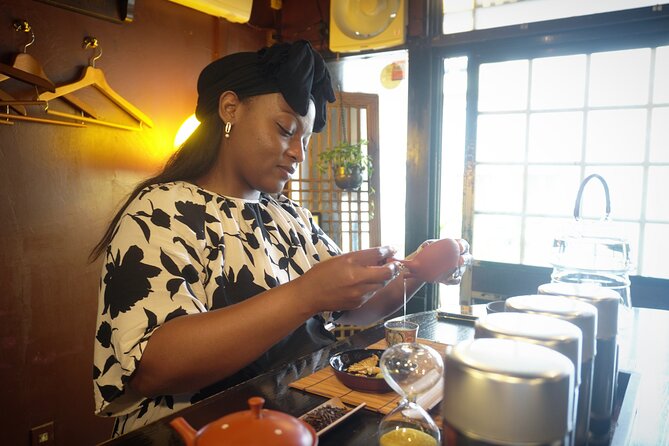
Tea turns into cocktails in Osaka. In this small workshop, you learn Japanese tea blending and brewing from Ko, then put it into practice with both classic cups and modern tea cocktails. What I liked most was the hands-on pace and the chance to personalize your drinks to your tastes, not just follow steps. One consideration: you’re there for 2 hours of tea technique and tasting, so it helps if you actually want to learn the basics, not only sample.
I like that it starts in a real neighborhood feel, near Namba Yasaka Jinja, not the usual tourist grid. The session runs about 2 hours starting at 3:00 pm, and the mobile ticket keeps things simple once you’re there. With a maximum of 3 travelers, you get real attention and room to ask questions as you brew.
The mix of tradition and modernity is the point: you’ll cover key Japanese teas like sencha, wakocha, oolong, hojicha, and matcha, then shift into a more playful, cocktail-style approach. Expect tea rituals, how to brew each type correctly, and a hands-on activity that can include fruit and alcohol, plus Japanese sweets to round it out.
In This Review
- Key things to know before you go
- Entering Osaka’s tea world near Namba Yasaka Jinja
- What you actually make and taste in the 2-hour workshop
- The five teas, and why they feel different in your cup
- Brewing technique, tools, and the small details you’ll remember
- Japanese tea rituals, history, and what you can take home
- Tea cocktails and Japanese sweets: where the class gets playful
- Who this Osaka tea workshop fits best
- Price and value: is $54.46 a fair deal?
- Booking tips and what to expect on arrival
- Should you book this Japanese tea blending workshop in Osaka?
Key things to know before you go

- Small group format (up to 3 people), so you can ask questions while you work
- Ko guides the full tasting and brewing, not just a lecture
- Five tea styles covered: sencha, wakocha, oolong, hojicha, and matcha
- Hands-on blending and cocktail-making, including fruit and alcohol infusion
- You take home samples and recipes so you can repeat it after your trip
- Starts and ends at the same meeting point, near public transportation in Osaka
Entering Osaka’s tea world near Namba Yasaka Jinja
The meeting point is right by Namba Yasaka Jinja (Naniwa Ward), at 2-chōme-9-19 Motomachi, Osaka 556-0016. It’s a smart choice because you get to experience a calmer Osaka moment, not just rush through the busiest areas. This is also the kind of location where it feels natural to slow down, look around, and arrive in the right mindset for tea.
The timing matters here. Starting at 3:00 pm usually works well if you want a break after morning sightseeing, or you want something relaxing before dinner. Plan for the full experience to last about 2 hours, and I’d treat it as a focused activity where tasting and brewing take up the whole block.
One practical tip: since it’s a mobile ticket, make sure you can access it offline or with stable reception. It sounds basic, but it saves stress when you’re on the walk. Also, because the group is small, you might feel the rhythm quickly. If you’re the type who likes learning by doing, this setup fits perfectly.
A few more Osaka days to weigh up
- Osaka Go Karting Tour with Funny Costume
★ 5.0 · 2,658 reviews - Osaka Castle: Museum and Tower Entry Ticket
★ 4.5 · 2,380 reviews - Osaka: Shinsekai Food Tour with 13-15 Dishes at 5 Eateries
★ 4.8 · 2,204 reviews
What you actually make and taste in the 2-hour workshop
This isn’t a one-note tea tasting. You’re guided through a structured process that moves from learning to brewing, then into making drinks you can actually remember and recreate.
You’ll start with several core Japanese tea styles:
- Sencha (green tea)
- Wakocha (Japanese black tea)
- Oolong tea
- Hojicha (roasted tea)
- Matcha
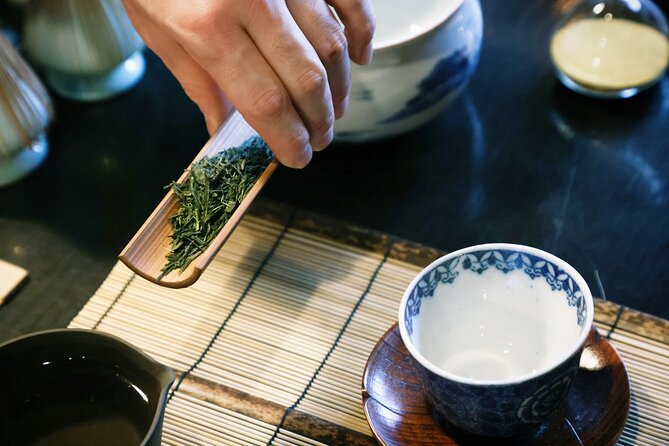
For each tea, you’ll learn the basics of brewing properly, including brewing temperatures, technique, and handling tools. That matters more than people think. Tea flavor changes fast when you get temperature, steeping time, and handling even slightly wrong, and the workshop is built around avoiding those common mistakes.
Then you shift from straightforward cups to the fun part, tea drinks with modern twists. The experience includes a hands-on activity that applies tradition using newer techniques, like making tea drinks with natural ingredients such as fruit. Some versions include infusing with alcohol, so you’ll get a true tea-meets-cocktail approach, not just a sweet syrup idea.
At the end, you’re not just leaving with memories. You’ll take home small samples and recipes for beverages you learn to make. That’s a big deal for value, because you can keep the flavor fresh after your trip instead of waiting months and forgetting the details.
The five teas, and why they feel different in your cup
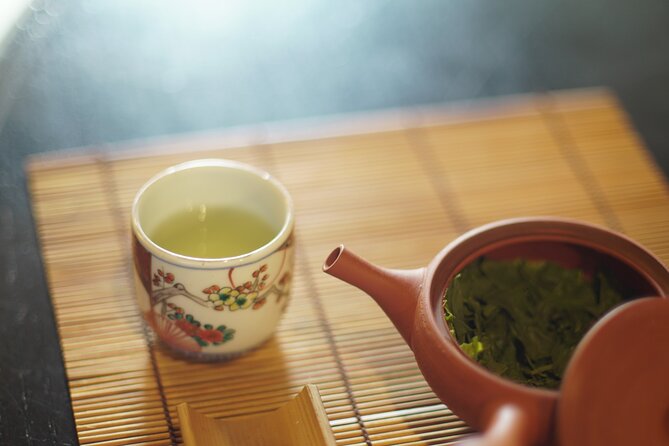
The best part of this workshop is that it teaches you to taste the teas as separate personalities, not interchangeable “green” or “tea-like” drinks. If you’ve only had bottled hojicha or supermarket matcha, this will recalibrate your expectations fast.
Here’s how the experience frames those tea differences in a practical way:
- Sencha teaches you freshness and balance. You’re learning how to brew it so it tastes lively, not flat or too strong.
- Wakocha (Japanese black tea) adds depth. It’s a good contrast to green tea because you can notice how flavor weight changes with the tea style.
- Oolong tea helps you understand complexity. Oolong is often where people realize tea is not one flavor category but a whole range of aromas and mouthfeel.
- Hojicha brings roasted character. This is the tea that often feels most different compared to expectations, because roasting gives it a toasty, mellow edge.
- Matcha is its own world. The workshop treats matcha as something you brew and handle with care, so you understand how preparation affects texture and taste.
What I like about this lineup is that it gives you a full spectrum in a short time: grassy, floral or mellow, roasted, and then the thick and concentrated world of matcha. You get the chance to compare them through guided brewing and tasting rather than guessing.
Brewing technique, tools, and the small details you’ll remember
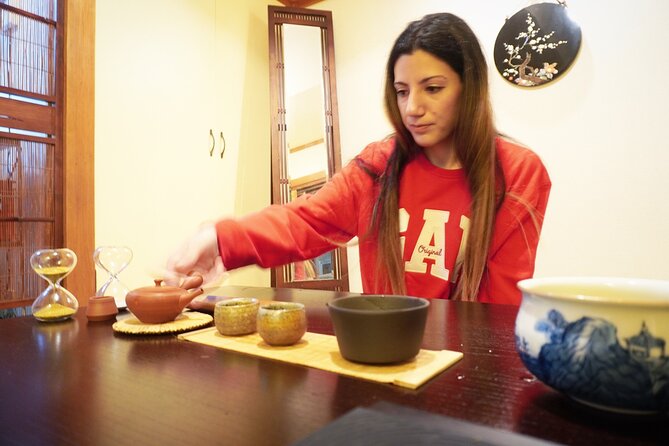
A lot of tea classes talk. This one works because it teaches you how to do things correctly while you’re holding the tools.
You’ll learn practical brewing knowledge such as:
- brewing temperatures for each tea type
- how technique changes the result
- handling tools as part of getting the cup right
In the same spirit, you also pick up physical technique tips, including how to hold and handle brewing tools properly. That kind of detail may sound minor until you do it, then you realize it affects pouring and how the tea behaves. Small adjustments lead to better aroma and smoother taste, and that makes the tasting more meaningful.
Another thing I appreciate is the coaching style. Ko is praised for being genuinely friendly, funny, and passionate about the craft, which keeps the class from feeling intimidating. The result is that you can ask questions mid-brew instead of waiting for a lecture to end. For me, that is where learning actually sticks.
A different sort of day in Japan:
- Osaka Food Tour: 13 Dishes at 5 Local Eateries
★ 5.0 · 2,149 reviews - Hungry Osaka Street Food Tour:15 Tastings & 3 Drinks with a Local
★ 5.0 · 1,727 reviews - Osaka: teamLab Botanical Garden Entry Ticket
★ 4.5 · 1,710 reviews - Osaka: Tea Ceremony Experience
★ 4.9 · 1,426 reviews
Japanese tea rituals, history, and what you can take home
The workshop includes discussion of the history and cultural meaning of Japanese tea. You’re not just memorizing dates. You get a sense of why the culture values careful preparation, attention to tools, and the idea that tea is tied to everyday life.
You’ll also hear about philosophy around Japanese tea culture and how it shaped the country over time. Even if you only take one takeaway, it helps you understand why tea preparation is treated like an art with rules, not random steps.
Then comes the modern side. The experience explicitly mixes tradition with modernity, which is the sweet spot for many visitors. You’ll learn the ritual mindset, then apply it in a hands-on way to modern drinks that include natural ingredients and tea infusions.
I also like that the workshop encourages you to connect it to your day-to-day. You’ll leave with recipes and samples so you can try brewing at home. That turns the workshop from a one-time souvenir into a skill you can actually use.
Tea cocktails and Japanese sweets: where the class gets playful
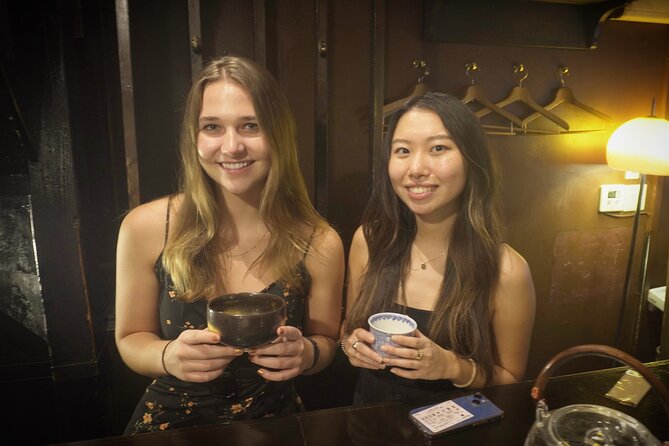
This is where the workshop earns its name and keeps it from becoming a traditional, sit-and-watch session.
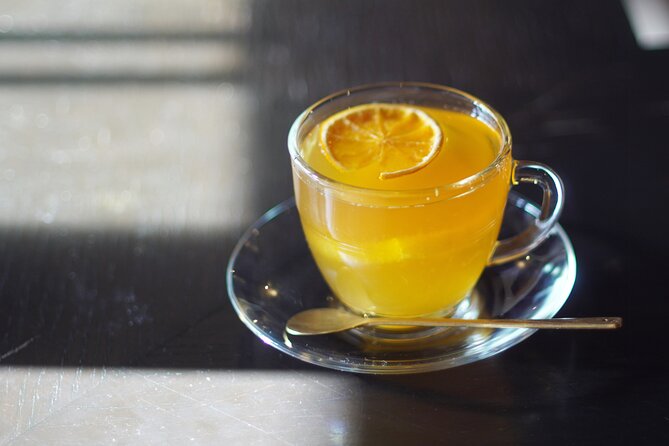
After the tea fundamentals, you make drinks that borrow from cocktail logic while respecting tea character. You’ll work with natural ingredients like fruit and add tea into drink building. Some parts include infusing with alcohol, so you can experience how alcohol changes perception of tea aromas and sweetness.
What makes this worth your time is the combination of technique and creativity. You learn the tea first, then you use that knowledge to build a drink that tastes intentional, not just flavored tea with extra sugar.
You’ll also sample traditional Japanese sweets during the session. That matters because it’s not only a sugar pairing. Sweets are part of how Japanese tea culture is experienced, and the class gives you a chance to taste tea alongside those flavor matches in a controlled setting.
If you like food pairings and want to understand how flavors balance, this portion is the most memorable part of many people’s afternoons.
Who this Osaka tea workshop fits best
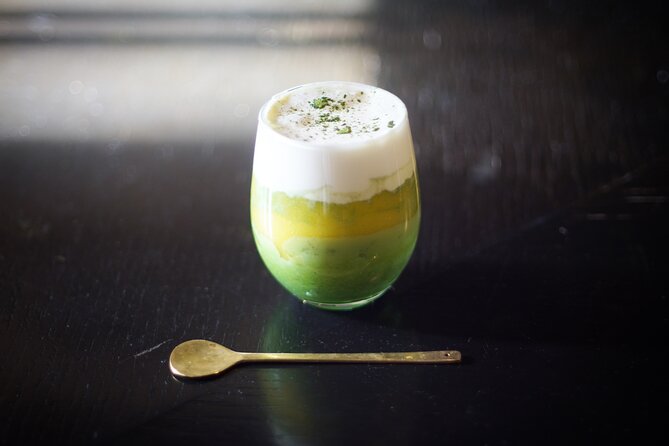
This workshop is a great match if you want:
- to learn real brewing basics like temperature and technique
- a guided tasting across multiple Japanese tea types
- hands-on mixing where you build drinks, not just watch
- a small-group experience (max 3 people) that lets you talk with Ko
It also works for honeymoon trips, date nights, and anyone who wants something more personal than a high-volume city tour. Because it starts at 3:00 pm and runs about 2 hours, it fits neatly into a typical Osaka day.
If you’re totally new to tea, you’re not at a disadvantage. The class is designed to explain fundamentals and then build from there. And if you already know your way around matcha or hojicha, you’ll likely appreciate the details about correct brewing and handling tools.
Price and value: is $54.46 a fair deal?
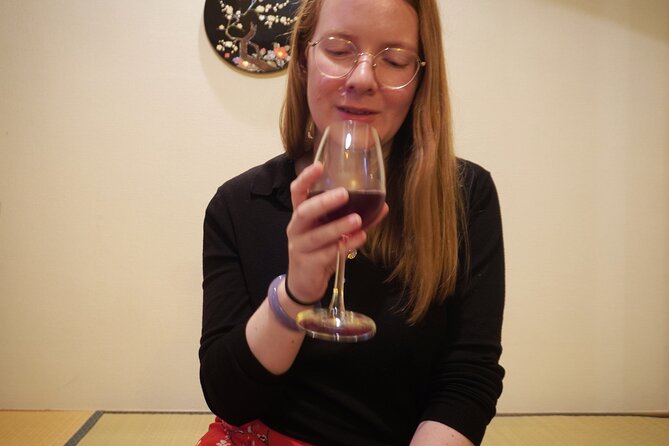
At $54.46 per person, this isn’t a budget snack. But for what’s included, the pricing can feel fair.
You get:
- multiple tea types covered in a single session (sencha, wakocha, oolong, hojicha, matcha)
- guided brewing instruction focused on temperature, technique, and tool handling
- a hands-on drink-making activity, including tea cocktails with fruit ingredients and alcohol infusion
- tastings that include Japanese sweets
- small samples and recipes to take home
Most tea tastings sell you a set of cups. This one sells you the chance to learn how to make them and then repeat the experience later. That take-home piece is where value often shows up after the workshop, when you can brew again rather than only remember.
Booking demand is also a quiet signal. It’s commonly booked about 60 days in advance, so if you want a specific date, plan ahead.
Booking tips and what to expect on arrival
A few practical points so your afternoon flows:
- Bring your mobile ticket and make sure you can access it on the day of travel.
- Aim to arrive a few minutes early so you can settle in before brewing begins.
- Since it ends back at the meeting point, you can plan a nearby dinner without a long transit scramble.
- Go in hungry for learning, not for pure sightseeing. This is an activity where taste and technique are the main attraction.
If you’re sensitive to alcohol, pay attention to your comfort level with the cocktail-style portion. The experience includes tea drinks made with natural ingredients and can include alcohol infusion, so you’ll want to align your expectations before you start sipping.
Should you book this Japanese tea blending workshop in Osaka?
I’d book it if you want a hands-on Japanese experience you can actually practice later. The small group size, Ko’s teaching style, and the focus on both brewing technique and tea cocktails make it more interesting than a typical tasting stop. You also get real take-home value through samples and recipes, which turns this from a one-day event into a skill you can keep.
Skip it only if you’re looking for mostly sightseeing, or if you want zero commitment beyond drinking a few teas. This is a class, and the best results come from engaging with the brewing and tasting parts.
If your ideal Osaka afternoon includes tea, food, and a little mixology fun, this one is worth it.
Newly listed around Osaka
- 2 Hours of Bar Hopping in Osaka Style★ 5.0 · 22 reviews
- Same-Day Osaka Food Crawl with local food and Hidden gems★ 5.0 · 114 reviews
- Osaka Authentic Local Izakaya Hopping Experience: Food & Drinks★ 5.0 · 99 reviews
- Well-balanced BENTO (lunch box) Cooking Class★ 5.0 · 35 reviews
- Anime Cosplay Photshoot-50 Digital Photos Provided★ 5.0 · 8 reviews
- OSAKA:Feel the Power! Learn Taiko Drum from Professionals★ 5.0 · 28 reviews
- Three Types of Ramen Cooking Class in Osaka★ 5.0 · 119 reviews
- Urban Canvas: Osaka Street Art Bike Tour★ 5.0 · 47 reviews
Osaka Tours, compared.

Shinsekai Food Tour with 13-15 Dishes at 5 Eateries
Read our review →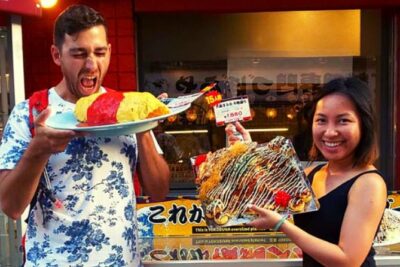
Osaka Food Tour: 13 Dishes at 5 Local Eateries
Read our review →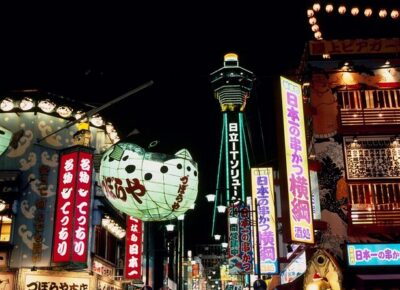
Hungry Osaka Street Food Tour:15 Tastings & 3 Drinks with a Local
Read our review →