Review · TOKYO TOURS
Experience local life in Yoyogi Uehara
Tokyo has a quieter side worth chasing. Yoyogi Uehara sits close to Shibuya and Shinjuku, but it walks like a lived-in residential neighborhood, with a nostalgic downtown feel and shops you would only stumble on by being local-friendly. I really like how safe and walkable it feels, even when you are not following the usual tourist routes.
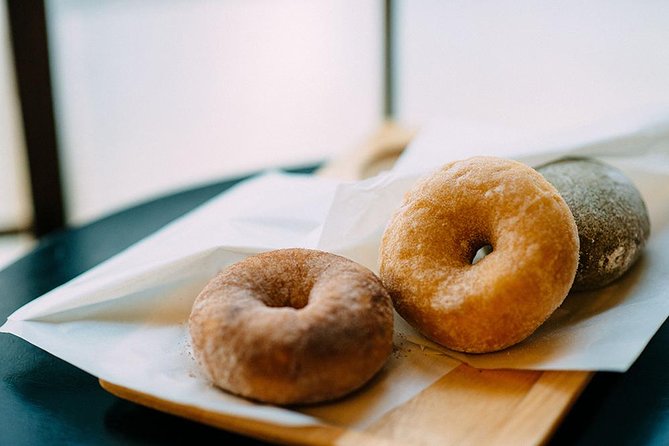
You also get a smart food-first rhythm, with snacks and drinks included so the walk stays fun and not snack-starved. Stops like Haritts donuts and the shrine draw give the afternoon a tasty, lightly spiritual flow, and the guide keeps it moving in clear English.
One consideration: transportation to and from Yoyogi-Uehara Station is not included, and the tour involves walking with a moderate fitness level. Also, like most local stops, the exact mix can shift a bit if weather or facilities are affected.
In This Review
- Key highlights you will actually feel
- Why Yoyogi Uehara feels like real Tokyo
- How the 2-hour format works (and why it is a good match)
- What you will do first: Yoyogihachimangu and a local draw
- Haritts donuts: the snack stop that becomes the memory
- Daikokuyu public bath: the local institution stop
- The residential streets in between: where the tour earns its value
- Snacks, drinks, and coffee: what is included, and why you should care
- Your guide and the English support that makes it enjoyable
- Price and what you actually get for $36.43
- Practical tips so you enjoy it more
- Who this tour fits best
- Should you book the Yoyogi Uehara local-life tour
- FAQ
- Where does the tour start?
- How long is the tour?
- What is included in the price?
- What are the main stops during the tour?
- Is transportation included?
- What is the cancellation policy?
Key highlights you will actually feel
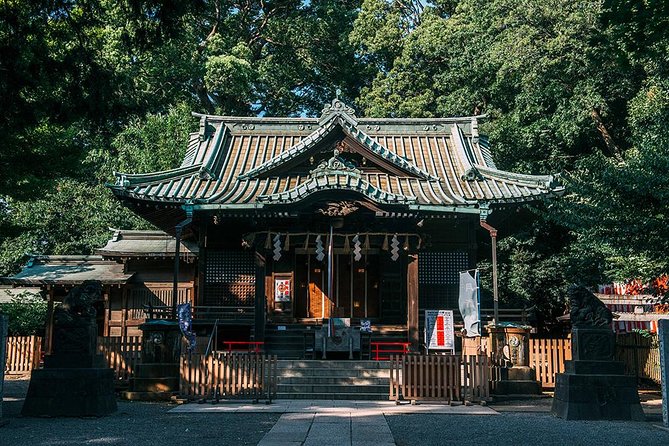
- Yoyogihachimangu power spot with a fortune telling paper draw that adds a memorable local touch
- Food-first pacing with included snacks, drinks, and coffee or tea before most of the walking
- Haritts donuts at a shop known for ranking among the top donut spots in Tokyo, with lines possible
- Daikokuyu public bath beloved by locals, including people tied to TV and celebrity culture
- Small group size (max 8) that makes it easier to ask questions and hear details without shouting over crowds
Why Yoyogi Uehara feels like real Tokyo
If your Tokyo plan is mostly train stations, big sights, and museum queues, this area offers a reset. Yoyogi Uehara is residential and calm, yet it is still central enough that you are not far from the action in Shibuya and Shinjuku. The best part is that the neighborhood has that old-then-new vibe: some streets feel comfortably nostalgic, while the food scene stays current.
What makes this tour worth your time is that it is not trying to cram big-ticket landmarks into two hours. Instead, you are guided to the everyday beats that define a place. Think cozy neighborhood shops, side streets you would not choose on your own, and local rituals that feel normal to the people who do them every day.
You also get a practical bonus: the area is described as very safe, so you can slow down and actually look around. That matters in Tokyo, where some neighborhoods are fun but exhausting. Here, you can walk, snack, and chat without feeling rushed.
A few more Tokyo days to weigh up
- Mt Fuji and Hakone 1-Day Bus Tour Return by Bullet Train
★ 5.0 · 26,383 reviews - 1-Day Tokyo Bus Tour
★ 5.0 · 14,250 reviews - Tokyo: TOKYO SKYTREE® Admission ticket
★ 4.5 · 11,192 reviews
How the 2-hour format works (and why it is a good match)
The tour runs for about 2 hours, starting at 2:00 pm. You meet at Yoyogi Uehara Station by the ticket gate, and your guide is easy to spot with a banner. At the end, around 4:00 pm, you are done with the structured part, and your guide can suggest other nearby places based on what you like.
There is a ceiling of up to 8 travelers, which I love for small-group Tokyo experiences. You get more conversation, and it is easier to keep track of everyone on local side streets. With a smaller group, the guide can explain the why behind what you are seeing, not just the what.
Another detail that makes the pacing feel thoughtful: the tour is front-loaded with food stops. That means you are not spending the whole first hour walking while hungry. You get snacks and drinks, plus coffee and/or tea. For an afternoon start time, that is a big deal.
What you will do first: Yoyogihachimangu and a local draw
One of the first named stops is Yoyogihachimangu, described as a popular power spot. It includes a fortune telling paper draw. Even if you are not the type to chase spiritual experiences, this kind of stop works because it is interactive and quick. You do not need long explanations to take part.
Why this matters in a neighborhood tour: a shrine is a good anchor point. It gives you a sense of time, habit, and community. You are not just eating and moving, you are also seeing where people look for luck, meaning, or reassurance. And in a residential area like Yoyogi Uehara, that can feel especially grounding.
Possible drawback: a fortune draw is fun, but it can also be a small pause in the day. If you are hoping for a nonstop snack-to-bath schedule, this stop adds a bit of calm. That said, it is short enough to keep the momentum.
Haritts donuts: the snack stop that becomes the memory
Next up is Haritts, a donut shop famous among donut lovers. It is said to be one of the 5 best donut shops in Tokyo. What I like about including a shop like this is that it pulls you out of generic tourist food and into a specific local obsession.
Two practical things to plan for. First, you may face a line, and one review specifically notes that waiting can be part of the experience. Second, donut shops are best enjoyed when you can slow down after the walk. The tour’s snack-first setup helps here, because you are not trying to find time to eat while also trying to keep up with a group.
If you care about food as culture, this stop is more than a treat. It shows you what people chase for fun. In a place like Yoyogi Uehara, where daily life is the main character, that kind of local favorite feels very on theme.
A different sort of day in Japan:
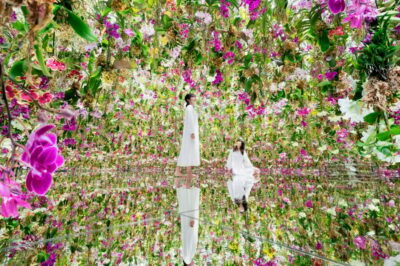
- Tokyo: teamLab Planets TOKYO Digital Art Museum Entry Ticket
★ 4.6 · 9,779 reviews - Mt Fuji & Hakone Cruise, Drum Show Bullet Train 1 Day from Tokyo
★ 4.0 · 7,413 reviews - Tokyo: Sumo Show Experience with Chicken Hot Pot and a Photo
★ 4.8 · 6,678 reviews - Tokyo: Shinjuku Food Tour (13 Dishes at 4 Local Eateries)
★ 5.0 · 6,603 reviews
Daikokuyu public bath: the local institution stop
The tour’s third named highlight is Daikokuyu, a public bath loved by locals. It is also noted as a place where some celebrities and people connected to TV industries frequent.
That mix is interesting. A sento or public bath is one of those Tokyo traditions that is both everyday and oddly hard to access as a first-time visitor without guidance. You do not just walk in and hope you figure it out. With a guide, you can focus on the experience instead of the details that make it stressful for outsiders.
One important consideration: this is a public facility. That means it is best if you are comfortable with shared spaces and basic local etiquette. The tour also fits people with moderate physical fitness, so it is a walking day with a real-world stop at the bath.
Why it is a great neighborhood-tour capstone: food is fun, but a public bath is where you see how people unwind. It is a window into a slower rhythm. In a Tokyo day full of trains and walls of signage, that reset can feel like a real win.
The residential streets in between: where the tour earns its value
The itinerary names a few anchor stops, but the tour is also described as going beyond those samples. You may also visit other spots that reflect the locality of Yoyogi Uehara, including locally loved shop styles like tofu shops, donut shops, and trendy cafés.
This is where the guide matters most. In central Tokyo, it is easy to walk past interesting places and never notice them. A good guide helps you spot what is normal here: the kinds of stores people choose for everyday treats, the way streets transition from residential calm to small commerce, and the rhythm of a neighborhood that is not designed for busloads.
From a practical point of view, you get a walking route built for an afternoon. The area is described as ideal for walking, and that safety piece is important. You can actually look up, check storefronts, and enjoy the sense of place without worrying about awkward logistics.
Also, some reviews mention a balance of new and older atmosphere, including older, Showa-style shop vibes. That kind of texture is exactly what you want from a local-life tour.
Snacks, drinks, and coffee: what is included, and why you should care
This tour includes snacks and drinks, plus coffee and/or tea. That might sound like a minor detail, but it is not. It is the difference between a tour you enjoy and a tour you survive.
I like that the included refreshments support the day’s rhythm. When you snack earlier, you walk better. When you have a warm drink later, you finish the tour feeling good instead of wrung out.
Food also gives you conversation fuel. Guides can point out what locals order, why certain shops are popular, and what to pay attention to while you are tasting. It makes the neighborhood feel less like a checklist and more like daily life.
Your guide and the English support that makes it enjoyable
The tour is led by an English speaking guide, and the group stays small. One named example is Harumi, described as having studied in Ireland and known for strong English. That matters because neighborhood culture is often in the details: small labels, casual shop traditions, and the meaning of local rituals like the shrine fortune paper draw.
You want a guide who can explain without turning it into a lecture. Reviews mention guides who keep the conversation flowing and make the time feel easy and friendly. That is the sweet spot for a two-hour tour.
One tip for you: come with a couple of questions. Ask what locals eat here, what people do on days off, or how the bath culture fits into daily life. With a small group, you are more likely to get a clear answer.
Price and what you actually get for $36.43
At $36.43 per person for about two hours, you are paying for more than a walking route. You are paying for a guide, included snacks and drinks, coffee or tea, and access to three named local anchors (a shrine, a donut shop, and a public bath).
Transportation is not included, so you still need to get to Yoyogi-Uehara Station on your own. That is normal for neighborhood tours, but it is the piece that can change the real cost depending on where you start your day.
Still, for central Tokyo, this kind of half-day local-life experience often beats the cost per hour of typical sightseeing add-ons, because it includes both food and one of Tokyo’s more distinctive everyday traditions.
If you are the kind of traveler who values authenticity over trophy sights, this pricing makes sense. You are buying access to normal Tokyo life, not just entry into famous photo spots.
Practical tips so you enjoy it more
A few things will help you have an easier afternoon.
- Wear comfortable walking shoes. You are spending time on foot in a residential neighborhood.
- Expect some waiting for popular food, especially at a famous donut shop like Haritts.
- Keep your schedule flexible. The tour may adjust if weather or facility conditions require it.
- Bring cash only if you tend to do that by habit, but the tour itself states snacks and drinks are included.
- Be ready for a public bath stop. If you have questions about comfort and etiquette, ask your guide at the start.
Also, the tour uses a mobile ticket, and you should receive confirmation within 48 hours of booking, depending on availability.
Who this tour fits best
This experience is a strong match if you want Tokyo that feels human, not just impressive. You will probably love it if you:
- want a slower, quieter Tokyo side near Shibuya and Shinjuku
- enjoy food stops that are specific to a neighborhood
- like cultural experiences that feel like daily life, not only history museums
- prefer small groups (max 8) and a guide who can answer questions
It is less ideal if you want nonstop major sights or you dislike shared public facilities.
Should you book the Yoyogi Uehara local-life tour
Yes, I would book it if your Tokyo days already cover the headline attractions and you are craving a different kind of memory. Two hours is short enough to fit cleanly into a busy itinerary, but long enough to feel like you actually walked through a place.
Skip it only if you cannot manage a walk with moderate physical demands or if you strongly prefer tours without any public facility stops. Otherwise, this is a great way to spend an afternoon where Tokyo slows down, snacks taste like a local favorite, and the shrine and bath add texture that you cannot copy from a map.
FAQ
Where does the tour start?
You meet at Yoyogi Uehara Station by the ticket gate. The tour guide will be waiting with a banner so you can spot them easily. The start time is 2:00 pm.
How long is the tour?
The Yoyogi Uehara tour runs for about 2 hours. It ends around 4:00 pm.
What is included in the price?
The tour includes an English speaking guide, snacks and drinks, and coffee and/or tea.
What are the main stops during the tour?
The tour includes stops at Yoyogihachimangu, Haritts, and Daikokuyu. Your guide may also take you to additional local places.
Is transportation included?
No. Transportation to and from Yoyogi-Uehara Station is not included.
What is the cancellation policy?
You can cancel for free if you cancel at least 24 hours in advance of the experience start time for a full refund. If you cancel less than 24 hours before, the amount paid is not refunded.
Newly listed around Tokyo
- Private Tokyo Tour with Licensed Guide & Vehicle (Max 15 persons)★ 5.0 · 107 reviews
- Private Tokyo Food Tour – A Journey Through Time Through Food★ 5.0 · 36 reviews
- Private Tokyo Custom Full-Day Tour by Chartered Vehicle★ 5.0 · 16 reviews
- Private Tokyo Custom Half-Day Tour by Chartered Vehicle★ 4.5 · 13 reviews
- Private Outstanding Nikko Tour with English Speaking Driver★ 4.0 · 11 reviews
- Private Sightseeing to Mt Fuji and Hakone with English Driver★ 5.0 · 51 reviews
- Private Snow Monkeys park Day Trip From Tokyo or Nagano★ 4.5 · 26 reviews
- 4 Day Tour – Mount. Fuji, Tokyo, Hakone, Kamakura and Yokohama★ 5.0 · 19 reviews
Tokyo Tours, compared.
Mt Fuji and Hakone 1-Day Bus Tour Return by Bullet Train
Read our review →

teamLab Planets TOKYO Digital Art Museum Entry Ticket
Read our review →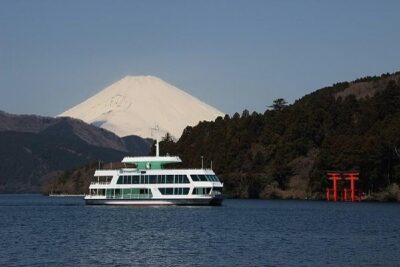
Mt Fuji & Hakone Cruise, Drum Show Bullet Train 1 Day from Tokyo
Read our review →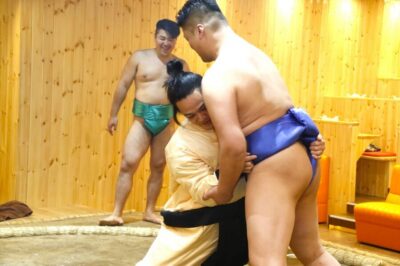
Sumo Show Experience with Chicken Hot Pot and a Photo
Read our review →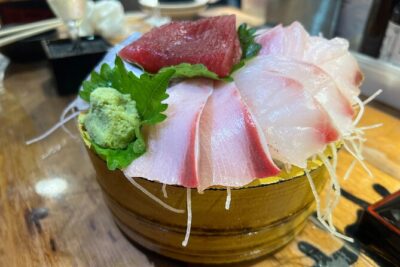
Shinjuku Food Tour (13 Dishes at 4 Local Eateries)
Read our review →