
Review · SHRINE & TEMPLE VISITS
From Asakusa: Old Tokyo, Temples, Gardens and Pop Culture
Tokyo changes fast, but clues remain. This 4-hour East Tokyo tour strings together Senso-ji Temple, classic market streets, and Akihabara’s pop-culture culture into one walk you can actually follow.
I love the way the guide ties neighborhoods to the city’s bigger story, including how Asakusa and Ueno have been linked by early transit for a century. I also love the pacing, with short, focused stops that keep you moving instead of standing around.
One thing to consider: this is a lot of ground in a short time, and the food part is up to you, so plan on grabbing snacks between stops if your energy dips.
In This Review
- Key takeaways before you go
- From Kamiya Bar to Electric Town: how this 4-hour route works
- Meeting at Kamiya Bar, then getting your bearings in Asakusa
- Senso-ji and the temple lanes: learning the why behind what you see
- Ueno and Okachimachi: where street life still feels like street life
- Koishikawa Kōrakuen: Edo-era calm after the city noise
- Akihabara Electric Town: electronics roots and otaku culture
- Price and value: what you get for $68 per person
- Guides make the day: Taka, Michelle, Takee, Toru
- Who should book this East Tokyo mix, and who should skip it
- FAQ
- Where do I meet for the tour?
- How long is the tour?
- Is food included?
- What is included in the price?
- Is the Tokyo National Museum admission included?
- Is this tour wheelchair accessible, and is it in English?
- Should you book this tour?
Key takeaways before you go
- Small group up to 8 people means you get more attention and fewer bottlenecks
- Asakusa plus Senso-ji gives you the temple context before you wander the shopping lanes
- Ueno and Okachimachi markets feel lived-in, not polished like a theme district
- Koishikawa Kōrakuen is a strong reset, with Edo-era garden paths and seasonal color
- Akihabara’s evolution goes from electronics hub to anime and gaming culture
- Guide variety stands out: names like Taka, Michelle, Takee, and Toru show up in standout feedback
From Kamiya Bar to Electric Town: how this 4-hour route works
This tour is built for people who want Tokyo that feels real, not just postcard views. In a few hours you go from historic Asakusa and a major Buddhist temple to Ueno and Okachimachi street-market energy, then to a calm, traditional garden, and finally to Akihabara’s neon-and-anime world.
The value here is in the mix. Tokyo can feel split into categories: old versus new, quiet versus loud, temples versus tech. This route connects those worlds so you start noticing patterns, like how commerce and culture keep relocating and rebranding instead of disappearing.
You’ll be walking most of the time, with guided stops that are long enough for context and short enough to keep the day from dragging. It runs about 4 hours total, which is ideal if you want a structured overview without turning your trip into a full-day project.
Best fit: first-timers, and also return visitors who want a fresh angle on East Tokyo. If you hate walking, or if you only want one side of Tokyo like temples only, you might find the pop-culture portion too much. If you’re curious about how the city layers itself, this is a great match.
More Shrine & Temple Visits in Tokyo
- Tokyo: Meiji Shrine, Asakusa, Skytree Bus Tour and Cruise
★ 4.7 · 1,986 reviews - Tokyo: Asakusa Walking Tour with Sensoji Temple Visit
★ 4.8 · 1,583 reviews - Nikko: Kegon Falls, Lake Chuzenji & Toshogu Temple
★ 4.6 · 1,577 reviews
Meeting at Kamiya Bar, then getting your bearings in Asakusa
You meet at Kamiya bar in Asakusa, in the 1-chōme-1-1 area. It’s a practical start point because Asakusa is easy to anchor yourself to once you have one fixed location.
The first stretch focuses on Asakusa as a whole, not just one landmark. You get guided context on how the neighborhood developed and how it looks today, so when you step onto Nakamise-dori you aren’t just counting shops. You’re reading the street.
A detail I like in this kind of route is the way history shows up through everyday things. Here you can link cultural heritage with modern city life and even transit. The tour highlights how the first subway line in Asia began operating between Asakusa and Ueno about a century ago. That kind of fact makes the geography feel purposeful, not random.
If you’re visiting during peak crowds, Asakusa can feel like a camera swarm. This is exactly where a guide helps you keep moving and avoid getting stuck in the same thick spot for an hour.
Quick practical tip: wear comfortable shoes and expect uneven pedestrian flow around major sights. This is not the time for fashion sneakers with thin soles.
Senso-ji and the temple lanes: learning the why behind what you see
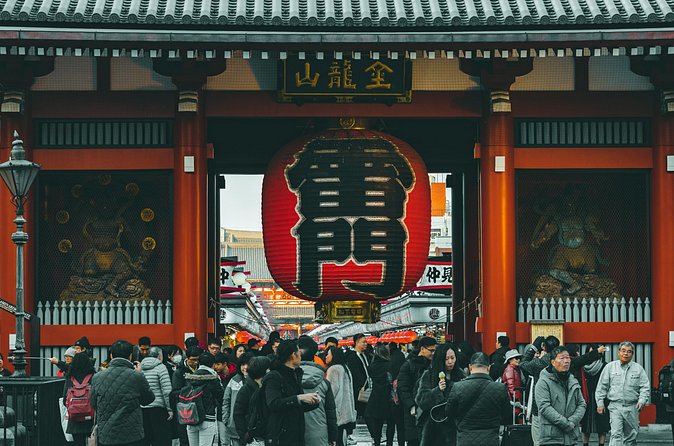
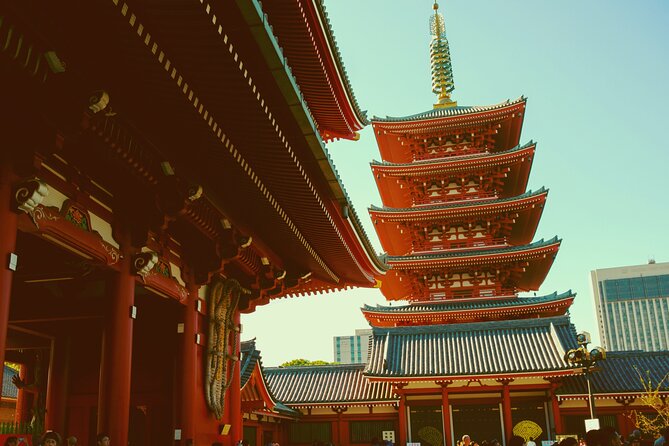
Next is Sensō-ji Temple, where you get a focused guided visit. The stop is short, which sounds limiting until you realize what it’s designed to do: you learn the main story and key points, then you can appreciate what you see without drowning in details.
You’ll likely notice how the temple area pulls visitors in two directions at once. One direction is reverence and ritual. The other is browsing and snacks along the shopping lanes connected to the temple. A good guide keeps those two worlds connected, so you understand that it’s not one zone replacing the other.
The best part of a short temple stop like this is that you’re not stuck waiting for a long session while other people photograph everything. You get the essentials, then your legs can carry you onward to markets and neighborhoods that feel more lived-in.
Cultural note: keep your voice low near worship spaces and move with care around people praying or entering through narrow lanes. It’s easy to forget etiquette when crowds are loud, but it still matters.
Ueno and Okachimachi: where street life still feels like street life
After Asakusa, you head toward Ueno and Okachimachi, areas known for museums, seasonal cherry blossom sights, and busy street-market vibes. This part of the tour is where Tokyo feels less curated and more like daily commerce.
You’ll get a look at why this area has long drawn street vendors and small shops. The emphasis here is not on polished storefront design. It’s on the working rhythm: people buying, eating, chatting, and walking. You also get a sense of how the neighborhood’s mix of institutions and markets creates energy that changes by time of day.
There’s also a clear pop of street culture around Ameya-Yokocho, which is brought into the conversation as part of the experience. Even if you’re not shopping, the point is to feel how the market atmosphere works and how it differs from the more tourist-heavy zones.
Possible drawback: if you’re only interested in museums and formal sightseeing, this section might feel a bit street-first. If you like people-watching and quick cultural context, it’s a highlight.
A practical way to use this portion: decide in advance what you want to notice. For example, watch how locals move through crowds, or pay attention to the rhythm of stalls and quick bites. The guide helps you connect what you see to why it’s lasted.
More Shrine and Temple visits in Tokyo:
- Tokyo: Nikko Toshogu Shrine and Kegon Waterfall Tour
★ 4.5 · 1,266 reviews - Tokyo Panoramic 1 Day: Meiji Shrine, Asakusa, Odaiba and SKYTREE®
★ 4.5 · 1,222 reviews - Asakusa Senso-ji Temple and Old Tokyo Walking Tour
★ 5.0 · 560 reviews - Tokyo: Zen Meditation at a Private Temple with a Monk
★ 5.0 · 510 reviews
Koishikawa Kōrakuen: Edo-era calm after the city noise
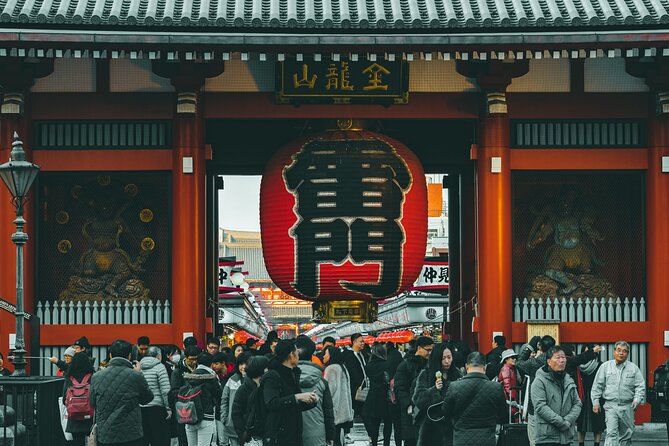
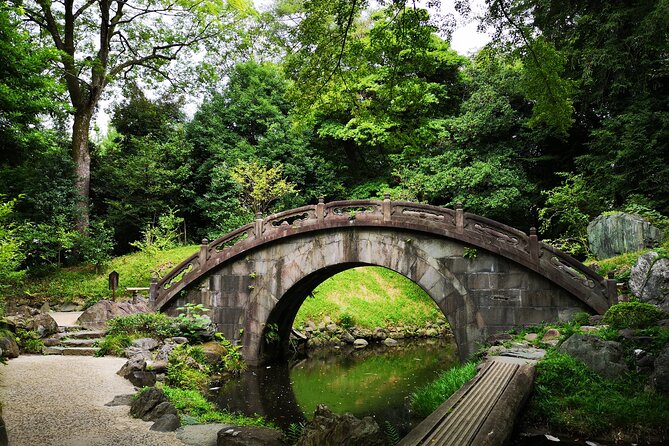
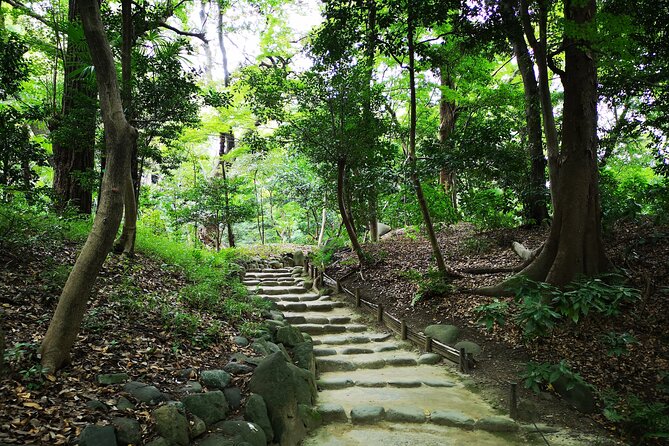
Then you switch gears to Koishikawa Kōrakuen, a traditional Japanese garden. This stop is about the reset factor. After markets and pop-culture streets, the garden gives your brain a quieter channel.
The tour description emphasizes scenic views on the way, which matters because the commute becomes part of the experience. When Tokyo traffic is doing its thing, a garden visit can feel like a small escape hatch if you have the right approach.
In the garden, you’ll appreciate the seasonal angle. The experience notes that you can see different looks through the year, including cherry blossoms in spring and autumn’s color. Even if you visit outside those seasons, the focus is on the historic garden paths and the sense of time slowing down.
If you’re traveling with family, gardens are often a safe bet because they give everyone something to react to without needing language skills. If you’re traveling solo, it’s also a great place to pause, take photos, and let the guide’s Tokyo overview sink in.
Practical note: gardens usually mean more walking on paths. Bring shoes you can trust for longer distances and slightly slick surfaces if it rains.
Akihabara Electric Town: electronics roots and otaku culture
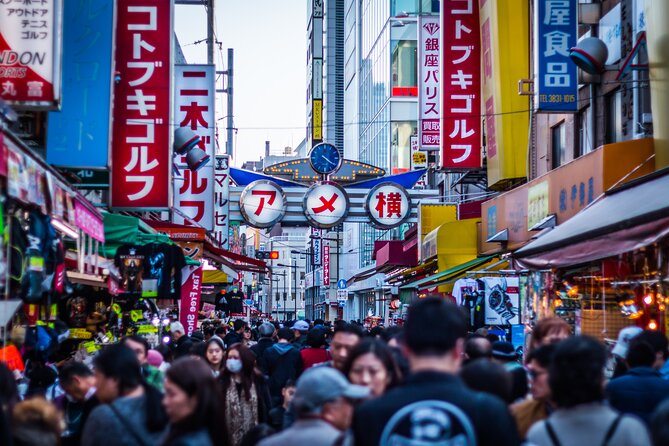
Finally, you reach Akihabara, often called Electric Town. This is the part of the tour where Tokyo shows its modern, pop side with full confidence.
The tour frames Akihabara as an area with roots in electronics since the pre-war era, then describes how it shifted into a hub for anime, manga, gaming, and otaku culture. That evolution is the key idea, because it explains why the streets feel like they’re built for fandom without needing a long lecture.
You’ll also see how reality and fantasy can overlap in everyday life. The tour notes cosplayers and playful character presence as part of what you experience while walking through the district.
One practical consideration: Akihabara can be intense for the senses. Bright signs, crowded sidewalks, and storefront displays are part of the package. If you get overwhelmed easily, take breaks, and let the guide pull you slightly off the densest flow.
Also, because this is a shopping and entertainment area, you’ll probably want a light plan for spending. The tour covers standard costs during the tour, but food and drinks are not included, and you may or may not want to buy anything once you see what’s in front of you.
Price and value: what you get for $68 per person
At $68 per person for about 4 hours, this tour prices itself as a structured way to see multiple East Tokyo zones without doing a complicated transfer plan on your own.
Here’s what’s included: guide costs and standard costs during the tour, including admissions and local train rides. That matters because Tokyo days can get pricey when every stop charges you separately, and train tickets add up quickly when you’re hopping across neighborhoods.
What’s not included: food and drinks, and Tokyo National Museum admission if you decide to go. The tour doesn’t lock you into a museum visit, so this “not included” piece is more about optional add-ons than a major gap in the main plan.
My take on the value: the price is fair if you value a guide who connects the dots and keeps the day efficient. For a first-time Tokyo visitor, the biggest cost you avoid is the mental overhead. You don’t have to figure out what to see first, where to walk next, or how each neighborhood fits together.
And the small-group limit helps. With up to 8 participants, the guide can adjust pacing and answer questions without turning the day into a one-size-fits-all script.
Guides make the day: Taka, Michelle, Takee, Toru
A tour like this lives or dies by the guide. Your booking includes a live English guide, and the feedback names a few standouts that show what great guiding looks like in this route.
Taka is praised for sharing a lot of useful information around Asakusa, with a friendly, informative approach that works well for both adults and kids. Michelle comes up as a highly professional guide who also handles languages well, even noted for speaking Italian in addition to English. Takee is described as engaging and fun, with extra touches like origami and even a stop connected to a pub for the group, which can be a nice way to experience local atmosphere after walking all day. Toru is praised for being gentle, attentive, and treating the visit like more than just a checklist of sights.
Do keep expectations realistic: those extra moments are not something you should count on every time. But the consistent theme is clear. You’re not just buying a route. You’re buying someone to translate the city as you go.
If you want maximum payoff, come with a couple of questions in mind, like how these neighborhoods changed, or why Akihabara looks the way it does today. A good guide will steer you toward the answers fast.
Who should book this East Tokyo mix, and who should skip it
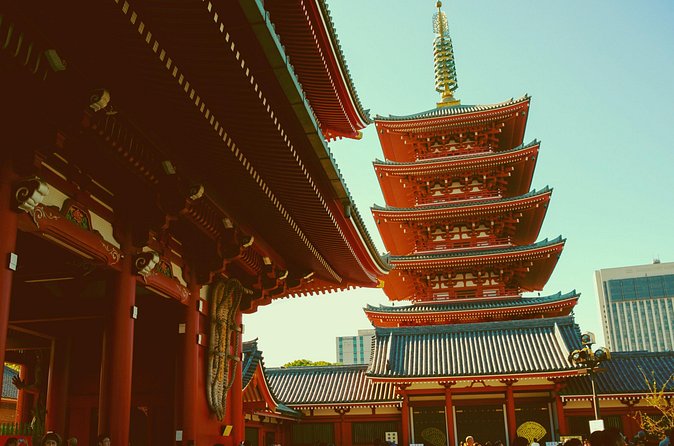
Book it if you want a balanced taste of Tokyo that mixes temples, markets, gardens, and pop culture in one half-day format. It’s also a strong choice if you like small-group tours, because the limit of up to 8 people helps you feel the guide’s attention.
Consider skipping if you only want one theme, like pure temple history or pure anime shopping. Also skip if you dislike walking through crowded areas, because Asakusa and Akihabara can both be busy.
This tour is also practical if you care about mobility and support. It’s listed as wheelchair accessible, which is a major plus when you’re choosing between half-day options that sometimes ignore access needs.
If you’re debating, the best rule is simple: if you enjoy connecting different parts of a city into one story, you’ll love this. If you prefer deep time at one site, plan separate time for Senso-ji, a museum day in Ueno, or a longer garden visit later.
FAQ
Where do I meet for the tour?
You meet at Kamiya bar in Asakusa. It’s located in the 1-chōme-1-1 Asakusa area.
How long is the tour?
The tour duration is 4 hours.
Is food included?
No. Food and drinks are not included.
What is included in the price?
The tour includes all guide costs and standard costs while on tour, including admissions and local train rides.
Is the Tokyo National Museum admission included?
No. Admission to the Tokyo National Museum is not included if you choose to visit.
Is this tour wheelchair accessible, and is it in English?
Yes. It is listed as wheelchair accessible, and the tour guide provides English.
Should you book this tour?
If you want a well-paced East Tokyo overview that links Senso-ji and Asakusa, Ueno and Okachimachi markets, Koishikawa Kōrakuen, and Akihabara’s pop-culture side, this is a smart booking. If your priority is only one theme, or if you have low tolerance for crowds, you might be happier choosing a slower, single-area plan.
Newly listed around Tokyo
- PUREMIE Ginza Japanese Nightlife Experience★ 4.8 · 7 reviews
- Tokyo: Winter Illuminations Private Tour with a Local★ 4.9 · 7 reviews
- Private Toyosu & Tsukiji Market Adventure with Tuna Auction★ 4.8 · 191 reviews
- Tokyo: Nagano Snow Monkeys and Zenkoji Tour with Temples★ 4.9 · 19 reviews
- Tokyo: Mt. Fuji & Hakone Cherry Blossoms Private Day Tour★ 3.5 · 9 reviews
- Tokyo: Private Full-Day Sightseeing Tour with Hotel Pickup★ 4.5 · 10 reviews
- Private Akihabara Anime Game Maid Cafe Tour w/ free pickup★ 5.0 · 6 reviews
- From Tokyo/Hakone/Fuji: Hakone & Mt. Fuji Day Trip w/Pickup★ 4.7 · 9 reviews
Shrine & Temple Visits, compared.
Fushimi Inari, Kinkakuji, Bamboo Grove 1 Day Bus Tour
Read our review →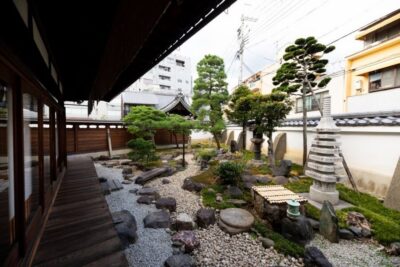
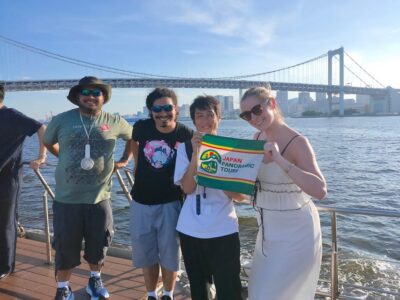
Meiji Shrine, Asakusa, Skytree Bus Tour and Cruise
Read our review →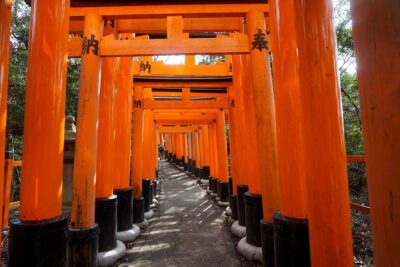
Fushimi Inari Hidden Hiking Tour (Private Option Available)
Read our review →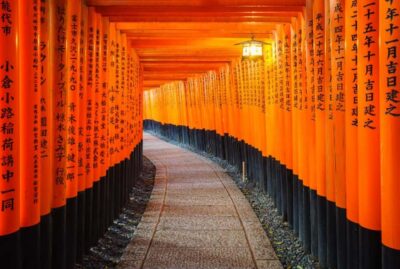
Osaka/Kyoto:Kinkakuji,Arashiyama,FushimiInariShrine,NaraPark
Read our review →
Asakusa Walking Tour with Sensoji Temple Visit
Read our review →
Nikko: Kegon Falls, Lake Chuzenji & Toshogu Temple
Read our review →
Kamakura & Enoshima Day Trip including Temple Tickets
Read our review →Browse the lists this tour appears in