
Review · MIYAJIMA ISLAND TRIPS
From Hiroshima: Miyajima Island Day Trip with Ropeway Ride
Miyajima is one of Japan’s most photo-friendly days. On this 9-hour Hiroshima day trip, you move through Itsukushima Shrine, Senjokaku, and Daisho-in with an English-speaking guide who ties it all together with real context. I also like that the plan is built around the island rhythm, including time to wander the Omotesando shopping street on your own.
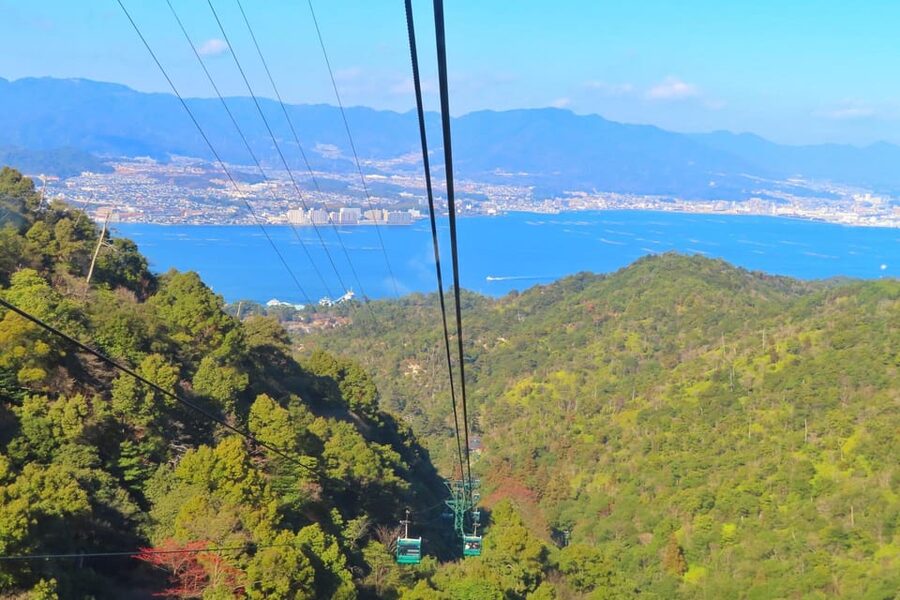
The big thrill is the view machine. The included Miyajima Ropeway gets you up to Mount Misen, where the island spreads out below and the air feels different up high. If you choose the steeper option, the summit walk adds a stronger finish.
One consideration: this is an active day. You should be ready for lots of walking, and the optional Mt. Misen hike is steep, so comfy shoes are non-negotiable.
In This Review
- Key Things to Know Before You Go
- Miyajima Island Day Trip From Hiroshima, Why This Route Works
- Meeting at Hiroshima Station and Finding Your Guide Fast
- Ferry to Miyajima, Getting the Island Mood Right Away
- Senjokaku Pavilion, the Unfinished Shrine You Will Remember
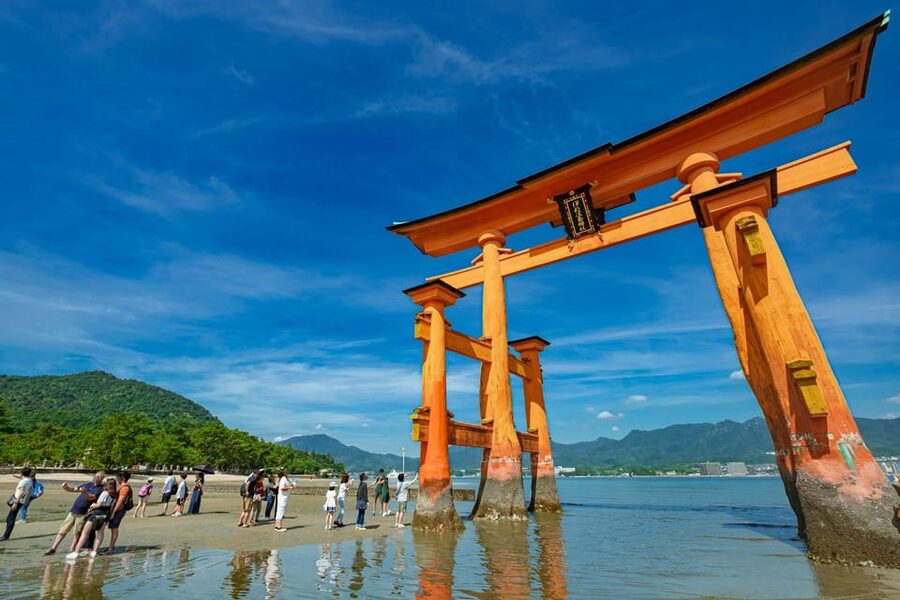
- Itsukushima Shrine and the Floating O-torii Gate Moment
- Daisho-in Temple, Buddhist Figures and Serious Craft
- Omotesando Shopping Street, Lunch and Souvenirs With Real Time
- Mt. Misen Ropeway Ride, Then the Summit Choice
- Timing the O-torii Gate for Low Tide, and Why Your Guide Matters
- Group Size, Guide Quality, and the Value Behind the Price
- Practical Packing and Weather Reality on Miyajima
- Who Should Book This Tour, and Who Might Skip It
- Should You Book the Hiroshima to Miyajima Day Trip?
- FAQ
- How long is the Hiroshima to Miyajima day trip?
- What is included in the price?
- What is not included?
- Where do I meet the guide in Hiroshima Station?
- Do I have to hike Mt. Misen?
- Is the tour wheelchair accessible?
Key Things to Know Before You Go
- Small group pace, up to 15 people, so you are not stuck behind a crowd for the whole day
- English-speaking local guide, with the history and religion behind the sites explained in plain terms
- Senjokaku Pavilion’s unfinished story, a rare shrine detail that makes it feel human and real
- Ropeway up to Mt. Misen, plus an optional steeper summit route for maximum views
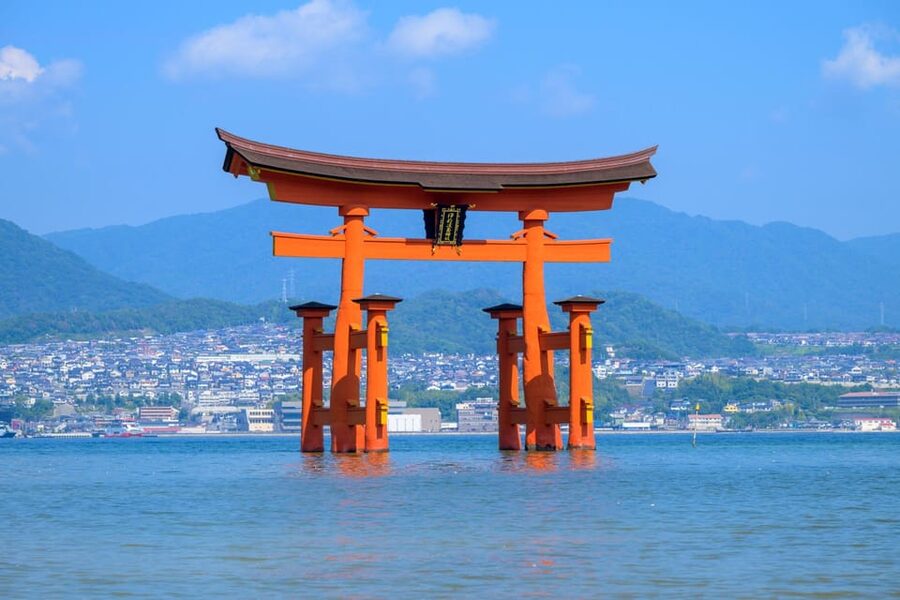
- O-torii gate timing matters, and your guide schedules the low-tide walk based on the day’s tide
- About two hours on Omotesando, enough time for lunch and souvenirs without killing the schedule
Miyajima Island Day Trip From Hiroshima, Why This Route Works
This is a classic Miyajima combo: shrine architecture by the water, temple art on land, then a mountain viewpoint to close the loop. You get the iconic scenery everyone comes for, but you also get the meaning behind it, especially at Itsukushima Shrine and Senjokaku. That’s the difference between seeing buildings and understanding why they are placed there.
I like that the day is structured like a natural flow. You start near the island’s spiritual highlights, then shift to a food and shopping stretch, then end with the ropeway and summit option. You will leave with a sense of place, not just a checklist.
The other smart piece is how the O-torii gate is handled. Since tide timing changes day to day, your guide works it into the schedule, so you have the best chance of seeing the gate when it is truly reachable at low tide.
A few more Miyajima Island trips around Hiroshima:
- Peaceful Hiroshima & Miyajima UNESCO 1 Day Bus Tour
★ 5.0 · 5,309 reviews - Hiroshima: Hiroshima and Miyajima UNESCO Sites 1-Day Tour
★ 4.9 · 2,330 reviews - Hiroshima / Miyajima Full-day Private Tour with Government Licensed Guide
★ 5.0 · 1,298 reviews
Meeting at Hiroshima Station and Finding Your Guide Fast
You meet your guide under the Tourist Information sign outside the Shinkansen gates. If you arrive by Shinkansen, the sign is on your left as you exit the gates. If you come in on JR lines, look for directions to the Shinkansen gates on the same floor.
A small tip that will save stress: the tour sign is carried by your guide, and it can be for Snow Monkey Resorts. With Hiroshima Station under heavy construction, arriving early helps you get oriented without rushing.
From there, you travel by train and ferry to Miyajima. The value here is practical: you are not trying to figure out routes while also managing bags, timing, and crowds. One organized plan beats a do-it-yourself scramble, especially on a popular island.
Ferry to Miyajima, Getting the Island Mood Right Away
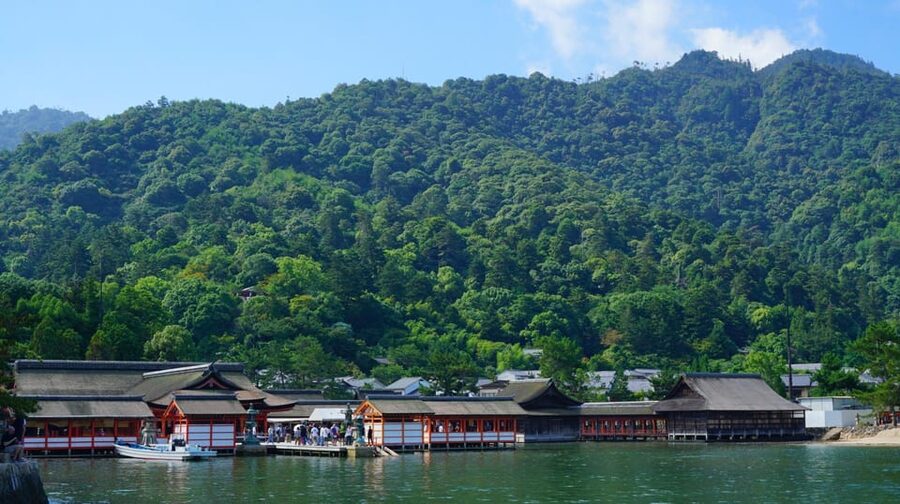
The ferry ride is not just transportation. It is your first taste of Miyajima’s vibe, with the water framing the approach and the island feeling like its own world. That matters because Miyajima is not a quick walk-in, walk-out attraction. The day is long enough that you want the scenery to start early.
Once you land, the tour jumps into the core spiritual sites. You are guided through the reasoning behind what you see: Shinto at Itsukushima, Buddhist practice at Daisho-in, and the unusual unfinished element at Senjokaku. Even if you are not into religion, it turns the day from sightseeing into story.
Also, a small group tends to move more smoothly through the island’s key points. Several guides have been praised for planning the pace so you spend more time looking and less time stuck in slow-moving lines.
Senjokaku Pavilion, the Unfinished Shrine You Will Remember
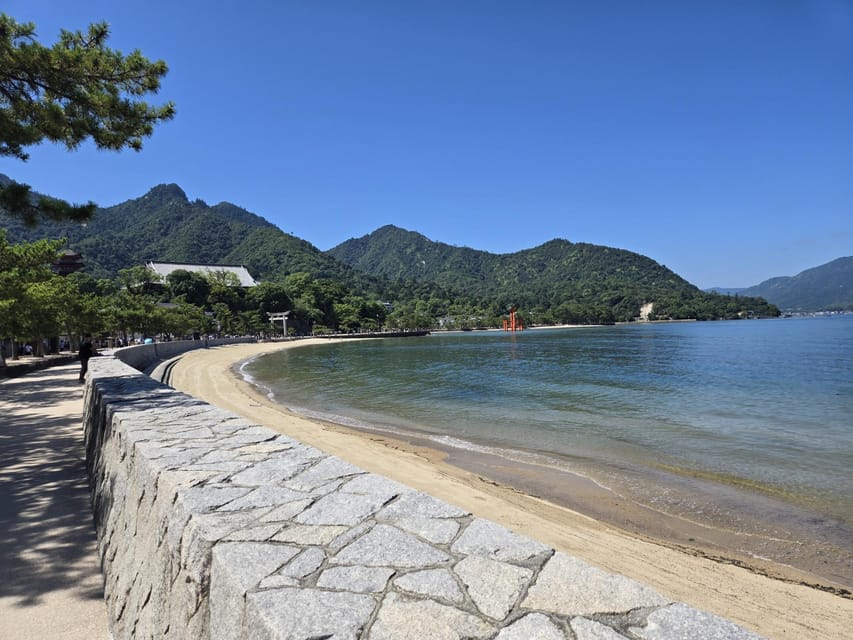
Senjokaku Pavilion is a standout because its construction was never completed, and it still remains unfinished. That detail makes it feel less like a polished museum and more like a real historical chapter. You see how ambition, politics, and time can shape sacred spaces.
As you stop here, your guide connects the site to what makes Miyajima special. You learn how worship in this area works, and why these structures matter in the larger spiritual landscape of the island. It is one of those stops that gives you texture, so the rest of the day feels less random.
Drawback? If you are looking for purely scenic stops with zero explanations, you might want to pace yourself through the guide’s commentary. But if you enjoy context, this is a great use of time, because it adds meaning to the iconic sights you will hit right after.
A few more Hiroshima days to weigh up
- Hiroshima Historical Walking Tour – Why A-Bomb was Dropped
★ 4.8 · 893 reviews - Hiroshima Peace (Heiwa) Walking Tour at World Heritage Sites
★ 5.0 · 872 reviews - Hiroshima in a Nutshell: Morning Bike Adventure
★ 5.0 · 524 reviews - Hiroshima City 4hr Private Walking Tour with Licensed Guide
★ 5.0 · 437 reviews
Itsukushima Shrine and the Floating O-torii Gate Moment
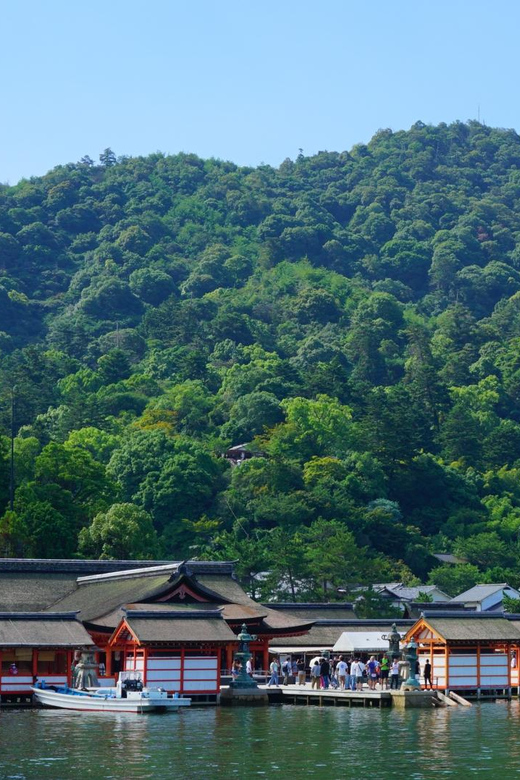
Itsukushima Shrine is the star of the show for many people, and the guide helps you understand why. You get insight into Shintoism and the shrine’s history, then you walk through areas tied to worship and architecture.
The floating shrine effect is the key visual. It is designed to look like it belongs to the water, not like it sits on top of it. Your guide points out the way the scene is composed so you can actually see the logic, not just admire the photo.
Then comes the O-torii gate. This tour includes a guided walk toward the gate during low tide, but timing changes. Your guide schedules it as best as possible based on that day’s tide, which is exactly what you want. The O-torii is iconic, but the low-tide experience is what makes it feel like more than a distant postcard.
Daisho-in Temple, Buddhist Figures and Serious Craft
Next you head to Daisho-in, a prestigious Shingon Buddhist temple. It is not far from Itsukushima Shrine, so the switch from Shinto to Buddhism feels like a single island story, not a detour.
Here, what impresses you is the number of Buddhist figures across the grounds. Different statues greet you as you move along paths and enter worship areas. Your guide explains what you are seeing as you go, so the figures become more than decoration.
The practical upside: temples like this reward slow walking. Even though the day is guided and timed, you still get moments to look closely at the details and understand the purpose of the artwork.
The one caution is still the same: wear easy shoes. You will be on your feet, and temple grounds can include uneven surfaces and stairs.
Omotesando Shopping Street, Lunch and Souvenirs With Real Time
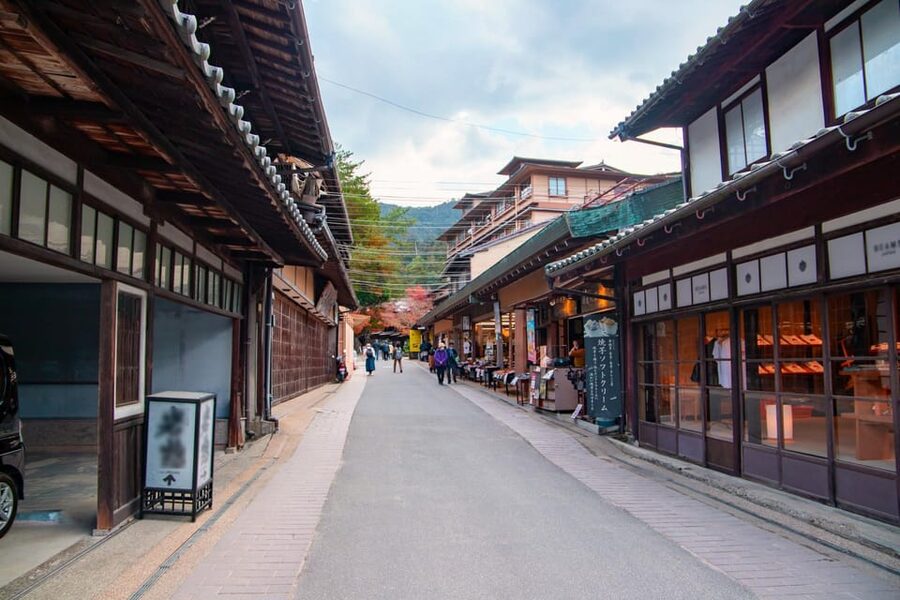
After the major shrine and temple stops, you get around two hours free on Omotesando Shopping Street. This is where the day stays human. You can grab lunch, browse shops, and pick up small souvenirs without being rushed the second you sit down.
Because lunch is not included, this is your chance to choose what fits your taste and energy level. If you want a sit-down meal, you have enough time to do it. If you prefer quick bites, you can still sample and move on.
I like the two-hour setup because it does not kill the momentum of the rest of the day. It also gives you breathing room. After lots of sacred spaces and explanations, this section is a reset for your legs and your curiosity.
Mt. Misen Ropeway Ride, Then the Summit Choice
The last main destination is Mount Misen, the highest point of Miyajima. You ride the Miyajima Ropeway up, and in the cabin you get aerial views of the island. It is a simple way to gain elevation without turning the day into pure hiking.
From the top, you can keep it easy or go harder. Your options include staying near the ropeway area at Shishiiwa Observatory, or taking the steep hike to the Mt. Misen Observatory at the summit.
Here’s how to decide: if your legs are already tired, Shishiiwa gives you a solid viewpoint with less effort. If you want the most open, no-obstruction feeling at the top, the steep walk is worth it. The tour team flags it as arduous, so take that seriously. Close-toed shoes help a lot.
Timing the O-torii Gate for Low Tide, and Why Your Guide Matters
A Miyajima trip is not complete without seeing the O-torii gate up close at low tide. The catch is that tide levels vary from day to day, so it is never the same schedule.
Your guide’s job is to place that walk at the most appropriate time during your itinerary. That means you are not gambling with timing. You also get help managing the walking portion back to the pier for the ferry.
This is the moment many people chase, so it is worth thinking about your expectations. If the tide lines up earlier in the day, you might catch the gate with longer light for photos. If it lines up later, you might need to stay focused and not rush ahead without the group.
Group Size, Guide Quality, and the Value Behind the Price
At $180 per person for a 9-hour day, you are paying for more than transport and entry tickets. This tour bundles the things that normally cause stress on a busy day: an English-speaking guide, entry fees, ropeway tickets, and transportation to and from Miyajima (ferry and train).
What you get in practice is momentum. The small group size, limited to 15 participants, helps you move quickly through the island’s highlights. Guides have been praised for smart planning and keeping lines short by managing timing and pacing.
Guide personalities can vary, but past experiences mention names like Simarjeet, Shimar, Miki, Samar, and Isabella, all noted for strong English, friendly professionalism, and adjusting pace to the group. If you enjoy a tour where someone answers questions and keeps the day running smoothly, this is the right setup.
The big missing piece is lunch. That keeps the price lower than some all-inclusive options, but it means you should plan where you will eat during your free time on Omotesando.
Practical Packing and Weather Reality on Miyajima
Wear shoes and clothes you can walk in all day. That sounds obvious, but on Miyajima it matters because you are moving between shrines, temples, shopping streets, and a mountain viewpoint.
If you are visiting in summer, expect highs around 32 C (90 F) and extreme humidity. Bring something light and airy, and take sunburn seriously. If you are visiting in winter, averages run about 1 C to 10 C (34 F to 50 F), so warm layers and appropriate footwear help.
For the Mt. Misen summit hike option, the guidance is clear: wear close-toed shoes like sneakers and comfortable clothes. Even if you do not hike, comfortable shoes still make ropeway stations, temple steps, and shoreline paths easier.
Who Should Book This Tour, and Who Might Skip It
I think this tour is ideal for first-timers to Hiroshima and Miyajima who want a guided, efficient day. You get the most important sites without building a route from scratch, and the guide’s explanations help you see what matters at each stop.
It is also a good fit if you value logistics. Ferry and train routing, ropeway tickets, and tide timing are handled, so you can focus on the sights.
The main mismatch is mobility needs. The tour is not suitable for wheelchair users. If you use a wheelchair, you’ll need a different accessibility-focused plan. If you are unsure about the steep summit hike, you can still do the ropeway and stay at Shishiiwa Observatory instead.
Should You Book the Hiroshima to Miyajima Day Trip?
If you want an organized Miyajima day that hits Itsukushima Shrine, Senjokaku, Daisho-in, and Mount Misen, this is an easy yes. The included ropeway tickets and transportation alone cover a chunk of the cost, and the English guide adds value by making the shrines and temple art easier to understand.
I would book if you like structured sightseeing with time to roam on your own at Omotesando. I would also book if seeing the O-torii gate at low tide is on your must-do list, because tide timing is handled by your guide.
Skip or reconsider if you do not like steep hikes, struggle with long walking days, or need wheelchair access. For the rest of you, it is one of the more practical ways to experience Miyajima without turning the day into a navigation problem.
FAQ
How long is the Hiroshima to Miyajima day trip?
The tour runs for 9 hours.
What is included in the price?
It includes an English-speaking guide, entry fees at all tour locations, ropeway tickets, and transportation to and from Miyajima by ferry and train.
What is not included?
Lunch, accommodation, transportation to reach the meet-up point, and personal expenses are not included.
Where do I meet the guide in Hiroshima Station?
Meet under the Tourist Information sign outside the Shinkansen gates. If you exit through Shinkansen gates, the sign is directly to your left. Look for the guide holding a Snow Monkey Resorts tour sign.
Do I have to hike Mt. Misen?
No. You can ride the ropeway up and stay by the Shishiiwa Observatory, or choose the steeper walk to the Mt. Misen Observatory at the summit.
Is the tour wheelchair accessible?
No, the tour is not suitable for wheelchair users.
Newly listed around Hiroshima
- Hiroshima and Miyajima 1 Day Walking Tour★ 5.0 · 43 reviews
- Hiroshima and Miyajima 1 Day Cruise Tour★ 5.0 · 24 reviews
- Hiroshima & Miyajima: UNESCO A-Bomb Dome & Itsukushima with Local★ 5.0 · 25 reviews
- Hiroshima & Miyajima: Private Full-Day Tour with a Local Guide★ 5.0 · 39 reviews
- Hiroshima and Miyajima 1 Day Bus Tour★ 4.5 · 145 reviews
- Hiroshima 5k Running Tour of Hijiyama Park★ 5.0 · 7 reviews
- Hiroshima and Miyajima Bus Tour with Indian Lunch★ 5.0 · 10 reviews
- Hiroshima Peace Memorial and Atomic Bomb Dome Private Tour★ 5.0 · 37 reviews
Miyajima Island Trips, compared.
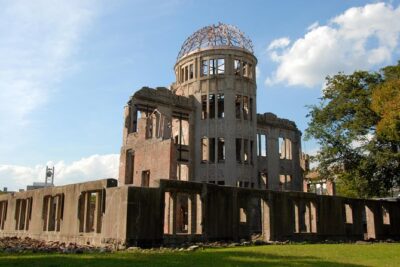
Peaceful Hiroshima & Miyajima UNESCO 1 Day Bus Tour
Read our review →
Hiroshima and Miyajima UNESCO Sites 1-Day Tour
Read our review →
Hiroshima / Miyajima Full-day Private Tour with Government Licensed Guide
Read our review →
Osaka/Kyoto: Hiroshima Miyajima Bus Tour & Shinkansen Ticket
Read our review →
Hiroshima and Miyajima Day Trip with Itsukushima Shrine & Ferry
Read our review →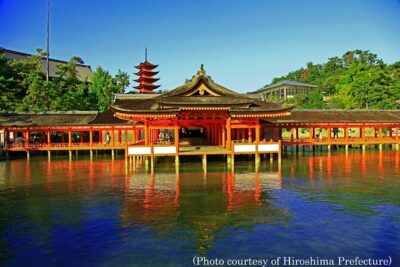
Full Day Hiroshima and Miyajima Bus Tour from Hiroshima
Read our review →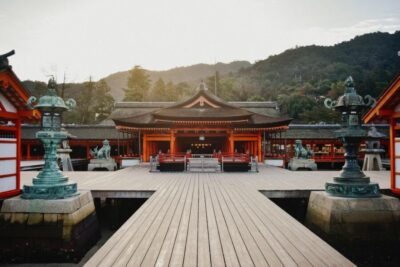
Miyajima Peace Memorial Icons of Peace and Beauty
Read our review →Browse the lists this tour appears in