
Review · HISTORICAL TOURS
Hiroshima Historical Walking Tour – Why A-Bomb was Dropped
Hiroshima hits you fast, then stays with you. This historical walking tour takes you through the sites that shaped the lead-up to the bombing, then into the places where the city makes a clear moral argument for peace. I especially love the way it mixes World War II context with real Hiroshima perspective, and how the pacing keeps it moving without rushing the meaning. One drawback to plan for, it is emotionally heavy, so go in with a bit of mental space.
The best part is the route itself, three anchor locations that help you understand the story in order: war-era significance near Gokoku Shrine and Hiroshima Castle, then the aftermath at Atomic Bomb Dome and Peace Memorial Park. I also like that guides handle questions patiently, including the side questions that make the facts click into place. If you are the type who hates somber settings, you might want to pair this with something lighter later the same day.
You get a focused experience at a fair price for what you cover. With a 150-minute format, it works well as a “setup” before you spend time at the museum. The group walking time is manageable, but you should still wear comfortable shoes, because Hiroshima’s memorial area is not a sit-and-watch kind of day.
In This Review
- Key things to know before you go
- The route that makes the story make sense
- Meeting at Hiroshima Gokoku-jinja, then walking into the context
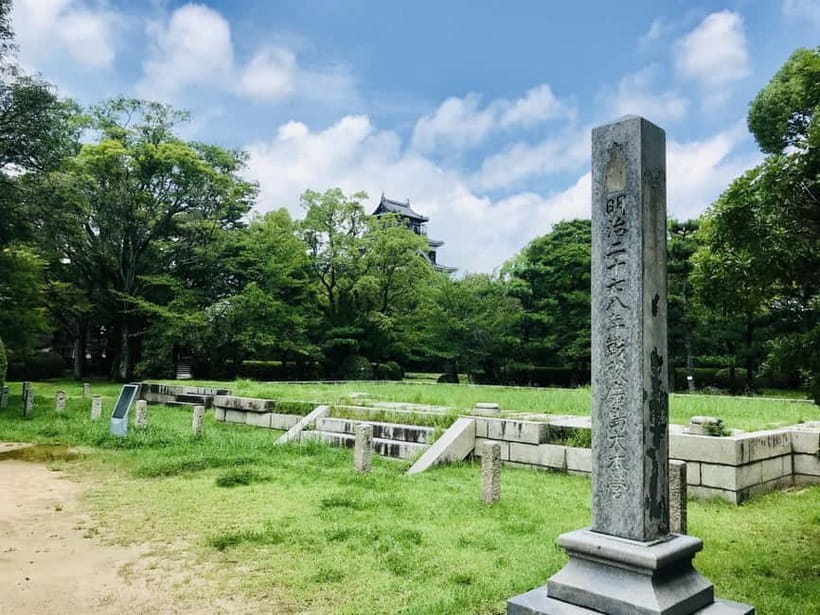
- Hiroshima Castle: reading strategy in stone, with time for photos
- The short guided stop that connects the dots
- Hiroshima Gate Park: a breather before the heavy visuals
- Atomic Bomb Dome: the visual anchor that makes the facts real
- Peace Memorial Park: from impact to the call for peace
- Hiroshima Peace Memorial Museum finish: what to do after the tour
- Price and value: $35 for 150 minutes and major anchors
- What kind of guide makes this tour work
- Who should book this (and who might reconsider)
- Should you book this Hiroshima Historical Walking Tour?
- FAQ
- How long is the Hiroshima Historical Walking Tour?
- Where do I meet the guide?
- What are the main stops on the tour?
- Is the tour guided in English?
- Is the tour wheelchair accessible?
- What is included in the price?
- Is tipping included?
- Where does the tour end?
Key things to know before you go
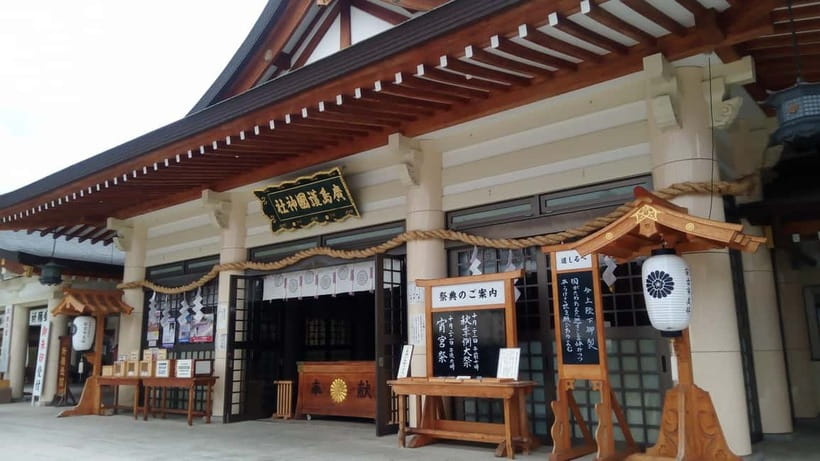
- Start at Gokoku Shrine to frame how Hiroshima remembered the fallen before the bombing
- Hiroshima Castle photo stop and guided time helps you connect strategy to place
- Atomic Bomb Dome stop gives you a hard visual anchor before the memorials
- Peace Memorial Park focus turns history into human consequences and calls for peace
- Guides like Chihiro and Thomas bring personal Hiroshima perspective, not just dates
- Ending at Peace Memorial Museum lets you continue with context while it is still fresh
The route that makes the story make sense
This tour is built around one clear idea: you will understand why the atomic bomb was dropped on Hiroshima best when you walk the same geography that holds the city’s memory. Instead of jumping straight to the memorial, you start earlier, then move toward the blast sites and the peace messaging in a logical flow.
You also get a guided storyline, which matters a lot here. Hiroshima is full of monuments, names, plaques, and architecture. Without a guide, it is easy to feel like you are just reading. With a guide, you can connect what you see to the larger reasons behind the target choice, and then to the human scale of what happened.
The timing is tight enough to feel efficient, but long enough to avoid the “two-minute stop-and-sprint” problem. At 150 minutes, you can cover major points without feeling you are trapped in a long march.
More History Tours in Hiroshima
- Hiroshima Peace (Heiwa) Walking Tour at World Heritage Sites
★ 5.0 · 872 reviews - Miyajima Half-day Trip Historical Walking Tour
★ 5.0 · 284 reviews - Hiroshima: History of Hiroshima Group Walking Tour
★ 4.8 · 266 reviews
Meeting at Hiroshima Gokoku-jinja, then walking into the context
The meeting point is straightforward: in front of the Hiroshima Gokoku-jinja torii gate near the main hall. That first moment sets the tone. Gokoku Shrine is not just a pretty start. It helps you understand how Hiroshima organized war memory, which gives the later memorial spaces more weight.
From there, you are moving through the city with a guided story tied to each location. The best thing I like about starting at a shrine like this is that it teaches you how places can carry competing meanings at the same time. You are not only seeing the aftermath. You are also learning how the city thought about duty and sacrifice before the bombing.
A practical note: plan to arrive a few minutes early so you can settle in. Because this topic is intense, getting your bearings fast makes the tour feel smoother.
Hiroshima Castle: reading strategy in stone, with time for photos
Hiroshima Castle is next, with a photo stop, visit, and a guided tour segment of about 20 minutes. This part matters because the castle area helps you see why Hiroshima mattered as a regional hub. You are learning about military significance through place, not through a classroom lecture.
Even if you are not the type who loves castles, this stop works because it functions like a bridge. You go from shrine-based context into an area tied to power and control. Then, the guide links what you are seeing to the broader logic of the target choice.
If you care about photos, this is also one of your better windows. You get dedicated time, not just a pause at the roadside. Still, keep your hands free. Even with built-in breaks, you will be on your feet most of the morning or afternoon block.
The short guided stop that connects the dots
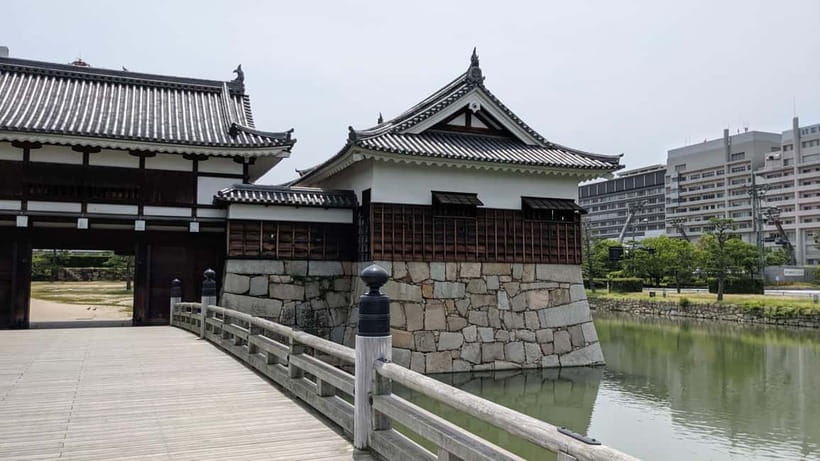
After Hiroshima Castle, the schedule includes another guided segment of about 10 minutes at a stop between the main anchors. The value of this short piece is simple: it keeps the story from feeling like it jumps.
This is often where guides tighten the timeline, explain how wartime decisions shaped city life, and then prepare you for the transition into the bombing and its immediate aftermath. Even though it is brief, it helps you stay oriented, especially if you are not already familiar with Japan and WWII chronology.
More Walking Tours in Hiroshima
- Hiroshima City 4hr Private Walking Tour with Licensed Guide
★ 5.0 · 437 reviews - Hiroshima Walking Tour Why A Bomb was dropped to Hiroshima
★ 5.0 · 347 reviews - Hiroshima: Food and Culture Guided Walking Tour with Dinner
★ 4.9 · 212 reviews - Hiroshima: Peace Walking Tour of World Heritage Sites
★ 4.9 · 190 reviews
Hiroshima Gate Park: a breather before the heavy visuals
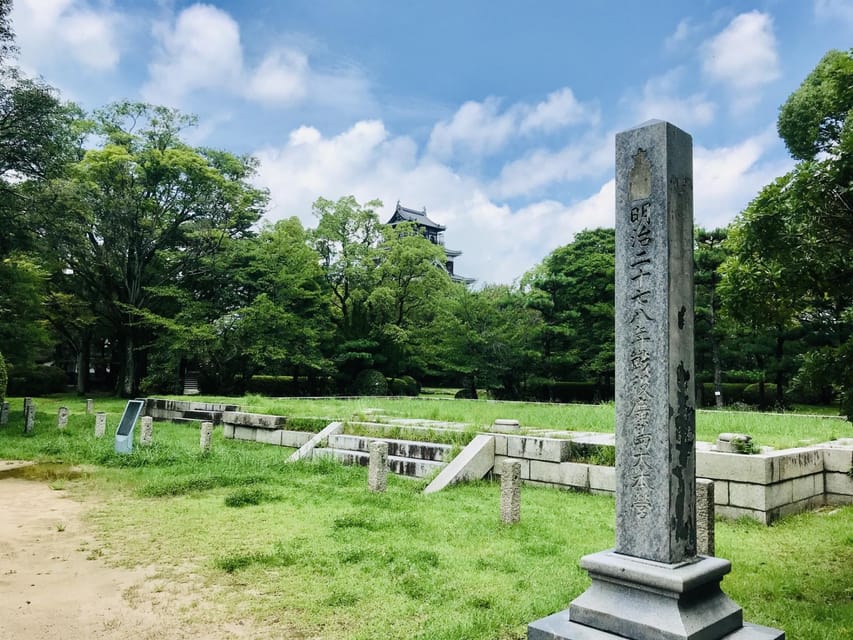
Next up is Hiroshima Gate Park, with about 30 minutes of visit and guided time. This is one of the spots where you can reset your head while still staying in the story.
From a traveler’s perspective, this matters because the tour is moving toward the most recognizable sites next. Having a park stop in the middle helps you avoid fatigue. It also gives you a different lens on the city, not only monuments and museum walls.
One thing you should expect here is explanation. The guide typically uses the open space to connect what you just learned about wartime significance to what comes next. If you are the sort who likes to take notes, this is a good moment to write down themes before you hit the memorial zone.
Atomic Bomb Dome: the visual anchor that makes the facts real
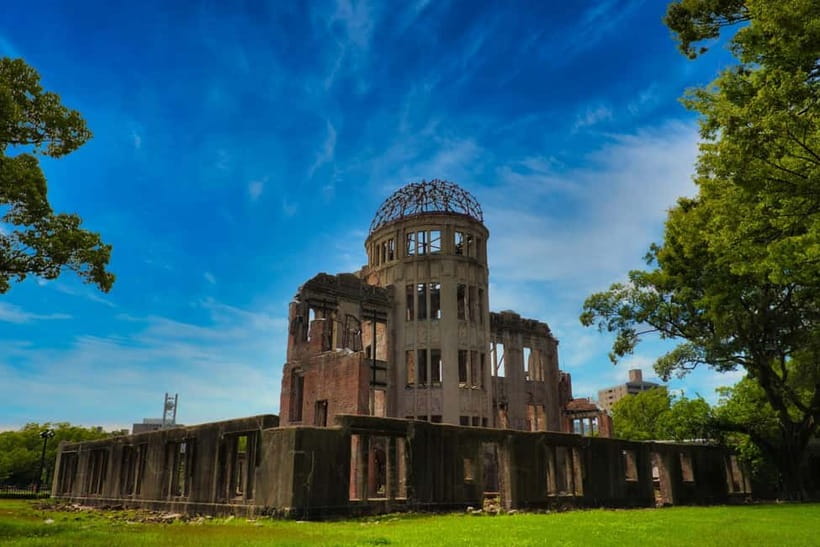
Then comes Atomic Bomb Dome, with about 20 minutes for visit and guided time. This stop is the moment where the tour turns from context into aftermath.
What I like about doing this with a guide is that you are not just looking at a ruin. You are learning what made this site so important and what it symbolizes today. The dome is a visual anchor, and the guide helps you interpret what you are seeing without making it feel like sensational shock.
Expect a quiet kind of attention around you. You will likely feel the mood shift in the group. If you want meaningful photos, take them when the guide gives you the cue. Random wandering can make you miss the explanation that gives the image its weight.
Peace Memorial Park: from impact to the call for peace
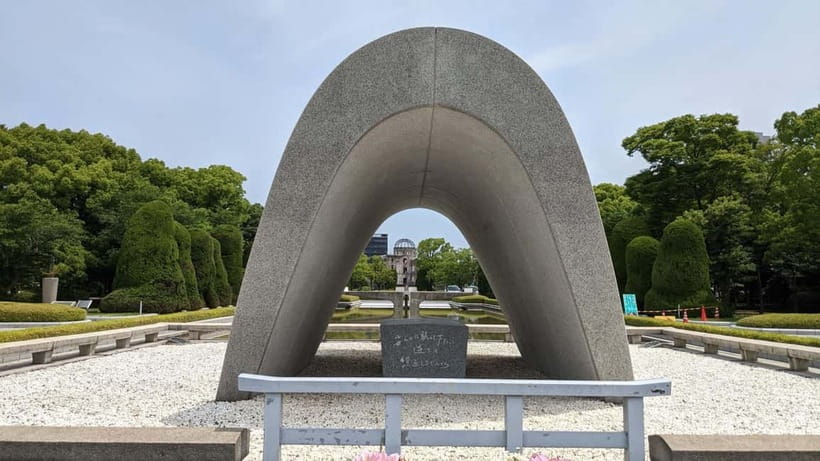
Peace Memorial Park is next, with about 30 minutes of guided time. This is where the tour becomes more than history facts. It turns into human consequences and the city’s message about peace and reconciliation.
This portion is often described as confronting, and that is fair. The memorial space is designed to slow you down. Even with a guided itinerary, you will feel how the park asks you to sit with what happened rather than just understand it.
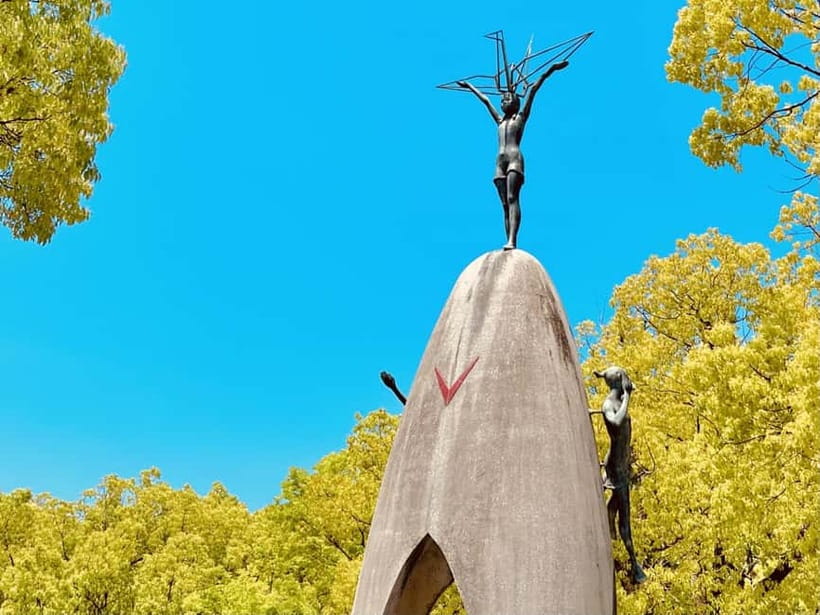
A detail that people remember here is the Children’s Peace Monument and the role of paper cranes. Some departures include stops where you can see origami cranes float down at Hiroshima Orizuru Tower, and the Children’s Peace Monument is especially moving when you connect it to those symbols of hope. That symbol work is not decorative. It is part of the way Hiroshima insists on remembrance with a future-facing message.
One practical consideration: plan to pace yourself emotionally. If you need a moment, step aside and breathe. The tour is guided, but your body still has to process what your eyes and ears are taking in.
Hiroshima Peace Memorial Museum finish: what to do after the tour
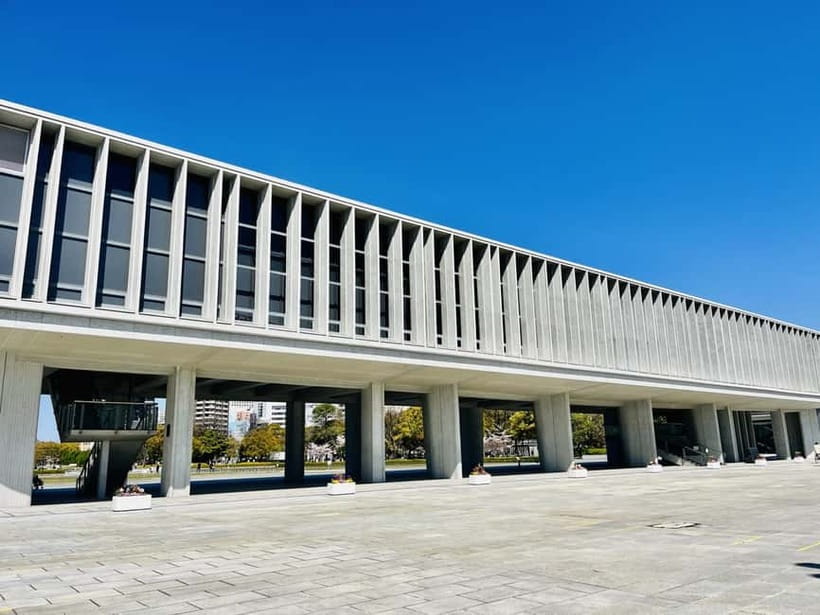
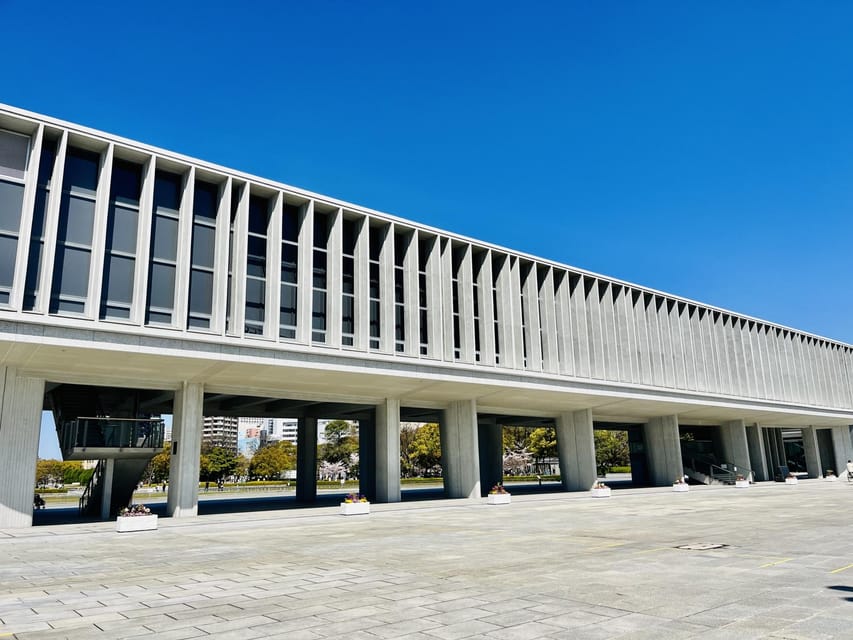
The tour ends at Hiroshima Peace Memorial Museum. Finishing here is smart because the guided explanation helps you process what you see inside. You will likely find the museum more coherent after hearing the story tied to the walking stops.
At this stage, I recommend you keep your expectations realistic. The museum can be heavy and information-dense. Use the tour ending as your timing advantage. If you go straight from the park into the museum while it is fresh, you will understand more of what you are reading and viewing.
If you want a good follow-through plan, give yourself time inside the museum to focus on the sections that connect to the specific sites you just visited. That way your visit feels guided by your own choices, not forced by the clock.
Price and value: $35 for 150 minutes and major anchors
At $35 per person for about 150 minutes and a live English guide, this is solid value for Hiroshima. Why? You are not paying for a single stop. You are paying for a stitched-together story that includes multiple major locations tied to WWII context and the memorial core.
You also get a format that saves you research time. This topic has lots of background. A guide helps you avoid the common trap of reading dozens of facts without understanding how they connect.
Two other value points matter here:
- You get guided time at several named anchors, not only walking-by commentary.
- The guide can handle questions, which helps you customize what you want to understand more deeply.
What is not included is a tip to the guide. If you feel the guide did strong work helping you understand both the facts and the human meaning, budgeting for a tip is the right move.
What kind of guide makes this tour work
The reviews show a clear pattern: the guide makes the difference. Names you may hear include Chihiro and Thomas, and other guides like Emi show up in the rotation as well. A recurring theme is that guides answer questions with patience and connect the history to Hiroshima life after the bombing.
You might also notice guides bringing personal perspective. Some guides are local to Hiroshima or have lived there for years, and that can change the tone from textbook to lived memory. Even when the details are difficult, that local frame helps the tour feel honest rather than distant.
English interpretation is included, which is a big deal for a topic like this. When explanations are clear, you can focus on meaning rather than decoding translation.
Who should book this (and who might reconsider)
This tour is a strong fit if you want:
- A guided explanation of why the atomic bomb was dropped on Hiroshima
- A logical walk connecting wartime significance to the memorial message
- A structure that prepares you for the museum, not one that replaces it
You might reconsider if you:
- Prefer a lighter sightseeing day
- Get overwhelmed quickly by emotional memorial settings
- Want lots of free time to wander on your own without guidance
For most people, the best move is to book this early in your Hiroshima schedule. It sets context, so everything you see later feels more connected.
Should you book this Hiroshima Historical Walking Tour?
Yes, if you want to understand Hiroshima with structure and care. The price feels fair for the time and the number of major sites, and the guided storyline helps you connect the facts to what those places mean today.
Book it particularly if you are headed to Peace Memorial Park and the Peace Memorial Museum anyway. Doing the walk first makes the museum visit feel more legible and more meaningful. Just bring comfortable shoes, a calm mind, and the understanding that this is a somber topic, not a casual stroll.
FAQ
How long is the Hiroshima Historical Walking Tour?
The tour duration is about 150 minutes.
Where do I meet the guide?
Meet in front of the Hiroshima Gokoku-jinja torii gate near the main hall.
What are the main stops on the tour?
The tour includes Hiroshima Gokoku Shrine, Hiroshima Castle, Hiroshima Gate Park, Atomic Bomb Dome, and Hiroshima Peace Memorial Park. It finishes at Hiroshima Peace Memorial Museum.
Is the tour guided in English?
Yes. A live guide speaks English.
Is the tour wheelchair accessible?
Yes, it is listed as wheelchair accessible.
What is included in the price?
The price includes the guided tour.
Is tipping included?
Tipping is not included.
Where does the tour end?
The tour ends at Hiroshima Peace Memorial Museum.
More Historical Tours in Hiroshima
- Hiroshima: Miyajima Half-day Historical Walking Tour
★ 4.7 · 100 reviews - Hiroshima: History and Hidden Gems Tour
★ 4.9 · 81 reviews - Hiroshima: Miyajima Private Cultural Tour by Ferry
★ 4.9 · 72 reviews - Hiroshima History Tour : A-Bomb Dome, Peace Memorial & City
★ 5.0 · 43 reviews
Newly listed around Hiroshima
- Hiroshima and Miyajima 1 Day Walking Tour★ 5.0 · 43 reviews
- Hiroshima and Miyajima 1 Day Cruise Tour★ 5.0 · 24 reviews
- Hiroshima & Miyajima: UNESCO A-Bomb Dome & Itsukushima with Local★ 5.0 · 25 reviews
- Hiroshima & Miyajima: Private Full-Day Tour with a Local Guide★ 5.0 · 39 reviews
- Hiroshima 5k Running Tour of Hijiyama Park★ 5.0 · 7 reviews
- Hiroshima and Miyajima Bus Tour with Indian Lunch★ 5.0 · 10 reviews
- Hiroshima and Miyajima 1 Day Bus Tour★ 4.5 · 145 reviews
- Hiroshima Peace Memorial and Atomic Bomb Dome Private Tour★ 5.0 · 37 reviews
Historical Tours, compared.
World Heritage Shirakawa-go and Experience Tours from Kanazawa
Read our review →
World Heritage Kyoto & Nara Uji Authentic Matcha Experience
Read our review →
World Heritage Shirakawa-go Morning Guided Tour
Read our review →

Hiroshima Peace (Heiwa) Walking Tour at World Heritage Sites
Read our review →
Yanaka Walking Tour: Historic and Traditional District of Tokyo
Read our review →
Shinjuku Historical Walking Tour & Secret Backstreets
Read our review →
Mt. Fuji Heritage Tour: Traditional Villages, Lakes & Shrine
Read our review →Browse the lists this tour appears in