
Review · HIROSHIMA TOURS
From Hiroshima: Rabbit Island and Takehara Town Tour
Rabbits, ruins, and a hidden Hiroshima-side story. I love the guided walk through Ōkunoshima’s ruins, where the island’s darker chapter is explained clearly. I also like the Takehara townscape part, with old streets, a mid-Edo temple stop, and a look at merchant life. The main drawback is simple: you will be on a rabbit-focused island, so animal allergies can make this a no-go.
What makes the day work is how smoothly it moves, and how good the guide is at keeping history from turning into a lecture. On my read of the experience, the guide name you will likely hear is Isabella, and her role is strong enough that even her student, Shoh, helps keep things upbeat and organized. With a small group capped at 15, you get enough attention without feeling trapped in a crowd.
In This Review
- First Stop: Finding the Guide at Hiroshima Station’s Shinkansen Gates
- Takehara Townscape Conservation Area: Old Streets, Real Scale
- Saihoji Temple and Mid-Edo Architecture
- Edo Merchant Life at the Former Matsusaka Family Residence
- Okakae Jizo Statue: Legend You Can Feel
- Ferry to Ōkunoshima: The Moment the Day Changes
- Ōkunoshima Ruins Walk: Dark Past Explained on Foot
- Rabbit Feeding and Free Time: Your Best Choices on the Island
- What the Price Really Buys You at $170
- Small Group Energy, Smooth Timing, and Guide Style
- Who This Tour Fits Best, and Who Should Skip It
- Should You Book the Rabbit Island and Takehara Town Tour?
- FAQ
- How long is the Hiroshima to Rabbit Island and Takehara Town Tour?
- What does the tour cost and what’s included?
- Is lunch included?
- Where do I meet the tour guide in Hiroshima Station?
- Is the tour guided in English?
- How big is the group?
- Is the tour suitable for wheelchair users or people with allergies?
- Are pets allowed during the tour?
First Stop: Finding the Guide at Hiroshima Station’s Shinkansen Gates
This tour starts at Hiroshima Station, right where the rail energy is high and your brain is still rebooting. You meet under the Tourist Information sign outside the Shinkansen gates. If you arrive by Shinkansen, the sign is directly to your left as you exit the gates.
It’s a good idea to arrive a few minutes early and spot the group quickly. You’ll be looking for the guide holding a SNOW MONKEY RESORTS tour sign, which makes the meeting point less stressful than it could be. Once everyone is together, you head out by public transport to start the day’s mix of old Japan and island history.
Takehara Townscape Conservation Area: Old Streets, Real Scale

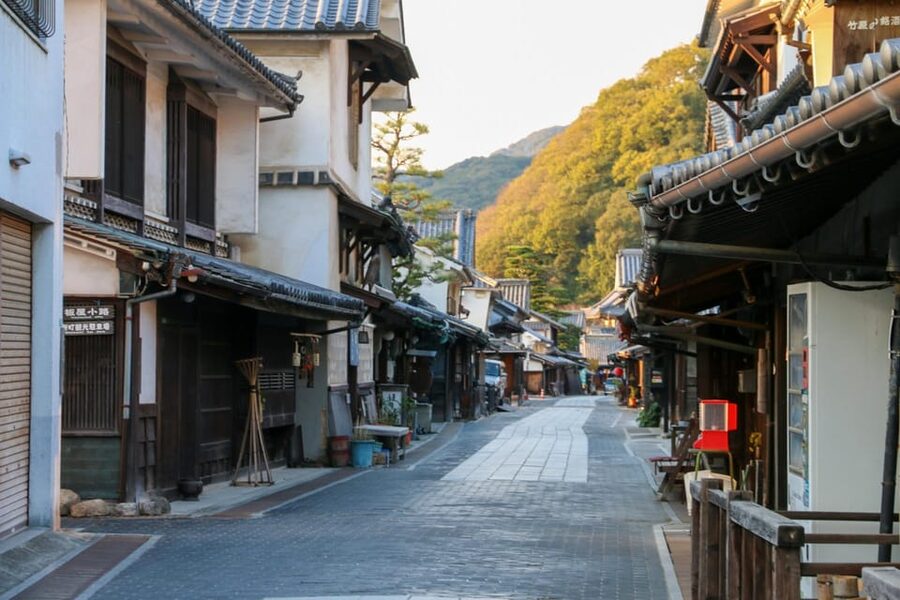
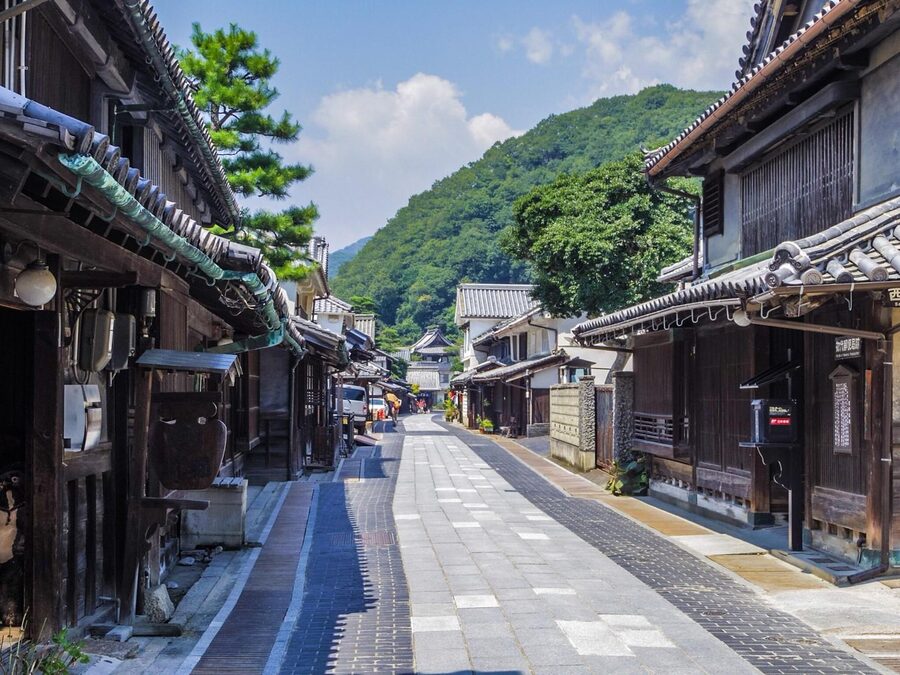
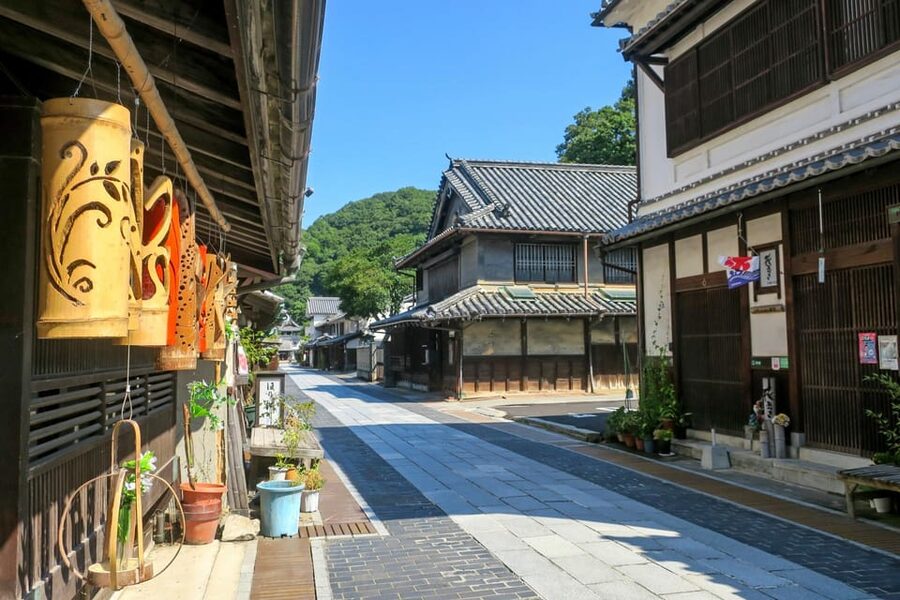
The Takehara portion is where the day earns its pace. You start at the Takehara Townscape Conservation Area and walk the older streets with your guide pointing out what to look for. This is not just a scenery stroll. You’re learning how the town was built, how it was lived in, and why it matters.
I like this part because you get a sense of scale fast. Narrow lanes, older buildings, and small moments add up. And since your guide also covers Takehara’s history and sake production, the town stops feeling like a backdrop and starts feeling like a place people worked and lived.
The best way to enjoy it is to stay present. Pause when your guide tells you to. If you rush through the old streets to save your energy for the rabbits, you might miss the details that make Takehara click.
A few more Hiroshima days to weigh up
- Peaceful Hiroshima & Miyajima UNESCO 1 Day Bus Tour
★ 5.0 · 5,309 reviews - Hiroshima: Hiroshima and Miyajima UNESCO Sites 1-Day Tour
★ 4.9 · 2,330 reviews - Hiroshima / Miyajima Full-day Private Tour with Government Licensed Guide
★ 5.0 · 1,298 reviews
Saihoji Temple and Mid-Edo Architecture
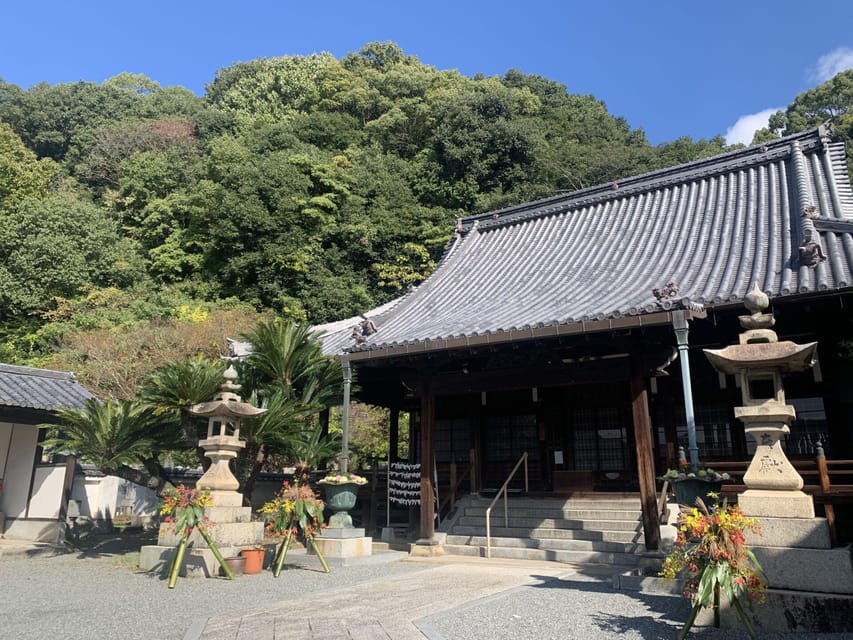
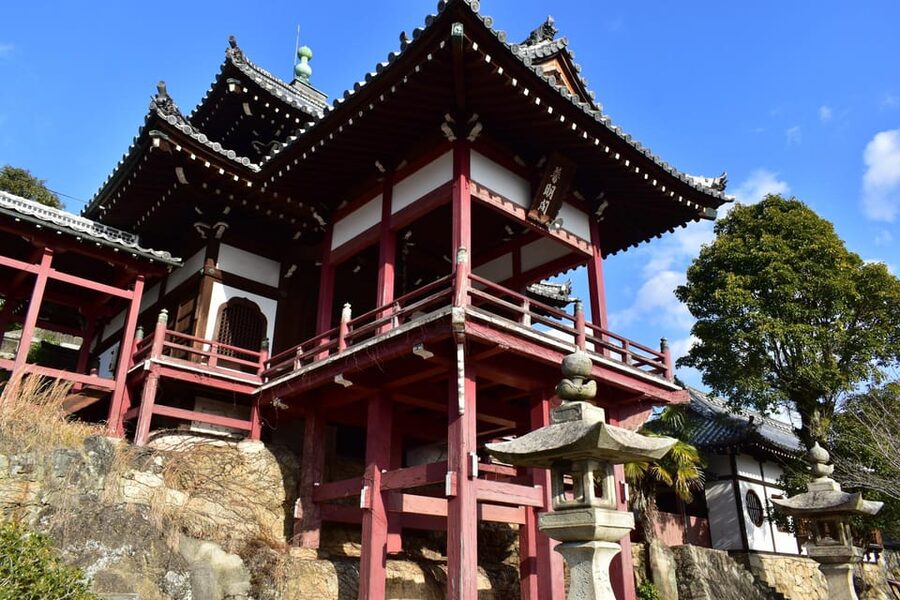
Next up is Saihoji, a Zhen Buddhist temple with architecture from the mid-Edo period. This stop is valuable because it shows what survival looks like for heritage sites. You’re seeing how older design elements still shape the feel of the place today.
You don’t need to be a temple expert to get something out of it. Your guide’s job here is to translate what you’re seeing into meaning, and that’s usually where this tour shines. Even if you only take 10 or 15 minutes here, you’ll come away with a better sense of the style and why it’s preserved.
Wear shoes you can trust. This day is built around walking, and the terrain is what it is. Comfortable footing matters more than fancy sneakers.
Edo Merchant Life at the Former Matsusaka Family Residence
Then you visit the former Matsusaka family residence, a strong example of Takehara’s architecture. This was typical housing for a wealthy merchant during the Edo period, so it helps you understand the town’s economic engine, not just its streets.
Inside, you can observe artifacts tied to the former inhabitants. That matters because it turns a building into evidence. You’re not only seeing the exterior shape, you’re getting a feel for daily life, possessions, and how people organized their space.
If you like history but get bored when it turns into too many names, this stop is a good compromise. It’s structured, and the guide helps you connect the dots.
Okakae Jizo Statue: Legend You Can Feel
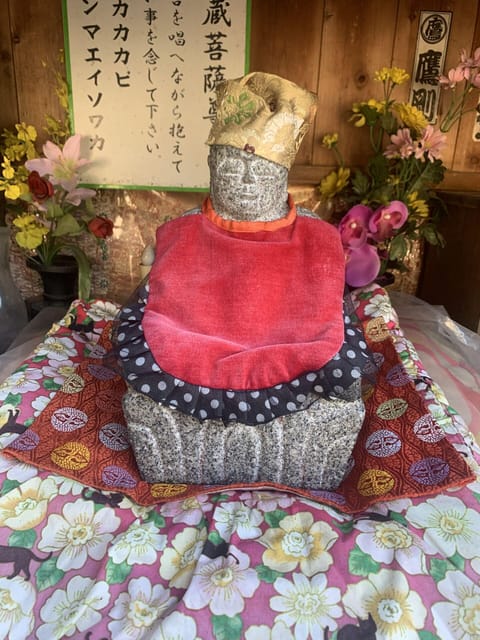
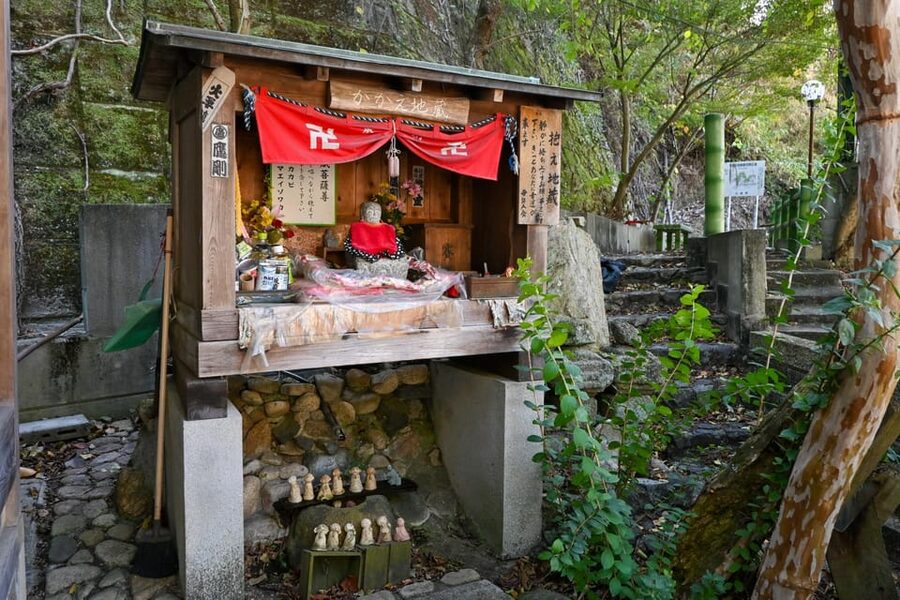
After the merchant-house stop, you head to the Okakae Jizō Statue, housed in a small nearby hut. Jizō statues are said to protect children and travelers, which gives this stop a personal, human layer.
What makes this one memorable is the legend tied to it. According to local lore, if you pick up the Okakae Jizō, make a wish, and the statue feels lighter than you expected, then your wish will come true.
Even if you treat legends as fun and not facts, they change how you experience the moment. You’ll slow down. You’ll pay attention. And you’ll remember it later, which is more than you can say for many stop-and-go attractions.
A different sort of day in Japan:
- Hiroshima Historical Walking Tour – Why A-Bomb was Dropped
★ 4.8 · 893 reviews - Hiroshima Peace (Heiwa) Walking Tour at World Heritage Sites
★ 5.0 · 872 reviews - Hiroshima in a Nutshell: Morning Bike Adventure
★ 5.0 · 524 reviews - Hiroshima City 4hr Private Walking Tour with Licensed Guide
★ 5.0 · 437 reviews
Ferry to Ōkunoshima: The Moment the Day Changes
Once you reach Tadanoumi Port, you board the ferry to Rabbit Island, also known as Ōkunoshima. This ride is a clean pivot point. Hiroshima is busy and inland, and then you’re heading toward a place with a different reputation and a darker backstory.
On the ferry and immediately after arrival, keep your eyes open for transition details. Your guide will frame the island’s history so the next walk makes sense, not just because it’s there, but because it matters.
This is also where you’ll start shifting into island mode. You’ll move slower. You’ll stop more. And you’ll realize you’re not just visiting rabbits, you’re visiting a place with scars and survivors.
Ōkunoshima Ruins Walk: Dark Past Explained on Foot
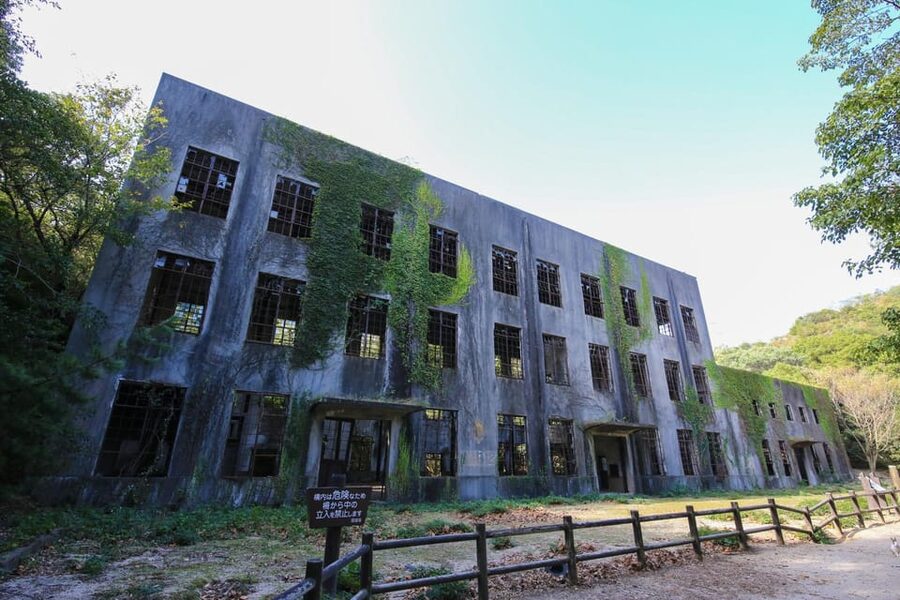
The core guided experience on Rabbit Island is the walk along the coast, with stops at different ruins. Your guide explains the island’s dark past, and this is the part that separates a simple rabbit photo session from a more meaningful day trip.
One detail I appreciate is that the tour doesn’t treat the ruins like generic “sad history.” It ties them to what you can actually see in the landscape and structures around you. And in free time, you may also be able to connect the dots further, such as with a film at the Poison Gas museum, if that fits your schedule on the island.
Practical tip: take photos, but also take notes in your head. If you only focus on pictures, the history can blur. Even one or two moments of real attention will make the rabbits later feel less like a gimmick and more like part of the story.
Rabbit Feeding and Free Time: Your Best Choices on the Island
After the guided portion, you get plenty of free time to explore on your own. Most people spend it walking around, feeding rabbits, and taking pictures with the food that’s provided. Yes, rabbits are the headline. But you can do more if you want to.
Here are the options the tour sets up for you:
- You can soak in hot springs at the Kyukamura Ōkunoshima hotel.
- You can rent a bicycle to see more of the island.
- You can hike to the observation desk for views, if you feel up to it.
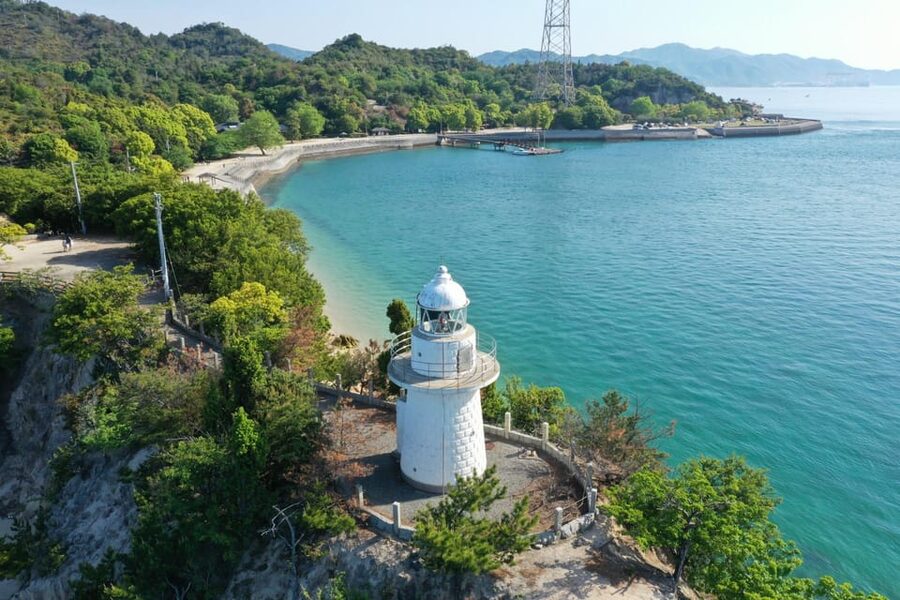
- You can visit the lighthouse.
- You can eat at the restaurant within the Kyukamura Ōkunoshima hotel.
My advice is to pick one “bigger” activity and then let the rabbits fill the rest. If you try to do everything, you’ll feel rushed, and the whole island will become a checklist instead of a day.
Also plan for sunlight. Sunscreen and a hat are strongly recommended, and that makes sense when you’re out on an island with little shade cover.
What the Price Really Buys You at $170
At $170 per person for a full day (570 minutes), you’re paying for more than a ferry and a cute animal moment. This price includes:
- An English-speaking guide
- Entry fees at tour locations
- Rabbit food
- Transportation between activities using public transport
- Ferry tickets
Lunch and accommodation are not included, and you’ll want to budget for meals once you’re on Rabbit Island. Still, the included items matter because they remove the biggest friction points: tickets, entry logistics, and navigating between Takehara and the port without losing time.
Value-wise, it works best if you want both halves of the day. If you only cared about rabbits, you might feel it’s expensive. But if you want Takehara’s Edo-era texture and the ruins walk with a guide, the cost starts to look fair.
Small Group Energy, Smooth Timing, and Guide Style
A key selling point here is the group size, limited to 15. That changes the vibe. You can ask questions and actually get an answer, instead of shouting into the back of someone’s hair. Based on the guide experiences shared, Isabella’s style stands out as energetic and engaging, and her ability to keep the day on schedule seems to be part of what people loved most.
The best compliment I saw wasn’t just about the island. It was about the whole structure staying organized, even in very hot weather, and keeping everyone moving at the right tempo. When you’re walking in summer heat, that kind of planning matters.
If your group has different comfort levels, this tour also seems to handle it with kindness and professionalism, which is reassuring. You’ll still walk a lot, but you’re not likely to feel ignored.
Who This Tour Fits Best, and Who Should Skip It
This day trip fits you if you want:
- A Japan-focused history day, with Edo architecture and town life
- A meaningful look at Ōkunoshima’s past, not just a rabbit gimmick
- Plenty of free time to set your own rhythm on the island
It’s also ideal for solo travelers who want structure. You get guided context, then freedom to explore. That combination works well when you’re trying to see two very different places in one day without spending your brain on routing.
You might want to skip it if:
- You have animal allergies, since feeding rabbits is part of the island experience
- You need wheelchair access, since it is not suitable for wheelchair users
- You are pregnant, since the tour is not suitable for pregnant women
Should You Book the Rabbit Island and Takehara Town Tour?
Book this tour if you want a full, satisfying day: Takehara’s preserved streets and merchant-era architecture, plus Ōkunoshima’s ruins walk with a guide who can explain the darker story in a way that makes sense. The price is higher than a casual day trip, but the included guide, entry fees, ferry tickets, and rabbit food help justify it.
Skip it if rabbits are a problem for you, or if you know long walking days will be uncomfortable. And if you only want the fastest rabbit photos, you may feel this is more history than you wanted.
If you do book, come with comfy shoes, camera ready, and a sunscreen mindset. Plan to choose one bigger island activity besides feeding rabbits, so you leave feeling like you experienced the island, not just witnessed it.
FAQ
How long is the Hiroshima to Rabbit Island and Takehara Town Tour?
It runs for 570 minutes, which is a full-day experience. The exact starting times depend on availability.
What does the tour cost and what’s included?
The price is $170 per person. Included are an English-speaking guide, entry fees at tour locations, rabbit food, transportation between activities by public transport, and ferry tickets.
Is lunch included?
No. Lunch is not included, but you can purchase food and drinks on Rabbit Island.
Where do I meet the tour guide in Hiroshima Station?
Meet under the Tourist Information sign outside the Shinkansen gates. The guide should be holding a SNOW MONKEY RESORTS tour sign.
Is the tour guided in English?
Yes. The tour includes a live English-speaking guide.
How big is the group?
It is a small group limited to 15 participants.
Is the tour suitable for wheelchair users or people with allergies?
No. It is not suitable for wheelchair users or people with animal allergies. It is also not suitable for pregnant women.
Are pets allowed during the tour?
No. Pets and smoking are not allowed during the tour.
Newly listed around Hiroshima
- Experience the Soul of Hiroshima: A Peaceful Koto Workshop★ 5.0 · 32 reviews
- Hiroshima: Private City Highlights Walking Tour★ 4.9 · 73 reviews
- Amazing Hiroshima: Private City Tour with a Local Guide★ 4.3 · 32 reviews
- HiroshimaCity: JapaneseAbacus(Soroban)Workshop nearPeacePark★ 4.4 · 8 reviews
- 3 Departures: Hiroshima & Miyajima Trip with Indian Lunch★ 4.8 · 65 reviews
- Hiroshima Local guided Hiking Tour&Open-air Tea Ceremony★ 5.0 · 213 reviews
- Kimono and Tea Ceremony in Miyajima★ 5.0 · 73 reviews
- Day Trip to Hiroshima & Miyajima with Itsukushima Shrine★ 4.6 · 124 reviews
Hiroshima Tours, compared.

Peaceful Hiroshima & Miyajima UNESCO 1 Day Bus Tour
Read our review →
Hiroshima and Miyajima UNESCO Sites 1-Day Tour
Read our review →
Hiroshima / Miyajima Full-day Private Tour with Government Licensed Guide
Read our review →
Hiroshima Historical Walking Tour – Why A-Bomb was Dropped
Read our review →
Hiroshima Peace (Heiwa) Walking Tour at World Heritage Sites
Read our review →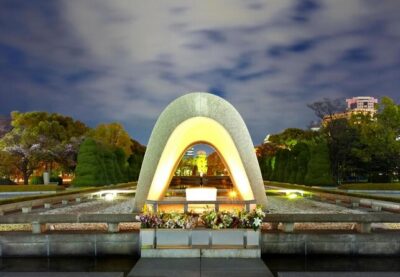
Hiroshima in a Nutshell: Morning Bike Adventure
Read our review →
Hiroshima City 4hr Private Walking Tour with Licensed Guide
Read our review →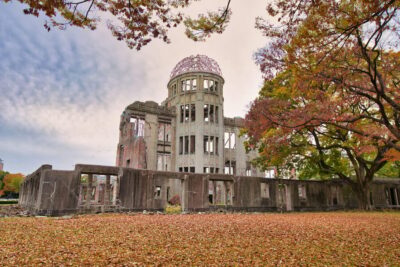
Browse the lists this tour appears in