
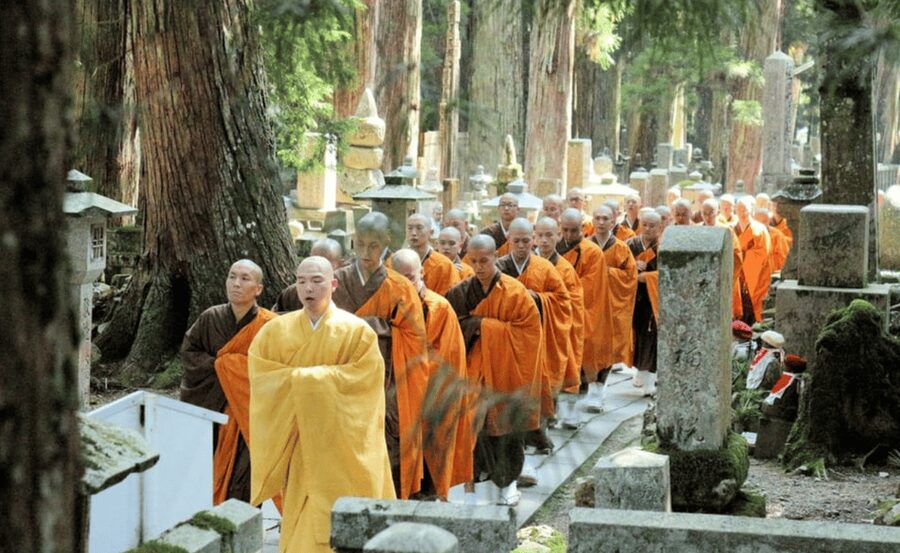
Review · 1-DAY TOURS
From Osaka/Kyoto: Mount Koya & Wakayama Private Day Trip .
Mount Koya feels like a different planet. This private day trip pairs the spiritual gravity of Mount Koya with the easy fun of coastal stops across Wakayama Prefecture. I especially like the chance to see Daimon Gate in person and then slow down at Okuno-in along the cedar-lined Sandō path. The one drawback to plan around is that what you get from the “guide” side can vary, and extra costs for entrances are common.
This trip runs long, but it’s built for comfort. You get hotel-to-hotel pickup by private van, an English-speaking guide in the plan, and a schedule that you can shape to your interests, temple-heavy or more coastal. Still, go in expecting that food and drinks are not fully covered in the package notes, and some parts may feel more driver-led than commentary-heavy.
In This Review
- Key highlights to know before you go
- Why Mount Koya and Wakayama pair so well in one day
- Pickup in Osaka or Kyoto, then you ride in your own private van
- Wakayama Castle stop: the quick history hit and a photo break
- Mount Koya first impressions at the Daimon Gate
- Konpon Daito: murals and the feeling of a sacred center
- Kongobu-ji Temple: architecture and a famous rock garden
- Shoujin Ryori lunch: vegetarian Buddhist cuisine, confirm the exact plan
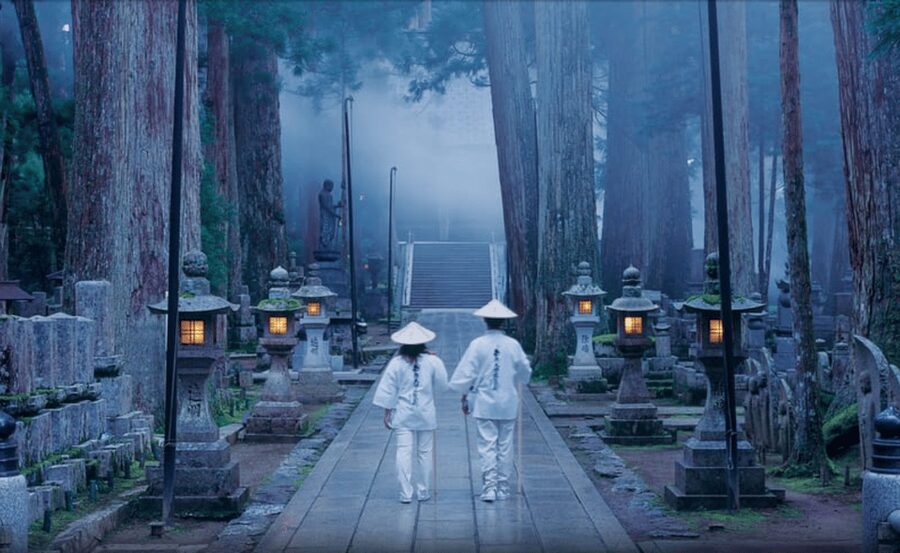
- Okuno-in, Toro-do Hall, and the Sandō path
- Shirahama and Sandanbeki Cave: when the day turns coastal
- Kuroshio Market and the sea road views
- Price and logistics: is it good value for $660 per group?
- Guide versus driver: the one thing to verify before you commit
- What to bring for a day that mixes temples and walking
- Who this private tour suits best
- Should you book this Mount Koya and Wakayama private day trip?
- FAQ
- How long is the Mount Koya and Wakayama private day trip?
- Where does pickup happen?
- How big is the group?
- What language support is provided?
- What is included in the tour price?
- Are meals included?
- What should I bring and wear?
Key highlights to know before you go
- UNESCO Mount Koya with the iconic red Daimon Gate and major Shingon sites
- Konpon Daito and Kongobu-ji for murals, architecture, and the rock garden
- Okuno-in walk to Toro-do Hall, with time at the mausoleum of Kobo Daishi
- Shirahama plus Sandanbeki Cave for a break from temple calm
- Kuroshio Market stop that keeps the day from going all religious all day
Why Mount Koya and Wakayama pair so well in one day
This day trip is really about contrast. You start with castle views and market energy, then you head inland for the stillness of Mount Koya, the center of Shingon Buddhism. The air feels different up there, and the sights follow that mood: gates, pagodas, temple halls, and paths lined with old trees.
Then the day pivots back toward Wakayama’s coastal side. Stops like Shirahama and Sandanbeki Cave give you something physical and outdoorsy to balance all the indoor temple time. It makes the long drive feel less like a chore and more like a tour of how Wakayama can change character within hours.
A few more Osaka days to weigh up
- Osaka Go Karting Tour with Funny Costume
★ 5.0 · 2,658 reviews - Osaka Castle: Museum and Tower Entry Ticket
★ 4.5 · 2,380 reviews - Osaka: Shinsekai Food Tour with 13-15 Dishes at 5 Eateries
★ 4.8 · 2,204 reviews
Pickup in Osaka or Kyoto, then you ride in your own private van
The trip is structured around door-to-door pickup from Osaka or Kyoto. You need to be ready about 10 minutes before departure, which is normal for private tours but worth treating seriously if your hotel is spread out or you’re waiting on luggage.
You’re traveling in a private vehicle for the whole day. With a group size up to 6, the plan sounds roomy on paper, but the reality can be tight. If you’re in a group of six, I’d ask for the largest van option available early. A smaller vehicle can turn a beautiful day into a shoulder-squeeze contest, and it’s not the kind of annoyance you want before temple stairs.
The driver is listed with Japanese, English, and Hindi. That matters because even when a guide is planned, you might end up relying on the driver for basic logistics and timing.
Wakayama Castle stop: the quick history hit and a photo break
One of the first major breaks is Wakayama Castle. You get around an hour that includes a photo stop, a visit, and guided time, plus free time. This is a good transition moment: you stretch your legs, take a few photos, and get oriented for the rest of the day.
The practical point is simple. After hours of travel, you want a stop that doesn’t require deep planning. The castle stop gives you that, and it also breaks the day up before you start moving through sacred sites at Mount Koya.
Mount Koya first impressions at the Daimon Gate
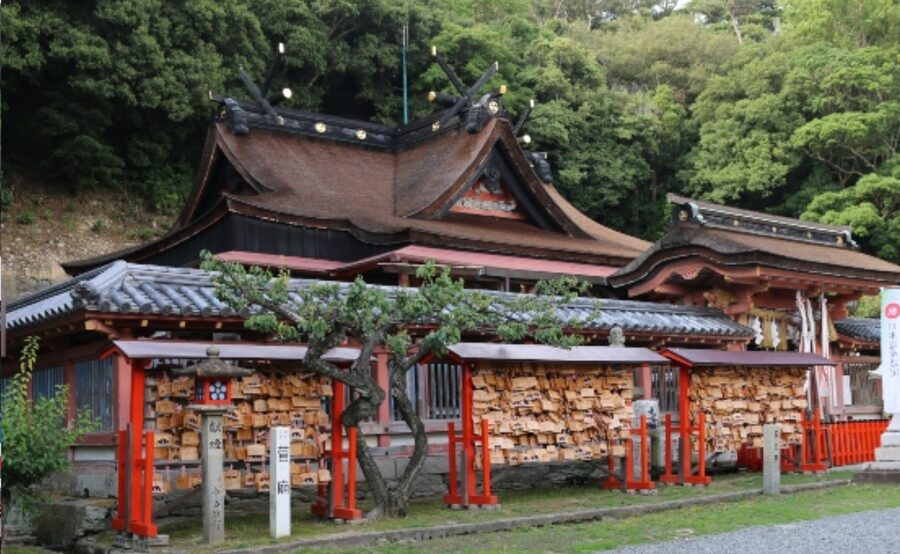
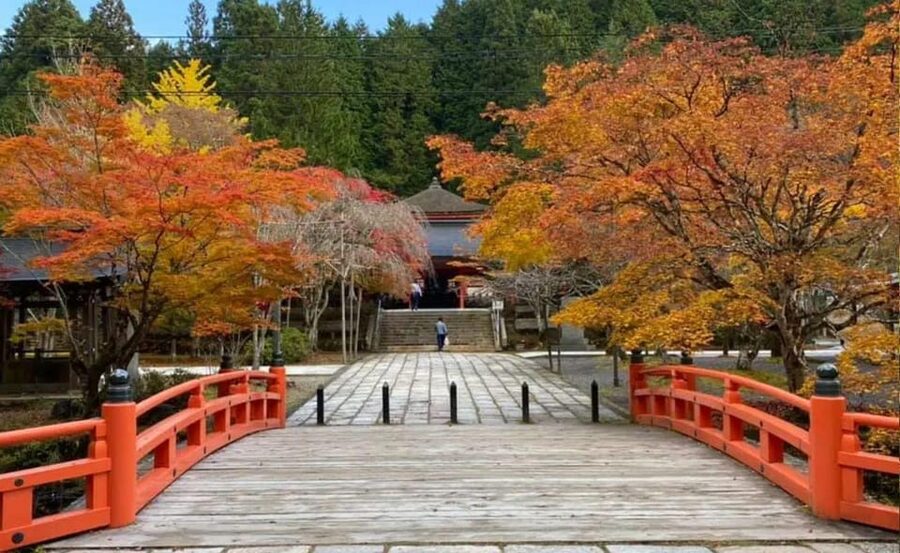
The first Mount Koya wow moment is Daimon Gate, the famous crimson gateway. It’s one of those places that looks impressive in photos, then gets even more powerful once you’re standing in front of it. The gate is guarded by towering statues, so you get a strong sense of arrival.
Go slow here. Take your time and let your eyes adjust. You’re at the beginning of a spiritual circuit, not just a scenic viewpoint. A few minutes of calm at the gate can make the next stops feel more meaningful, not like a rushed checklist.
A different sort of day in Japan:
- Osaka Food Tour: 13 Dishes at 5 Local Eateries
★ 5.0 · 2,149 reviews - Hungry Osaka Street Food Tour:15 Tastings & 3 Drinks with a Local
★ 5.0 · 1,727 reviews - Osaka: teamLab Botanical Garden Entry Ticket
★ 4.5 · 1,710 reviews - Osaka: Tea Ceremony Experience
★ 4.9 · 1,426 reviews
Konpon Daito: murals and the feeling of a sacred center
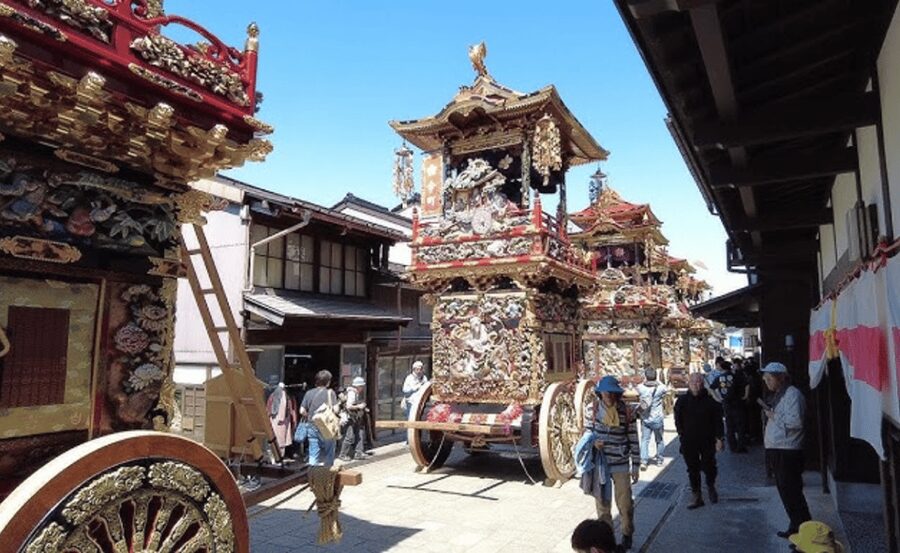
Next comes Konpon Daito, described as the central pagoda on Mount Koya. This is where you’ll see vivid Buddhist murals and feel the quiet gravity of the area. If you like visual storytelling, pay attention to the painted scenes and the way the hall is arranged.
Your time is planned around photos, visiting, and free time. That mix matters because it lets you do two things at once: follow the guide’s context while still having space to sit, look, and breathe. If you’re the type who gets overwhelmed by too many explanations, you’ll appreciate the option to pause.
Kongobu-ji Temple: architecture and a famous rock garden
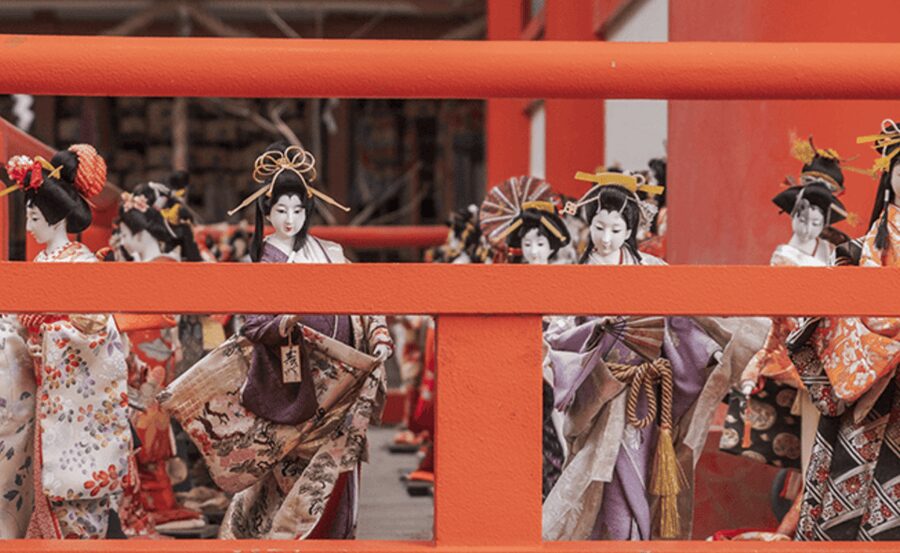
At Kongobu-ji (the head temple of the Shingon sect), the focus shifts to architecture and fine details. The plan highlights sliding screen paintings and the largest rock garden in Japan. Even if gardens aren’t your main interest, a rock garden like this rewards a slower pace.
One practical tip: this is the kind of place where your best experience comes from asking one or two smart questions. If you get a chance to talk, ask what you’re looking at, and how it connects to worship at Mount Koya. If your guide is more limited on commentary, the architecture still gives you plenty to enjoy on your own.
Shoujin Ryori lunch: vegetarian Buddhist cuisine, confirm the exact plan
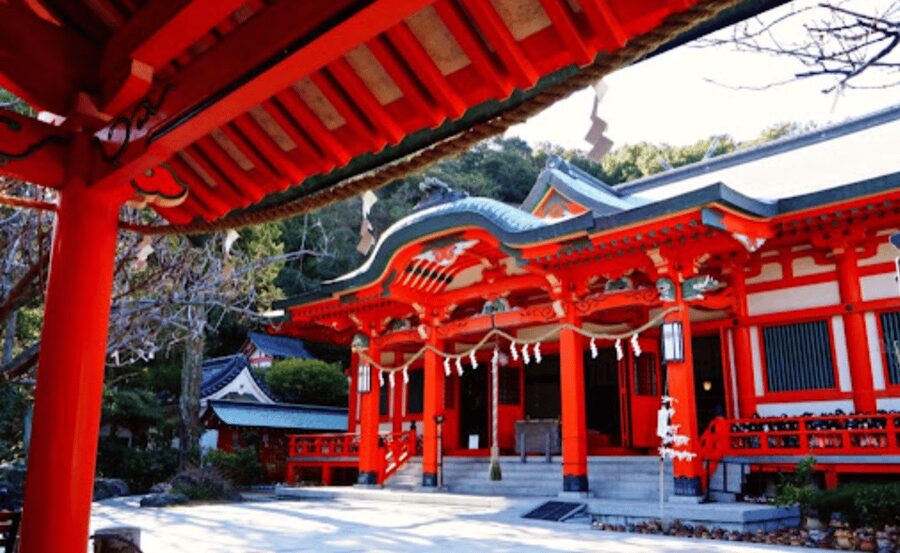
Lunch is listed as Shoujin Ryori, a type of vegetarian Buddhist cuisine. This is a highlight on paper because it’s tied to the temple culture rather than just another set menu.
Here’s the practical caution. Some experiences have not matched the expectation of lunch being served in the style people imagine from monk-cuisine set ups. The package notes that food and drinks are not included, which also suggests you may need to pay for meals depending on the exact lunch arrangement that day.
So my advice is straightforward. Before departure, confirm what you will receive for lunch and whether it is included in the total you paid. If you have dietary restrictions, tell the operator up front too. Vegetarian is the theme, but details can vary.
Okuno-in, Toro-do Hall, and the Sandō path
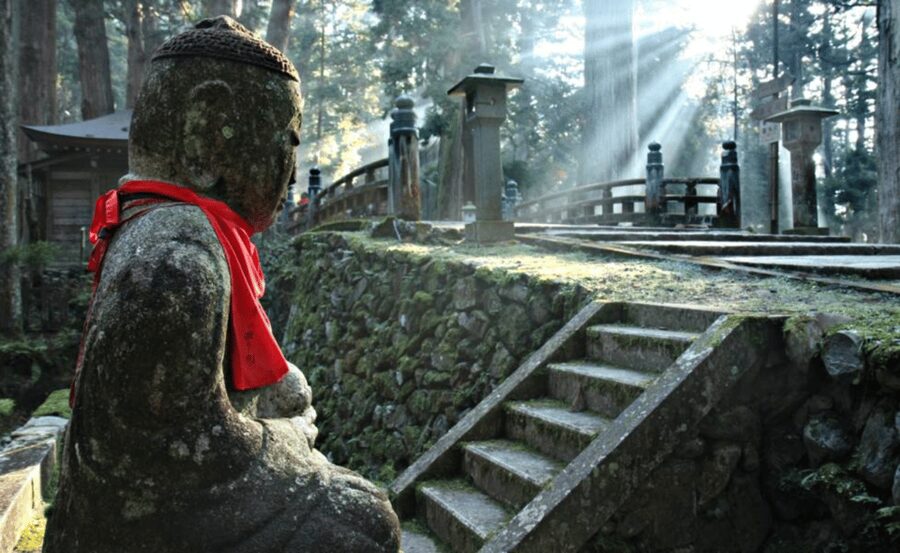
The most spiritual segment is Okuno-in, Mount Koya’s most sacred area. You cross the Ichinohashi Bridge, then walk along the Sandō path lined with centuries-old cedar trees. That cedar-lined stretch is where the tour changes tone from sightseeing to something closer to pilgrimage.
You’ll reach Toro-do Hall, home to the eternal flame. The idea of an eternal flame is easy to understand from a description. It feels different when you stand there and notice how quiet the surroundings are and how people move. It’s one of those moments where your photos should be secondary to your attention.
Then you visit the mausoleum of Kobo Daishi. This is where reflection makes sense, because the setting encourages it. Even if you’re not deeply religious, the scale of devotion here is hard to ignore.
If you’re sensitive to crowds, aim to keep your pace steady and don’t get stuck waiting for people who want to take a hundred photos. The path is narrow in places, and moving with purpose helps you enjoy it without stress.
Shirahama and Sandanbeki Cave: when the day turns coastal
After the temples, you’ll get a change of pace. Shirahama is a photo stop and visit with guided time and free time. It’s a welcome breather if your legs feel heavy from walking up and down temple areas.
Next is Sandanbeki Cave, also planned with photo stop, visit, and sightseeing time. This is a good pairing because caves and sea scenery offer something physical to focus on, especially after hours of stone halls and gardens. If you want a day that covers both spiritual and outdoorsy highlights, this coastal portion does that job.
Kuroshio Market and the sea road views
There’s also a Kuroshio Market stop in the middle of the schedule. It includes guided time and free time, plus scenic views on the way. Even if you don’t plan to buy souvenirs, a market stop can break up the long transit time and give you something local to look at.
The key is how you treat it. If you expect a full market shopping spree, you might feel squeezed by the time. Instead, think of it as a quick taste of place, and use it to reset before the final temple stretch.
Price and logistics: is it good value for $660 per group?
The price is $660 per group up to 6, with a duration listed as 10 to 14 hours. That pricing structure is typical for private tours, and it can be good value if you want the comfort of door-to-door transport and flexibility in a day that otherwise would take multiple trains and buses.
The value depends on your priorities:
- If you want a private van and a schedule that can flex, you’re paying for convenience.
- If you want lots of guided storytelling at every temple, you’re paying for the guide effort too, and that’s where you should set expectations.
Also note the package notes: food and drinks are not included. The day includes a Shoujin Ryori lunch in the experience description, so there may be a lunch arrangement, or you may pay depending on what’s provided that day. I’d confirm before you go so you aren’t surprised at lunchtime.
And one more factor that affects real cost: entrance fees may be extra. Since the package does not list entrance fees as included, plan on paying at least for some sites unless your operator confirms otherwise.
Guide versus driver: the one thing to verify before you commit
A recurring disappointment with private tours is when the “guide” label turns out to mean driver-led transfers with minimal interpretation. Some people have found that the driver did not act as a full guide, leaving them with guidebooks to read rather than explanations on the spot.
Here’s how you avoid that. Contact the operator ahead of time and ask a direct question:
- Will the English-speaking guide provide explanations at each major stop, or is it primarily driving and drop-offs?
Also ask what happens if the vehicle is small for your group size. If you’re booking with six people, ask for a larger van option explicitly.
Finally, if you have strong preferences about walking together versus splitting up, say that now. Some private tour days can have last-minute adjustments based on religious practices or timing, so it helps to communicate needs in advance.
What to bring for a day that mixes temples and walking
You’re told to bring comfortable shoes, comfortable clothes, and a daypack. That’s not just generic advice. You’ll be walking moderate distances through temple grounds and along paths like the Sandō, which can feel longer than you expect.
Bring a water bottle. The weather can change, and you’ll cover more ground than a typical city half-day. Photography is allowed, but be respectful in religious areas. That usually means no loud behavior, no blocking walkways, and no rushing in front of ceremonies.
Who this private tour suits best
This fits best if you want:
- A private day trip with pickup from Osaka or Kyoto
- A focused Mount Koya route with key stops like Daimon Gate, Konpon Daito, Kongobu-ji, and Okuno-in
- A change of mood toward Wakayama coastal highlights like Shirahama and Sandanbeki Cave
It may not be ideal if:
- You expect a highly scripted guided lecture at every stop, with rich commentary constantly
- You’re traveling with six people and hate tight vehicle seating
- You want every meal fully handled for you, with no additional payments
Should you book this Mount Koya and Wakayama private day trip?
I’d book it if your top goal is a one-day hit of Mount Koya’s spiritual core plus a few very different Wakayama stops. The structure works, and private transport saves you time and stress, especially when you’re trying to do a full day without transfers.
But book with your eyes open. Confirm three things before you pay fully:
1) Whether a true English guide will talk at the main stops
2) What exact Shoujin Ryori lunch arrangement is on the schedule
3) Whether entrance fees are extra for places like the castle and temple sites
If those answers look good, this day trip can be a memorable, well-paced way to see why Mount Koya still draws people who come for quiet, ritual, and time.
FAQ
How long is the Mount Koya and Wakayama private day trip?
The duration is listed as 10 to 14 hours. Starting times vary, so you’ll need to check availability.
Where does pickup happen?
Pickup is available from Osaka or Kyoto, door-to-door from your hotel or other designated location. Airports and ports are not included for pickup.
How big is the group?
This is a private group with a maximum of 6 people per group.
What language support is provided?
The driver is listed as Japanese, English, and Hindi. An English-speaking guide is included in the tour description.
What is included in the tour price?
The included items are private transportation, an English-speaking guide, hotel pickup and drop-off, and a customizable itinerary.
Are meals included?
Food and drinks are listed as not included. The experience description mentions a Shoujin Ryori lunch, so confirm what is actually provided on your date.
What should I bring and wear?
Wear comfortable shoes and comfortable clothes, and bring a daypack. A water bottle is recommended, and you should check the weather forecast.
Newly listed around Osaka
- From Osaka/Kyoto:Private Kyoto-Nara Day Tour★ 4.3 · 6 reviews
- From Osaka/Kyoto:Mount Koya, Wakayama & Nachi Waterfall Trip★ 4.2 · 30 reviews
- From Osaka: Sakai Knife Maker or Blacksmith Walking Tour★ 4.9 · 64 reviews
- From Osaka/Kyoto: Amanohashidate Day Tour【Including tickets】★ 3.7 · 20 reviews
- From Osaka: Nara Private Tour with Meet-Up at Your Hotel★ 5.0 · 49 reviews
- From Osaka: Private Customized Day Tour to Kyoto★ 4.5 · 20 reviews
- From Osaka or Kyoto: Private Shirakawa-go and Takayama Trip★ 4.7 · 15 reviews
- From Osaka: Private Customizable Day Tour to Kyoto★ 3.7 · 6 reviews
1-Day Tours, compared.
Mt Fuji and Hakone 1-Day Bus Tour Return by Bullet Train
Read our review →
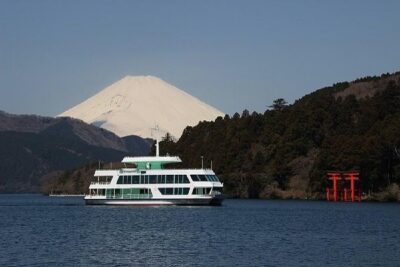
Mt Fuji & Hakone Cruise, Drum Show Bullet Train 1 Day from Tokyo
Read our review →
Peaceful Hiroshima & Miyajima UNESCO 1 Day Bus Tour
Read our review →
Fushimi Inari, Kinkakuji, Bamboo Grove 1 Day Bus Tour
Read our review →

Browse the lists this tour appears in