
Review · OSAKA TOURS
From Osaka/Kyoto:Mount Koya, Wakayama & Nachi Waterfall Trip
One day, three sacred worlds. This small-group trip strings together Mount Koya temple halls, Wakayama Castle views, and either lantern-lit cemetery paths or the coast at Nachi Waterfall, depending on your route choice. The best part is how quickly you go from warrior-era artifacts to Shingon Buddhism, then to cliffside drama, all with a guide steering the pacing.
I love how you get real context before you start walking, especially at Kongobuji Temple, where the Shingon focus makes the place feel more than just pretty buildings. I also like the Okunoin Cemetery approach, with lantern-lined paths that turn a long stroll into a kind of moving lesson, helped by guides like Rana and Tahir who set expectations early.
The catch is the day can be stair-heavy. You also need to pay attention if you selected the Nachi option, since Nachi Falls were listed as closed for restoration until January 5, 2025, so conditions can affect what you see.
In This Review
- Key points at a glance
- Two Route Choices: Wakayama and Koya, or Add Nachi Waterfall
- Wakayama Castle: A Stair Climb With Real Panoramas
- Mount Koya First: Why This Place Changes the Day
- Kongobuji Temple: Shingon Buddhism Made Understandable
- Mount Koya Museum: Sacred Art, Practical Context
- Okunoin Cemetery: Lantern Paths and the Quiet Weight of History
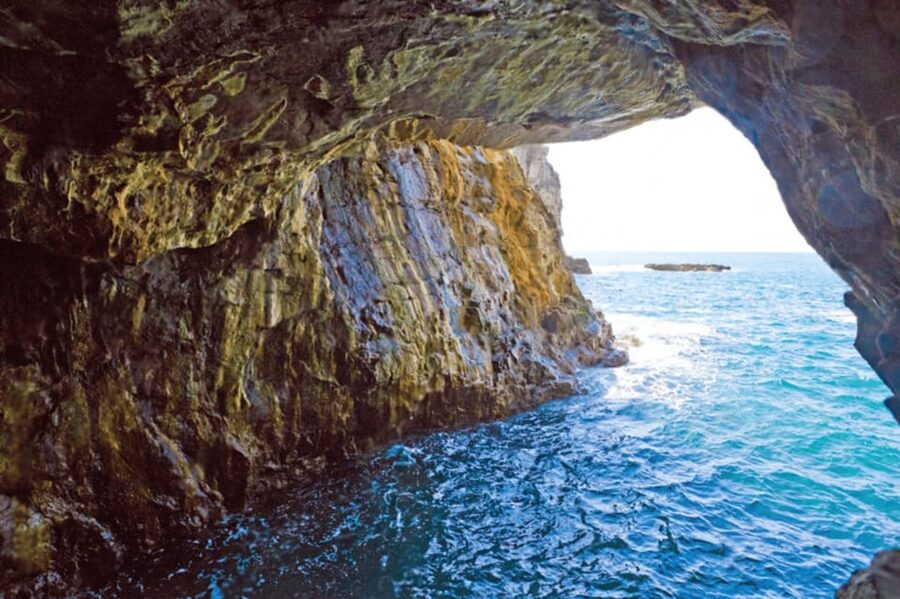
- Sandanbeki Cave: Cliffside Drama and Pirate Hideout Vibes
- Nachi Waterfall Option: Nature Meets Shrine, Plus Closure Awareness
- The “How It Feels” Part: Guides, Flexibility, and Driving
- 12 Hours, Coach Transport, and What “Small Group” Really Means
- What’s Included, What Costs Extra, and the Value Math
- Temple Etiquette, Photography Rules, and Your Packing List
- Who Should Book This Day Trip, and Who Should Skip It
- Should You Book This Trip?
- FAQ
- How long is the tour?
- Where can I be picked up and dropped off?
- What is the price and group size?
- Do I have to choose between Wakayama and Nachi Waterfall?
- Is lunch included, and are vegetarian options available?
- What should I bring, and what is not allowed?
- Can I cancel for a refund?
Key points at a glance
- Two itinerary styles: Wakayama plus Mount Koya, or the same day plus Nachi Waterfall
- Small group, up to 6: easier questions, less waiting, more time at each stop
- Temple and cemetery time, not just sightseeing: Shingon context at Kongobuji and the lantern paths at Okunoin
- Photo-friendly pacing: guides like Faizan are known for patience when you slow down for pictures
- Coastal finale option: Sandanbeki Cave for pirate-hideout vibes and rugged cliffs
Two Route Choices: Wakayama and Koya, or Add Nachi Waterfall
This trip works because Wakayama and Mount Koya feel like connected chapters. Wakayama brings you into the castle and coastal mood, while Mount Koya is the spiritual center, with temple halls and cemetery lanterns that change the tempo of the day.
You choose your ending:
- Option 1, without Nachi Waterfall: You start with Wakayama Castle, then go up to Mount Koya for Kongobuji Temple and the Mount Koya Museum. The day continues through Okunoin Cemetery and ends at Sandanbeki Cave.
- Option 2, with Nachi Waterfall: You still get the Mount Koya highlights, and you add the big nature finale at Nachi Waterfall, tied to the nearby Nachi Taisha Shrine.
One practical point: even when the itinerary is set, your actual walking load can vary. This is a 12-hour day with moderate walking, and you should expect stair climbs and uneven temple paths.
A few more Osaka days to weigh up
- Osaka Go Karting Tour with Funny Costume
★ 5.0 · 2,658 reviews - Osaka Castle: Museum and Tower Entry Ticket
★ 4.5 · 2,380 reviews - Osaka: Shinsekai Food Tour with 13-15 Dishes at 5 Eateries
★ 4.8 · 2,204 reviews
Wakayama Castle: A Stair Climb With Real Panoramas
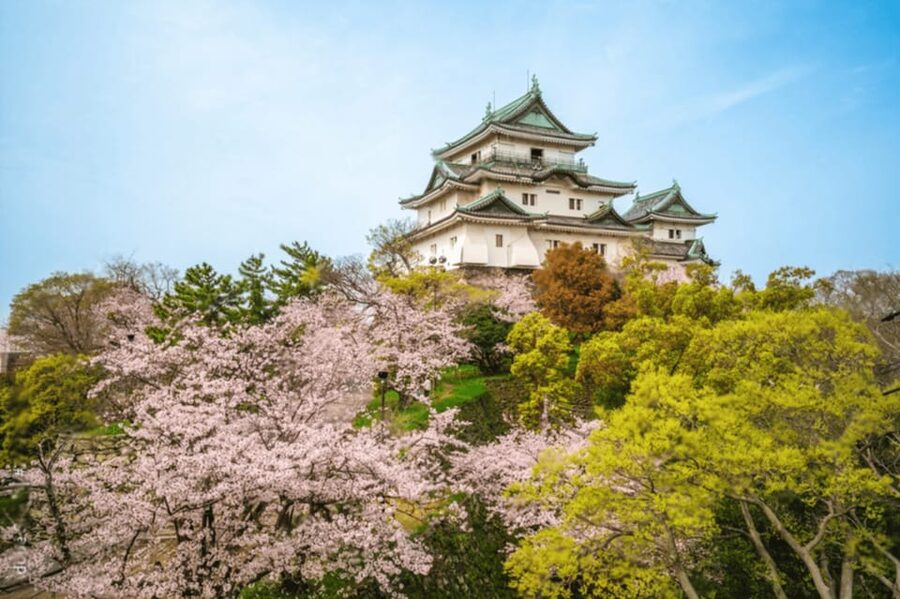
Wakayama Castle is a strong way to open the day because it gives you big views early. You’ll spend time at the 16th-century castle grounds, including exhibits tied to samurai history and artifacts. Even if you are not the type to read every display, the setting helps. You can look out over the area and then connect what you learned to what you see around you.
The trade-off is physical. Castle visits often mean stairs and controlled routes. One of the most useful pieces of advice for this stop is simple: wear shoes you trust. A couple of visitors described it as a perseverance test, but also said the views made it worth it.
If you want maximum payoff, do this: pause for photos, then look away from the camera. Spend a minute actually scanning the panorama. That mental shift makes the castle exhibit time feel less like a museum stop and more like a story you can see.
Mount Koya First: Why This Place Changes the Day
Mount Koya is where the trip stops feeling like a checklist and starts feeling like a transition. This is the sacred heart of Shingon Buddhism, and the day’s pace becomes slower and more deliberate once you arrive.
If you have never been to a major Buddhist mountain complex before, you might notice a difference right away. People move quietly, and the spaces encourage you to do the same. That matters because your next stops are temples and a large cemetery. Those parts work best when you are not rushing.
Also, Mount Koya includes options that can be very practical for visitors: there’s time at a 176-year-old market where you can find traditional crafts and local specialties. That’s a nice break from temple-only time, and it gives you a chance to pick up small items without hunting around on your own.
Kongobuji Temple: Shingon Buddhism Made Understandable
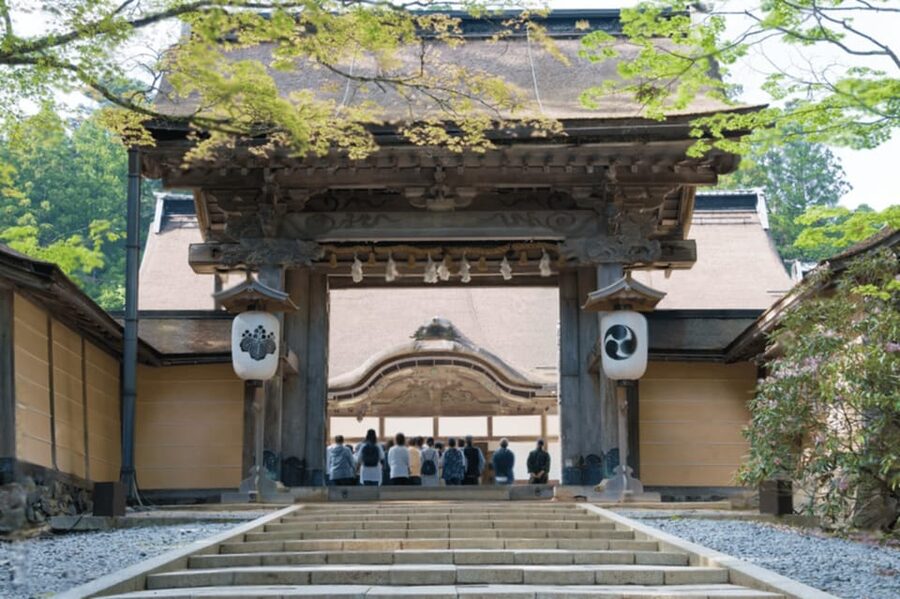
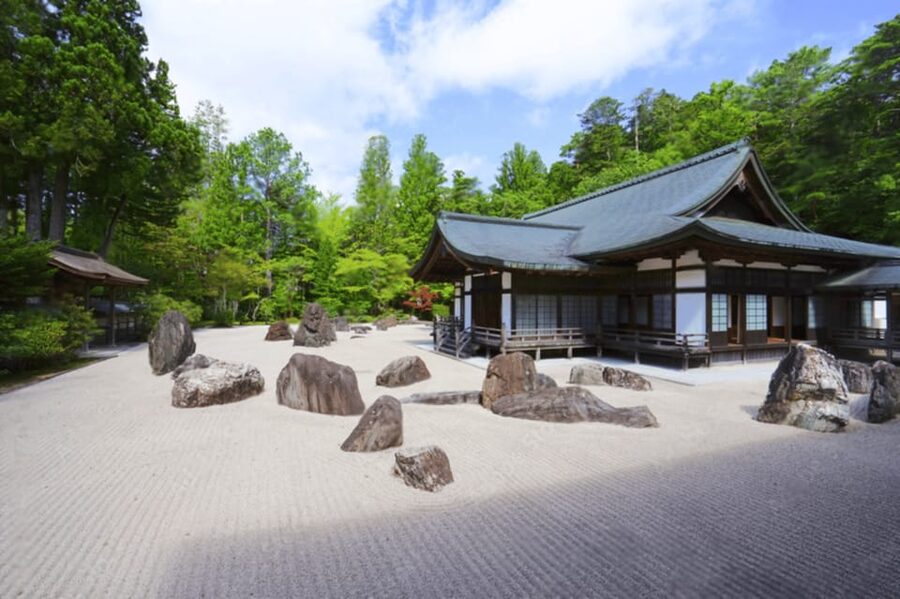
Kongobuji Temple is the main reason many people choose this tour. It’s tied to the Shingon sect and is known for traditional architecture and serene halls. You’ll get time to explore the temple and also see the rock garden, which is a standout even if you are not usually into gardens.
What makes this stop more rewarding is how the guide frames it before you walk. In practice, guides like Faizan and Rana are known for giving an intro for each location so you know what you are looking at. I like this approach because temples can feel “same-y” if you are guessing, but more meaningful when someone explains the Shingon focus in plain terms.
Photography rules matter here. Photos are allowed, but flash photography is not. Temples can also be dim and crowded at times, so bring patience and shoot without flash.
A different sort of day in Japan:
- Osaka Food Tour: 13 Dishes at 5 Local Eateries
★ 5.0 · 2,149 reviews - Hungry Osaka Street Food Tour:15 Tastings & 3 Drinks with a Local
★ 5.0 · 1,727 reviews - Osaka: teamLab Botanical Garden Entry Ticket
★ 4.5 · 1,710 reviews - Osaka: Tea Ceremony Experience
★ 4.9 · 1,426 reviews
Mount Koya Museum: Sacred Art, Practical Context
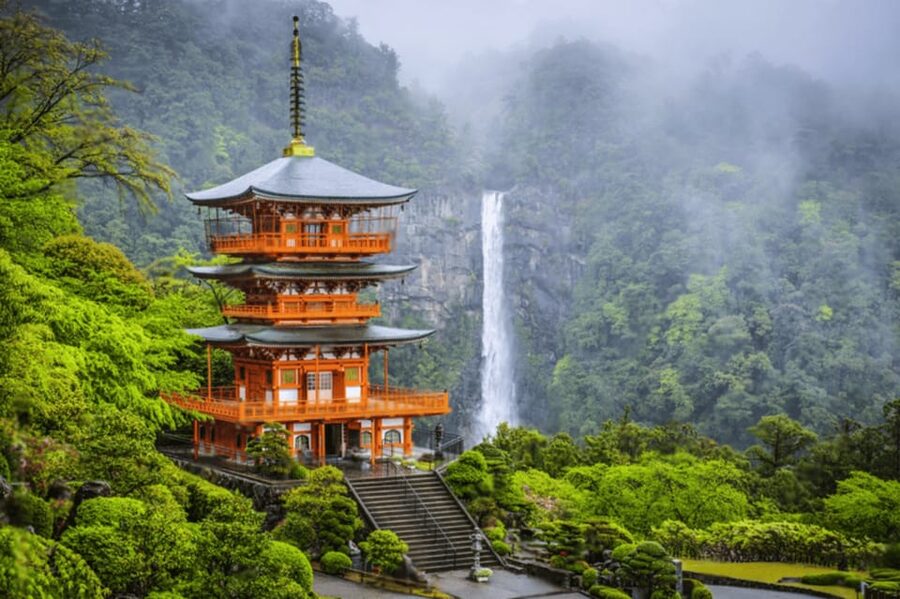
The Mount Koya Museum is one of those stops that can be either a quick walk-through or the part that helps everything click. On this tour, it’s there to connect what you see in the temple halls to the Shingon art and history behind them.
Since you are visiting both temples and the cemetery, museum time helps you interpret details you might otherwise skip. You’ll spend time on exhibits focused on the sect’s sacred art and history. It is a good “translator” stop between the outdoor spiritual sites and your later walking route through Okunoin.
If you tend to move fast in museums, set a small goal: pick one theme the guide highlights and try to track it during the rest of the day. You might walk away surprised at how much you noticed.
Okunoin Cemetery: Lantern Paths and the Quiet Weight of History
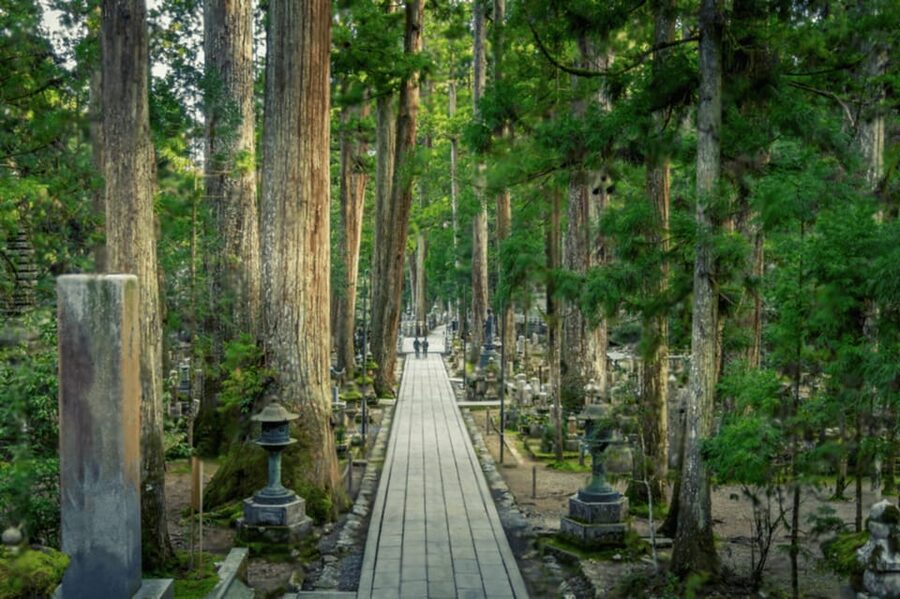
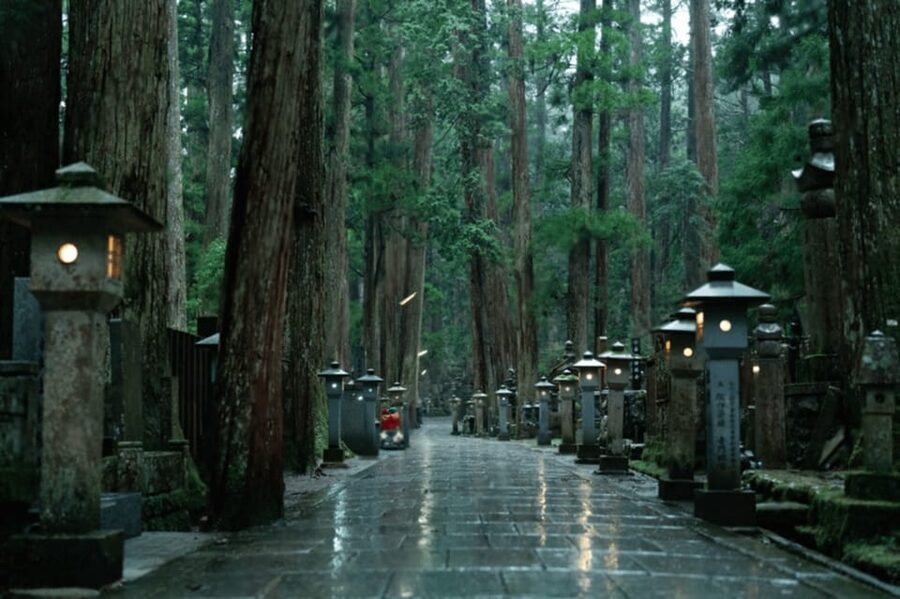
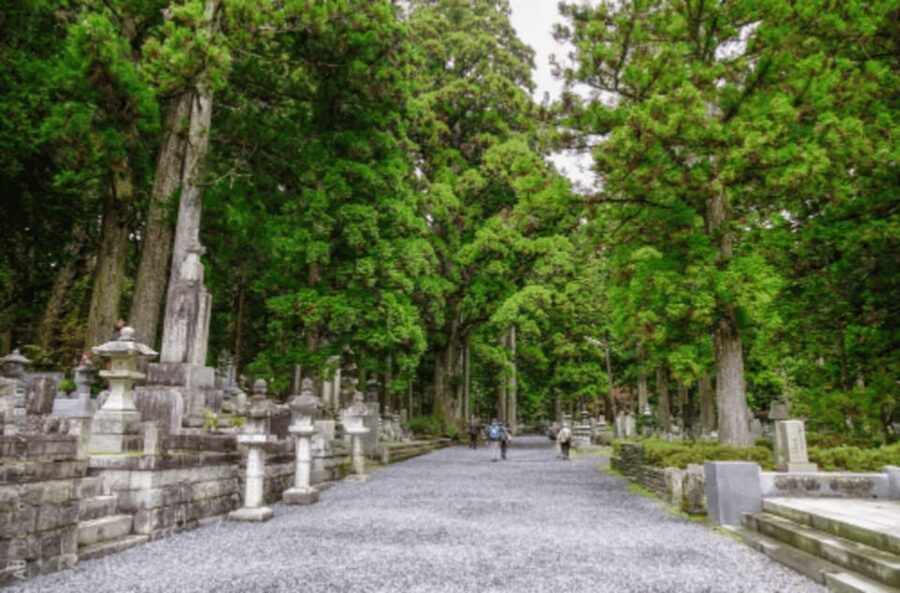
Okunoin Cemetery is the emotional center of this itinerary. It’s Japan’s largest cemetery and is famous for lantern-lit pathways. You’ll walk stone marker paths honoring historical figures and monks. This stop is where you feel the day shift from cultural viewing to respectful wandering.
This is also where the timing and pace feel important. You want your brain to slow down enough to take in the space. One of the best practical ways to do that is to treat it like a long walk, not a photo shoot. Yes, you will take pictures, but also stop for a few seconds without looking at your screen.
Footwear matters. The route is described as moderate walking, and you should plan for uneven ground and possible steps depending on where you go within the complex.
If you are sensitive to crowds or noise, this stop can still work because the lantern paths encourage a calmer mood. The better the guide, the easier it is to know where to go next without feeling stressed.
Sandanbeki Cave: Cliffside Drama and Pirate Hideout Vibes
When you pick Option 1 (no Nachi Waterfall), the last stop is Sandanbeki Cave. It’s coastal, dramatic, and known for storied pirate hideout associations. Even without the pirate angle, it has a natural “wow” factor because the cliffs feel rugged and close.
This is a good finale because it gives you a totally different scene from temple halls and cemetery lanterns. You end outdoors with sea air and scenery that feels less controlled than the mountain route.
One more practical thing: coastal areas can have changes in wind and weather. You may want a hat that can handle gusts, plus a water bottle. Your guide will manage the flow, but you should dress like you might get cooler or wetter near the coast.
Nachi Waterfall Option: Nature Meets Shrine, Plus Closure Awareness
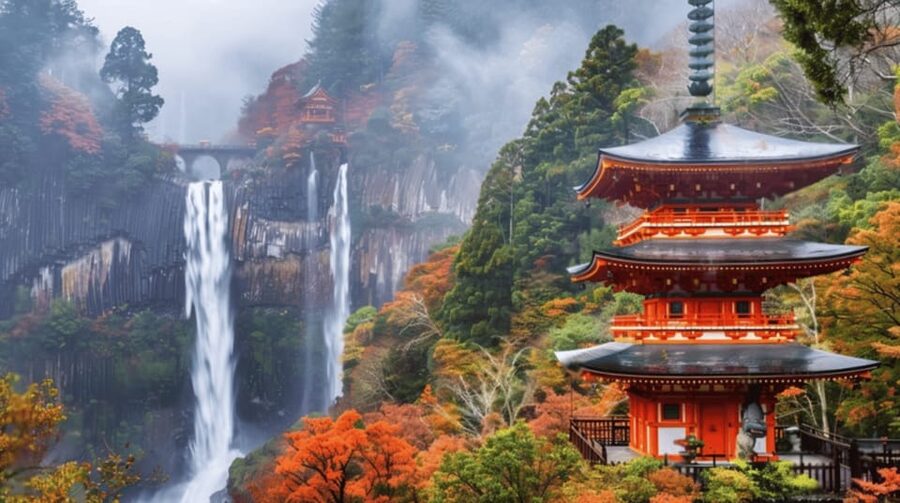
If you choose Option 2, your finish is Nachi Waterfall, described as Japan’s tallest single-tier waterfall. You’ll also see Nachi Taisha Shrine, tying the natural spectacle to the spiritual setting.
This option is the one with the biggest “special day” payoff. It’s also the one where conditions can change what you actually experience. The tour info you were given specifically flags a closure for restoration until January 5, 2025. Even if you are traveling later, that warning is your reminder to check real-time status close to departure.
Rain can be a surprise gift here. In one day of heavy rain, the waterfall was described as epic. Just make sure you bring a hat and shoes that can handle wet surfaces. If it’s slippery, go slow on any viewing areas.
Also, keep your timing in mind. Waterfalls can mean waiting, and viewing spots can get busy. The upside is that the setting is naturally photogenic, and guides are often good at building in photo time without letting the day unravel.
The “How It Feels” Part: Guides, Flexibility, and Driving
This tour lives or dies on the guide. The strongest feedback centers on guide behavior, pacing, and communication.
You’ll see names like:
- Faizan, praised for flexibility with the schedule and patience during photo stops, especially when Nachi Waterfall was the goal.
- Rana, noted for customizing the route and even helping people get great pictures.
- Tahir, recognized for brief intros at each stop and making sure the group knew what was coming next.
- Muhammad Ahmad, highlighted for host-like energy and strong driving, including during heavy rain.
- Hamza, appreciated for looking after a family for the day.
Driving is also worth noting because this is a full-day route with multiple towns and mountain roads. One review called the driving “crazy good,” which tells you the group likely felt safe and relaxed during the transfers.
If you like structure, you get it. If you want flexibility, it also exists. That balance is why the day feels smoother than a typical DIY scramble.
12 Hours, Coach Transport, and What “Small Group” Really Means
The tour duration is about 12 hours, using coach transportation and hotel pickup and drop-off. The small-group cap is limited to 6 participants, which tends to reduce the chaos factor. You spend less time waiting around, and it is easier to ask questions without shouting over a crowd.
Pickup options include Osaka, Nara, and Kyoto, and drop-off options include Nara, Kyoto, and Osaka. That matters because a 12-hour day can feel twice as long if you start from far out. Choosing a pickup city near where you are staying can keep the day from feeling like a long commute marathon.
Still, it is a full day. You should plan your energy like a workout day. That means hydration, snacks if you need them (lunch planning is included or at least provided per the info you have), and breaks when the guide offers them.
What’s Included, What Costs Extra, and the Value Math
The price is listed as $910 per group up to 6. That is not cheap if you compare it to public transit. But it can be good value when you price in what you do not have to plan: hotel pickup and drop-off, a professional English-speaking guide, coach transportation, and entrance fees for some sites.
This matters on Mount Koya days in particular. Getting to and around the temple areas takes time and local navigation skills. A guided day can save you stress and help you avoid missed connections.
About food: the info you were given says lunch is included and also mentions vegetarian options. It also separately lists lunch as not included in the standard breakdown. I would treat that as a reason to message your provider before you go, so you are not surprised. Practically, you should assume you will have a meal opportunity, but confirm what is actually covered for your specific booking.
Tips are included, which is helpful. You still should keep cash or a card handy for personal expenses, because that part is not included.
Temple Etiquette, Photography Rules, and Your Packing List
Bring the basics seriously. The tour calls out:
- Comfortable shoes
- Hat
- Camera
- Sunscreen
- Water
You should also pack something for weather swings. The itinerary includes coastal stops and mountain areas. It can get cooler and wetter than you expect, and the coach ride time means you may not always be near shops when you realize you need something.
Photography is allowed, but flash photography is not permitted inside temples. That rule is common, but it still affects how you shoot, especially in dim temple halls.
Smoking is not allowed. Also, wear clothes you can walk in, because “moderate walking” on a temple mountain can feel more like “a lot of walking” in practice.
Who Should Book This Day Trip, and Who Should Skip It
This tour fits best if you want a single-day sampler that still feels meaningful. You get temples with context, a cemetery with lantern paths, and either a cave finale or the dramatic Nachi Waterfall.
It is noted as:
- Not suitable for children under 6
- Not suitable for pregnant women
- Not suitable for people with mobility impairments
- Also listed as wheelchair accessible in one place, but wheelchair users are also marked as not suitable
That contradiction is important. If mobility is an issue, you should confirm the exact walking routes and whether wheelchair access is truly workable for the day. Do not rely on the single-word label.
If you love a good walking day and you handle stairs fine, you will likely enjoy this more. The best reviews sound like people who understood it was a test, then felt proud afterward.
Should You Book This Trip?
Book it if you want a guided, high-effort day that links Shingon Buddhism sites, samurai-era Wakayama context, and a strong nature finale. The small group size and the track record of flexible, friendly guides like Faizan, Rana, Tahir, Muhammad Ahmad, and Hamza make it easier to enjoy the day instead of managing it.
Skip it or at least think twice if you hate stair climbs, dislike long walking in temple complexes, or need a strictly low-mobility route. Also, if the Nachi Waterfall is your main goal, confirm current conditions close to travel because restoration closure was explicitly mentioned.
If you match the walking and photo-friendly style, this is the kind of day that gives you a full set of memorable moments without the headache of logistics.
FAQ
How long is the tour?
The duration is listed as 12 hours. Starting times can vary, so check availability for the schedule options.
Where can I be picked up and dropped off?
Pickup options include Osaka, Nara, and Kyoto. Drop-off options include Nara, Kyoto, and Osaka.
What is the price and group size?
The price is listed as $910 per group, up to 6 participants. It is a small group tour.
Do I have to choose between Wakayama and Nachi Waterfall?
Yes, there are two itinerary options. One option focuses on Wakayama and Mount Koya, and the other includes a visit to Nachi Waterfall.
Is lunch included, and are vegetarian options available?
The information you were given says lunch is included, and it also notes that vegetarian options are available. If you have dietary restrictions, you should communicate them in advance.
What should I bring, and what is not allowed?
Bring comfortable shoes, a hat, a camera, sunscreen, and water. Smoking is not allowed, and flash photography is not permitted inside temples.
Can I cancel for a refund?
Yes. Free cancellation is available up to 24 hours in advance for a full refund.
Newly listed around Osaka
- From Osaka/Kyoto:Private Kyoto-Nara Day Tour★ 4.3 · 6 reviews
- From Osaka/Kyoto: Mount Koya & Wakayama Private Day Trip .★ 4.0 · 7 reviews
- From Osaka/Kyoto: Amanohashidate Day Tour【Including tickets】★ 3.7 · 20 reviews
- From Osaka: Sakai Knife Maker or Blacksmith Walking Tour★ 4.9 · 64 reviews
- From Osaka: Nara Private Tour with Meet-Up at Your Hotel★ 5.0 · 49 reviews
- From Osaka: Private Customized Day Tour to Kyoto★ 4.5 · 20 reviews
- From Osaka or Kyoto: Private Shirakawa-go and Takayama Trip★ 4.7 · 15 reviews
- From Osaka: Private Customizable Day Tour to Kyoto★ 3.7 · 6 reviews
Osaka Tours, compared.


Shinsekai Food Tour with 13-15 Dishes at 5 Eateries
Read our review →
Osaka Food Tour: 13 Dishes at 5 Local Eateries
Read our review →
Hungry Osaka Street Food Tour:15 Tastings & 3 Drinks with a Local
Read our review →
Browse the lists this tour appears in