
Review · SHRINE & TEMPLE VISITS
From Osaka: Nara, Kiyomizu-dera & Fushimi Inari Trip
A day of temples and torii makes time fly. I like that this trip strings together Nara Park deer and Kyoto’s big-name sights with a bilingual guide that explains what you’re actually looking at. You’ll spend real time at the UNESCO stop (Kiyomizu-dera) instead of rushing past it like a highlight reel.
One thing to plan for: the bus ride time is part of the deal, and the order can shift if traffic or weather forces changes. In one case, Kiyomizu-dera time ran long while Nara got shorter, so keep your expectations flexible and your day pack light.
In This Review
- Key Things That Make This Trip Worth It
- Meeting Osaka Mode Gakuen and Facing the Long-Day Reality
- Nara Park Deer Time: The Easiest Way to Feel Japan Up Close
- How to Make Nara Feel Like More Than a Quick Stop
- Kiyomizu-dera: UNESCO Views and the Otowa Waterfall Stop
- Sannenzaka and the Old Streets: When Kyoto Turns Slow
- Fushimi Inari Taisha: Red Torii Gates, Then a Mountain Walk
- Guide Quality: Why This Trip Works Better With the Right Explanations
- Price and Value: Is $49 a Good Deal for This Day?
- Timing, Weather, and the Order You Might Not Expect
- What to Bring for Comfort (This Is Not a Shoes-Optional Day)
- Getting What You Want From Each Stop
- Who This Day Trip Suits Best
- Should You Book This Osaka to Nara and Kyoto Day Trip?
- FAQ
- Where do I meet the guide for this Osaka trip?
- What languages are the guides?
- What’s included in the tour price?
- Is food included?
- What should I bring?
- Is this tour wheelchair accessible?
Key Things That Make This Trip Worth It

- Bilingual English/Spanish guide who breaks down religion, architecture, and construction in plain language
- Nara Park deer time with free-roaming animals right in the park setting
- Kiyomizu-dera access plus Otowa Waterfall and those famous views from the wooden stage
- Sannenzaka walking streets with preserved traditional lanes and shop-lined charm
- Fushimi Inari’s torii gate walk that turns a shrine visit into a slow, scenic hike
Meeting Osaka Mode Gakuen and Facing the Long-Day Reality
You start at the corner of the building Osaka Mode Gakuen, and the guide waits with a sign of Amigo Tours. Arrive at least 10 minutes early for check-in, because this is one of those days where you want zero stress before you even board the bus.
Be ready for the “day trip” part of day trip: distances are long, and you spend time on the coach. That time can be a win, though, since your guide is the one who can help you connect the dots between Nara, Kyoto temples, and shrine culture.
More Shrine & Temple Visits in Osaka
- Osaka: Minoh, Katsuoji Temple, & Minoh Falls Full-day Tour
★ 4.9 · 172 reviews - Sagano Romantic Train & Arashiyama, Kiyomizudera, Fushimi Inari Taisha Day Tour
★ 4.5 · 171 reviews - Full Day Kyoto Tour : Bamboo Forest, Golden Temple, Fushimi Inari
★ 5.0 · 84 reviews
Nara Park Deer Time: The Easiest Way to Feel Japan Up Close
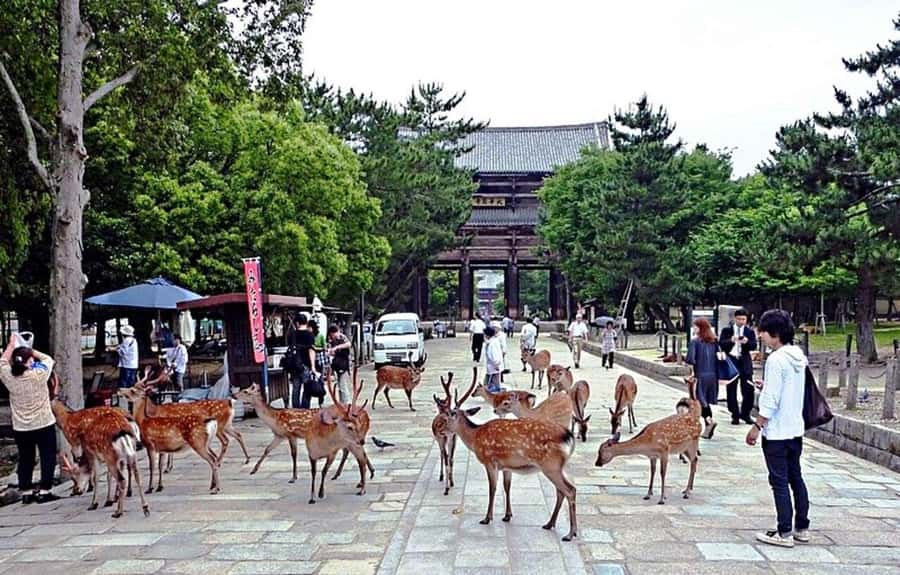
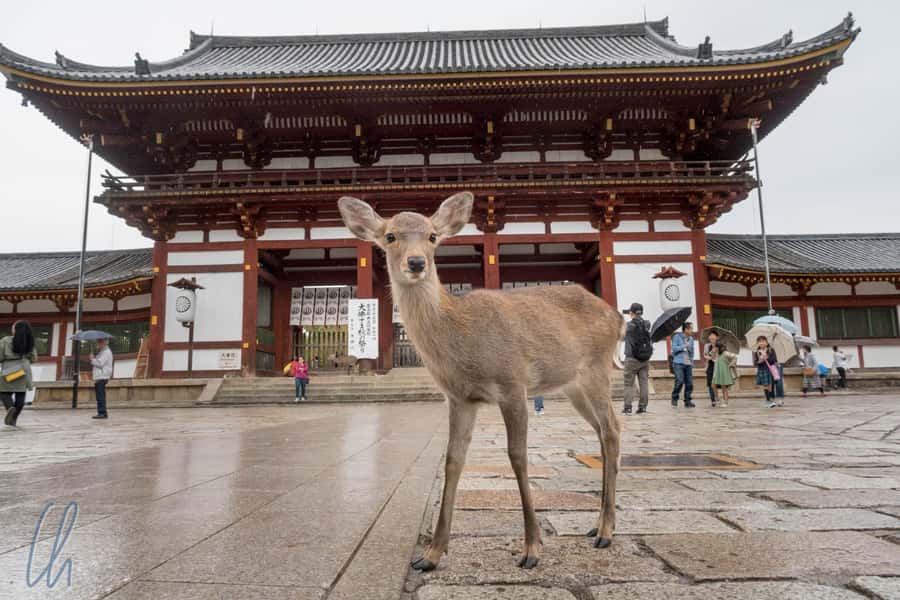
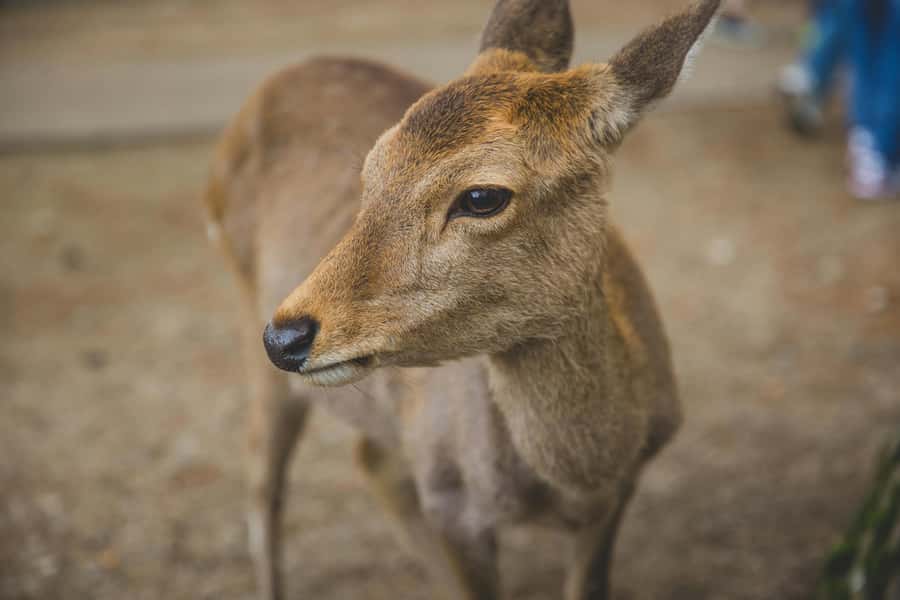
Nara Park is your first big hit. You’ll walk through an area known for hundreds of free-roaming deer, and they’re usually calm as you move through the paths. This is one of the few places where the wildlife is part of the visitor experience, not something you have to search for.
I like that this stop is simple: you’re outdoors, you can pause for photos, and the deer keep the scene lively without needing extra ticket stops. If you’re the type who gets impatient at “check-box tourism,” this part helps your day feel human and not rushed.
How to Make Nara Feel Like More Than a Quick Stop
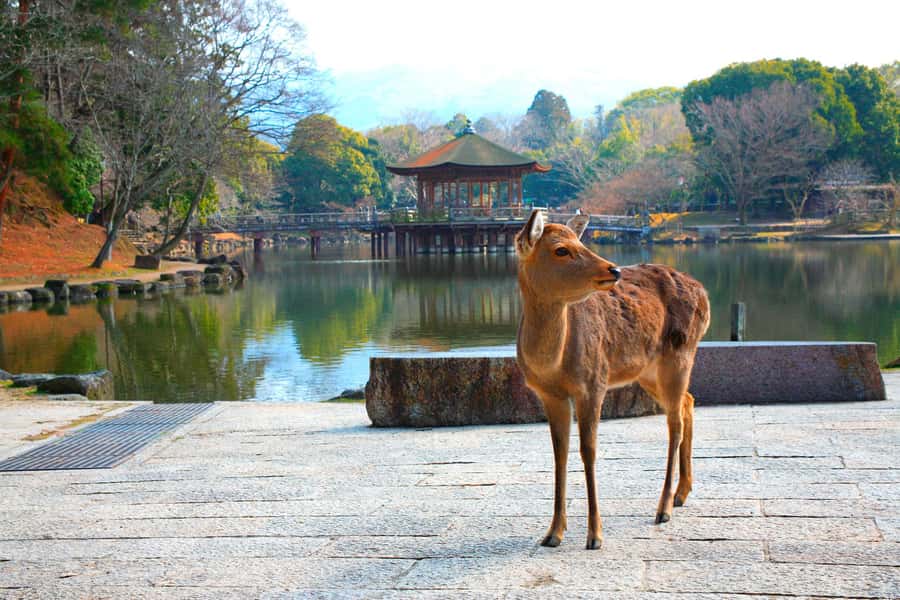
The main risk in any one-day combo from Osaka is uneven timing. In an example shared from an earlier run of the day, Nara time was only about 1.5 hours, while Kiyomizu-dera got closer to 2.5 hours. That doesn’t mean your day will be identical, but it does explain why you should keep your priorities straight.
If Nara is the part you want most, start your mental game early. Focus on your walk, not just the deer. Look at how the park paths flow and where you get open sight lines, so you can grab photos without constantly repositioning.
Also, wear shoes that handle uneven ground. You’ll be on your feet a lot, and Nara Park can include small stretches where your gait matters more than you expect.
Kiyomizu-dera: UNESCO Views and the Otowa Waterfall Stop
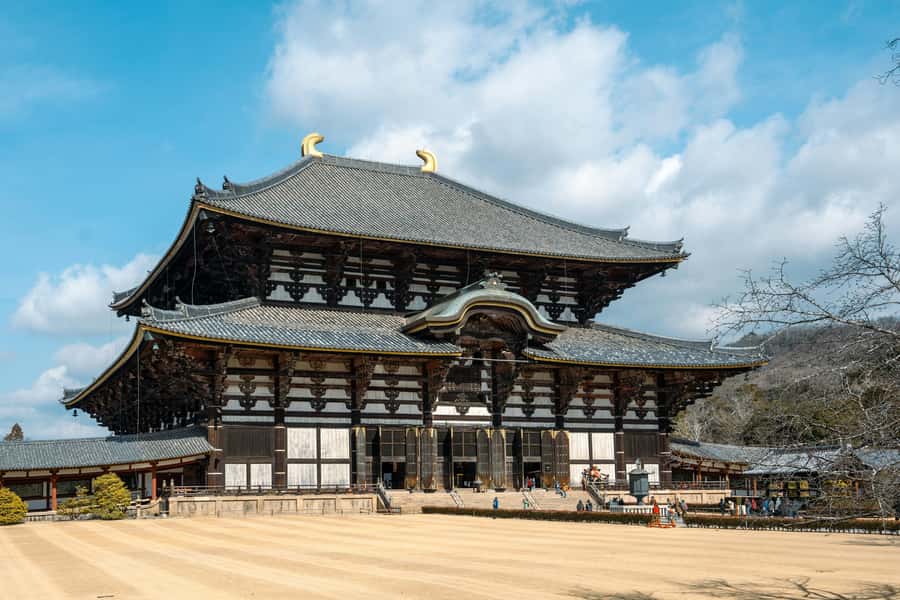
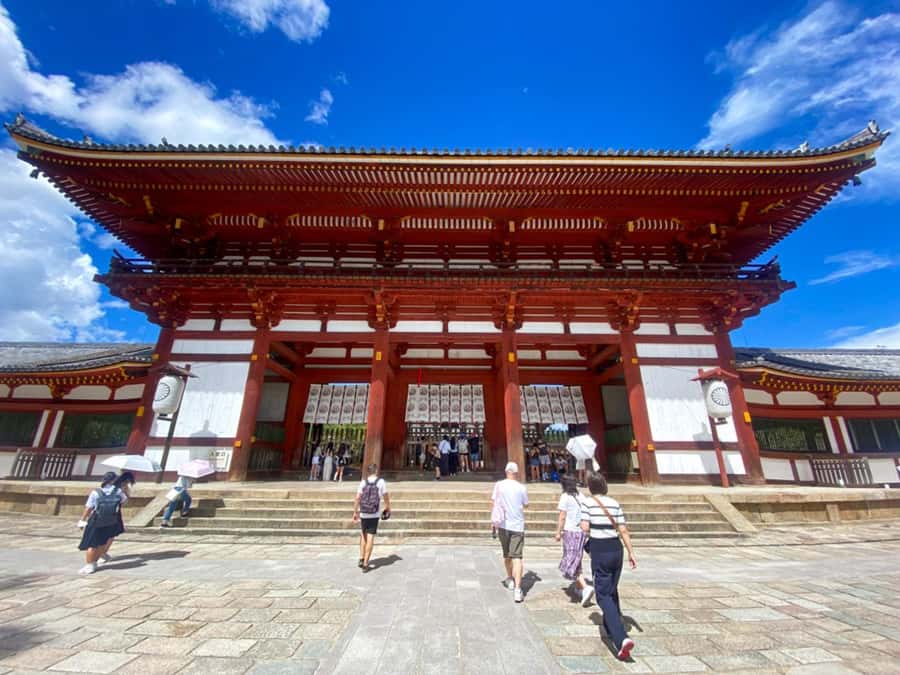
Kiyomizu-dera is the centerpiece. This temple is UNESCO-listed, and the big draw is the impressive complex plus the views from the wooden stage area. You can feel why it became famous: even without knowing the details, the setting gives you that classic Kyoto feeling.
Then you get to the Otowa Waterfall, known for sacred waters believed to grant wishes. This is a great moment for the guide to matter, because you’re not just watching water, you’re watching a living belief system that shapes how people behave at the temple.
Timing matters here. If you arrive with only photo energy, you might miss the small stuff. Pause for a minute, look at the layout, and notice how the space channels movement. That’s where the religion and architecture connection becomes real.
More Shrine and Temple visits in Osaka:
- Osaka Temple Cool Foot Bath & Matcha Experience〈45min〉
★ 4.9 · 82 reviews - Kyoto: Fushimi Inari, Kinkakuji, Bamboo Grove 1 Day Bus Tour
★ 4.8 · 4,316 reviews - Kyoto: Tea Ceremony Ju-An at Jotokuji Temple
★ 4.9 · 3,207 reviews - Tokyo: Meiji Shrine, Asakusa, Skytree Bus Tour and Cruise
★ 4.7 · 1,986 reviews
Sannenzaka and the Old Streets: When Kyoto Turns Slow
After Kiyomizu-dera, you’ll get a walking stretch through historic streets. Expect narrow lanes with traditional wooden buildings, plus shopfronts and tea house style atmosphere along the way. The area around Sannenzaka is especially good for getting your bearings in Kyoto, because the streets feel designed for strolling.
This is also where you can control your pace. Want photos and people-watching? Slow down. Want breathing space and less crowd pressure? Walk a little wider along the edges and take turns stopping.
I like these old-street sections because they make the temples feel less isolated. You see that this area is not only about monuments, it’s also about neighborhood life, commerce, and daily rhythm carried forward in an old setting.
Fushimi Inari Taisha: Red Torii Gates, Then a Mountain Walk
You end with Fushimi Inari Taisha, famous for its long pathways of red torii gates winding up Mount Inari. This isn’t just a photo spot. It’s a walk that gradually changes your perspective as the gates stack farther behind and above you.
The spiritual vibe is part of the point. You’ll feel it more as you move forward instead of stopping every five seconds. If you only want the very first gate area, you’ll still enjoy it, but you may miss the calm that comes from going a bit deeper along the path.
For the best experience, treat it like a gentle hike. Pace yourself, look up between torii frames, and take breaks where the path opens. Comfortable shoes matter a lot here, because even short distances can feel longer when you’re climbing steadily.
Guide Quality: Why This Trip Works Better With the Right Explanations
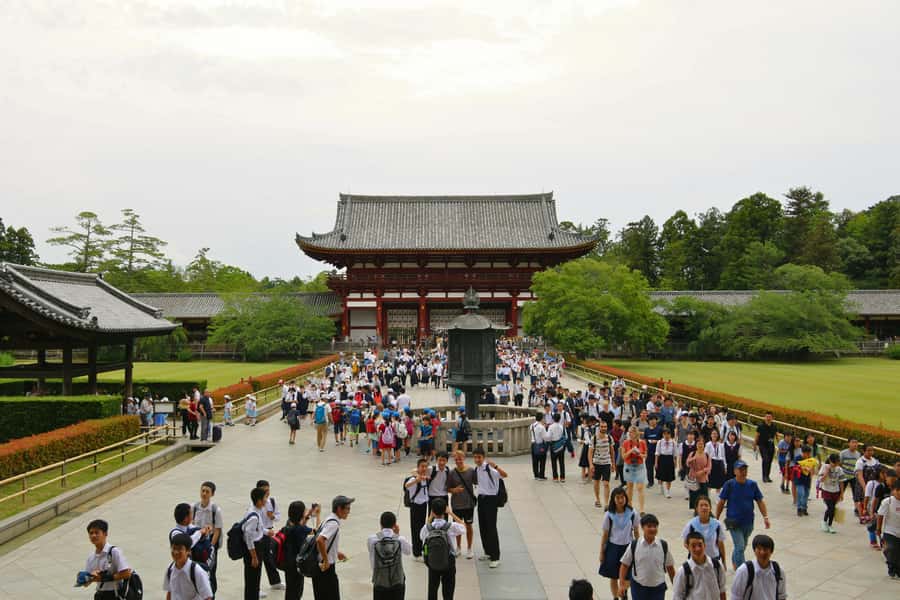
The guide is where this trip gets noticeably better. A key theme from past participants is that guides like Angeles and Alejandro gave clear, fascinating explanations about religion, architecture, and even construction choices behind what you see. That matters because these places can look like scenery if you don’t know what to look for.
I also appreciate that the guide is bilingual (English/Spanish), which helps you get details without waiting for translation through the group. When the guide can switch languages smoothly, you stop losing context, especially at the temple stops where symbols and layout cues matter.
And it’s not just trivia. When you understand why a waterfall is tied to belief, or why a stage is arranged a certain way, the visit sticks. That’s real value, not just “information.”
Price and Value: Is $49 a Good Deal for This Day?
At $49 per person, the value mainly comes from what’s included: a bilingual guide, transportation from the meeting point, and access to Kiyomizu-dera. For a one-day run across multiple famous areas, transport plus guided context usually costs more if you build it yourself, especially when you account for the time you spend figuring routes on your own.
What you should budget for separately is also clear: food and drinks are not included. That means your best strategy is to plan your meals so you’re not stuck hunting for something quickly during the tight parts of the schedule. Bring water, and consider packing simple snack energy if you know you get hungry during long temple walks.
So yes, it’s a solid deal, as long as you accept that the trade-off for covering so much is time spent traveling.
Timing, Weather, and the Order You Might Not Expect
The tour notes that the order of the itinerary and schedules may change due to traffic, weather, or local events. Even when everything runs as planned, this area can slow down without warning. Kyoto traffic, crowd levels near major sights, and weather conditions all affect pacing.
The practical takeaway: treat the day as a flexible flow, not a stopwatch. If you care deeply about a specific stop, prepare mentally for the possibility that you could get slightly less time there on a given day. One earlier run had Kiyomizu-dera at about 2.5 hours and Nara at around 1.5 hours, and it can happen when roads or site flow force adjustments.
What to Bring for Comfort (This Is Not a Shoes-Optional Day)
Bring comfortable shoes, plus a camera, sunscreen, and water. That list is short for a reason. Your feet do most of the work, the sun can be real even on a mild day, and you’ll be glad to have water because meals aren’t included.
Also, keep your day bag simple. You’ll be moving through multiple areas, walking lanes, and stair-like temple approaches. If you’re carrying something bulky, you’ll start wishing it wasn’t there.
And if you’re sensitive to crowding, plan to keep your breathing room. Kyoto temple areas and Fushimi Inari can feel busy, and a relaxed pace helps you enjoy the spiritual and scenic side instead of just surviving the crowd.
Getting What You Want From Each Stop
Here’s the mindset that makes this kind of day trip succeed.
- For Nara Park, focus on the surroundings and the deer interaction, not just one perfect photo. Let the animals move you through the park paths.
- For Kiyomizu-dera, take your time around the stage area and treat Otowa Waterfall as a real moment, not a quick stop.
- For Sannenzaka, walk slow enough to notice the lane details and shopfront rhythm. This part makes Kyoto feel like a lived-in place.
- For Fushimi Inari, plan to walk further than you think. The gates get better as you go, as long as your feet stay happy.
That balance is what turns the day into more than a checklist.
Who This Day Trip Suits Best
This trip is a good match if you want a structured day without building logistics from scratch. It also works well if you enjoy learning what temples and shrines mean, because the bilingual guide is part of the experience, not an accessory.
It might not fit if you hate long coach rides, because the distances are long and you’ll spend some time on the bus. It’s also not suitable for wheelchair users, so plan for stairs and uneven walking routes.
If you want the easiest way to sample Nara and Kyoto’s most recognizable sights in one go, this is a strong option.
Should You Book This Osaka to Nara and Kyoto Day Trip?
I’d book it if you like big sights but also want context. The included guide, the Kiyomizu-dera access, and the mix of deer park, temple, old streets, and shrine gates creates a full cultural sampler without you having to coordinate each hop.
Skip it only if you’re the type who needs strict timing and hates schedule changes. Because the day can shift due to traffic or weather, you should be okay with the possibility of uneven time allocation between stops.
If you show up early, wear good shoes, bring water, and stay flexible, this day trip can deliver exactly what you came for: Nara deer, Kiyomizu-dera views and Otowa Waterfall, and Fushimi Inari’s torii walk.
FAQ
Where do I meet the guide for this Osaka trip?
You meet the guide at the corner of the Osaka Mode Gakuen building. The guide will be waiting with a sign of Amigo Tours.
What languages are the guides?
The tour uses English and Spanish.
What’s included in the tour price?
The included items are a bilingual English/Spanish guide, transportation from the meeting point, and access to Kiyomizu-dera.
Is food included?
No. Food and drinks are not included, so you’ll need to budget for meals on your own.
What should I bring?
Bring comfortable shoes, a camera, sunscreen, and water.
Is this tour wheelchair accessible?
No. It is not suitable for wheelchair users.
Newly listed around Osaka
- From Osaka: Nara Deer & Kyoto Kiyomizudera Sightseeing Tour★ 4.2 · 27 reviews
- From Osaka: Kyoto Private Day Tour★ 3.5 · 9 reviews
- From Osaka: Nara Customizable Private Day Tour★ 4.8 · 8 reviews
- From Osaka: Kobe Private Day Tour★ 4.9 · 7 reviews
- Osaka: Amanohashidate, Ine Bay, Miyama with lunch Day Trip★ 4.1 · 10 reviews
- From Osaka: Hiroshima and Miyajima Day Trip by Bullet Train★ 4.6 · 83 reviews
- From Osaka: 10-hour Private Custom Tour to Kyoto★ 3.8 · 10 reviews
- From Osaka: 10-hour Private Customized Tour to Nara★ 4.0 · 6 reviews
Shrine & Temple Visits, compared.
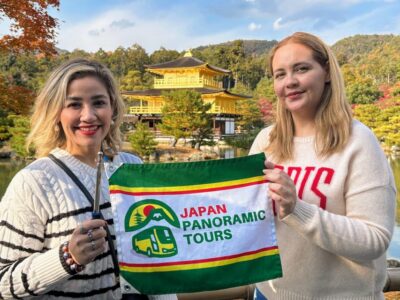
Fushimi Inari, Kinkakuji, Bamboo Grove 1 Day Bus Tour
Read our review →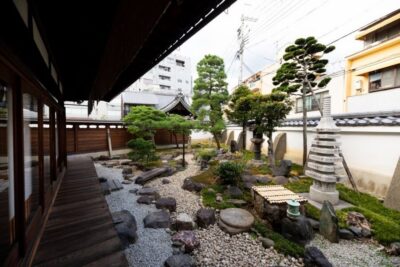

Meiji Shrine, Asakusa, Skytree Bus Tour and Cruise
Read our review →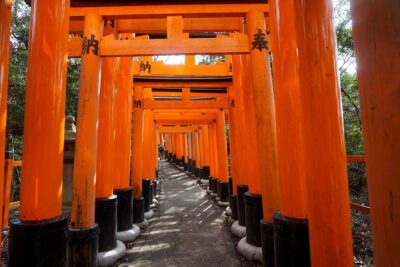
Fushimi Inari Hidden Hiking Tour (Private Option Available)
Read our review →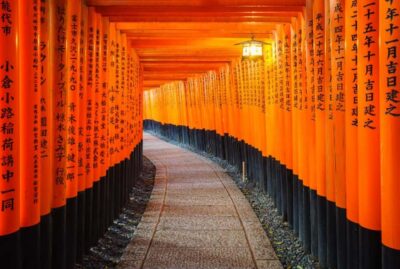
Osaka/Kyoto:Kinkakuji,Arashiyama,FushimiInariShrine,NaraPark
Read our review →
Asakusa Walking Tour with Sensoji Temple Visit
Read our review →
Nikko: Kegon Falls, Lake Chuzenji & Toshogu Temple
Read our review →
Kamakura & Enoshima Day Trip including Temple Tickets
Read our review →Browse the lists this tour appears in