
Review · OSAKA TOURS
From Osaka: Nara Private Tour with Meet-Up at Your Hotel
Nara feels like a reset button from Osaka. You get a private guide named Masa and a smooth plan that swaps city noise for temple halls, deer-filled paths, and photo stops that actually make sense.
Two things I really like: you get Nara Park deer time without stress, and you also get strong context for the big sights, not just a checklist.
One possible drawback: lunch is a stop, not something included in the price, so you’ll need to budget for it.
I like the way the tour mixes the headline sights with calmer pacing. The best moment is the Todai-ji Great Buddha stop, followed by a lighter add-on that helps the day feel complete instead of rushed.
The main thing to consider is that since transportation fees are not included, the total cost can creep up depending on how tickets are handled for your ride.
In This Review
- Key Things I Found Most Worth It
- Why Nara Works So Well as a Day Trip From Osaka
- Hotel Pickup to Train Ride: Keeping the Day Easy
- Higashimuki Shopping Street: A Quick Stop With Local Flavor
- Kofuku-ji Temple: UNESCO Atmosphere and Pagoda Views
- Nara Park Deer Time: Fun, Crowds, and Smart Safety
- Himuro Shrine: A Slower Pause Between Big Stops
- Todai-ji and the Great Buddha Hall: The Moment You Came For
- Yoshikien Garden: Ending on Calm Instead of Fatigue
- Lunch Break: Plan for Food, Not Included Budget Math
- Price and Value: What $140 Covers, and What It Does Not
- What Masa Adds: Translation, Timing, and Extra Care
- Who This Nara Private Tour Is Best For
- Should You Book This Nara Private Tour From Osaka?
- FAQ
- How long is the Nara private tour from Osaka?
- Where does the tour start and end?
- What are the main sights on the tour?
- Is lunch included in the price?
- Are entrance fees included?
- Is the tour private?
- What languages are available?
- How do you get from Osaka to Nara?
- What should I bring?
- Is there free cancellation?
Key Things I Found Most Worth It
- Hotel meet-up and return with Masa, so you are not stuck figuring out the day
- Nara Park deer feeding built into the route, with help so you stay safe around them
- Kofuku-ji Temple and its towering pagoda views, plus guided meaning behind what you see
- Todai-ji Temple and the Great Buddha, the one stop most people come for
- Yoshikien Garden at the end, a nice breather after the busiest temple areas
- A private group setup where Masa can adjust to your pace and preferences
Why Nara Works So Well as a Day Trip From Osaka
Nara is one of Japan’s classic stops, but the trick is timing and navigation. This day trip is built to do the main sights in about 6 hours, with a clear rhythm: travel, guided stops, lunch, more temples and garden, then back to Osaka.
What makes Nara especially worth it here is the mix of big landmarks and everyday atmosphere. You do not just walk through a museum. You move from temple architecture at Kofuku-ji, to the deer roaming around Nara Park, to Todai-ji’s massive Buddha hall, then to a quieter garden finish.
I also appreciate that the tour is private. That matters in Japan. If you have even one slower family member, a solo traveler who needs extra photo time, or teenagers who want explanations tied to something real, private guidance keeps the day from turning into a sprint.
A few more Osaka days to weigh up
- Osaka Go Karting Tour with Funny Costume
★ 5.0 · 2,658 reviews - Osaka Castle: Museum and Tower Entry Ticket
★ 4.5 · 2,380 reviews - Osaka: Shinsekai Food Tour with 13-15 Dishes at 5 Eateries
★ 4.8 · 2,204 reviews
Hotel Pickup to Train Ride: Keeping the Day Easy
The day starts with pickup in Osaka. From there, you take the train for about 70 minutes. When transportation is this central, the biggest win is reducing mental load. You do not have to research routes, match schedules, or worry about being late.
Here is what I think you should expect practically: once you reach the Nara side, you will be walking temple grounds and park paths where crowds can build. In at least one case, Masa used smart timing to help avoid the worst bottlenecks and even help you deal with deer that can get pushy when they think you have food.
One more detail that helps is communication. Several guests noted that Masa shares clear updates in advance, including via WhatsApp. That means you spend less time standing around guessing where everyone is.
Higashimuki Shopping Street: A Quick Stop With Local Flavor
Before you hit the major religious sites, you make a short stop at Higashimuki Shopping Street for about 20 minutes. This is a good move. It acts like a warm-up, and it helps you shift from “Osaka city mode” into “Nara old streets mode.”
With only 20 minutes, you should treat it as a fast orientation. Look around, grab a snack if you want, and use it to reset your brain before temples. Also, since you’ll do more walking later, this is a moment to check your shoes and hydration.
The tour keeps you guided here, so you are not wandering aimlessly. That saves time, especially if you want photos without stopping every five steps.
Kofuku-ji Temple: UNESCO Atmosphere and Pagoda Views
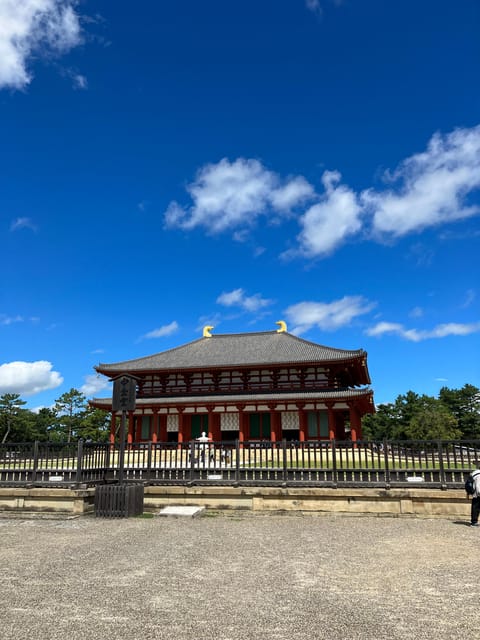
Your first big temple stop is Kofuku-ji, with about 30 minutes on site. It is a UNESCO World Heritage Site, and it is known for the kind of visual drama that sticks with you even after you leave.
The key attraction is the towering pagoda, which the guide frames as a symbol of Nara’s spiritual heritage. That context helps, because you are not just taking pictures of old buildings. You are also learning why the architecture matters and how to read the space as a religious place, not a theme park.
Practical tip: temple grounds can have both open areas and quieter corners. Aim to spend a minute looking up before you start moving fast. Pagodas and rooflines are often the most striking views from a slightly different angle than you expect.
If you have limited time, this is the place where a guide earns their fee. The difference between seeing a complex and understanding what you are seeing is huge at Kofuku-ji.
A different sort of day in Japan:
- Osaka Food Tour: 13 Dishes at 5 Local Eateries
★ 5.0 · 2,149 reviews - Hungry Osaka Street Food Tour:15 Tastings & 3 Drinks with a Local
★ 5.0 · 1,727 reviews - Osaka: teamLab Botanical Garden Entry Ticket
★ 4.5 · 1,710 reviews - Osaka: Tea Ceremony Experience
★ 4.9 · 1,426 reviews
Nara Park Deer Time: Fun, Crowds, and Smart Safety
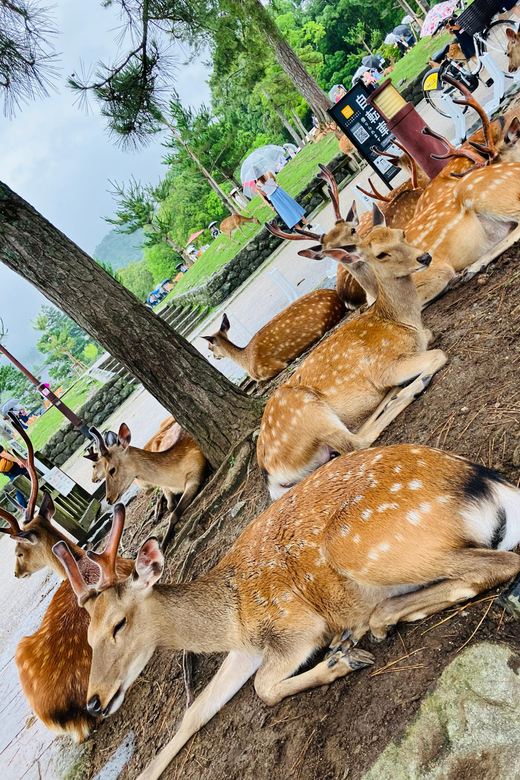
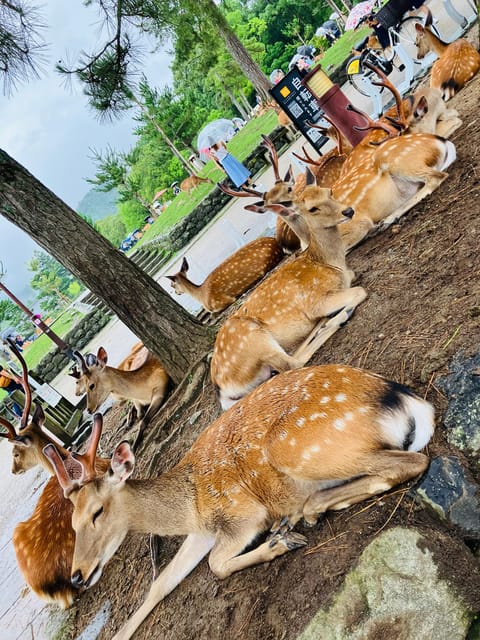
Next up is Nara Park for about 30 minutes. This is the stop people talk about because the deer are literally everywhere, calm one moment and bold the next.
You also get the chance to feed the deer, which is the kind of simple experience that turns into your favorite photo set. Masa’s job here is more than narration. He helps keep the experience smooth, especially around crowds and deer behavior.
Here is what you should plan for:
- Bring water and keep your hands free for feeding, not for juggling your phone and wallet.
- Follow your guide’s instructions about food and distance. Deer can be friendly, but they can also get aggressive when they sense food.
- Expect it to be crowded at peak times, and trust that the guide may reposition you to keep things comfortable.
This part of the day is also a mental break. You are walking on paths with open views toward surrounding mountains. Even if you are not into deer, this is a classic Nara scene that makes the whole trip feel like more than temple hopping.
Himuro Shrine: A Slower Pause Between Big Stops
After the park, you visit Himuro Shrine for about 20 minutes. This stop is smaller than Todai-ji, but that is exactly why it helps.
When your day is built around huge landmarks, a mid-day shrine pause keeps the tour from feeling like nonstop spectacle. It also gives you a different kind of atmosphere, more intimate and reflective.
You will likely move through the shrine area with guided context. In a private tour, that means you can ask quick questions if you care about the meaning of what you see. If you have the kind of curiosity that makes you read signs even when it is not your language, Masa’s explanations will land well here.
Time-wise, 20 minutes is enough to feel you visited something meaningful without turning your day into a marathon.
Todai-ji and the Great Buddha Hall: The Moment You Came For
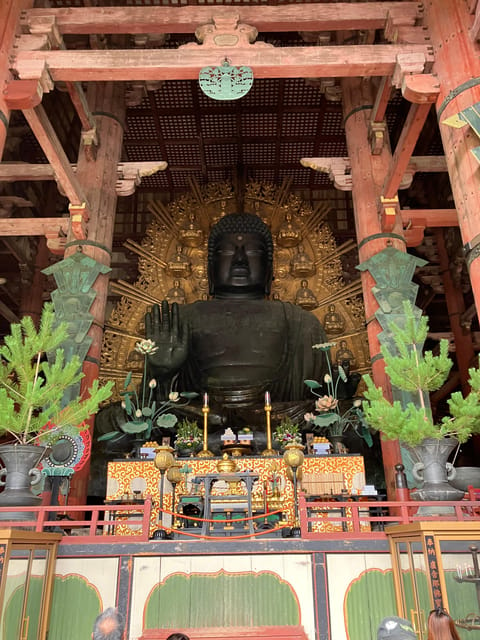
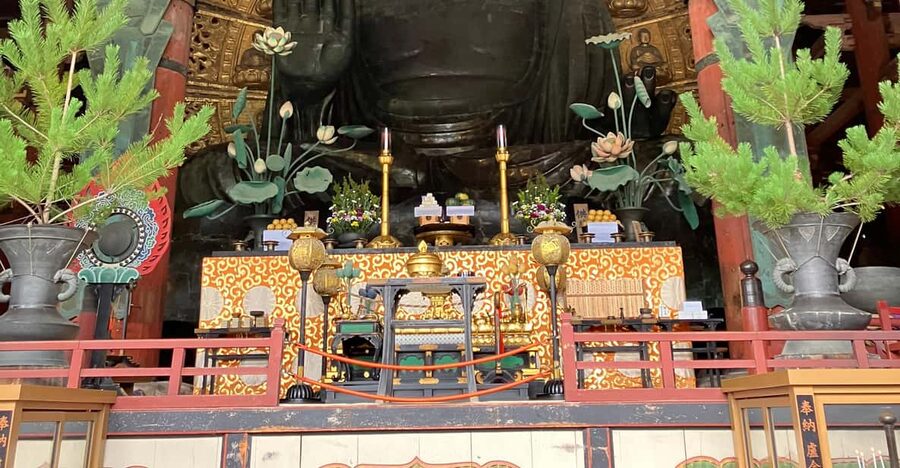
Then it is time for Todai-ji Temple, with about 1 hour on site. This is the highlight that anchors the whole route: Todai-ji is home to the Great Buddha, described as one of the largest bronze Buddha statues in the world.
The scale here is not subtle. Even if you think you know what a big Buddha looks like, the temple hall makes it feel bigger. And unlike some sightseeing that feels like a quick photo and out, Todai-ji benefits from time. You need a few moments to look around, absorb the hall, and then let the guide translate meaning into something you can actually feel.
What I like about placing Todai-ji mid-to-late in the day is pacing. You start with Kofuku-ji and the pagoda, build to deer and open air, then hit the biggest indoor wow moment after that. By the time you arrive, you are primed to notice details.
If you want the best photos, spend time choosing where you stand before you take the first shot. Your angle changes how the statue and hall read, and having a guide means you can move with purpose instead of wandering.
Yoshikien Garden: Ending on Calm Instead of Fatigue
After Todai-ji, you visit Yoshikien Garden for about 20 minutes. This is a smart close to a temple-and-shrine-heavy day.
A garden stop gives you space to breathe. It also gives your eyes a different kind of visual experience after lots of stone, timber, and bronze. If you are traveling with people who get temple fatigue, this is the part that often wins them over because it feels lighter and more open.
Even in just 20 minutes, you can do two things well: take a few calm photos and have a quiet moment without feeling guilty for slowing down.
Lunch Break: Plan for Food, Not Included Budget Math
The tour includes a local restaurant lunch stop for about 1 hour. The important detail is that meals and beverages are not included in the price.
So treat lunch as your one built-in variable. Your total day cost depends on what you choose to order. Masa can help steer you toward good local options, and some guests mentioned he recommended well-liked Japanese barbecue after the tour.
If you want to keep costs predictable, pick a rough budget before you sit down. That way, lunch stays enjoyable, not stressful.
Also, if the deer feeding got your hands busy earlier, lunch is a good reset point to refill water and rest your feet for the final temple and garden stretch.
Price and Value: What $140 Covers, and What It Does Not
At $140 per person for a 6-hour private outing, the value comes from how the tour is packaged.
Included items that drive value:
- Entrance fees to the sites on the route
- Hotel meet-up and return with an English-speaking guide
- A private group setup with an English guide born and raised in Japan (Masa)
Not included:
- Transportation fees
- Meals and beverages
- Optional guide gratuity
That split matters. If transportation is a big add-on for you, the final total will be higher than the headline number. Still, the time savings and guidance are the real reason people book a private day trip. With crowds and deer, Nara is not a “wander and hope” kind of day. Masa helps you move efficiently and understand what you are seeing as you go.
My practical take: if you value having someone manage route flow, protect you from the most annoying crowds, and keep the day coherent, this price starts to make sense fast. If you prefer to travel fully DIY, you might find a cheaper option, but you would trade away the guide-led flow and skip the deer safety help.
What Masa Adds: Translation, Timing, and Extra Care
The tour is built around guided interpretation, and the guide is the difference-maker.
Guests repeatedly highlighted Masa for:
- Clear English explanations
- Engaging conversations, including with teenagers
- Skill at working around crowds
- Help with deer behavior, including avoiding pushy moments
- Photo help, so you do not feel stuck being the group photographer
- Flexibility, including detours and rest checks during the day
One standout practical detail is communication. Masa is described as punctual and organized, and he provides clear updates before the tour. That cuts down on the usual Japan day-trip friction.
If you enjoy travel days where someone helps you notice the meaning behind everyday details, this kind of guiding is worth it. If you only want quick stop photos with minimal talking, a guided private tour might feel like slightly more than you need.
Who This Nara Private Tour Is Best For
This is a great fit if you:
- Want a stress-light day trip from Osaka with hotel pickup
- Care about temple context, not just landmarks
- Are traveling with teens who need explanations made interesting
- Want deer feeding that feels safer and more controlled
- Prefer a private schedule where you can slow down
It is also a solid choice for solo travelers. Private guidance can make crowds feel less chaotic, and you will not end up trying to keep pace with a larger group.
Should You Book This Nara Private Tour From Osaka?
Book it if you want the best of Nara in one focused half-day without playing transportation roulette. The combination of Kofuku-ji, Nara Park deer feeding, Todai-ji, and Yoshikien Garden creates a well-rounded day: spiritual sights, iconic nature, and a calmer end.
Skip or downsize expectations if you are extremely budget-driven and plan to handle everything yourself. Since meals and transportation fees are not included, your final cost will likely be above the base figure. Also, the deer portion can be busy, so you should be ready for close quarters and follow the guide closely.
If you do book, do this: wear comfortable shoes, carry water, and go in ready to let Masa set the pace. You’ll spend less time guessing, more time appreciating.
FAQ
How long is the Nara private tour from Osaka?
It runs for about 6 hours, including train time and guided sightseeing stops.
Where does the tour start and end?
Pickup is from your location in Osaka, and you return to Osaka at the end of the tour with the guide.
What are the main sights on the tour?
You visit Higashimuki Shopping Street, Kofuku-ji, Nara Park, Himuro Shrine, Todai-ji, and Yoshikien Garden, plus a local restaurant lunch stop.
Is lunch included in the price?
Lunch is a scheduled stop, but meals and beverages are not included in the price.
Are entrance fees included?
Yes. Entrance fees to the mentioned sites are included.
Is the tour private?
Yes. It is a private group tour.
What languages are available?
The guide offers English and Japanese.
How do you get from Osaka to Nara?
The route includes a train ride of about 70 minutes each way.
What should I bring?
Bring comfortable shoes, a camera, sunscreen, and water.
Is there free cancellation?
Yes, free cancellation is available up to 24 hours in advance for a full refund.
Newly listed around Osaka
- From Osaka/Kyoto:Private Kyoto-Nara Day Tour★ 4.3 · 6 reviews
- From Osaka/Kyoto:Mount Koya, Wakayama & Nachi Waterfall Trip★ 4.2 · 30 reviews
- From Osaka/Kyoto: Mount Koya & Wakayama Private Day Trip .★ 4.0 · 7 reviews
- From Osaka: Sakai Knife Maker or Blacksmith Walking Tour★ 4.9 · 64 reviews
- From Osaka/Kyoto: Amanohashidate Day Tour【Including tickets】★ 3.7 · 20 reviews
- From Osaka: Private Customized Day Tour to Kyoto★ 4.5 · 20 reviews
- From Osaka or Kyoto: Private Shirakawa-go and Takayama Trip★ 4.7 · 15 reviews
- From Osaka: Private Customizable Day Tour to Kyoto★ 3.7 · 6 reviews
Osaka Tours, compared.
Shinsekai Food Tour with 13-15 Dishes at 5 Eateries
Read our review →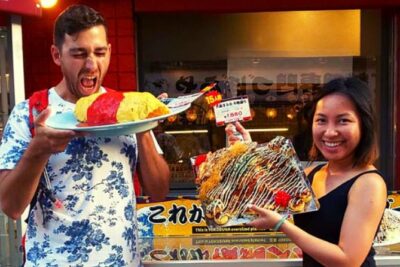
Osaka Food Tour: 13 Dishes at 5 Local Eateries
Read our review →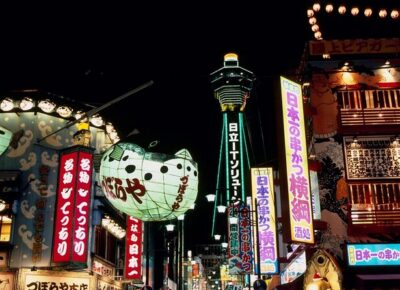
Hungry Osaka Street Food Tour:15 Tastings & 3 Drinks with a Local
Read our review →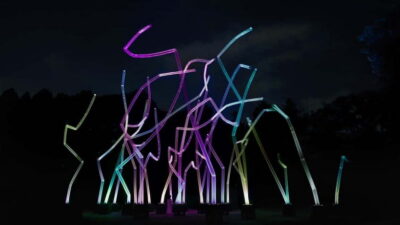
Browse the lists this tour appears in