
Review · SHRINE & TEMPLE VISITS
From Tokyo Kamakura, Hachimangu Shrine and Enoshima Full Day Tour
Kamakura and Enoshima in one smooth day. This full-day tour links Tokyo to Kamakura’s Great Buddha, then threads through the Enoden coastal train ride and Enoshima Island shrines. I especially like the built-in transport, and I like that you still get meaningful time at Komachi Street and the big spiritual stops. One thing to keep in mind, this is a walking day, and some guests note heat and shade can be limited.
Two things I like a lot are the included sightseeing transport and the way the guide turns the stops into stories you can actually remember. Guides often bring humor and context, with several names called out such as Alex, Allan Tan, Peter, Chow, and Leonard, and many guests appreciated how clearly the day stayed organized. The main drawback is that group dynamics and language mix can vary, and one guest complained the day leaned heavily into Chinese at their time.
Plan for a full 10-hour block, and you’ll be set. On weekends and holidays, traffic can push the return later than 8 p.m., and they warn you not to stack other plans afterward. If you’re trying to race from Tokyo to something else that night, build in buffer time.
In This Review
- Key Points That Matter Before You Go
- A One-Day Route That Actually Saves Time
- Kotoku-in Giant Buddha at 13.35 m, Up Close
- Hase Station and the Enoden Ride Along Shonan Coast
- Enoshima Island Shrines: Benzaiten, the Eight-Armed Statue, and Views
- Tsurugaoka Hachimangu: Torii Gates and Samurai-Era Energy
- Komachi Street: Where You Finally Breathe and Snack
- Value Check: What $60.62 Buys You (and What It Does Not)
- Timing, Heat, and Crowd Reality
- Guide Quality Makes the Day or Breaks It
- Who This Tour Fits Best
- Should You Book This Kamakura and Enoshima Full Day Tour?
- FAQ
- What are the main stops on the tour?
- Is the Enoden train ticket included?
- Are admission fees included for every site?
- Is lunch provided?
- How long is the tour?
- What languages do the guides speak?
- Where do I meet the guide?
- Do I need cash for the day?
- Can I cancel for a refund?
Key Points That Matter Before You Go
- Enoden train ticket included, so you can focus on the ride and the coast instead of figuring out fares
- Great Buddha at Kotoku-in plus Tsurugaoka Hachimangu Shrine means you get both iconic sight and spiritual atmosphere
- Air-conditioned vehicle with pickup points around Tokyo/Shinjuku, which helps when you want max time on location
- Enoshima Shrine is free, giving you a chance to wander without another admission hurdle
- This is a walking day, so wear shoes that handle sidewalks and steps
- Bring cash for snacks and spots that may not take cards, some guests specifically recommend having a few thousand yen
A One-Day Route That Actually Saves Time
A good day trip is about choices. This one is about reducing your effort before you even start sightseeing, with an air-conditioned vehicle and pickup from designated points around Tokyo, including Shinjuku. The goal is simple: you check off Kamakura and Enoshima highlights without spending your precious hours on route planning.
The schedule is long enough to feel like a real escape from Tokyo. You start in the morning, then you work your way through Kamakura first, and only later shift to Enoshima Island. You also get guide commentary in English, Mandarin, and Japanese, which matters if you want more than quick photo stops.
One practical note: it’s a shared group tour with a maximum of 40 people. That’s big enough for a lively group, but small enough that the guide can keep the pace moving at most stops.
More Shrine & Temple Visits in Tokyo
- Tokyo: Meiji Shrine, Asakusa, Skytree Bus Tour and Cruise
★ 4.7 · 1,986 reviews - Tokyo: Asakusa Walking Tour with Sensoji Temple Visit
★ 4.8 · 1,583 reviews - Nikko: Kegon Falls, Lake Chuzenji & Toshogu Temple
★ 4.6 · 1,577 reviews
Kotoku-in Giant Buddha at 13.35 m, Up Close
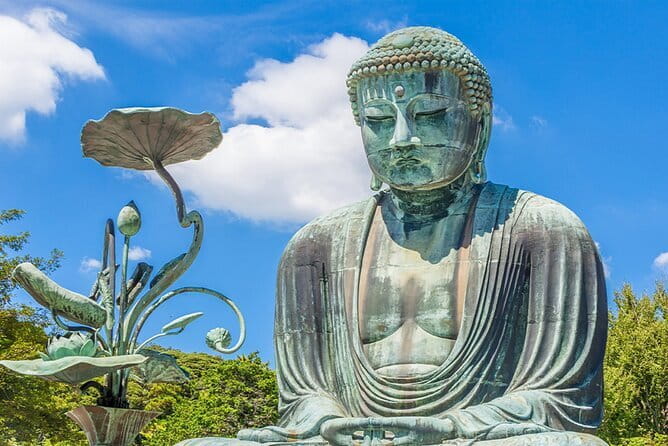
Kotoku-in is the reason most people come to Kamakura, and the main draw is the Great Buddha. The statue is 13.35 m, which sounds like a number until you see it in person and realize your brain needs a second to adjust to the scale. It’s a bronze landmark that clearly signals how central Buddhism is to Japan’s temple culture.
This stop is about a short visit, around 30 minutes. Admission for Kotoku-in is not included, so plan to pay on site. If you hate surprises, keep some yen ready before you arrive, and don’t plan to rely on your card working everywhere.
What I like about this stop for a day trip is the payoff. Even when your time is limited, seeing the Buddha firsthand hits harder than scrolling photos. And because it’s early in the day, you’re more likely to feel like you started strong instead of rushing.
Hase Station and the Enoden Ride Along Shonan Coast
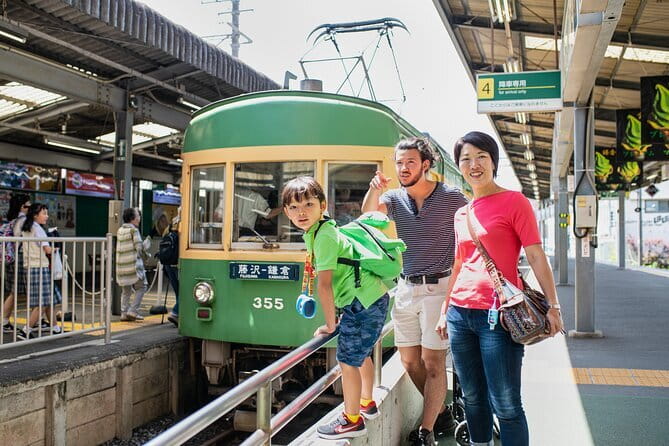
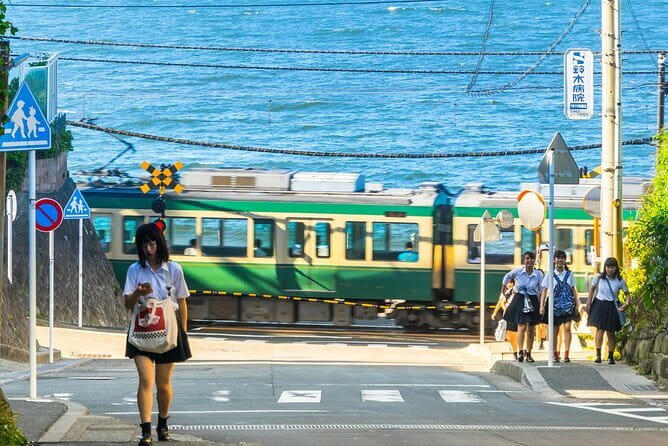
After Kotoku-in, you move toward Hase Station for the Enoden train ride. This is not just transport, it’s part of the experience, with the charm of a line that has been operating for over 100 years. The route passes coastal scenery along the Shonan area, plus views of colorful districts you can spot from the windows.
You’ll spend about 40 minutes here. Importantly, the Enoshima Electric Railway ticket is included, so you avoid the hassle of buying it while you’re already managing a schedule.
One thing to plan for is that the train can get crowded. That’s the tradeoff for a classic local ride on a popular line, especially on busier days. If you’re traveling with cameras, keep your lens ready but your expectations realistic about spacing. The ride is still worth it because it moves you into the seaside mood fast.
Enoshima Island Shrines: Benzaiten, the Eight-Armed Statue, and Views
Enoshima is where the day turns from city sightseeing into something more scenic and exploratory. You’ll head to Enoshima Shrine, which traces back to 552, ordered by Emperor Kinmei. That long timeline matters here, because the island is built around layered shrine and worship spots, not a single museum stop.
At Enoshima Shrine, admission is free, and you’ll spend about 1 hour 50 minutes. The standout described in the itinerary is the wooden colorful eight-armed seated Benzaiten statue. Benzaiten is the goddess tied to music, words, and good fortune, so seeing her figure here gives the island a distinct character.
You’ll also notice the Happo tortoise, another item called out in the stop description. It’s the kind of small detail that makes people smile because it feels playful and specific, not just generic temple scenery.
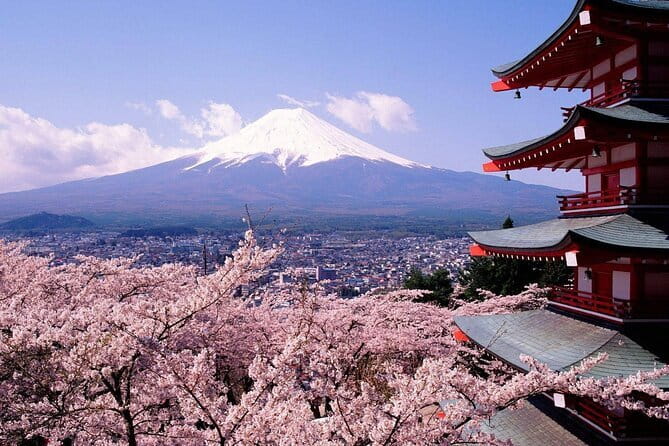
If the day is clear, you might even catch Mount Fuji in the distance, and that was mentioned by a guest who enjoyed exactly that kind of moment. It’s not guaranteed, but Enoshima is the kind of place where “maybe you’ll get lucky” is part of the fun.
This stop is also the one where you get time to roam. Don’t rush through. You’ll get better photos and a more relaxed feeling if you take a few minutes at each shrine area instead of treating it like a checklist.
More Shrine and Temple visits in Tokyo:
- Tokyo: Nikko Toshogu Shrine and Kegon Waterfall Tour
★ 4.5 · 1,266 reviews - Tokyo Panoramic 1 Day: Meiji Shrine, Asakusa, Odaiba and SKYTREE®
★ 4.5 · 1,222 reviews - Asakusa Senso-ji Temple and Old Tokyo Walking Tour
★ 5.0 · 560 reviews - Tokyo: Zen Meditation at a Private Temple with a Monk
★ 5.0 · 510 reviews
Tsurugaoka Hachimangu: Torii Gates and Samurai-Era Energy
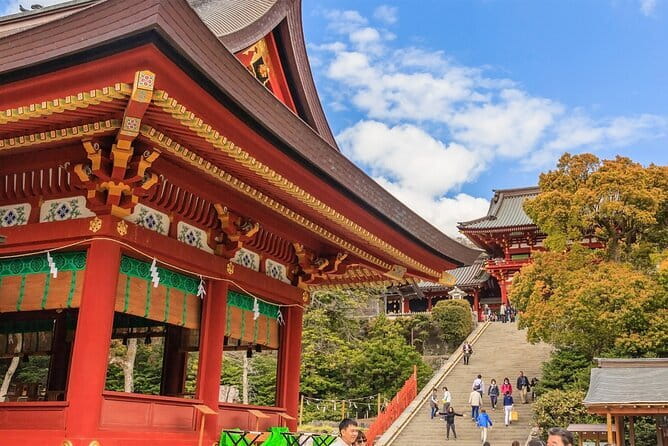
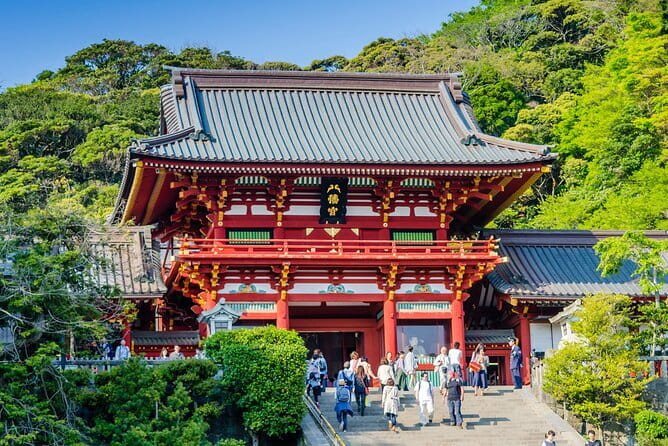
Back in Kamakura proper, the tour heads to Tsurugaoka Hachimangu Shrine, the Shinto shrine tied to samurai heritage and prosperity. This is a 40-minute stop with admission included. Even within the time limit, it tends to land emotionally because it feels like a living center of worship rather than a staged attraction.
You’ll walk through the shrine grounds with a focus on major sights like the torii gates and the surrounding grounds. The shrine is also framed by its role as a historic and cultural symbol, so it’s a different flavor from the Buddha.
What I like about placing this stop after Enoshima is contrast. You shift from island shrine details and sea air to Kamakura’s more formal spiritual setting. The pacing keeps the day from feeling like nonstop moving photos.
Komachi Street: Where You Finally Breathe and Snack
From Tsurugaoka Hachimangu, you’ll end with Komachi Street, a lively old shopping street connecting the shrine area to Kamakura Station. The walk is about 30 minutes, and admission is free because this is street time, not ticket time.
This is the part of the day that works for two different travel styles. If you like browsing, you can browse. If you want a break, Komachi Street is where you can slow down, grab a drink, and reset your feet.
Lunch isn’t included on the tour, so this area can be a convenient place to eat. Just remember the advice about cash, some snacks and small eateries may prefer it. One guest specifically suggested having at least 3,000 yen cash for sites and food, and even noted that an ATM was available around a second bus stop on their day.
Also, Komachi Street can get busy. That’s not a reason to skip it, it’s a reason to plan your pace. Step aside when you need photos, and don’t try to thread through the crowd while holding a camera and a bag at the same time.
Value Check: What $60.62 Buys You (and What It Does Not)
At $60.62 per person, this tour looks like a budget-friendly way to compress a lot of classic stops into one day. The value comes from three things you do not want to price out separately: air-conditioned vehicle transport, a multi-stop route, and the Enoden train ticket.
Where the math gets real is that you are paying for your time savings. You skip the planning headache of juggling local trains plus bus transfers plus tickets, then you spend the day walking and looking instead of commuting.
The main thing not included is lunch. That’s normal for Japan day tours, but it matters for your budget. You’ll also have at least one admission cost outside the package, with Kotoku-in not included. So, think of the tour price as transportation plus guided structure, then add a modest on-the-ground budget for meals and the few extra fees.
If you hate logistics, this tour is likely to feel like a bargain. If you love rail-hopping and DIY planning, you might feel less wowed by the inclusion. Still, the long day plan can be exhausting to recreate on your own, so the group format is a genuine advantage.
Timing, Heat, and Crowd Reality
This is a 10-hour tour, roughly, and it can run late on weekends and holidays due to traffic. The operator even notes that they may cover overtime fees for the guide and driver, but they strongly suggest you do not schedule anything after your return. That’s practical advice, because Japan traffic patterns can be unpredictable when you’re moving across busy corridors.
Crowds are another reality, especially around the train. One guest said the train was crowded, and another mentioned heat and not much shade. You can handle this with simple choices: start early with water, take breaks when you can, and wear sun protection even if the morning looks mild.
Also note that visit times at attractions may be shortened if conditions require it, like crowding or transport delays. That’s not ideal, but it’s a common pressure point for day tours. Your best move is to prioritize what you care about most, then accept that you might not linger forever everywhere.
Guide Quality Makes the Day or Breaks It
The tour is built around a guide who provides commentary, and the feedback shows that guides often go beyond dates and names. Multiple guide names were praised for being fun and organized, including Alex, Allan Tan, Peter, Chow, Leonard, Carter, Armand, and Martin. Common themes were clarity, storytelling, and helpful pacing so the group made it back on time.
Photo help also comes up in the praise. If you care about getting good shots at popular spots, it helps when your guide knows where people cluster and how to position you for better angles.
Language is mostly covered across English, Mandarin, and Japanese. Still, if you are sensitive to language quality, you may want to arrive calm and ready to adapt within a mixed group setting.
Who This Tour Fits Best
This works best if you want a classic Kamakura and Enoshima day without wrestling with routes and tickets. It also fits solo travelers who want company and structure, since it’s a shared group tour and the guide keeps everyone moving.
It’s a good fit if you like a balanced mix of spiritual sights and photo stops. Kotoku-in and Tsurugaoka Hachimangu hit the shrine and temple side, while Enoshima gives you views and a more relaxed roaming feel.
It may be less ideal if you hate walking, or if you want lots of downtime in one place. Between train rides, shrine areas, and the Komachi Street stretch, you will be on your feet.
Should You Book This Kamakura and Enoshima Full Day Tour?
I’d book it if you want maximum “big hits” in one day, with minimal planning stress. The inclusion of transportation plus the Enoden ticket is the core reason it’s worth considering, and the guide-led pacing seems to be the other reason people leave happy.
Skip it or plan carefully if you are sensitive to crowds, heat, or language variability in a mixed group. If you want a slow, independent day with long stays in just one neighborhood, you may find this too structured.
My practical call: if this itinerary sounds like your ideal day and you want the comfort of air-conditioned transport and a guide, book it. Just come prepared with comfortable shoes and some cash, and treat the day as a full sprint followed by a well-earned recharge.
FAQ
What are the main stops on the tour?
The day covers Kotoku-in (the Great Buddha), Hase Station with the Enoden train ride, Enoshima Island including Enoshima Shrine, Tsurugaoka Hachimangu Shrine, and Komachi Street.
Is the Enoden train ticket included?
Yes. The tour includes an Enoshima Electric Railway (Enoden) ticket.
Are admission fees included for every site?
Not all of them. Kotoku-in admission is not included. Hase Station uses an included ticket for the train portion, Enoshima Shrine is listed as free, and Tsurugaoka Hachimangu Shrine admission is listed as included.
Is lunch provided?
No, lunch is not included.
How long is the tour?
It runs about 10 hours (approx.).
What languages do the guides speak?
The guide provides commentary in English, Mandarin, and Japanese.
Where do I meet the guide?
You meet at a designated pickup point. The guide holds a yellow flag with the Gogoday logo, and you should arrive about 15 minutes early.
Do I need cash for the day?
It’s recommended to bring some cash since some scenic spots and restaurants may accept cash only. One guest also recommended having at least 3,000 yen cash.
Can I cancel for a refund?
Yes. You can cancel up to 24 hours in advance for a full refund. If you cancel less than 24 hours before the start time, the amount paid is not refunded.
Newly listed around Tokyo
- Private Tokyo Food Tour – A Journey Through Time Through Food★ 5.0 · 36 reviews
- Private Tokyo Tour with Licensed Guide & Vehicle (Max 15 persons)★ 5.0 · 107 reviews
- Private Tokyo Custom Full-Day Tour by Chartered Vehicle★ 5.0 · 16 reviews
- Private Tokyo Custom Half-Day Tour by Chartered Vehicle★ 4.5 · 13 reviews
- Private Sightseeing to Mt Fuji and Hakone with English Driver★ 5.0 · 51 reviews
- Private Snow Monkeys park Day Trip From Tokyo or Nagano★ 4.5 · 26 reviews
- Private Outstanding Nikko Tour with English Speaking Driver★ 4.0 · 11 reviews
- 4 Day Tour – Mount. Fuji, Tokyo, Hakone, Kamakura and Yokohama★ 5.0 · 19 reviews
Shrine & Temple Visits, compared.
Fushimi Inari, Kinkakuji, Bamboo Grove 1 Day Bus Tour
Read our review →
Meiji Shrine, Asakusa, Skytree Bus Tour and Cruise
Read our review →
Fushimi Inari Hidden Hiking Tour (Private Option Available)
Read our review →
Osaka/Kyoto:Kinkakuji,Arashiyama,FushimiInariShrine,NaraPark
Read our review →
Asakusa Walking Tour with Sensoji Temple Visit
Read our review →
Nikko: Kegon Falls, Lake Chuzenji & Toshogu Temple
Read our review →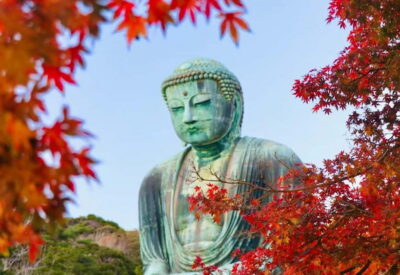
Kamakura & Enoshima Day Trip including Temple Tickets
Read our review →Browse the lists this tour appears in