
Review · SAPPORO TOURS
Full Day Indigenous Ainu of Hokkaido and Jozankei
One day, two parts of Hokkaido. This full-day tour pairs the Ainu Cultural Center at Sapporo Pirka Kotan with a relaxing Jozankei onsen bath, so you get culture and comfort in one tidy plan. I especially like that the visit is hands-on, with plenty of artifacts and crafts you are encouraged to hold and examine.
My other big plus is the guide. In this case, Scott, who is friendly and the kind of translator who keeps the meaning clear, not just the words. The main drawback is straightforward: lunch is not included, so you will want to plan to eat on your own after the onsen time.
In This Review
- Key highlights at a glance
- Ainu Cultural Center at Sapporo Pirka Kotan, where learning is physical
- Your guide makes the stories click, especially with Scott
- The bus ride to Jozankei, Shikotsu-Toya National Park vibes
- Jozankei’s hot springs, 56 sources and 2 hours to enjoy them
- Price and value, what $167.36 buys you
- What might not work for everyone
- Best fit: who should book this Ainu and Jozankei day
- Practical tips for your smoothest day
- Should you book it?
- FAQ
- What time does the tour start?
- Where do I meet the tour?
- How long is the tour?
- What’s included in the price?
- Is lunch included?
- How long is the hot spring experience?
- How big is the group?
- Can I cancel for a refund?
Key highlights at a glance
- Holdable Ainu artifacts and crafts at Sapporo Pirka Kotan
- Scott’s on-the-spot translation and easy group pacing
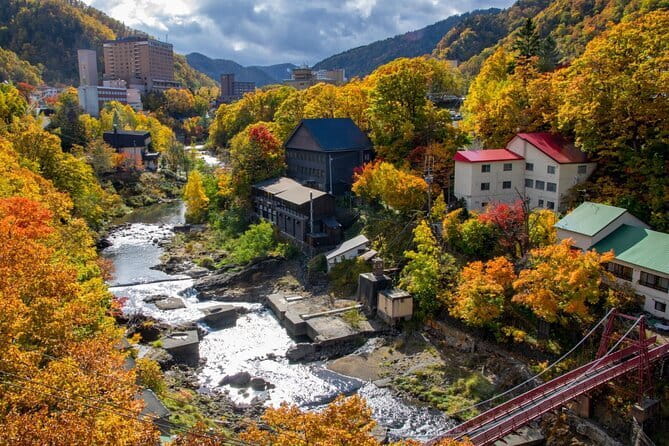
- Jozankei’s onsen village setting near Tsukimibashi and Takayamabashi bridges
- A 2-hour day-bath at Hotel Shika no Yu to warm up properly
- Small group size of up to 15, so questions do not get lost
Ainu Cultural Center at Sapporo Pirka Kotan, where learning is physical
The day starts at Sapporo Station at 9:00 a.m., right in front of the South Exit near the circular stone structure people call Myomu. From there, you head about an hour outside the city to the Ainu Cultural Center, known as Sapporo Pirka Kotan. Think museum plus workshop vibe plus outdoor village, all in one place.
What makes this stop worth your time is that it does not treat Ainu culture like something behind glass. The center is well organized and visitors are encouraged to hold and touch many authentic Ainu handcrafts. That single detail changes the whole feel of the experience. Instead of only reading labels, you get a sense of materials, shapes, and how items are made and used.
Inside, you will see lots of artifacts connected to Ainu life and traditions. The best way I can describe it is that the center gives you a “see it, understand it” flow. You get explanations, then you get to look closer, and sometimes you get to feel the object yourself. That turns a basic sightseeing stop into something you remember.
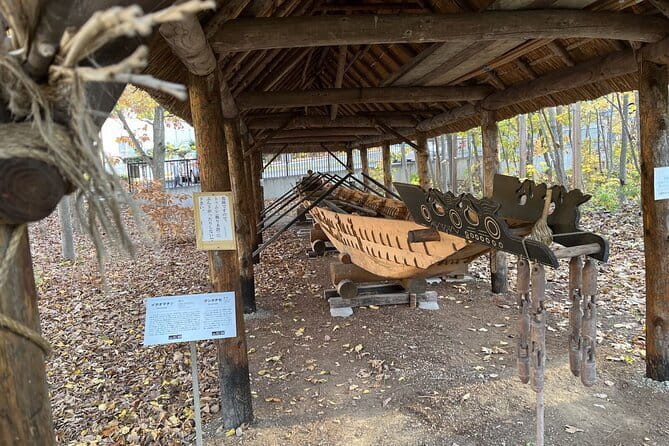
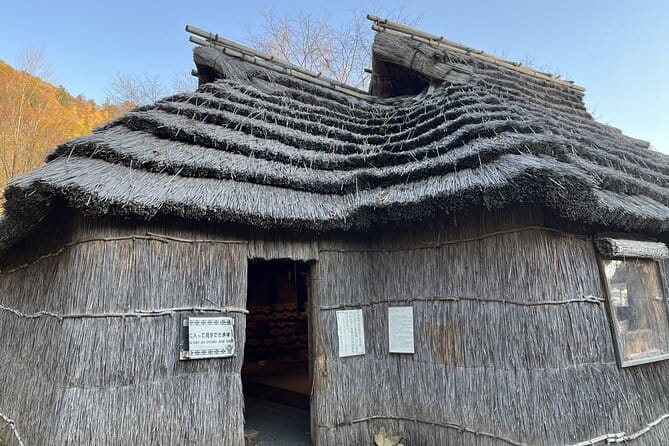
Then there is the outdoor part, with traditional handcrafted houses and canoes. It is one thing to admire an outdoor photo. It is another thing to stand in a recreated setting and notice the layout, the woodworking feel, and how daily life might have worked in that environment. Even if you are not a museum person, this part tends to land because it is visual and practical at the same time.
A small note on expectations: this is not a long walkathon. It is a structured visit, roughly 3 hours at the cultural center, with enough time to explore without feeling rushed. In winter, you can expect cold conditions outside, so wear layers you can remove if you warm up indoors, and bring gloves you can manage while handling items.
A few more Sapporo days to weigh up
- Sapporo Bar Hopping Food Tour
★ 5.0 · 232 reviews - Hokkaido Seasonal: Lake Toya & Noboribetsu Jigokudani Valley
★ 4.7 · 173 reviews - Sapporo Private Tour with a Local – Highlights & Hidden Gems
★ 5.0 · 91 reviews
Your guide makes the stories click, especially with Scott
A huge part of why this tour gets such strong ratings is the guide. Scott comes across as genuinely helpful, not just a person reading facts. He is the kind of translator who can explain context without sounding like a robot. That matters because Ainu culture is not something you can fully understand from a single stop unless the guide helps connect the dots.
The tour runs with an English-speaking guide, and that guide does real work during the day. I like that the experience feels social and attentive, not chaotic. One of the most useful things you get on tours like this is a sense of what to focus on. When you are standing in front of artifacts, it helps to know what questions to ask and what details to notice.
You also benefit from the fact that the group stays small, with a maximum of 15. In practice, that usually means you are not lost in a crowd. You can look at something longer, you can ask a question, and you are not stuck waiting for a line to move just to take a step.
There is also a subtle benefit: if you hit an unexpected travel snag, a good guide can help you think through it. In this case, Scott was described as accommodating when issues popped up outside the tour plan. That is not a guarantee for everyone, but it signals that the guide is paying attention, not just checking boxes.
The bus ride to Jozankei, Shikotsu-Toya National Park vibes
After the Ainu Cultural Center visit, you ride by bus to Jozankei onsen village. This area sits within Shikotsu-Toya National Park, and the change of scenery is real. You go from museum grounds and crafted village houses to a hot spring town built around water, bridges, and a river corridor.
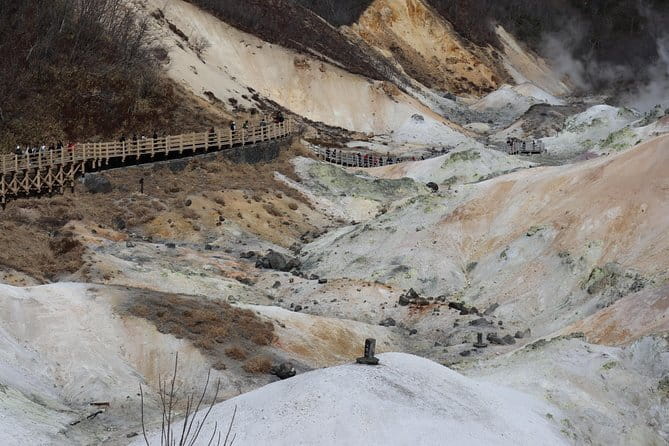
Jozankei is not one giant onsen complex. It is a cluster of hot spring sources and bathing facilities concentrated around specific spots, especially near Tsukimibashi and Takayamabashi bridges along with the Toyohira River. That matters because it shapes how you move through the village. You are not only going to a bath, you are stepping into a place where steam and water are part of the local rhythm.
You get about 2 hours at this stage, which is long enough to slow down, walk around a bit, and get oriented. It is also a good window for photos, simple sightseeing, and letting your brain switch from “cultural learning” mode to “relax mode.”
Practical tip: if you are traveling in colder months, plan on damp air and slick footing near waterways. Wear shoes you trust, and keep your phone protected if there is snow or mist. Your schedule is not extreme, but Jozankei is a place where the weather can surprise you.
Jozankei’s hot springs, 56 sources and 2 hours to enjoy them
This is the “high note” moment of the day, the onsen day-bath at Hotel Shika no Yu. You will have about 2 hours there, and the bathing waters in Jozankei are known for high temperatures, typically averaging 60 to 80 degrees Celsius across many sources.
Before you go in, it helps to know what the number of sources means. Jozankei has 56 hot spring sources, which signals why the village feels so dense with hot water. Instead of one pool at one facility, there are multiple bathing options around town, all connected to the same hot spring world. Even if you only bathe at one hotel, you are still experiencing part of a larger system.
Hotel Shika no Yu is described as reputable, and that choice matters. For many people, the onsen is the main reason to come. A solid hotel bath experience tends to mean smoother logistics, clearer rules, and a calmer atmosphere.
What does 2 hours actually feel like? It usually gives you enough time for the full onsen rhythm: settle in, wash and prepare, soak, then cool down and soak again if the facility allows a second round. You do not feel rushed. You also end up with that pleasantly tired feeling that makes the return bus ride feel easy.
One small detail that people enjoy is that there can be relaxation extras during the day, like a foot bath moment. It is not the same as a full onsen, but it works well as a break after time spent exploring outside.
Also, if you are going when Jozankei is snowy, the town can look extra atmospheric. Even if you are not a photo person, warm steam against cold air is a classic comfort contrast.
A different sort of day in Japan:
- Sapporo: Hokkaido, Noboribetsu and Lake Toya Day Tour
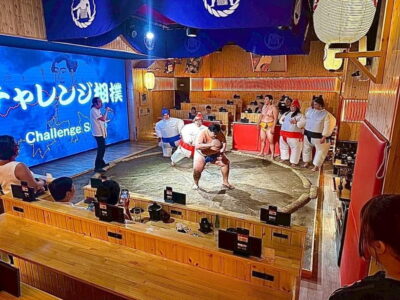
★ 4.1 · 88 reviews - Sapporo: Sumo Show Experience with Japanese food & Photo
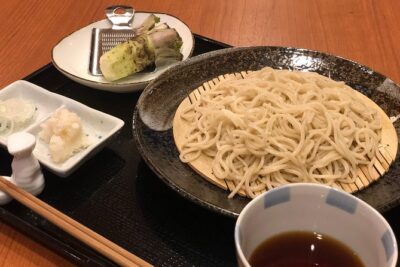
★ 4.9 · 81 reviews - Popular in SapporoExperience authentic hand-made soba at a real soba shop!
★ 5.0 · 77 reviews - Otaru Rickshaw Tour
★ 5.0 · 76 reviews
Price and value, what $167.36 buys you
At about $167.36 per person, this tour is not the cheapest option in Hokkaido. But it often feels fair once you break down what is included.
You get:
- An English-speaking guide for the day
- Bus transportation from Sapporo Station to the cultural center and Jozankei stops
- Admission tickets for each attraction
Then you also get the big-ticket experience, the 2-hour day-bath at Hotel Shika no Yu. That alone is often where day trip pricing starts to make sense, because onsen access is not always easy to line up independently if you want a smooth schedule.
What is not included is lunch, and that is the one part that can change your overall cost depending on where you eat. If you budget for a simple meal near Jozankei, the rest of the day tends to stay predictable.
To me, this is a good value choice if you want two high-quality experiences without the headache of planning transportation and timed entry. It is also a solid deal if you care about context, because the guide time is part of the package, not an add-on you need to search for.
What might not work for everyone
This tour is built for a single-day rhythm: cultural learning first, then hot spring relaxation. That is a win for most people, but here are the two biggest “considerations” to think about:
1) You are tied to the schedule. You start at 9:00 a.m. and you will be back at the meeting point the same day. If you love to wander off-script for long periods, you might wish you had more free time in Jozankei.
2) Lunch is on you. If you are the type who likes to plan food as part of the travel day, you may want to either bring something light or decide where you will eat near the hotel area after your bath time.
Everything else is pretty straightforward: the group is small, the guide handles language and logistics, and the stops are clearly defined.
Best fit: who should book this Ainu and Jozankei day
I think this tour is a strong match if you want:
- A meaningful cultural stop focused on Ainu life, not just a quick photo stop
- A guide who can explain details clearly in English
- A real onsen soak afterward, with enough time to relax
It is especially good if you are short on time in Sapporo. You get a complete day plan that covers two different sides of Hokkaido, cultural understanding and warm water comfort.
If you are only interested in hot springs and you do not care about learning or artifacts, you might feel the first half takes attention away from your main goal. On the flip side, if you only want museums, the Jozankei portion gives you a well-timed break that prevents culture fatigue.
Practical tips for your smoothest day
Here are a few ways to make the day feel easier and more enjoyable.
- Arrive a few minutes early for the 9:00 a.m. meet-up at Sapporo Station, South Exit near Myomu. When you are traveling with a group, early reduces stress.
- Wear warm layers. You will spend time indoors at the center, but you also have outdoor village space and travel time to and from Jozankei.
- Bring something comfortable for the onsen portion. You will be doing a full day-bath experience, so prioritize comfort over fashion.
- Keep your lunch budget in mind. Lunch is not included, so plan to eat near Jozankei before you head back.
- Ask questions at the cultural center. If you want to understand the meaning behind crafts or artifacts, this is the best place to use the guide’s expertise.
Should you book it?
If you like guided learning and you want your day to end with a proper soak, I would book this. The biggest draw is the pairing: Ainu culture with hands-on artifacts, followed by a relaxing Jozankei onsen day-bath at a reputable hotel. Scott’s translation and attention to the group dynamic also make the whole experience feel smooth and human.
Skip it only if you want long stretches of free time, or if you are strictly on a tight budget and do not want to add your own meal cost. Otherwise, this is a high-value day trip for combining learning and relief in Hokkaido.
FAQ
What time does the tour start?
The tour starts at 9:00 am.
Where do I meet the tour?
Meet at MyomuJapan inside Sapporo Station, near the South Exit doors.
How long is the tour?
The duration is about 8 hours.
What’s included in the price?
The price includes an English-speaking tour guide, transportation fees from Sapporo Station to the destinations and activities, and admission tickets to each attraction.
Is lunch included?
No, lunch is not included.
How long is the hot spring experience?
You get a 2-hour day-bath at Hotel Shika no Yu in Jozankei.
How big is the group?
The tour has a maximum of 15 travelers.
Can I cancel for a refund?
Yes. You can cancel up to 24 hours in advance for a full refund. If you cancel less than 24 hours before the start time, the amount paid will not be refunded.
Newly listed around Sapporo
- Snowshoeing and Onsen Adventures in a Winter Wonderland -Sapporo.★ 5.0 · 30 reviews
- Sapporo Private Sightseeing Tour in Onsen with Special Package★ 5.0 · 8 reviews
- Snowshoe Hike Tour from Sapporo include hotel p/up & drop off★ 5.0 · 16 reviews
- Wagashi traditional japanese sweets class★ 5.0 · 49 reviews
- [Sapporo] Go by private car! Takino Cemetery, Hokkaido Shrine, Shiroi Koibito Park★ 4.5 · 10 reviews
- Shikisai-no-Oka and Furano Tour with buffet lunch from Sapporo★ 4.0 · 8 reviews
- Full Day Private Skiing / Snowboarding Tour in Sapporo★ 5.0 · 30 reviews
- Sapporo Afternoon Walking Tour 2h 30mins★ 5.0 · 6 reviews
Sapporo Tours, compared.
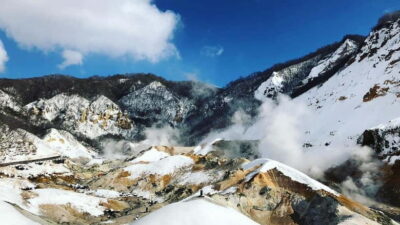
Hokkaido Seasonal: Lake Toya & Noboribetsu Jigokudani Valley
Read our review →
Sapporo Private Tour with a Local – Highlights & Hidden Gems
Read our review →
Popular in SapporoExperience authentic hand-made soba at a real soba shop!
Read our review →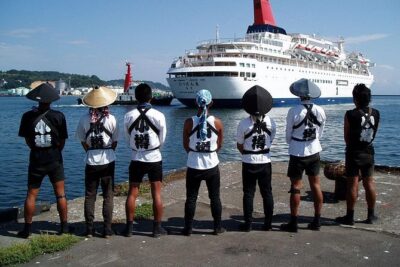
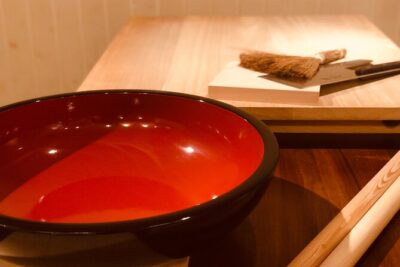
Mondo’s most popular plan! Experience making soba noodles and the king of Japanese cuisine, tempura, in Sapporo!
Read our review →Browse the lists this tour appears in