
Review · DESSERT TOURS
Wagashi traditional japanese sweets class
Wagashi gets personal fast. This hands-on class is run only in Sapporo by Yuki, a widely featured local teacher who brings the tradition of Japanese sweets into her calm, real-life home. You will learn techniques for nerikiri, one of the most delicate wagashi styles, and you will eat your own creations while learning what makes them special.
I love the small-group feel, because you get real attention as you work. I also like that the class is structured and practical, with clear step-by-step guidance, neat cleanliness, and extra written instructions in English so you can remember what you did. Pickup from Makomanai Station is a big help, especially since her home is not right in the center.
The one thing to consider is that this is in the suburbs, so plan for travel time and a bit of effort getting there. The ride out is part of the charm, but if you want a quick in-and-out experience near Sapporo Station, you might feel the distance.
In This Review
- Key Highlights You Should Actually Care About
- Why Yuki’s Sapporo Wagashi Class Feels Different Than a Typical Tour
- Getting to Makomanai Station, Then Out to the River-Home
- Hot Matcha First, Then You Work With Wagashi Like a Pro
- Nerikiri, the Delicate Centerpiece of Wagashi
- What the Class Itself Looks Like (Step by Step)
- Value Check: Is $59.31 Worth It for a 2-Hour Experience?
- Pair It With Sapporo Plans, Not Tourist Routines
- Who Should Book, and Who Might Want Another Option?
- Should You Book This Wagashi Class in Sapporo?
- FAQ
- How long is the wagashi traditional Japanese sweets class in Sapporo?
- Where do I meet for the class?
- Is pickup offered?
- How many people are in the group?
- What sweets will I learn to make?
- Is there written or English support during the class?
- Do I get confirmation after booking?
- Is there free cancellation?
- What is the ticket cost?
Key Highlights You Should Actually Care About
- Only-in-Sapporo host: Yuki teaches this class in Sapporo, and she is known locally through TV, radio, and newspapers.
- Learn nerikiri technique: you work with one of wagashi’s most delicate and beautiful forms.
- Tea moment included: you get hot matcha served in Japanese tea cups before you start cooking.
- English support that lasts: you receive clear instructions, and some written guidance in English to take home.
- Take-home presentation: your wagashi are packed in nice containers before you head back.
Why Yuki’s Sapporo Wagashi Class Feels Different Than a Typical Tour
If you only have a few days in Sapporo, it is tempting to stick with the usual sights. This class is a different kind of experience because it is about craft, not a photo stop. You are stepping into someone’s home, meeting a teacher who is seriously into wagashi, and doing the work yourself.
Yuki’s popularity is not just a marketing hook. She is the kind of teacher people seek out because she explains well, guides carefully, and creates an atmosphere where you can focus. In the small details, you can feel how much she thinks about comfort and flow: everything is set up in advance, the workspace is kept clean, and the lesson moves at a pace that does not rush you.
And yes, it is traditional. Wagashi has been part of Japanese sweets culture for over 1000 years, and the point is not just sweetness. Wagashi is also about seasonal design, color, and shape, so learning the craft helps you understand what you are seeing in shops and seasonal displays across Japan.
A few more Sapporo days to weigh up
- Matcha Making Class in Tokyo with Authentic Japanese Sweets Set
★ 5.0 · 744 reviews - Matcha Making Class in Osaka with Authentic Japanese Sweets Set
★ 5.0 · 509 reviews - Tokyo: Matcha Making Experience with Mochi Sweets in Asakusa
★ 4.9 · 388 reviews
Getting to Makomanai Station, Then Out to the River-Home
The meeting point is Makomanai Station in Sapporo. The experience ends back at the same place, so you do not have to worry about figuring out the return bus or train on your own.
What makes logistics easier is the pickup option. Reviews consistently mention Yuki picking people up from the station, which is a huge relief if your Japanese is limited or the route feels complicated. It also makes this class feel less like a scavenger hunt and more like an actual local invitation.
Then you head to her home. The setting is one of the most repeated positives: her house is described as cozy and lovely, and the location is near a beautiful river. Some classes also include a drive through mountainous scenery, which gives you a breather from city noise.
The class size stays small, with a maximum of 12 travelers. That matters more than you might think. Fewer people means more hands-on time, and you are less likely to feel like you are watching from the sidelines.
Hot Matcha First, Then You Work With Wagashi Like a Pro
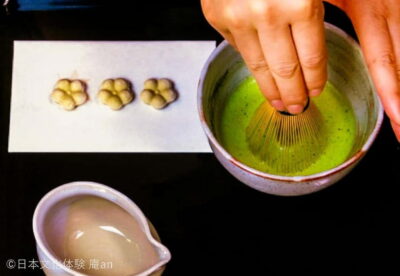
The class starts with a tea welcome. You are served hot matcha in Japanese teacups, which sets the tone right away. It is a simple moment, but it anchors the experience in everyday Japanese hospitality rather than a showroom.
From there, you move to the wagashi-making table. This is not just shaping candy. You learn how delicate the technique is supposed to be, and you practice the details that make wagashi look refined. You will also learn the background behind what you are making, which helps you appreciate the steps instead of treating them like random motions.
A common thread in feedback is that Yuki’s instructions are clear and practical. People describe her as patient, and the guidance is designed so you can correct your technique while you are still working. You also get written English instructions, which helps you avoid that classic travel problem, where you remember the taste but forget the method.
If you are bringing kids, this can work well too. One review mentions that children were able to learn carefully and enjoy the process, which suggests Yuki adapts to the group energy while keeping standards high.
Nerikiri, the Delicate Centerpiece of Wagashi
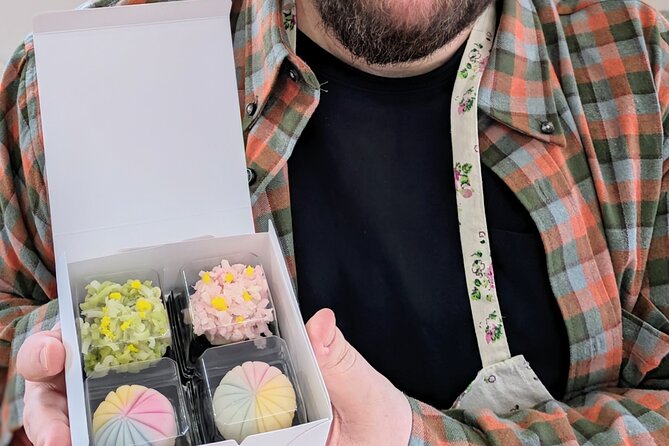
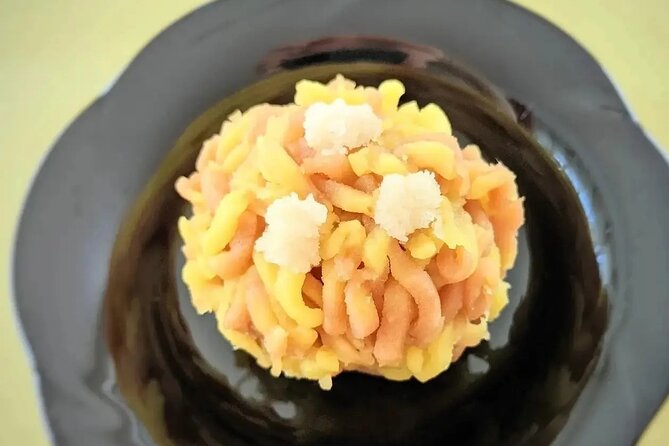
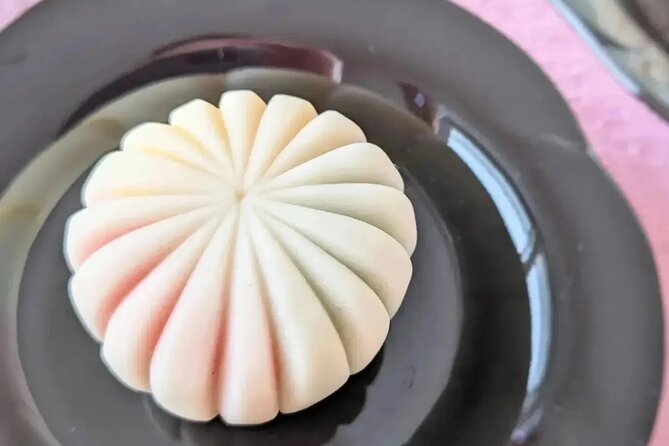
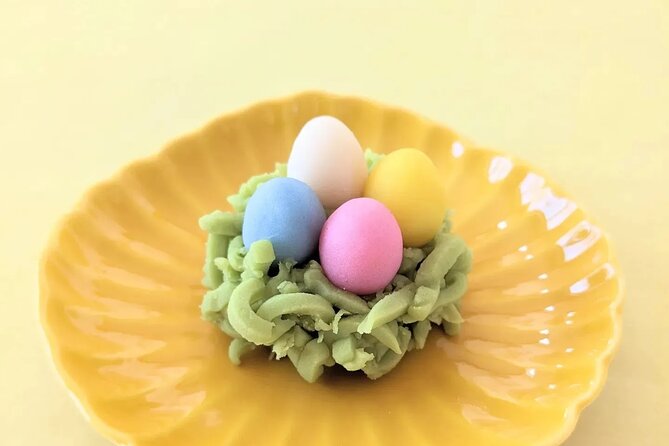
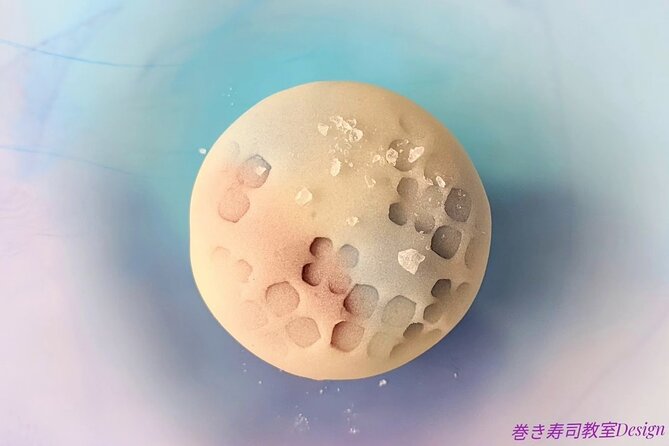
The big technical star here is nerikiri. The overview states that you learn how to make it, and that is a great choice if you want to do something you cannot fake with simple dessert skills. Nerikiri is known for detailed shaping and a smooth, refined look, so it rewards patience and focus.
Wagashi overall is designed around elegance as much as flavor. The class explanation highlights that wagashi adds color tied to the season and has an elegant sweetness rather than a heavy, dessert-sugar vibe. That matters when you compare it to western sweets. If you like subtle flavors and careful presentation, wagashi fits your style.
In practice, the nerikiri lesson teaches you the feel of the process. You are shaping materials that respond to your touch, and you are learning how to manage small steps without rushing. This is why people who say they found the class relaxing often mean it. The work slows your brain down in a good way.
You will likely make more than one sweet during the session. One review specifically mentioned making two kinds of sweets, two of each, and they were beautiful and delicious. I cannot guarantee every session is identical, but it is a solid sign that you should expect variety within the same 2-hour structure.
A different sort of day in Japan:
- Sapporo Bar Hopping Food Tour
★ 5.0 · 232 reviews - Hokkaido Seasonal: Lake Toya & Noboribetsu Jigokudani Valley
★ 4.7 · 173 reviews - Sapporo Private Tour with a Local – Highlights & Hidden Gems
★ 5.0 · 91 reviews - Sapporo: Hokkaido, Noboribetsu and Lake Toya Day Tour
★ 4.1 · 88 reviews
What the Class Itself Looks Like (Step by Step)
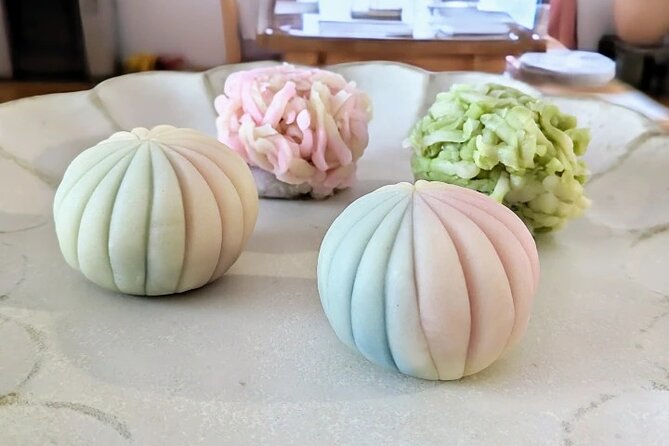
Here is what your 2-hour, small-group flow generally looks like:
First, meet at Makomanai Station. If you have the pickup option included, you will be brought to Yuki’s home. The timing is simple, and the return trip goes back to the same meeting point.
Next comes tea. Expect hot matcha in Japanese tea cups, plus time to settle in. This is a good moment to ask questions about Sapporo life and what to do next, since Yuki tends to share local recommendations.
Then you start cooking. You work at the table while Yuki explains each technique. You will get oral guidance in English, and you also receive written English instructions so you can follow along and keep the notes after.
Along the way, you learn what you are making. Some feedback mentions Yuki giving history and context about the sweets you are shaping. That turns your finished wagashi from just a pretty snack into something you can talk about and recognize later in Japan.
Finally, you pack up. Your sweets are packed in nice containers for you to take home. That last part is more than convenience. Wagashi can look fragile, and good packing helps it stay beautiful through your day.
At the end, you return to Makomanai Station, so you can continue your Sapporo schedule without adding extra transportation stress.
Value Check: Is $59.31 Worth It for a 2-Hour Experience?
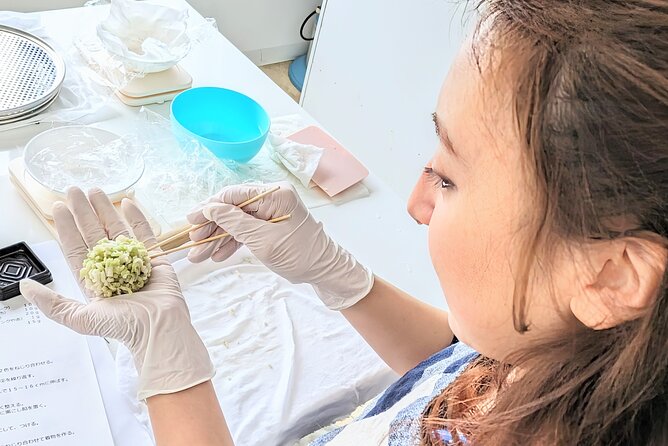
Let’s talk value, because $59.31 is not “free,” but it also is not out of line for a hands-on craft lesson in Japan.
You get several value boosters at once:
- Small group size (max 12), which supports real coaching.
- Pickup option from Makomanai Station, which can otherwise eat your time and energy.
- Tea service (hot matcha in Japanese tea cups).
- Hands-on materials and instruction, centered on a technical skill like nerikiri.
- English support, including written instructions.
- Take-home containers so your sweets arrive looking good.
If you compare that to buying wagashi in a shop, your money is paying for the experience and skill transfer, not just the dessert. And the skill transfer is the point. After a class like this, you can spot wagashi styles more intelligently when you visit cafes and seasonal displays, instead of treating everything as “pretty sweets.”
One more value angle is the location. The class happens away from the city center, which may cost you a bit of travel time, but it gives you a quieter, more local setting. You trade convenience for authenticity, and many people find that trade is exactly what they wanted.
Pair It With Sapporo Plans, Not Tourist Routines
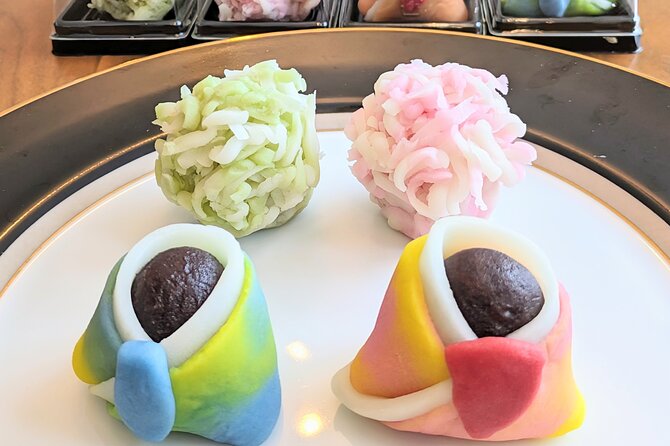
This class is a great contrast to the normal Sapporo rhythm. If your days are packed with viewpoints and shopping streets, wagashi-making gives you a calmer, more focused activity that still feels cultural.
The experience can also fit nicely into your timing. With an approx. 2-hour duration, you can often place it between meal plans without losing the whole day.
If you are the kind of person who likes a two-for-one food theme, Yuki also offers a flower sushi roll class. The info specifically notes that the sushi roll class is easier than this Japanese sweets class. It is a smart option if you want a similar “learn at home” feel but with a different skill set, especially if you feel sweets might be too finicky for your comfort level.
And if you are looking for something fun later in the evening, there is also mention of a snack experience in Susukino. I would treat that as a separate idea, but it is a reminder that the broader area has plenty of low-pressure, social options after a craft class.
Who Should Book, and Who Might Want Another Option?
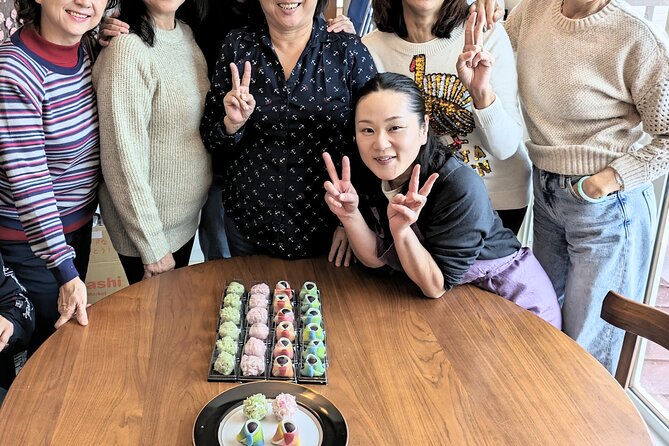
You should book this wagashi class if you want:
- A true local home experience rather than a big group show
- To learn nerikiri and understand the craft behind it
- A small, calm activity that feels thoughtful, not hectic
- English-friendly instructions and written notes
You might want to reconsider if:
- You hate travel outside Sapporo city center and want everything within a short walk of the main transit hubs
- You only want quick, passive sightseeing, because this is hands-on work that asks for attention
For couples, it is a relaxing shared activity. For solo travelers, the small group size and Yuki’s welcoming style make it easier to feel included. For families, it can be a meaningful cultural activity that keeps kids engaged with shaping and tasting.
Should You Book This Wagashi Class in Sapporo?
Yes, if your idea of a great Sapporo day includes learning a craft, not just consuming sights. The biggest reason is the combination of Yuki’s expertise, the small-group approach, and the fact that you learn a technically delicate sweet like nerikiri. Add in the matcha tea welcome, the English support with written instructions, and the return pickup routine, and it becomes a well-balanced experience for the price.
Book it early enough in your trip because it is scheduled and can sell out. If you have limited time and you really want to maximize the “Japan I do not see at home” feeling, this is one of the cleaner ways to do it.
FAQ
How long is the wagashi traditional Japanese sweets class in Sapporo?
The class lasts about 2 hours.
Where do I meet for the class?
You start at Makomanai Station in Sapporo and the activity ends back at the same meeting point.
Is pickup offered?
Yes, pickup is offered.
How many people are in the group?
The class has a maximum of 12 travelers.
What sweets will I learn to make?
You learn how to make nerikiri, a traditional Japanese wagashi. The class is also described as covering Japanese sweets more broadly.
Is there written or English support during the class?
Yes. Instruction is provided in English, and written English instructions are also provided.
Do I get confirmation after booking?
You receive confirmation within 48 hours of booking, subject to availability.
Is there free cancellation?
Yes. You can cancel for a full refund up to 24 hours before the experience starts.
What is the ticket cost?
The price is $59.31 per person.
Newly listed around Sapporo
- Snowshoeing and Onsen Adventures in a Winter Wonderland -Sapporo.★ 5.0 · 30 reviews
- Sapporo Private Sightseeing Tour in Onsen with Special Package★ 5.0 · 8 reviews
- Snowshoe Hike Tour from Sapporo include hotel p/up & drop off★ 5.0 · 16 reviews
- [Sapporo] Go by private car! Takino Cemetery, Hokkaido Shrine, Shiroi Koibito Park★ 4.5 · 10 reviews
- Shikisai-no-Oka and Furano Tour with buffet lunch from Sapporo★ 4.0 · 8 reviews
- Full Day Private Skiing / Snowboarding Tour in Sapporo★ 5.0 · 30 reviews
- Sapporo Afternoon Walking Tour 2h 30mins★ 5.0 · 6 reviews
- Horseback-Riding in a Country Side in Sapporo – Private Transfer is Included★ 4.5 · 7 reviews
Dessert Tours, compared.
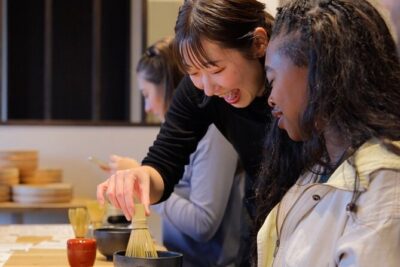
Matcha Making Class in Tokyo with Authentic Japanese Sweets Set
Read our review →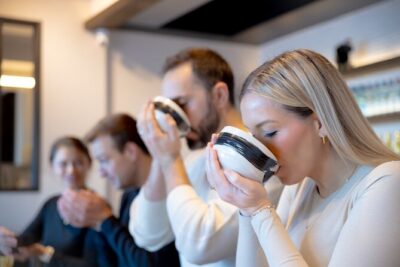
Matcha Making Class in Osaka with Authentic Japanese Sweets Set
Read our review →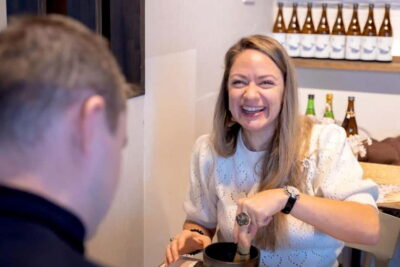
Matcha Making Experience with Mochi Sweets in Asakusa
Read our review →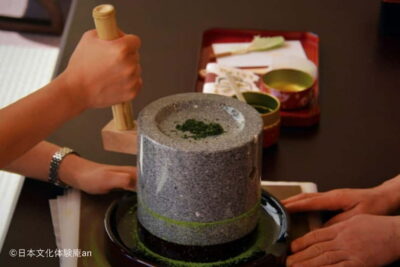
Japanese Traditional Sweets Making and Tea Ceremony
Read our review →
Japanese Traditional Sweets Making and Tea Ceremony
Read our review →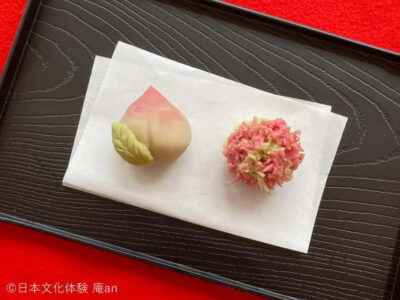
Japanese Traditional Sweets making and Tea Ceremony
Read our review →
Kyoto Wagashi(Japanese sweets) Cooking Class near Fushimiinari
Read our review →Browse the lists this tour appears in