
Review · MUSEUMS
Guided Half-day Tour(AM) to Noritake Garden & Toyota Commemorative Museum
Two corporate museums, one tight half-day. I like the contrast between Noritake Garden and the Toyota museum, and I love how the tour connects their stories to real Japanese making culture. The only drawback is the time is short, so you will want to decide what to linger on.
You get round-trip transportation and a professional guide, starting from Nagoya Station Tourist Information Center at 9:30 am and returning to the same place. With a maximum of eight people, the pace feels controlled, and the English guidance is a big part of the value, as seen in past tours where guides like Aki and Hiro were praised for making the most of museum time.
This is also a fair amount of walking for a half-day, and on some national holidays, an attraction might be closed and swapped for another option.
In This Review
- Key highlights you will feel the moment you step in
- Why Noritake Garden and Toyota make sense together in Nagoya
- Meeting at Nagoya Station, and the small-group pace that matters
- Stop 1 at Noritake Garden: Noritake no Mori in a real headquarters birthplace
- What Noritake Garden adds to the tour beyond photos
- Stop 2: Toyota Commemorative Museum of Industry and Technology
- How monozukuri shows up in both stops (and why that matters)
- Getting value from the $110.76 price tag
- Who this tour is best for (and who should skip it)
- FAQ
- How long is the Guided Half-day Tour (AM) to Noritake Garden and Toyota Commemorative Museum?
- Where do I meet for the tour?
- What time does the tour start?
- What is included in the tour price?
- How many people are in the group?
- Will I need to do a lot of walking?
- What happens if attractions close on national holidays?
- What is the cancellation policy?
- Should you book this Noritake and Toyota half-day?
Key highlights you will feel the moment you step in
- Two brands, one story of making things well: Noritake and Toyota are framed around craftsmanship and industrial vision.
- Noritake Garden feels like a city pause: a calmer setting right on the company grounds.
- Toyota’s museum uses an older factory building: industrial heritage inside the tour stop, not just displays.
- English-speaking guide time is used efficiently: guides like Aki and Hiro are noted for helping you hit the important parts.
- Tickets and a guided plan reduce your guesswork: entrance fees are handled where listed, so you can focus on learning.
Why Noritake Garden and Toyota make sense together in Nagoya
Nagoya can feel like a place you either rush through or plan carefully. This half-day tour is a good middle path. In about four hours, you connect two major companies that shaped everyday life in Japan and beyond, and you see how the idea of monozukuri, making with care, shows up in both art-like products and large-scale manufacturing.
What makes the pairing work is that Noritake starts with materials and design, then Toyota takes you into engineering, factories, and technology. Together, they show the jump from traditional skill to modern systems, without needing a full day of museum hopping.
You also get an urban oasis element. Noritake Garden is on the headquarters grounds, so it is less like a museum visit and more like stepping into a designed space that supports reflection. Then you shift to the Toyota site, where the tone turns practical: how work gets organized, improved, and preserved as industrial culture.
A few more Nagoya days to weigh up
- Nagoya: Toyota Commemorative Museum Guided Tour
★ 4.7 · 22 reviews - Tokyo: teamLab Planets TOKYO Digital Art Museum Entry Ticket
★ 4.6 · 9,779 reviews - Osaka Castle: Museum and Tower Entry Ticket
★ 4.5 · 2,380 reviews
Meeting at Nagoya Station, and the small-group pace that matters
Your tour begins at 9:30 am at the Nagoya Station Tourist Information Center (1-chōme-1-4 Meieki, Nakamura Ward, Nagoya, Aichi 450-0002). The good news is that this is a central meeting point, close to public transit, so you are not fighting logistics before you even start.
The schedule is roughly four hours, and the group size maxes at 8 travelers. That small number matters more than it sounds. You are not stuck in a huge crowd trying to ask questions or catch up with a guide. Also, a smaller group usually makes it easier to manage museum time, which is exactly where the tour gets praise in the real world.
One practical thing to plan for: there is fair amounts of walking. Wear shoes you can tolerate for a steady pace, not just museum sandals. If you are sensitive to walking time, treat this as a museum tour with movement, not a sit-and-smile cultural outing.
Stop 1 at Noritake Garden: Noritake no Mori in a real headquarters birthplace
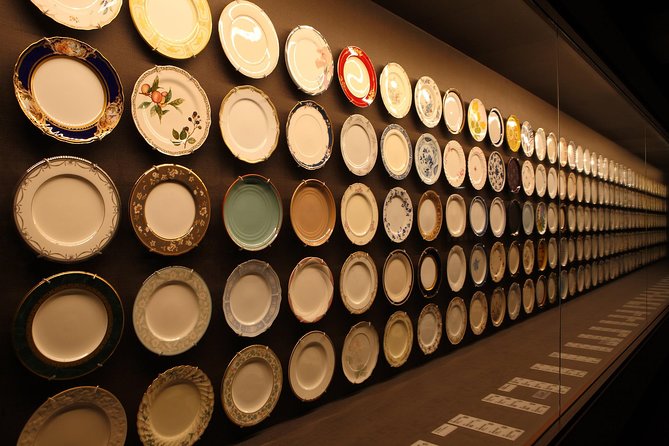
Noritake no Mori is the first stop, and it is a thoughtful one. It is tied to the 100th anniversary of Noritake Co., Limited., when Noritake Garden opened on October 5, 2001. Even better, it sits on the premises of Noritake’s headquarters, described as the birthplace of modern pottery.
That detail changes the vibe. You are not just looking at a brand. You are stepping into the physical starting point of a company identity that grew from pottery into a broader mix of tableware and technology.
You will have about 1 hour here, and the admission ticket is free. That makes the stop feel low-pressure. Spend your hour on the areas that align with your interests. If you love design, focus on product history and the way Noritake’s materials and style evolved. If you are more into technology, keep your eye on how the company’s story expands beyond ceramics.
A fair consideration: because it is an hour, you will not get a slow, wandering pace. Noritake no Mori works best when you come in with a simple plan, like deciding you will either scan exhibits for the big timeline or slow down for a smaller number of deeper areas.
What Noritake Garden adds to the tour beyond photos
Noritake Garden is often described as an urban oasis, and I get why. Even though it is tied to a company campus, the space helps you reset your brain. You are between big, structured storytelling at Toyota and quieter brand context at Noritake.
For me, the most useful part of this stop is the framing. Noritake provides a grounding in origins, the idea of craft starting with materials and hand skill. Once you have that in your head, the Toyota museum later lands differently, because you start connecting the dots between craft discipline and industrial scale.
Also, this stop is free on the ticket side, so it feels like you are not paying extra just to fill time. You are spending the time you already paid for in a way that builds context for the next stop.
A different sort of day in Japan:
- From Nagoya: Gujo, Hida Takayama, and Shirakawa-go Day Tour
★ 4.4 · 398 reviews - Ghibli Park 1-Day Bus Tour from Nagoya
★ 4.5 · 277 reviews - From Nagoya: Hida Takayama & Shirakawa-go Tour w/Opt. Lunch
★ 4.5 · 256 reviews - Hiking the Historic Nakasendo Trail [1 Day Tour from Nagoya]
★ 5.0 · 104 reviews
Stop 2: Toyota Commemorative Museum of Industry and Technology
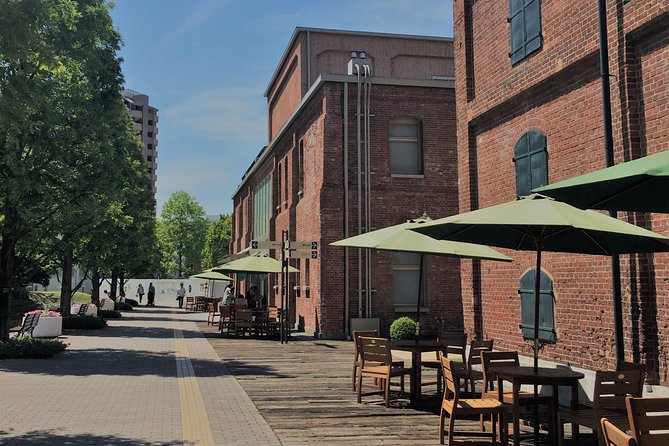
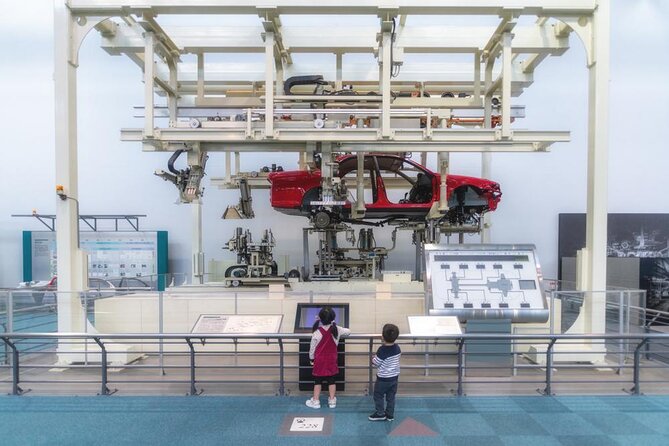
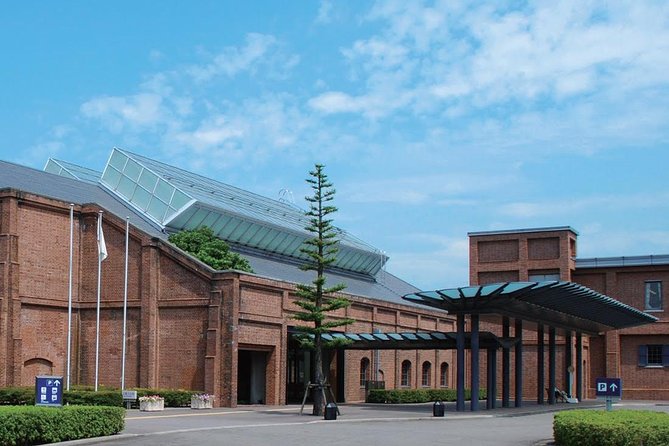
The second stop is where the tour shifts gears. The Toyota Commemorative Museum of Industry and Technology preserves and uses a factory building from the Taisho era, dated 1912 to 1926. That means you are not only seeing a history exhibit, you are walking inside a piece of industrial heritage tied to Toyota’s group birthplace.
You get about 1 hour 30 minutes here, and the admission ticket is included. That extra time compared with Noritake is a hint at where the tour puts its main storytelling weight.
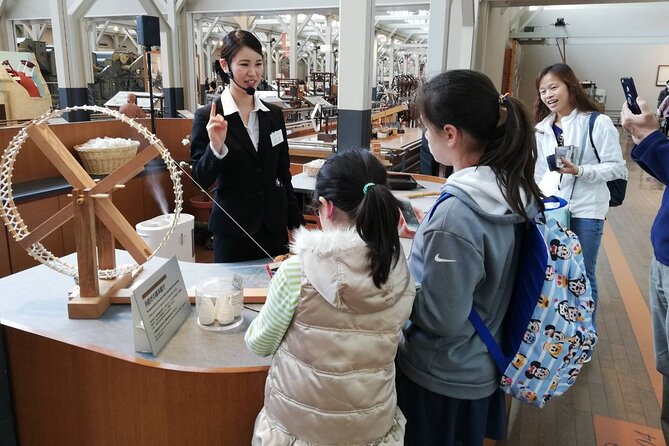
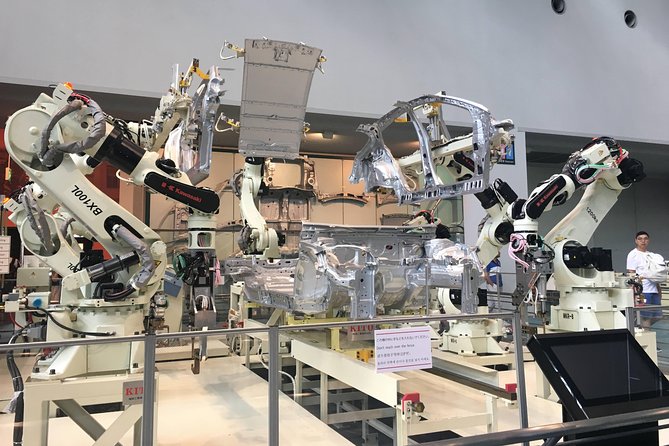
The museum is built to show how Toyota’s roots and industrial direction evolved. A useful detail from past English-guided tours is that the guide often highlights the growth from textiles into automobiles, so you can see Toyota’s path as a process, not a single jump. You also get exhibitions centered on industry and technology, and you may catch live demonstrations as part of the experience, based on the tour overview.
What you should watch for during your visit:
- The way the building itself supports the story. The Taisho-era structure makes the past feel physical.
- The timeline feel of the exhibits. The goal is to understand how changes happened, not just what came next.
- Any demonstration moments. If something is happening live, that is your best chance to ask questions.
Possible drawback here: museums can tempt you to read every label. With a guided schedule, you will get more out of choosing key areas. If your guide is strong, they will help you focus on the important sites and keep you moving efficiently, like the tours led by Hiro that were praised for showing the key locations in both museums.
How monozukuri shows up in both stops (and why that matters)
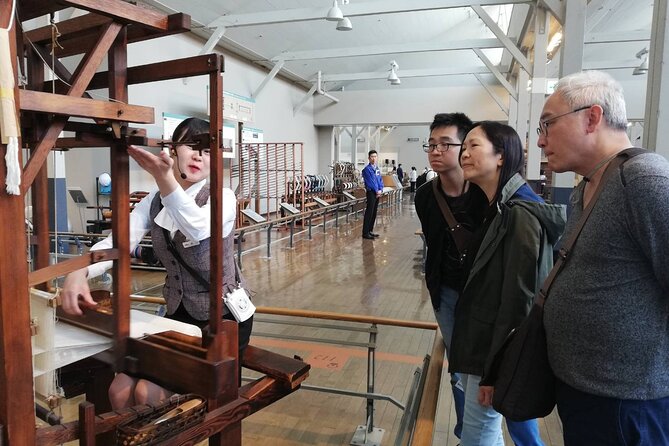
The tour’s theme is monozukuri, or the idea of craftsmanship and making with intent. It sounds philosophical, but on this itinerary you can connect it to very concrete things.
At Noritake no Mori, monozukuri shows up as the careful development of materials, product design, and the way a company builds identity through objects people actually use. It is craft as culture.
At the Toyota museum, the same spirit shifts into systems. You start seeing industrial heritage as a mindset, how early factory work, technology development, and planning all connect back to disciplined making. You also see how a group preserves its own early industrial spaces, because history is not only in documents. It is in buildings and processes.
This is why I like this tour for first-time Nagoya visitors. You are not just learning trivia about famous brands. You are learning how a region becomes a manufacturing hub, and how that influence shows up in everyday products and long-term industrial growth.
Getting value from the $110.76 price tag
At $110.76 per person, this is not a budget half-day. So the value comes down to what you get for that money.
Here is what you are paying for that adds up:
- A professional guide who handles context and keeps you on track across two sites.
- Transportation to and from the attractions, which is a real time saver in Nagoya.
- Admission handling. Noritake no Mori is free with the ticket plan, and the Toyota museum admission is included.
When a tour includes both guidance and practical logistics, your money turns into fewer hassles and more learning time. And because the group is small, your guide time has more weight than it would on a big bus tour.
One more value angle: Toyota and Noritake are big names. Without a guide, it is easy to wander and only partially connect the timeline. A good guide helps you connect the story quickly, so you leave with a clear understanding instead of just photos and scattered facts.
Who this tour is best for (and who should skip it)
This is a great fit if you like:
- Cars and industrial history, especially Toyota’s evolution and manufacturing heritage
- Design and brand storytelling, including Noritake’s pottery roots
- Short, organized museum time where you still get explanation, not just self-guided wandering
It can be less ideal if you:
- Want a long, slow pace with lots of unstructured time
- Hate walking during tours
- Prefer to explore museums fully on your own without guidance
If you are visiting Nagoya for a limited number of days, this kind of focused half-day is a smart way to see the city’s manufacturing story without losing your whole day.
FAQ
How long is the Guided Half-day Tour (AM) to Noritake Garden and Toyota Commemorative Museum?
The duration is approximately 4 hours.
Where do I meet for the tour?
You meet at the Nagoya Station Tourist Information Center, 1-chōme-1-4 Meieki, Nakamura Ward, Nagoya, Aichi 450-0002.
What time does the tour start?
The start time is 9:30 am.
What is included in the tour price?
The tour includes a professional guide and transportation to and from the attractions. Admission ticket coverage includes the Toyota Commemorative Museum of Industry and Technology (included) and Noritake no Mori (free).
How many people are in the group?
The tour has a maximum of 8 travelers.
Will I need to do a lot of walking?
Yes, please be prepared for a fair amount of walking.
What happens if attractions close on national holidays?
On some national holidays, some attractions might be closed, so other attractions may be substituted instead.
What is the cancellation policy?
You can cancel up to 6 days in advance for a full refund. If you cancel 2 to 6 days before the start time, you receive a 50% refund. If you cancel less than 2 days before, the amount paid is not refunded.
Should you book this Noritake and Toyota half-day?
I think this tour is worth booking if you want an efficient, guided introduction to Nagoya’s making culture. The Noritake stop gives you origins and design context, and the Toyota museum adds industrial heritage in a real Taisho-era factory setting. With a small group size and transport included, you spend your time on learning, not figuring out what goes where.
Skip it only if you know you need a slow pace for museum time or you want a full-day, unhurried deep read of exhibits. For most visitors, this is a strong value plan that turns two famous names into a single, coherent story in one morning.
Newly listed around Nagoya
- Discover The Hidden Pottery Town of Tokoname★ 4.5 · 12 reviews
- Shirakawa-go and Hida-Takayama Private Day Trip from Nagoya★ 4.5 · 11 reviews
- Walking Small-Group Nagoya City Tour★ 5.0 · 13 reviews
- Toyota Automobile Tour for Car Lovers★ 4.5 · 11 reviews
- Private Full-day Nagoya City Tour★ 5.0 · 22 reviews
- Nagoya: 2026 Hida Takayama Shirakawa-go Light-up Winter Tour★ 3.5 · 16 reviews
- Pub Crawl in Nagoya★ 5.0 · 15 reviews
- Nagoya Private Tour with a Local: Highlights & Hidden Gems★ 5.0 · 13 reviews
Museums, compared.

teamLab Planets TOKYO Digital Art Museum Entry Ticket
Read our review →
Samurai Ninja Museum Guided tour and Experience
Read our review →
Tea Museum Tickets and Matcha Grinding Experience
Read our review →
Skip the lines Basic Ticket at SAMURAI NINJA MUSEUM KYOTO
Read our review →
Skip the lines Basic Ticket at SAMURAI NINJA MUSEUM TOKYO
Read our review →
Tokyo Studio Ghibli Museum and Ghibli Film Appreciation Tour
Read our review →
Geiko Maiko Dance of Kyoto & Visits of Gion Museum
Read our review →Browse the lists this tour appears in