
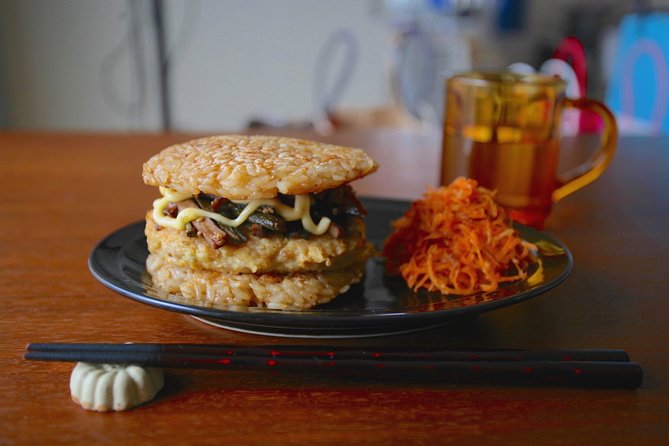
Review · SHIBUYA & SHINJUKU NIGHTLIFE
Hands-on Japanese Cooking in a Shinjuku Home Kitchen with Satoru
Tokyo kitchen classes are one thing. This one is personal.
I love the hands-on cooking in a real Shinjuku home, not a studio, and how Satoru keeps the explanations practical and story-based. I also like that you eat what you make, with a drink, in a setting that feels relaxed and local rather than staged. You get a real slice of daily life, plus a small Japanese utensil and ingredient gift to take home.
The one thing to plan around is the menu varies by day and your choices. If you want specific dishes or have restrictions, you need to share preferences in advance, or you will likely cook the menu of the day.
In This Review
- Key things to know before you go
- Meeting Satoru in JR Shinjuku and walking to a home kitchen
- The big moment: cooking 2 to 5 dishes from scratch
- Menu by day: Teishoku set meals versus popular favorites
- Inside the lesson: what Satoru teaches while you cook
- The private meal and drinks: eating together like locals
- Getting a utensil and ingredient gift that actually helps
- Price and value: what $130 buys in Tokyo
- Who this class fits best, and who should think twice
- Practical tips to make your cooking day go smoothly
- Should you book this Shinjuku home cooking class?
- FAQ
- Where is the meeting point for the cooking class?
- How long is the experience?
- What dishes do you cook?
- Is there a vegetarian option?
- Is alcohol included?
- What food and items are included?
- Can I request a menu change or dietary restriction?
Key things to know before you go
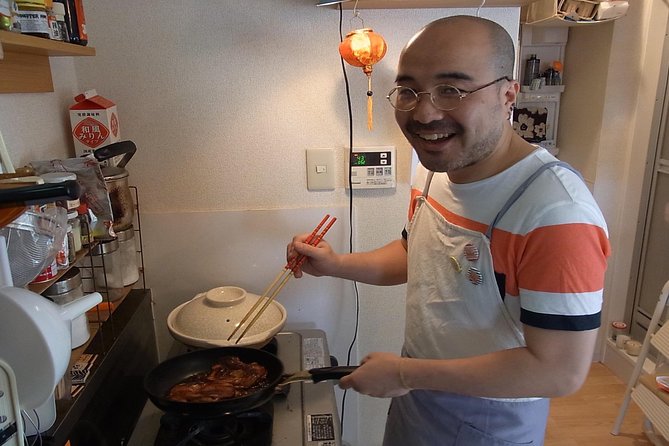
- A real Shinjuku apartment kitchen: small and efficient, with you working right alongside your host.
- You cook 2 to 5 dishes: enough variety to learn technique without feeling rushed.
- Meal time is part of the class: after cooking, you sit down together and eat with Satoru.
- Day-of-week menus matter: Teishoku set meal on some days, popular comfort foods on others.
- Local alcohol is included: 1 to 2 glasses paired with the meal.
- You get a utensil and ingredient gift: a handy souvenir that is actually useful.
Meeting Satoru in JR Shinjuku and walking to a home kitchen
Most Tokyo tours start at a landmark. This one starts at JR Shinjuku station, then shifts quickly into neighborhood life. After meeting Satoru at the meeting point, you walk together to his simple, cozy apartment right in Shinjuku.
That short walk matters. It gets you out of the constant station rush and into the quieter rhythm of residential Tokyo. You are not just heading to a kitchen, you are heading to someone’s everyday space, and that changes the tone of the whole experience.
Once inside, expect a kitchen that is small but efficient. You will not be spread across a giant commercial setup, so cooking feels more grounded and collaborative. It is also why the class works well for private groups, since Satoru can guide you closely without crowding the space.
A practical tip: keep an eye on your timing. The experience is designed around a smooth meet, walk, cook, eat flow. If you arrive late, it can throw off the pace of both the cooking and the meal.
More Cooking Classes in Tokyo
- Ramen & Gyoza Cooking Class in Tokyo with Local Supermarket Visit
★ 5.0 · 823 reviews - Tokyo: Easy Ramen Cooking Experience in Kabukicho, Shinjuku
★ 4.6 · 321 reviews - Ramen and Sushi Cooking Class with Sake Pairing Set in Tokyo
★ 5.0 · 291 reviews
The big moment: cooking 2 to 5 dishes from scratch
The core of the experience is learning Japanese homestyle food from scratch in Satoru’s kitchen. Your cooking session runs about 1.5 hours, and you will make 2 to 5 dishes depending on the day and the menu.
This is not just a watch-and-clip situation. You are actively cooking, so you pick up technique you can reuse later. And because Satoru teaches with background information, it does not feel like memorizing recipes. You start to understand why ingredients work together.
You can ask questions as you go, especially about what goes into the dishes. The menu information highlights ingredients that go from savory dashi to sweeter items like organic honey. In practice, that kind of ingredient talk helps you learn how to taste, not just how to cook.
Another key point is how the class ends. After cooking, you sit down together and share the meal you helped prepare. That turns your work into something immediate. In a cooking class, that kind of “made it, now eat it” payoff is the difference between a fun activity and a memorable meal.
Menu by day: Teishoku set meals versus popular favorites
Tokyo is full of food, so it is smart that this class uses a day-of-week menu plan. It makes planning easier, but it also means you should check the menu before you go.
Here is the schedule you can expect:
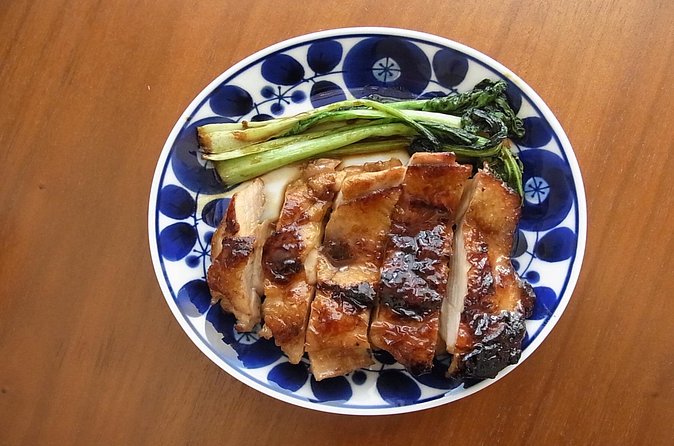
- Sat, Sun, Mon, Tue: Teishoku set meal, including miso soup, rice, and 2 side dishes
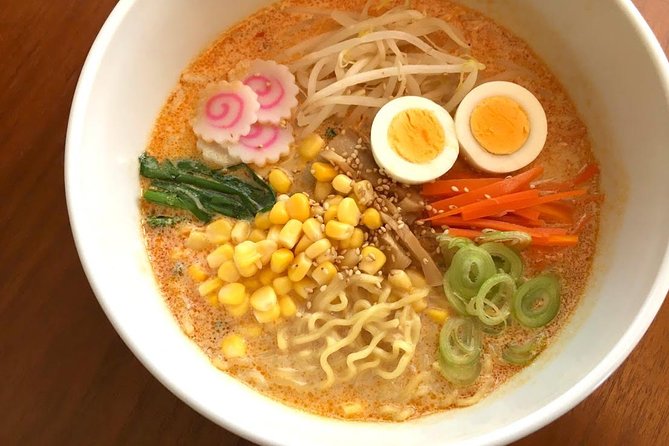
- Wed, Thu, Fri: popular Japanese dishes, such as Okonomiyaki, Karaage, Yakisoba, Katsu curry rice, Ramen, or Gyoza
Teishoku is a great option if you want the classic structure of Japanese meals: soup plus rice plus sides, usually with balanced flavors and textures. If you are new to Japanese cooking, this set format makes the food feel less overwhelming and more approachable.
The “popular favorites” days are better if you want variety and bolder comfort-food energy. You might end up making something pancake-like, fried, noodle-based, or curry-style. You also get a quick sense of how Japanese home cooks adapt restaurant-style items into doable home meals.
Important planning note: the host encourages you to check the menu in advance. If you do not share your preference, the menu of the day will be cooked. If you want changes or have restrictions, you need to tell the host one week in advance, or the menu of the day is likely what you will prepare.
Inside the lesson: what Satoru teaches while you cook
The quality of a home cooking class usually comes down to teaching style. In this one, Satoru uses patience and clear explanations, and you get background on ingredients while you work.
From the way guests describe the experience, Satoru’s explanations are not stiff or lecture-like. They are practical, and they come with the “why” behind the flavors. You will likely hear ingredient stories tied to the dishes, including tips about how to build flavor starting from basics like dashi.
This matters for your real-life use later. If you ever try Japanese cooking at home, the most common problem is not knowing which ingredient does what. When you understand the role of something like dashi, miso, or sweet elements like honey, recipes become easier to adjust.
If you are cooking with teenagers or a group with mixed skill levels, this class is also designed to stay fun. Guests highlight that Satoru can keep the energy up and still guide everyone patiently. That combination is rare.
One caution: because the kitchen is home-sized, you should expect a hands-on rhythm with everyone contributing. If you are the type who wants a slow, detached experience, you might feel more involved than you planned. For most people, that is the whole point.
A few more Shibuya and Shinjuku Nightlife around Tokyo:
- Tokyo: Shinjuku Food Tour (13 Dishes at 4 Local Eateries)
★ 5.0 · 6,603 reviews - Tokyo Bar Hopping Tour in Shinjuku (All-You-Can-Drink + Dinner)
★ 5.0 · 3,587 reviews - Official Street Go-Kart in Shibuya
★ 5.0 · 3,435 reviews - Tokyo: Shinjuku Food Tour (15 Dishes and 4 Eateries)
★ 4.9 · 2,033 reviews
The private meal and drinks: eating together like locals
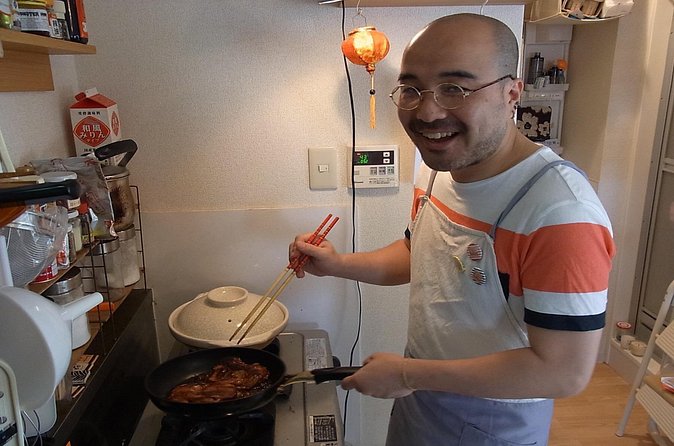
After cooking, you sit down to enjoy the meal you prepared. The structure is simple: cook first, then share the table. You also get 1 to 2 glasses of local alcohol, which helps turn the class into an actual evening meal rather than a short demo.
The best part here is the conversation. Because you are eating together with your host, you get to ask questions that do not fit neatly into a cookbook. You can talk about ingredients, daily habits, or what makes a certain dish feel right for home cooking.
This kind of meal format is valuable for two reasons. First, it helps you taste what you built, so you learn faster. Second, it makes Japanese food feel less like a checklist and more like a culture of sharing.
For couples and solo travelers, that conversation time can feel surprisingly warm. For families, it tends to work well because everyone shares one outcome, the meal. Even if someone is not a confident cook, they still participate and ends up with a plate they helped create.
Getting a utensil and ingredient gift that actually helps
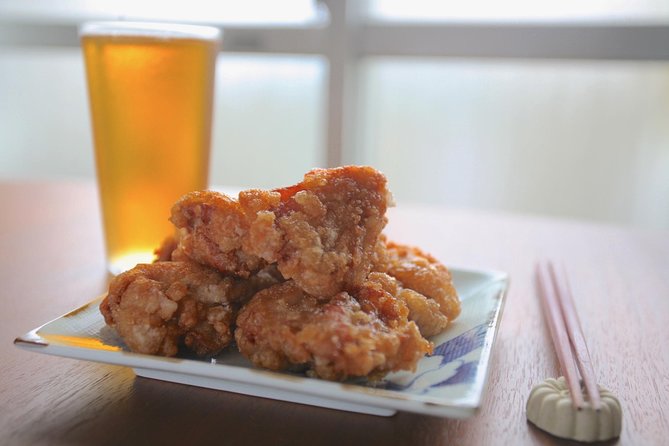
Most souvenirs are decorative. This one comes with function. You receive a gift of a Japanese utensil and ingredient along with the meal experience.
That is a smart touch. If you want your trip to keep paying off after you get home, a useful utensil and ingredient gives you a way to repeat what you learned. It also nudges you into trying one Japanese dish rather than buying a random set of chopsticks and forgetting you own them.
If you are the kind of traveler who likes practical takeaways, this is a nice bonus. And because the gift is tied to the cooking experience, it feels like part of the lesson rather than an add-on.
Price and value: what $130 buys in Tokyo
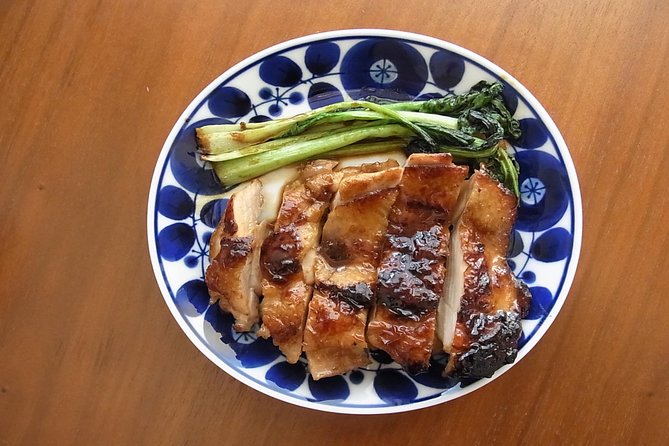
At $130 per person, this class is not cheap, but it also does not try to be “like a cheap street food tasting.” You are paying for a private home kitchen, a host-led lesson, and a full meal you helped cook.
Here is what you get baked into the price:
- Private cooking class with your host, Satoru
- Cooking time long enough to actually learn, about 2.5 hours total
- Local alcohol (1 to 2 glasses)
- Pick up from JR Shinjuku Station
- A Japanese utensil and ingredient gift
In Tokyo, where meals can add up fast and where cooking lessons are often priced like premium activities, the value comes from the total package. You get the instruction, the meal, and the cultural feel of someone welcoming you into their home.
You should judge it as a “guided food experience with a real meal,” not as a quick snack stop. If you like hands-on learning, it is a good match. If you only want to eat and do not care about cooking, there may be cheaper options. But if you want to understand how Japanese flavors come together, $130 starts to make sense.
Who this class fits best, and who should think twice
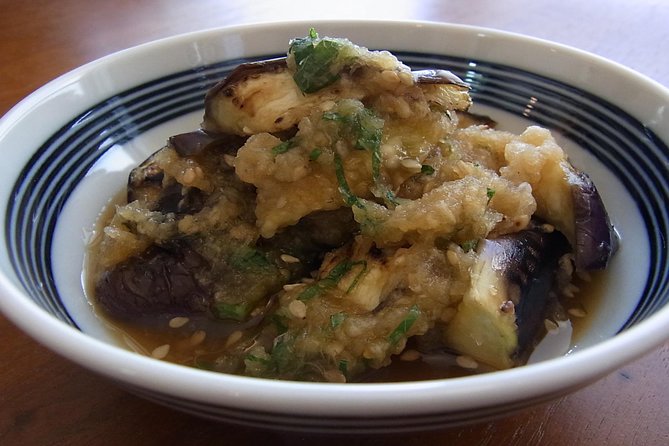
I think this tour fits best if you want something more personal than restaurant dining. If you enjoy cooking, want to learn homestyle Japanese techniques, or simply like asking questions while you eat, you will probably have a great time.
It is also a strong choice for:
- Families looking for a shared activity with structure
- Couples wanting a memorable evening that feels local
- Solo travelers who want conversation with a host in a comfortable setting
- Visitors who want Japanese home cooking without the language barrier of doing it yourself
You might think twice if:
- You are very picky about foods and need a special plan, since menu preferences must be shared well ahead of time
- You prefer large group tours with less personal involvement
- You want a strict checklist of specific dishes every day, since menus differ by day
The takeaway is simple. This is a home-based class, so it runs like a home lesson, not a scripted production.
Practical tips to make your cooking day go smoothly
A few things will help you get the most out of it:
Check the menu before you book your day. The schedule differs, and the host cooks the menu of the day if you do not communicate preferences.
If you have dietary needs, use the “Special Requirements” area at booking. Vegetarian is available, but you still need to advise the host at the time of booking. For changes or restrictions, the guidance is clear: tell Satoru one week in advance.
Bring a flexible attitude. Even if you have cooked before, this is about learning a Japanese homestyle method. Satoru’s class style leans toward understanding ingredients and how they work together.
Finally, come hungry. You will cook, then you will eat what you made. The meal is part of the experience, not an extra.
Should you book this Shinjuku home cooking class?
I would book it if you want the best kind of Tokyo food memory: you cook it, you eat it, and you talk about it with a host. The hands-on kitchen time, the private meal with drinks, and the utensil plus ingredient gift make this more than a one-time meal stop.
Skip or choose another format if you need a very specific menu every time, or if you are likely to forget the advance preference window. The experience is straightforward, but planning your dish expectations matters here.
If you are aiming for an authentic, conversation-friendly Tokyo evening with real instruction, this is one of those rare activities that feels worth the price.
FAQ
Where is the meeting point for the cooking class?
You meet at Shinjuku Station (3-chōme-38-1 Shinjuku, Shinjuku City, Tokyo 160-0022, Japan).
How long is the experience?
It lasts about 2 hours 30 minutes.
What dishes do you cook?
The menu depends on the day. Sat, Sun, Mon, and Tue focus on Teishoku set meals (miso soup, rice, and 2 side dishes). Wed, Thu, and Fri include popular items such as Okonomiyaki, Karaage, Yakisoba, Katsu curry rice, Ramen, or Gyoza.
Is there a vegetarian option?
Yes, a vegetarian option is available. You should advise the host at the time of booking if you need it.
Is alcohol included?
Yes. The experience includes local alcohol, 1 to 2 glasses.
What food and items are included?
You get the private cooking class with your host Satoru, and you enjoy the private meal and a drink together. You also receive a gift of a Japanese utensil and ingredient.
Can I request a menu change or dietary restriction?
You should check the menu in advance. If you want changes or have restrictions, you need to inform the host one week in advance, or else the menu of the day will be cooked.
Newly listed around Tokyo
- Customizable Private Tour in Mt. Fuji with Private Driver★ 5.0 · 69 reviews
- Tokyo’s Authentic and Finest Taiko Drumming Workshop★ 5.0 · 22 reviews
- Tokyo Samurai & Ninja Experience – 60‑Min Cultural Program★ 5.0 · 7 reviews
- Evening Hanami (Cherry Blossom) Experience with a Local★ 3.5 · 10 reviews
- Geisha Entertainment Experience in Tokyo★ 5.0 · 10 reviews
- Enjoy plus size Kimono★ 4.5 · 14 reviews
- Calligraphy on T-shirt or lantern near Skytree Tokyo★ 5.0 · 43 reviews
- Edo Tokyo & Japanese Culture Tour with Government Licensed Guide★ 5.0 · 23 reviews
Shibuya & Shinjuku Nightlife, compared.
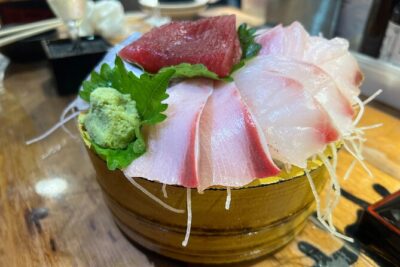
Shinjuku Food Tour (13 Dishes at 4 Local Eateries)
Read our review →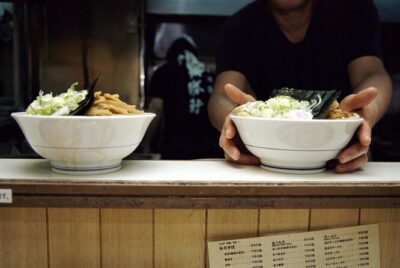
Tokyo Bar Hopping Tour in Shinjuku (All-You-Can-Drink + Dinner)
Read our review →
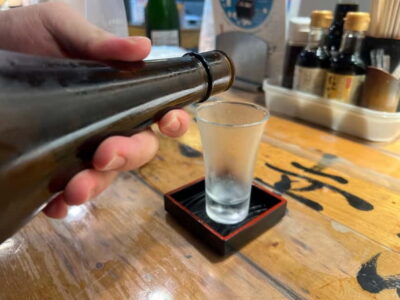
Shinjuku Food Tour (15 Dishes and 4 Eateries)
Read our review →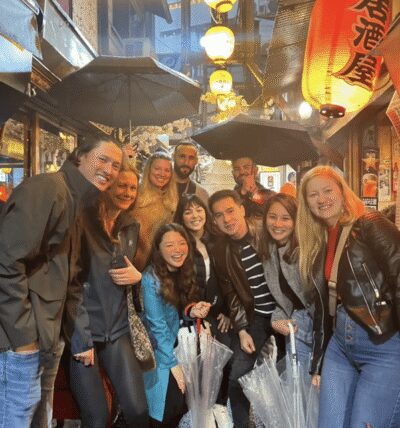
Shinjuku Local Bar and Izakaya Guided Walking Tour
Read our review →
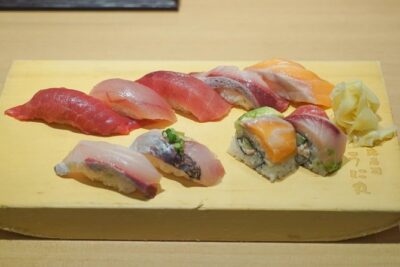
Tokyo Night Foodie Tour in Shinjuku – Seasonal Sushi, Wagyu Beef
Read our review →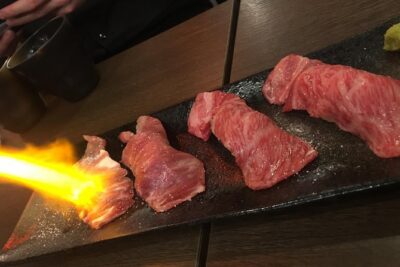
Shibuya Meltdown Nightlife Tour: All-You-Can-Drink Bar Hopping
Read our review →Browse the lists this tour appears in