
Review · LICENSED GUIDES & PRIVATE DRIVERS
Edo Tokyo & Japanese Culture Tour with Government Licensed Guide
Tokyo can feel like a machine. This tour slows it down.
I like the fact that you get a licensed English-speaking guide who can explain what you are seeing, not just list it. I also like that the plan is customizable to 3-4 stops, so you can focus on Edo period themes like sumo, art, disasters, and river-city life. The main consideration is the extras: entrance fees, meals, and transit costs are not included, so your final day budget depends on which sights you choose.
One more heads-up: the Imperial Palace stop is outside only, and it does not include access to the inside of the palace. If you were picturing grand palace rooms, adjust your expectations and use your time on the Edo-style neighborhoods and museums instead.
In This Review
- Key highlights at a glance
- Edo Tokyo in Six Hours: How the Tour Actually Feels
- Price and value: what $154.37 really buys you
- Getting around with your guide: walking plus public transport
- Stop 1: Imperial Palace grounds without palace entry
- Ryogoku for sumo culture: stadium area energy
- The Sumida Hokusai Museum: ukiyo-e made human
- Kanto Earthquake Memorial Museum: disaster and rebuilding
- Ryogoku Edo Noren: Edo-styled food court fun
- Nihonbashi and the Sumida River: the Edo road network in plain view
- Edo-Tokyo Open Air Architectural Museum: style of Japan you can walk through
- Fukagawa Edo Museum: an entire neighborhood recreated
- Guides who make the difference: names to watch for
- What to expect from a private, custom 3-4 stop day
- Who should book this Edo Tokyo tour, and who might pass
- Should you book this Edo Tokyo & Japanese Culture Tour?
- FAQ
- What is included in the tour price?
- Does the tour include entrance fees and lunch?
- Is there access inside the Imperial Palace?
- Is this tour mostly walking or all walking?
- How many stops will I visit?
- Can I cancel for free?
Key highlights at a glance
- Government-licensed local guide who helps you make sense of Tokyo’s Edo roots
- Private group experience, with only your party participating
- Custom 3-4 stop route from a strong mix of Edo and cultural sites
- Walking-first format with the option to use public transport
- IC card and public transport help is a common win for first-timers
- Mobile ticket for a simpler meetup and flow during the day
Edo Tokyo in Six Hours: How the Tour Actually Feels
This is a full-on day in Tokyo, but it does not try to brute-force every famous site. The rhythm is built around walking, then stepping onto public transport when it saves real time. That matters because Edo Tokyo is spread across neighborhoods that do not connect in a straight line.
You can also steer the day. Your guide lets you pick 3-4 sites from the available options, which is a big advantage in a city where travel time can quietly eat your energy. I like this style because it keeps your photos and your questions from competing with your schedule.
Most importantly, the guide is there for interpretation. Tokyo has layers, and Edo-era Tokyo is not always obvious at street level. With a good guide, you learn what to look for, like why Nihonbashi mattered as the starting point of major roads, or how the Sumida River shaped daily life.
More Private Guides in Tokyo
- Tokyo 6hr Private Tour with Government-Licensed Guide
★ 5.0 · 3,902 reviews - Tokyo 4hr Private Tour with Government-Licensed Guide
★ 5.0 · 1,394 reviews - Tokyo Private Sightseeing Tour by Car- English speaking chauffeur
★ 5.0 · 1,004 reviews
Price and value: what $154.37 really buys you
At $154.37 per person, you are paying for the guide + a private experience + a smart, guided plan, not for a stack of included attractions. The listed price covers the guided portion and the customizable selection of stops, while entry fees, lunch, and transit costs are extra.
Here is the value logic that usually makes this type of tour worthwhile:
- If you are new to Tokyo, one hour of guidance on transit habits can save you stress and wasted time.
- If you care about context, a licensed guide turns ordinary streets into meaningful places.
- If you want to pick 3-4 stops that match your interests, you avoid the all-or-nothing feeling of big group tours.
You should still budget for entrance tickets once you choose museums and venues. The upside is that your guide helps you pick stops that fit your day, so you are not paying for random add-ons that do not match your interests.
Getting around with your guide: walking plus public transport
This is primarily a walking tour, and pickup is on foot in the designated meetup area. That means you are walking to get started, then using the train and subway only when it makes sense.
I especially like that you are not left alone with Tokyo’s transit system. In the feedback, one guide helped people figure out how to use an IC card and how to navigate the public transportation system with confidence. If you are the type who wants to understand where you are going before you get there, this approach is a good match.
A practical tip: plan for cash, because transit machines and small purchases can be frustrating depending on your payment setup. Tokyo is modern, but it is not uniformly card-friendly. If you can, have some yen ready for small fees and convenience stops.
Stop 1: Imperial Palace grounds without palace entry
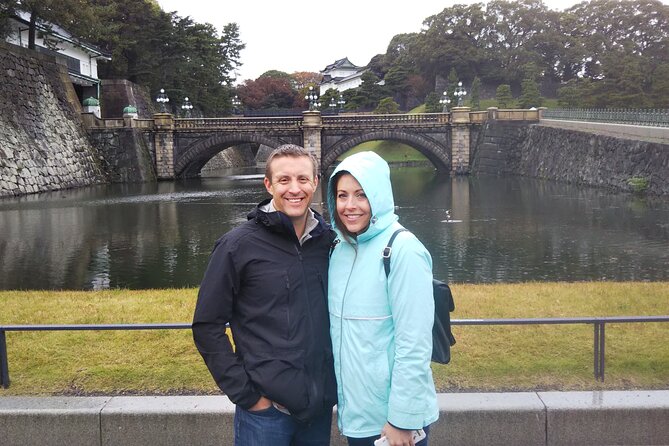
The tour often starts at the Imperial Palace (Kōkyo) area. You get the big-picture setting: the palace grounds are on the former site of Edo Castle, and the surrounding park space is framed by moats and waterways. Even without entering palace buildings, the setting helps you visualize how Edo power was organized.
What you should know: there is no access to the inside of the Imperial Palace. So do not schedule this stop if you want interior rooms or guided interior palace access. Instead, think of it as a “place in context” moment, a starting point for understanding the shift from Edo castle governance to modern Tokyo.
If you have limited time and you already know Edo Castle basics, you might still enjoy this stop for the spatial feel: moats, walls, and the park-like layout make the history easier to understand, even when you are only viewing from the grounds.
A different sort of day in Japan:
- Mt Fuji and Hakone 1-Day Bus Tour Return by Bullet Train
★ 5.0 · 26,383 reviews - 1-Day Tokyo Bus Tour
★ 5.0 · 14,250 reviews - Tokyo: TOKYO SKYTREE® Admission ticket
★ 4.5 · 11,192 reviews - Tokyo: teamLab Planets TOKYO Digital Art Museum Entry Ticket
★ 4.6 · 9,779 reviews
Ryogoku for sumo culture: stadium area energy
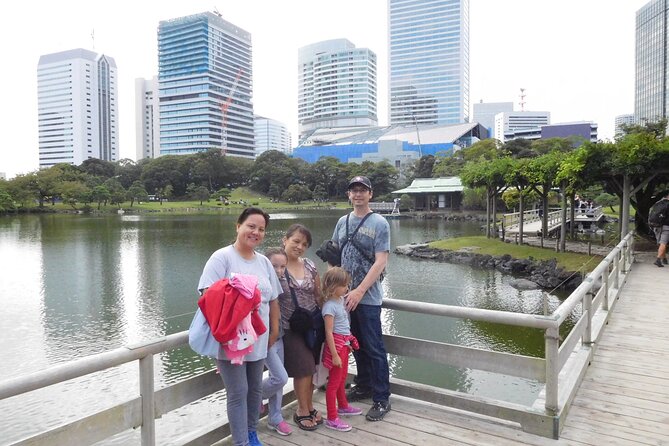
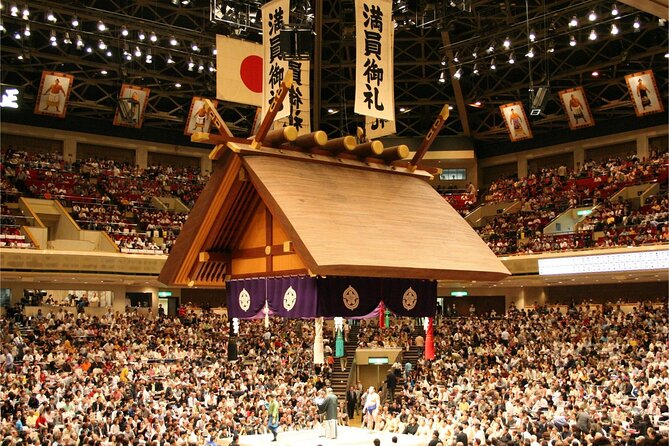
Ryogoku is one of the best neighborhoods in Tokyo for sumo-related culture. The Ryogoku area is closely tied to the sumo world, including the sumo stadium and many sumo stables, plus chanko restaurant culture.
A guided visit here works because it turns a sports district into a cultural story. Your guide can point out how sumo sits at the center of certain Tokyo traditions, from dedicated stables to the food that supports training life.
Your stop is short, around 30 minutes, which is perfect if you want a focused taste. If you are a serious sumo fan, you might want to add time later on your own, but within this tour format you get a meaningful introduction to why Ryogoku matters.
The Sumida Hokusai Museum: ukiyo-e made human
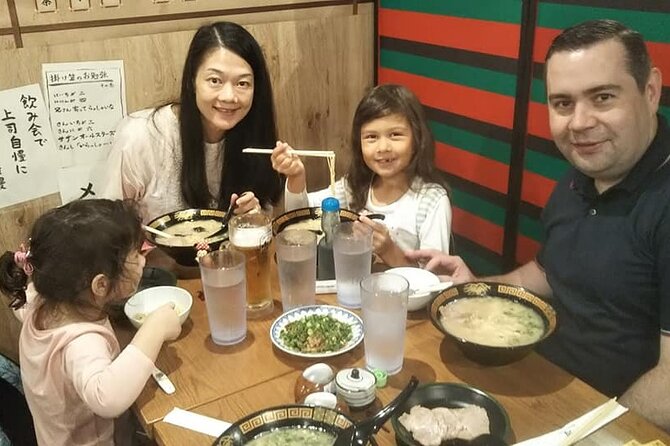
The Sumida Hokusai Museum is dedicated to Katsushika Hokusai, the ukiyo-e artist most people recognize through his wave-themed works. This kind of stop is great because it anchors Edo cultural life in art you can actually see.
Even if you already know Hokusai by reputation, a museum visit with a guide changes how you look. You start noticing how ukiyo-e fit into everyday entertainment and why those prints traveled and lasted.
Your time here is about 30 minutes. That is not a long museum sprint, so if you love art museums and want to linger over details, you may feel slightly rushed. The tradeoff is that you are still covering multiple Edo-inspired layers in one day.
Kanto Earthquake Memorial Museum: disaster and rebuilding
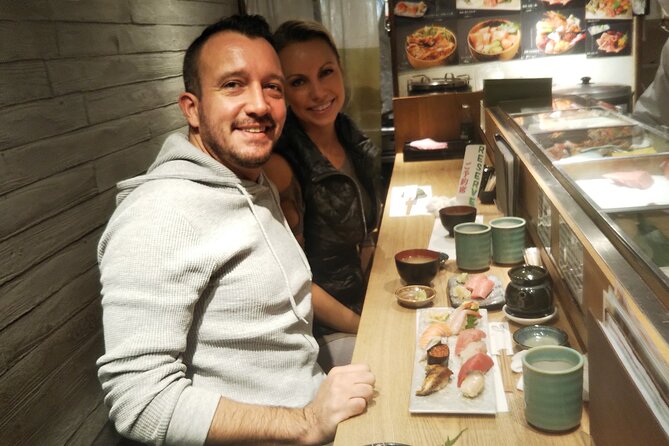
Tokyo has been shaped by events, not only by centuries of planning. The Kanto Earthquake Memorial Museum gives you a direct lesson about the Great Kanto earthquake and how Tokyo was rebuilt afterward.
This stop is valuable because it adds a reality check to “history as scenery.” Edo-era culture is one layer, but modern Tokyo also carries the scars and solutions from disasters. Understanding that helps you see the city as a living system that keeps adapting.
Expect about an hour here. If you prefer purely cheerful Edo street scenes, this may feel heavier than some other stops. If you like understanding how cities survive, it is an important contrast that makes the day more complete.
Ryogoku Edo Noren: Edo-styled food court fun
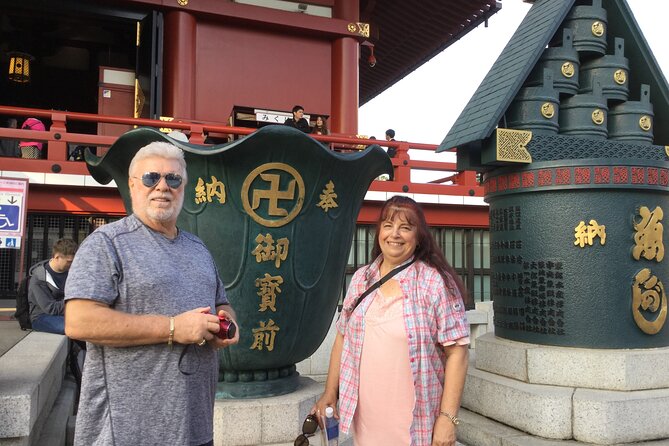
Next up is a more lighthearted break: Ryogoku Edo Noren, a food court styled to look like Edo period Japan. This is not the same as a sit-down meal in a traditional restaurant, but it offers an easy way to experience Edo atmosphere without needing reservations or hunting for a specific local spot.
Your stop is about 45 minutes, which usually gives you enough time to grab something, rest your feet, and reset before the next neighborhood shift. If you are hungry, this kind of structured food stop helps, since lunch is not included in the tour price.
If you want a more authentic meal experience, you can treat this as a themed option and then, after the tour, branch into nearby places your guide can recommend. The key is that your guide keeps you from losing momentum during food time.
Nihonbashi and the Sumida River: the Edo road network in plain view
Nihonbashi is one of those places where Tokyo’s modern skyline fades and you start thinking about roads, trade, and movement. Historically, Nihonbashi was the starting point of five main roads running across Japan and it prospered as the center of Edo. In short, this is about how people and goods flowed.
Then comes the Sumida River, one of Tokyo’s main rivers and the one many visitors recognize first. For Edo-themed travel, the river is not just scenery. It is a link between where people lived, where commerce happened, and how daily life worked.
These stops are not long individually, but they help you connect the dots. Once you understand the “roads and river” logic, the city stops feeling random. You start seeing Tokyo as a network, which is a huge mental upgrade if it is your first visit.
Edo-Tokyo Open Air Architectural Museum: style of Japan you can walk through
The Edo-Tokyo Open Air Architectural Museum is designed for a slower kind of time travel. It is described as an off-the-beaten-track look at Japanese culture, and it was established in 1993 by the Tokyo Metropolitan Government.
The benefit of an open-air format is obvious when you are walking through it: you can picture how buildings, streets, and spaces relate to each other. It is easier to understand “how people lived” than it is when you are only reading captions.
Your time here can be shorter, about 15 minutes in the standard schedule. That is a quick look, so if this museum is a top priority, tell your guide. In a customizable tour, you want the time distribution to match what you care about most.
Fukagawa Edo Museum: an entire neighborhood recreated
If you want a more concentrated Edo “street life” view, the Fukagawa Edo Museum is the answer. It recreates an Edo-era neighborhood with streets, houses, shops, and other details that help you imagine what day-to-day life looked like between 1603 and 1868.
This stop is about 30 minutes, so it is not a deep historical seminar. But it gives you a strong sense of layout and atmosphere, especially if you like the feeling of walking through a built-time period rather than just observing isolated artifacts.
If you prefer “place-based learning,” this tends to land well. It also helps balance the more factual stops like the earthquake museum. You go from hardship and reconstruction to daily life reenvisioning.
Guides who make the difference: names to watch for
The guide quality seems to be the real differentiator. In feedback, multiple guides were praised by name, including Show, Shinji, Kei-san, and Andy. Common threads show up: clear communication before the tour, tailoring the day to what you want, and stepping in to help with questions that pop up along the way.
One guide-focused win was help with transit confidence, including how to use an IC card. Another big win was patience with questions, plus follow-up after the tour, like sending texts or helpful details later.
You should treat this as a guide strength rather than a guarantee every day. Still, it tells you something important: this experience is designed around explanation, not just sightseeing.
What to expect from a private, custom 3-4 stop day
Because it is a private tour/activity, only your group participates. That means you can ask questions without feeling like you are interrupting a large group flow.
The custom element is also practical. If you pick stops far apart, you risk spending more time in transit than planned. If you choose stops clustered around the Sumida River and Edo-themed neighborhoods, your day feels smoother.
Duration is about 6 hours, so the tour works best when you pick stops that align with your energy level. A good approach is to choose one art or museum stop, one cultural neighborhood stop, and one place with a specific story like the earthquake or Nihonbashi.
Who should book this Edo Tokyo tour, and who might pass
I think this tour is best for you if:
- You love Tokyo history and want it tied to places you can walk through.
- You want an English-speaking licensed guide to decode what you see.
- You are new enough to Tokyo that transit help would be a relief.
- You prefer a flexible day with 3-4 focused stops rather than a rushed checklist.
You might want to pass or adjust expectations if:
- You only care about the most famous sights and want to get inside big-ticket buildings, since the Imperial Palace stop is outside only.
- You hate extra planning for entrances and lunch, since those costs are not included.
- You want a very long museum experience at one location, since multiple stops means shorter time slices.
Should you book this Edo Tokyo & Japanese Culture Tour?
If you are aiming to understand Tokyo beyond neon and crowds, this is a strong bet. The biggest reason is the guide-led interpretation paired with a customizable set of Edo-themed stops. You get walking time, you get a plan, and you are not left to figure out transit and context on your own.
Book it if you want a practical, story-driven day: sumo culture in Ryogoku, art and ukiyo-e through Hokusai, disaster lessons at the earthquake museum, and then Edo neighborhoods you can mentally step into at places like the architectural museum and Fukagawa recreations.
Hold off if you want fully packaged tickets and meals, or if palace interior access is your must-have. In that case, you would be better off planning separate visits that match your exact expectations.
Either way, set aside time for museum entrance fees and lunch, bring yen for small purchases, and tell your guide what you care about most. That is where this tour seems to deliver the best value.
FAQ
What is included in the tour price?
The price includes a licensed local English-speaking guide, a customizable tour where you choose 3-4 sites from the listed options, and meeting the guide on foot within the designated area. A mobile ticket is also included.
Does the tour include entrance fees and lunch?
No. Entrance fees, lunch, and other personal expenses are not included. Transport costs are also not included.
Is there access inside the Imperial Palace?
No. The Imperial Palace stop does not include access to the inside of the Imperial Palace. You visit the area as part of the tour.
Is this tour mostly walking or all walking?
It is primarily a walking tour. You can also take public transport during the day if needed.
How many stops will I visit?
Your guide will help you customize the day with 3-4 sites from the available options.
Can I cancel for free?
Yes. You can cancel for a full refund up to 24 hours before the experience starts. If you cancel less than 24 hours in advance, the amount paid is not refunded.
Newly listed around Tokyo
- Customizable Private Tour in Mt. Fuji with Private Driver★ 5.0 · 69 reviews
- Tokyo’s Authentic and Finest Taiko Drumming Workshop★ 5.0 · 22 reviews
- Tokyo Samurai & Ninja Experience – 60‑Min Cultural Program★ 5.0 · 7 reviews
- Evening Hanami (Cherry Blossom) Experience with a Local★ 3.5 · 10 reviews
- Geisha Entertainment Experience in Tokyo★ 5.0 · 10 reviews
- Enjoy plus size Kimono★ 4.5 · 14 reviews
- Hands-on Japanese Cooking in a Shinjuku Home Kitchen with Satoru★ 5.0 · 19 reviews
- Calligraphy on T-shirt or lantern near Skytree Tokyo★ 5.0 · 43 reviews
Licensed Guides & Private Drivers, compared.
Tokyo 6hr Private Tour with Government-Licensed Guide
Read our review →
Kyoto Early Morning Tour with English-Speaking Guide
Read our review →
Tokyo 4hr Private Tour with Government-Licensed Guide
Read our review →
Kyoto 6hr Private Tour with Government-Licensed Guide
Read our review →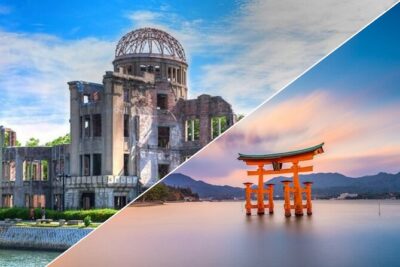
Hiroshima / Miyajima Full-day Private Tour with Government Licensed Guide
Read our review →Early Morning Tour with English-Speaking Guide
Read our review →
Tokyo Private Sightseeing Tour by Car- English speaking chauffeur
Read our review →
Mt Fuji Private Tour with English Speaking Driver
Read our review →Browse the lists this tour appears in