
Review · SAMURAI SWORD & NINJA TRAINING
Tokyo Samurai & Ninja Experience – 60‑Min Cultural Program
Ninja training, minus the movie hype. This 60-minute Tokyo class is a hands-on way to wear ninja gi style clothing and learn the warrior mindset at the Musashi Ninja Clan Honjin Dojo in Asakusa. I especially like that it is led by the 19th-generation Musashi Clan head, not just a standard instructor script.
I also like the mix of calm and practical. You’ll practice meditation plus rituals like Kuja-kiri (well-wishing) and Embu (ancestor dedication), then get an introduction to tools of the ninja world like the blowgun and shruiken.
One thing to consider: it is an entry-level program. You should expect learning and short guided practice, not a long, hard-core weapons course or real combat training.
In This Review
- Key Highlights That Matter
- First Stop at Kappabashi: Where Tools Get Their Stories
- Into the Dojo: Samurai or Ninja Attire, Plus That Photo
- Meditation and Kuja-kiri: The Ninja Mind That Wants Less Conflict
- Embu and Etiquette: Respect Is the Real Performance
- Mindful Movement: Posture and Concentration, Not Just Flexibility
- Ninja Weapons Intro: Blowgun and Shruiken With Real Restraint
- Price and Value: Why $93.17 Might Be Worth It
- Logistics You Should Know Before You Go
- Who This Tour Fits Best
- Should You Book the Tokyo Samurai and Ninja Experience?
- FAQ
- How long is the Tokyo Samurai and Ninja Experience?
- What is included in the $93.17 per person price?
- Do I need to go to the meeting point and dojo on my own?
- Is food included?
- What kinds of skills and topics will I learn?
- What group size should I expect?
- Is free cancellation available?
Key Highlights That Matter
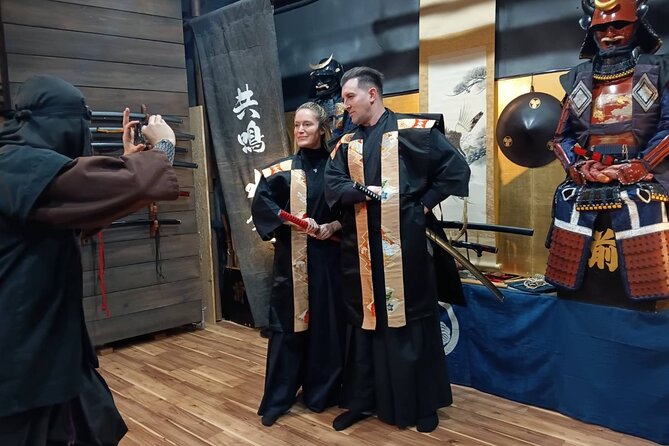
- You dress the part with samurai or ninja style attire, and a commemorative photo is included inside the dojo
- Meditation + mindset rituals like Kuja-kiri (well-wishing) and Embu (ancestor dedication) are built into the hour
- Etiquette is part of the lesson, taught with traditional appreciation practices guided by the 19th-generation Musashi Clan head
- Weapon basics include an intro to the blowgun and shruiken, focused on understanding rather than showy stunts
- A “tools and meaning” stop ties your learning to objects you can see around Kappabashi Street
- Small groups cap at 9 people, so you are more likely to get personal coaching during the practice
First Stop at Kappabashi: Where Tools Get Their Stories
Your time starts away from the dojo, at Kappabashi Street, specifically the Kappabashi Dogugai area. This is a smart choice because ninja and samurai training is not just about moving your body. It is also about understanding symbols, tools, and why certain objects mattered to people in earlier Japanese warrior cultures.
Even if you are not a “history person,” this kind of stop helps your brain connect the lesson to something you can point at. You are not just memorizing terms like Kuja-kiri or Embu. You’re learning in context, which makes the later training feel more grounded and less like a performance.
The practical upside is also timing. In a 60-minute class, every minute has to earn its keep. A quick start at a focused shopping and tool district sets you up for the rest of the session without eating the whole schedule.
More Samurai & Ninja Sessions in Tokyo
- Tokyo: Samurai Restaurant Show Ticket with 2 Drinks
★ 4.5 · 1,307 reviews - Tokyo: Samurai Ninja Museum Guided tour and Experience
★ 4.6 · 1,010 reviews - Tokyo: Samurai Sword & Archery Class from Samurai Descendant
★ 5.0 · 603 reviews
Into the Dojo: Samurai or Ninja Attire, Plus That Photo
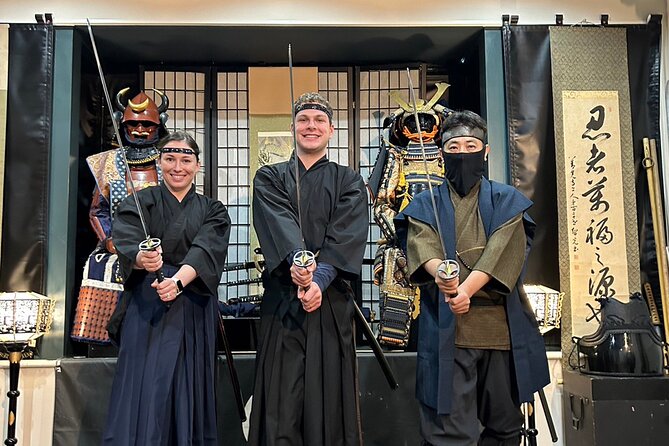
After meeting, you move toward the dojo experience at the Musashi Ninja Clan Honjin Dojo in Asakusa. One of the clearest value points here is that the program includes samurai garb rental, and the session includes a commemorative photo inside the dojo.
Wearing the outfit changes how you approach the training. Your posture loosens up, your attention sharpens, and you stop thinking of this as a sightseeing activity. You get into the ritual mood right away.
You’ll also get a chance to pose for photos after dressing. That might sound like a small detail, but it’s a big deal in a one-hour program. It gives you a clean “checkpoint” moment, plus you walk away with an easy memory that doesn’t require you to find good light or a random selfie stick.
A heads-up for your day: hotel pickup or drop-off is not available. You’ll want to plan to reach the dojo area yourself. The meeting point is in Taito City, Matsugaya, and the activity ends back at the meeting point, so you can plan your next stop nearby without guessing.
Meditation and Kuja-kiri: The Ninja Mind That Wants Less Conflict
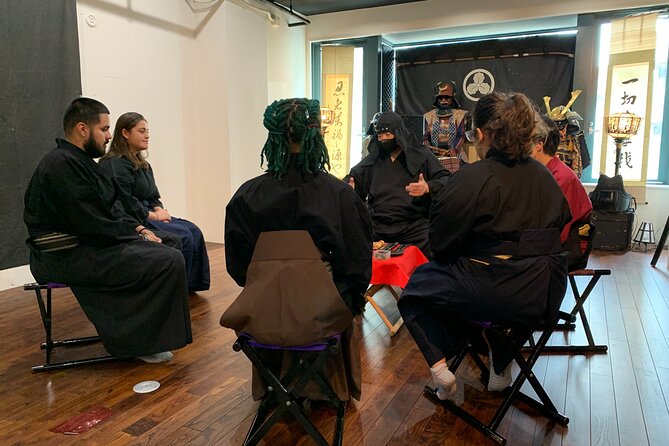
The lesson does not start with weapons. It starts with stillness. You’ll take part in calming meditation, then you’ll watch an instructor demonstration that introduces the mindset and philosophy behind traditional warrior culture.
This matters because a lot of ninja stuff gets marketed as speed and stealth only. Here, you get a different lens: ku, or no-self, which focuses on minimizing conflict. That is not just a nice idea to nod at. It shapes how you’re guided through mindful movement and how you’re asked to carry yourself during practice.
A key concept you’ll learn is Kuja-kiri, described as well-wishing. In real terms, it signals a shift from aggression to intention. You’re training your mental focus and your way of relating to other people, not just trying to look intense.
If you like activities that feel both structured and calm, this section is likely to be your favorite. The group setting plus short guided steps makes it accessible. And since the session is only about an hour, you won’t feel stuck doing one long meditation block.
Embu and Etiquette: Respect Is the Real Performance
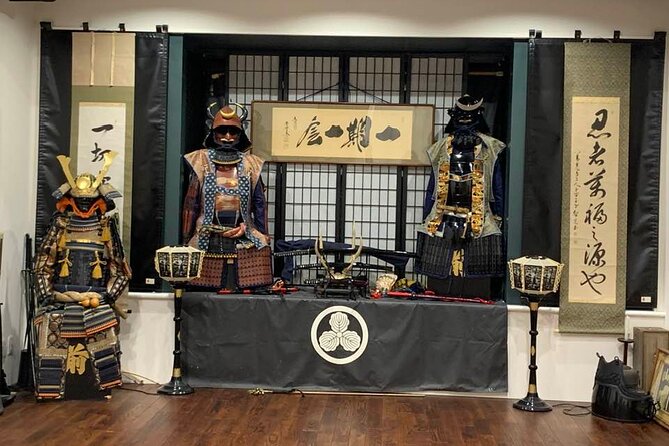
Next comes Embu, ancestor dedication, along with traditional etiquette and appreciation practices. These are the kinds of details that are hard to find on your own while walking around Tokyo. In a dojo setting, you get instructions on the why, not only the what.
From the way the lesson is described, the instructor portion includes cultural items and historical stories tied to the clan’s heritage. Even if you do not catch every term perfectly, you’ll feel the rhythm: a respectful pace, a guided sequence, and a focus on doing things correctly.
This is where the program earns its “cultural” label. It is not only about wearing costume clothing. It is about behavior, tone, and how you show respect during ritual actions.
One of the strongest signals from the experience feedback you have is that people come away saying it felt highly authentic and that the teaching included history about instruments, plus practical guidance on how to use them. That fits this part of the class well. The moment etiquette and tool knowledge connect, you stop treating it like theater.
Also, the lesson is guided personally by the 19th-generation Musashi Clan head. Having that kind of leadership matters. Even a short program benefits from someone who can explain the tone behind the techniques.
More Samurai and Ninja sessions in Tokyo:
- Ninja+Kabuki Tokyo
★ 4.5 · 512 reviews - Skip the lines Basic Ticket at SAMURAI NINJA MUSEUM TOKYO
★ 5.0 · 470 reviews - Best Samurai Experience in Tokyo
★ 5.0 · 458 reviews - Tokyo: Legend Samurai Entertainment Night in Kanda Shrine
★ 4.6 · 367 reviews
Mindful Movement: Posture and Concentration, Not Just Flexibility
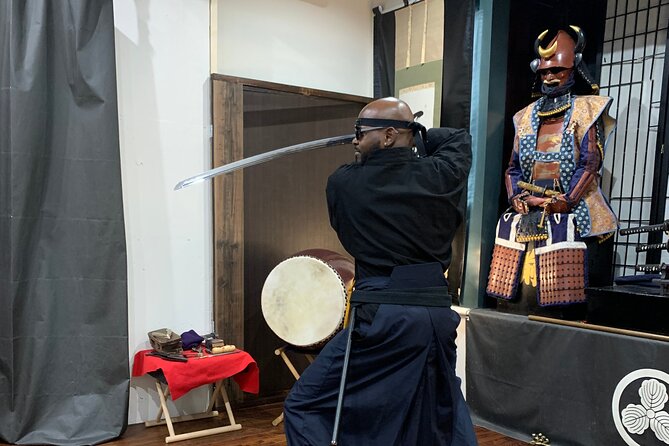
You will practice mindful movement training designed to improve concentration, posture, and inner balance. Think of it as body awareness with purpose. It is not advertised as a heavy fitness class, and that’s good news if you want cultural skills without training fatigue.
This section helps you take the mindset from meditation and actually use it through your body. When posture improves, you often feel more stable during any stance-based movement. When concentration improves, you tend to follow instructions better and enjoy the experience more.
It is also an accessibility factor. The program notes that most people can participate. That does not mean it is effortless, but it suggests the training is scaled for a wide range of ages and fitness levels.
If you’re the type who gets bored by lectures, you’ll probably appreciate that the lesson keeps moving. You’re constantly shifting between listening, watching, and doing.
Ninja Weapons Intro: Blowgun and Shruiken With Real Restraint
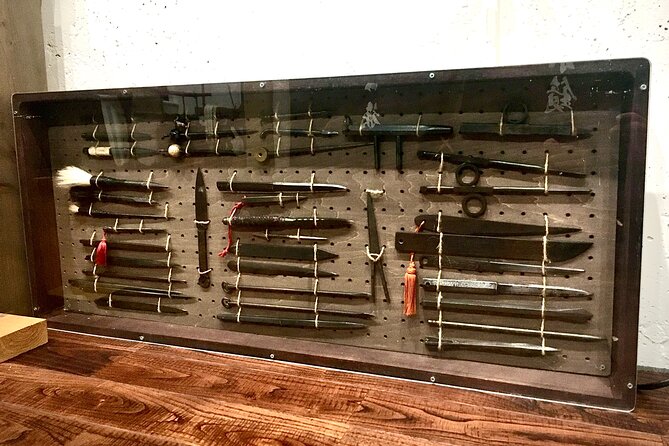
After the mindset and movement work, you get an introduction to ninja weapons. The program specifically mentions the blowgun and shruiken (ninja star).
This is where your expectations should be calibrated. Since this is an entry-level, 60-minute cultural program, you should treat this as an educational intro, not a full weapons training camp. The goal is understanding and safe handling basics, plus learning how these items fit into the tradition.
You’ll also get cultural and historical context around symbolic tools. That’s why weapon instruction here feels more meaningful than if it were only about demonstrating a trick. When you understand what an object represents and how it is typically approached within the philosophy, it becomes part of a story, not just a prop.
If you’ve ever watched flashy ninja content online and wondered what the real learning actually looks like, this section is the bridge. It lets you see the objects and learn the basics without turning the session into a stunt show.
And because the group is capped at 9 people, you’re more likely to get attention when you try small practice moments.
Price and Value: Why $93.17 Might Be Worth It
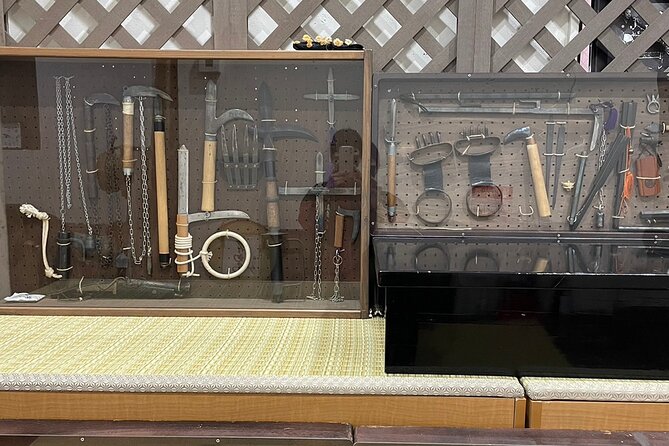
At $93.17 per person for a 60-minute program, this is not a budget activity. But in Tokyo, one-hour do-it-yourself workshops can still cost a chunk of change. So the question is what you get for that price.
Here’s what is included:
- Interpreter fee
- Samurai garb rental
- A commemorative photo included inside the dojo
That already lowers your out-of-pocket cost compared to booking a regular class and then paying separately for translation and costume rental.
You also get instruction by the 19th-generation Musashi Clan head, plus a guided structure that includes meditation, Kuja-kiri, Embu, etiquette, mindful movement, and weapon introductions. For a one-hour format, that is a lot packed in. The fact that it is delivered in a small group, maximum 9 people, increases the value because you are not just sitting and watching from the back.
The booking timing also suggests demand. On average, it’s booked about 44 days in advance. If you want a specific time slot, you should book earlier rather than waiting for your last week in Tokyo.
In plain terms: if you want a short, guided, culturally focused session with real teaching and included costume, this price is easier to justify. If you only want weapons or only want sightseeing photos, you may feel the session is more balanced than you’d like.
Logistics You Should Know Before You Go
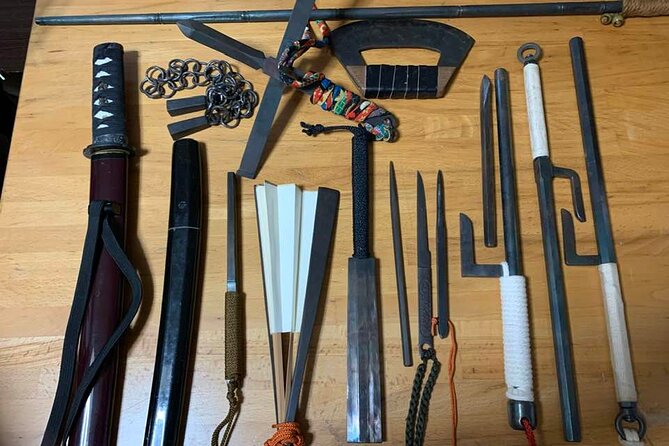
This is a class, so your day planning should match that.
You’ll need to come to the dojo yourself. Hotel pickup or drop-off is not available, so build in transit time and keep your start time clear. The meeting location is in Taito City, Matsugaya, and the session ends back at that same point.
Food and drinks are not included unless specified. With a one-hour program, I’d treat it like a scheduled activity, then eat before or after. If you have dietary needs, plan ahead since the info provided does not promise any food stop.
On participation: the program says most travelers can participate, and service animals are allowed. A child must be accompanied by a participating adult. The minimum number of people is 2, and the group maximum is 9, which helps keep the experience hands-on.
You’ll also receive a confirmation within 48 hours of booking, subject to availability, and you’ll use a mobile ticket.
If you’re coming from a hotel in a different part of Tokyo, don’t wing it. Pick a transit route you can repeat easily. Dojos are quiet places, and you want to arrive calmly so you can start the meditation portion without rushing.
Who This Tour Fits Best
This experience is ideal if you want a cultural, structured hour in Tokyo that actually teaches you something you can practice later.
It will suit you if:
- You enjoy mind-body activities like meditation and posture training
- You want etiquette and ritual context, not just photos
- You’re curious about ninja and samurai culture through tools, mindset, and respectful behavior
- You like small group learning, where you can ask questions and practice
It may be less ideal if:
- You expect a long, intense martial arts workout
- You want a deep specialist course on weapons
- You’re looking for pure sightseeing with lots of outdoor walking
Since you do get weapons introductions, you’ll still see the ninja side clearly. The difference is that the class starts with mindset and respect, then moves to tools.
Should You Book the Tokyo Samurai and Ninja Experience?
If you want an hour in Tokyo that feels structured, calm, and genuinely authentic, I’d book it. The strongest reasons are simple: you get to dress up, learn meditation and rituals like Kuja-kiri and Embu, practice mindful movement, and receive an introduction to the blowgun and shruiken, all with a guide led by the 19th-generation Musashi Clan head. Plus, you get a photo inside the dojo.
Book it if your priority is cultural learning plus hands-on practice, not a long adventure day. Skip it only if you’re only interested in weapons drills or you want a full-day itinerary.
FAQ
How long is the Tokyo Samurai and Ninja Experience?
It lasts about 1 hour.
What is included in the $93.17 per person price?
The experience includes an interpreter fee and samurai garb rental, and it also includes a commemorative photo inside the dojo.
Do I need to go to the meeting point and dojo on my own?
Yes. Hotel pickup or drop-off is not available. You should come to the dojo at the meeting point.
Is food included?
Food and drinks are not included unless specified.
What kinds of skills and topics will I learn?
You’ll learn entry-level ninja and samurai skills such as meditation, Kuja-kiri (well-wishing), Embu (ancestor dedication), and an introduction to ninja weapons like the blowgun and shruiken. You’ll also get instruction on etiquette and mindfulness-based movement.
What group size should I expect?
The experience has a maximum of 9 travelers, with a minimum number of people set at 2.
Is free cancellation available?
Yes. You can cancel for a full refund if you cancel up to 24 hours in advance of the experience’s start time.
Newly listed around Tokyo
- Customizable Private Tour in Mt. Fuji with Private Driver★ 5.0 · 69 reviews
- Tokyo’s Authentic and Finest Taiko Drumming Workshop★ 5.0 · 22 reviews
- Evening Hanami (Cherry Blossom) Experience with a Local★ 3.5 · 10 reviews
- Geisha Entertainment Experience in Tokyo★ 5.0 · 10 reviews
- Enjoy plus size Kimono★ 4.5 · 14 reviews
- Calligraphy on T-shirt or lantern near Skytree Tokyo★ 5.0 · 43 reviews
- Hands-on Japanese Cooking in a Shinjuku Home Kitchen with Satoru★ 5.0 · 19 reviews
- Edo Tokyo & Japanese Culture Tour with Government Licensed Guide★ 5.0 · 23 reviews
Samurai Sword & Ninja Training, compared.
Samurai Ninja Museum Guided tour and Experience
Read our review →
Kendo and Samurai Experience with Uniform and Gear
Read our review →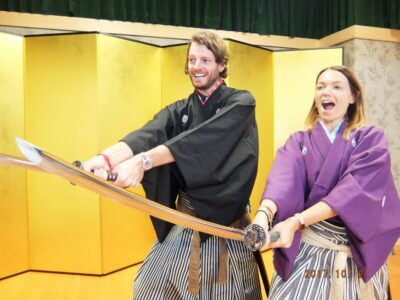
Samurai Sword Class by Experts in Traditional Arts
Read our review →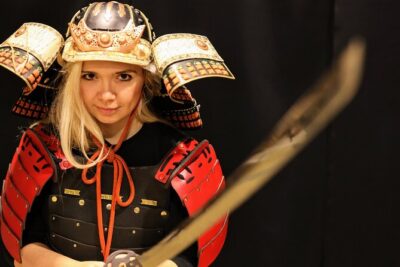
Skip the lines Basic Ticket at SAMURAI NINJA MUSEUM KYOTO
Read our review →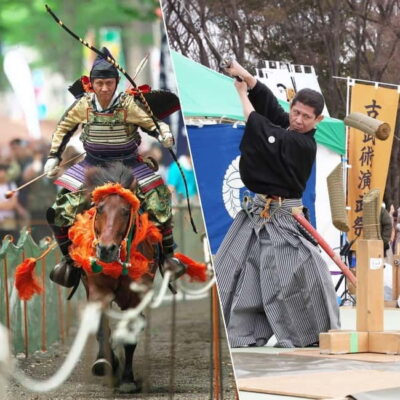
Samurai Sword & Archery Class from Samurai Descendant
Read our review →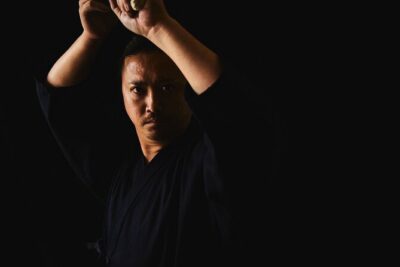
Browse the lists this tour appears in