
Review · TRADITIONAL MUSIC & DANCE SHOWS
Tokyo’s Authentic and Finest Taiko Drumming Workshop
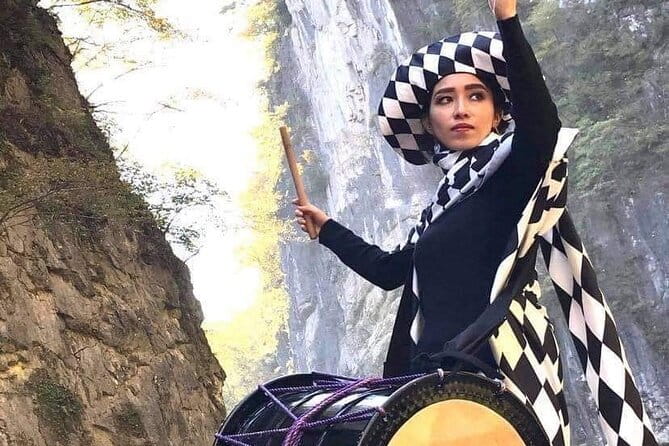
Hands on taiko in Tokyo, in 90 minutes. I love how this class is truly practical, with all equipment provided and a personalized video so you can track your progress, not just pose with drums. The only real catch is the physical side, it gets loud and it can mean sore hands or legs if you are unprepared.
Led by Eva Kestner, this is a boutique, small-group session where you start fast and get corrections right away. You’ll learn basics of rhythm, then play a traditional or contemporary set, with lots of personal attention in a space near Shibuya.
In This Review
- Key Things You’ll Notice Right Away
- Your Taiko Workshop in Tokyo: Why It’s Worth Your Time
- Meet Eva Kestner, and Why the Teaching Feels Serious (But Not Stuffy)
- Stop 1: The Academy in Shibuya, Central Enough to Pair With Plans
- The 90 Minute Rhythm Plan: What Happens From First Beat to Final Set
- 1) Start With Foundation Training
- 2) Move Into Rhythm Training
- 3) Learn a Traditional or Contemporary Piece
- 4) Performance With Corrections
- You’re Not Just Watching: How the Personalized Video Adds Real Value
- Equipment, Language Support, and the Small-Group Advantage
- What to Wear and Bring: The Practical Taiko Reality Check
- Price and Value: Why $120 Can Be Fair for a Workshop Like This
- Who This Workshop Is Best For
- Possible Drawbacks to Plan For
- Should You Book This Taiko Workshop in Tokyo?
- FAQ
- How long is the taiko drumming workshop?
- How much does it cost per person?
- Is the class offered in English?
- Do I need any prior taiko experience?
- What’s included in the price?
- Will I get anything after the workshop?
- Where does the workshop take place?
- What is the maximum group size?
- Is there an equipment rental or do I bring anything?
- What is the cancellation policy?
- Is the workshop suitable if I have limited mobility or sensory needs?
Key Things You’ll Notice Right Away
- All gear is provided, so you show up ready instead of hunting for drumsticks or rentals
- You leave with a personalized video, great for improvement and a fun souvenir
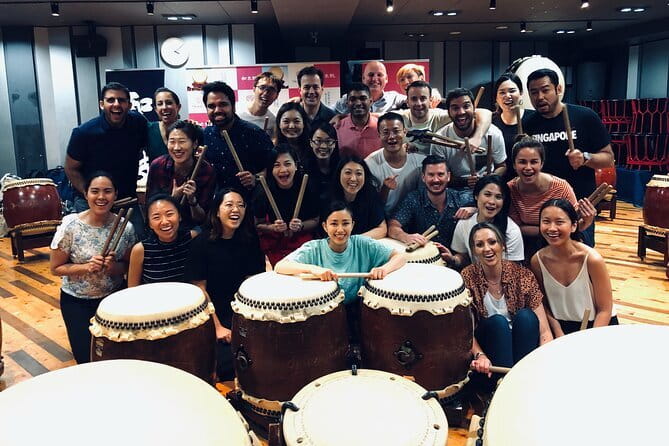
- Small group, up to 15, meaning more feedback when your timing needs adjusting
- English instruction plus Japanese support, helpful even if your Japanese is limited
- It’s a workout, with leg work and whole-body rhythm you feel during the session
Your Taiko Workshop in Tokyo: Why It’s Worth Your Time
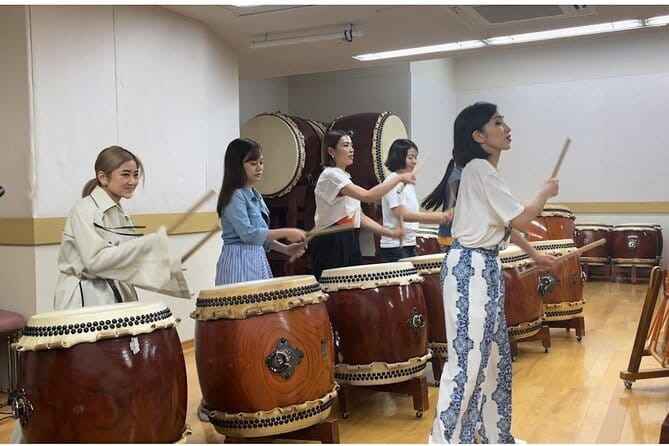
Tokyo has a lot of performances, but fewer chances to participate. This workshop is built around doing the real thing, not watching it from the edge of the room. If your travel style is hands-on learning, this is exactly that kind of experience.
The best part is that you are not required to be musical. You start with foundation training and rhythm training, then build toward performing a traditional or contemporary piece. That structure matters because taiko can look simple from the outside. Up close, it becomes clear you need focus, body position, and timing.
Also, I appreciate the “come as you are” format. The academy provides the drums and sticks, so you just bring your body, comfortable clothing, and a willingness to concentrate for 90 minutes.
Compare these Traditional Music and Dance shows in Tokyo:
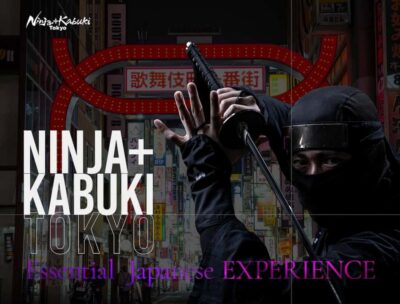
- Ninja+Kabuki Tokyo
★ 4.5 · 512 reviews - Tokyo: Ninja Kabuki Performance
★ 4.2 · 330 reviews - Tokyo: KABUKI Show at Kabukiza Theatre Admission Ticket
★ 4.8 · 152 reviews
Meet Eva Kestner, and Why the Teaching Feels Serious (But Not Stuffy)
This class is led by Eva Kestner International Taiko Drum Academy. Eva is not a casual hobbyist. She is a professional drummer and instructor with a long background in taiko, including leadership of Cornell University’s taiko drumming group. Her teaching also reflects real performance work, not just classroom drills.
In practice, that shows up in how the class moves. You are not stuck doing one beat over and over with no payoff. Eva demonstrates, explains in English, then guides you through the same rhythm with adjustments that help you improve quickly. That balance is ideal if you want technique and energy at the same time.
A couple of small details stand out from what people experienced in the room: instructions were patient, and learning worked well for different levels, including total beginners. If you are a left-handed drummer or you learned rhythm differently before, you’ll likely appreciate how coaching is handled. The goal is to get you playing, not getting you to do it one single rigid way.
Stop 1: The Academy in Shibuya, Central Enough to Pair With Plans
The workshop meets at Japan, 150-0032 Tokyo, Shibuya, Uguisudanichō, 111 太洋レジデンス代官山 (the address is the key detail). The activity ends back at the meeting point, so you are not commuting across town after you are tired and a little loud.
What matters for you is the location vibe. It’s near public transportation, and it is in a central Tokyo area, so you can pair it with an evening meal or a stroll afterward. The class format is also small-group, which usually means less waiting and more time actually drumming.
One practical tip: the exact address can be tricky to find if your map app is not using the Japanese location details. Before you go, I’d confirm the pin in your navigation app. If you want zero stress, arrive a few minutes early.
The 90 Minute Rhythm Plan: What Happens From First Beat to Final Set
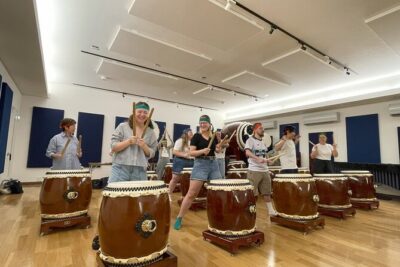
The class is about 1 hour 30 minutes, and it follows a clear flow: foundation training, rhythm training, and then a traditional or contemporary taiko piece.
Here’s how that tends to feel in real time.
A few more Tokyo days to weigh up
- Mt Fuji and Hakone 1-Day Bus Tour Return by Bullet Train
★ 5.0 · 26,383 reviews - 1-Day Tokyo Bus Tour
★ 5.0 · 14,250 reviews - Tokyo: TOKYO SKYTREE® Admission ticket
★ 4.5 · 11,192 reviews - Tokyo: teamLab Planets TOKYO Digital Art Museum Entry Ticket
★ 4.6 · 9,779 reviews
1) Start With Foundation Training
You begin with the basics of taiko technique. This is where Eva sets your body position and hand or stick alignment so you can hit clean sounds instead of just banging around. Expect to learn how a good beat starts, what the posture supports, and how to keep your rhythm steady.
This stage is also where you build confidence fast. Reviews from different age groups reflect the same theme: you can start almost right away, then improve as the session goes.
2) Move Into Rhythm Training
Next comes rhythm training. This is not just counting. You’ll likely practice combinations and patterns meant to create timing together as a group. In taiko, timing is everything, and rhythm training is where you learn how to listen across the room while still feeling your own beat.
If you’ve played the arcade version of taiko before, this part is where things become real. The physicality and the coordination are different when you have an actual drum in front of you.
3) Learn a Traditional or Contemporary Piece
After a short break, you move into a traditional or contemporary taiko drumming piece. This is the “performance” part of the workshop, where your practice turns into something that feels like music, not just exercises.
What makes this meaningful is that you do it as a group. You’ll experience the satisfaction of hearing your section lock in with others. It’s also a place where you might notice how choreography-like body movements influence sound and timing.
4) Performance With Corrections
Even during the piece, there’s still coaching. Eva is actively guiding your rhythm and technique. People often describe this workshop as both energizing and educational, which matches the feeling of working hard while constantly improving.
You’re Not Just Watching: How the Personalized Video Adds Real Value
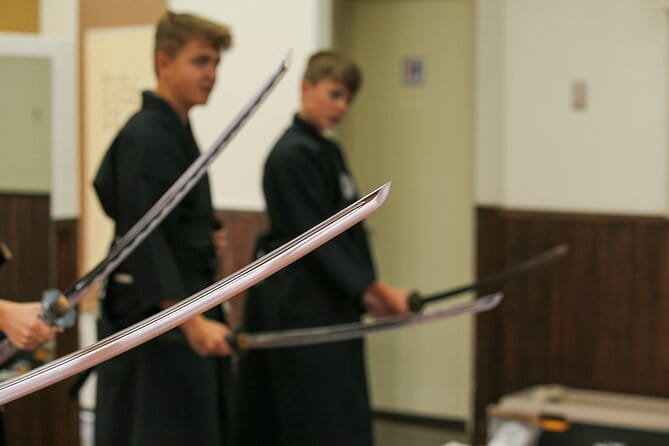
A lot of travel activities give you photos. This one gives you a personalized video of you playing taiko. That’s a bigger deal than it sounds.
When you drumming live, your focus is on technique, timing, and listening. After the class, it can be hard to remember what exactly you did well. The video makes feedback practical, because you can watch your posture, how you hold the stick, and where your rhythm steadies or breaks.
It also works as a souvenir that is more specific than a generic group picture. You can show it to friends, compare future attempts, and actually see improvement if you repeat patterns at home.
Equipment, Language Support, and the Small-Group Advantage
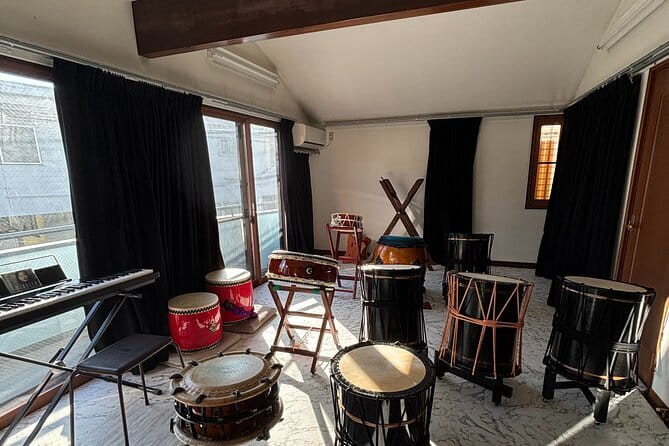
Everything you need is provided: taiko drums and taiko drumming sticks. That alone is a time and money saver. You do not need to locate rentals, worry about transport, or spend your limited Tokyo hours shopping for gear.
You also get English and Japanese support. That matters because taiko terms and rhythm counting can be hard to translate on your feet. Having support reduces frustration, so you can focus on sound and timing.
Finally, the class is capped at a maximum of 15 travelers. Small-group teaching changes the dynamic. You are not just one more student in a line. You get personal attention when your beat needs adjusting, and you can ask questions without losing track of the session.
People specifically mention how Eva was friendly, patient, and animated, and that the pace worked for different ages.
What to Wear and Bring: The Practical Taiko Reality Check
Taiko is physical. Even with coaching and beginner-friendly pacing, you are using your legs and core for stability and your arms for strikes. Expect it to feel like a workout more than a gentle cultural stroll.
Here are the practical considerations to plan around:
- Wear comfortable, breathable clothing you can move in.
- Bring water. The class can be intense enough that hydration matters.
- Consider band aids or something similar. Some participants reported blisters on their hands.
- If you are sensitive to volume, know it gets loud. Loud is part of the energy of taiko.
Also think about your expectations. Taiko can look easy from a distance, but it requires concentration. If you love learning by doing, this is exactly the right kind of challenge.
Price and Value: Why $120 Can Be Fair for a Workshop Like This
At $120 per person, this is not a cheap impulse activity. So the question is whether you’re paying for a “show” or paying for real instruction.
Here, you’re paying for:
- a 90 minute, structured learning session led by a professional instructor
- provided drums and sticks (so no rental costs or hunting gear)
- English teaching with Japanese support
- small-group attention, max 15
- a personalized video after you play
From a value standpoint, the personalized video plus hands-on coaching is what justifies the price more than the location alone. In Tokyo, you can find lower-cost entertainment, but not as much learning time plus individualized take-home material.
If you want a simple sightseeing day, this may feel pricier. If you want a memorable skill-based experience you can actually repeat, it becomes more reasonable fast.
Who This Workshop Is Best For
This is a good fit if you match one of these:
- You want a hands-on cultural activity in Tokyo, not just another photo stop.
- You like learning rhythm, even if you do not play an instrument.
- You’re traveling with teens or mixed-age groups and want an activity that works across experience levels.
- You want a structured class you can do in a short window, about 1.5 hours.
- You enjoy energy and movement and do not mind getting a little sore.
It can also work for couples and small groups. People describe the class as welcoming, interactive, and fun for both beginners and those with a little prior exposure.
Possible Drawbacks to Plan For
No activity is perfect, so here are the realistic considerations:
- It’s physical and can cause soreness or blisters. Plan clothing and hand comfort accordingly.
- It is loud, which might not suit everyone.
- You’ll need focus and coordination. If you prefer passive cultural experiences, the concentration requirement may feel demanding.
- The location needs proper navigation. Use the provided address and check your map app so you don’t waste energy searching.
If those sound acceptable, you’ll likely find the experience more satisfying than you expected.
Should You Book This Taiko Workshop in Tokyo?
I’d book it if you want something genuinely participatory in Tokyo that still feels organized and professional. The combination of all equipment provided, small-group attention, and a personalized video makes it more than a one-time thrill. It’s a real skill session with an authentic Japanese art form.
I would skip or reconsider if you hate loud environments, want a totally low-effort activity, or you struggle with moderate physical demands. Also, if you already know you do not enjoy rhythm practice, taiko might feel like work instead of fun.
If you can handle movement, take directions, and focus for 90 minutes, this is one of the more “you did something” experiences you can fit into a Tokyo itinerary.
FAQ
How long is the taiko drumming workshop?
The workshop runs for about 1 hour 30 minutes.
How much does it cost per person?
The price is $120.00 per person.
Is the class offered in English?
Yes. The workshop provides English instruction, and there is also Japanese support.
Do I need any prior taiko experience?
No. The workshop is designed for beginners and also supports novice to intermediate rhythm playing.
What’s included in the price?
You’ll receive taiko drums and taiko drumming sticks, plus English and Japanese support.
Will I get anything after the workshop?
Yes. You receive a personalized video of you playing the taiko drums.
Where does the workshop take place?
The meeting point is in Shibuya, Uguisudanichō, at Japan, 150-0032 Tokyo, Shibuya, Uguisudanichō, 111 太洋レジデンス代官山. The activity ends back at the meeting point.
What is the maximum group size?
The maximum number of travelers is 15.
Is there an equipment rental or do I bring anything?
You do not need to bring the drums or sticks. The academy provides both. You should bring yourself, and comfortable clothing is a good idea since it’s physical.
What is the cancellation policy?
Free cancellation is available up to 24 hours in advance for a full refund.
Is the workshop suitable if I have limited mobility or sensory needs?
The activity includes accessibility support for visual, audio, mobility, and neurodivergents, and it notes you should have a moderate physical fitness level.
Newly listed around Tokyo
- Customizable Private Tour in Mt. Fuji with Private Driver★ 5.0 · 69 reviews
- Tokyo Samurai & Ninja Experience – 60‑Min Cultural Program★ 5.0 · 7 reviews
- Evening Hanami (Cherry Blossom) Experience with a Local★ 3.5 · 10 reviews
- Geisha Entertainment Experience in Tokyo★ 5.0 · 10 reviews
- Enjoy plus size Kimono★ 4.5 · 14 reviews
- Hands-on Japanese Cooking in a Shinjuku Home Kitchen with Satoru★ 5.0 · 19 reviews
- Calligraphy on T-shirt or lantern near Skytree Tokyo★ 5.0 · 43 reviews
- Edo Tokyo & Japanese Culture Tour with Government Licensed Guide★ 5.0 · 23 reviews
Traditional Music & Dance Shows, compared.

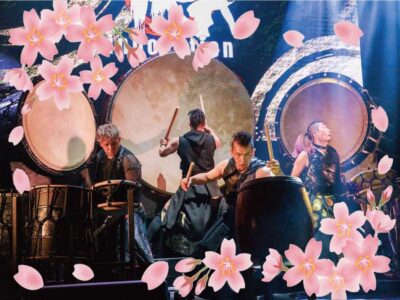
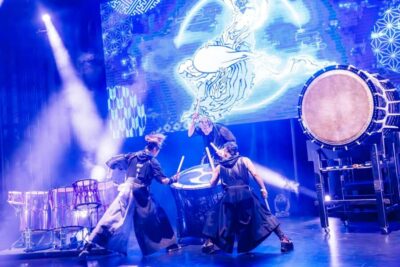
OSAKA NIGHT FUSION Japanese Taiko Kabuki Samurai Dance Show
Read our review →
KABUKI Show at Kabukiza Theatre Admission Ticket
Read our review →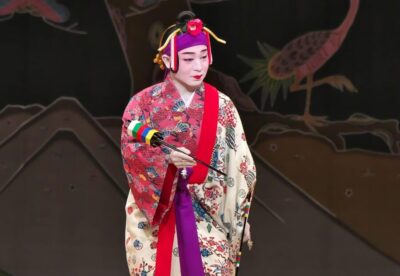
KABUKI, BUNRAKU, etc. presented by National Theatre
Read our review →
Browse the lists this tour appears in