
Review · MOUNT FUJI DAY TRIPS
Hidden Fuji drive tour with a Local English speaking guide
Mt. Fuji feels calmer here. This private driving tour in the Kawaguchiko area takes you past the usual crowds and into quieter corners of Mt. Fuji and Lake Kawaguchiko, led by local English speaker Yuki. I like the slower pace, with time to actually look around at lake views, shrines, and forest roads, and I like the focus on local places instead of only the famous stops. One thing to watch is the weather factor, since the optional approach up to the 5th station depends on conditions, and that part is not included in the price.
With a small group of up to 5 in an air-conditioned car, this feels like a custom day without the headache of figuring out roads and parking. You start at 9:00 am, you’ll use a mobile ticket, and pickup is offered for people already based in the Kawaguchiko area. The day weaves together lakeside stillness, the Mt. Fuji worship sites around Aokigahara, local food in Fujiyoshida, and a final pause at Fujisan Onsen Hotel Kaneyamaen’s public garden.
In This Review
- Key highlights before you go
- A private Fuji drive that trades crowds for quiet roads
- Meet Yuki, and enjoy the small-group flow
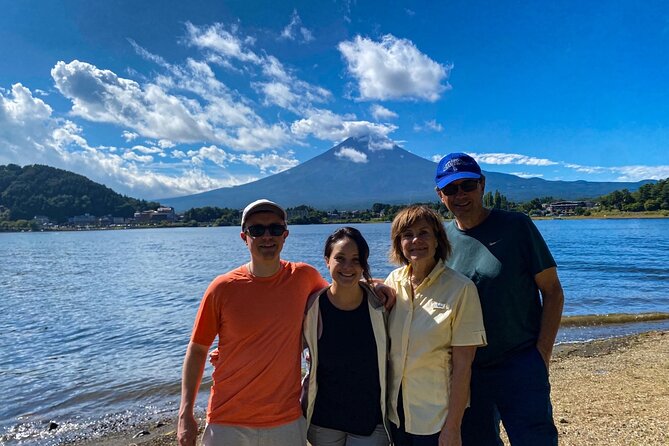
- Lake Kawaguchiko: the first Fuji view, without rushing
- Kawaguchi Asama Shrine: Mt. Fuji worship and seven ancient trees
- Saiko Lake: deep blue water and a quiet viewing mindset
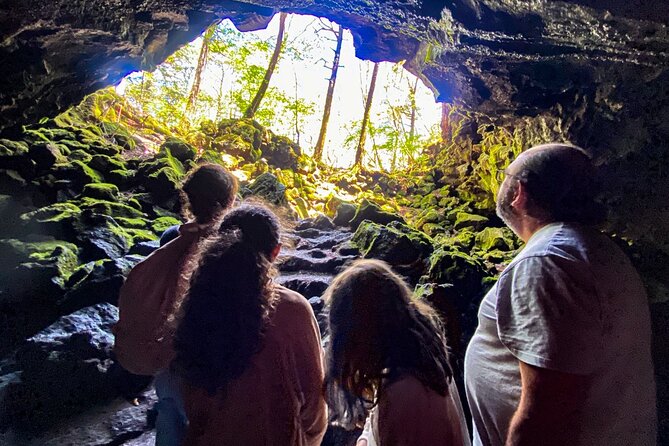
- Aokigahara Forest (Jukai): lava field forests and a Mt. Fuji worship cave
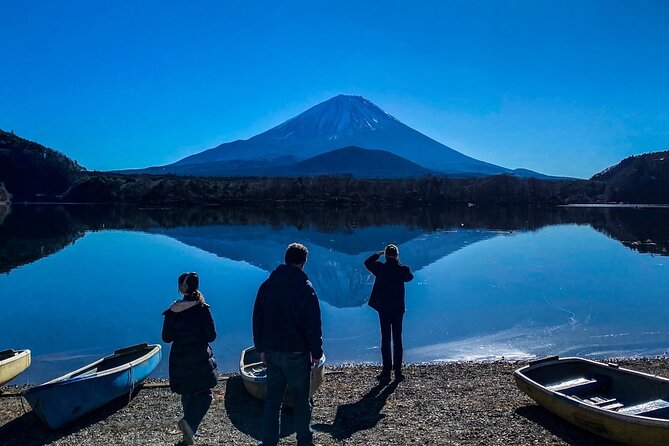
- Lake Shoji: the smallest Fuji Five Lakes, for stillness
- Menkyo-kaiden and Yoshida udon: a Fujiyoshida flavor stop
- Optional Mt. Fuji approach up to the 5th station
- Fujisan Onsen Hotel Kaneyamaen: a historic garden finish
- Price and what you truly get for $396.31 per group
- Timing, weather, and how to make this day work
- Who should book this, and who might choose differently
- Should you book this hidden Fuji drive tour?
- FAQ
- Is this tour only for people staying in Kawaguchiko?
- How long is the tour?
- What time does the tour start?
- How many people are in a group?
- What is included in the price?
- Is lunch included?
- What fees should I expect for the optional Mt. Fuji stop?
- What happens if weather is bad?
- Can I cancel for free?
Key highlights before you go
- English-speaking guide Yuki gives context as you drive, not just directions at each stop
- Quiet Fuji Five Lakes routing keeps the focus on lesser-visited viewpoints and roads
- Aokigahara and a lava cave site connect the geography to Mt. Fuji worship traditions
- Yoshida udon stop at Menkyo-kaiden gives you a real taste of Fujiyoshida cuisine
- Optional 5th station approach only if weather allows, with clear fee rules
A private Fuji drive that trades crowds for quiet roads
The big challenge around Mt. Fuji is the human one. Even in beautiful places, you can lose time to lines, traffic, and the tug-of-war for the best photo angles. This tour is designed to fix that. It’s a private driving day from Fujikawaguchiko-machi, built around a calmer rhythm and a route that favors the less busy spots around the lake region.
What I like most is that the focus stays local. You’re not just hopping between postcard views. You get shrine time, forest time, and lakeside time, plus a food stop tied to Fujiyoshida. That combination matters, because it turns a “Mt. Fuji day” into a more grounded experience of how people actually live with the mountain nearby.
You’ll also appreciate the small-group setup. Up to five people travel together, and that alone changes how the day feels. Your guide can adjust timing and viewpoints without turning the schedule into a conveyor belt.
More Mount Fuji Day trips in Fujikawaguchiko machi:
- Scenic Spots of Mt Fuji and Lake Kawaguchi 1 Day Bus Tour
★ 4.5 · 585 reviews - Mt Fuji Area Private Guided Tours in English-Nature up close, quiet, personal
★ 5.0 · 288 reviews - Explore Mt. Fuji Ice Cave in Aokigahara Forest
★ 5.0 · 243 reviews
Meet Yuki, and enjoy the small-group flow
Yuki is the local English-speaking guide, and the most consistent theme in the praise is how smoothly she steers the day into quieter areas. In practice, that means you spend less time doing mental math about where to go next and more time looking out the window at what the region looks like beyond the main tourist cluster.
This is a driving tour, not a long bus shuffle. You’re in an air-conditioned vehicle, and parking fees are included, which removes one of those annoying friction points that can eat away at a perfect schedule. The tour also uses a mobile ticket, so you’re not scrambling for paper while you’re trying to keep everyone on time.
Duration is about 6 hours, starting at 9:00 am. That length is long enough to feel like a real day out, but not so long that you’re stuck in transit the whole time. It also helps you pair it easily with the rest of your Kawaguchiko stay, whether that means onsen time, dinner plans, or a relaxed morning before this outing.
Lake Kawaguchiko: the first Fuji view, without rushing
Your first stop is Lake Kawaguchiko, with about 10 minutes to soak in the best view of Mt. Fuji and the lake. It’s brief, but that can be a good thing when you’re trying to keep the whole day balanced. You get the classic angle early, then the tour moves on before the area gets more crowded.
Even if you’ve seen Mt. Fuji reflections from other viewpoints, this one is worth treating like a baseline. Use it to “set your eye” for what the weather and visibility are doing that day. If the mountain is crisp early, you’ll have more confidence about the day’s later optional stop. If the view is hazy, you can adjust your expectations and lean into the shrine and forest parts, which still feel special even when Fuji is shy.
Kawaguchi Asama Shrine: Mt. Fuji worship and seven ancient trees
Next up is Kawaguchi Asama Shrine, scheduled for 30 minutes, with admission listed as free. This isn’t a random stop. The shrine was built to pray for the goddess of Mt. Fuji to settle the eruption about 1,200 years ago. That backstory changes how you experience the place. You’re not just looking at a pretty shrine. You’re visiting a site tied to how communities have understood and respected volcanic power for generations.
A detail I’d file away here is the presence of seven ancient trees on the grounds. It’s the kind of small fact that makes your time feel richer than a quick photo and walk-away.
Because it’s away from the most tour-frequented zones, the time feels more peaceful. If you care about atmosphere, this stop delivers: quiet walking, seasonal light, and a place where the guide can connect faith, landscape, and local memory into something you can actually picture.
More Private Guides in Fujikawaguchiko machi:
- Private guided hidden gems tour by local English speaking driver
★ 5.0 · 142 reviews - Mt. Fuji Five Lakes Area Private Tour with Licensed Guide(Kawaguchiko area Dep)
★ 5.0 · 55 reviews - Tokyo 6hr Private Tour with Government-Licensed Guide
★ 5.0 · 3,902 reviews - Kyoto Early Morning Tour with English-Speaking Guide
★ 5.0 · 1,427 reviews
Saiko Lake: deep blue water and a quiet viewing mindset
After the shrine, you head to Saiko Lake for about 20 minutes, also marked as free. Saiko is known for its deep blue tone, tied to pure water coming from Mt. Fuji. The guide frames it in a way that encourages respectful silence, including a reminder to not disturb local anglers.
This is one of those stops where “short” can still feel meaningful. You’re not covering a museum’s worth of content. You’re getting a calmer pause, with the water and mountain working as your main subject. If you’re traveling when the lakes look their clearest, this is the sort of stop that can make your day feel like it’s moving slower than the clock.
A small practical tip: if you see anglers nearby, keep voices down and move thoughtfully. The whole point of this part of the day is to enjoy the view without turning it into a performance.
Aokigahara Forest (Jukai): lava field forests and a Mt. Fuji worship cave
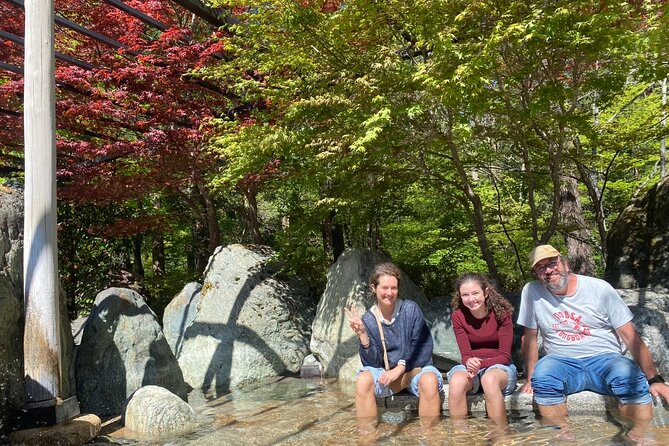
Now for the most atmospheric segment: Aokigahara Forest, also called Jukai, with about 1 hour on the schedule. Admission is listed as free.
This forest matters because it sits on a lava field from Mt. Fuji. That’s not just trivia. It explains the texture of the place, the way the ground feels, and why this area has its own spiritual layer. Your guide also has you explore and visit a sacred ruins area tied to Mt. Fuji worship, described as a lava cave created by one of the largest eruptions.
If you like places where nature and belief connect, this hour can be a highlight. It’s different from the “lake view, photo, leave” pattern. You’re walking in a setting with a story, and Yuki’s job is to make sure you understand why people cared enough to build sacred sites here.
What to consider: Aokigahara is a forest experience. The day will likely involve walking on uneven ground. Wear shoes that feel stable, and be ready for the air to feel cooler or more shaded than the lakeside areas.
Lake Shoji: the smallest Fuji Five Lakes, for stillness
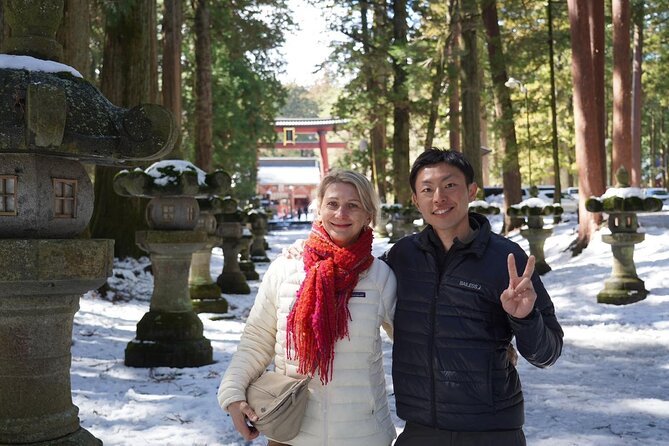
Next you go to Lake Shoji for about 30 minutes, again marked as free. Lake Shoji is described as the smallest of the Fuji Five Lakes and a particularly peaceful place to see Mt. Fuji.
This is a smart mid-to-late day stop. By the time you arrive, you’ve already absorbed a shrine and a forest, so the lakeside quiet feels like a reset. It’s also a chance to catch a different angle of the mountain. Even if you saw Fuji earlier, Shoji can give you a calmer, more private feeling.
One thing I appreciate in this pacing is that the tour doesn’t try to “force” Fuji visibility. The day stays designed for Fuji views, but it doesn’t collapse if the mountain is partially hidden. The peace of Shoji still makes sense even on a mixed-weather day.
Menkyo-kaiden and Yoshida udon: a Fujiyoshida flavor stop
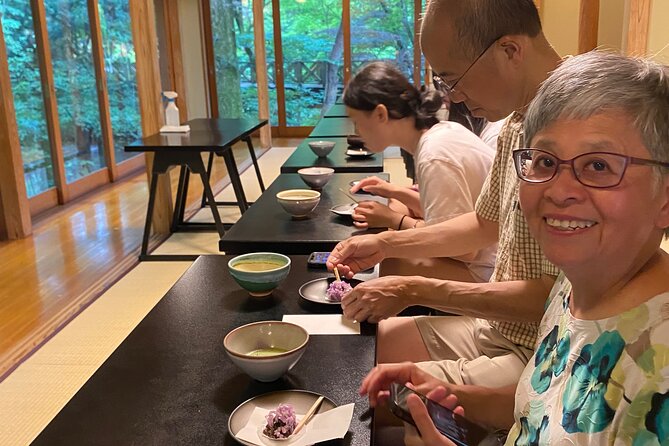
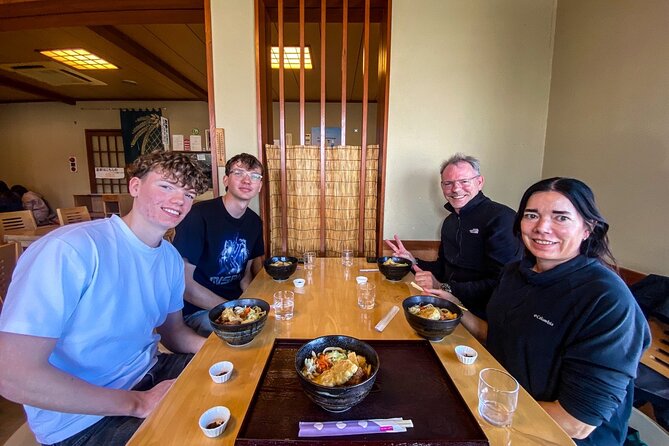
You then shift to food at Menkyo-kaiden, with 45 minutes allotted. This is where the itinerary calls out Fujiyoshida’s signature dish: Yoshida udon. The noodles are thicker than usual, and the texture is firm and chewy.
Lunch is listed as not included, and the guide’s timing gives you a real window to eat rather than squeezing a meal into a tight transfer. The typical cost for lunch is 1,000 to 2,000 yen per person, which is a reasonable budget for a region-specific meal.
This is also where the best part of the private format shows up. A guide can usually help you choose the right spot and timing so you’re not hunting around with a phone while everyone is hungry. If you care about tasting the local food culture, this stop is the one I’d call most practical.
If you have dietary needs, plan to address them with your guide in advance. The data here only covers the typical meal idea, not options for substitutions.
Optional Mt. Fuji approach up to the 5th station
The tour includes an optional Mount Fuji stop, up to the 5th station if weather conditions are good. This part allows up to about 1 hour, and it also includes a short hike when the timing and conditions fit.
Important budget note: the entrance fee for Mt. Fuji is listed as 2,800 yen per booking and is not included. Also, access is weather dependent, so you should treat this as a bonus when it works out, not as a promise.
This stop can be worth it if you want more than a lakeside view. Being higher changes the air, the angle, and the sense of scale. But you should also be ready for the realities of Mt. Fuji weather: fog, wind, or low visibility can make the station experience less comfortable.
Best strategy: if the mountain looks strong earlier in the day, you’ll be more likely to appreciate this segment. If not, the shrine and forest parts still give you a full value day.
Fujisan Onsen Hotel Kaneyamaen: a historic garden finish
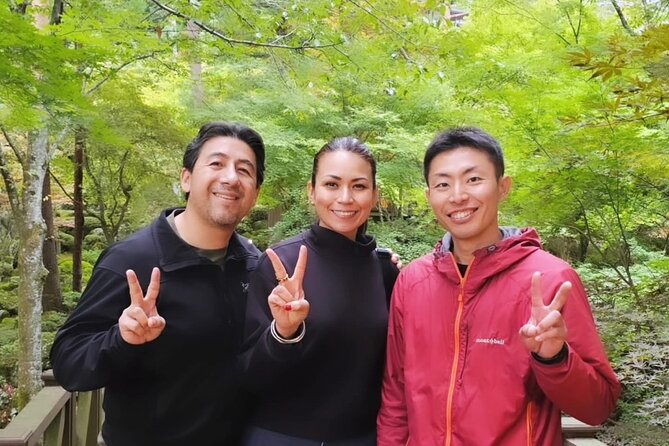
To close the day, you head to Fujisan Onsen Hotel Kaneyamaen for about 30 minutes. It’s described as the most historical and fancy hotel in Fujiyoshida city, and the key experience here is the Japanese-style garden that is open to the public.
This stop is about atmosphere and seasonal color. Even if you are not spending time in a hot spring, the garden itself provides that slow ending: space to sit, look, and let the day’s driving fade into quieter impressions. The description also points out examples like cherry blossoms, which tells you that seasonal timing can strongly affect what you see.
Practical note: if you want a longer garden linger, this 30-minute window might feel short. Still, it functions well as a calm wrap-up before you head back to where you’re staying.
Price and what you truly get for $396.31 per group
The price is $396.31 per group, up to 5 people, for a total duration of about 6 hours. That means the value depends on how many seats you actually fill.
If you book with four or five people, your per-person cost can be quite reasonable for a private guide plus an air-conditioned vehicle and parking included. If you book as a solo or couple, it can feel pricier, because you’re essentially paying for the whole vehicle.
What helps justify the price is what’s included:
- English-speaking local guide (Yuki)
- Air-conditioned vehicle
- Parking fees
- Mobile ticket
- Pickup offered (within the Kawaguchiko area setup)
And what adds flexibility:
- Short stops that keep the day moving, but not rushed
- Optional Mt. Fuji station time when conditions allow
- Lunch stays optional, so you can choose what fits you best
In other words, you’re paying for time, access, and local guidance. In this region, that can save you money in the indirect way too, because you avoid multiple ad-hoc taxis, missed windows, and the stress of parking and route planning.
Timing, weather, and how to make this day work
This tour runs for about six hours starting at 9:00 am, and it’s best when the weather is cooperating. Since the optional 5th station relies on conditions, I suggest treating the day as two-layered:
- A full experience even if Fuji visibility is mixed
- A bonus if the mountain is clear enough for higher access
Also note that the tour is available only for people coming to the Kawaguchiko area themselves or already staying in the area. If you’re basing yourself elsewhere, you’ll want to plan your lodging so you can use the pickup offer.
Finally, plan booking timing. This tour is often booked about 60 days in advance, so if you’re aiming for a popular season, earlier planning is the safest move.
Who should book this, and who might choose differently
This is ideal if you:
- Want a private day with English guidance rather than navigating alone
- Prefer quiet, lesser-visited spots around the Fuji Five Lakes
- Care about more than just views, and want shrine and forest context
- Like the idea of eating Yoshida udon in Fujiyoshida during the route
You might choose something else if you:
- Want a very structured, fixed schedule with no flexibility
- Are strictly focused on only the top-of-mountain experience, since access depends on weather and requires a separate fee
- Don’t enjoy forest walking, since Aokigahara is an active portion of the day
Should you book this hidden Fuji drive tour?
If your goal is a calmer Mt. Fuji day with a real local guide, this one is easy to recommend. The strongest reasons are practical: Yuki’s route choice that favors quieter areas, the mix of lakes, shrines, forest, and food, and the way the day is paced so you can actually notice details instead of just passing through.
The main “maybe” is simple, weather. If the sky cooperates, you get the best of both worlds: lakes and culture plus an optional approach toward the 5th station. If weather doesn’t cooperate, the shrine and Aokigahara portions still give you a full, meaningful day in the Fuji region.
FAQ
Is this tour only for people staying in Kawaguchiko?
Yes. This experience is available only for clients who are coming to the Kawaguchiko area themselves or who are already staying in the area.
How long is the tour?
The duration is about 6 hours.
What time does the tour start?
The start time is 9:00 am.
How many people are in a group?
It is a private tour/activity, and the group size is up to 5 people.
What is included in the price?
The tour includes parking fees, an air-conditioned vehicle, an English-speaking local guide (Yuki), and mobile ticket access. Pickup is also offered.
Is lunch included?
Lunch is not included. It’s an optional expense, usually costing 1,000 to 2,000 yen per person.
What fees should I expect for the optional Mt. Fuji stop?
The entrance fee for Mt. Fuji is 2,800 yen per booking, and it is not included. The Mt. Fuji approach up to the 5th station is optional and depends on weather.
What happens if weather is bad?
This experience requires good weather. If it’s canceled due to poor weather, you’ll be offered a different date or a full refund.
Can I cancel for free?
Yes, you can cancel for free up to 24 hours in advance for a full refund. If you cancel less than 24 hours before the start time, the amount paid will not be refunded.
Newly listed around Fujikawaguchiko machi
- Cute & Fun E-Car tour following guide around Lake Kawaguchiko★ 5.0 · 54 reviews
- Ramen Cooking Class at Lake Kawaguchiko (Short Course)★ 5.0 · 42 reviews
- View of Mt. Fuji is good! Sushi making experience class★ 5.0 · 6 reviews
- Fujisan Sushi Making Lesson★ 5.0 · 16 reviews
- Private Local Hiking to enjoy the nature and culture of Mt.Fuji★ 5.0 · 22 reviews
- Ramen Cooking Class at Ramen Factory in Mt.Fuji★ 5.0 · 101 reviews
- Sushi Cooking Class at Sushi Factory -KIWAMI- Mt.Fuji★ 5.0 · 23 reviews
- Mt. Fuji Five Lakes Area Private Tour with Licensed Guide(Kawaguchiko area Dep)★ 5.0 · 55 reviews
Mount Fuji Day Trips, compared.
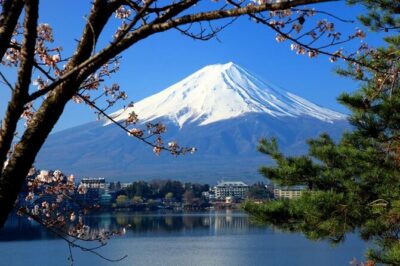
Mt Fuji and Hakone 1-Day Bus Tour Return by Bullet Train
Read our review →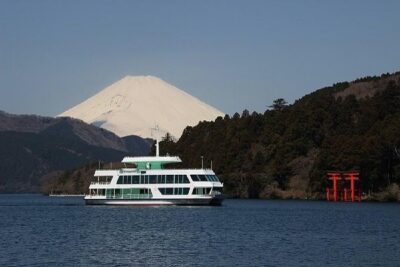
Mt Fuji & Hakone Cruise, Drum Show Bullet Train 1 Day from Tokyo
Read our review →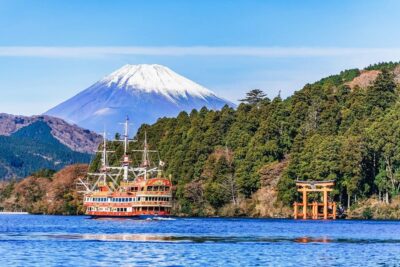
Tokyo Mt Fuji 5th St & Hakone Cruise Bus Tour w/Bullet Train
Read our review →
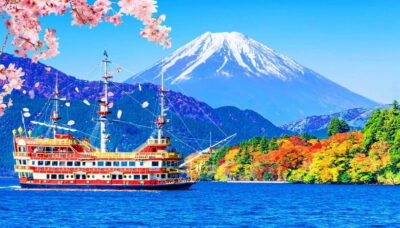
Mt. Fuji Tour, Hakone Ropeway, Owakudani, Lake Ashi
Read our review →
Mt.Fuji,Kawaguchiko Oishi Park,Arakurayama Sengen Park
Read our review →
Mt. Fuji 5th Station & Hakone Cruise 1-Day Bus Tour
Read our review →
Mt Fuji Top 5 Spots Day Tour: Arakurayama Park,Oshino Hakkai
Read our review →Browse the lists this tour appears in