
Review · HIKING & TREKKING
Hike Hakone Hachiri
Turn a train day into a history walk.
The Hakone Hachiri route links Hakone and Mishima to the ancient Tokaido Highway, so you get centuries of movement between Tokyo, Kyoto, and Osaka in one long day. I especially love the stop at Amazake Chaya Tea House with Mr Yamamoto, a 13th-generation manager, plus the cedar avenue planted on Tokugawa Hidetada’s orders. The big drawback to plan around is that it’s weather-dependent, and parts of the route are a moderate hike, so you need sturdy shoes and a steady pace.
This is a private group experience, starting at Mishima Station at 8:30 am, and it runs about 9 hours. Lunch is timed near Lake Ashi, but it’s not included in the price, so you’ll want to budget for your meal and any coffee. If you’re okay with hills, stone footing, and the chance that Mt. Fuji views are hit-or-miss, this day hike is a very satisfying way to see Hakone beyond the crowds.
In This Review
- Key Highlights You’ll Want to Know
- Old Tokaido Energy, Without the Big-Tour Stampede
- Why This Route Feels Different: Amazake Chaya to Sekisho
- Stop 1: Hakone Amazake Tea House and Mr Yamamoto’s Family Line
- Stop 2: Lake Ashinoko Lunch by a Crater Lake with Red Torii
- Stop 3: Cedar Avenue, Where Shade Was the Design
- Stop 4: Hakone Sekisho and the Museum Checkpoint Reality
- Stop 5: Yamanaka Castle Ruins, Earthworks, and Possible Mt Fuji
- Stop 6: The 12 km Old Tokaido Foot Highway Stretch
- Stop 7: Mishima and the Genbegawa World Water Heritage Walk
- Guide Matters Here: Tony’s Storytelling and Plan B Skill
- What to Wear and Bring for This “Moderate” Hike
- Price and Value: When $231.18 Actually Makes Sense
- Timing, Logistics, and How the Day Flows
- Should You Book Hakone Hachiri?
- FAQ
- FAQ
- How long is the Hakone Hachiri hike?
- Where does the tour start and end?
- Is lunch included?
- Is coffee or tea included?
- What’s included in the ticket price?
- Is this a private tour?
- What fitness level do I need?
- What weather conditions affect the tour?
- Do I need to worry about cancellation changes?
- Do I get a mobile ticket?
Key Highlights You’ll Want to Know
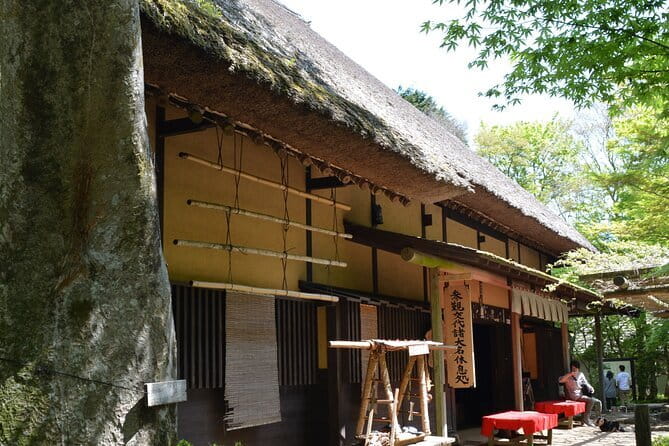
- A 13th-generation amazake tea stop: Meet Mr Yamamoto at Amazake Chaya, one of the few remaining teahouses from the old Tokaido line.
- Cedar Avenue built for shade: Walk sugi (Japanese cedar) planted long ago to shelter travelers heading along the Tokaido.
- Hakone Sekisho checkpoint storytelling: Learn how this location helped control who traveled and protect Edo.
- Yamanaka Castle Ruins views: A viewpoint where Mt Fuji appears when weather cooperates.
- A 12 km Old Tokaido foot highway stretch: The main hiking segment between Odawara and Mishima.
- World Heritage-area water walk in Mishima: A final stroll along the Genbegawa area.
Old Tokaido Energy, Without the Big-Tour Stampede
The Hakone Hachiri hike is built around one idea: walking the Tokaido route the way it was meant to be walked, not bused. You’ll spend the day moving through small, meaningful landmarks tied to travel, checkpoints, and the people who kept Japan’s road network running.
I like that the experience is structured like a story. You start with everyday travel culture at a working teahouse, then shift into larger themes like cedar-planted infrastructure, government checkpoints, and regional defenses. The pace also feels purposeful. It’s not just a nature walk with random stops.
Value check: at $231.18 per person, you’re paying for a guided, private-format day with multiple cultural stops. Lunch and drinks are extra, and there’s no air-conditioned vehicle included, so the price makes sense if you want guided context and a full itinerary instead of piecing together trains and museum visits on your own.
A few more Hakone days to weigh up
- Hike Japan Heritage Hakone Hachiri with certified mountain guide
★ 5.0 · 46 reviews - Traverse Outer Rim of Hakone Caldera and Enjoy Onsen Hiking Tour
★ 5.0 · 30 reviews - Hakone Hachiri: Old Tokaido Highway Hiking Tour
★ 4.9 · 22 reviews
Why This Route Feels Different: Amazake Chaya to Sekisho
This part of the Tokaido corridor is declared part of Japan Heritage, which matters because you’re not just seeing pretty scenery. You’re tracing how the road functioned.
The Hakone Hachiri plan also blends three kinds of interest:
1) Food and everyday travel culture at an old teahouse
2) Transportation infrastructure like cedar avenues and checkpoints
3) Defense and geography via castle ruins, lake views, and the old road alignment
When you get the story in the right order, the locations click. Hakone stops feeling like dots on a map, and start feeling like a system.
Stop 1: Hakone Amazake Tea House and Mr Yamamoto’s Family Line
You start your day at the Hakone Amazake Tea House (Amasake Chaya), where you’ll meet Mr Yamamoto, a 13th-generation manager. That detail matters more than it sounds. It turns a “quick photo stop” into a living link to the old Tokaido way of traveling.
Amasake Chaya is one of the few teahouses still around from hundreds that once lined the route. This is the kind of place where you learn how travelers behaved: taking breaks, staying warm, and keeping moving. Even the tea-house family structure adds weight to the experience, since the information highlights the next generation in the household.
Practical tip: you’ll likely want to arrive ready to be outdoors and walking soon after this stop. Keep your layers handy, since you’ll transition from tea-house time to trail time.
Stop 2: Lake Ashinoko Lunch by a Crater Lake with Red Torii
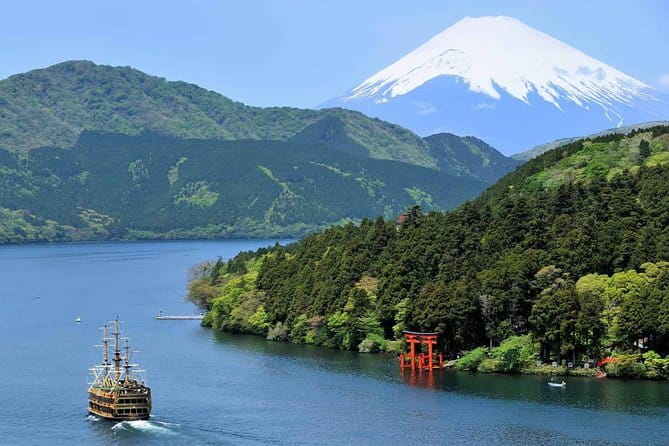
Next comes Lake Ashinoko, a deep crater lake often associated with the classic Hakone imagery. The itinerary sets up lunch by the lake and notes that it’s a 700 m deep crater lake, with red tori gates located in the water.
Even if the day turns gray, Lake Ashi gives you a strong sense of place. This is also a helpful pacing moment. You get a structured break between the cultural trail segments, then you move forward with energy for the longer hiking portion.
Important note: lunch is not included. Plan on buying your meal here, or using this stop as your planned lunch break. Coffee and tea are also not included, so if you’re someone who needs a caffeine reset, bring a little extra cash.
A different sort of day in Japan:
- Mt Fuji and Hakone 1-Day Bus Tour Return by Bullet Train
★ 5.0 · 26,383 reviews - Mt Fuji & Hakone Cruise, Drum Show Bullet Train 1 Day from Tokyo
★ 4.0 · 7,413 reviews - Tokyo Mt Fuji 5th St & Hakone Cruise Bus Tour w/Bullet Train
★ 4.4 · 5,024 reviews - Tokyo: Mt. Fuji Tour, Hakone Ropeway, Owakudani, Lake Ashi
★ 4.7 · 4,002 reviews
Stop 3: Cedar Avenue, Where Shade Was the Design

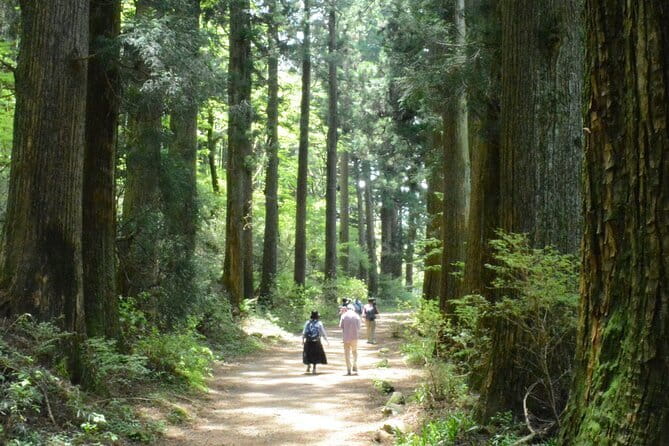
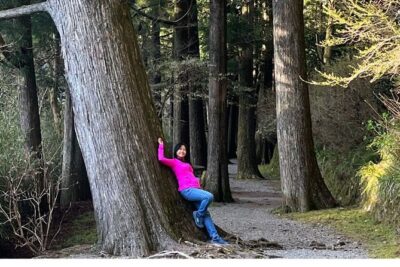
Then the route shifts into the iconic Cedar Avenue of Hakone old road. The information you get here is specific, not generic. It explains that about 400 years ago, Tokugawa Hidetada, the second Edo shogun, ordered cedar plantings along both sides of the Tokaido to provide shade.
When you walk this part, it’s easy to understand how an ordered landscape protects travelers. Cedar gives you more than a cool look. It gives a corridor feel, a natural rhythm, and a sense that the road was engineered for people, not just traffic.
You’ll also notice why this makes the hike feel more like a historical route than a trail. The cedar aren’t random trees. They’re the long-term result of planning for travel comfort.
Stop 4: Hakone Sekisho and the Museum Checkpoint Reality
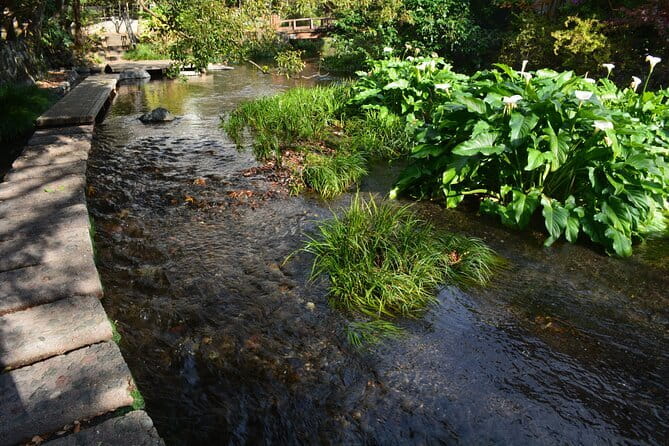
At Hakone Sekisho and the Hakone Sekisho Museum, the day turns sharp and dramatic in the best way. The Tokaido had checkpoints to confirm travelers were legitimate and to protect the shogun in Edo.
Hakone is described as the closest checkpoint to Edo, which helps explain why it was heavily policed. This stop changes your mental picture of the road. You start thinking about documents, control, inspections, and the stakes for anyone traveling with the wrong intentions.
The museum component also matters for your understanding. Without it, you might see buildings or ruins and just guess. With it, the route feels connected to a real governance system.
If you like history that feels practical and human, this is one of the most rewarding parts of the day.
Stop 5: Yamanaka Castle Ruins, Earthworks, and Possible Mt Fuji
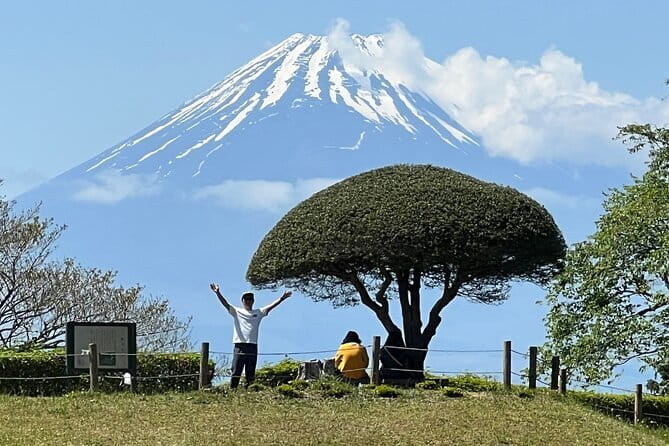
The hike then brings you to Yamanaka Castle Ruins. The itinerary notes that the area ties back to 1590, and connects the site to the Hojo western boundary. It also points out the meaning of Yamanaka, literally castle in the middle of the mountain.
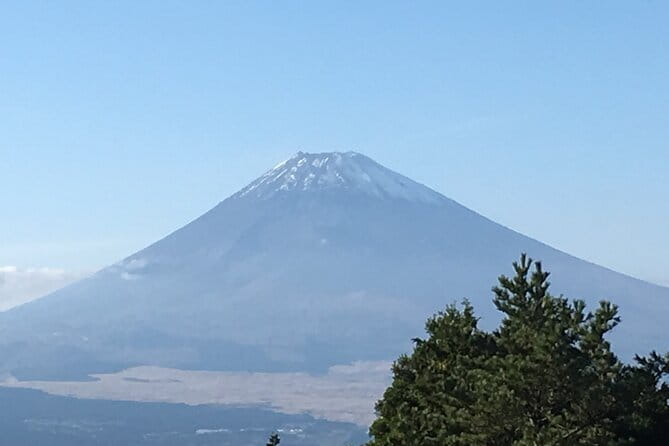
This is also where the route can treat you to Mt Fuji views, weather permitting. That condition is real. If the sky is clear, this stop can give you a wide, memorable outlook. If clouds roll in, you still get something valuable: the way the earthworks shape movement and defense.
Practical note: treat this as a viewpoint break. Even if Fuji isn’t visible, you’re still at a strong historical location, and it’s a good spot to reset your breathing before the main walking stretch.
Stop 6: The 12 km Old Tokaido Foot Highway Stretch
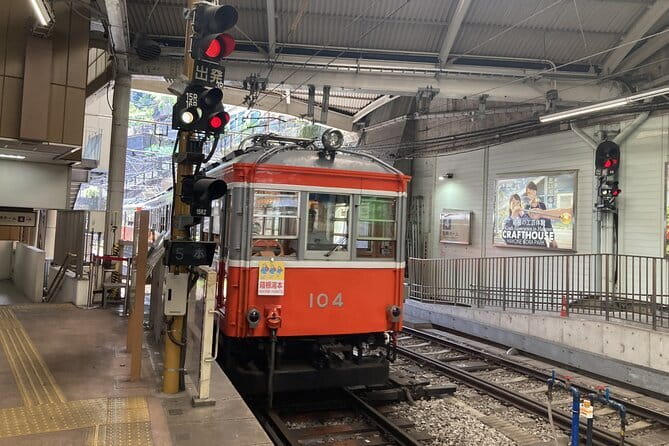
Now you hit the part that hikers remember. You’ll walk a 12 km section of the preserved Old Tokaido Foot Highway, specifically between Odawara and Mishima. This segment is noted as part of a Japan Heritage Area.
A 12 km hike is not a sprint. It’s long enough that your shoes matter and your pace matters. This is also where you’ll appreciate a guide who knows how to keep people moving without turning it into a race.
From the hike experience itself, the footing can include stones, and rain can make it more challenging. It’s also common to spot features like waterfalls and huge trees along the way, which makes the walking feel more alive than a flat road stroll.
If you want a simple takeaway: this segment is your workout, and it’s also where the route identity feels strongest.
Stop 7: Mishima and the Genbegawa World Water Heritage Walk
You finish with a walk in Mishima, including time at the Genbegawa World Water Heritage Area. This last stop is a great way to close the day because it shifts from checkpoints and hills to water systems.
Even if you don’t know the details before you arrive, water heritage areas tend to carry a message about how communities relied on carefully managed water. That theme fits the day’s broader pattern: humans shaping travel routes and daily life.
It’s a calmer final segment, and it gives you a sense of arrival back in the town before you head home.
Guide Matters Here: Tony’s Storytelling and Plan B Skill
The reviews you’ll see for this hike consistently focus on one thing: the guide. The name Tony comes up, and the standout theme is practical storytelling, plus willingness to adjust when weather turns.
In rainy conditions, a guide who keeps the day moving and adjusts the route or timing helps you avoid frustration. It also keeps the hike safer. If you’ve ever had a history tour where people stop to argue about schedules, you know how exhausting that can be. Here, the approach feels like it’s meant for a real outdoors day.
Also, Tony’s help with Japanese translation comes up in feedback. That’s useful even if you already know basic phrases, because historical sites are full of small details you might miss without context.
What to Wear and Bring for This “Moderate” Hike
The tour calls for moderate physical fitness, and the experience includes time on an active hiking route with stones. I’d treat it as a “train day” level hike, not a casual stroll.
Wear:
- Sturdy, comfy shoes with grip
- Layers for temperature swings
- A light rain layer if your forecast is mixed
Bring:
- Water
- Snacks if you think you might get hungry before lunch
- A bit of cash or card for lunch, coffee, and tea since they’re not included
Also, since Mt Fuji is weather dependent, don’t plan your whole mood around seeing it. Go with the understanding that the view is a bonus, and the walk and history are the point.
Price and Value: When $231.18 Actually Makes Sense
Let’s talk money the way you’d want it explained.
You’re paying for:
- A guide fee
- A full day itinerary with multiple timed stops
- A private experience format, where only your group participates
- Mobile ticket convenience
- Group discount structure (if it applies in your booking, which can make this more affordable with the right group size)
You’re not paying for:
- Lunch
- Coffee and/or tea
- Air-conditioned vehicle
For many people, this price is best value when you compare it to the cost of:
- Paying for separate guided entries and museum time
- Spending extra money on transport links and timing
- Missing out on the context that makes the Tokaido route feel meaningful
If you’re the type of traveler who enjoys history, checkpoints, and old road design, the guided format is where the money turns into value.
Timing, Logistics, and How the Day Flows
The start time is 8:30 am at Mishima Station, and you return to the same meeting point. That matters because starting early gives you a better chance at clearer weather and a smoother day on foot.
The itinerary also spreads learning and walking across the day:
- Tea house and cultural start
- Lake lunch setting
- Cedar and checkpoints
- Castle ruins and possible mountain views
- A long preserved highway hike
- Water heritage walk and finish
It’s long, roughly 9 hours, so plan for a real day out. If you’re doing other Hakone activities after, consider keeping them light.
Should You Book Hakone Hachiri?
Book it if you want:
- A guided Tokaido hike with specific stops tied to history, not just hiking
- The chance to meet a real, working teahouse manager like Mr Yamamoto
- A mix of cedar avenue shade, Sekisho checkpoint storytelling, and old road walking
- A private group experience led by Tony with plan adjustments when weather changes
Skip it or reconsider if:
- You hate any kind of uneven footing or you’re not comfortable with a longer hike
- You need an air-conditioned vehicle as part of the day, since that isn’t included
- You’re traveling during a period where weather disruptions are very likely and you dislike rescheduling risk
If you’re aiming for authentic Hakone, this route is one of the more thoughtful ways to get it.
FAQ
FAQ
How long is the Hakone Hachiri hike?
It runs for about 9 hours.
Where does the tour start and end?
The tour starts and ends at Mishima Station (16-1 Ichibanchō, Mishima, Shizuoka 411-0036, Japan). The start time is 8:30 am.
Is lunch included?
No. Lunch is not included, even though the itinerary includes lunch by Lake Ashinoko.
Is coffee or tea included?
No. Coffee and/or tea are not included.
What’s included in the ticket price?
The guide fee is included.
Is this a private tour?
Yes. It’s listed as a private tour/activity, so only your group will participate.
What fitness level do I need?
The tour notes that you should have a moderate physical fitness level.
What weather conditions affect the tour?
The experience requires good weather. If it’s canceled due to poor weather, you’ll be offered a different date or a full refund.
Do I need to worry about cancellation changes?
This experience is non-refundable and cannot be changed for any reason.
Do I get a mobile ticket?
Yes, the tour includes mobile ticket access.
Newly listed around Hakone
- Hike Japan Heritage Hakone Hachiri with certified mountain guide★ 5.0 · 46 reviews
- Custom Private Tour in Hakone with a Certified Local Guide★ 5.0 · 91 reviews
- Traverse Outer Rim of Hakone Caldera and Enjoy Onsen Hiking Tour★ 5.0 · 30 reviews
- Hike Japan Heritage Hakone Hachiri (Half Day)★ 5.0 · 18 reviews
- Private Tour – Hakone Day Trip! A Tour to Explore All Must-Sees!★ 5.0 · 58 reviews
- Private Hakone Half-day Car Tour with Hotel Pickup – Local Guide★ 5.0 · 48 reviews
- Do You Want to Try Skywalk? A New Way of Enjoying Hakone!★ 5.0 · 7 reviews
- Hakone 8 hour Private Tour with Government-Licensed Guide★ 5.0 · 63 reviews
Hiking & Trekking, compared.
Fushimi Inari Hidden Hiking Tour (Private Option Available)
Read our review →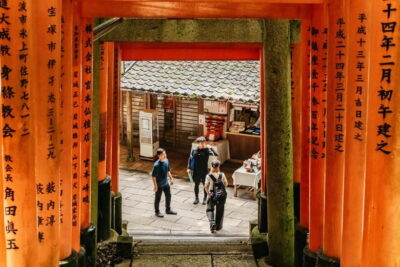
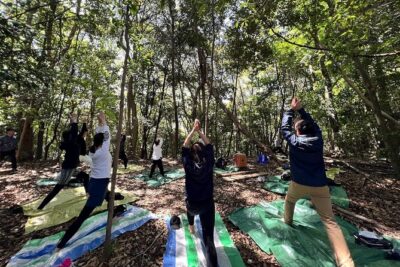
Hiroshima Local guided Hiking Tour&Open-air Tea Ceremony
Read our review →![Hiking the Historic Nakasendo Trail [1 Day Tour from Nagoya]](https://pic3.japaneseguides.com/wp-content/uploads/hiking-the-historic-nakasendo-trail-1-day-tour-from-nagoya-400x267.jpg)
Hiking the Historic Nakasendo Trail [1 Day Tour from Nagoya]
Read our review →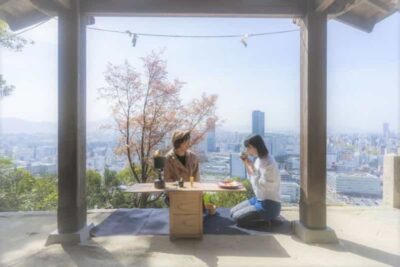
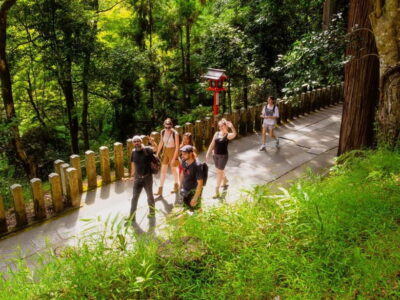
Hike Japan Heritage Hakone Hachiri with certified mountain guide
Read our review →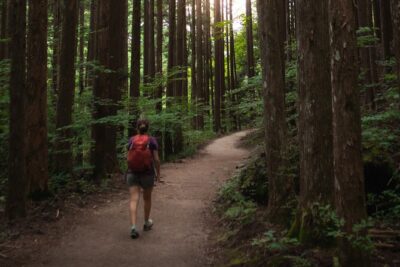
Magome & Tsumago Nakasendo Trail Day Hike with Government-Licensed Guide
Read our review →Browse the lists this tour appears in