
Review · HIKING & TREKKING
Kyoto Hiking Tour: The Nature and Legends of Kurama and Kibune
Want Kyoto mountains without getting lost? This private hike in the Kurama and Kibune area brings door-to-door hotel transfers and a private English-speaking guide together with shrine stops tied to Reiki and local folklore. I love how the day feels organized end to end, even when you are climbing stairs, walking on uneven ground, and taking in temple after temple. The main thing to consider is the physical side, because you should come with moderate fitness and ready legs.
You also get a calmer pace than you might manage on your own. With included admissions for key shrines and temples like Kuramadera, you spend your time looking up at cedars, reading the stone and wood details, and listening to stories instead of hunting for ticket counters. If weather turns, routes can be adjusted by the guide, so the day stays safe and meaningful.
In This Review
- Key things I’d circle before you go
- From Kyoto hotel to mountain trail, without the scramble
- The value question: is $191.60 worth it?
- Yuki Shrine: the cedar legend and why it moved
- Mount Kurama: walking the Reiki origin story
- Kurama-dera: the forest walk to a famous temple
- Okunoin Maoden: demons, mystery, and short time-on-task
- Kifune Shrine: water, rain prayers, and pure mountain water
- What the hike feels like in real life: stairs, stops, and pacing
- Weather reality in Kyoto mountains
- Guides make or break days like this, and yours matters
- Should you book this Kyoto hiking tour of Kurama and Kibune?
- FAQ
- How long is the Kyoto hiking tour of Kurama and Kibune?
- Is hotel pickup and drop-off included?
- Are temple and shrine entrance fees included?
- What about lunch during the tour?
- How physically demanding is the hike?
- Is this tour private or shared?
- Is the tour only for people who can use public transportation?
- What happens if the weather is bad?
- Are service animals allowed?
Key things I’d circle before you go
- Private guide time so you can ask questions as you walk, not after you get home
- Reiki birthplace stories at Mount Kuruma, tied to Mikao Usui’s 21-day meditation
- Included shrine and temple admissions, so you can focus on the experience
- Yuki Shrine’s 800-year-old cedar and the legend of moving the shrine to ward off evil
- Kifune Shrine water and rain traditions, including pure mountain water and the Osaka boat legend
- Stair-heavy mountain walking, with frequent stops that keep it doable
From Kyoto hotel to mountain trail, without the scramble
This tour is built for people who want Kyoto nature without the usual planning headache. Your day starts with a hotel pickup, and it ends with a drop-off back where you began. That matters because the Kurama and Kibune area sits up in the mountains. If you have ever tried to piece together trains, buses, and last-mile walks here, you know how fast a simple half-day becomes a logistics project.
The group format is private, meaning you travel with just your own group, not a big mixed crowd. You also travel with an English-speaking guide. In the feedback I found especially strong praise for guides like Mariko and Ryoma, with guests pointing out how friendly they were and how smoothly they handled the day from start to finish.
One more practical perk: the tour provides photos of the group. That sounds small, but on a day full of stairs and angles, it means you do not have to keep handing your camera to strangers every five minutes.
A few more Kyoto days to weigh up
- Fushimi Inari Hidden Hiking Tour (Private Option Available)
★ 5.0 · 1,750 reviews - Kyoto: 3-Hour Fushimi Inari Shrine Hidden Hiking Tour
★ 4.9 · 270 reviews - Kyoto: Hike and Hot Springs in Kurama
★ 5.0 · 49 reviews
The value question: is $191.60 worth it?
$191.60 per person is not cheap, but it is easier to justify when you add up what you get. You are paying for the private guide, English support, and door-to-door transfers. Then you also get included admissions for multiple shrines and temples along the route.
You are also paying for time. This itinerary is paced as an all-in-one day, about 8 hours. If you tried to replicate it on your own, you would still need a way to reach the trail starts, pay multiple entrance fees, and do the walking without local context. The best part is not just seeing shrines, but understanding why each place matters, like the Reiki connection at Mount Kuruma and the water-and-rain traditions at Kifune Shrine.
One item to plan around: lunch is not included. That said, the day can still end with a satisfying food stop in the mountain town area, and you might find guides recommending soba. Just treat lunch as an on-your-own add-on, not something built into the package price.
Yuki Shrine: the cedar legend and why it moved
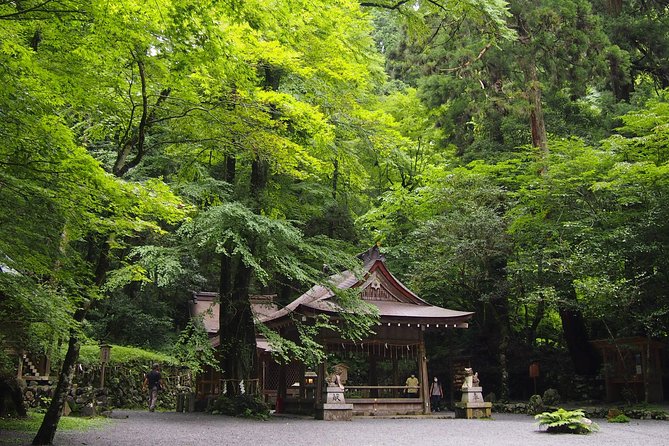
The tour begins with Yuki Shrine, a small but story-rich stop where you get your first taste of how the mountain here is tied to myth. It originally was built in central Kyoto, then in 940 AD it was moved to Kurama to protect the area from mysterious evil.
One detail that makes this stop feel real is the 800-year-old cedar tree at the shrine. Standing near it, you get the sense that this is not just a scenic photo stop. The tree is old enough that it has seen huge changes in Kyoto, and the shrine’s relocation story gives you a reason to pay attention to what you might otherwise pass over.
Duration is brief, about 20 minutes. That is perfect for a first stop, because it sets the tone without turning your day into one long museum loop. The pace here also helps your legs warm up before the climbs.
Mount Kurama: walking the Reiki origin story
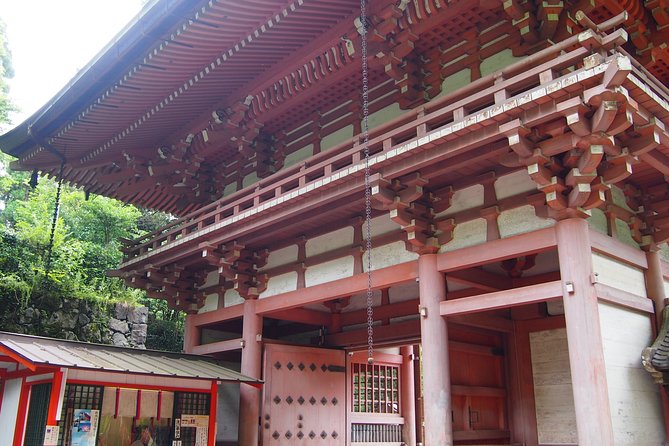
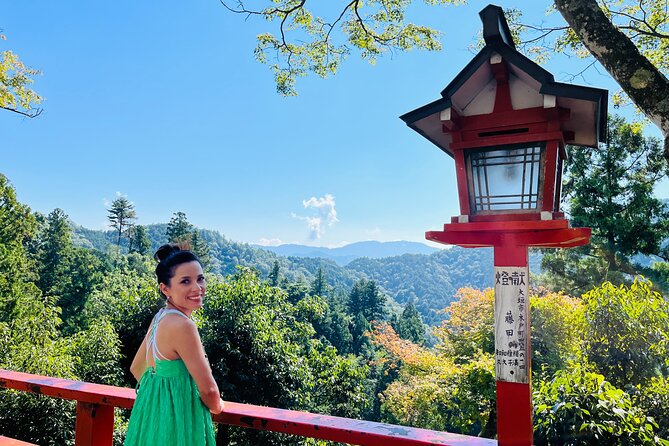
After Yuki Shrine, you head to Mount Kurama, where the big legend lives. The mountain is known as the birthplace of Reiki, a healing art associated with founder Mikao Usui. The story says Usui meditated for 21 days on this mountain in the early 1900s and received the Reiki healing energy.
This is not a “just a viewpoint” part of the tour. You are hiking and moving through the spiritual atmosphere of the mountainside, with time estimated at about 1 hour. What I like about this stop, even if you are not into Reiki, is how it adds meaning to the scenery. You stop seeing the woods and stairs as just scenery and start noticing how people build sacred life around place.
It can also be a mental reset. Kyoto’s city temples are famous, but this is different. You are higher up and closer to the kind of quiet that makes legends feel less like bedtime stories and more like something people once took seriously.
A different sort of day in Japan:
- PERFECT KYOTO 1-Day Bus Tour
★ 5.0 · 13,518 reviews - Kyoto: Fushimi Inari, Kinkakuji, Bamboo Grove 1 Day Bus Tour
★ 4.8 · 4,316 reviews - Kyoto: Tea Ceremony in a Traditional Tea House in Kiyomizu
★ 4.9 · 3,519 reviews - Kyoto Geisha Walking Tour: Gion District & Hidden Gems
★ 4.7 · 3,273 reviews
Kurama-dera: the forest walk to a famous temple
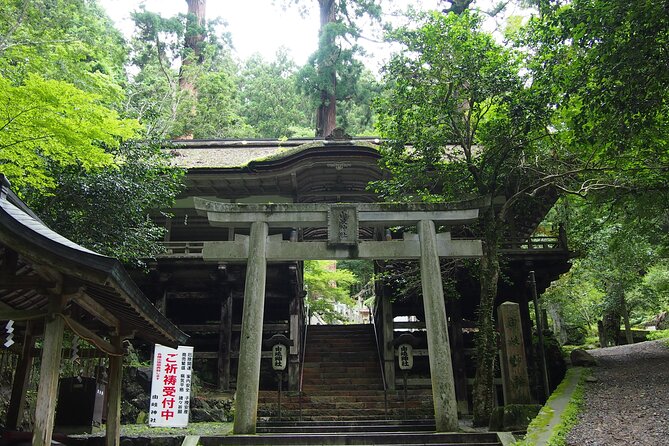
Next comes Kurama-dera, reached after a forest walk of about 25 minutes. The temple is dedicated to a wor… (the details are truncated in the info you provided), but what matters for you is the timing and feel. You are walking through the trees to reach the area’s most famous temple shrine, and the route naturally slows you down.
The listed time at Kurama-dera is about 45 minutes. That is enough to look closely and not feel rushed. You get another included admission here, so you can spend your attention on the temple grounds and carvings rather than searching for tickets.
In the feedback I saw, guests often praised how guides help you slow down at the right moments. People called out that the hike is not long in total time, but it does involve a good amount of stairs and ups and downs. Kurama-dera is one of the places that makes that effort feel worthwhile, because it gives you a clear “why we climbed here” feeling.
Okunoin Maoden: demons, mystery, and short time-on-task
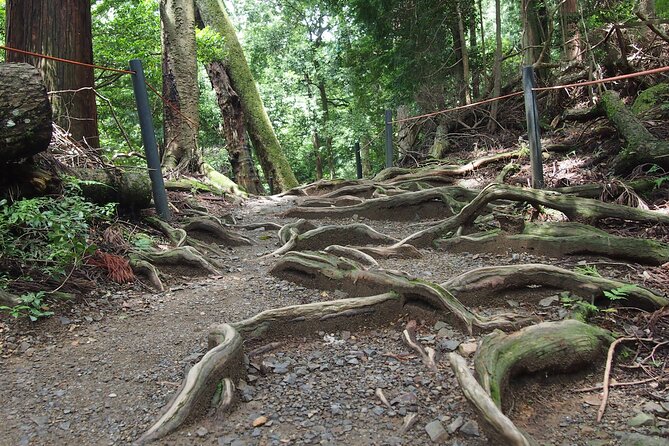
Then you head deeper into the mountains to Okunoin Maoden, with a stop time of about 10 minutes. This is the most mood-heavy part of the itinerary. It is described as a place where demons reign and it has a mysterious feeling.
Short stop. Big vibe. That combination works well in a day like this, because your energy is best used in chunks. You get a quick dose of atmosphere without exhausting the group.
Also, this is where an attentive guide really helps. When you know what the place is supposed to represent, you notice things you might otherwise skip, like the emotional tone of the approach and the way the area feels set apart.
Kifune Shrine: water, rain prayers, and pure mountain water
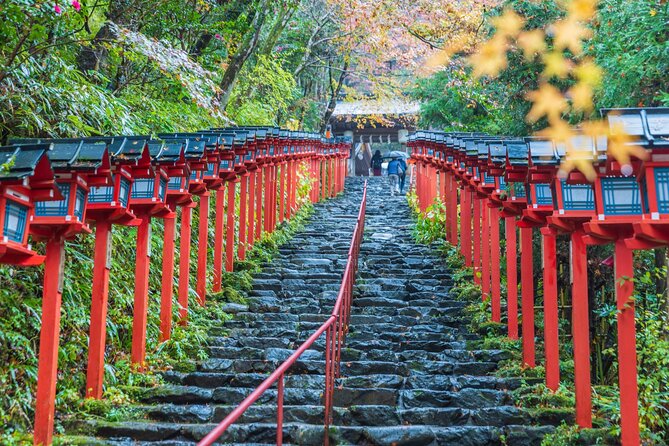
After the Mount Kurama side, you descend toward Kifune Shrine, where the theme shifts from healing legends to water and weather.
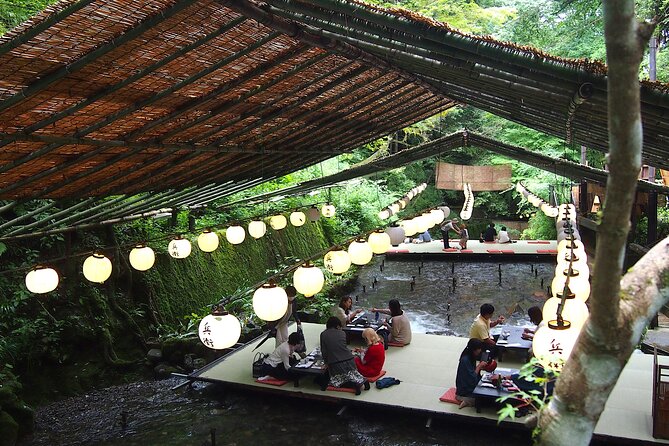
First is Kifune Shrine, about 30 minutes. The shrine is considered a place where sailors prayed for luck on voyages. It is dedicated to the God of water and rain. The tour also highlights pure mountain water you can drink fresh from the area.
If you have ever been in Japan and wondered why water shrines feel so central to everyday life, this is your answer. Water is not abstract here. It is practical, seasonal, and tied to safety. Even if you do not follow the rituals, you get a clear cultural thread.
Then there is a second Kifune Shrine stop, about 25 minutes, focused on the inner shrine. The legend says a goddess traveled by boat from Osaka up the river into these mountains. The inner shrine houses the boat she is said to have ridden.
That extra stop is a smart way to end the day. It adds story layers without needing more hours of hiking. By the time you finish, you have had a complete arc: cedar and protection, Reiki meditation, temple and forest, demons and mystery, then back to water and travel luck.
What the hike feels like in real life: stairs, stops, and pacing
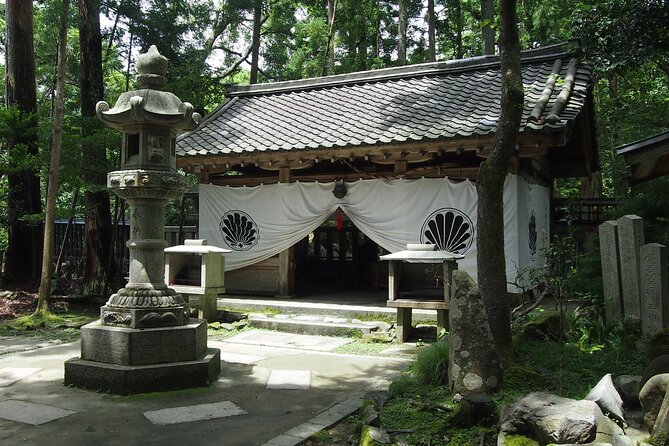
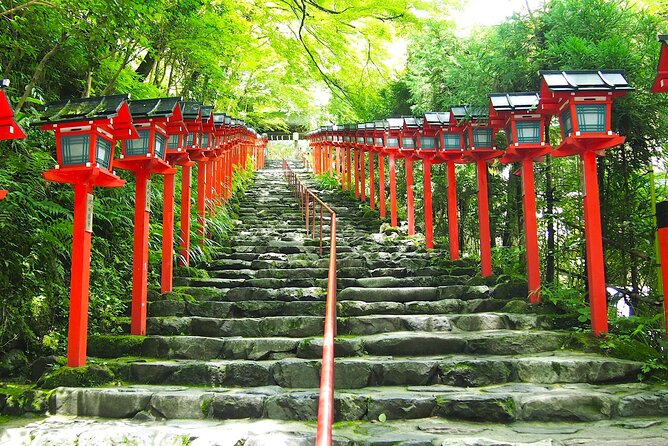
This is a hiking day, not a gentle stroll. You should expect uneven surfaces and a lot of steps up and down. The good news is that the tour is timed and paced for a mountain walk, with stops planned along the way.
From the feedback I saw, guides did a lot of work to keep the pace comfortable. Guests explicitly mentioned that stops make it doable and that guides checked on people’s pace, including groups with older participants and people managing injuries.
So here is the practical advice I’d give you. Wear shoes with solid grip. Plan on sweating, even if it is not blazing hot. Bring a layer you can adjust, because mountain air can feel cooler than Kyoto city streets.
Also, keep your expectations realistic. If you are looking for a flat path and minimal stairs, this will feel like work. If you are okay with steps and you like stories while you walk, you will likely feel like the day is worth every climb.
Weather reality in Kyoto mountains
This tour requires good weather. When conditions are poor, you are typically offered a different date or a full refund, depending on how the provider handles it.
In at least one instance described in the feedback, guide Michiko adjusted the plan during heavy rainfall. She shifted the emphasis to shrines with easier access, canceled a forest walk segment, and still found a way to keep the day meaningful. That is a good sign for you as a traveler, because it means the guide focus is on safety and on making the day work, not just sticking to a schedule like a robot.
My advice: pack for rain or change. Even a light shower can make steps slippery. If you go prepared, you keep the day enjoyable.
Guides make or break days like this, and yours matters
The most praised aspect of this experience is the guides. People repeatedly highlighted friendly, conversational guides who handled history and religion in a way that felt connected to the places.
Names that stood out in the feedback you provided include:
- Mariko, described as easy to talk to and knowledgeable, with guests loving the scenic moments
- Ryoma, praised for history around Mount Kurama and a smooth, personable day
- Yuki, called fabulous, with people appreciating how it helped them avoid getting lost or missing interesting details
- Akira, praised for careful pacing and helping everyone reach the top safely
- Michiko, recognized for adjusting plans during rain while still keeping the experience rewarding
English skill also comes up. Guests mention clear communication and the sense that the guide uses the whole day well, talking while walking and responding to interests.
Should you book this Kyoto hiking tour of Kurama and Kibune?
Book it if you want Kyoto countryside without the stress. If you like shrine and temple details, enjoy mountain walking with stairs, and appreciate a guide who can explain Reiki, cedar lore, and the water stories at Kifune, this fits well.
Skip it or pick something easier if:
- you want a flat, low-effort walk
- your stamina is limited, or you are worried about uneven steps
- you do not want to plan around lunch being on your own
Also, think about timing. The tour is about 8 hours and you will spend meaningful time on foot. It is a great one-day escape from the busier parts of Kyoto, especially if you want your memories tied to a specific set of places, not just random photos.
If you are comfortable with a moderate hiking day and you value a private guide plus included shrine admissions, this is a strong use of a travel day.
FAQ
How long is the Kyoto hiking tour of Kurama and Kibune?
The tour runs about 8 hours.
Is hotel pickup and drop-off included?
Yes. Hotel pickup and drop-off are included, covering Kyoto urban area and Kurama area.
Are temple and shrine entrance fees included?
Yes. Admission is included for Kuramadera Temple, and the tour notes admission tickets included for Yuki Shrine, Kuramadera, Okunoin Maoden, and Kifune Shrine.
What about lunch during the tour?
Lunch is not included in the price.
How physically demanding is the hike?
You should have moderate physical fitness. The day includes a lot of stairs and some uneven surfaces.
Is this tour private or shared?
This is a private tour/activity. Only your group participates.
Is the tour only for people who can use public transportation?
No, but it is near public transportation. The tour also includes hotel pickup, which helps most people.
What happens if the weather is bad?
This experience requires good weather. If it is canceled due to poor weather, you are offered a different date or a full refund.
Are service animals allowed?
Yes, service animals are allowed.
Newly listed around Kyoto
- Guided Photoshoot of Fushimi Inari Shrine and Secret Bamboo Grove★ 5.0 · 10 reviews
- Kyoto 2 Hours Genuine Kendo / Samurai Experience In Japan★ 5.0 · 57 reviews
- Private car tour Let’s uncover secrets of majestic Kyoto history★ 5.0 · 45 reviews
- Tailored Full Day Private Experience of Kyoto for 1 Day Visitors★ 4.5 · 34 reviews
- Full-Day Sightseeing to Kyoto Highlights★ 5.0 · 77 reviews
- Kyoto Satoyama Cycling with Lunch and English Guide★ 5.0 · 19 reviews
- Kyoto Half Day Yamazaki Whisky Museum and Asahi Art Museum★ 5.0 · 11 reviews
- Kyoto 1 Day Suntory Yamazaki Distillery Tour and Asahi Art Museum★ 5.0 · 13 reviews
Hiking & Trekking, compared.
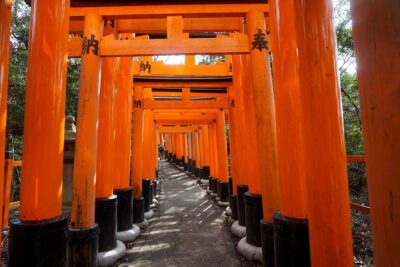
Fushimi Inari Hidden Hiking Tour (Private Option Available)
Read our review →
Hiroshima Local guided Hiking Tour&Open-air Tea Ceremony
Read our review →![Hiking the Historic Nakasendo Trail [1 Day Tour from Nagoya]](https://pic3.japaneseguides.com/wp-content/uploads/hiking-the-historic-nakasendo-trail-1-day-tour-from-nagoya-400x267.jpg)
Hiking the Historic Nakasendo Trail [1 Day Tour from Nagoya]
Read our review →
Hike Japan Heritage Hakone Hachiri with certified mountain guide
Read our review →Browse the lists this tour appears in