
Review · LICENSED GUIDES & PRIVATE DRIVERS
Hirosaki 6hr Private Tour with Government-Licensed Guide
A castle town day, paced to your group. This 6-hour private tour is guided by a government-licensed English-speaking guide and you choose 3 to 4 sights from the Hirosaki list, so you can skip what you do not care about. One trade-off: entrance fees and transportation are not included, and it is a walking tour with no Aomori pickup.
What I like most is how the day stays flexible. You meet the guide on foot within a designated area in Hirosaki, and the pace is built for your party only, with no combining tour groups. It is a smart way to see the big name sights, like Hirosaki Castle, plus the festival and family-residence side of town, without wasting time figuring out where to go next.
In This Review
- Key Highlights That Make This Tour Worth Booking
- How This 6-Hour Private Tour Actually Feels On the Ground
- Choosing Your 3 to 4 Stops (So You Don’t Hate Your Own Itinerary)
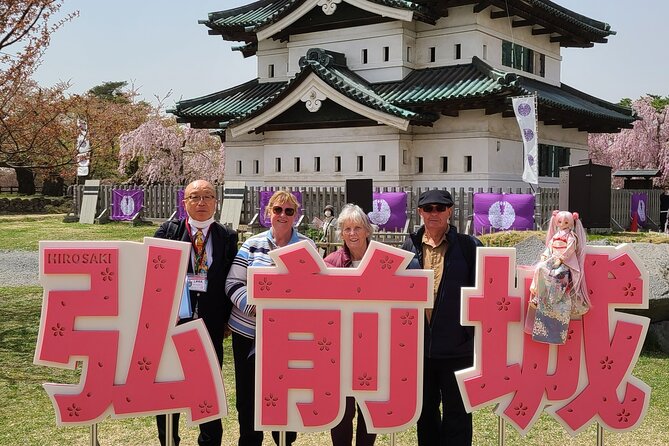
- Stop 1: Hirosaki Castle, 1611 Roots and the View Factor
- Stop 2: Tsugaruhan Neputa Mura and the Neputa Matsuri Context
- Stop 3: Fujita Memorial Japanese Garden, Built in 1919
- Stop 4 to Stop 7: Former Family Residences and the Tsugaru Clan Story
- Stop 8: Ōtemon Square, a Quick Orientation Moment
- What Makes the Guide the Real Difference
- Price and Value: What You Are Really Paying For
- Timing and Walking Notes That Matter
- Who This Tour Fits Best
- Should You Book This Hirosaki Private Tour?
- FAQ
- How long is the Hirosaki private tour?
- What is included in the tour price?
- Are entrance fees included?
- Is pickup available from Aomori?
- How many sites can I visit?
- Is this tour private or shared?
- What is the cancellation policy?
Key Highlights That Make This Tour Worth Booking
- Government-licensed English guide for clear explanations and easier questions
- Pick 3 to 4 stops to match your interests and your walking stamina
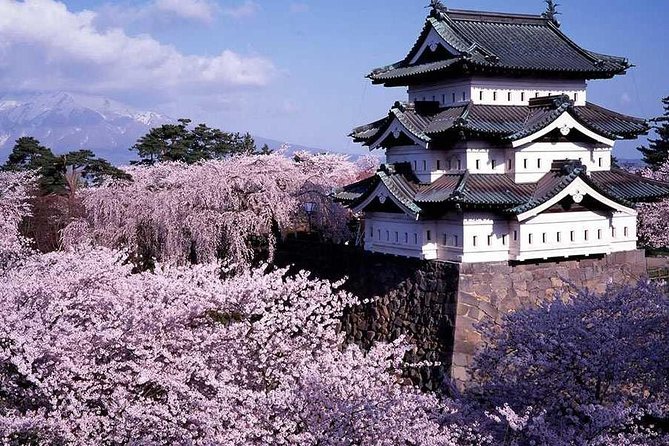
- Hirosaki Castle + cultural stops in one efficient, guided route
- Neputa Matsuri museum focus so you understand the festival beyond photos
- Old family residences for a hands-on feel of Edo-era life and power
- Mobile ticket and group discounts for smoother day-of logistics
How This 6-Hour Private Tour Actually Feels On the Ground

This is not a hop-on, hop-off day. It is a true private format, designed around one party at a time, and that changes how the hours play out. You start with a guide-led meet-up on foot in Hirosaki, then you move between major sights while learning how they connect to the city’s story.
The “6 hours, approximately” timing is important. Each selected stop is typically about an hour, plus a short orientation-type stop at Ōtemon Square (about 15 minutes). That means you are not rushing through 10 places. You are more likely to slow down at the places you care about, take photos without stress, and ask questions that would be hard to manage on your own.
The biggest practical point: it is a walking tour, and transportation fees are not included. If your day plan depends on taxis or buses between far-flung areas, budget for that separately. Also, there is no pickup from Aomori city, so you should plan to be already in Hirosaki or near public transportation routes.
More Private Guides in Japan:
- Tokyo 6hr Private Tour with Government-Licensed Guide
★ 5.0 · 3,902 reviews - Kyoto Early Morning Tour with English-Speaking Guide
★ 5.0 · 1,427 reviews - Tokyo 4hr Private Tour with Government-Licensed Guide
★ 5.0 · 1,394 reviews
Choosing Your 3 to 4 Stops (So You Don’t Hate Your Own Itinerary)
The tour’s core value is the customization. You choose 3 to 4 sites from the available list, so you can build a day that fits your curiosity. Some people want the castle and views. Others want festival culture. Others want the quiet rhythm of gardens and the feel of old residences.
Here are smart ways to shape your day, using only the stops that are offered:
- First-time Hirosaki mix: Hirosaki Castle + Neputa Matsuri museum + one family residence + Fujita Memorial Japanese Garden
- Festival-first: Neputa Mura (Neputa Matsuri museum) + Hirosaki Castle + garden (for a calmer contrast)
- Edo-era focused: Hirosaki Castle + Ōtemon Square + 2 of the family residences
- Garden lover’s day: garden + castle + 1 to 2 residences, with Ōtemon Square as a quick orientation
A helpful reminder: you cannot combine multiple tour groups. That keeps the experience private, but it also means the tour stays tightly focused on your party’s route and timing.
Stop 1: Hirosaki Castle, 1611 Roots and the View Factor
Hirosaki Castle is the anchor. The castle tower dates to 1611, built by the Tsugaru Clan, and while not everything is original, key elements remain or are reconstructed, including a three-story tower, fortified moats, castle gates, and some corner turrets (yagura).
This is a great start because your guide can set the framework quickly. You see the physical layout and then get the story behind it: why moats and gates mattered, how the castle operated as a power center, and what you are looking at when you stand in the courtyards.
What to watch for during your hour:
- The structure and tower form, so you understand the scale even before you go inside
- The gates and moats as a system, not just scenic features
- Any reconstructed details, since those often explain how later generations chose to preserve the site
The drawback is straightforward. Castle admission is not included, so you may pay extra if you want to go up into the tower or access inside exhibits. Also, because it is one of Hirosaki’s signature sights, plan to move with intent. If you drift, the hour can disappear faster than you expect.
Stop 2: Tsugaruhan Neputa Mura and the Neputa Matsuri Context
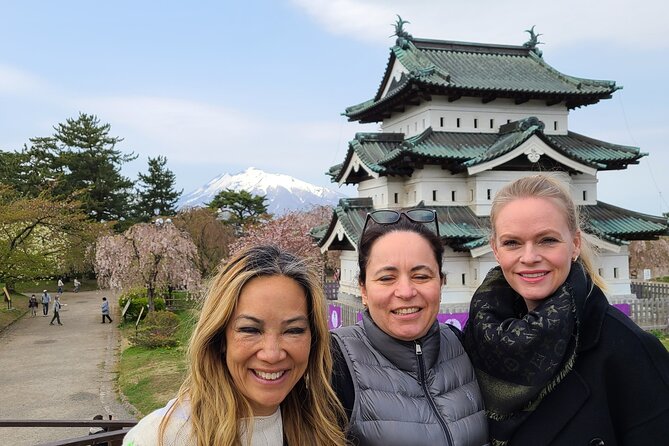
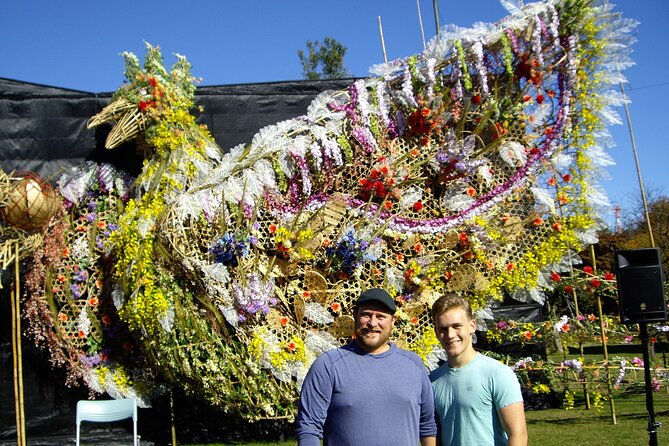
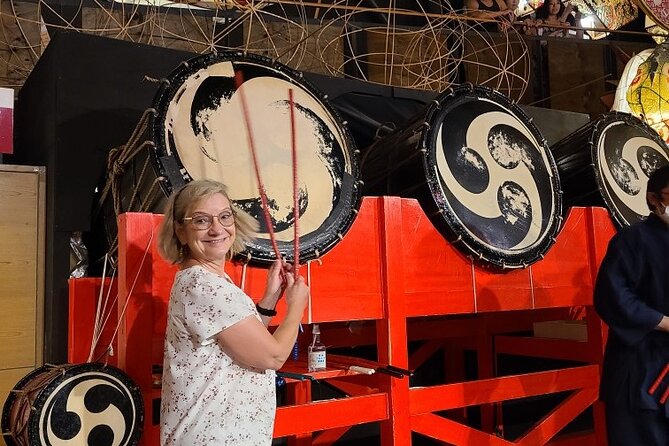
If Hirosaki Castle explains power, Neputa Mura (Tsugaruhan Neputa Mura, ねぷた村) explains the city’s energy. This museum is built around the Neputa Matsuri, the festival Hirosaki is famous for, and it also introduces the city’s other cultural specialties.
The value here is understanding. A festival float is fun to photograph, but a museum explanation helps you “read” the festival when you see it outside. You learn how the tradition developed and why it matters locally, which makes the whole thing feel less like a random spectacle and more like a real community ritual.
A practical note: this is about an hour. That is enough time to grasp the themes, but it is not a deep, all-day museum plan. If you are the type who could spend two hours just looking at details, you might want to prioritize Neputa Mura and only choose one extra “big” stop that day.
A few more Japan days to weigh up
- Private Tour to Mt. Fuji and Hakone (Fully Licenced Operator)
★ 5.0 · 1,910 reviews - Fushimi Inari Hidden Hiking Tour (Private Option Available)
★ 5.0 · 1,750 reviews - Private Kyoto Tour with a Local, Highlights & Hidden Gems, Personalised
★ 5.0 · 1,543 reviews - Tokyo Customized Private Tour (Must See Places in 1 Day)
★ 5.0 · 1,499 reviews
Stop 3: Fujita Memorial Japanese Garden, Built in 1919
Next up is a calmer change of pace: the Fujita Memorial Japanese Garden (藤田記念庭園). It was built in 1919 in a traditional Japanese landscape style, and it is organized into two main parts.
I like gardens with a guide because you notice the “why,” not just the “pretty.” Even with a one-hour time box, your guide can point out how the garden is laid out and what the design is trying to make you feel as you move through it.
What you can reasonably expect in that hour:
- Enough time to slow down and take photos without rushing
- A sense of the garden’s structure, not just a stroll
- Context that helps you connect the design to Japanese garden tradition
The main consideration is timing and energy. If you are already tired from castle walking and museum steps, the garden can feel short. But if you want a breather in the middle of the day, it is a perfect fit, especially because the garden stop has a clear boundary in the tour flow.
Stop 4 to Stop 7: Former Family Residences and the Tsugaru Clan Story
This is where Hirosaki gets personal. The tour list includes several former residences tied to the same big historical thread: after the Tsugaru Clan sided with Tokugawa Ieyasu at the Battle of Sekigahara in 1600, they secured authority as feudal lords of Hirosaki for about 250 years during the Edo period.
You may visit one residence type from the list, and the tour options include:
- Former Ito Family Residence
- Former Umeda Family Residence
- Former Iwata Family Residence
- Ishiba Residence
Because they are residences, not just “historic buildings,” the payoff is emotional. You start to picture daily life: who lived there, how roles connected to governance, and how authority showed up in the built environment. Even if you only have an hour, a guide can help you spot what matters instead of getting stuck reading everything without context.
What could limit your enjoyment:
- If you are expecting a fully guided museum-style lecture for each room, you might find the time tighter than you wish
- Entrance fees are not included, so you should check what you will pay at each site you choose
My best advice is to pick the residence stop(s) that match your curiosity. If you want the strongest Edo-era feel, pair a residence with Hirosaki Castle, since the castle and the residences share the same political backbone. If you want variety, combine one residence with Neputa Mura and leave the rest of the time for garden and castle grounds.
Stop 8: Ōtemon Square, a Quick Orientation Moment
Ōtemon Square is short but useful. It is named after and sits across from the main entrance gate of Hirosaki Castle, and it is designed as a stepping-off point for visitors to Hirosaki. Your guide uses it as a way to help you get oriented fast.
This is about a 15-minute stop, so it is not a full attraction. Think of it as the “grounding” moment. After walking through squares and entrances, you want your bearings. Ōtemon Square does that without eating up your whole hour budget.
What Makes the Guide the Real Difference
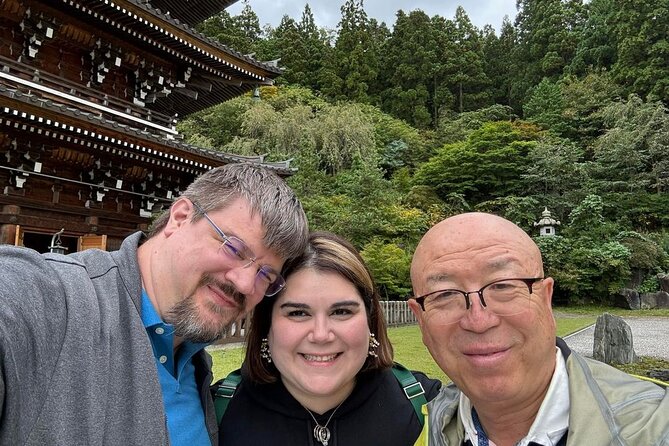
The guide is the core of this experience. You are not just paying for movement. You are paying for interpretation in real time, especially when the day includes multiple types of places: a castle site, a festival museum, a garden, and old residences.
One guide name that comes up in the available feedback is Tomohiko Kudo. His replies to guests emphasize the Hirosaki Park Castle focus and the idea that the day is meant to feel enjoyable, not like a checklist.
What I like about this style of guided day is the balance. You can still go at your own pace within the visit, but you are not left translating everything alone. If you have questions, you can ask them, then move on.
Price and Value: What You Are Really Paying For
At $153.50 per person, this is not the cheapest way to see Hirosaki. But it is also not trying to be. You are paying for:
- A licensed local English-speaking guide for about 6 hours
- A private format for your party only
- The ability to select 3 to 4 stops based on your interests
The value can be strong if you would otherwise spend time figuring out logistics, transit, and what each place actually means. In Japan, where signage and context can be harder than it looks, a guide can turn “interesting stops” into a coherent story.
The costs that can bump the total:
- Entrance fees for sites you choose are not included
- Lunch is not included
- Transportation fees are not included, and there is no private vehicle
So here is the practical way to think about it. The tour fee buys your time with a guide and the flexibility. You budget separately for admissions and food, then decide where to put your energy.
If you are visiting around a busy season, it can help to book earlier. The typical booking timeline shown is about 68 days in advance, which suggests this tour gets picked up in the planning stage, not the last minute.
Timing and Walking Notes That Matter
Because this is walking-based, you will want to dress for your pace. Comfortable shoes matter. If your legs get tired quickly, choose fewer “heavy” stops and use Ōtemon Square as the buffer.
Also, keep this in mind: pick up at Aomori is not included. If you are staying in Aomori city, you will need to handle the trip to Hirosaki separately. Once you are in Hirosaki, the guide meeting is on foot within a designated area, and the tour is near public transportation.
Who This Tour Fits Best
This is a good match for:
- People who want a private day without the stress of planning every detail
- Travelers who care about explanation, not just photos
- Anyone who prefers choosing 3 to 4 meaningful stops over rushing through a long list
It might not fit as well if:
- You want a bus-based tour where walking is minimal
- You strongly prefer “no paid admissions” days, since entrances are not included
- You are relying on pickup from Aomori city
Should You Book This Hirosaki Private Tour?
I would book it if you want a focused, guided day that connects Hirosaki Castle, festival culture, and Edo-era life in a way that makes sense. The customization is the big selling point, because you control whether your day leans toward gardens, festival context, or family-residence history.
If you like lots of moving around with no planning, this may feel “just structured enough.” But if you want a guided story with flexibility, it is a smart use of your limited time.
If your budget is tight, do the math for admissions and a meal, then compare it to how much time a self-guided day would cost you in planning and confusion. When you add up the value of a licensed English-speaking guide, this tour often earns its keep.
FAQ
How long is the Hirosaki private tour?
The tour runs for about 6 hours.
What is included in the tour price?
You get a licensed local English-speaking guide, a customizable tour where you choose 3 to 4 sites, and you meet the guide on foot within a designated area in Hirosaki.
Are entrance fees included?
No. Entrance fees, lunch, transportation fees, and other personal expenses are not included.
Is pickup available from Aomori?
Pickup at Aomori is not included. You would need to arrange to be in Hirosaki for the on-foot meet-up.
How many sites can I visit?
You can customize the itinerary to visit 3 to 4 sites from the tour’s provided list.
Is this tour private or shared?
This is private. Only your group participates, and you cannot combine multiple tour groups.
What is the cancellation policy?
Free cancellation is available. You can cancel up to 24 hours in advance for a full refund. Cancellation closer than 24 hours before the start time is not refunded.
Newly listed around Japan
- Hiroshima and Miyajima 1 Day Walking Tour★ 5.0 · 43 reviews
- Hiroshima and Miyajima 1 Day Cruise Tour★ 5.0 · 24 reviews
- Hiroshima & Miyajima: UNESCO A-Bomb Dome & Itsukushima with Local★ 5.0 · 25 reviews
- Hiroshima & Miyajima: Private Full-Day Tour with a Local Guide★ 5.0 · 39 reviews
- Hiroshima 5k Running Tour of Hijiyama Park★ 5.0 · 7 reviews
- Hiroshima and Miyajima Bus Tour with Indian Lunch★ 5.0 · 10 reviews
- Hiroshima and Miyajima 1 Day Bus Tour★ 4.5 · 145 reviews
- Hiroshima Peace Memorial and Atomic Bomb Dome Private Tour★ 5.0 · 37 reviews
Licensed Guides & Private Drivers, compared.
Tokyo 6hr Private Tour with Government-Licensed Guide
Read our review →
Kyoto Early Morning Tour with English-Speaking Guide
Read our review →
Tokyo 4hr Private Tour with Government-Licensed Guide
Read our review →
Kyoto 6hr Private Tour with Government-Licensed Guide
Read our review →
Hiroshima / Miyajima Full-day Private Tour with Government Licensed Guide
Read our review →Early Morning Tour with English-Speaking Guide
Read our review →
Tokyo Private Sightseeing Tour by Car- English speaking chauffeur
Read our review →
Mt Fuji Private Tour with English Speaking Driver
Read our review →Browse the lists this tour appears in