
Review · MIYAJIMA ISLAND TRIPS
Hiroshima and Miyajima Full Day Private Tour
A private day with big memories. You start in Hiroshima, move through places tied to the Atomic Bomb and Japan’s layered past, then finish on Miyajima with the floating torii and shrine grounds. I especially like the local English guide who can tailor the day, and the fact that major admission tickets are built into the tour price. One catch to plan for is that you pay for your own transport between stops and you’re responsible for lunch.
This is an 8-hour private outing, and it involves real walking outdoors, including in Japan’s summer heat. The good news: because it’s private, your guide can adjust pacing if you’re slower, want more time in a museum room, or care more about architecture than shopping.
You’ll use a mobile ticket, meet at Hiroshima Peace Memorial Museum, and end at Miyajima Pier. That end point matters, because you’re not returning to your original starting spot with the guide included, so it helps to have your next train or ferry plan ready.
In This Review
- Key things that make this tour worth your time
- The private format that changes your whole day
- How the 8 hours actually flow, from Hiroshima to Miyajima
- Hiroshima Peace Memorial Museum: what to do with your time there
- Atomic Bomb Dome: the short stop that still matters
- Hiroshima Castle: included tickets, plus a big heads-up for 2026
- Shukkeien Garden: slow down and let it work on you
- Miyajima and the floating torii moment
- Omotesando shopping street: snack time with purpose
- Itsukushima Jinja: UNESCO-level atmosphere, with actual time to see it
- Price and logistics: where the value really comes from
- What I’d pack and plan for (so the day feels easy)
- Who should book this Hiroshima and Miyajima private tour
- Should you book it?
- FAQ
- What is the total duration of the Hiroshima and Miyajima full day private tour?
- Where do you meet and where does the tour end?
- Is this tour really private?
- Are admission fees included?
- Is lunch included in the tour price?
- Do I need to pay for transportation during the day?
- Is Hiroshima Castle guaranteed to be available?
- What if the weather is bad?
- Is there a free cancellation window?
Key things that make this tour worth your time
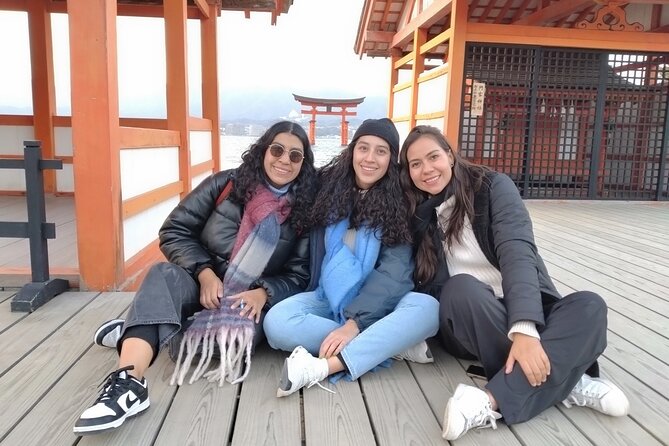
- Fully private, not a group shuffle, so you can move at your pace and keep questions coming
- Peace Memorial Museum plus big outdoor sights in one day, without racing past everything
- Tickets included for Hiroshima Peace Memorial Museum, Hiroshima Castle, Shukkeien Garden, and Itsukushima Shrine
- Miyajima time that includes both shrine and Omotesando, not just a quick photo stop
- Guide-led customization when you want extra meaning, less walking, or different priorities
The private format that changes your whole day
I like private tours in Japan because the rhythm is different. On a small guided day like this, you’re not stuck waiting for stragglers, and you can ask follow-up questions when something hits you, either emotionally or historically.
This one is explicitly customizable, with a flexible schedule built around your interests. That can mean extra time at a stop that matters to you, or simply adjusting what you do if traffic or timing gets tight. It also explains why the day can feel focused rather than rushed, even though you’re covering a lot of ground.
The other practical upside: your local English speaking guide can help you make smart choices on the fly. In the feedback I read, guides such as Masa and Aya are praised for staying on top of the day and answering lots of questions, including practical ones like where to eat if you have dietary needs. If you’re the type who likes to understand what you’re seeing, this setup tends to land well.
A few more Miyajima Island trips around Hiroshima:
- Peaceful Hiroshima & Miyajima UNESCO 1 Day Bus Tour
★ 5.0 · 5,309 reviews - Hiroshima: Hiroshima and Miyajima UNESCO Sites 1-Day Tour
★ 4.9 · 2,330 reviews - Hiroshima / Miyajima Full-day Private Tour with Government Licensed Guide
★ 5.0 · 1,298 reviews
How the 8 hours actually flow, from Hiroshima to Miyajima
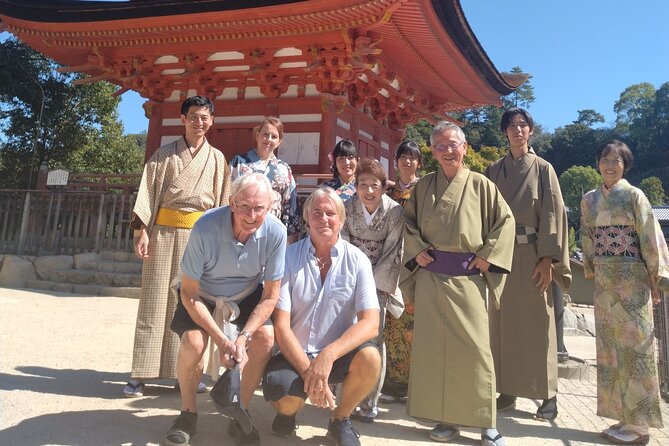
Expect a structure that moves in a line, starting near Peace Memorial Park and ending on Miyajima Pier. The tour has a reference itinerary, but it’s not a rigid checklist, and you can lose or gain time depending on preferences and real-world timing.
The day’s order matters. You hit the most intense memorial material first, when you’re fresh. Then you shift into iconic architecture and garden design in Hiroshima. After that, you cross to Miyajima for the shrine area and the seaside atmosphere that makes this island famous.
Also, keep in mind the tour does not include lunch or hotel pickup/drop-off. That’s normal for a private day trip, but it affects your planning. If you want a sit-down lunch, give yourself a little buffer, and tell your guide your preference early.
Hiroshima Peace Memorial Museum: what to do with your time there
The Hiroshima Peace Memorial Museum is the anchor stop. It’s included with a 2-hour admission window, and that’s usually the right amount of time for readers who want context, not just quick exhibits.
What I appreciate about a museum stop built into the day is that it gives you structure before you see the outdoor icons later. You learn what the sites mean, then you step outside to landmarks that you already understand. That sequencing changes the impact, especially at the Atomic Bomb Dome area afterward.
Now, a practical note. The museum can get crowded, and one review specifically mentions that it may be worth bringing a mask in busy areas. Even if you don’t use a mask, it’s smart to accept that you might be moving through tighter corridors. If you’re sensitive to crowds, use the guide’s pacing and stop strategy to slow down where you need it.
Heat can also be a factor, even before you cross to Miyajima. Plan to hydrate and take short breaks when offered, because after lunch on a summer day, walking can feel longer than the clock suggests.
Atomic Bomb Dome: the short stop that still matters
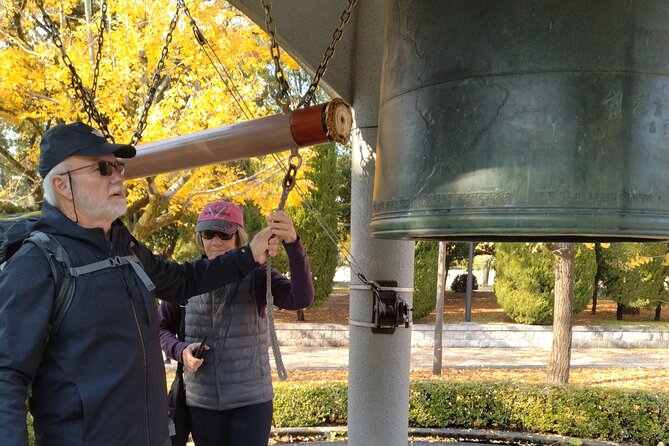
Next comes the Atomic Bomb Dome. It’s a quick 30-minute stop with admission listed as free, which tells you the design here is about seeing it, understanding it, and moving on.
This is one of those places where you can see it in half an hour and still feel like you need more time. The value of having a guide is that they can frame what you’re looking at, so the dome isn’t just a dramatic structure. It becomes part of the story you built inside the museum.
If you’re the type who likes silence, this is a good moment for it. If you’re the type who likes questions, bring them. Either way, keep your photos simple. You want a couple of clear shots, then let the meaning sit with you rather than turning it into a photo marathon.
A few more Hiroshima days to weigh up
- Hiroshima Historical Walking Tour – Why A-Bomb was Dropped
★ 4.8 · 893 reviews - Hiroshima Peace (Heiwa) Walking Tour at World Heritage Sites
★ 5.0 · 872 reviews - Hiroshima in a Nutshell: Morning Bike Adventure
★ 5.0 · 524 reviews - Hiroshima City 4hr Private Walking Tour with Licensed Guide
★ 5.0 · 437 reviews
Hiroshima Castle: included tickets, plus a big heads-up for 2026
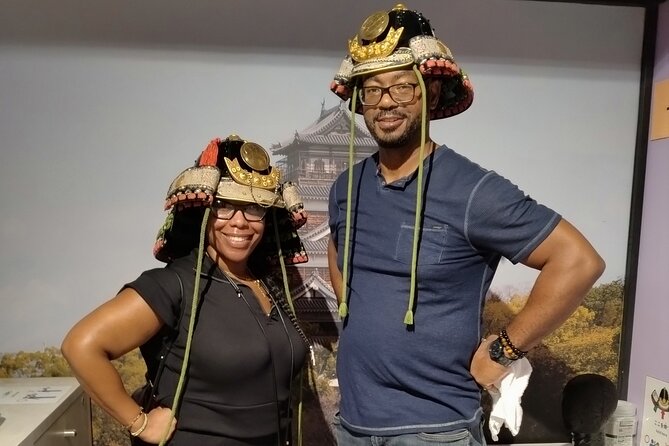
Hiroshima Castle is included for 1 hour, and it’s one of the stops that shifts you from memorial focus to Japanese castle design and history.
One important consideration: the castle admission fee is listed as included, but it notes the castle is closed for renovation from March 23, 2026. If you’re traveling during that window, you should confirm what will happen to this stop when you book.
Even if the castle is closed on your travel date, it’s still useful to stop at the area, because the guide can help you understand how the site fits into Hiroshima’s bigger story. But you should treat the castle entrance as date-dependent.
A castle visit also helps balance the emotional weight of the day. After the museum and memorial theme, it gives your brain a different kind of focus: walls, layout, design, and how people lived and built in earlier eras.
Shukkeien Garden: slow down and let it work on you

Shukkeien Garden gets 1 hour and admission is included. This is where you can swap museum intensity for visual calm, and where seasonal character often becomes part of the experience.
I like that the garden is not a quick drive-by. An hour gives you time to walk the paths and notice how Japanese garden design uses viewpoints to change what you see. Even when you think you’re just taking photos, you start paying attention to how structures frame the scene.
The only drawback here is timing. If your Hiroshima earlier stops run long, the garden can feel like the first place to lose minutes. This is where the private format helps, since you can tell your guide that Shukkeien is a priority and you want it protected.
Miyajima and the floating torii moment
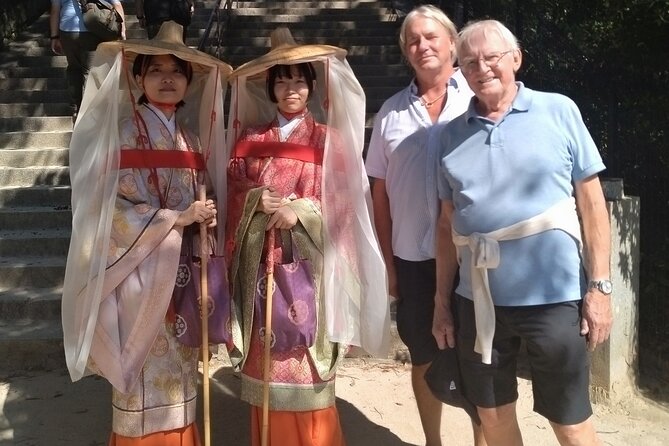
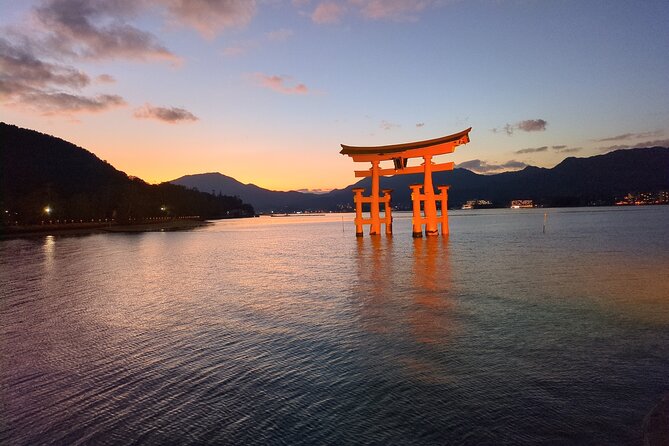
Then you’re off to Miyajima for the Itsukushima Shrine area. The plan starts with a 30-minute stop at the Itsukushima Shrine Torii, often called the floating torii gate.
This stop works best if you’re ready to look beyond the postcard view. The torii is iconic, but the setting is what makes it feel special, especially with the tide-driven waterline changes around the shrine area. Your guide can explain what you’re seeing and when, which helps if you’re trying to time pictures.
If you’re a “photos first, meaning later” person, you can still do both. Get your shot, then move on. Just don’t treat it as the only reason you came to Miyajima.
Omotesando shopping street: snack time with purpose
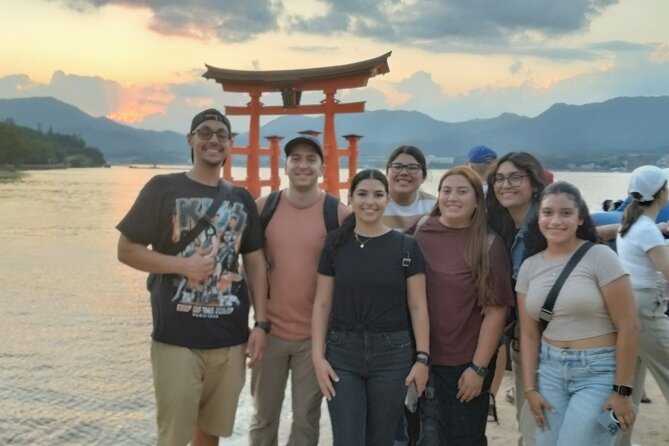
After the torii viewing, there’s an 1-hour walk on Miyajima Omotesandō Shopping Street. Admission is free for this part, and it’s a smart inclusion because it gives you a low-pressure break between shrine areas.
In real life, walking the street is where you get a sense of island culture. You’ll see traditional shops and local treats, and it’s also a practical chance to refuel before the longer final shrine portion.
One review mentioned a guide helping find vegan options for lunch, which is exactly the kind of thing that can matter on Miyajima, where food choices might feel narrow if you don’t ask early. Even if you’re not vegan, tell your guide what you do and don’t eat, and ask what they recommend.
Itsukushima Jinja: UNESCO-level atmosphere, with actual time to see it
The final and longest stop is Itsukushima Jinja itself, with 2 hours included. Admission is included here, and that time is key. You’re not just passing through a gate, you’re spending enough time in the area to notice details.
Itsukushima Shrine is listed as constructed in 593 AD and it’s a UNESCO World Heritage site. That age matters, because you can feel the continuity of design and reverence in how the site is laid out and used.
The description also notes how the surrounding landscape changes with the ebb and flow of tides. Even if you don’t plan your day around tide charts, your guide’s context helps you understand why the shrine looks different depending on timing.
If you want to buy a small souvenir, this is typically a good window. If you want to linger for photos at lower crowds, this is also where your guide’s local sense of pacing can help. One review even mentions that Miyajima was spectacular in ways photos can’t capture, which tracks with how the whole area feels once you’re walking among the shrine structures instead of viewing from one point.
Price and logistics: where the value really comes from
At $167.50 per person, this tour can feel fair or steep depending on what you compare it to. Here’s the honest breakdown: the tour includes admission for the Peace Memorial Museum, Hiroshima Castle, Shukkeien Garden, and Itsukushima Shrine.
That matters because Japan attractions add up fast, especially when you’re stacking multiple “paid entry” sights in one day. If you’d otherwise purchase tickets separately, the included admissions can make the price look much smarter.
But there are costs you should budget for. The tour does not include:
- lunch
- private vehicle
- transportation cost from the meeting place to where you want to go
That last line is the one that trips people up. You meet at Hiroshima Peace Memorial Museum and end at Miyajima Pier, so you are managing the connections. In feedback, some guides are praised for handling public transportation smoothly, while a few negative comments criticize weaker English or pacing. So, treat transportation like your responsibility, and use the guide as your navigation and interpretation helper rather than assuming the price covers every ride.
Also note the tour does not include hotel pickup or drop-off. You need your own way to get to the meeting point, and then you need your own plan from the end point.
What I’d pack and plan for (so the day feels easy)
The tour is outdoor-heavy, especially in summer. Japan’s summer can hit 35 C or more in August, and the tour data explicitly recommends measures to prevent heatstroke.
I’d plan like this:
- bring water and drink regularly
- wear light clothes and comfortable shoes you can walk in for hours
- consider a parasol or hat for shade
- bring a small towel or anything to wipe sweat and keep going
If you’re the type who gets tired at museums, use your strategy early. You’ll start at the Peace Memorial Museum, so pace yourself inside. Then save your energy for the walking on Miyajima, where the scene is stunning and it’s easy to keep going longer than you planned.
Who should book this Hiroshima and Miyajima private tour
This is a strong fit if you:
- want a private day rather than a bus-and-bunch setup
- care about meaning and context, not just sightseeing checkmarks
- like structured time at major sites, especially the Peace Memorial Museum
- want Miyajima to include both shrine time and the Omotesandō street experience
If you hate walking or you want zero outdoor time, this may be too active. And if you want everything handled door to door with no transport planning from your side, read the logistics carefully first.
From the feedback pattern, the biggest differentiator is the guide. Names like Masa and Aya appear with strong praise for making the day comfortable and information-rich, and a few weaker experiences in the feedback point to how much language and pacing can affect your enjoyment. That’s not something you control, but it’s a real reason to book with clear expectations.
Should you book it?
Yes, if you’re aiming for a focused private day that combines the Hiroshima memorial sites with Miyajima’s Itsukushima Shrine area, and you value having your time structured with included admissions. The price becomes easier to justify when you compare it to paying each attraction fee separately.
I’d pass or at least re-think if your biggest priority is full transportation coverage, hotel pickup, or a very low-walking schedule. Also pay attention to the Hiroshima Castle renovation notice for travel dates around 2026, because that can change what you actually get for that stop.
If you book, do one smart thing: message your interests up front. Tell your guide what you care about most, and mention any food needs. That simple step tends to shape the day more than people expect.
FAQ
What is the total duration of the Hiroshima and Miyajima full day private tour?
The tour runs for about 8 hours.
Where do you meet and where does the tour end?
You meet at Hiroshima Peace Memorial Museum (1-2 Nakajimachō, Naka Ward, Hiroshima) and the tour ends at Miyajima Pier (宮島桟橋, Miyajimacho, Hatsukaichi, Hiroshima).
Is this tour really private?
Yes. It is a private tour, and only your group participates.
Are admission fees included?
Yes for the Hiroshima Peace Memorial Museum, Hiroshima Castle, Shukkeien Garden, and Itsukushima Shrine.
Is lunch included in the tour price?
No, lunch is not included.
Do I need to pay for transportation during the day?
Transportation cost from the meeting place to the desired place is not included, and a private vehicle is not provided.
Is Hiroshima Castle guaranteed to be available?
The Hiroshima Castle admission fee is listed as included, but it notes the castle is closed for renovation from March 23, 2026.
What if the weather is bad?
This experience requires good weather. If it is canceled due to poor weather, you will be offered a different date or a full refund.
Is there a free cancellation window?
Yes. You can cancel up to 24 hours in advance for a full refund.
Newly listed around Hiroshima
- Hiroshima and Miyajima 1 Day Walking Tour★ 5.0 · 43 reviews
- Hiroshima and Miyajima 1 Day Cruise Tour★ 5.0 · 24 reviews
- Hiroshima & Miyajima: UNESCO A-Bomb Dome & Itsukushima with Local★ 5.0 · 25 reviews
- Hiroshima & Miyajima: Private Full-Day Tour with a Local Guide★ 5.0 · 39 reviews
- Hiroshima and Miyajima 1 Day Bus Tour★ 4.5 · 145 reviews
- Hiroshima 5k Running Tour of Hijiyama Park★ 5.0 · 7 reviews
- Hiroshima and Miyajima Bus Tour with Indian Lunch★ 5.0 · 10 reviews
- Hiroshima Peace Memorial and Atomic Bomb Dome Private Tour★ 5.0 · 37 reviews
Miyajima Island Trips, compared.
Peaceful Hiroshima & Miyajima UNESCO 1 Day Bus Tour
Read our review →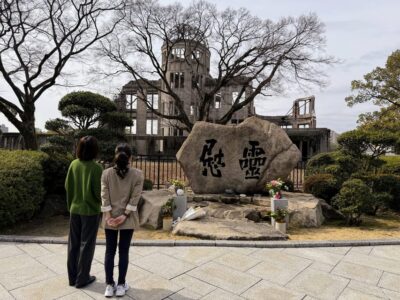
Hiroshima and Miyajima UNESCO Sites 1-Day Tour
Read our review →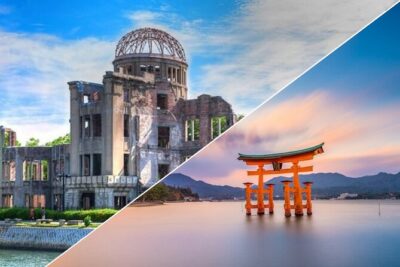
Hiroshima / Miyajima Full-day Private Tour with Government Licensed Guide
Read our review →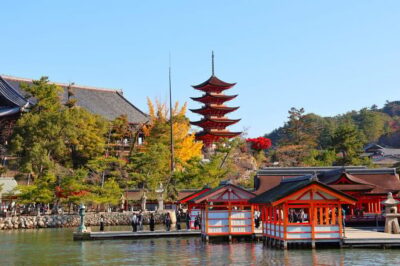
Osaka/Kyoto: Hiroshima Miyajima Bus Tour & Shinkansen Ticket
Read our review →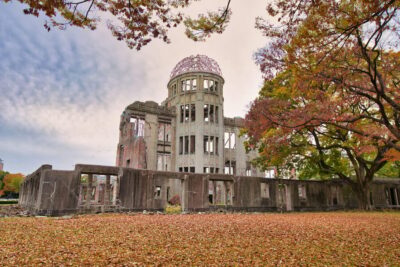
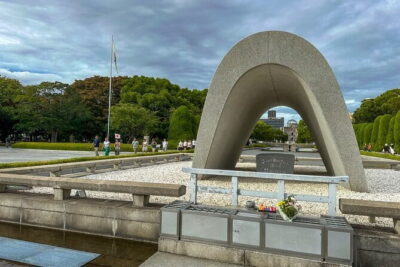
Hiroshima and Miyajima Day Trip with Itsukushima Shrine & Ferry
Read our review →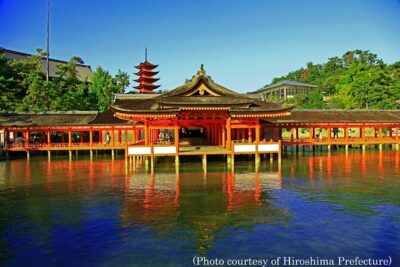
Full Day Hiroshima and Miyajima Bus Tour from Hiroshima
Read our review →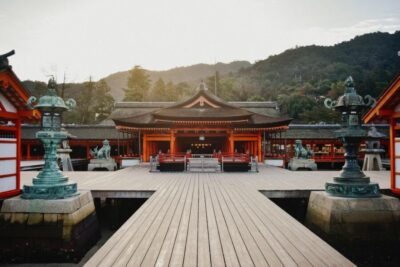
Miyajima Peace Memorial Icons of Peace and Beauty
Read our review →Browse the lists this tour appears in