
Review · MIYAJIMA ISLAND TRIPS
Hiroshima and Miyajima Private Guided Tour
Peace and beauty, in one day. This private Hiroshima and Miyajima tour weaves together Peace Memorial Park and Itsukushima Shrine, with real stories tying the sites to what the city learned afterward. You also get tram and ferry time, plus a chance to slow down on Miyajima instead of just taking photos and moving on.
I love how the guide handles the in-between moments, especially tram and ferry navigation, so you do not lose energy guessing routes. I also like the built-in balance, you get heavy WWII context first, then a calmer island experience plus a stroll on Hondori for food and atmosphere.
One thing to plan for: the day can feel time-tight, with lots of walking and stairs. If you are sensitive to heat or have mobility limits, you will want to match the pace to your comfort level.
In This Review
- Key highlights you will actually feel during the day
- Entering Hiroshima, why Peace Park hits harder with a guide
- Price and logistics: what $150 buys you (and what it does not)
- Peace Memorial Park, from the Dome’s silhouette to the museum’s gravity
- Peace Park to everyday Hiroshima, Hondori and the castle-and-garden options
- Crossing to Miyajima the local way: tram plus ferry time
- Itsukushima Shrine and the floating torii gate, what to watch for
- Food and pacing: plan lunch even though it is not included
- Guide styles that shape the day, Kazuko Mensing, John, and Gajender
- Who this private Hiroshima and Miyajima tour suits, and who should rethink it
- Should you book this Hiroshima and Miyajima private guided tour?
- FAQ
- What does the tour include?
- What are the main places you will visit?
- Are Hiroshima Castle and Shukkeien Garden tickets included?
- Is lunch included?
- Is pickup offered?
- Is the tour private or shared?
- How long is the tour?
- Do I need to buy tickets for the Peace Memorial Museum and Itsukushima Shrine?
- How do you get between Hiroshima and Miyajima?
- Is there free cancellation?
- How and when will I receive confirmation?
Key highlights you will actually feel during the day
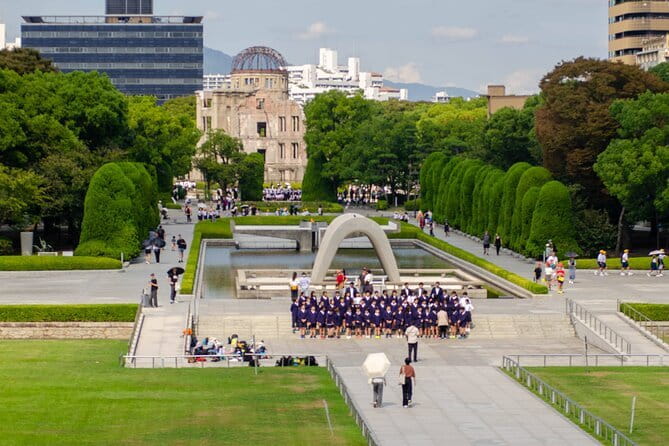
- Peace Memorial Park with story-led stops like the Dome, Peace Museum, and the children’s memorials
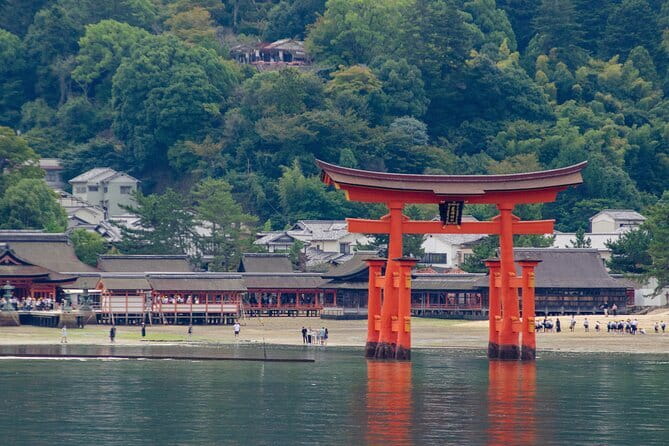
- Itsukushima Shrine on Miyajima with the tide-dependent look of the torii gate
- Tram and ferry included, so you spend less time logistics hunting
- Hiroshima City breaks like Hiroshima Hondori, plus optional castle and garden time
- Guide flexibility with photo and pacing tips, from people like Kazuko Mensing, John, and Gajender
Entering Hiroshima, why Peace Park hits harder with a guide
Hiroshima is one of those places where your emotions do not stay in one neat box. The city shows you the scale of 1945, then you watch how people rebuilt a message of peace that still feels urgent today.
What makes this tour work well is the pacing through the memorial area. You start at Peace Memorial Park, then you move through the landmarks in a thoughtful order, including the Atomic Bomb Dome area and the Peace Memorial Museum. This is not just sightseeing, it is walking through a timeline your guide helps you understand.
Two things I think you will appreciate right away. First, you get context before you read labels on your own. Second, the guide’s job is to keep the day moving without rushing the meaning.
A few more Miyajima Island trips around Hiroshima:
- Peaceful Hiroshima & Miyajima UNESCO 1 Day Bus Tour
★ 5.0 · 5,309 reviews - Hiroshima: Hiroshima and Miyajima UNESCO Sites 1-Day Tour
★ 4.9 · 2,330 reviews - Hiroshima / Miyajima Full-day Private Tour with Government Licensed Guide
★ 5.0 · 1,298 reviews
Price and logistics: what $150 buys you (and what it does not)
At $150 per person, the value here is not the landmarks themselves. You could buy tickets for some sights on your own and follow a route. The value is paying for an English-speaking guide plus the hard parts of the day: transportation between major stops and ticket handling for the included places.
Here is what your price covers based on the tour details. You get an English speaking guide, tickets for the Peace Memorial Museum and Itsukushima Shrine, and public transportation by tram and ferry. The tour is private, so it is only your group, which makes a big difference when the city gets crowded.
What costs extra. Tickets are not included for Shukkeien Garden (300 yen) and Hiroshima Castle (500 yen), and lunch is not included. You also should plan for the possibility of extra ferry or boat options if you change how you connect between Hiroshima and Miyajima, because those specific boat routes are listed as not included.
Also keep the duration in mind. It is listed as about 4 to 8 hours, which is a wide range. Your exact flow will depend on where you start from, how quickly you move through each stop, and how the island ferry timing works.
Peace Memorial Park, from the Dome’s silhouette to the museum’s gravity
Your first major stop is Peace Memorial Park, and it is the right place to begin. It is hard to understand Hiroshima’s postwar identity if you start anywhere else first.
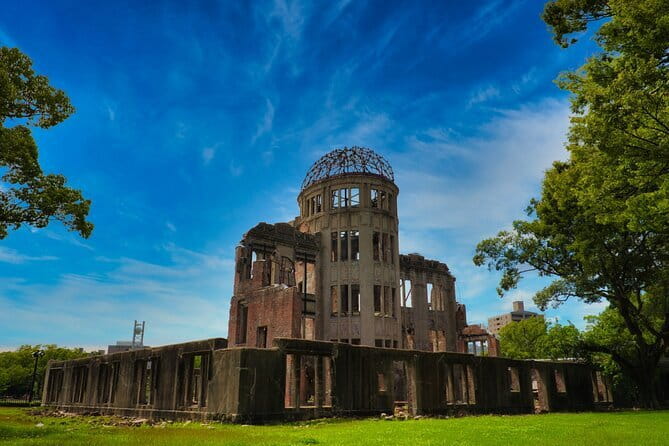
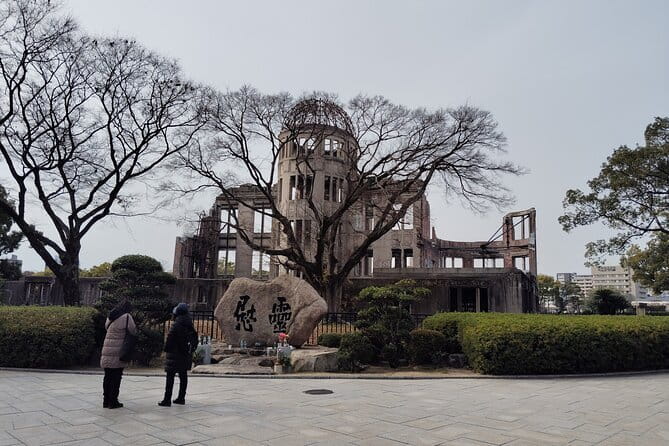
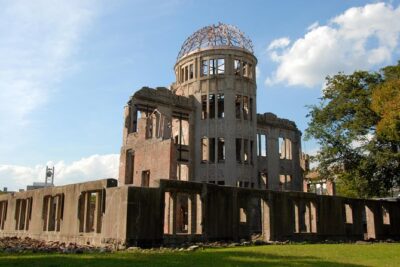
At the Atomic Bomb Dome stop, you get a quick but meaningful look at the Genbaku Dome, preserved as a stark reminder of August 6, 1945. This spot is iconic for a reason, but it can also feel distant if you only know the headline. A guide helps you connect what you see to the human reality behind it.
Then you move to the Peace Memorial Museum. This is where the day stops being a tour and becomes an education, with the story of the bombing and its aftermath made concrete. Since museum entry is included, you do not have to track down ticketing on your own while you are still absorbing the emotional weight of the area.
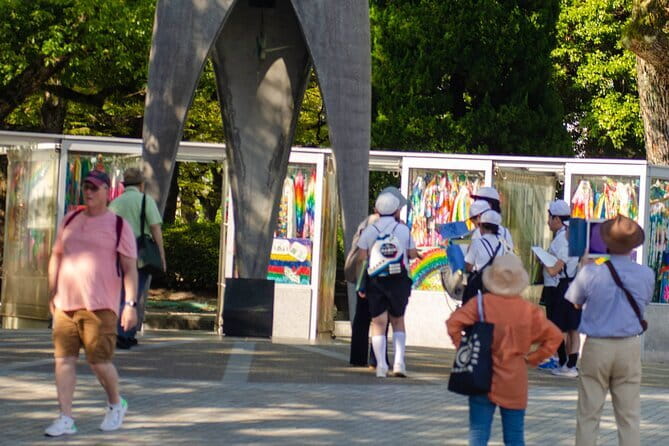
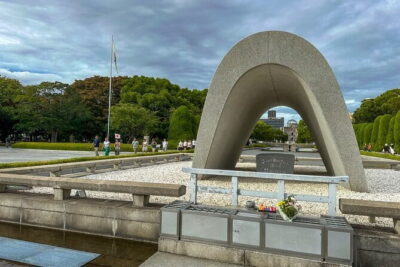
After that, you shift to the quieter memorial elements. The itinerary includes the children’s memorial, the Cenotaph for A-Bomb Victims, plus moments like the Peace Flame and the Peace Bell. These parts matter because they move the focus from destruction to remembrance, and they make it easier to understand what the city asks visitors to carry home.
Peace Park to everyday Hiroshima, Hondori and the castle-and-garden options
One smart move in the schedule is that you do not stay locked only in memorial mode. You get a breather in central Hiroshima, including time around Hiroshima Hondori, a pedestrian shopping and dining street.
Hondori is a practical stop. It gives you a place to grab a snack or lunch that feels local, not tourist-buffet generic. If your guide mentions Hiroshima-style comfort food, take the hint and try it, because okonomiyaki often becomes a highlight for people who have been staring at memorial walls for hours.
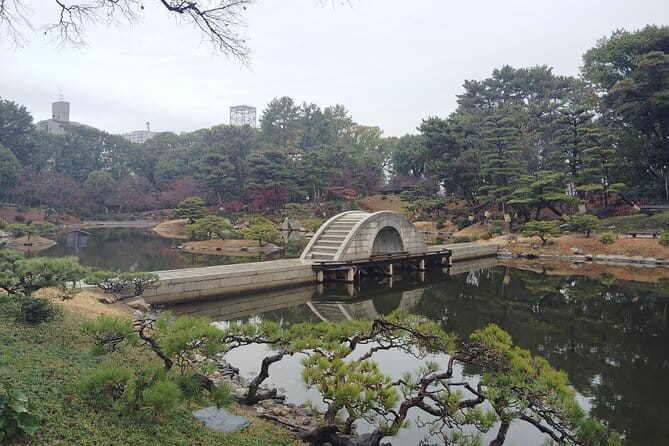
Then you may add optional sights depending on your time and interests. Hiroshima Castle is included as a stop, but the castle entry fee is not. Shukkeien Garden is another stop with a 300 yen ticket not included, even though it is a gorgeous break if you want traditional garden calm in the middle of a high-intensity day.
A fair note on these add-ons. They are worth it if you want variety, but they can also stretch your schedule. If you know you want extra time on Miyajima’s island scenery, you might treat the castle and garden as flexible picks rather than mandatory box-tickers.
A few more Hiroshima days to weigh up
- Hiroshima Historical Walking Tour – Why A-Bomb was Dropped
★ 4.8 · 893 reviews - Hiroshima Peace (Heiwa) Walking Tour at World Heritage Sites
★ 5.0 · 872 reviews - Hiroshima in a Nutshell: Morning Bike Adventure
★ 5.0 · 524 reviews - Hiroshima City 4hr Private Walking Tour with Licensed Guide
★ 5.0 · 437 reviews
Crossing to Miyajima the local way: tram plus ferry time
Miyajima becomes magical the moment you leave the mainland rhythm behind. This tour uses public transportation, specifically tram and ferry, so you are moving with the flow of daily life rather than being dropped at a pre-packaged scenic point.
That sounds simple, but it changes your day. Tram and ferry travel builds natural pauses. You get a chance to sit, look out at the Seto Inland Sea area, and mentally switch gears before you step into Itsukushima Shrine territory.
One caution: ferry timing can be the difference between a relaxed island visit and a sprint. Because this is a private tour with a set guiding window, you will want to stay flexible if you are prone to delays (late trains, slow transfers, unexpected crowds).
If your goal is the floating torii gate at its most impressive moment, timing and tide awareness become part of the plan. The tour includes the shrine visit, but the visual experience of the torii gate depends on the sea and tide patterns.
Itsukushima Shrine and the floating torii gate, what to watch for
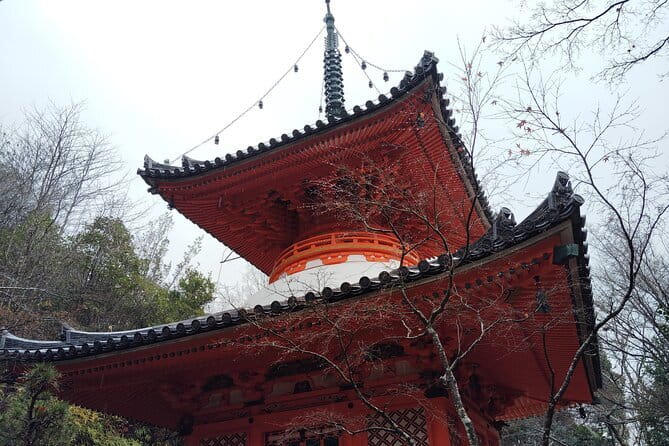
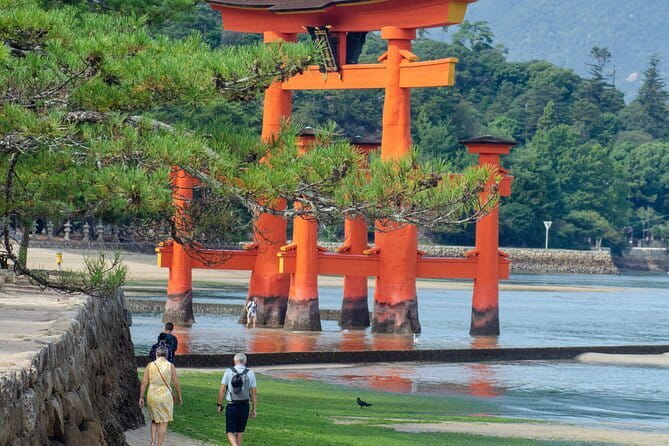
Itsukushima Shrine is one of Japan’s most recognizable shrine scenes, and yes, the famous torii gate looks like it is floating when the sea reaches it at high tide. The shrine grounds are spiritual and atmospheric even for people who do not think they are into shrines.
What I like about including the shrine as a key part of the day is that it forces you to see Miyajima for more than the postcard angle. You have time to walk the shrine grounds, take in sea views, and understand why this place has such cultural weight.
The shrine ticket is included, which keeps things smooth. You do not have to interrupt the flow of your visit by figuring out entry details while the crowd rhythm is already pushing you forward.
You will also benefit from your guide’s crowd skills. Miyajima can feel busy, and the best experience tends to come from moving in a smart order and pausing where the view is best.
Food and pacing: plan lunch even though it is not included
Lunch is not included, so you should decide how you want to handle it before you get hungry. You will be in Hiroshima first, then on Miyajima, so splitting meals between the two areas can work.
Hondori is a useful place to hunt for something quick. If your guide recommends Hiroshima-style okonomiyaki, it is worth trying, because it is a local comfort food that actually fits the emotional arc of the day. You go from heavy history into real everyday life, and the meal feels like part of Hiroshima, not a distraction from it.
For pacing, use the guide for strategy. Ask where to step aside if it is crowded, and ask when to take photos. People who end up happiest usually follow the guide’s timing advice, not their own instinct to keep walking no matter what.
Guide styles that shape the day, Kazuko Mensing, John, and Gajender
This tour is private, so the guide has a huge influence on what the day feels like. From the guides connected to this experience, there is a clear pattern in what gets praised: personal storytelling, smooth navigation, and strong effort to keep you comfortable.
Kazuko Mensing shows up in many accounts as warm, patient, and energetic, especially when she tailors the day and steers people away from the worst crowd knots. John is also described as a strong bridge between Hiroshima history and day-to-day life, with extra care around transport planning. Gajender is frequently praised for being friendly, kind, and very helpful while also taking people to stops that go beyond the most obvious paths.
Here is the practical takeaway for you. If you care about meaning, not just sites, lean into questions. Ask about what changed after the bombing, what the memorial symbols represent, and how people live with that history now.
If you care more about flow and comfort, ask about walking pace early. The day includes stairs and steps in places, and heat can make it feel longer. Even without any medical issues, the wrong pace can turn a “great day” into “why am I still walking.”
Who this private Hiroshima and Miyajima tour suits, and who should rethink it
This experience is best for you if you want both. You want the Peace Memorial Park impact, and you also want the calm contrast of Miyajima’s shrine and seaside views.
It also fits well if you like learning from people who can explain what you are seeing. The guide is not just holding a map, they add the connections between the Dome, the museum, the children’s memorials, and the symbols like the Peace Bell and Peace Flame.
It may not be the best fit if you have mobility limits or stamina concerns. Some accounts mention lots of steps and discomfort in hot weather, and you should take that seriously. Since the tour is walking-based and includes island travel, you should honestly assess your ability before committing.
Finally, consider how you want to spend your limited time. If your top priority is Miyajima, guard that time. If your priority is the memorial area, treat castle and garden as optional rather than “must do.”
Should you book this Hiroshima and Miyajima private guided tour?
Book it if you want a day with structure, meaning, and easy navigation. The included tram and ferry, plus entry to the Peace Memorial Museum and Itsukushima Shrine, are exactly the kind of friction reducers that let you focus on the experience. You get both the emotional center of Hiroshima and a classic Miyajima scene without feeling like you must plan every transfer yourself.
Hold off or adjust expectations if you are heat sensitive, have mobility concerns, or need a very relaxed schedule with minimal walking. The itinerary moves, and the tour window may feel tight if transfers run long or if you add extra paid sites without leaving buffer.
If you do book, my advice is simple. Wear comfortable shoes, plan for lunch on the fly, and ask your guide for pacing and photo timing. With the right expectations, this is the kind of day that stays with you for the reasons that matter.
FAQ
What does the tour include?
You get an English speaking guide, public transportation by tram and ferry, and tickets for the Peace Memorial Museum and Itsukushima Shrine.
What are the main places you will visit?
The day centers on Hiroshima Peace Memorial Park, the Atomic Bomb Dome area, the Peace Memorial Museum, and Miyajima, including Itsukushima Shrine. The schedule can also include Hiroshima Hondori, Hiroshima Castle, and Shukkeien Garden.
Are Hiroshima Castle and Shukkeien Garden tickets included?
No. Hiroshima Castle has a 500 yen ticket fee and Shukkeien Garden has a 300 yen ticket fee, and those are listed as not included.
Is lunch included?
No. Lunch is not included.
Is pickup offered?
Yes, pickup is offered, and it is listed as pickup with public transportation. The tour notes that it is near public transportation.
Is the tour private or shared?
It is private. Only your group participates.
How long is the tour?
The duration is listed as approximately 4 to 8 hours.
Do I need to buy tickets for the Peace Memorial Museum and Itsukushima Shrine?
No. Tickets for the Peace Memorial Museum and Itsukushima Shrine are included.
How do you get between Hiroshima and Miyajima?
The tour includes public transportation, including a ferry connection to Miyajima.
Is there free cancellation?
Yes. You can cancel for a full refund up to 24 hours in advance of the experience start time.
How and when will I receive confirmation?
Confirmation is received within 48 hours of booking, subject to availability, and you get a mobile ticket.
Newly listed around Hiroshima
- Hiroshima Local Life Walking Tour (Private)★ 5.0 · 11 reviews
- The Peace Memorial to Miyajima : Icons of Peace and Beauty★ 4.5 · 31 reviews
- Sake Town Tour in Saijo Hiroshima★ 5.0 · 9 reviews
- Okunoshima Rabbit Island Cycling Tour with Local Guide★ 4.5 · 17 reviews
- Hiroshima & Miyajima All-Inclusive Tour w/Licensed guide Pancho★ 5.0 · 54 reviews
- Private Full Day Hiroshima Tour★ 4.5 · 29 reviews
- Hiroshima Country Cycling: Explore Rural Life 1 HR from City★ 5.0 · 22 reviews
- Miyajima Island Tour with Certified Local Guide★ 5.0 · 9 reviews
Miyajima Island Trips, compared.
Peaceful Hiroshima & Miyajima UNESCO 1 Day Bus Tour
Read our review →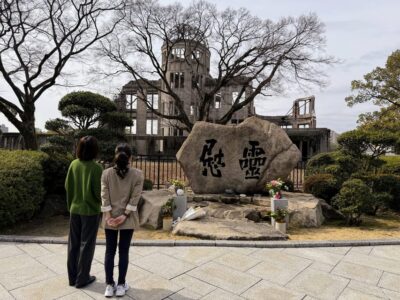
Hiroshima and Miyajima UNESCO Sites 1-Day Tour
Read our review →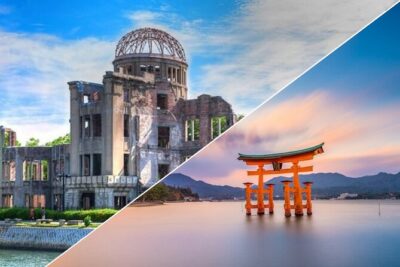
Hiroshima / Miyajima Full-day Private Tour with Government Licensed Guide
Read our review →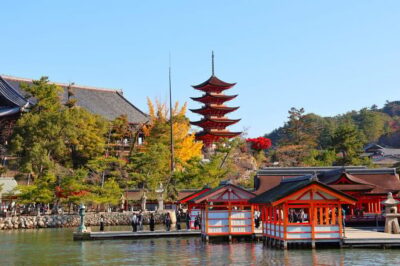
Osaka/Kyoto: Hiroshima Miyajima Bus Tour & Shinkansen Ticket
Read our review →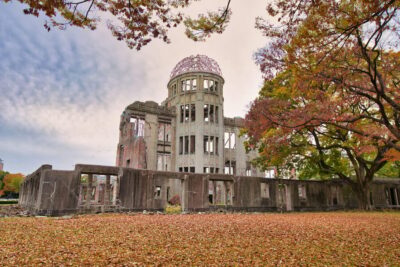
Hiroshima and Miyajima Day Trip with Itsukushima Shrine & Ferry
Read our review →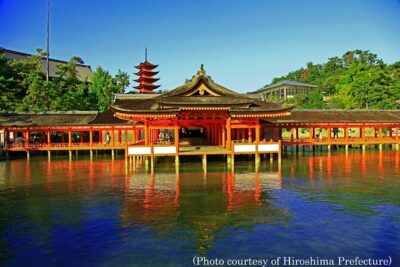
Full Day Hiroshima and Miyajima Bus Tour from Hiroshima
Read our review →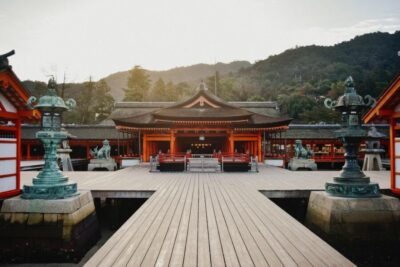
Miyajima Peace Memorial Icons of Peace and Beauty
Read our review →Browse the lists this tour appears in