
Review · MIYAJIMA ISLAND TRIPS
Hiroshima: Itsukushima Shrine and Miyajima Summit Tour
Miyajima feels spiritual before you even climb. This tour pairs Itsukushima Shrine by the water with a climb up toward the island’s summit, so you get sea views and mountain worship in one loop. It also has an unusually strong guide focus, like Hine, who was described as helpful and calming when someone had trouble walking.
I also like how it explains why Miyajima matters, not just what to see. You’ll connect the famous torii setting and the stilted shrine design with the island’s Shugendo traditions, where sea-faith and mountain ascetic practice sit side by side. In one account, Gordon Michasiw stood out for making the day feel like a conversation with a friend, not a script.
One thing to plan for: it’s moderate walking and the schedule is active. If you want to linger forever at every viewpoint or you’re sensitive to uphill effort, the pace can feel tight near the end.
In This Review
- Key things that make this Miyajima tour worth your time
- Miyajima: sea-faith and mountain worship in one walkable world
- Starting at Miyajima-guchi, then straight to Itsukushima Shrine
- The UNESCO icon and the torii-gate mindset
- Ropeway to the mountain, then the summit views
- Senjokaku and the Gojunoto: add temples and meaning
- How the 5.5-hour flow really works (and where it might feel rushed)
- Price and value: is $179 worth your time?
- What to pack and wear for Miyajima comfort
- Best fit: who should book, and who should skip it
- Should you book the Hiroshima: Itsukushima Shrine and Miyajima Summit Tour?
- FAQ
- What is the meeting point for this Miyajima tour?
- How long is the tour?
- What language is the guide?
- What is included in the price?
- Are meals included?
- How much walking should I expect?
- Is this tour suitable for wheelchair users or mobility impairments?
Key things that make this Miyajima tour worth your time
Itsukushima Shrine is the star, including the iconic torii view and a guided visit on site
Ropeway time saves your legs, then you still get the satisfaction of mountain views from the top
Shugendo stories bring meaning to the sights, tying Shinto and Buddhist mountain practice to Miyajima
Senjokaku and the Gojunoto add variety, so it’s not just the main shrine area
Private, English-language guidance, with guides named Hine and Gordon in past groups
Photo chances are built in, including shrine areas and summit outlooks, plus a short free-time window
Miyajima: sea-faith and mountain worship in one walkable world
Miyajima is one of those places where the setting already tells the story. You’re on an island where the water and the hills are treated as sacred partners, not separate scenery. That’s exactly why this tour works: it starts at the best-known shrine landmark, then pushes upward toward the summit, where mountain belief takes center stage.
The tour’s theme is plain and useful. You’ll hear how the island has been worshipped for centuries and how pilgrims didn’t just look, they walked the sacred paths seeking enlightenment through the land itself. You’ll also connect the physical design of the shrine with the mindset behind it. Itsukushima Shrine sits over the sea on stilts, built to protect the sanctity of the island and avoid damaging the natural beauty around it.
I like this approach because it changes how you look at everything. A torii gate stop is no longer just a photo moment. You start noticing how the shrine’s position, the pathways, and the climb all fit into a belief system where the coast and the heights matter equally.
More Shrine & Temple Visits in Hiroshima
- Hiroshima and Miyajima Day Trip with Itsukushima Shrine & Ferry
★ 5.0 · 378 reviews - Miyajima: Cultural Experience in Zen Temple
★ 5.0 · 258 reviews - Day Trip to Hiroshima & Miyajima with Itsukushima Shrine
★ 4.6 · 124 reviews
Starting at Miyajima-guchi, then straight to Itsukushima Shrine
Your meeting point is simple: in front of the Miyajima-guchi Tourist Information Center, where the guide holds a yellow sign with the DeepExperience logo. From there, the first guided block is built around the classic Itsukushima Shrine experience.
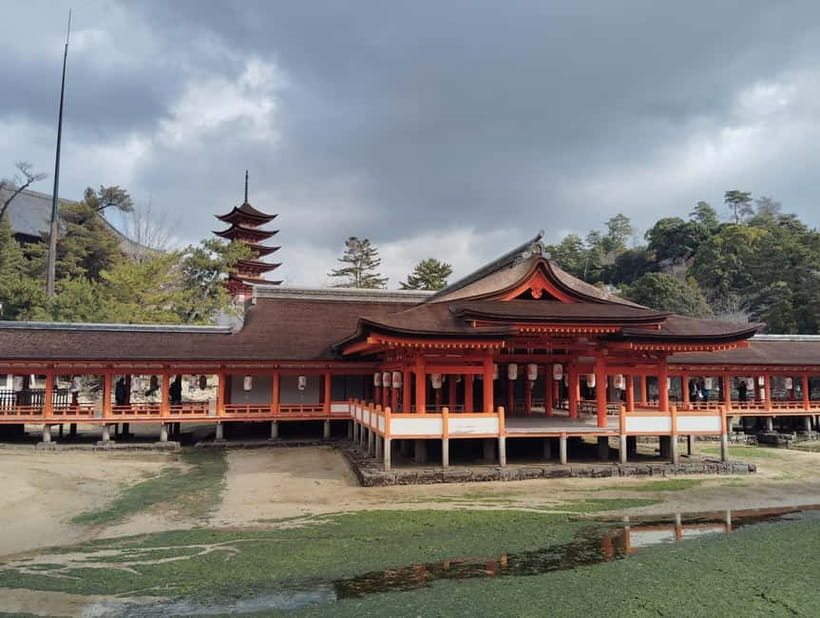
You’ll get time at Itsukushima Shrine itself, including a guided visit focused on what you’re seeing and why it’s famous. The big visual hit is the stilted architecture and that view framed by the torii gateway against the water and the Seto Inland Sea backdrop. It’s the kind of setting that makes your brain slow down for a second, even if you’re arriving with a camera already in your hand.
And because the guide is live and in English, you’re not stuck guessing. You’ll get the context behind Miyajima’s long religious role and the way the shrine fits into that spiritual landscape. This matters because the shrine is UNESCO World Heritage listed, but the more helpful part is learning what that designation reflects on the ground, not just on paper.
The UNESCO icon and the torii-gate mindset
The standout here is Itsukushima Shrine as an experience, not a checklist. The shrine’s design over water is meant to preserve what makes Miyajima special. That idea of reverence for nature shows up in how you move through the grounds, and your guide helps you notice the relationship between human worship spaces and the island’s natural setting.
You’ll also spend time learning how the island became a center for practices tied to ascetic discipline. That’s where Shugendo comes in, a tradition described as mixing Buddhism, Shinto, and mountain ascetic practice. You don’t need to memorize the terms, but it helps to have them in your head when you see the later stops. Without that context, Miyajima can feel like “shrines plus views.” With it, the climb starts to make sense.
If you like culturally grounded stops, this part delivers. If you only care about dramatic photos, you’ll still get them, but the tour makes a stronger case for why this place is sacred long before you reach the summit views.
Ropeway to the mountain, then the summit views
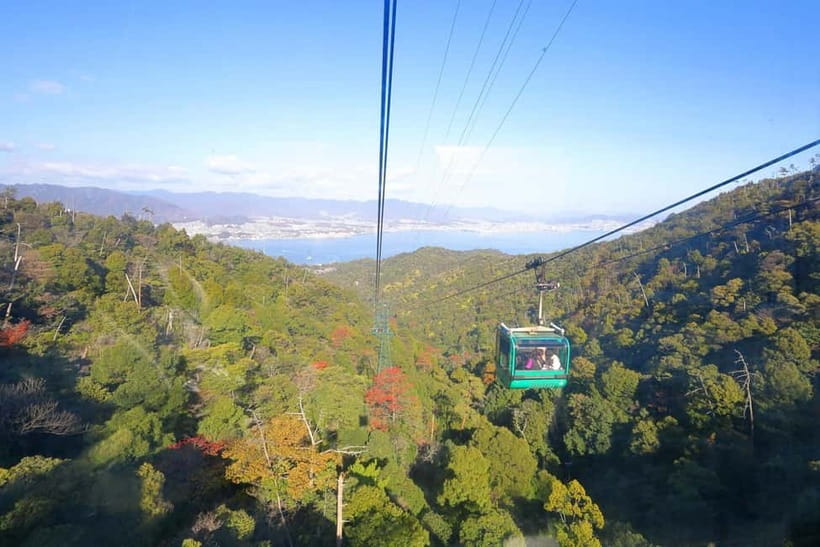
After the shrine time, you head to the ropeway. The schedule gives you about 30 minutes for the cable car, which is a smart trade. It protects your energy for what comes next, because this tour is not only about a ride and a lookout.
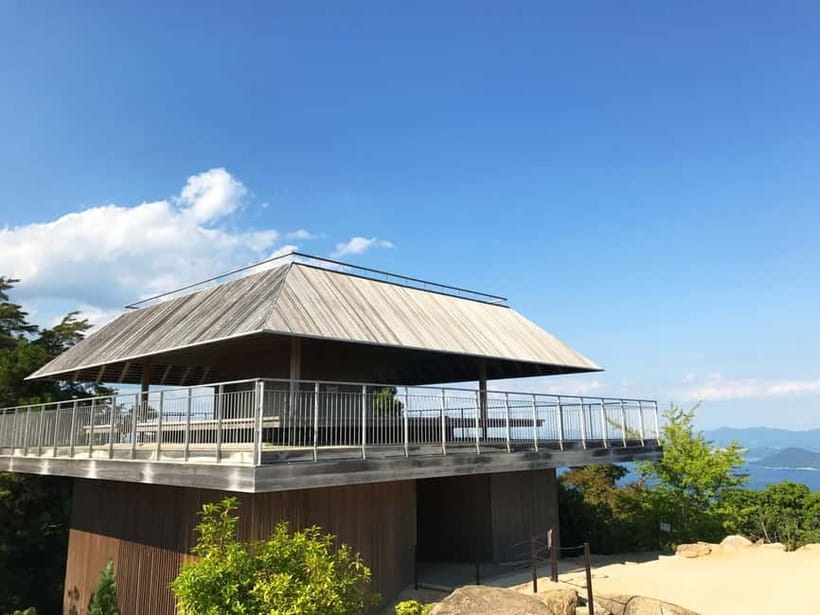
Once you’re up, you’ll have guided time related to the summit experience and mountain worship. The tour is built around learning about the mystery and atmosphere of mountain practice, then rewarding it with views over the surrounding area. That summit goal is the payoff: you’re finally seeing Miyajima from above, with the sea and mountain sides of the island both in the frame.
How hard is it? The tour notes “moderate” walking, and the overall duration is 330 minutes. In plain terms, you should expect some uphill effort and enough steps to feel it in your legs, even with the ropeway helping.
Practical tip: wear shoes you trust. If you’re tempted by flashy footwear, don’t. A bad grip on stone or packed paths ruins the day fast, and you’ll be less able to enjoy the views you climbed for.
More Shrine and Temple visits in Hiroshima:
- Miyajima: Private Rickshaw Tour to Itsukushima Shrine
★ 4.9 · 45 reviews - Miyajima Highlights: Itsukushima Shrine & Island Nature
★ 5.0 · 21 reviews - Miyajima Highlights: Itsukushima Shrine & Island Nature
★ 4.9 · 21 reviews - Hiroshima: Peace Park, Castle, and Mitaki Temple E-Bike Tour
★ 4.8 · 11 reviews
Senjokaku and the Gojunoto: add temples and meaning
The mid-to-late portion of the day includes two named highlights that diversify the experience beyond the main shrine.
First up is Senjokaku Pavilion, with a guided visit of about 15 minutes. It’s the kind of stop that helps you understand Miyajima as more than one famous postcard location. You’ll get time to orient yourself and hear how it fits the island’s sacred reputation.
Then there’s Itsukushima Jinja Gojunoto, the five-story pagoda, with about 10 minutes guided. This is a classic “photo plus context” moment. The views are still important, but the guide’s job here is to make the architecture and religious significance click.
After that, you’ll have a short window of free time, about 15 minutes, before finishing at the Miyajima ferry area. That free time is enough to grab snacks, make a few extra photos, or just breathe after a busy day.
How the 5.5-hour flow really works (and where it might feel rushed)
This tour runs about 330 minutes, roughly five and a half hours. It’s a structured day: shrine first, ropeway, then more guided sightseeing blocks with a bit of walking between them.
The advantage is you don’t waste hours figuring out what to prioritize. You’re led from stop to stop, with guided segments that keep the story coherent: sea shrine, then mountain meaning, then additional sacred buildings that round out the picture.
The catch is time pressure. One participant described the ending as feeling rushed. That matches what the schedule suggests: the final stretch includes a short free time, so if you like lingering, you’ll want to move with intention earlier. Start with your photos at the key landmarks, then use the free time for the things you missed.
Also, the tour is private, which usually helps. You can ask questions in the moment rather than waiting for group pacing, and you can benefit from a guide who adjusts explanations to your questions, not just the tour script.
Price and value: is $179 worth your time?
At $179 per person, you’re paying for several tangible pieces:
- A professional English guide
- Admission to Itsukushima Shrine
- Visit to the summit of Miyajima
- The ropeway fee
That’s a solid value bundle for a day that otherwise requires multiple tickets and a lot of route planning. Miyajima can be confusing if you arrive without a plan, especially if you want both shrine-and-summit rather than only the main sightseeing loop.
So who gets the best value? You’ll feel it if you want:
- A guide who explains Shugendo and the sea-and-mountain belief link
- A structured route that keeps you moving without guessing
- The summit viewpoint, not just the iconic torii area
You might feel less thrilled with the price if you only care about a short photo run at the shrine and you’re already comfortable designing your own Miyajima itinerary.
One more note: meals are not included. That’s normal for this kind of tour, but plan for a mid-day snack or a tea stop on your own. In past groups, guides have helped people find calmer breaks, away from the densest crowds, which can make the day feel more relaxed than it otherwise might.
What to pack and wear for Miyajima comfort
For this tour, the basics matter. Bring:
- Comfortable shoes
- Hat
- Sunscreen
- Water
- Camera
The walking is described as moderate, and the island terrain can be uneven. If you’re sensitive to heat, the hat and sunscreen are not optional. Also, keep water accessible. A summit day feels fine until you realize you’ve spent hours without enough sips.
Not allowed: smoking.
Best fit: who should book, and who should skip it
This is a strong fit if you want a guided day that connects iconic sights with religious meaning. It’s also a great pick if you enjoy mountain viewpoints and want to earn them with a structured plan.
It’s not a fit if you:
- Have mobility impairments or need a wheelchair, since the tour is not suitable for wheelchair users
- Want a fully low-effort day with minimal walking
If you’re traveling as a couple or solo, private grouping means you can ask questions and set your pace within reason. If you’re traveling with someone who has a temporary walking difficulty, the guide support can make a big difference, but you still need to be honest about physical limits. This is an active island route, not a sit-and-watch stroll.
Should you book the Hiroshima: Itsukushima Shrine and Miyajima Summit Tour?
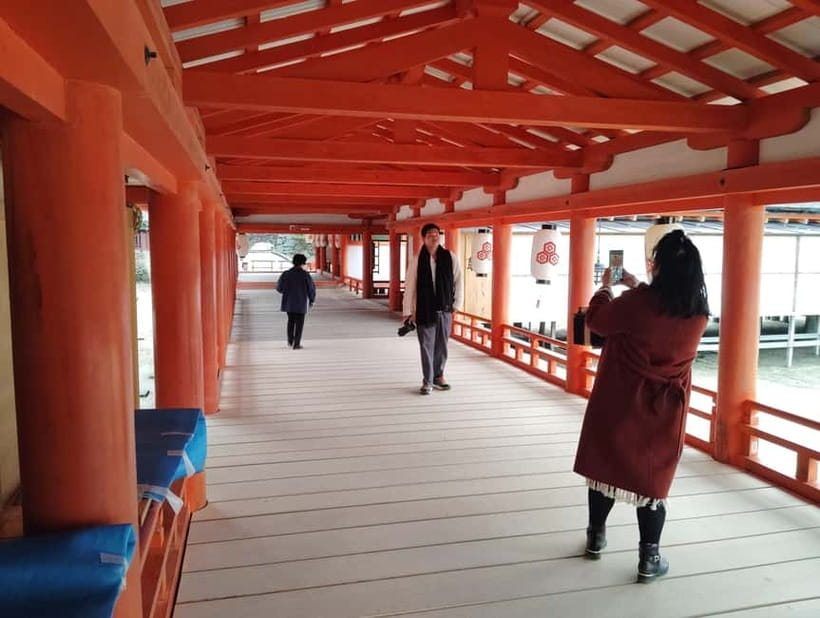
If your goal is “see the famous Miyajima stuff” plus “understand why it’s sacred,” book this. The combination of Itsukushima Shrine, ropeway access, and a summit finish is the core value, and the English live guide is the difference-maker when you care about more than just photos.
Book it especially if you:
- Want Shugendo and mountain-worship context, not just a route
- Like the idea of sea views early, summit views later
- Appreciate a guide who can explain in clear, human terms (people have mentioned guides like Hine and Gordon Michasiw for exactly that)
Skip or reconsider if:
- You need wheelchair accessibility or have significant mobility limitations
- You dislike moderate walking and uphill effort, even with the ropeway helping
- You’re hoping for meals to be included, since you’ll handle food on your own
FAQ
What is the meeting point for this Miyajima tour?
Meet in front of the Miyajima-guchi Tourist Information Center. The guide will be holding a yellow sign with the DeepExperience logo.
How long is the tour?
The total duration is about 330 minutes, or roughly 5.5 hours.
What language is the guide?
The tour includes a live English guide.
What is included in the price?
Included are a professional guide, admission to Itsukushima Shrine, a visit to the summit of Miyajima, and the ropeway fee.
Are meals included?
No. Meals are not included.
How much walking should I expect?
The tour includes a moderate amount of walking, including time on foot.
Is this tour suitable for wheelchair users or mobility impairments?
No. It is not suitable for people with mobility impairments or wheelchair users.
More Miyajima Island Trips Around Hiroshima
- Peaceful Hiroshima & Miyajima UNESCO 1 Day Bus Tour
★ 5.0 · 5,309 reviews - Hiroshima: Hiroshima and Miyajima UNESCO Sites 1-Day Tour
★ 4.9 · 2,330 reviews - Hiroshima / Miyajima Full-day Private Tour with Government Licensed Guide
★ 5.0 · 1,298 reviews - From Hiroshima: Hiroshima & Miyajima 1 Day Tour with Lunch
★ 4.7 · 395 reviews
Newly listed around Hiroshima
- Hiroshima and Miyajima 1 Day Cruise Tour★ 5.0 · 24 reviews
- Hiroshima and Miyajima 1 Day Walking Tour★ 5.0 · 43 reviews
- Hiroshima & Miyajima: UNESCO A-Bomb Dome & Itsukushima with Local★ 5.0 · 25 reviews
- Hiroshima & Miyajima: Private Full-Day Tour with a Local Guide★ 5.0 · 39 reviews
- Hiroshima 5k Running Tour of Hijiyama Park★ 5.0 · 7 reviews
- Hiroshima and Miyajima Bus Tour with Indian Lunch★ 5.0 · 10 reviews
- Hiroshima and Miyajima 1 Day Bus Tour★ 4.5 · 145 reviews
- Hiroshima Peace Memorial and Atomic Bomb Dome Private Tour★ 5.0 · 37 reviews
Miyajima Island Trips, compared.
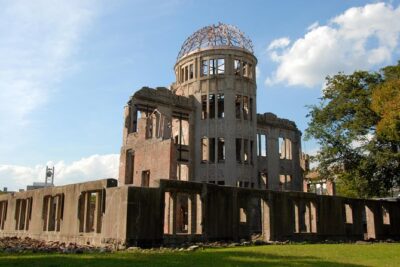
Peaceful Hiroshima & Miyajima UNESCO 1 Day Bus Tour
Read our review →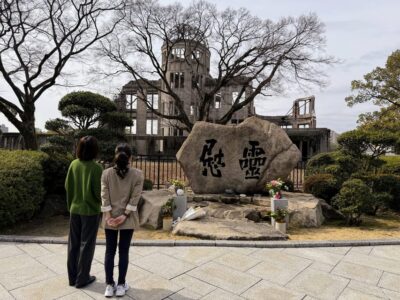
Hiroshima and Miyajima UNESCO Sites 1-Day Tour
Read our review →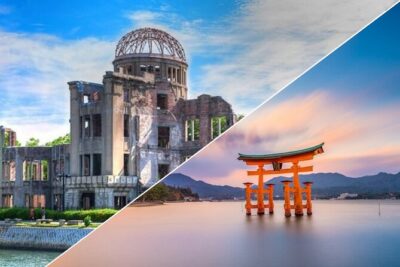
Hiroshima / Miyajima Full-day Private Tour with Government Licensed Guide
Read our review →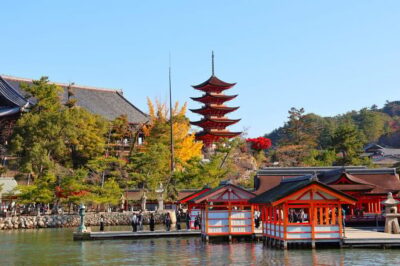
Osaka/Kyoto: Hiroshima Miyajima Bus Tour & Shinkansen Ticket
Read our review →
Hiroshima and Miyajima Day Trip with Itsukushima Shrine & Ferry
Read our review →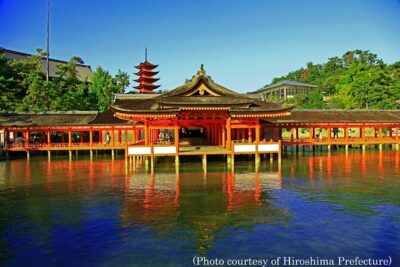
Full Day Hiroshima and Miyajima Bus Tour from Hiroshima
Read our review →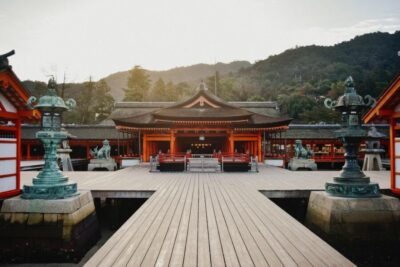
Miyajima Peace Memorial Icons of Peace and Beauty
Read our review →Browse the lists this tour appears in