
Review · MIYAJIMA ISLAND TRIPS
Hiroshima/Miyajima Private Custom Tour with Local Guide
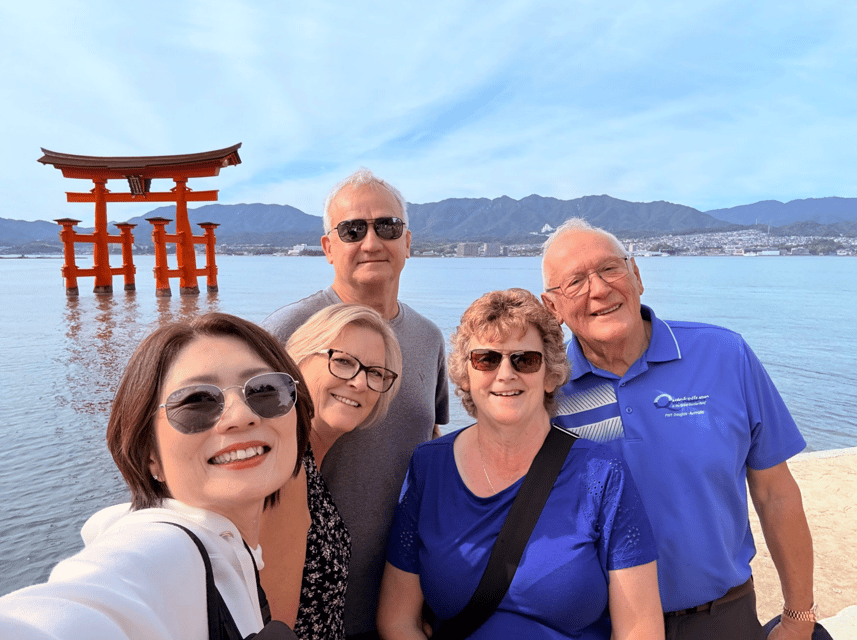
Peace and floating torii in one day. This private custom tour connects Hiroshima’s most important memorial sights with the calm wonder of Miyajima. I love the way your local guide brings the story to life, often with personal family context shared in a careful, human way, like guides such as Toshi and Joe. I also like the public-transport plan, especially the ferry ride chosen for great views of the torii at the right angle. One consideration: entrance fees, your own transport costs, and lunch are extra, and the day still involves real walking.
You’ll start in front of the Starbucks at Hiroshima Station, then head out with an English-speaking guide for a flexible route. The best part is that this isn’t a rigid script. Guides routinely adjust on the fly to your interests, like building in a Mount Misen climb when requested, or tailoring pace for families with teenagers.
The tour is typically 2 to 7 hours (you choose from available start times), and it stays private. That helps a lot if you want time for questions, photo stops, or just slower breathing in places that need it.
In This Review
- Key highlights worth planning around
- Meeting Hiroshima at Hiroshima Station, Starbucks in Sight
- Hiroshima Peace Memorial Park and the Atomic Bomb Dome, with context that lands
- Adding Shukkeien Garden, so the city feels real
- The train, the ferry, and the Miyajima approach you’ll feel in your photos
- Miyajima Itsukushima Shrine and the walking flow that makes sense
- Off-the-main-flow stops and how guides find the good angles
- Food breaks that taste local, with fewer regrets
- Price and value: is $55 per person fair for this much human help?
- Who this tour fits best, and who should rethink it
- Should you book this Hiroshima and Miyajima private custom tour?
- FAQ
- Where do we meet for the tour?
- Is this tour private?
- How long is the tour?
- Is there an English speaking guide?
- What is included in the price?
- What is not included?
- Do you use public transportation?
- Can you arrange private transportation?
- Is there free cancellation?
- Is the tour wheelchair accessible?
Key highlights worth planning around
- A local guide who customizes the day based on what you care about most, not a one-size schedule
- Peace Memorial Park and Atomic Bomb Dome with real context that helps you understand what you’re seeing
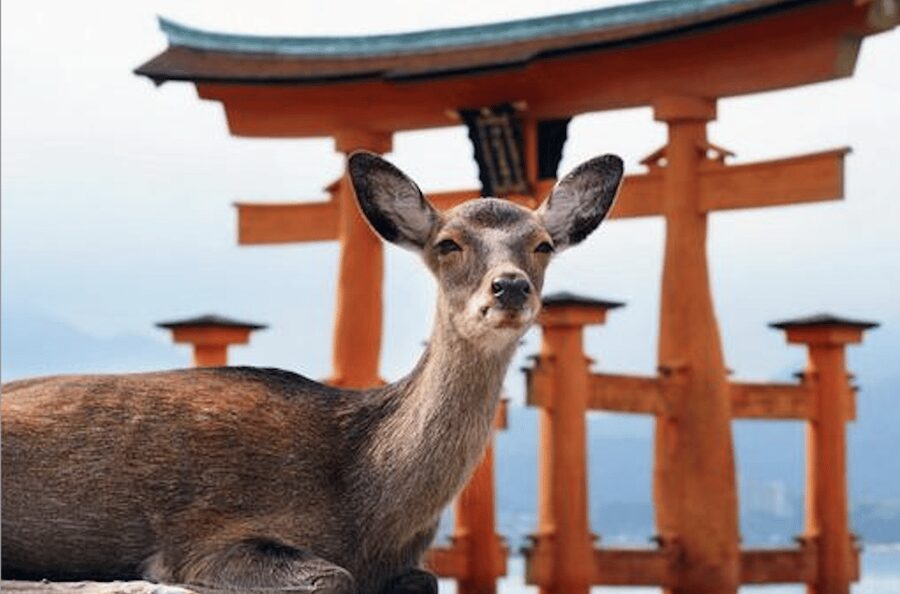
- Public transport plus a ferry ride to Miyajima, with guidance on the best viewpoint for the torii gate
- Shukkeien Garden and Hiroshima downtown area added so the trip feels more like the city, not just memorials and shrines
- Off-the-main-flow spots that guides know and can explain clearly
- Real flexibility such as adjusting for museum closures, requests like Mt Misen, or food needs
Meeting Hiroshima at Hiroshima Station, Starbucks in Sight
The meeting point is easy: in front of the Starbucks at Hiroshima Station. That matters more than you might think, because in Hiroshima your time is precious once you start moving toward the memorial area and the Miyajima ferry.
From there, you’ll move by public transport as the default. This is a smart choice if you want to feel like you’re living the day the way locals do, rather than watching scenery through a window. If you really need less walking or tighter timing, you can request a private vehicle for an additional fee.
Your guide is English-speaking and the group stays private. In practice, that means you can ask questions without feeling rushed, and you can get help with small things like where to stand for photos without turning it into an hours-long production.
A few more Miyajima Island trips around Hiroshima:
- Peaceful Hiroshima & Miyajima UNESCO 1 Day Bus Tour
★ 5.0 · 5,309 reviews - Hiroshima: Hiroshima and Miyajima UNESCO Sites 1-Day Tour
★ 4.9 · 2,330 reviews - Hiroshima / Miyajima Full-day Private Tour with Government Licensed Guide
★ 5.0 · 1,298 reviews
Hiroshima Peace Memorial Park and the Atomic Bomb Dome, with context that lands
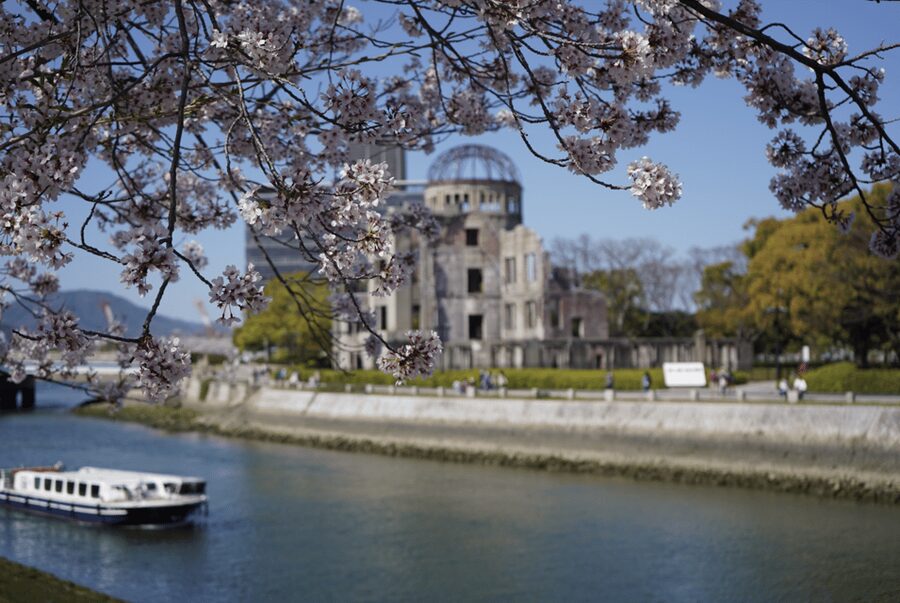
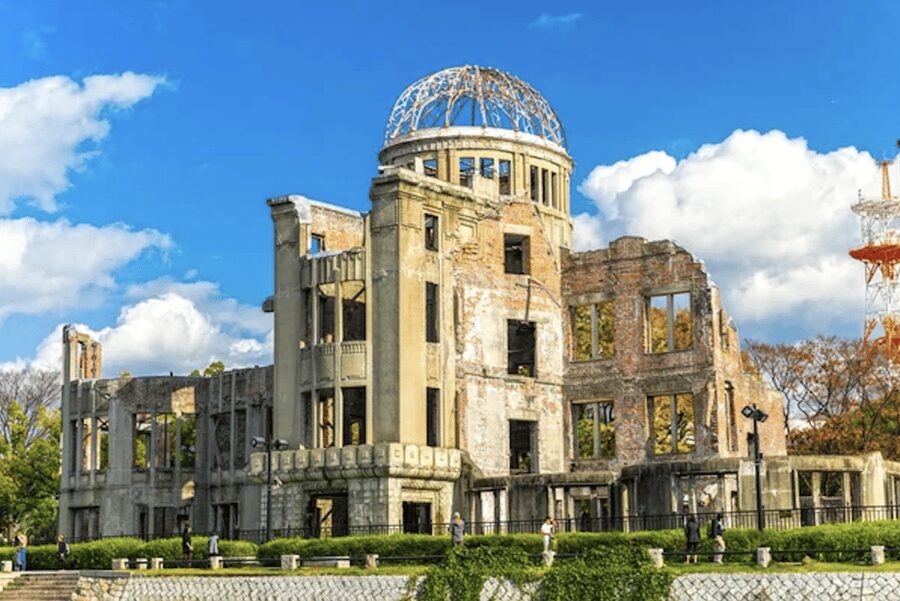
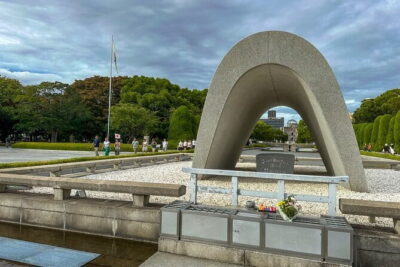
This is the part that most people remember for the rest of the trip. Hiroshima Peace Memorial Park and the Atomic Bomb Dome are not just landmarks. They are physical reminders of what happened and why the world watches Hiroshima so closely.
What I like about this style of guiding is pacing. A guide will usually help you see the outdoor memorial elements first, then connect them to the museum experience. If you’re sensitive to heavy topics, go slow. If you’re the type who wants details, ask for them. The good guides do both, they match your pace.
You should expect a mix of quiet moments and information-dense moments. The museum can be emotional. But with a guide who understands how to explain the story clearly, you’re less likely to feel lost in the exhibits. Some guides also adapt when timing gets tricky, like when a museum is closed during a holiday period, and they switch to a prepared photo-based history explanation on the way back.
Even the Atomic Bomb Dome feels more meaningful when you understand why it looks the way it does and how Hiroshima has chosen to frame it in the present. That context is the difference between seeing a photo spot and actually understanding the place.
Adding Shukkeien Garden, so the city feels real
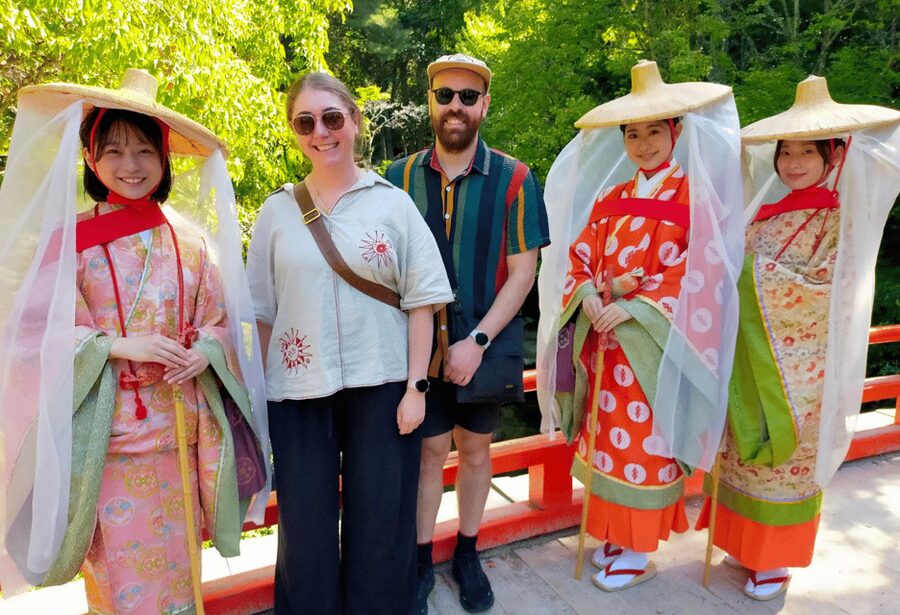
Many short Hiroshima plans jump straight from the memorial sights into a ferry plan. This one also includes Shukkeien Garden, which is a big deal. It gives you a breath of order and beauty after heavier scenes, and it shows a different side of Hiroshima.
Shukkeien is a landscaped garden, but what your guide adds is the why. You’ll learn how garden design, seasonal details, and the feel of walking in a composed space connect to broader Japanese aesthetics. You’ll also get timing advice, like when to linger and when to move so you don’t end up sprinting between zones.
After that, you’ll also spend time in Hiroshima’s downtown area. Think of it as the human layer of the city, where you notice everyday life, not just monuments. It’s also a practical part of the day because it’s where food and quick local errands fit naturally.
The train, the ferry, and the Miyajima approach you’ll feel in your photos
Getting to Miyajima is half the fun, and this tour leans into that. You’ll venture to the island via public transport, including a ferry ride. People talk about Miyajima’s torii gate a lot. The secret is that the ferry positions you to see the shrine approach with fresh eyes, not as a flat postcard.
Good guides choose the best viewing spot on the boat and explain what to watch for. You’ll also get photography tips, especially around timing and angle so you can capture that iconic view. One guide even helped a guest pinpoint the best place for viewing and photography, and another timed things around weather for a torii gate moment that looked unreal with clear skies and shifting conditions.
If you’re a solo traveler, this ferry segment can be extra helpful. Guides often offer practical photo help so you’re not stuck with only selfies.
Keep in mind that the tour is flexible. If conditions change, your guide will adjust. If you want a short history talk on the way, some guides have prepared material for travel time, like tabbed photo books, so you keep learning without losing momentum.
A few more Hiroshima days to weigh up
- Hiroshima Historical Walking Tour – Why A-Bomb was Dropped
★ 4.8 · 893 reviews - Hiroshima Peace (Heiwa) Walking Tour at World Heritage Sites
★ 5.0 · 872 reviews - Hiroshima in a Nutshell: Morning Bike Adventure
★ 5.0 · 524 reviews - Hiroshima City 4hr Private Walking Tour with Licensed Guide
★ 5.0 · 437 reviews
Miyajima Itsukushima Shrine and the walking flow that makes sense
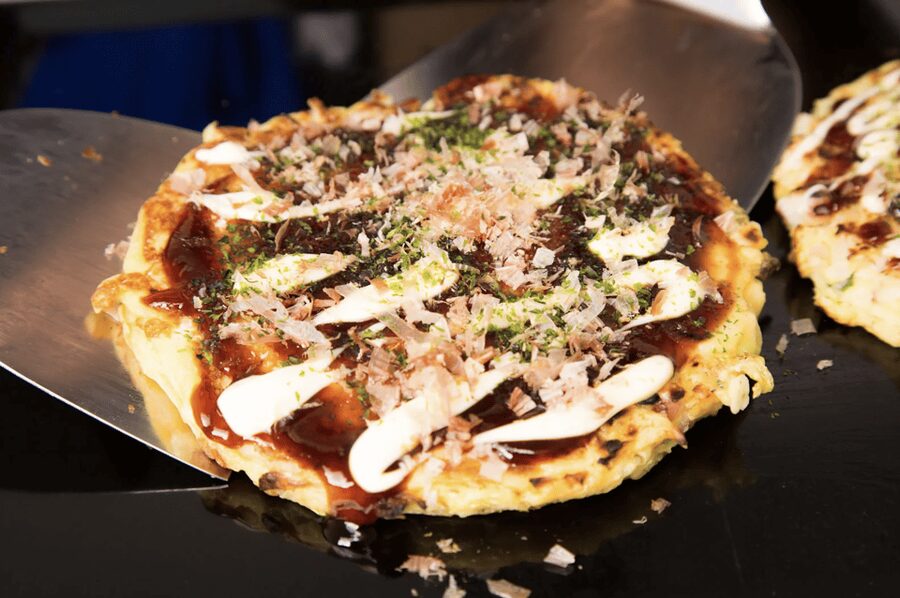
Once you reach Miyajima, the focus shifts from world events to spiritual place. Itsukushima Shrine is the headline, and your guide will help you navigate it in a logical order so you understand the layout.
You’ll spend time exploring the shrine area and walking around the island. This is where many people slow down naturally, because the island’s feel pushes you to. Your guide will point out cultural details that most first-time visits miss, such as how spaces are used, how people move, and what features mean in Japanese religious life.
The guide also matters for practical comfort. Miyajima can mean stairs, crowds in peak times, and changing weather. A strong guide keeps your group together, manages the flow, and stops long enough for you to actually look, not just pass by.
Your guide may also add a little extra, like side stops beyond the main route. Those are the moments that make the day feel less like a checklist and more like you experienced Miyajima as a place, not a photo stop.
Off-the-main-flow stops and how guides find the good angles
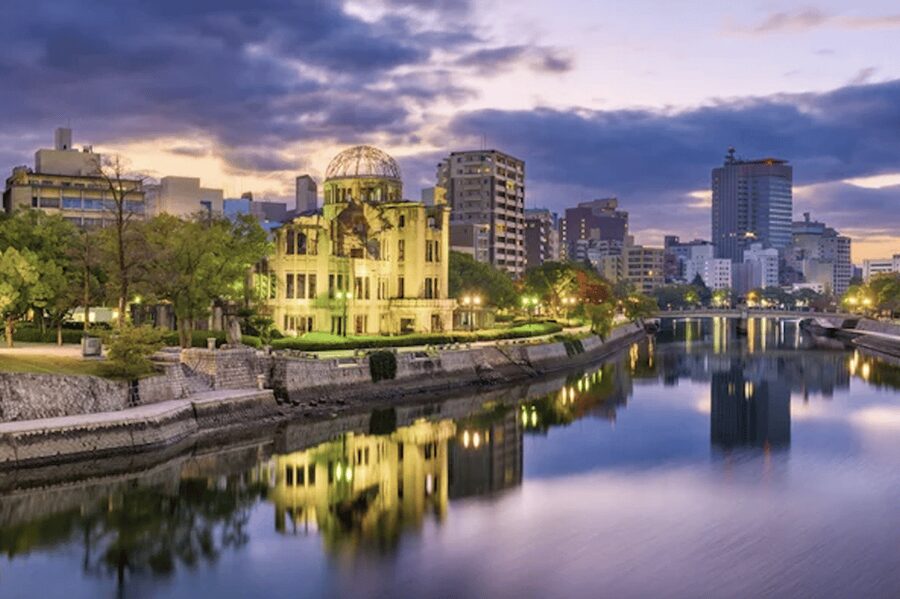
A private tour shines when it finds your interests, and guides here are clearly trained for that. You’ll often visit less obvious spots, the kind locals know and visitors usually don’t stumble into on their own.
This shows up in small decisions:
- where you pause for photos
- which viewpoints you reach first
- how much time you spend in each section based on your questions
Many guides also double as photo helpers. Some are comfortable coaching framing and camera positioning. Others are simply very good at noticing where the light will land, which is huge for shrine and shoreline scenes.
If you request extra walking like a Mount Misen climb, you can sometimes build it in. One account specifically noted adding about two hours to include Mt Misen while still staying on track for the full scheduled day. That’s the value of a guide who can re-balance time instead of telling you it’s impossible.
Food breaks that taste local, with fewer regrets
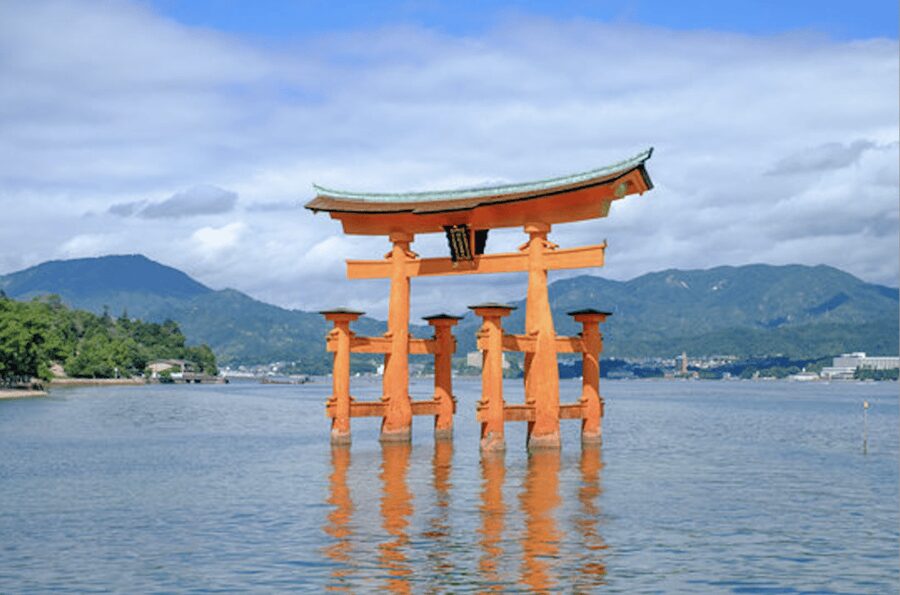
Lunch is not included, so you’re making your own choice in most cases. That said, the guide’s role here is very real, because they can steer you toward what fits the area and what’s likely to be worth your time.
In practice, guests often eat Hiroshima-style okonomiyaki, and many guides recommend reputable spots. One guide also suggested a local dish option that worked even with pork-free dietary needs, and another helped a guest find freshly made momiji manju, which is one of those classic Miyajima snacks you’ll see everyone carrying.
If food worries you, don’t skip it. Ask your guide what to try and when to eat. A good guide helps you avoid the trap of hungry panic ordering in a place that’s only okay.
Price and value: is $55 per person fair for this much human help?
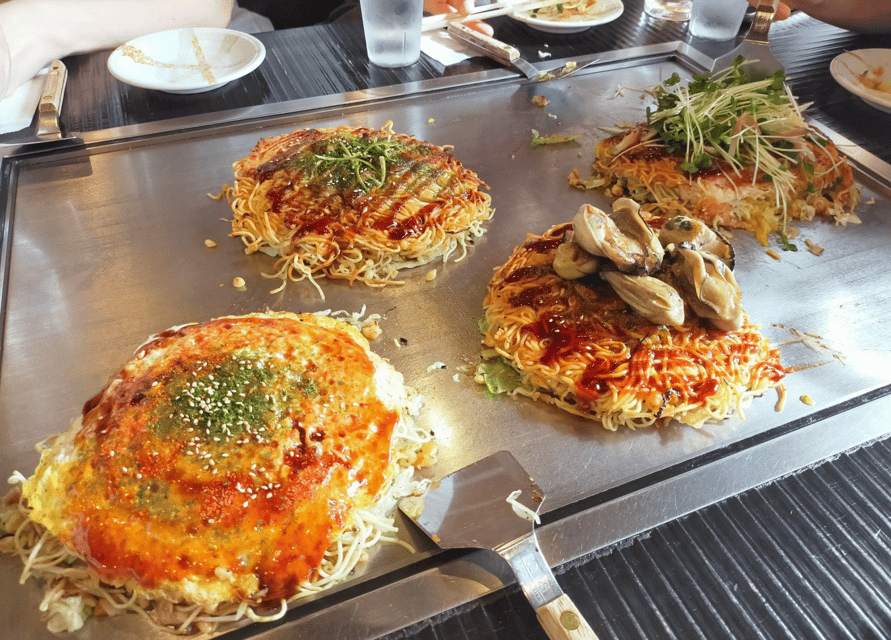
At $55 per person, this is positioned as a value-driven private tour. The key question isn’t the total cost number, it’s what you’re paying for.
You are paying for:
- a private English-speaking guide
- customization of the route
- time-saving planning so you cover Hiroshima highlights and Miyajima without chaos
Entrance fees, your own transport, and lunch are not included. So your real budget should include add-ons like museum/temple entry and the costs of getting around that day. Still, even with those extras, private guiding tends to be cheaper than you’d expect if you were trying to piece together a similar route with multiple tickets plus guesswork.
The other value piece is emotional context. Hiroshima is not an ordinary sightseeing stop. With the right guide, you get better explanations, clearer meaning, and more respectful pacing. Guides often share personal connections too, like family ties affected by the bombing, which can turn a museum visit into something you understand, not just walk through.
And because your group is private, you can adjust the day in real time. That flexibility matters a lot when weather changes or you want more time in one place than another.
Who this tour fits best, and who should rethink it
This tour fits best if you want both big-hitting sites and a smoother, guided flow between them. It’s a good choice for first-time visitors to Hiroshima who still want Miyajima to feel real, not rushed.
It also works well for families with teenagers, because guides know how to keep questions moving and how to explain complex history without turning it into a lecture. Solo travelers can also benefit, especially for photo help and for getting a plan that keeps you from wandering in the wrong direction.
Who might rethink it? If you have very limited mobility or you hate walking, you should confirm your comfort level with the routes between stops. The tour is wheelchair accessible, but walking segments and steps on islands can still be a factor.
Also, if you’re expecting a fully inclusive package where every yen is handled, you’ll need to budget for entrance fees, lunch, and your own transport costs.
Should you book this Hiroshima and Miyajima private custom tour?
I think you should book it if you want a guided day that connects the dots between Hiroshima and Miyajima, with someone local steering you. The standout strength is the human part, private guiding that adapts to your questions, pace, and even specific requests like Mt Misen or food needs.
You should also book if you care about getting the ferry and shrine approach right for photos and timing. Many guests highlight how guides know where to stand and when, and that skill turns Miyajima’s famous views into something you can recreate, not just remember vaguely.
Skip it only if you prefer a DIY day and you’re comfortable planning public transport, timing, and museum context yourself. Otherwise, this is one of those days where paying for a local guide usually saves time and improves understanding.
FAQ
Where do we meet for the tour?
You meet in front of the Starbucks at Hiroshima Station.
Is this tour private?
Yes. It is a private group tour.
How long is the tour?
The duration ranges from 2 to 7 hours, depending on the available start times.
Is there an English speaking guide?
Yes. The guide is English speaking.
What is included in the price?
Included items are the private tour and an English speaking guide.
What is not included?
Entrance fees for you, transportation fees for you, lunch for you, and the guide’s necessary expenses during the tour are not included. Private transportation is also not included.
Do you use public transportation?
Yes. The tour primarily uses public transportation for an authentic local experience, including a ferry ride to Miyajima.
Can you arrange private transportation?
Yes, you can request a private vehicle for an additional fee with prior request.
Is there free cancellation?
Yes. You can cancel up to 4 days in advance for a full refund.
Is the tour wheelchair accessible?
Yes, the tour is wheelchair accessible.
Newly listed around Hiroshima
- Hiroshima: Tour of Atomic Bomb Dome & Peace Memorial Museum★ 5.0 · 20 reviews
- Hiroshima:Guided Virtual Tour/PEACE PARK TOUR VR★ 5.0 · 29 reviews
- Hiroshima: Miyajima Private Cultural Tour by Ferry★ 4.9 · 72 reviews
- Hiroshima: Private Walking Tour with a Local★ 4.6 · 70 reviews
- Hiroshima: Peace Walking Tour of World Heritage Sites★ 4.9 · 190 reviews
- Hiroshima Private Day Tour★ 4.8 · 6 reviews
- Hiroshima: Peace Park, Castle, and Mitaki Temple E-Bike Tour★ 4.8 · 11 reviews
- Hiroshima Peace Memorial Park: A Guided Tour★ 4.9 · 16 reviews
Miyajima Island Trips, compared.
Peaceful Hiroshima & Miyajima UNESCO 1 Day Bus Tour
Read our review →
Hiroshima and Miyajima UNESCO Sites 1-Day Tour
Read our review →
Hiroshima / Miyajima Full-day Private Tour with Government Licensed Guide
Read our review →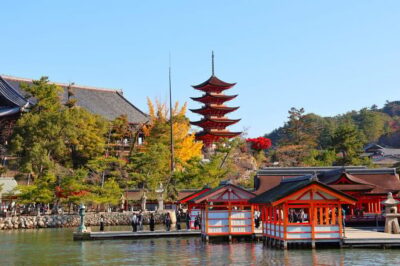
Osaka/Kyoto: Hiroshima Miyajima Bus Tour & Shinkansen Ticket
Read our review →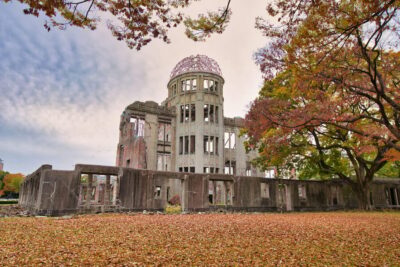
Hiroshima and Miyajima Day Trip with Itsukushima Shrine & Ferry
Read our review →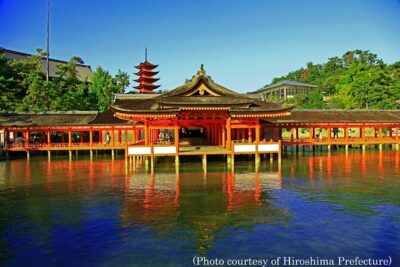
Full Day Hiroshima and Miyajima Bus Tour from Hiroshima
Read our review →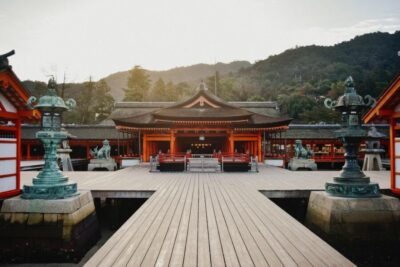
Miyajima Peace Memorial Icons of Peace and Beauty
Read our review →Browse the lists this tour appears in