
Review · MIYAJIMA ISLAND TRIPS
Hiroshima & Miyajima: UNESCO A-Bomb Dome & Itsukushima with Local
Seven hours in Hiroshima can change how you look. You’ll move through Miyajima and then Hiroshima at a comfortable private pace, with included pickup from your hotel area so you skip the hassle of figuring everything out on arrival. I like that this tour feels personal, you can tailor the day, and the guide keeps you moving without the big-group sprint.
I also really like the way the stops connect meaning to place. The day pairs a UNESCO shrine experience with the Peace Memorial sites, and your guide adds family stories and lived perspective, not just dates. One thing to consider: it’s a walking tour using public transportation, so you’ll want to be comfortable on your feet.
You’ll likely start your day on Miyajima, where the famous floating Torii shifts with the tide, then head back toward Hiroshima for the Atomic Bomb Dome and the Peace Museum. In the guide reviews, I saw the same theme again and again: guides such as Yuka and Massa lead with calm focus, answer questions readily, and adjust timing to the group.
In This Review
- Key Highlights Worth Planning Around
- Miyajima Island First: Itsukushima Shrine and the Floating Torii at Tide
- Daishoin Temple, Senjokaku, and Omotesando: More Than One Shrine Photo
- Moving Back to Hiroshima: Ferries, Trains, and the Pace You Can Feel
- Atomic Bomb Dome and Hypocenter Monument: Short Stops With Big Gravity
- Peace Memorial Park and Museum: Facts, Photos, and Radiation Reality
- Children’s Peace Monument and Where the Day Lands
- Guides Like Yuka and Massa Make the Difference
- Price and What You’re Getting for $181.19
- Transportation Costs, Walking, and Smart Day Planning
- Who This Hiroshima and Miyajima Tour Fits Best
- Should You Book This Tour?
- FAQ
- How long is the Hiroshima and Miyajima tour?
- Is hotel pickup included?
- Are tickets to Itsukushima Shrine and the Peace Memorial Museum included?
- What transportation does the tour use?
- Is lunch included?
- Can I bring a service animal?
Key Highlights Worth Planning Around
- Private pacing with customization so the day fits your interests, not a rigid checklist
- Itsukushima Shrine and the tide-dependent Torii where timing can change what you see
- Peace Memorial Museum admission included plus guided context for what you’re looking at
- Atomic Bomb Dome and Hypocenter Monument stops built for short, meaningful views
- Hotel pickup on foot and photo data to reduce stress and capture the day
Miyajima Island First: Itsukushima Shrine and the Floating Torii at Tide
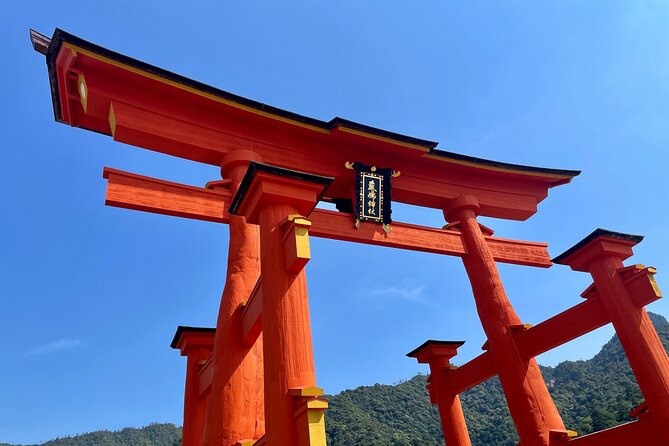
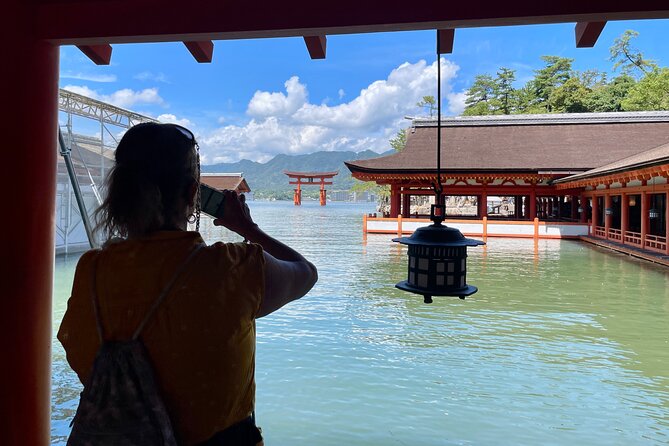
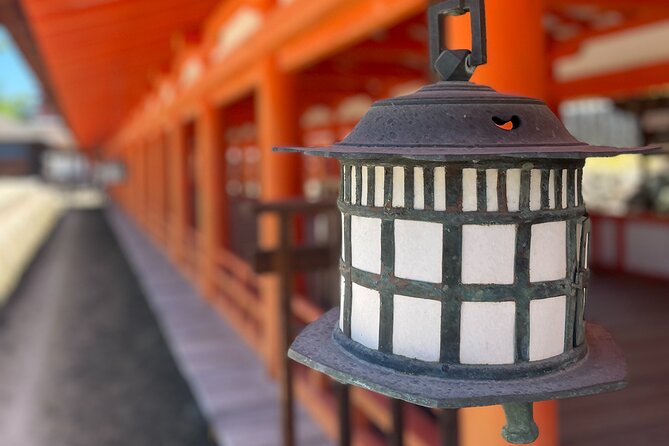
Most people think of Miyajima as the place with the floating Torii, and that’s fair. This tour starts on the island, and you’ll visit Itsukushima Shrine, a UNESCO site famous for the way the shrine buildings and gate relate to the sea. You’re not just taking photos here, you’re walking into a sacred landscape where the setting matters as much as the structures.
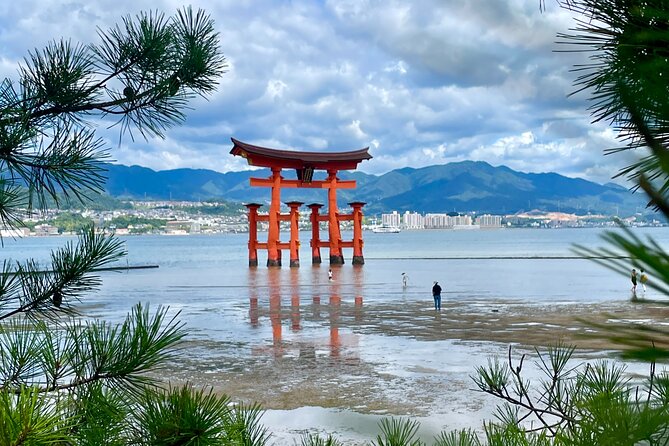
The floating Torii gate is the star, and it changes depending on the tide. If you can, plan for high tide to get the full floating effect. The tour can also adjust the day order between Miyajima and Hiroshima so you’re more likely to see it well. That flexibility is one of the practical wins of having a private guide instead of a fixed bus schedule.
What I like about starting on Miyajima is the emotional contrast. Miyajima’s vibe is quieter, more spiritual, and a little slower than Hiroshima city. It gives you a moment to reset your brain before you step into the heavier history later.
A quick practical note: Miyajima is a popular day trip area, and you will still find crowds near the shrine. The difference is you’re not stuck waiting for the whole herd to move together. You can take breaks when you need them, and your guide can steer you through at a workable pace.
A few more Miyajima Island trips around Hiroshima:
- Peaceful Hiroshima & Miyajima UNESCO 1 Day Bus Tour
★ 5.0 · 5,309 reviews - Hiroshima: Hiroshima and Miyajima UNESCO Sites 1-Day Tour
★ 4.9 · 2,330 reviews - Hiroshima / Miyajima Full-day Private Tour with Government Licensed Guide
★ 5.0 · 1,298 reviews
Daishoin Temple, Senjokaku, and Omotesando: More Than One Shrine Photo
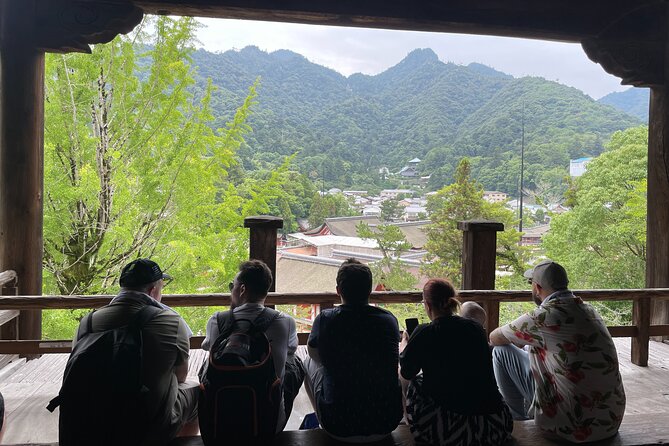
Miyajima doesn’t end at the main shrine. You’ll also have time at Daishoin Temple, described as the island’s oldest, with over 1,200 years of history. Even if you don’t consider yourself a temple person, it’s worth stepping in because the atmosphere is different from the seaside approach. You’re surrounded by centuries of layered worship, and it feels more like a living place than a picture stop.
Another stop is Senjokaku, part of the Itsukushima shrine area and a UNESCO World Heritage site. The layout includes large halls and open, wall-less spaces that can feel surprisingly calm. It’s also tied to Hideyoshi’s order to build, so there’s a thread of political history here too, even though it doesn’t hit you like a museum would.
Then you get Miyajima Omotesando, the island’s shopping street. This is where the tour turns practical: you can snack and buy local souvenirs such as oyster items, conger eel rice, momiji manju (those maple-shaped sweets), and other Miyajima food specialties. Lunch isn’t included, so this area is a realistic place to grab something you actually want, rather than whatever is nearest to a bus drop-off.
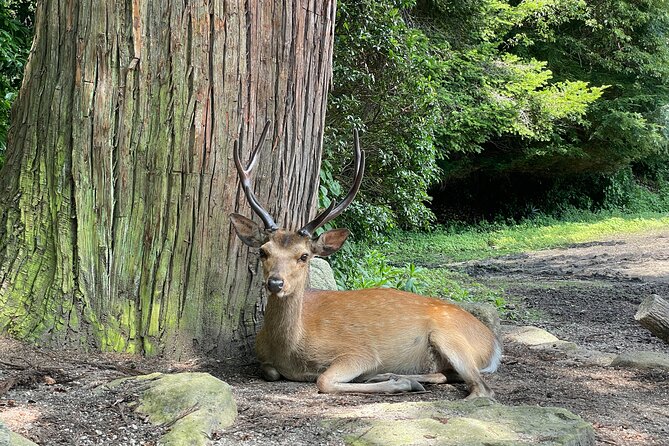
One more Miyajima detail that matters for your comfort and timing: deer can be part of the experience, roaming around the island area. It’s usually more amusing than stressful, but treat it as a normal wildlife situation. Don’t get surprised if they wander closer than you expected, especially around food and snack spots.
Moving Back to Hiroshima: Ferries, Trains, and the Pace You Can Feel
Once Miyajima time is done, the tour transitions back toward Hiroshima with public transportation. The journey typically takes about an hour, using a ferry and JR or train connections. There’s also an option for a direct boat ride that’s roughly 45 minutes, which can save time if your schedule is tight or you’re trying to conserve energy for the Peace sites.
This transportation piece matters because the whole day is built around timing. If you’re going to see the Torii gate at a tide that works, and also get enough time at Peace Memorial Park and the museum, you need a plan that doesn’t waste energy.
The tour also mentions that you can shift the order between Miyajima and Hiroshima to try for the best Torii viewing. That’s the kind of detail that’s hard to solve on your own when you’re juggling ferry schedules and walking time.
Atomic Bomb Dome and Hypocenter Monument: Short Stops With Big Gravity
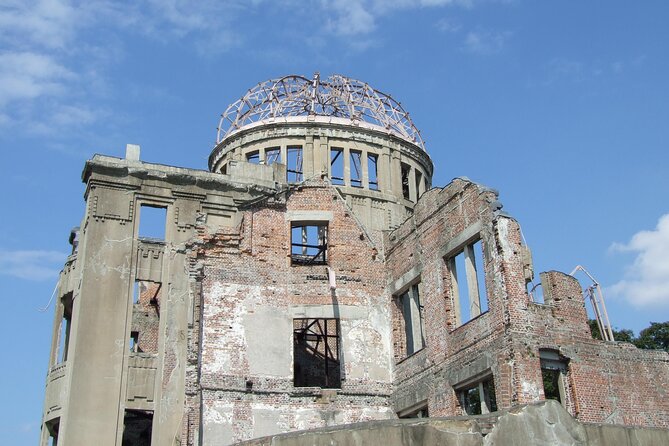
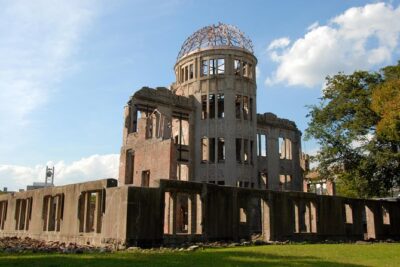
Back in Hiroshima city, you’ll visit the Atomic Bomb Dome. It’s UNESCO-listed and is famous for the way the surviving structure visually communicates devastation. The stop is brief, about 15 minutes, which is actually a good thing. After you leave, you’ll want to absorb it slowly, without rushing. Think of this as a guided framing moment before you go deeper in the park and museum.
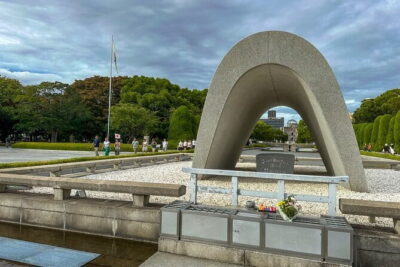
Next is the Hypocenter monument, located where the bomb exploded about 600 meters above a hospital. This is another quick stop that helps you understand the scale of what happened. Standing here gives you a reference point for the blast, not just a story told by a guide.
I find this combination works well: Dome for the visual impact, then hypocenter for geographic clarity. Even if you know some of the basics before you arrive, the physical placement helps the story land more clearly.
A few more Hiroshima days to weigh up
- Hiroshima Historical Walking Tour – Why A-Bomb was Dropped
★ 4.8 · 893 reviews - Hiroshima Peace (Heiwa) Walking Tour at World Heritage Sites
★ 5.0 · 872 reviews - Hiroshima in a Nutshell: Morning Bike Adventure
★ 5.0 · 524 reviews - Hiroshima City 4hr Private Walking Tour with Licensed Guide
★ 5.0 · 437 reviews
Peace Memorial Park and Museum: Facts, Photos, and Radiation Reality
Then you reach Peace Memorial Park, where you’ll learn the facts of the atomic bombing and the city’s reconstruction through monuments and memorial spaces. Your guide won’t just recite history. The tour is designed around personal perspective, including family stories passed down through generations, focused on loss, resilience, recovery, and hope.
This part is where the tour becomes more than sightseeing. You’re walking through public memory, and that changes how you move. You’ll probably find yourself slowing down naturally.
After that, the Hiroshima Peace Memorial Museum is the deeper layer. Admission is included, and the museum shows photos and documents as well as information that helps explain the reality of radiation exposure. You’ll have around an hour here, which is enough time to see the core exhibits without feeling like you’re sprinting through pain.
A practical tip: if you’re sensitive to heavy content, plan your breathing breaks. The museum is not just informational, it’s emotional. A guided pace helps, because you can choose when to stay with an exhibit and when to step back.
Children’s Peace Monument and Where the Day Lands
The tour also includes time at the Children’s Peace Monument, tied to the story of Sadako and the many origami cranes. This stop gives a human scale to the tragedy and a clear emotional focus that many people find grounding.
If you’re trying to hold onto hope in the middle of difficult history, this is a natural place for it. The story is tragic, but it’s also about endurance and the choice to keep creating something meaningful out of survival.
By the time you finish in Hiroshima city, your day tends to feel complete rather than scattered. You move from shrine and symbolism, to the dome and blast point, to the park and museum, and then to a memorial that reminds you the victims were children too.
Guides Like Yuka and Massa Make the Difference
A major reason this tour earns strong ratings is the guide quality. In the feedback, I saw consistent praise for guides such as Yuka and Massa. They’re described as friendly, strongly English-proficient, and willing to answer lots of questions.
What stands out is the pacing. Guides adjust to your group. In one review, the guide collected the group from a station, helped with ticketing, and then kept things moving without turning it into a stopwatch contest. That’s exactly what you want when you’re dealing with multiple transit segments and emotionally heavy stops.
Also, the tour includes tour photo data. That’s a nice practical touch. Even if you’re a competent photographer, you’ll be spending time looking at things, not composing every frame. Photo sharing lightens the mental load.
Price and What You’re Getting for $181.19

At $181.19 per person for a roughly 7-hour private tour, this is not the cheapest option in Hiroshima. But you are buying several things that add real value:
- Private guide time with customization, meaning the day isn’t a fixed script
- Hotel pickup on foot, which can save you time and stress on the first hour
- Included admissions to Itsukushima Shrine and the Peace Memorial Museum
- Public transportation use as the default method, which keeps the plan efficient and aligns with how local travel works
- Photo data and a guide who adds human context rather than only facts
What’s not included is important for your budget. You’ll pay public transportation separately (listed as ¥1,340 per person), and optional transportation upgrades exist if you want faster connections, like direct boats or taxis. Lunch is also not included.
For many people, the price feels fair because the guide work is doing the heavy lifting, and the admissions already cover two of the most important tickets. If you were to DIY this with multiple ferry segments and transit routing plus museum tickets, you’d spend time figuring it out, and you’d lose the guided family-story context that shapes the tour experience.
Transportation Costs, Walking, and Smart Day Planning
This tour uses public transportation by default. That’s a good thing in Japan, where it usually works well. It also means you need comfortable walking shoes.
The tour is described as not recommended if you cannot walk long distances. If you have mobility issues, you might find the day tiring because you’ll be moving between ports, shrine areas, and Hiroshima landmarks, plus time spent inside the museum.
Weather matters too. The experience requires good weather, and if it’s canceled due to poor conditions, you’ll be offered another date or a full refund.
One more practical point: the floating Torii depends on tide. That can affect how photogenic the scene is, and it’s why a guide who can adjust the day order is helpful.
Who This Hiroshima and Miyajima Tour Fits Best
This tour is a strong match if you:
- Want a private experience without big-group rushing
- Like your history with context and stories, not only dates
- Plan to visit Miyajima for the Itsukushima shrine experience, then go deeper in Hiroshima’s Peace sites
- Prefer guided walking and transit planning over building a DIY route
It might not fit as well if you:
- Don’t handle walking well
- Want a fully flexible schedule without a fixed tour timeline
- Are looking for a light, entertainment-first day
Should You Book This Tour?
I’d book it if you want a day that connects two sides of Japan in one sweep: the spiritual pull of Miyajima, and the memory and meaning of Hiroshima. The private format is the big advantage, because it helps you handle the tide timing, the transit, and the emotional pacing without feeling like you’re being dragged along.
Skip it only if walking and public transportation are a problem for you, or if you’re looking for a casual, purely scenic day. If you’re up for a thoughtful, structured experience with a guide who listens and adjusts, this is a solid choice.
FAQ
How long is the Hiroshima and Miyajima tour?
It runs about 7 hours.
Is hotel pickup included?
Yes. Pickup is offered from your Hiroshima hotel area, and it is described as pickup on foot.
Are tickets to Itsukushima Shrine and the Peace Memorial Museum included?
Yes. Admission fees for Itsukushima Shrine and the Hiroshima Peace Memorial Museum are included.
What transportation does the tour use?
The tour mainly uses public transportation. It also notes options like ferry, JR or train, and a direct boat (about 45 minutes) as an option.
Is lunch included?
No. Lunch and any food or drinks are not included.
Can I bring a service animal?
Yes. Service animals are allowed.
Newly listed around Hiroshima
- Hiroshima and Miyajima 1 Day Walking Tour★ 5.0 · 43 reviews
- Hiroshima and Miyajima 1 Day Cruise Tour★ 5.0 · 24 reviews
- Hiroshima & Miyajima: Private Full-Day Tour with a Local Guide★ 5.0 · 39 reviews
- Hiroshima 5k Running Tour of Hijiyama Park★ 5.0 · 7 reviews
- Hiroshima and Miyajima Bus Tour with Indian Lunch★ 5.0 · 10 reviews
- Hiroshima and Miyajima 1 Day Bus Tour★ 4.5 · 145 reviews
- Hiroshima Peace Memorial and Atomic Bomb Dome Private Tour★ 5.0 · 37 reviews
- Hiroshima History Tour : A-Bomb Dome, Peace Memorial & City★ 5.0 · 26 reviews
Miyajima Island Trips, compared.
Peaceful Hiroshima & Miyajima UNESCO 1 Day Bus Tour
Read our review →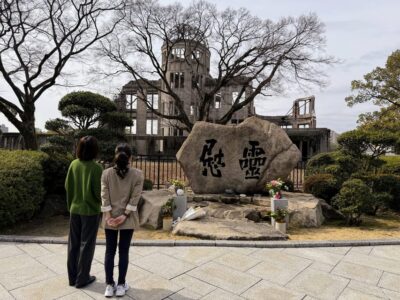
Hiroshima and Miyajima UNESCO Sites 1-Day Tour
Read our review →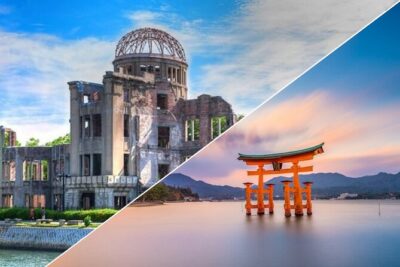
Hiroshima / Miyajima Full-day Private Tour with Government Licensed Guide
Read our review →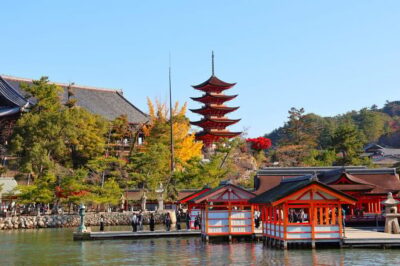
Osaka/Kyoto: Hiroshima Miyajima Bus Tour & Shinkansen Ticket
Read our review →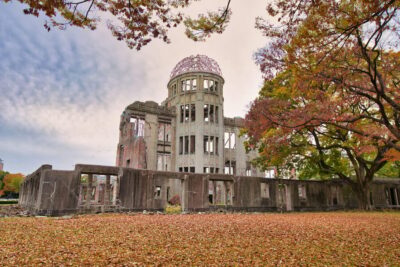
Hiroshima and Miyajima Day Trip with Itsukushima Shrine & Ferry
Read our review →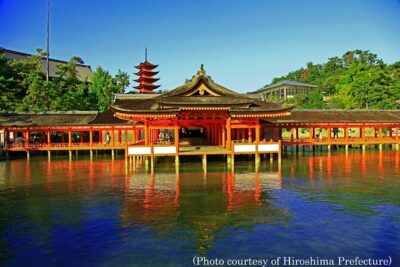
Full Day Hiroshima and Miyajima Bus Tour from Hiroshima
Read our review →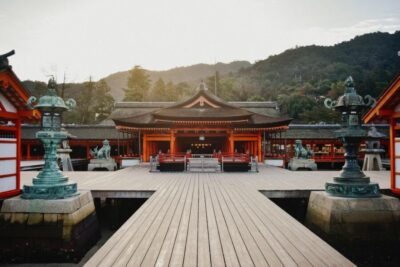
Miyajima Peace Memorial Icons of Peace and Beauty
Read our review →Browse the lists this tour appears in