
Review · MIYAJIMA ISLAND TRIPS
Hiroshima & Miyajima: UNESCO A-Bomb Dome & Itsukushima
One day, two places that feel totally different. This fully private route pairs the calm, sacred mood of Miyajima with the heavy, human reality of Hiroshima’s Peace Memorial world.
I love that this isn’t just facts on a clipboard. You get family-passed stories shared by Japanese local guides, including second-generation atomic bomb survivors, and I also love how smoothly the day flows with photo stops, museum time, and easy pacing options.
One possible drawback to plan for: parts of the day involve trains, trams, and ferries, plus walking. If you are not comfortable with public transportation, or if your energy is limited, you’ll want to ask for more taxi help ahead of time.
In This Review
- Key takeaways before you go
- How a private Miyajima and Hiroshima route changes the experience
- Miyajima Island: Itsukushima Shrine, deer, and the floating Torii moment
- Miyajima Omotesando: shopping street time and local food breaks
- Shukkei-en Garden and Hiroshima Castle: soft beauty before the hard part
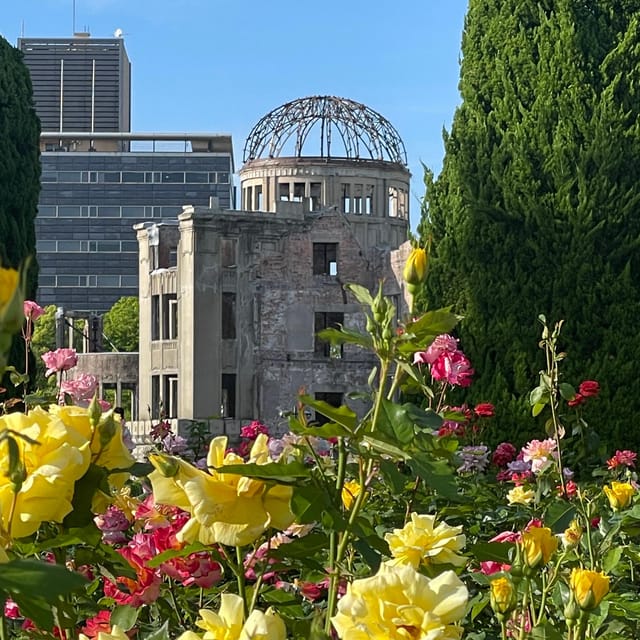
- Atomic Bomb Dome and Hypocenter: what you see, and what your guide helps you notice
- Your guide’s role: why this feels different from a standard day tour
- Price and value: why $177 can make sense here
- Who this tour suits best, and who should rethink it
- Should you book this Hiroshima and Miyajima day tour?
- FAQ
- Is this tour private?
- How long is the tour?
- Do I visit Miyajima and Hiroshima in the same day?
- What sites are included in Hiroshima?
- What is included for tickets?
- Are transportation costs included?
- Is photography included?
- What languages are the guides?
- Is the tour wheelchair accessible?
- When is the Peace Memorial Museum closed?
- What is the cancellation policy?
Key takeaways before you go
- Second-generation atomic bomb survivor perspectives give the day a level of humanity you will not get from a standard audio guide.
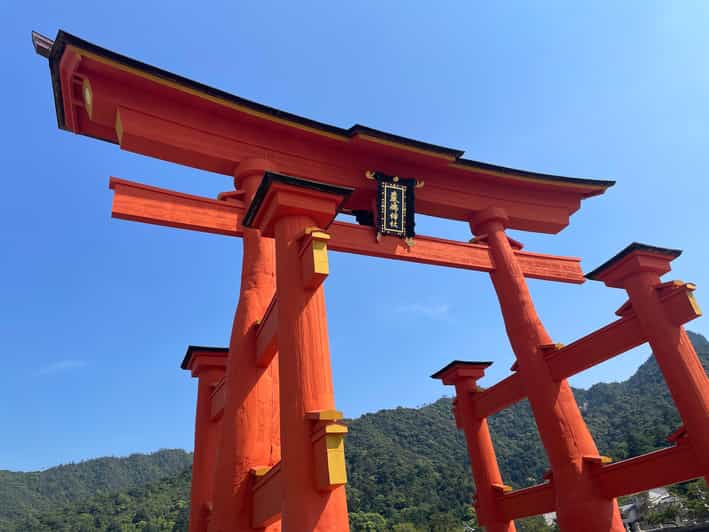
- UNESCO Itsukushima Shrine on Miyajima plus shrine-area temples makes this more than a quick island photo stop.
- A flexible private itinerary helps you match the tour to your pace and your level of reflection.
- Thoughtful photo planning and guide-taken photos can save you time and help you get better angles.
- The day blends peace sites with everyday local life, from Miyajima street time to Hiroshima food and gardens.
- Peace Memorial Museum access is included, but keep the closure window in mind.
How a private Miyajima and Hiroshima route changes the experience
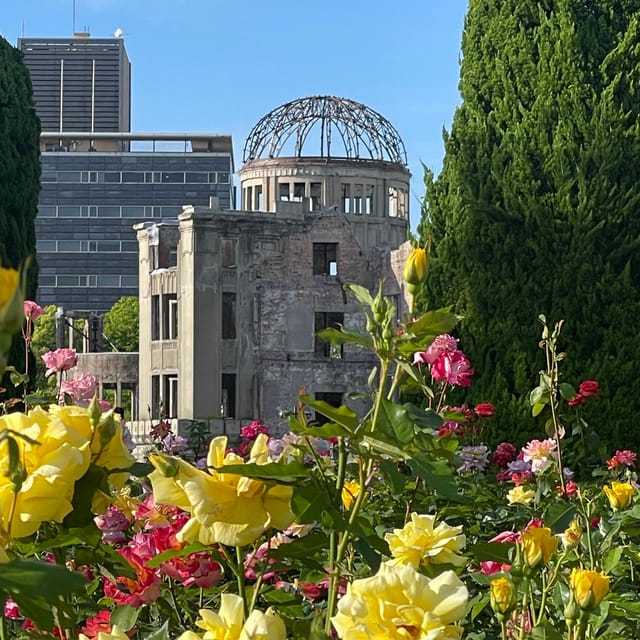
Hiroshima can hit you in two very different emotional waves. On Miyajima, everything slows down, with shrine architecture, temple grounds, and deer roaming around like they own the place. In Hiroshima Peace Memorial Park, the tone turns sobering fast, and you will feel the weight of memory in the air.
What makes this tour worth your time is that it is guided by people who live with Hiroshima in their everyday life. This is not just a history lecture. It is Hiroshima, explained through family stories, cultural memory, and lived experience, with guides adjusting to your questions and how you are feeling that day.
The day is built around a smart sequence: start on Miyajima, then move into Hiroshima for the Peace Memorial area and the Atomic Bomb Dome. That order helps. You get the spiritual reset first, then you can face the memorial sites with a clearer head and calmer body.
Also, this is a true private group. I like the practical side of that, too. When timing gets tricky around tides or crowds, your guide can shape the day so you are not stuck rushing or waiting.
A few more Miyajima Island trips around Hiroshima:
- Peaceful Hiroshima & Miyajima UNESCO 1 Day Bus Tour
★ 5.0 · 5,309 reviews - Hiroshima: Hiroshima and Miyajima UNESCO Sites 1-Day Tour
★ 4.9 · 2,330 reviews - Hiroshima / Miyajima Full-day Private Tour with Government Licensed Guide
★ 5.0 · 1,298 reviews
Miyajima Island: Itsukushima Shrine, deer, and the floating Torii moment
You start with travel by train (about 40 minutes) and then a ferry (about 15 minutes) into Miyajima. The ferry ride itself is part of the mood shift. It is the first hint you are leaving the city behind and stepping into a different rhythm.
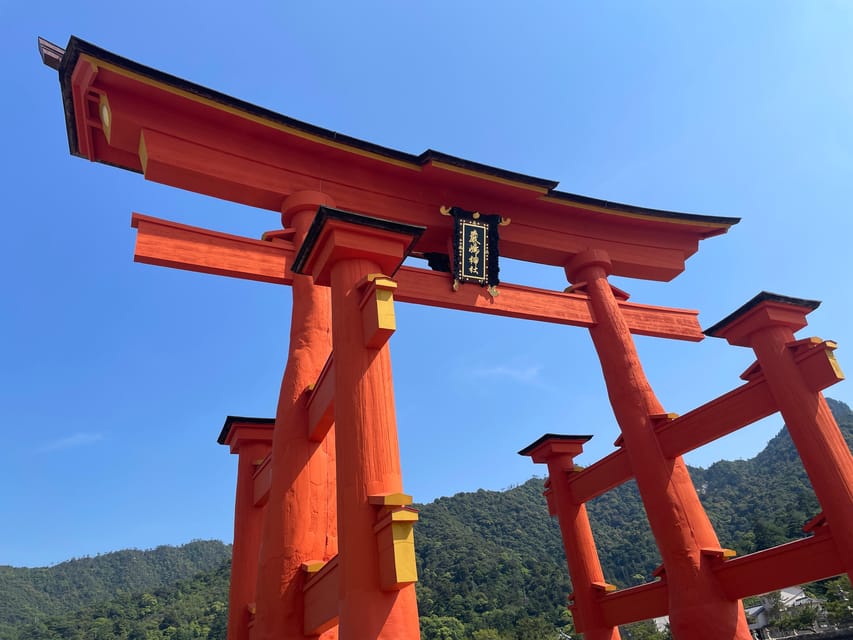
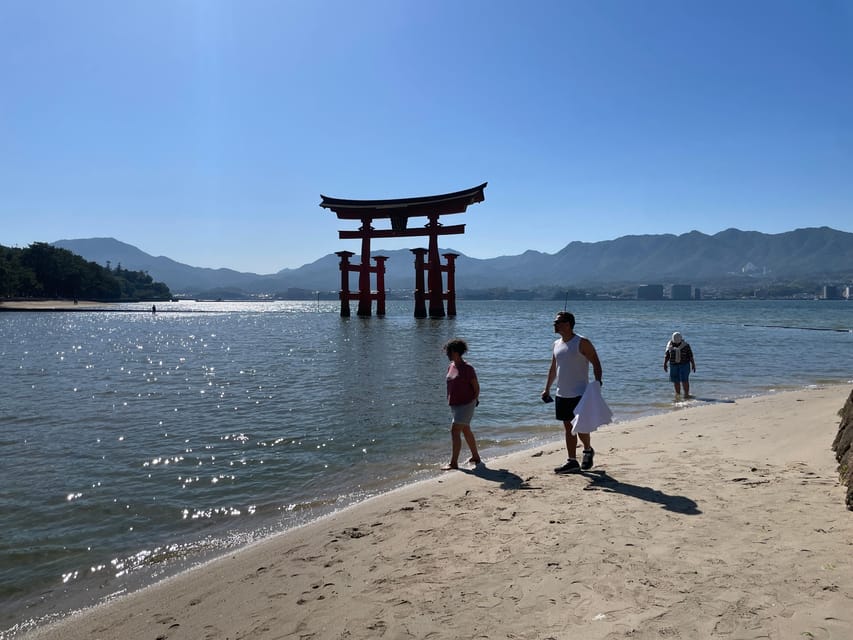
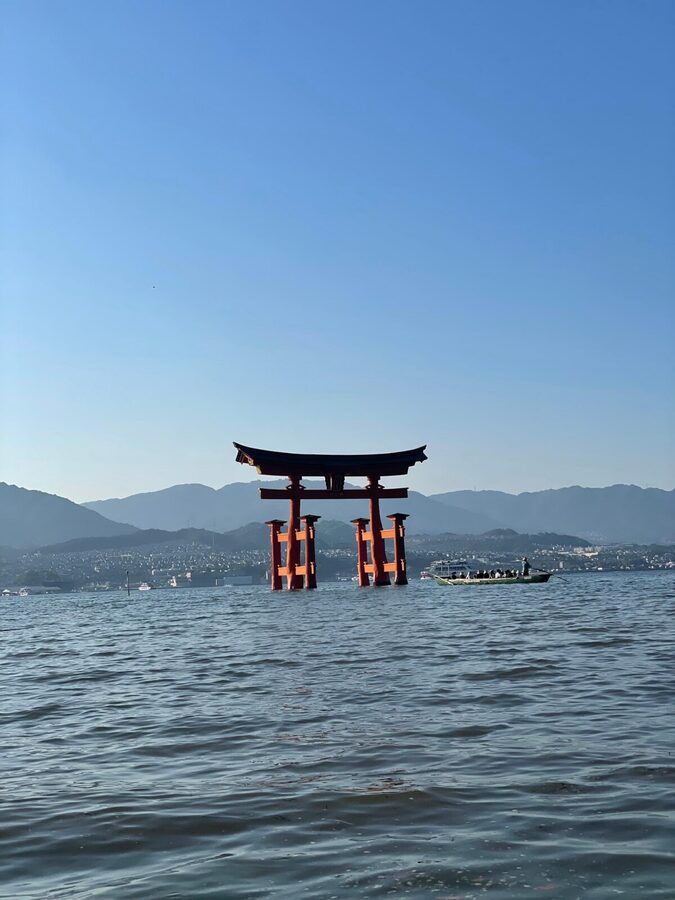
Once you arrive, you get a guided look at the island’s key spiritual and scenic stops. Your guide includes time at the Itsukushima Floating Torii Gate for photos and then heads to Itsukushima Shrine for a real visit and viewpoints along the approach. If the tide is right, the famous Torii Gate looks like it is floating in the water, and your guide will time things based on conditions.
From there, you continue deeper into the shrine-temple zone:
- Daishoin is a guided stop with photo time and a chance to understand the temple’s symbolism and atmosphere. If you like history that feels physical, this is where it becomes more than images.
- Senjokaku Pavilion is another quick but meaningful photo stop with guided context.
One practical thing I appreciate here: Miyajima is easy to enjoy at an unhurried pace when you are not also trying to figure out train and ferry connections. Your guide handles the flow.
And yes, there are deer. They can be bold on a busy day, but they also add to the island’s lived-in feeling.
Miyajima Omotesando: shopping street time and local food breaks
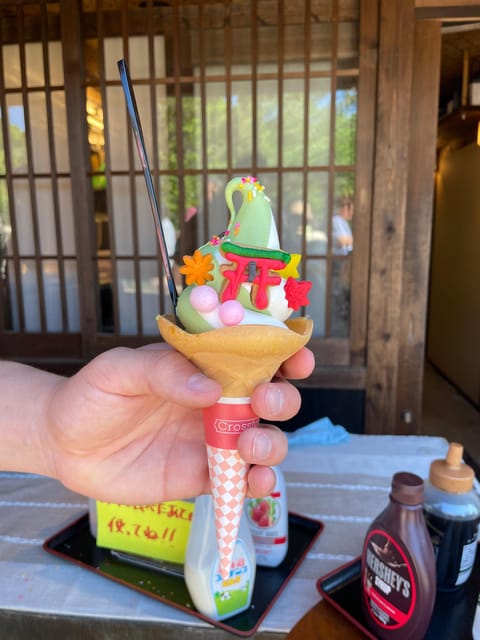
After temples and shrine areas, the tour shifts into normal human travel mode. You head to Miyajima Omotesandō Shopping Street, with workshop time and a long block for lunch, street food, and shopping (about 1.5 hours).
This is where you catch the island’s everyday identity. You will see snacks, souvenir stalls, and small local choices that feel fun instead of rushed. Reviews from people on this tour mention classic items like momiji manju, and I recommend you treat this time like your chance to eat like a local rather than just check off sites.
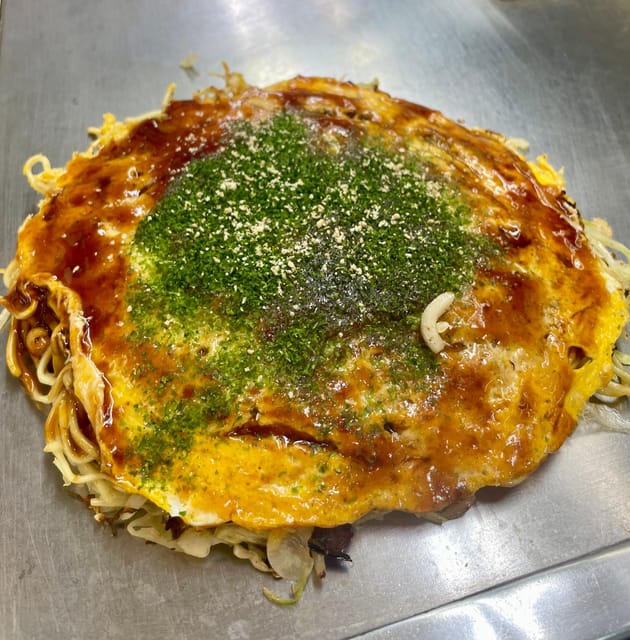
Lunch is not pre-set for you in the data, so plan on ordering what looks good on the day. Your guide can steer you toward regional options. In Hiroshima, local food like okonomiyaki often gets recommended, and your guide is the type to make suggestions based on what you want that day.
If you have dietary needs, you will want to communicate that in advance, since this portion includes street-level choices rather than only one sit-down restaurant.
Shukkei-en Garden and Hiroshima Castle: soft beauty before the hard part
After returning by ferry to Hiroshima (about 15 minutes), the day moves again with a tram ride (about 45 minutes). Then you hit two more “breathing space” stops before the memorial sites fully take over.
First is Shukkei-en Garden. You get guided time here, and the ticket entry is included. This garden is a useful contrast point. It gives you a quiet place to absorb your surroundings before you go from architecture and nature into remembrance spaces where you will likely want time to process.
Then comes Hiroshima Castle. You are there for a photo stop plus guided visit time (about 15 minutes). The castle portion is not meant to drag on, but it adds context to Hiroshima as a city with layers beyond 1945. Even if you mostly care about the memorials, it helps you understand that this is a living city, not only a memorial stage.
I like using garden-plus-castle timing because it sets you up for the day’s main event: the Atomic Bomb Dome area and the Peace Memorial Park and Museum.
A few more Hiroshima days to weigh up
- Hiroshima Historical Walking Tour – Why A-Bomb was Dropped
★ 4.8 · 893 reviews - Hiroshima Peace (Heiwa) Walking Tour at World Heritage Sites
★ 5.0 · 872 reviews - Hiroshima in a Nutshell: Morning Bike Adventure
★ 5.0 · 524 reviews - Hiroshima City 4hr Private Walking Tour with Licensed Guide
★ 5.0 · 437 reviews
Atomic Bomb Dome and Hypocenter: what you see, and what your guide helps you notice
Now the tour turns serious. You visit:
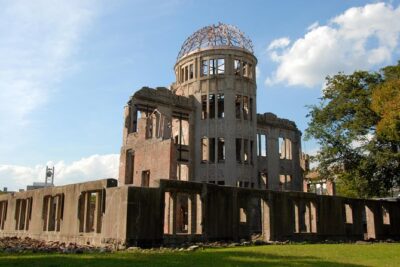
- Atomic Bomb Dome (photo stop plus guided time)
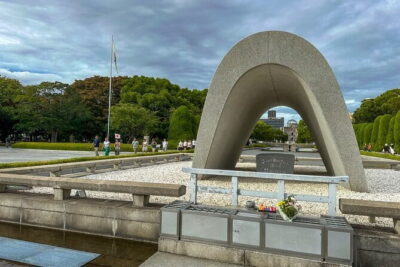
- Hypocenter (photo stop plus guided context)
- Hiroshima Peace Memorial Park (photo stop plus guided time)
- Children’s Peace Monument (photo stop plus guided context)
- Hiroshima Peace Memorial Museum (about 1 hour)
This sequence matters. If you only visit the dome and then skip the surrounding context, you get images but not meaning. With a guide, you start connecting what you see to what Hiroshima remembers and how families carry memory forward.
Your guide’s perspective is the centerpiece here. This tour specifically includes guidance from Hiroshima-born people, and the standout detail is that guides can be second-generation atomic bomb survivors. That family connection changes the tone. It makes the subject less abstract and more human.
In the museum, entry tickets are included, and your guide helps you understand what you are looking at. One thing to plan for: the museum is emotionally heavy. Even with an excellent guide, you might need a slower pace. A private format lets you pause if your mind needs time.
Your guide can also shape the day around your comfort level. If you want more reflection, you can lean into that. If you want faster movement through sections, your guide can usually accommodate, since the itinerary is described as flexible.
Also, the tour is set up for photo opportunities, but the best photos here are not trophy shots. Your guide will likely steer you to better angles, while keeping the focus on respect and understanding.
Your guide’s role: why this feels different from a standard day tour
The tour is designed around Japanese local guides who bring cultural memory into the storytelling. People on this tour mention guides like Yuka and Masa, including Masayo Kobayashi, and the reviews highlight a pattern: thoughtful pacing, excellent English, and personal stories passed down through Hiroshima families.
What I think you gain from that is simple. You ask a question, and you do not get a generic answer. You get a lived one. That is hard to replicate with a group tour, or with a guide who has never had Hiroshima in their family history.
Your guide also plans movement between sites using public transportation. Depending on your preference and situation, the tour can also use taxi for parts of the day. If your walking pace is slower, this is one of the biggest “value boosters” of going private.
And there is a practical perk: the tour includes photography (data will be given) plus guidance on where to stand for photos. That means you spend less time swapping cameras and more time actually looking.
Price and value: why $177 can make sense here
At $177 per person for about 7 hours, the price feels reasonable when you zoom out and look at what is included.
Included elements that drive value:
- A live private guide (not a shared group)
- Entry tickets to Hiroshima Peace Memorial Museum
- Entry tickets to Shukkeien garden
- Photography data and photo-stop guidance
What you should budget for, because it is not included:
- Transportation fees like taxi, tram, and bus
- Miyajima visitor’s tax
- Food and drinks
- Any optional workshops beyond what is listed as part of the street time
Here’s the real value argument. If you were to do this on your own, you would still need tickets, navigation, and an order that makes sense emotionally. Hiroshima is not the easiest place to do “reflective travel” without support, especially if you want to ask questions and understand what you are seeing.
This tour’s strength is that it pays the “people cost” for you. You are paying to have a local interpreter of memory, plus a route plan that keeps you from wasting time.
Who this tour suits best, and who should rethink it
This is ideal if you want more than sightseeing, especially at the Peace Memorial sites. If you like context and you care about understanding how Hiroshima remembers, you will likely feel grateful you chose a guided day.
It is also a good fit if you enjoy pacing. The itinerary is described as flexible, tailored to your level of reflection and your interests, and your guide can adjust during the day.
Consider a different option if:
- You have a cold. This tour is listed as not suitable for people with a cold.
- You hate walking and transit. The tour uses public transportation (with taxi option if you want), and it includes ferries, trains, and tram time.
If you use a wheelchair, the tour is described as wheelchair accessible, and you should tell the provider in advance.
Should you book this Hiroshima and Miyajima day tour?
I think you should book it if Hiroshima and Miyajima are a once-in-a-lifetime priority for you. The balance of UNESCO Itsukushima Shrine and Hiroshima Peace Memorial Park and Museum is strong, but the real reason to pick this is the guide approach. When your guide can share second-generation survivor family context, your visit becomes more thoughtful and more complete.
I would book it confidently if you want a private day that feels planned but not rigid, with time to eat, shop, take photos, and ask questions without feeling rushed. Just go in knowing the museum and memorial sites are solemn. Bring your patience with you, and let your guide set the tempo.
If you want a purely casual, no-emotion checklist day, you might feel like it is too much. But if you want Hiroshima to mean something, this is the kind of day tour that makes that happen.
FAQ
Is this tour private?
Yes. It is described as a fully private tour with a private group experience.
How long is the tour?
The duration is listed as 7 hours.
Do I visit Miyajima and Hiroshima in the same day?
Yes. The day includes Miyajima Island sites like Itsukushima Shrine and then Hiroshima sites including the Atomic Bomb Dome and Peace Memorial Park and Museum.
What sites are included in Hiroshima?
The tour includes stops such as the Atomic Bomb Dome, the Hypocenter, Hiroshima Peace Memorial Park, Children’s Peace Monument, and entry to the Hiroshima Peace Memorial Museum.
What is included for tickets?
Entry tickets are included for the Peace Memorial Museum and Shukkeien garden.
Are transportation costs included?
No. Transportation fees such as taxi, tram, and bus are listed as not included. The tour uses public transportation or taxi if you want, but you are responsible for your own transportation costs.
Is photography included?
Yes. Photography is included, and data is provided.
What languages are the guides?
The live tour guide is English and Japanese.
Is the tour wheelchair accessible?
Yes, wheelchair accessibility is mentioned, and you should let the provider know in advance.
When is the Peace Memorial Museum closed?
The Peace Memorial Museum is listed as closed from Feb. 16 to Feb. 21 due to renewal.
What is the cancellation policy?
Free cancellation is available up to 24 hours in advance for a full refund.
Newly listed around Hiroshima
- Hiroshima: Hiroshima Highlights Guided Tour★ 4.7 · 7 reviews
- Hiroshima Country Cycling: Explore Rural Life 1 HR from City★ 5.0 · 8 reviews
- Hiroshima: Full-Day City Highlights Private Guided Tour★ 4.7 · 14 reviews
- Miyajima Highlights: Itsukushima Shrine & Island Nature★ 4.9 · 21 reviews
- Hiroshima: City and Miyajima Bike and Boat Tour★ 5.0 · 20 reviews
- Hiroshima: Hidden Gems and Highlights Private Walking Tour★ 4.8 · 27 reviews
- Hiroshima and Miyajima Day Trip from Osaka★ 3.5 · 8 reviews
- Hiroshima Castle 1h guide tour★ 4.2 · 8 reviews
Miyajima Island Trips, compared.
Peaceful Hiroshima & Miyajima UNESCO 1 Day Bus Tour
Read our review →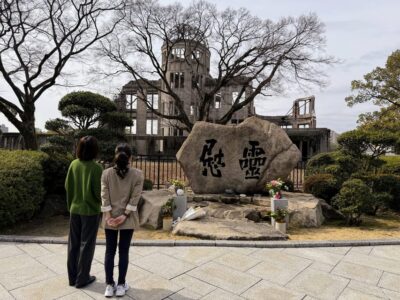
Hiroshima and Miyajima UNESCO Sites 1-Day Tour
Read our review →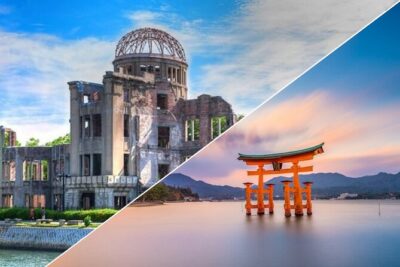
Hiroshima / Miyajima Full-day Private Tour with Government Licensed Guide
Read our review →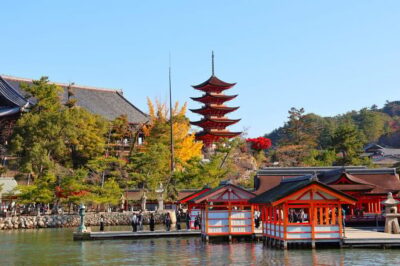
Osaka/Kyoto: Hiroshima Miyajima Bus Tour & Shinkansen Ticket
Read our review →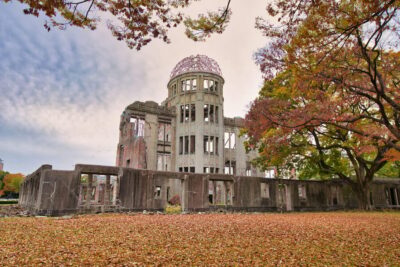
Hiroshima and Miyajima Day Trip with Itsukushima Shrine & Ferry
Read our review →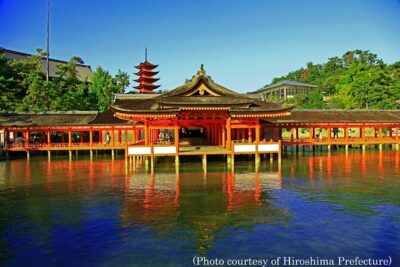
Full Day Hiroshima and Miyajima Bus Tour from Hiroshima
Read our review →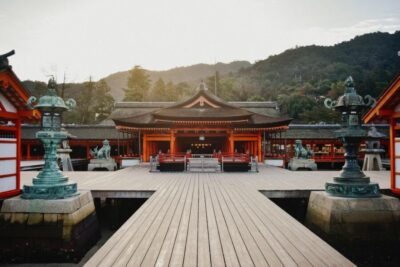
Miyajima Peace Memorial Icons of Peace and Beauty
Read our review →Browse the lists this tour appears in