
Review · HIROSHIMA TOURS
HiroshimaCity: JapaneseAbacus(Soroban)Workshop nearPeacePark
Beads and mental math in a peaceful room. This private soroban workshop near Hiroshima Peace Memorial Park turns sightseeing into a calm, hands-on skill. You get real practice with a traditional Japanese abacus, not just watching someone demonstrate.
I especially like how beginner-friendly it feels, even if your brain freezes around numbers. You learn addition and subtraction through simple exercises, using your fingers to move the beads and build number sense the Japanese way.
One possible drawback is that the class focus can feel a bit like getting worksheets and following along, so if you want extra background and deeper explanations, you may want to ask questions early. Communication can also depend on the instructor’s English comfort level, so plan to be patient and use gestures if needed.
In This Review
- Key highlights worth your time
- Soroban by Peace Park: calm learning in Hiroshima
- Finding the spot: ARTBIT meeting point and the vibe
- What the 90 minutes actually covers
- Your first soroban lesson: moving beads and building number sense
- Addition and subtraction the Japanese way, without the stress
- The short calligraphy session and the souvenir you can keep
- Price and value: what $29 buys you in real time
- Who this is best for, and who should adjust expectations
- Practical tips so you get the most from your session
- Should you book Hiroshima’s soroban workshop?
- FAQ
- Where is the meeting point for the workshop?
- How long does the workshop last?
- Is the experience private?
- Do I need any prior experience with math or soroban?
- What languages will the instructor use?
- What’s included in the experience?
- Can I cancel and get a refund?
Key highlights worth your time
- Private, hands-on soroban time with a real abacus and finger technique, not a lecture
- Beginner-friendly mental math built around concentration, memory, and visualizing numbers
- Near the Peace Memorial Park area, a quieter break from busy sightseeing
- Short calligraphy add-on where you can practice a chosen kanji and take home a souvenir
- Quick pacing in 90 minutes that moves from abacus to calligraphy without dragging
Soroban by Peace Park: calm learning in Hiroshima

If you want one activity in Hiroshima that is quiet, focused, and different from museum hopping, this workshop fits perfectly. You are learning with your hands, using a tool that has been part of Japanese education for a long time. And you are doing it in the Peace Park neighborhood, so you can step away from the busy routes without leaving the area.
The best part for me is the mix of practical skill and mental training. Soroban is not about memorizing rules. It is about training how you see numbers, count, and stay steady while solving. Even if you are not a math person, the structure helps you get going.
The second big win is that it is private. A private group means you get space to try, mess up, and try again. That matters for something physical like moving beads correctly, and it also helps during the calligraphy segment where hand position matters.
A few more Hiroshima days to weigh up
- Peaceful Hiroshima & Miyajima UNESCO 1 Day Bus Tour
★ 5.0 · 5,309 reviews - Hiroshima: Hiroshima and Miyajima UNESCO Sites 1-Day Tour
★ 4.9 · 2,330 reviews - Hiroshima / Miyajima Full-day Private Tour with Government Licensed Guide
★ 5.0 · 1,298 reviews
Finding the spot: ARTBIT meeting point and the vibe
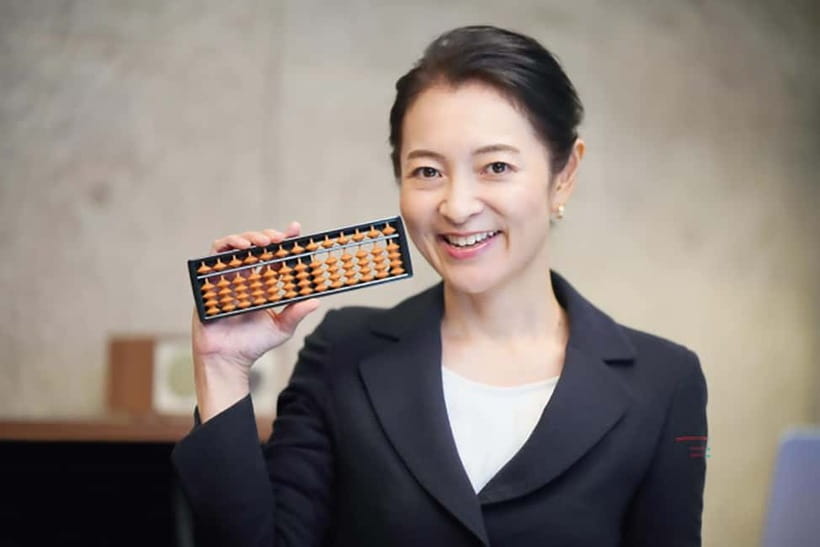
You meet at the front of a small art shop called ARTBIT. It is described as having a glass front, and on the day of your reservation, you walk up there and wait for staff to guide you into the experience space.
Arrive a few minutes early. This is the kind of class where starting on time helps you relax once you sit down. Also, being near a recognizable storefront reduces stress, which is a real value when you are already navigating a new city.
Inside, you should expect a straightforward, no-fuss workshop atmosphere. It is not about fancy staging. It is about getting you seated with the abacus and started quickly.
What the 90 minutes actually covers
The full experience runs 90 minutes. That time is split between soroban learning and a short calligraphy component.
Here is the flow you can plan around, in human terms:
1) You get introduced to the soroban and how it is used.
2) You practice bead movements with guidance, focusing on addition and subtraction.
3) You move into calligraphy briefly, practicing a chosen kanji.
4) You leave with what you made, plus small gifts mentioned in the experience.
Because the calligraphy time is shorter, you should treat it as a taste rather than a full traditional arts session. You will likely get enough to feel ownership and have something to bring home, but it will not be a long form technique workshop.
The soroban portion is where you will feel the most change. You start from zero, then finish with a clearer idea of how the beads represent numbers and how you can do calculations in your head by following the tool’s logic.
Your first soroban lesson: moving beads and building number sense
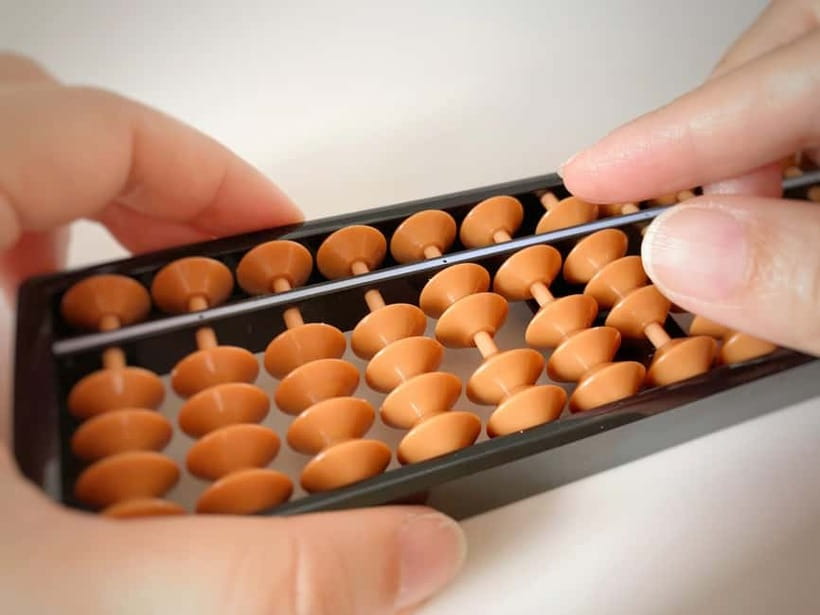
You use a real Japanese abacus during the session. The instructor explains each step in a gentle way, and you practice moving the beads with your fingers. Even if you have never used a soroban before, the workshop is designed for first-timers.
You will likely start with the basics of handling the abacus and understanding the bead positions. Then the class moves into practical exercises like addition and subtraction. This is where the mental-training part shows up.
Instead of just learning procedures, you learn how to visualize the numbers as you move beads. In Japanese education, soroban is often described as a tool for developing concentration, memory, and numerical thinking. That matches the feeling you get in a hands-on class like this: you slow down just enough to focus, then the pattern starts to make sense.
For you, that can mean something simple and satisfying. You go from feeling unsure about math to feeling like you can complete a problem with a clear, step-by-step approach.
One caution I would keep in mind is explanation depth. Some people may find the pace structured like following a practice sheet. If you want a lot of historical context, or you want more time discussing why each step works, you may need to ask for clarifications as you go.
A different sort of day in Japan:
- Hiroshima Historical Walking Tour – Why A-Bomb was Dropped
★ 4.8 · 893 reviews - Hiroshima Peace (Heiwa) Walking Tour at World Heritage Sites
★ 5.0 · 872 reviews - Hiroshima in a Nutshell: Morning Bike Adventure
★ 5.0 · 524 reviews - Hiroshima City 4hr Private Walking Tour with Licensed Guide
★ 5.0 · 437 reviews
Addition and subtraction the Japanese way, without the stress
Soroban is often described as mental math, but you do not have to be a speed demon. The workshop is set up to help you understand the method and build comfort.
Here is what makes the exercises valuable:
- You learn how the abacus layout links to number value.
- You train your working memory by keeping track of bead changes.
- You practice concentration with a physical focus, which can be easier than doing everything on paper.
In a good moment, you stop thinking about the tool as a toy or a gimmick and start using it as a bridge into mental arithmetic. You may even feel that analog thinking can calm your head instead of scrambling it.
If you are traveling with kids, this is a strong option because it turns math into a tactile game. And if you are traveling as a couple or small group, it is also social in a good way, since you can see each other making progress and compare what feels natural.
The short calligraphy session and the souvenir you can keep
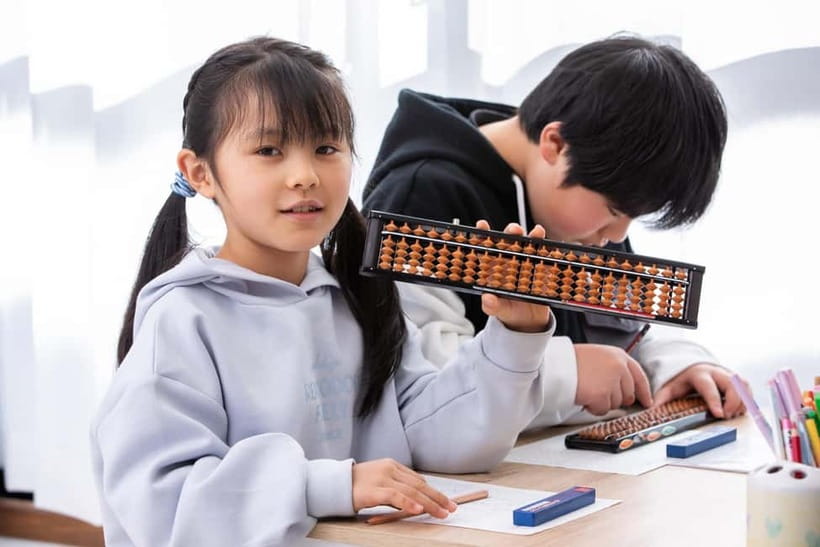
This workshop includes calligraphy, but it is brief. You practice writing a chosen kanji, and you also receive small gifts. The calligraphy part is described as relatively short, so do not expect a long lesson on brushwork fundamentals.
That said, calligraphy is not just an add-on. It changes the mood from counting beads to controlling a brush stroke. It also gives you a personal keepsake. Even if you do not produce perfect calligraphy, you usually leave feeling proud because you actually practiced and created something.
How much you learn about technique can vary depending on language and pacing. Some people may feel the calligraphy explanation is brief, especially around how to hold the brush and follow the right motion. If you care about technique, ask questions right away and be ready to copy what you see.
A small tip: treat the calligraphy section like a demonstration you actively practice. Short practice with clear feedback is the fastest way to avoid frustration.
Price and value: what $29 buys you in real time
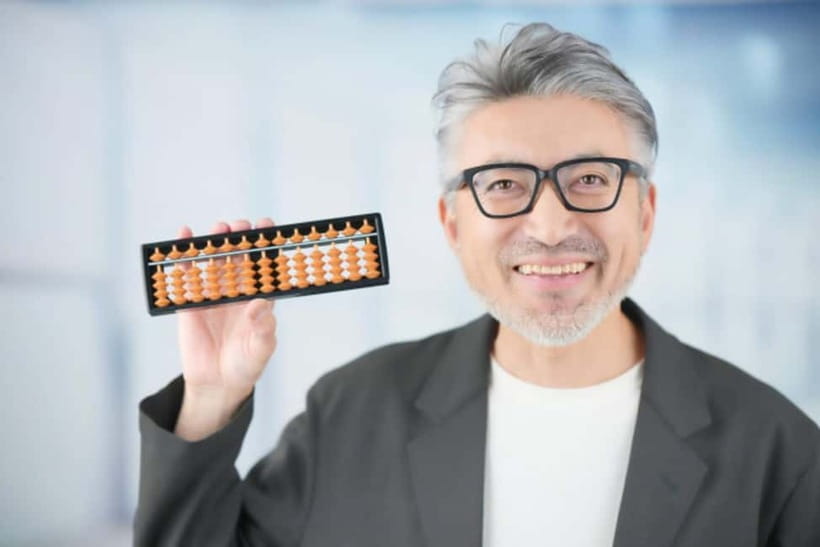
At $29 per person for a 90-minute private workshop, this is a solid value if you want a real hands-on cultural experience. You are paying for two things:
1) The instructor’s time guiding you through soroban and calligraphy.
2) Your own practice time with materials, which is the part many cultural activities skip.
This is not a big-group bus tour where you watch from far away. You sit down, use the abacus, and repeat movements until they stick. That is worth more than the price if you like activities where you leave with skill and something tangible.
It is also a good value because the location is practical. Being near Hiroshima Peace Memorial Park makes it easy to pair with your Peace Park visit or nearby time. You are not paying extra for long transfers mentioned as included, since transportation to the venue is not included.
If you are deciding between a quick souvenir stop and an experience, the workshop is the one where you come away feeling like you learned something real, not just collected items.
Who this is best for, and who should adjust expectations
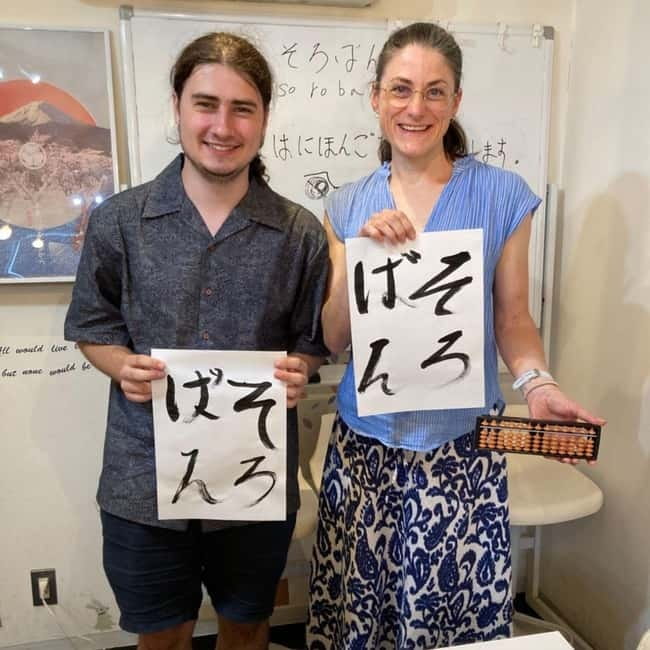
This workshop fits several types of travelers:
- Families with kids who need an activity that is hands-on and beginner-friendly
- Couples looking for a calmer shared activity that is not just wandering
- Friends who enjoy trying something small but skill-based
- Anyone who likes analog learning and focused practice
If you are someone who always wants deep cultural background, you might find the pace light. The session is designed to get you practicing quickly, and there may be less time for extended explanations, especially if language communication is imperfect.
If English communication is important to you, you can still have a great time. Many instructors are comfortable guiding through steps with clear demonstrations, and you can learn a lot even when vocabulary is limited. Just be ready to slow down, watch carefully, and ask for clarification.
If you are very sensitive to structured “school-style” worksheets, note that the exercises can feel like practice sheets. That is not necessarily bad. It just means you should come with the mindset of repetition and learning by doing.
Practical tips so you get the most from your session
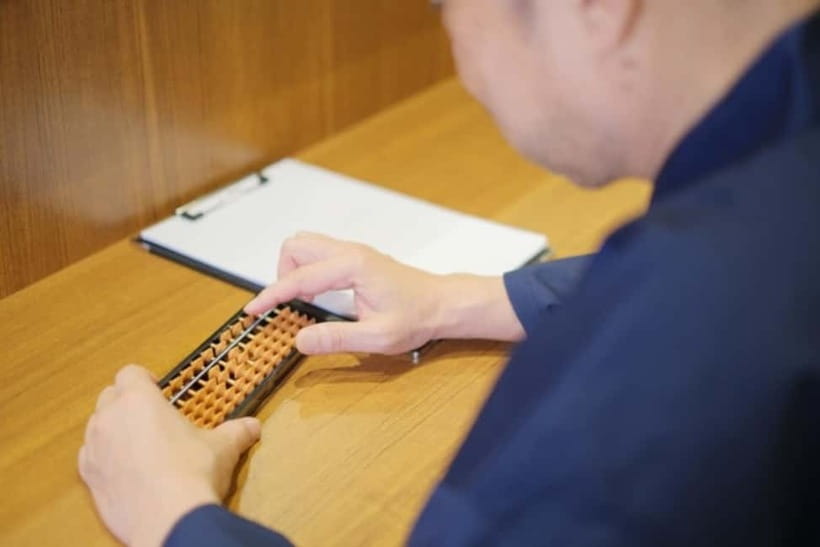
Here are the things I would do to make this experience go smoothly:
- Arrive a few minutes early at ARTBIT so you can settle in without rushing.
- Bring a curious mindset. Soroban clicks through practice, not through reading about it.
- During the soroban part, ask one focused question if something feels confusing, like how bead positions translate to a number step.
- During calligraphy, don’t worry about perfect results. Focus on doing the steps the instructor shows you.
- If language feels tricky, point at the abacus steps or the brush position you do not understand. Gestures help a lot in hands-on classes.
Also, plan your day so you are not rushing straight from a long, crowded sightseeing block. This workshop is most enjoyable when you can settle into calm concentration.
Should you book Hiroshima’s soroban workshop?
Book it if you want:
- a hands-on cultural skill you practice during the class
- a beginner-friendly way to experience Japanese mental math
- a peaceful activity near Hiroshima Peace Memorial Park
- something you can take home, including calligraphy and small gifts
Skip or adjust expectations if:
- you only want a long lecture style explanation
- you need very detailed, language-perfect instruction the entire time
- you prefer activities with no classroom-like practice format
For most people, this is an easy yes. It is short, private, and practical. You will walk out having touched the tool, learned a method, and left with a real souvenir that proves you tried.
FAQ
Where is the meeting point for the workshop?
You meet at the front of ARTBIT, a small art shop with a glass front. On the day of your reservation, you come there and staff guide you to the experience space.
How long does the workshop last?
The experience lasts 90 minutes.
Is the experience private?
Yes, it is a private group experience.
Do I need any prior experience with math or soroban?
No. It is designed for complete beginners, and no prior experience in math or Japanese is required.
What languages will the instructor use?
The instructor provides guidance in Japanese and English.
What’s included in the experience?
You get hands-on soroban practice with guidance, practice materials, and a memorable cultural experience. The experience also includes calligraphy as part of the session based on the class format.
Can I cancel and get a refund?
Yes. You can cancel up to 24 hours in advance for a full refund.
Newly listed around Hiroshima
- Hiroshima and Miyajima 1 Day Walking Tour★ 5.0 · 43 reviews
- Hiroshima and Miyajima 1 Day Cruise Tour★ 5.0 · 24 reviews
- Hiroshima & Miyajima: UNESCO A-Bomb Dome & Itsukushima with Local★ 5.0 · 25 reviews
- Hiroshima & Miyajima: Private Full-Day Tour with a Local Guide★ 5.0 · 39 reviews
- Hiroshima 5k Running Tour of Hijiyama Park★ 5.0 · 7 reviews
- Hiroshima and Miyajima Bus Tour with Indian Lunch★ 5.0 · 10 reviews
- Hiroshima and Miyajima 1 Day Bus Tour★ 4.5 · 145 reviews
- Hiroshima Peace Memorial and Atomic Bomb Dome Private Tour★ 5.0 · 37 reviews
Hiroshima Tours, compared.
Peaceful Hiroshima & Miyajima UNESCO 1 Day Bus Tour
Read our review →
Hiroshima and Miyajima UNESCO Sites 1-Day Tour
Read our review →
Hiroshima / Miyajima Full-day Private Tour with Government Licensed Guide
Read our review →
Hiroshima Historical Walking Tour – Why A-Bomb was Dropped
Read our review →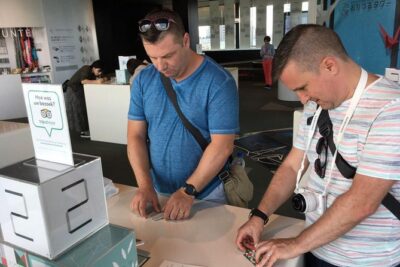
Hiroshima Peace (Heiwa) Walking Tour at World Heritage Sites
Read our review →
Hiroshima in a Nutshell: Morning Bike Adventure
Read our review →
Hiroshima City 4hr Private Walking Tour with Licensed Guide
Read our review →
Browse the lists this tour appears in