
Review · HIROSHIMA TOURS
Hiroshima:Private lacquer workshop experience tour(gift included)
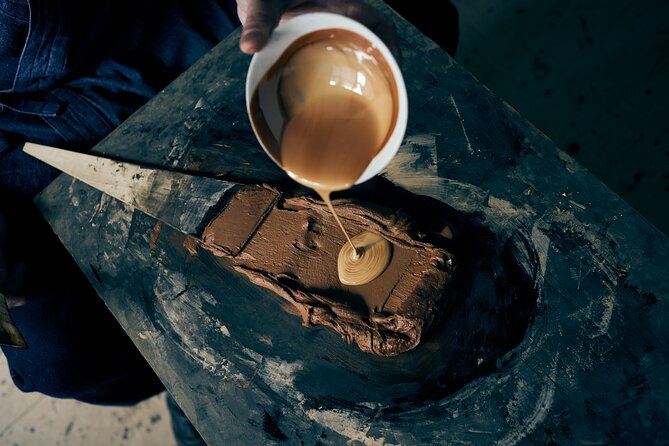
Lacquer art in Hiroshima takes real patience. This intimate workshop with acclaimed artist Naoya Takayama shines because you learn Hiroshima Buddhist altar techniques and you do lacquer painting yourself, guided by someone who truly lives the craft. I also like how the lesson connects tradition to the tableware you use every day, not just museum glass. The main drawback to consider is the time, it is about 2 hours, so you will leave with a good taste of the process rather than a full, multi-session mastery.
In a group capped at 6, you get a calmer pace and more chance to ask practical questions. And yes, you receive a gift made by the instructor, which is one of those rare souvenirs that feels like part of the experience, not an afterthought.
In This Review
- Key highlights you will care about
- Why Hiroshima Buddhist altar lacquer feels different
- Your 2-hour workshop with Naoya Takayama (what you will actually do)
- The session flow: from altar craft origins to today’s lacquer work
- What roiro (wax color) teaches you about control
- What to look for in the studio, and how to get more out of it
- Price and value: what $287.41 buys you in Hiroshima
- Who should book this workshop, and who might skip it
- Should you book? A quick decision checklist
- FAQ
- FAQ
- How long is the lacquer workshop experience in Hiroshima?
- Who teaches the Hiroshima lacquer workshop?
- What do I learn during the workshop?
- Do I get to try lacquer painting?
- Is there a gift included?
- What is the group size?
- Where does the tour start and end?
- How do I get the ticket?
- Is it easy to reach by public transportation?
- Can I cancel for free?
- Is the workshop suitable for most travelers?
Key highlights you will care about
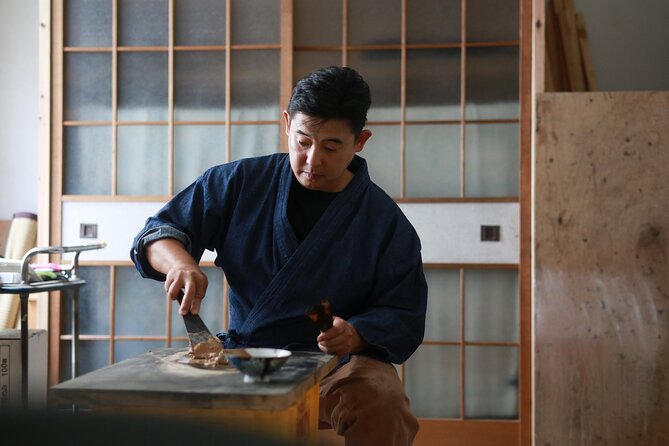
- Naoya Takayama instruction: a master craftsman teaching the logic behind the work, not just the final look
- Buddhist altar origins: you learn where Hiroshima lacquer techniques come from and why they mattered
- Roiro wax-color technique: the artist shares an approach that creates original effects through careful color work
- Hands-on lacquer painting: you try techniques during the session, with guidance as you go
- Small group size: max 6 travelers means less waiting and more direct attention
- Take-home instructor-made gift: you leave with a lacquer piece created by the artist
Why Hiroshima Buddhist altar lacquer feels different
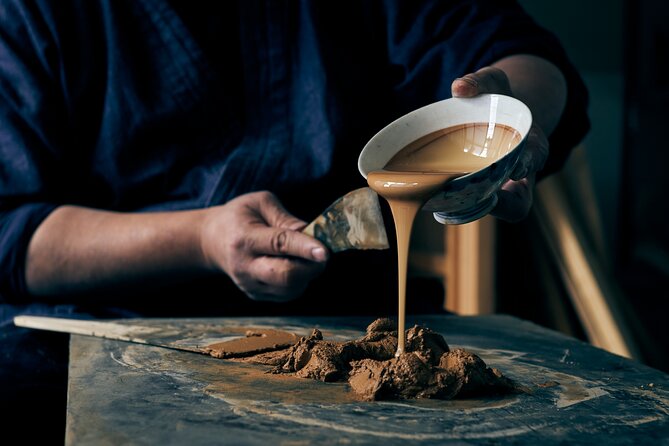
Hiroshima lacquer is not just a pretty craft. In this workshop, the focus starts with origins, specifically the traditional lacquer craft tied to Buddhist altars. That matters because it frames lacquer as more than decoration. It is about ritual use, patient layering, and techniques refined over time.
I like that the session explains not only how the craft is made, but also what is happening to it now. You will learn about the current state of decline in traditional crafts, techniques, and ideas for sustaining them. For many visitors, that part turns lacquer from a cool activity into a meaningful conversation about cultural survival.
The other thing that clicks is the practical bridge. The artist applies lacquer craftsmanship honed at Buddhist altars to tableware we use every day. So you are not just learning about history, you are seeing how tradition can still function in modern daily life.
A few more Hiroshima days to weigh up
- Peaceful Hiroshima & Miyajima UNESCO 1 Day Bus Tour
★ 5.0 · 5,309 reviews - Hiroshima: Hiroshima and Miyajima UNESCO Sites 1-Day Tour
★ 4.9 · 2,330 reviews - Hiroshima / Miyajima Full-day Private Tour with Government Licensed Guide
★ 5.0 · 1,298 reviews
Your 2-hour workshop with Naoya Takayama (what you will actually do)
This is a short, focused session, about 2 hours. The tour ends back at the meeting point at 2-17 Horikawachō, Naka Ward, Hiroshima, 730-0033. Since it is near public transportation, you can build it into a normal day of sightseeing without adding major travel stress.
Group size stays small, with a maximum of 6 travelers. That makes a difference in craft workshops. When there are fewer people, you tend to get clearer answers, more on-the-spot corrections, and less time watching from the sidelines.
The instructor is Naoya Takayama. The workshop introduces his approach and background in a way that helps you understand why his work looks the way it does. He learned traditional techniques of Kyoto lacquer painting, then refined his lacquering skills further using the roiro (wax color) technique, creating highly original pieces.
During your time together, you should expect the session to flow through several learning moments:
- you get instruction on the origins and techniques of Hiroshima Buddhist altar lacquer
- you discuss the decline challenges and what it means to sustain the craft
- you learn about Naoya Takayama’s award-winning Hiroshima lacquer techniques, including works selected as a gift at the G7 Summit
- you practice lacquer painting techniques with guidance
- you receive a gift made by the instructor
Also, some sessions may be supported by a guide who helps translate and keep the momentum smooth. One guide name that shows up in past experiences is Michi, noted for being kind and professional. If you meet someone like that, lean in and ask the small questions. That is often where the craft details land.
The session flow: from altar craft origins to today’s lacquer work
Let’s talk about the learning journey inside the 2 hours, because that is the real value here.
First, you start with the origins and techniques of Hiroshima Buddhist altar lacquer. This is where you learn why the craft developed the way it did. Even if you are not an expert, it gives you a framework for what you are looking at, and what to listen for when the instructor explains steps.
Next comes the candid part. You will learn about the current state of decline in traditional crafts, techniques, and ideas for sustaining them. That topic can feel heavy, but it is also practical. It helps you understand why workshops like this exist in the first place. People need a reason to keep teaching, and students need a reason to keep caring.
Then the session turns to the instructor’s work. You learn about the award-winning lacquer technique tied to Naoya Takayama’s creations, including the fact that his work was selected as a gift for the G7 Summit. For you, this is not trivia. It is a credibility signal. It suggests the craft is not just preserved locally, it is recognized at a global level.
Finally, you switch from learning mode to doing mode. You get a lacquer painting experience, guided so you can actually try techniques during the workshop rather than only watching.
And you end with the moment that many classes skip. You receive a gift of works made by the instructor. That is your proof of participation, and it also gives you something tangible that connects you to the maker.
What roiro (wax color) teaches you about control
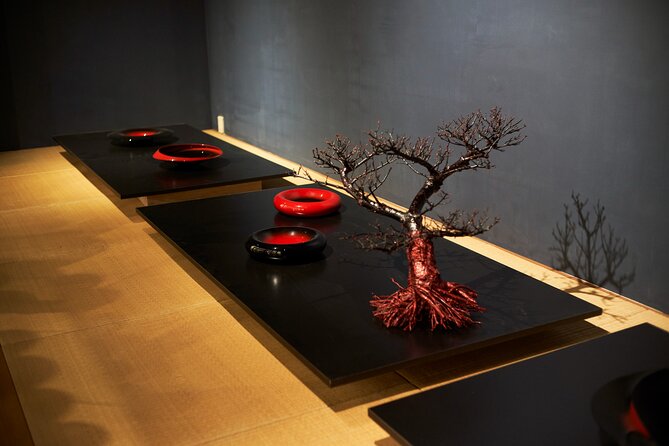
Naoya Takayama’s background includes incorporating the roiro (wax color) technique. That is one of the reasons this workshop feels more “artist-led” than “generic craft class.”
Even without turning it into a science lecture, the value of learning roiro is about understanding control. Wax-color methods tend to reward patience and precision. You cannot rush visual effects. You need to follow steps carefully and pay attention to how materials respond.
So when you try lacquer painting yourself, you are not just copying a pattern. You are practicing the mindset behind fine lacquer work: careful layering, intentional color, and respect for the process.
If you like craft that takes time and rewards attention, you will enjoy this part. If you are the type who wants quick results, you may need to adjust your expectations. Lacquer work is rarely instant.
A different sort of day in Japan:
- Hiroshima Historical Walking Tour – Why A-Bomb was Dropped
★ 4.8 · 893 reviews - Hiroshima Peace (Heiwa) Walking Tour at World Heritage Sites
★ 5.0 · 872 reviews - Hiroshima in a Nutshell: Morning Bike Adventure
★ 5.0 · 524 reviews - Hiroshima City 4hr Private Walking Tour with Licensed Guide
★ 5.0 · 437 reviews
What to look for in the studio, and how to get more out of it
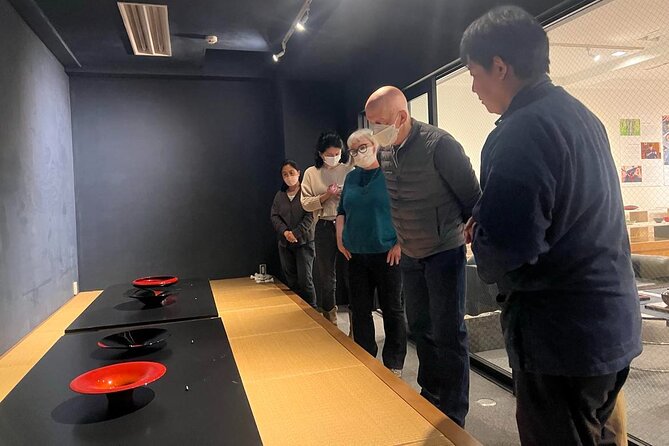
This experience happens in a studio environment with a maximum of 6 travelers, which changes how you should show up.
Here’s how I’d approach it if you want the best return on your time:
- Come with curiosity, not a checklist. The instructor’s explanations are about origins and technique logic.
- Ask what the artist is watching for as you paint. In craft, feedback is everything.
- Pay attention to natural materials mentioned in the overview. Lacquerware for everyday use uses natural materials and aims to express the refined texture of lacquering. That means you should look for texture cues, not only color.
One more thing. The workshop addresses the decline of traditional crafts and how ideas for sustaining them matter. If you care about culture beyond photos, ask the instructor how they think teaching keeps the tradition alive. That turns a fun activity into a real cultural exchange.
Price and value: what $287.41 buys you in Hiroshima
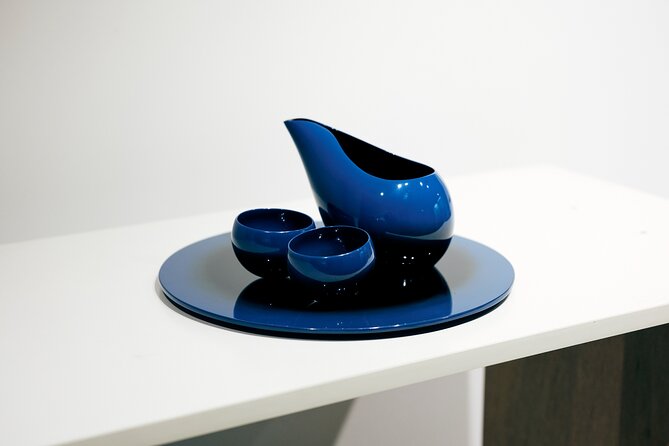
At $287.41 per person, this is not a budget craft stop. But it is not priced like a quick souvenir workshop either.
Here is what you are paying for, based on what the session includes:
- instruction from Naoya Takayama, an award-winning artist with work selected as a gift for the G7 Summit
- teaching focused on Buddhist altar origins and the techniques behind them
- a hands-on lacquer painting experience, not only observation
- a gift made by the instructor, which adds real value compared to classes where you take home only a practice piece
- a small group size, max 6 travelers, which often leads to more meaningful attention during the hands-on portion
Also, timing suggests demand. The experience is typically booked around 39 days in advance on average, so if lacquer art is a priority, plan ahead. In Hiroshima, you can fit in a lot of historic sights. This craft piece is the kind of experience that can be harder to swap in last-minute when it sells out.
If you are deciding between this and a standard cultural class, I’d pick this when you care about technique and maker quality. If you mainly want a short activity to fill time, you might feel the cost more than the craft.
Who should book this workshop, and who might skip it
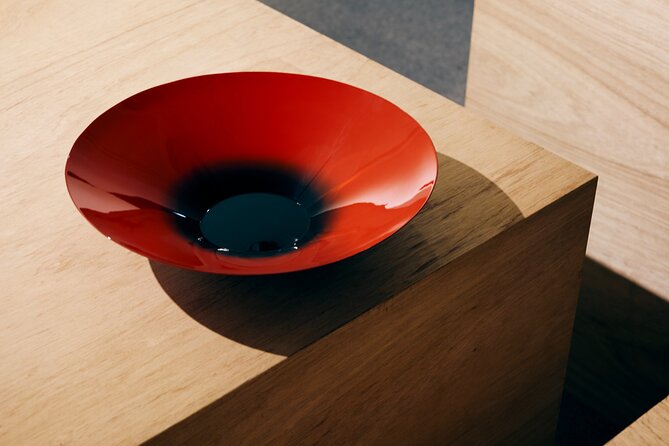
This workshop is a strong match if:
- you love art, craft, and the idea of learning from a master
- you want more than surface-level history and you like hearing why traditions face challenges
- you enjoy hands-on activities, especially those with calm, careful pacing
- you want a take-home piece made by the instructor, not a mass-produced item
It may be less ideal if:
- you only have a tiny window and cannot commit to about 2 hours
- you are expecting a long, step-by-step training track toward fully finished lacquer work
- you want something more interactive in a high-energy way. This is patient craft, so the vibe is focused and quiet
Should you book? A quick decision checklist
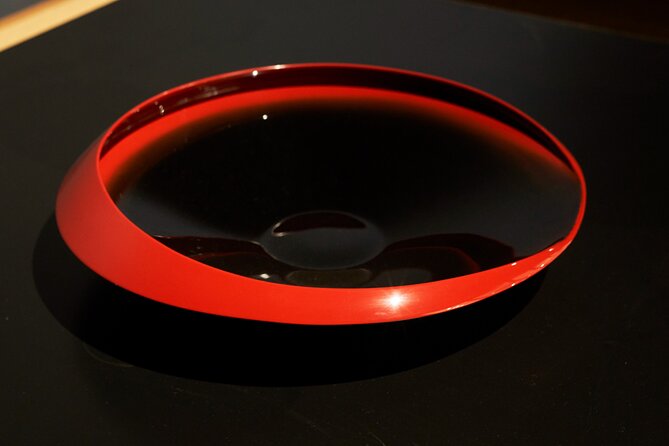
I would book this if lacquer craftsmanship, Buddhist altar origins, and award-level technique sound like your kind of cultural experience. The best reason is the combination: master instruction, a hands-on painting moment, and an instructor-made gift that makes the experience feel complete.
Before you book, double-check that you are comfortable spending 2 hours in a studio setting. Also, consider that the group is small but the time is still limited. If you are hoping to become fluent in lacquer methods in one visit, adjust your expectations and see this as a guided introduction from a serious teacher.
FAQ
FAQ
How long is the lacquer workshop experience in Hiroshima?
The experience lasts about 2 hours.
Who teaches the Hiroshima lacquer workshop?
The instructor is Naoya Takayama, an artist known for Hiroshima lacquer techniques and the roiro (wax color) approach.
What do I learn during the workshop?
You learn the origins and techniques connected to Hiroshima Buddhist altar lacquer, plus you hear about the current decline in traditional crafts and ideas for sustaining them. You also learn about Naoya Takayama’s award-winning techniques.
Do I get to try lacquer painting?
Yes. The experience includes a lacquer painting practice portion where you try techniques yourself.
Is there a gift included?
Yes. You receive a gift of works made by the instructor.
What is the group size?
The workshop has a maximum of 6 travelers.
Where does the tour start and end?
It starts at 2-17 Horikawachō, Naka Ward, Hiroshima, 730-0033, Japan, and ends back at the meeting point.
How do I get the ticket?
The experience uses a mobile ticket.
Is it easy to reach by public transportation?
The meeting area is noted as being near public transportation.
Can I cancel for free?
Free cancellation is available. You can cancel up to 24 hours before the start time for a full refund.
Is the workshop suitable for most travelers?
The experience states that most travelers can participate.
Newly listed around Hiroshima
- Hiroshima and Miyajima 1 Day Walking Tour★ 5.0 · 43 reviews
- Hiroshima and Miyajima 1 Day Cruise Tour★ 5.0 · 24 reviews
- Hiroshima & Miyajima: UNESCO A-Bomb Dome & Itsukushima with Local★ 5.0 · 25 reviews
- Hiroshima & Miyajima: Private Full-Day Tour with a Local Guide★ 5.0 · 39 reviews
- Hiroshima 5k Running Tour of Hijiyama Park★ 5.0 · 7 reviews
- Hiroshima and Miyajima Bus Tour with Indian Lunch★ 5.0 · 10 reviews
- Hiroshima and Miyajima 1 Day Bus Tour★ 4.5 · 145 reviews
- Hiroshima Peace Memorial and Atomic Bomb Dome Private Tour★ 5.0 · 37 reviews
Hiroshima Tours, compared.
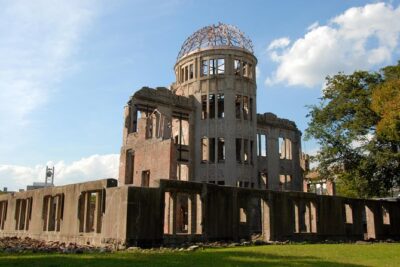
Peaceful Hiroshima & Miyajima UNESCO 1 Day Bus Tour
Read our review →
Hiroshima and Miyajima UNESCO Sites 1-Day Tour
Read our review →
Hiroshima / Miyajima Full-day Private Tour with Government Licensed Guide
Read our review →
Hiroshima Historical Walking Tour – Why A-Bomb was Dropped
Read our review →
Hiroshima Peace (Heiwa) Walking Tour at World Heritage Sites
Read our review →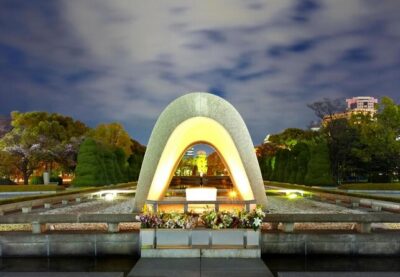
Hiroshima in a Nutshell: Morning Bike Adventure
Read our review →
Hiroshima City 4hr Private Walking Tour with Licensed Guide
Read our review →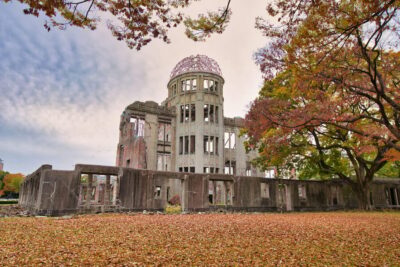
Browse the lists this tour appears in