
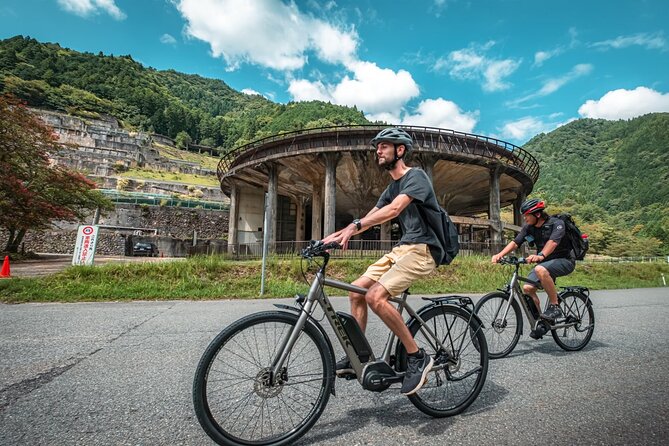
Review · CYCLING & E-BIKE RIDES
Hyogo E-Bike tour through rural Japan
Silver mines, cast-iron bridges, and quiet countryside. This Hyogo e-bike ride in rural Japan weaves together 1200-plus years of Ikuno mining history with rivers, shrines, and that real small-town pace you rarely see near Osaka or Kyoto. I especially love stopping at Japan’s oldest cast-iron bridge, built by French engineers, because it is both visually stunning and easy to understand with the guide’s storytelling. My other favorite part is the Mikobata ore dressing plant ruins, where the scale hits you in person, and you get time for lunch and browsing locally made souvenirs. The one drawback is simple: this is not a tour for brand-new riders. If you cannot feel comfortable on a bicycle, you will struggle.
You start at Ikuno Station and pedal your way through mining-town streets and then into a nature-rich mountain path and winding roads, with multiple short stops and included tickets at key sights. It runs about 5 to 6 hours, and it ends near Nii Station so you can connect onward by train. You’ll want decent daylight, since the tour requires good weather.
Value-wise, at $149.85 per person, you are paying for guided routing through historical sites plus included admission at two stops, lunch, and a complimentary drink at the end. It is not the cheapest thing you can do in Hyogo, but it is a very efficient way to see the region without renting a car and figuring out rural roads on your own.
In This Review
- Key highlights before you go
- Ikuno to Mikobata: why this route feels so different
- Start at Ikuno Mine’s official residence, then roll through old streets
- Habuchi and the cast-iron bridge breaks: short stops, strong payoff
- Mikobata Cast-Iron Bridge: the photo stop that actually makes sense
- Mikobata Senkojo Mine ruins: big scale, local explanations, lunch
- Roots & Routes cycling station: the friendly end-of-ride rhythm
- Cycling practicalities in rural Hyogo (what you should plan for)
- Price and value: is $149.85 worth it?
- Who should book this tour, and who should skip it
- Should you book this Ikuno to Nii e-bike ride?
- FAQ
- How long is the Hyogo e-bike tour?
- How much does the tour cost?
- Where does the tour start and end?
- What time does the tour begin?
- Is this a private tour?
- What is included during the tour?
- Are all stops paid or do some have free admission?
- Do I need to be experienced with cycling?
- What should I expect in terms of terrain?
- What if the weather is bad or I need to cancel?
- Can I walk part of the ore road?
Key highlights before you go
- Ore road remnants: The route follows the old rail line where trolleys once carried ore, with paths you can ride and short stretches you can also walk.
- Japan’s oldest cast-iron bridge: French-built, 170-plus years old, and a top photo stop over the river.
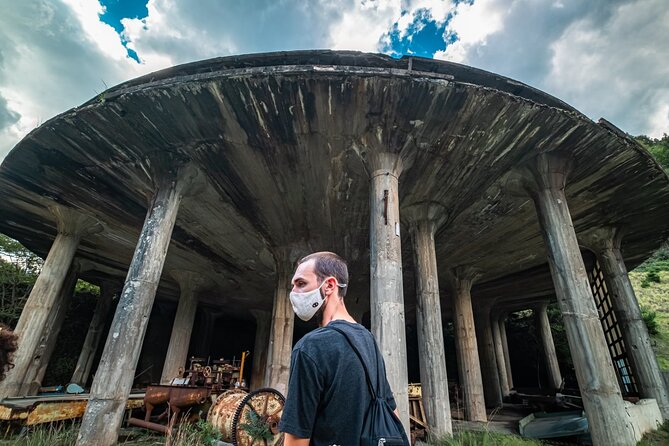
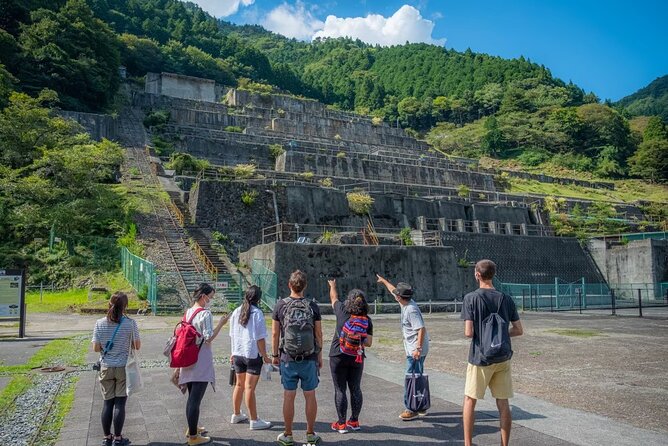
- Big industrial ruins at Mikobata: The ore dressing plant remains are huge, and the local explanations make the history click.
- Lunch plus time to explore: You get a proper break during the day, not just a snack between sights.
- Comfortable finishing drink: The Roots & Routes cycling station wraps up with a complimentary drink and time to unwind.
Ikuno to Mikobata: why this route feels so different
This tour’s magic is that it is not trying to cram big-city attractions into a half-day. Instead, you pedal through a former silver mining town with history spanning over 1200 years, then gradually shift from town streets into a mountain valley setting. The effect is that you feel the change in place as the day goes on, not just as a drive-by photo.
The other reason it feels different is the focus on one theme: ore. You are cycling along the ore road, which is linked to the railway line that once moved ore using trolleys. Even when you are just looking at the tracks or the route alignment, it makes the landscape make sense. That historical “through-line” helps you understand why each stop matters, instead of treating them like disconnected postcards.
Finally, the pacing is built around short, purposeful stops. You do not spend hours waiting in a bus line. You move, stop for photos and learning, move again, and you get lunch and a drink at the end.
More Bike rides in Kobe:
- E-Bike tour through old rural Japanese silver mining town
★ 5.0 · 7 reviews - Bike Tour Exploring North Kyoto plus Lunch
★ 5.0 · 1,087 reviews - Tokyo Great Cycling Tour
★ 5.0 · 811 reviews
Start at Ikuno Mine’s official residence, then roll through old streets
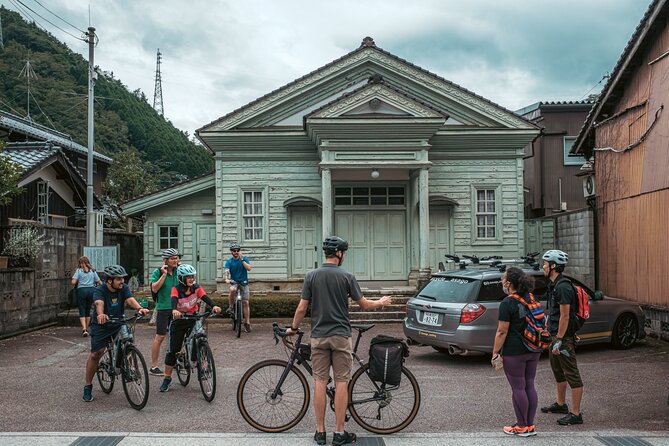
The day begins with a visit to the Old Official Residence of Ikuno Mine, one of the oldest remaining official residence and company housing in Japan. The site sits in the historic silver mining town of Ikuno and is designated as a nationally important cultural landscape. In practical terms, this is your “set the stage” moment. It helps you understand that this was not just casual mining. This was organized, institutional, and long-running.
You get about 30 minutes here, and the admission ticket is included. That matters because you are not hunting for entry fees or timing. You just walk in, see the buildings, and then get back on the bike with a better sense of what you are looking at later.
After that, you cycle through Ikunocho Kuchiganaya. This section is about atmosphere and small details rather than big monuments. Take time to walk along the tracks of the mine carts that carried the ore back then. The stop is about 30 minutes and the admission is free. I like this part because it feels tactile. Instead of only hearing history, you see and physically follow the remnants.
Habuchi and the cast-iron bridge breaks: short stops, strong payoff
Once you exit the Ikuno area, the route heads toward Habuchi along the Road of Ores route. One of the key check stops is at an old cast-iron bridge. This is one of the oldest remaining bridges of its kind in Japan, and even if you only spend 10 minutes there, it is a quick reset for your eyes.
Why bother with a brief bridge stop? Because it keeps the story moving from mining operations to the infrastructure that supported them. Cast iron is not something you expect to see in a mountain valley setting, so it grabs your attention fast. And because it is a shorter stop, it does not slow your day.
Mikobata Cast-Iron Bridge: the photo stop that actually makes sense
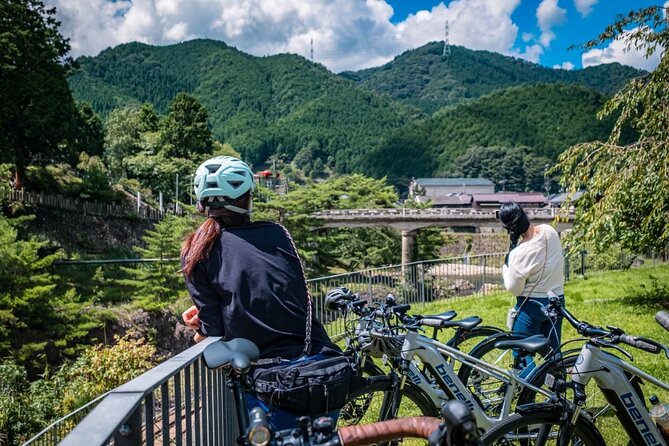
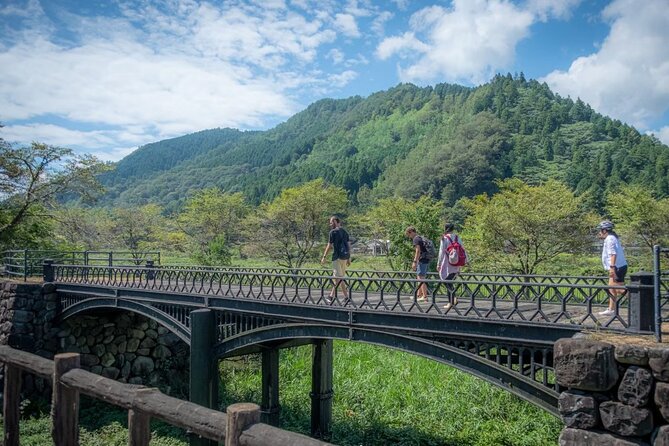
The next major highlight is the Mikobata Cast Iron Bridge. This is the big one: it is described as Japan’s oldest cast-iron bridge, built by French engineers over 170 years ago. The setting is a deeper valley, and the river view is part of the point. People tend to take photos here because the bridge looks dramatic against the water.
You get around 20 minutes at this stop, and admission is free. The time is long enough to get photos and just stand back to take it in. More importantly, this is where the tour’s historical context starts to feel real. You can see how foreign engineering expertise intersected with local mining needs.
If you care about photos, this is where you should prioritize your best shot. The view is scenic, and the framing is easy because the bridge is the center of the scene, not one subject among many.
A few more Kobe days to weigh up
- Hidden Kyoto E-Biking tour
★ 5.0 · 1,843 reviews - Tokyo Guided Small-Group Biking Tour
★ 5.0 · 1,250 reviews - Tokyo Top Highlights 3h Guided E-bike Tour
★ 5.0 · 714 reviews - 3h Tokyo E-Bike Tour: Hidden Gems, and Local Life with guide
★ 5.0 · 670 reviews
Mikobata Senkojo Mine ruins: big scale, local explanations, lunch
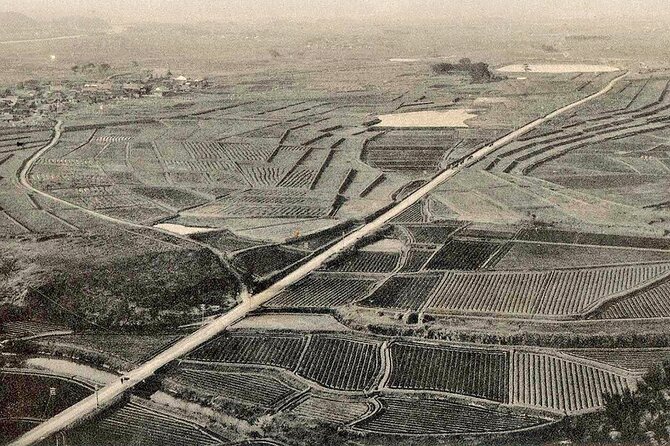
After the bridge, you cycle further along the winding road toward Mikobata, and then you reach the Mikobata Senkojo Mine, the ruins of the huge ore dressing plant. This is where your brain goes from curious to wow. The ruins reveal themselves progressively, and once you are standing there, the sheer size hits you.
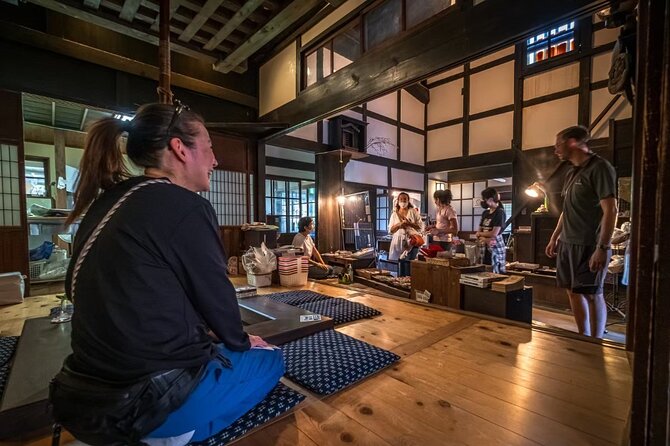
You spend about 2 hours at this stop, and admission is included. The tour description also notes that you will learn about the history of the ore dressing plant from locals. That is important. Ore dressing sounds technical, and if you only read captions, it can stay abstract. Having local context makes it easier to understand what the plant did and why it was so substantial.
This is also where you enjoy lunch. For me, lunch is not just food here. It is a chance to reset your body and your attention before you explore a bit more in the area. If you tend to get restless during guided tours, this is a good moment to breathe.
You also have an opportunity to buy locally made souvenirs around the plant area. These tend to feel more connected to the place than generic tourist shops, since they are tied to the site.
Roots & Routes cycling station: the friendly end-of-ride rhythm
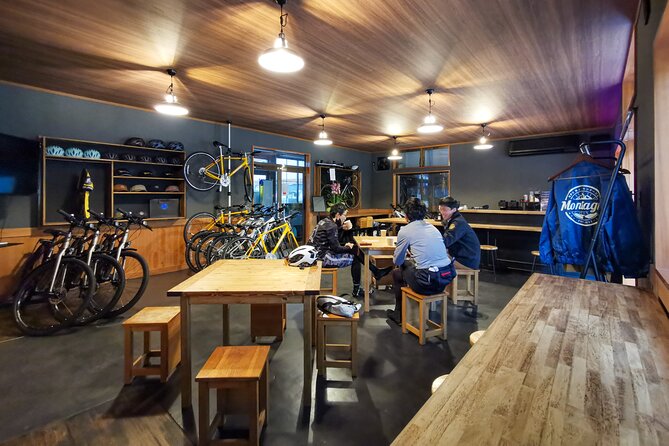
The last stop is at Roots & Routes, your dedicated cyclist station and base of operations. You get about 30 minutes here, with a complimentary drink included.
This matters more than it might sound. In rural cycling tours, the end can feel abrupt, like you are dropped off and sent on your way. Here, the station gives you a clear landing point. You can catch your breath, check how your legs feel, and take a moment to reflect on what you saw while the details are still fresh.
It is also a practical way to finish because the tour ends at Nii Station. From there, you can connect onward. The day is structured so you do not end up stuck trying to solve transportation in a place with limited options.
Cycling practicalities in rural Hyogo (what you should plan for)
This tour is described as most travelers can participate, but it is not recommended for people who are unable to cycle or who are unfamiliar with the basic workings of a bicycle. In other words, you do not need to be a racer, but you do need to be able to ride confidently.
The route includes:
- Town cycling through Ikuno
- A nature-rich mountain path after leaving town
- Winding roads as you approach Mikobata
- River and valley views around the cast-iron bridge area
I would plan for changing conditions. Even if the ride is not extreme, a mountain path usually means the ride feels different from flat city routes. If you are the type who gets nervous on traffic or road corners, treat this as a “take it steady” day and keep your focus on the group.
Because the tour requires good weather, I also recommend bringing a light layer even in warmer months. Rural valleys can feel cooler, and you will want to stay comfortable while you stop for photos and walk short stretches.
Finally, wear shoes you can walk in. One portion is specifically described as something you can follow by bicycle or walk part of it, and the stops include time on foot.
Price and value: is $149.85 worth it?
At $149.85 per person for about half a day, you are paying for more than just bike time. You are paying for:
- A guided route linking multiple historical sites
- Included admission tickets at the Old Official Residence of Ikuno Mine
- Included admission at the Mikobata Senkojo Mine ruins
- Lunch during the day
- A complimentary drink at the cycling station
- A mobile ticket for the experience
You also get the benefit of a private tour format. Only your group participates, so the experience is not diluted by strangers drifting in and out. That tends to make questions easier and the pace more comfortable.
If you are already comfortable with public transport and you do not want to rent a car, this price becomes more reasonable. Rural Hyogo is not built like a tight hop-on hop-off sightseeing circuit. A guided ride gets you past that friction and into the actual places.
Who should book this tour, and who should skip it
This is a great fit if you:
- Want rural Japan outside the big-city crowd patterns
- Like history that is tied to what you can physically see on-site
- Enjoy cycling at an active pace, with several short walking moments
- Want an organized half-day plan that still leaves you time to breathe at lunch and during free exploration
It may be a poor fit if you:
- Do not feel comfortable riding a bicycle
- Prefer sightseeing that is mostly indoors or mostly flat
- Get uncomfortable in small rural roads and prefer major tourist thoroughfares
Also, if you are highly weather-sensitive, remember the tour requires good weather. You might be flexible if rain or poor conditions lead to a date change.
Should you book this Ikuno to Nii e-bike ride?
Yes, I think you should book it if you want a day that feels like you are moving through a real working region, not just checking boxes. The combination of Ikuno mining-town details, the story-rich cast-iron bridge over the river, and the Mikobata ore dressing plant ruins is unusually coherent for a half-day tour.
You are also getting good value for your time: multiple meaningful stops, admission included where it counts, lunch, and a drink at the end. The only real reason not to book is if you are not ready for bicycle riding. If you can ride comfortably, this is one of those tours where the countryside itself becomes the museum.
FAQ
How long is the Hyogo e-bike tour?
The tour runs about 5 to 6 hours.
How much does the tour cost?
The price is $149.85 per person.
Where does the tour start and end?
It starts at Ikuno Station and ends at Nii Station, where the Bantan train stops.
What time does the tour begin?
The start time is 9:00 am.
Is this a private tour?
Yes. Only your group will participate.
What is included during the tour?
Lunch is included. Admission tickets are included for the Old Official Residence of Ikuno Mine and for Mikobata Senkojo Mine. A complimentary drink is included at the Roots & Routes cycling station. You also receive a mobile ticket.
Are all stops paid or do some have free admission?
Some stops include admission tickets, while others are free. For example, the Ikunocho Kuchiganaya stop notes free admission, and the bridge stops are listed with admission ticket free.
Do I need to be experienced with cycling?
This tour is most suitable if you can cycle and are familiar with the basic workings of a bicycle. It is not recommended for travelers who are unable to cycle or who are unfamiliar with how a bicycle works.
What should I expect in terms of terrain?
After leaving Ikuno, the route includes a nature-rich mountain path and winding roads. You should expect a rural ride that is not like flat city cycling.
What if the weather is bad or I need to cancel?
The experience requires good weather. If it is canceled due to poor weather, you will be offered a different date or a full refund.
Can I walk part of the ore road?
Yes. The route follows the ore road, and you can follow it by bicycle or walk part of it.
More E-Bikes in Kobe
- 5 Top Highlights of Kyoto Full Day Bike Tour (E-bike option)
★ 5.0 · 511 reviews - Tokyo: 3-Hour Bike or E-Bike City Highlights Tour
★ 4.8 · 435 reviews - Kyoto: Memory Kyoto E-Bike Tour
★ 4.8 · 297 reviews - E-Bike Tours of the highlights of Kyoto!!!
★ 5.0 · 291 reviews
Newly listed around Kobe
- Naruto & Boruto Shinobi-zato Light Ticket★ 4.5 · 29 reviews
- Exclusive Sushi Making Experience with a Master Chef – Osaka Area★ 5.0 · 25 reviews
- Private Home-Style Cooking Class in Osaka with Local Mom Yoshiko★ 5.0 · 46 reviews
- E-Bike tour through old rural Japanese silver mining town★ 5.0 · 7 reviews
- Nijigen No Mori:Naruto & Boruto Theme Park Entry Ticket★ 4.5 · 53 reviews
- Kobe: Sake Brewery Tour with Tasting Sake★ 4.7 · 9 reviews
- Kobe: Urban Aquarium AQUARIUM×ART átoa Entry Ticket★ 4.9 · 20 reviews
- Kobe: Sake Brewery Tour with Tasting and Kobe Beef Bites★ 5.0 · 11 reviews
Cycling & E-Bike Rides, compared.
3h Tokyo E-Bike Tour: Hidden Gems, and Local Life with guide
Read our review →
Arashiyama Bamboo Forest & Hidden Gems Bike Tour (Early Bird)
Read our review →
5 Top Highlights of Kyoto Full Day Bike Tour (E-bike option)
Read our review →
Hiroshima 2hr Peace Cycling Tour with Local Guide
Read our review →Browse the lists this tour appears in