
Review · BIKE TOURS IN KYOTO
Hidden Kyoto E-Biking tour
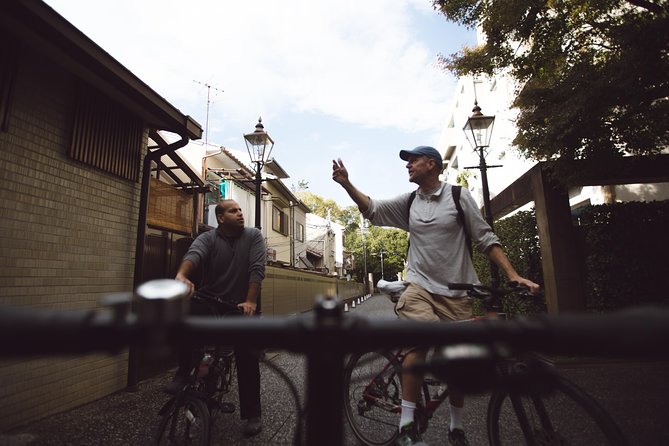
E-bikes and Kyoto temples, minus the crowd. This half-day Hidden Kyoto ride strings together big names like Kinkakuji and Kitano Tenmagu, then turns off toward calmer lanes where you can actually hear yourself think. You pedal a mix of famous stops and smaller religious corners, with time to breathe and take photos without shoulder-to-shoulder pressure.
I especially like how the tour balances structure and freedom. You get an included helmet, a rental bike (foldable for easier handling), and water, and you are not expected to be an athlete. The e-powered setup means hills feel less scary, and the stops feel reachable even if you are not used to cycling.
One caution: you have to play by the timing rules. The tour has set departure times, you must arrive 15 minutes early, and if you miss the start you will not be refunded. Also, if you want mostly riding time and minimal standing, note that one guest felt the guide’s storytelling took longer than expected for the duration.
In This Review
- Key things to know before you go
- Why this Hidden Kyoto route works better than hopping by foot
- Meeting at NORU Kyoto Bike Tours, then getting rolling
- How long is the ride, and what the pace feels like
- Stop 1 Kinkakuji Temple, the famous start that sets the tone
- Daitoku-ji, Koto-in, and Zuihoin: where the tour gets truly quiet
- Stop 2 to 3: Kitano Tenmangu Shrine and the story threads
- The guide experience: English clarity and culture you can use
- E-bikes on Kyoto hills, how much effort to expect
- Value check: is $116 a good deal for 3.75 hours in Kyoto?
- Practical tips to make your ride smoother
- Should you book this Hidden Kyoto E-biking tour?
- FAQ
- How long is the Hidden Kyoto E-biking tour?
- How far do we ride?
- What does the $116 per person price include?
- Where do we meet, and where does the tour end?
- What is the minimum age to join?
- What are the departure times?
- What happens if the weather is bad, or if I cancel?
- What if I arrive late to the meeting point?
Key things to know before you go
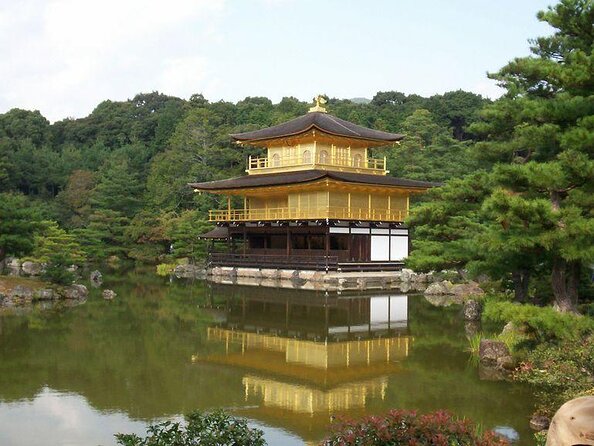
- UNESCO Kinkakuji plus smaller Zen temple stops in one easy circuit
- E-powered, foldable rental bikes make steep Kyoto hills feel manageable
- Small group size (max 8) keeps the experience calm and less crowded
- English-speaking route coordinator with clear cultural context
- Route ends back at the start, so you avoid navigation stress
- Weather matters, since the tour requires good conditions to run
Why this Hidden Kyoto route works better than hopping by foot
Kyoto can feel like two cities at once. In one, lines snake around the famous gates. In the other, side streets hold quiet temples, stone paths, and gardens you would never stumble into by accident.
This tour is built for the second Kyoto. You start by touching iconic sites like Kinkakuji, then you keep moving into calmer areas, including a stop at Daitoku-ji Temple Complex and sub-temple spaces such as Koto-in and Zuihoin. The payoff is not just the sights, it is the pacing. On foot, you spend a lot of energy on just getting from place to place. On a bike, you spend more of your time arriving, looking, and learning.
And you get a practical rhythm. You are not doing a nonstop sprint. The ride is described as easy and safe, with minimal effort for people age 13 and up, and it lasts about 3 hours 45 minutes. That length is long enough to cover meaningful ground, but short enough that you do not feel like you lost half a day to logistics.
More Bike Tours in Kyoto
- Bike Tour Exploring North Kyoto plus Lunch
★ 5.0 · 1,087 reviews - Arashiyama Bamboo Forest & Hidden Gems Bike Tour (Early Bird)
★ 5.0 · 613 reviews - 5 Top Highlights of Kyoto Full Day Bike Tour (E-bike option)
★ 5.0 · 511 reviews
Meeting at NORU Kyoto Bike Tours, then getting rolling
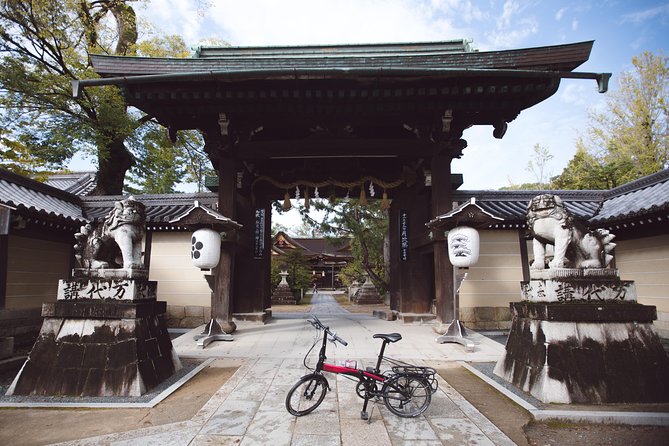
The start point is NORU Kyoto Bike Tours, 429-22 Takigahanachō, Kamigyo Ward, Kyoto (602-8336). It is also listed as near public transportation, which matters because Kyoto traffic and walking connections can be unpredictable when you are trying to be on time.
Check your watch when you arrive. The tour requires you to be there 15 minutes prior to departure. Departures are at 8:30, 9:00, 12:30, and 1:00 pm, so plan buffer time for trains, buses, or walking. If you are late and miss the tour start, you will not be refunded, so I suggest you treat this like an important reservation, not a casual meetup.
Once you meet the team, you get outfitted with your rental bike and helmet. Many people appreciate that the setup and training are part of the experience. One of the recurring themes in guide feedback is how clearly they prepare cyclists, especially if you have not ridden in a while.
How long is the ride, and what the pace feels like
The tour lists a total ride distance around 4.3 miles (7 km), and the overall route is described as about 4.9 miles (8 km). Either way, you are not doing a marathon. You are doing a comfortable circuit that links major religious sites with the quieter side streets between them.
The time commitment is about 3 hours 45 minutes, and you will spend that time on a mix of riding and stopovers. Some stops will involve walking within temple areas, plus photo pauses. You will also get explanations from the guide, including cultural context around what you are seeing.
A small heads-up from how different people experienced the narration: most found the guide’s storytelling helpful and engaging, but at least one person felt the guide talked for too long at certain points and they wanted more time simply exploring. So, if you prefer action over lecture, keep your expectations flexible, and know that the guide’s style can vary by who you get.
Stop 1 Kinkakuji Temple, the famous start that sets the tone
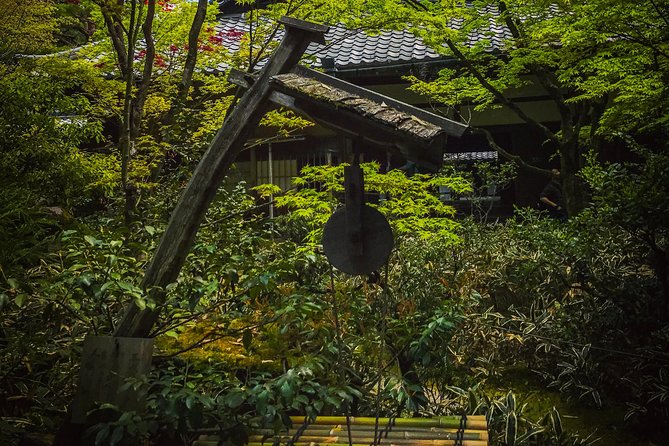
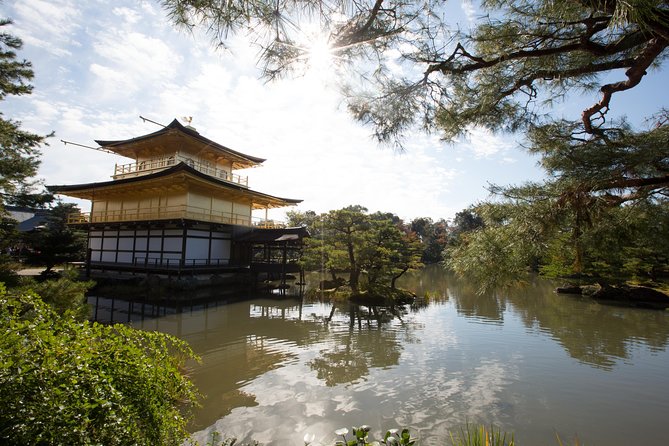
You begin at Kinkakuji Temple, the UNESCO-listed draw that anchors many first-time Kyoto itineraries. Starting here is smart because it gives you a clear reference point. You see Kyoto’s visual landmark, learn what makes it culturally significant, then you leave the heavy foot traffic behind and move into the quieter spaces that come after.
What I like about starting with a big name is that it helps you mentally calibrate the rest of the tour. When you later visit the calmer temple complexes, you understand the “why” behind their layout and atmosphere. It becomes less about ticking boxes and more about recognizing patterns: how shrines and temples sit within their neighborhoods, how gardens frame the experience, and how visitors are expected to behave.
After Kinkakuji, you do not just bounce around. You continue in the same spirit, moving from high-profile sites toward places that feel more intimate and local.
A few more Kyoto days to weigh up
- Full Day Biking Tour Exploring the Best of Kyoto
★ 5.0 · 498 reviews - Kyoto: Memory Kyoto E-Bike Tour
★ 4.8 · 297 reviews - E-Bike Tours of the highlights of Kyoto!!!
★ 5.0 · 291 reviews - Afternoon Kyoto Bike Tour: Bamboo Forest, Monkeys & Hidden Spots
★ 5.0 · 283 reviews
Daitoku-ji, Koto-in, and Zuihoin: where the tour gets truly quiet
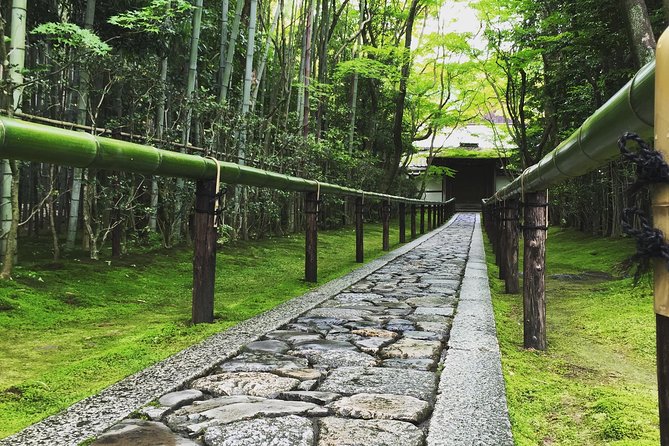
The middle of the ride shifts gears. You go from landmark Kyoto into a calmer, more contemplative mode with Daitoku-ji Temple Complex, plus time at Koto-in and Zuihoin.
The tour description leans into this part for a reason: this is where you can slow down. The goal is to escape the crowd wave and spend time in religious spaces that feel less rushed. The route is described as including intimate Zen gardens, and this is the stretch where that style of Kyoto becomes most visible.
Here is the practical benefit. You are on a bike, but you are not trapped in the vehicle. You still get the atmosphere that makes Kyoto temples worth the trip. You can stand, look, and take photos without feeling like you must move every 20 seconds.
A small consideration: because this segment is about quiet viewing, you might want to dress for staying still. If you get stuck under mild weather shifts (mist, drizzle, or cool morning air), you will appreciate layers. Bring weather protection, since the tour requires good conditions, and the riding starts early enough that mornings can feel cooler than the afternoon.
Stop 2 to 3: Kitano Tenmangu Shrine and the story threads
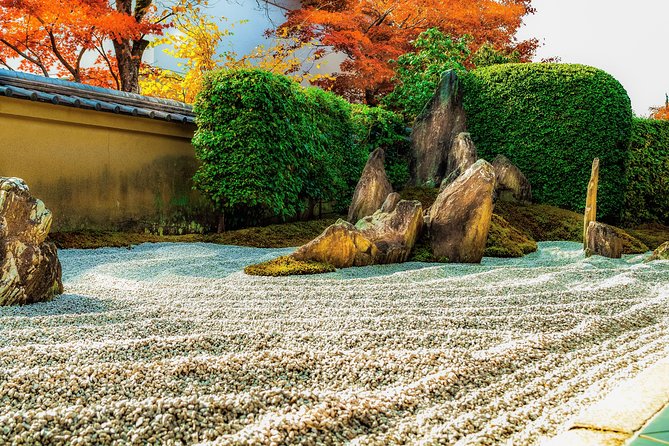
Next up is Kitano Tenmangu Shrine, another major site on the Kyoto circuit. It also gives the tour a different flavor than Kinkakuji’s dramatic visual presence. Shrines and temple complexes bring different symbolism and visitor rhythms, so this stop helps round out what you see.
The best part is how the guide connects the dots. Multiple guides, including names like Yuta, Michael, Sean, Henry, and Shizuka, show up in feedback as standouts for making Kyoto make sense. People describe explanations that go beyond a simple what-this-is. Topics mentioned include differences between Shinto and Buddhism, context around Zen Buddhism, and cultural etiquette for visiting temples and shrines.
That matters because Kyoto etiquette is not just politeness. It changes how you experience a place. When you understand what visitors are expected to do, you stop feeling like you are intruding, and you start paying attention to the details.
You may not notice those details at first on your own, especially when you are bouncing between famous stops. This tour is designed to give you the cultural “map,” so your photos and observations make more sense after the fact.
The guide experience: English clarity and culture you can use
This is a guide-led tour, and the guide makes a real difference. A lot of the highest praise centers on English delivery and story craft. Names that come up repeatedly include Yuta, Michael, Sean, Henry, and Shizuka, and the common thread is that they tell Kyoto’s story in a way you can actually follow.
Here is what I would call the practical value of the guide’s approach:
- You learn why places matter, not just what they are.
- You get temple and shrine visiting etiquette tips that make the experience feel respectful.
- You hear cultural context around topics like geisha and maiko history, and sometimes samurai-era references, depending on the guide.
Some guides also incorporate smaller cultural stops or pauses into the flow. For example, people mention a tea stop and describe it as charming, including one story about a tea place with deep generational history. Since food and drinks are not guaranteed as included in the official list, treat tea as a bonus, not a certainty.
In rain or cool weather, guides also seem prepared. One person noted rain gear support during an outing with drizzle. Still, I would pack your own protection because Kyoto conditions can switch fast.
E-bikes on Kyoto hills, how much effort to expect
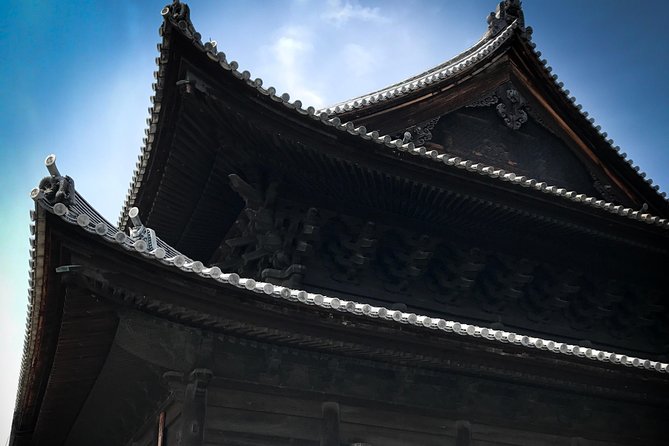
This tour is designed for people who want to see more than the usual walking route, without paying the full physical cost of Kyoto’s stairs and hills. The bike setup includes a helmet and is described as foldable. Reviews also repeatedly mention e-bikes or e-powered assistance.
In practice, that means you should be able to enjoy the ride even if you are not a regular cyclist. The tour description says anyone over 13 can participate with minimal effort, and people highlight that the e-assist helps on steep sections.
If you are worried about riding, focus on two things before you go:
- Wear closed-toe shoes.
- Keep a light grip at first. Let the bike respond before you push harder.
The ride also stays safe and controlled. People repeatedly mention that cycling felt safe and that the route uses manageable streets and paths rather than feeling chaotic. That is exactly what you want when you are dealing with unfamiliar traffic and new bike handling.
Value check: is $116 a good deal for 3.75 hours in Kyoto?
At $116 per person, you are paying for more than sightseeing. You are paying for time savings, bike access, and a guide who helps you interpret what you see.
Here is what you get that drives value:
- Rental bike and helmet included
- Water included
- English-speaking route coordinator
- A curated route that combines major sites with quieter areas
- A small group max of 8 people, which usually means less waiting and more attention
What you do not get:
- Food is not listed as included unless specified
- The tour needs good weather to run
So, is it worth it? For me, the answer is yes if you want Kyoto beyond the obvious map. If you plan to visit Kinkakuji and then spend the rest of the day in different directions by train and on foot, you will lose a lot of time and you will miss the quiet roads that make this tour feel different.
If you already have your own plan for the same stops and you are comfortable cycling or navigating on your own, you might question the cost. But for most people, paying for the bike plus the cultural guidance saves you energy and makes the day feel fuller.
Practical tips to make your ride smoother
Kyoto rides are more pleasant when you plan for discomfort, not perfection. Based on the way people talk about their experiences, these small prep steps matter:
- Bring weather protection. The tour requires good weather, but drizzle happens. Pack a poncho or rain jacket, and consider waterproof gloves if you tend to get cold in wet weather.
- Dress for short stops. Temple visits often mean standing still. Layers help.
- Don’t over-plan lunch right after. The ride ends back at the meeting point, so you will want a simple meal plan for afterward.
- Expect a mix of talking and moving. If you love stories and etiquette details, you will enjoy that part. If you prefer silence, you may wish your group gets a more concise guide style.
Also, the tour is scheduled for mornings or early afternoons. That helps you avoid some of the heaviest tourist surges, especially when you hit the calmer temple complex segment.
Should you book this Hidden Kyoto E-biking tour?
Book it if you want a stress-reduced way to see both famous Kyoto and the quieter parts that usually require local knowledge. This tour fits best if you:
- Want fewer crowds without skipping the big highlights
- Like learning culture and etiquette, not just sightseeing
- Prefer biking over long walks, especially in hilly neighborhoods
- Are okay with a guided rhythm that includes some standing and explanations
Skip it if you:
- Are very strict about minimizing guide talk and want mostly pure walking time
- Are traveling without any flexibility in case the weather turns
- Want food guaranteed as part of the tour package
If you are trying to choose one “different Kyoto” activity that helps you see more in less time, this one makes a strong case.
FAQ
How long is the Hidden Kyoto E-biking tour?
It lasts about 3 hours 45 minutes (approx.).
How far do we ride?
The ride is described as about 4.3 miles (7 kilometers), and the overall tour ride is also described as about 4.9 miles (8 kilometers).
What does the $116 per person price include?
You get an English-speaking route coordinator, a rental bike, a rental helmet, and water.
Where do we meet, and where does the tour end?
You meet at NORU Kyoto Bike Tours, 429-22 Takigahanachō, Kamigyo Ward, Kyoto, 602-8336, Japan. The tour ends back at the meeting point.
What is the minimum age to join?
The minimum age is 13 years.
What are the departure times?
The tour departs at 8:30, 9:00, 12:30, and 1:00 pm.
What happens if the weather is bad, or if I cancel?
The tour requires good weather. If it is canceled due to poor weather, you will be offered a different date or a full refund. There is free cancellation up to 24 hours in advance for a full refund.
What if I arrive late to the meeting point?
You must arrive 15 minutes prior to departure time. If you are late and miss the tour, you will not be refunded.
More E-Bikes in Kyoto
- Kyoto: City Secrets eBike Tour
★ 4.9 · 196 reviews - Historical Kyoto E-Bike Tour
★ 5.0 · 181 reviews - Best of Kyoto: Ginkakuji & Path of Philosophy E-Bike Tour
★ 4.9 · 79 reviews - Kyoto: Hidden Gems E-Bike Tour with Local Guide
★ 4.9 · 75 reviews
Newly listed around Kyoto
- Taste of Nishiki Market Walking Food Tour with Local guide★ 5.0 · 17 reviews
- Kyoto: Sushi Making Class with Sushi Chef★ 4.8 · 64 reviews
- Simple Plan with Maiko★ 4.4 · 10 reviews
- Shibori Furoshiki Course at Kyoto Shibori Museum★ 5.0 · 21 reviews
- Kyoto: City Secrets eBike Tour★ 4.9 · 196 reviews
- Sacred Pathways: Discover the Philosopher’s Path of Kyoto★ 4.9 · 20 reviews
- Private Tour to Monkey Park and Arashiyama Highlights★ 5.0 · 22 reviews
- Private Nara Tour from Osaka – Meet at Your Hotel★ 5.0 · 22 reviews
Bike Tours in Kyoto, compared.
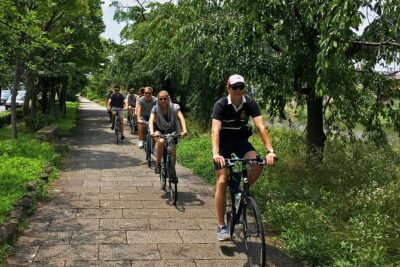
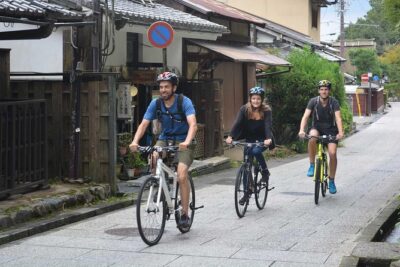
Arashiyama Bamboo Forest & Hidden Gems Bike Tour (Early Bird)
Read our review →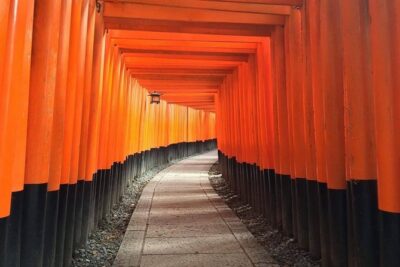
5 Top Highlights of Kyoto Full Day Bike Tour (E-bike option)
Read our review →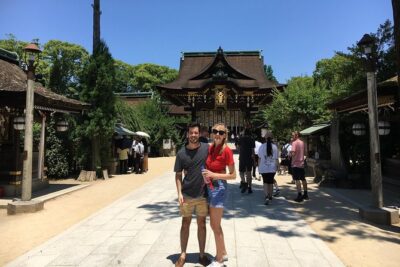
Full Day Biking Tour Exploring the Best of Kyoto
Read our review →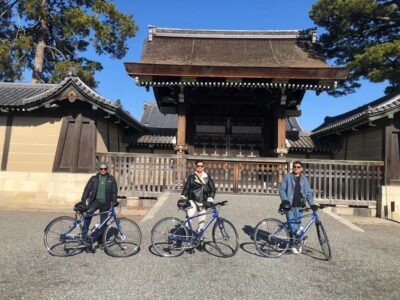
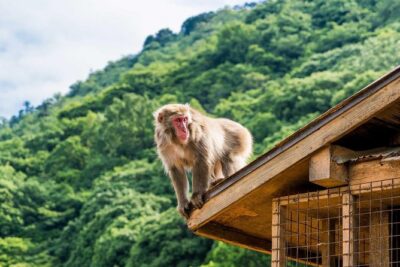
Afternoon Kyoto Bike Tour: Bamboo Forest, Monkeys & Hidden Spots
Read our review →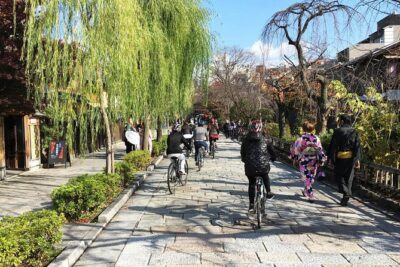
South Kyoto in a Nutshell: Gentle Backstreet Bike Tour!
Read our review →Browse the lists this tour appears in