
Review · MUSEUMS
Itajime Shibori Scarf Class at Kyoto Shibori Museum
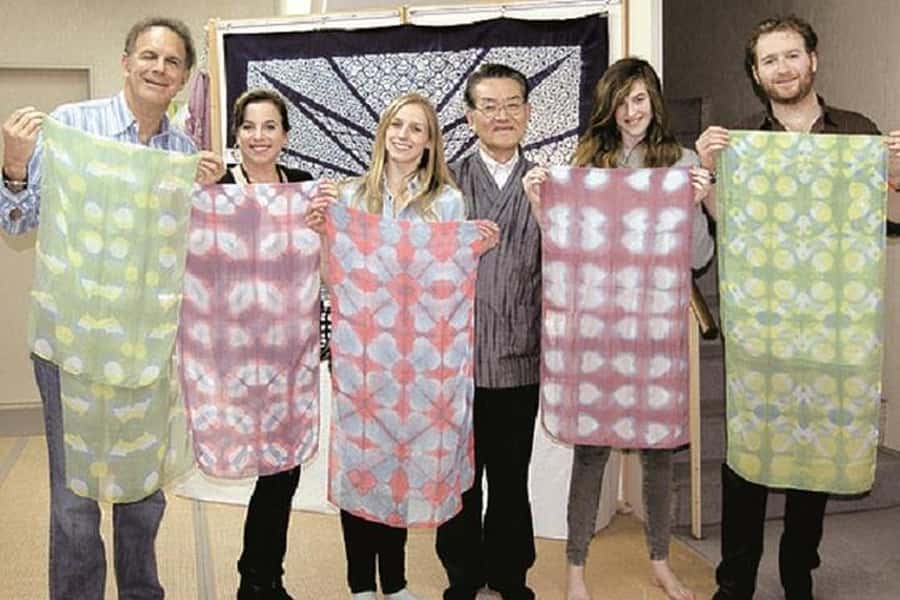
Boards, dye, and instant patterns in Kyoto. This Itajime shibori scarf class at the Kyoto Shibori Museum is a hands-on way to learn a traditional resist-dye technique, then browse the museum while your fabric dries. I really like the small-group setup and the steady, personal coaching that helps you get a clean, readable pattern.
I also like that the museum experience wraps around the workshop, so you are not stuck just sitting at a table. You get to explore displayed shibori samples and pieces, plus an upstairs exhibition that includes a video presentation, which makes the process feel connected to the craft. One consideration: your “final” results depend on the dye and drying time, so plan to spend the full hour there and enjoy the museum flow rather than expecting instant, on-the-go results.
In This Review
- Key highlights you’ll feel right away
- A shibori museum near Nijo Castle, devoted to one craft
- Your one-hour Itajime scarf class: boards, dye, and pattern creation
- Pattern choices, plus real help from staff (including Akiko)
- What you do while your fabric dries: samples, exhibits, and video
- Museum shop time: original items, fabrics, and supplies
- Price and value: what $42 includes and why it feels fair
- Who this class fits best, and how to get the most out of it
- Should you book the Itajime shibori scarf class?
- FAQ
- How long is the Itajime shibori scarf class?
- How many people are in a group?
- What language is the instruction offered in?
- What technique will I learn during the class?
- What should I do while my fabric is drying?
- Is museum admission included in the price?
- What is the price of the workshop?
- Can I pay later or cancel if plans change?
Key highlights you’ll feel right away
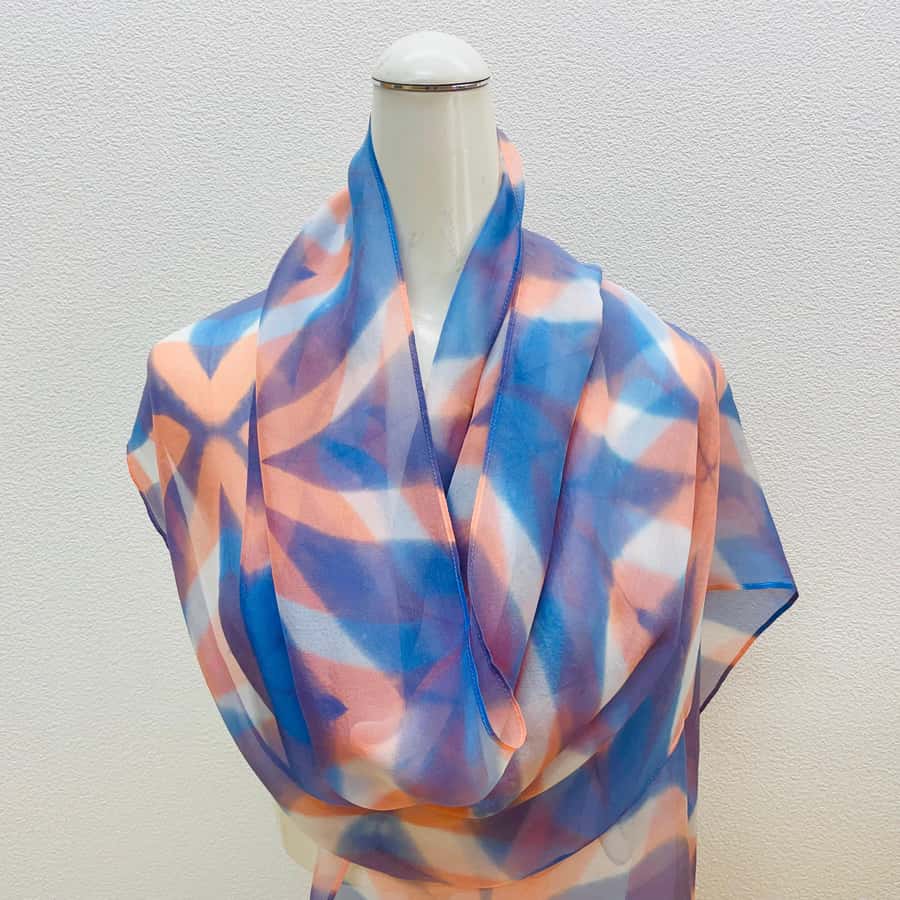
- Itajime board sandwiching is the core technique, creating the pattern through pressure and dye
- Two dye colors and different boards make the look vary more than you might expect
- Small-group size (up to 8) means you are not waiting around for help
- Museum time while it dries, including displayed samples and an upstairs exhibition
- Quality-control support from staff during the workshop
- Gift-shop browsing for souvenirs, fabrics, and related equipment or finished works
A shibori museum near Nijo Castle, devoted to one craft
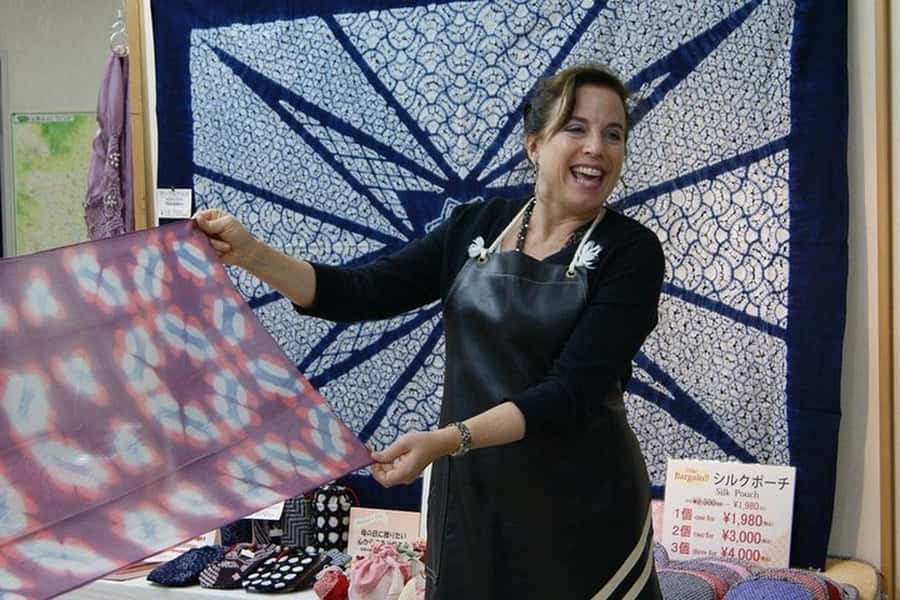
If you’re basing yourself near Nijo Castle, this is an easy add-on because the Kyoto Shibori Museum is about a 5-minute walk away. Instead of being a general art museum with one shibori corner, this place is built around one idea: shibori, up close and for real.
The museum opened in 2001 and it focuses on shibori works and education, with a mission to spread shibori to the world. You’ll see the craft treated seriously here, including how long the technique has been practiced, with traditional methods described as continuing since the Nara period. That matters, because it helps you understand why a scarf pattern is not just decoration. It is a result of material, pressure, and dye decisions that have meaning in Japanese craft history.
More Museum Tours in Kyoto
- Kyoto: Tea Museum Tickets and Matcha Grinding Experience
★ 4.9 · 739 reviews - Skip the lines Basic Ticket at SAMURAI NINJA MUSEUM KYOTO
★ 4.5 · 632 reviews - Kyoto : Geiko Maiko Dance of Kyoto & Visits of Gion Museum
★ 4.6 · 415 reviews
Your one-hour Itajime scarf class: boards, dye, and pattern creation
The class you’ll likely want first is the museum’s most popular course: an Itajime shibori scarf workshop. The full experience runs about 1 hour, with the hands-on part commonly in the 30 to 60 minute range while you form the resist and apply dye.
Here’s the core method in plain terms. You create the pattern by sandwiching the fabric between boards, then dye it. The areas pressed between boards resist the dye, which leaves you the clean-edged shapes you associate with itajime. The museum also highlights how pattern outcomes shift based on the boards you use and the use of two dye colors, so you’re not limited to one look.
What I find practical about this setup is that it makes results feel achievable. You are not just being shown how shibori is made, you are learning a repeatable process. Even if you only do it once, you leave with a scarf that demonstrates the method clearly, instead of something that looks abstract and confusing.
Also, remember you’re working with dye. That means the workshop is timed around the chemical process plus drying, not just around “making steps.” So yes, you will spend part of your hour waiting for the fabric to dry. Instead of viewing that as downtime, treat it like museum time, because the museum is ready for exactly that.
Pattern choices, plus real help from staff (including Akiko)
One of the strongest signals from past classes is that you get personal help. You’re not handed tools and left to freestyle. Staff assist you throughout, and there is even quality control support during the process, so your pattern stays crisp and your scarf comes out looking intentional.
In particular, one instructor named Akiko is noted for providing clear, efficient instruction. That kind of teaching matters for a handcraft where timing is everything. If you’ve ever watched demonstrations where the presenter moves too fast, you know how frustrating it can be. Here, the guidance is described as both clear and efficient, which is exactly what you want when you’re learning a resist-dye technique for the first time.
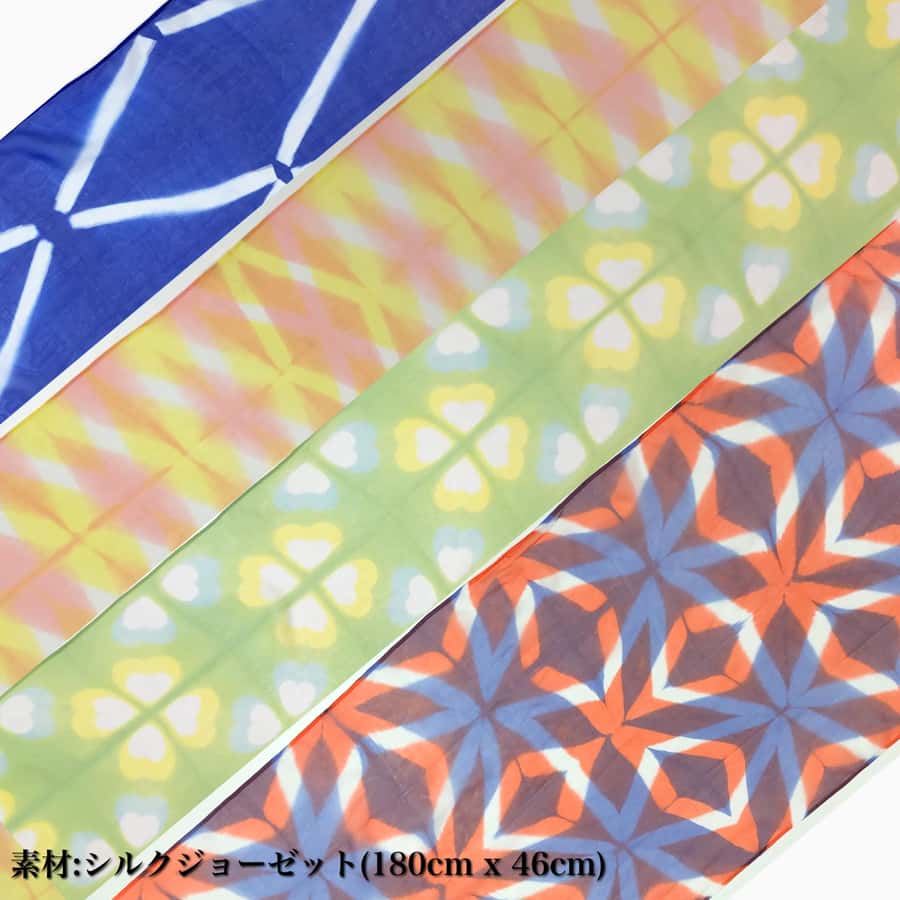
You’ll also have choices of patterns and color ways. That’s a big deal for gift-making. If you’re buying a scarf as a souvenir, you want it to fit your personal style. The ability to pick your look increases the odds you’ll actually wear what you make, not just hang it in a closet.
What you do while your fabric dries: samples, exhibits, and video
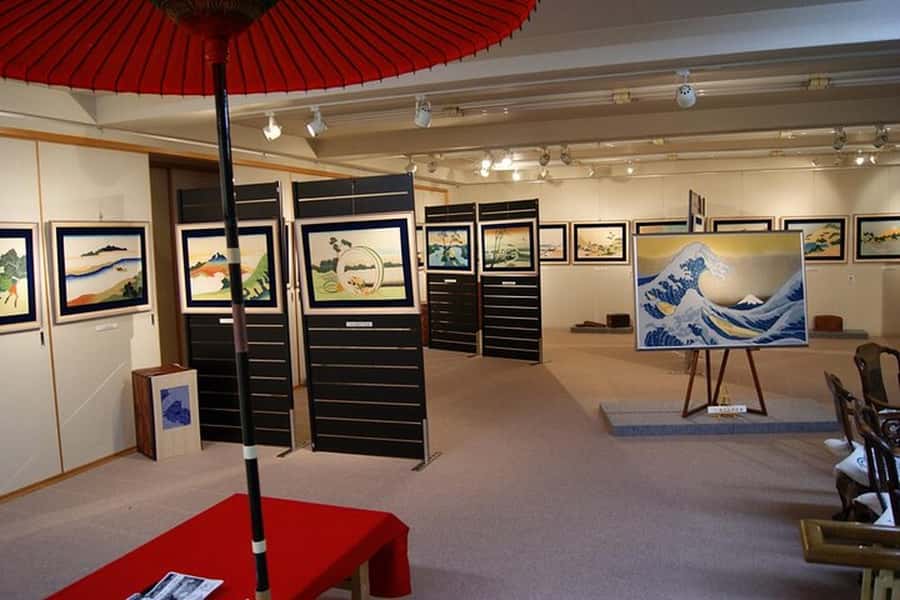
The workshop is designed so you can explore while your scarf finishes its dye and drying stage. That is a smart design choice, because it turns a “waiting period” into actual learning time.
During the wait, you can browse art pieces and samples displayed around the class area. These samples are useful because you can connect what you’re seeing to what you just did. You start noticing how different board shapes lead to different design boundaries, and you see how the two-color approach affects contrast.
Then there’s the upstairs exhibition. The museum has an exhibition space on the first floor and beyond, including a video presentation about shibori. For me, that kind of short video is the glue. You already learned the physical steps at the table, and now you understand the technique at a craft level, with context that helps the scarf feel earned rather than bought.
If you like museums that teach without lecturing, this works well. You are not trapped in a classroom the whole time, and you get to pair making with looking.
A few more Kyoto days to weigh up
- Kyoto Sword Experience – includes Museum Ticket/Ninja Experience
★ 4.5 · 149 reviews - Kyoto: Samurai Ninja Museum guided tour
★ 4.8 · 145 reviews - Ninja Experience (Family Friendly) at Samurai Ninja Museum KYOTO
★ 4.5 · 132 reviews - Samurai Sword Experience (Family Friendly)at SAMURAI MUSEUM KYOTO
★ 4.5 · 63 reviews
Museum shop time: original items, fabrics, and supplies
When your class wrap-up is happening, the museum shop is worth planning a real look through. It is not only a place to buy a scarf at the end. You can browse original items, souvenirs, and fabrics, and you might also find equipment or completed works depending on what the shop is carrying.
This matters because shibori has a lot of “adjacent” products. If you fall in love with the idea while you’re making your own scarf, it helps to see what else exists beyond your exact course. You can compare finished pieces to what you produced, and you can get a feel for how different makers approach color and layout.
Also, this shop time is valuable because it helps you buy smarter. You can look at different fabrics and patterns while the craft is fresh in your mind, so your purchase feels informed instead of impulse-based.
Price and value: what $42 includes and why it feels fair
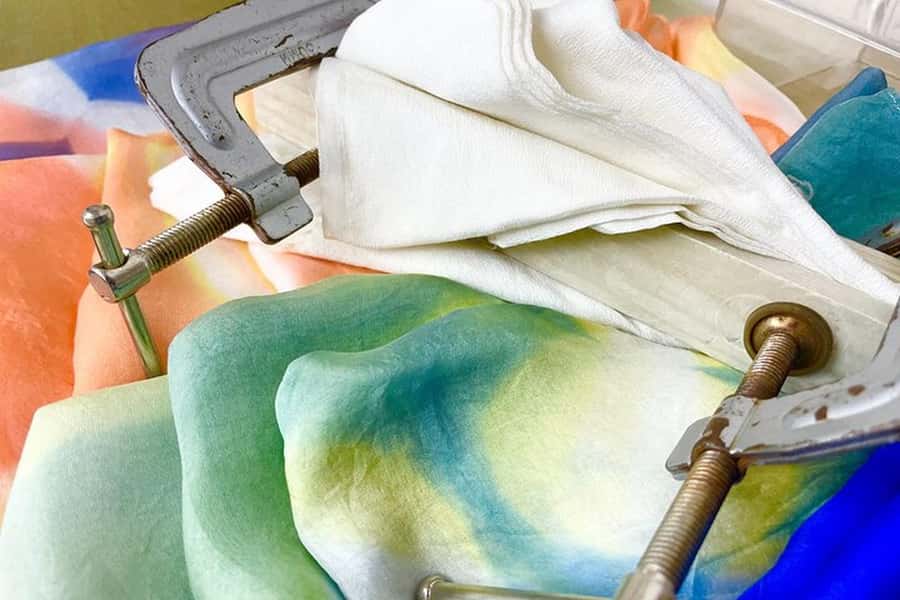
The class price is $42 per person, and the value improves because the workshop includes free admission to the Kyoto Shibori Museum. Museum admission is normally 1,000 yen, so you’re not paying full price twice for entry plus instruction.
Beyond the admission credit, your money is paying for real instruction, a limited group experience, and the process materials that go into dyeing a scarf. You also come away with a finished piece that is described as a beautiful silk scarf in past class feedback. That’s important, because the scarf is both the souvenir and the proof that you learned the process, not just a sample you leave behind.
Is $42 cheap? Not really. But it is in the reasonable range for a hands-on craft class in Kyoto, especially one where:
- the group is capped at 8 participants
- you get ongoing English or Japanese instruction
- you spend time in a museum that specializes in shibori, not a generic stop
If you want a low-commitment cultural activity, this is a good match. If you want something purely entertainment-based, it may feel a bit more structured than you expect, since shibori is taught as a technique with care.
Who this class fits best, and how to get the most out of it
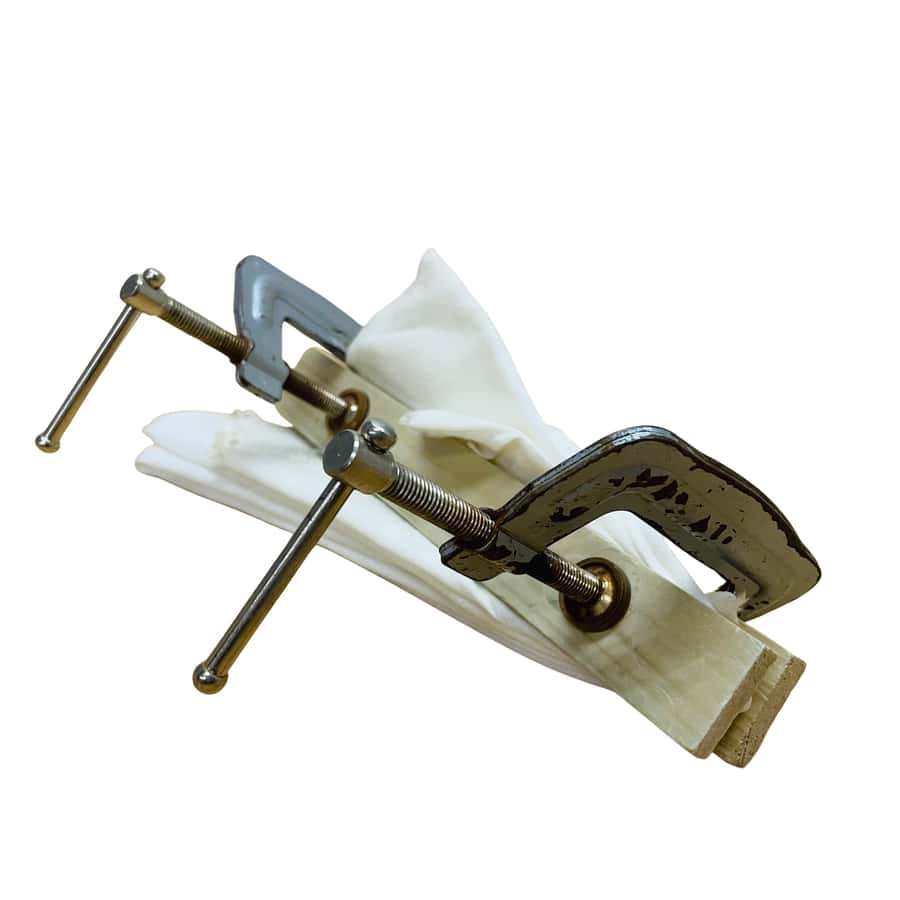
This workshop suits you if you want an experience with clear steps and a concrete take-home result. It also suits you if you’re the type who likes connecting a craft to the objects you see in museums. The upstairs exhibition and the sample displays are not filler here. They support the story of what you’re doing at the table.
It’s especially good if you:
- want a wearable Kyoto souvenir you personally made
- enjoy craft demonstrations and want the hands-on version
- prefer smaller settings where questions are easy to ask
- are near Nijo Castle anyway and want a nearby activity
If you’re short on time, focus on the fact that it runs about 1 hour and you should plan to remain in the museum until your fabric has gone through its drying stage. The schedule is built for that rhythm, so you’ll get a smoother experience if you treat it as a true visit, not something you try to squeeze into a rushed sightseeing gap.
Should you book the Itajime shibori scarf class?
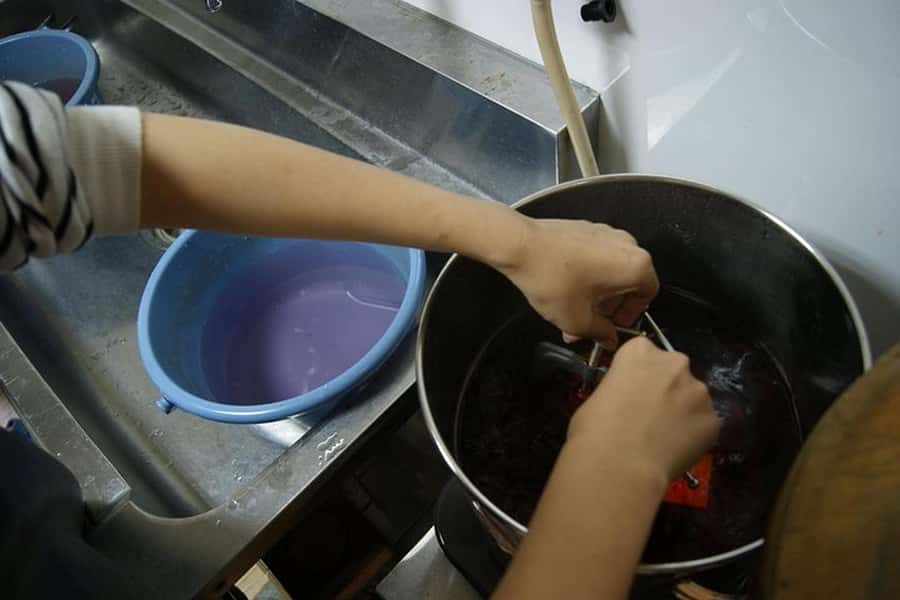
I’d book it if you want a craft you can actually use, a guided process with a small group, and a museum visit that supports what you make. The combination of Itajime board technique, two-color dye results, and staff assistance with quality control makes it feel like you’re learning for real.
Skip it only if you hate waiting for dye to set, or if you’re after a purely passive cultural tour where you don’t get hands-on. In this class, your time is split between making and museum browsing, so it works best when you enjoy both.
If you’re in Kyoto near Nijo Castle, this is a smart use of time, and it has a strong track record, with an overall rating of 4.9 from 24 reviews.
FAQ

How long is the Itajime shibori scarf class?
The class duration is about 1 hour, with availability showing starting times.
How many people are in a group?
This is a small-group workshop limited to 8 participants.
What language is the instruction offered in?
Instruction is available in English and Japanese.
What technique will I learn during the class?
You will learn the Itajime shibori method, where fabric is sandwiched between boards and then dyed to create the pattern, using two dye colors.
What should I do while my fabric is drying?
You can explore displayed shibori pieces and samples while your fabric dries, and you can also enjoy the museum’s exhibition.
Is museum admission included in the price?
Yes. Workshop participants receive free admission to the Kyoto Shibori Museum, which is normally 1,000 yen.
What is the price of the workshop?
The price is $42 per person.
Can I pay later or cancel if plans change?
You can reserve now and pay later, and you can cancel up to 24 hours in advance for a full refund.
Newly listed around Kyoto
- Otagi Nenbutsu Temple and Arashiyama Bamboo Forest Tour★ 5.0 · 37 reviews
- Private Ramen or Gyoza Cooking Class in Kyoto with Chef Midori★ 5.0 · 18 reviews
- Kyoto Private & Personalized Full-Day Tour with a Local Guide★ 4.5 · 31 reviews
- Exclusive Gion Kyoto Photoshoot: A Private Experience★ 5.0 · 11 reviews
- 2-Hour Oriental Body and Head Massage in Kyoto Japan★ 5.0 · 9 reviews
- Nishiki Market, Private Sushi class & Sake Tasting in Townhouse★ 5.0 · 6 reviews
- Nishiki Market Lunch Tour★ 5.0 · 47 reviews
- One-Day Walking Tour : Enjoy Kyoto to the fullest!★ 5.0 · 78 reviews
Museums, compared.

teamLab Planets TOKYO Digital Art Museum Entry Ticket
Read our review →
Samurai Ninja Museum Guided tour and Experience
Read our review →
Tea Museum Tickets and Matcha Grinding Experience
Read our review →
Skip the lines Basic Ticket at SAMURAI NINJA MUSEUM KYOTO
Read our review →
Skip the lines Basic Ticket at SAMURAI NINJA MUSEUM TOKYO
Read our review →
Tokyo Studio Ghibli Museum and Ghibli Film Appreciation Tour
Read our review →
Geiko Maiko Dance of Kyoto & Visits of Gion Museum
Read our review →Browse the lists this tour appears in