Review · TOKYO TOURS
Japan Classic 10 Day – One Life Adventures
Japan in 10 days is intense. This Tokyo to Osaka route is built for travelers who want the big sights plus a few local-feeling moments, without getting bogged down in planning.
I especially like the balance of iconic stops and early timing, like getting moving toward Fushimi Inari before the crowd wave. I also like that the tour keeps you moving with real personality from your leader, like Ashleigh, who brings energy and keeps logistics easy to follow.
The main drawback is pace. This is active and fast-paced, with a lot of walking and several long travel legs, so you’ll want decent stamina and comfy shoes.
In This Review
- Key Points Before You Go
- Tokyo Starts With Senso-ji, Then Shoots to Harajuku and Akihabara
- Tsukiji Sushi Class, Shinjuku Skyline, and Shibuya Crossing Night Feel
- Hakone Ropeway and Lake Ashi Views Without the Tokyo Burnout
- Takayama by Bullet Train: Market Mornings and Sake Tasting
- Takayama Morning Market to Kyoto: Gion, Temples, and That Quiet-into-City Shift
- Fushimi Inari Early Red Gates, Then Kiyomizu-dera Climb
- Golden Pavilion, Daitoku-ji Zen Gardens, and Kendo at Kyoto Budo Center
- Arashiyama Bamboo, Monkey Park, and Rowing Through the Valleys
- Osaka Wrap-Up: Final Tradition and How to Continue After the Tour
- Price and Value for a 10-Day Japan Classic Route
- Who Should Book This Japan Classic, and Who Should Think Twice
- Should You Book Japan Classic 10 Day (One Life Adventures)?
- FAQ
- How long is the Japan Classic 10 Day tour, and where does it start and end?
- What kind of activities are included besides sightseeing?
- Are meals included, and what is not covered?
- Do I need a certain fitness level?
- Is there a mobile ticket for this tour?
- How many people are in a group?
- Is the tour refundable if I cancel or need to change dates?
Key Points Before You Go
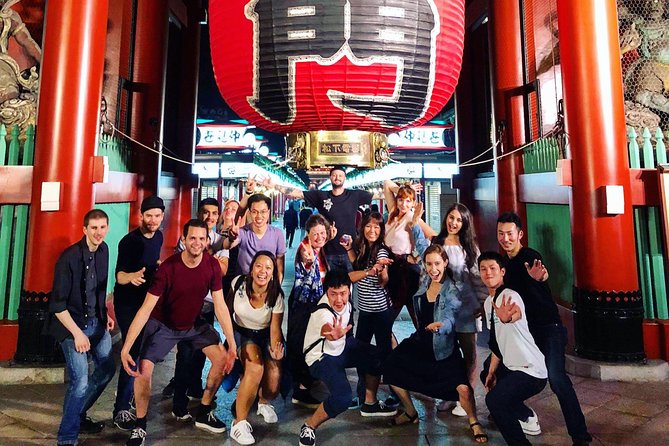
- Small group size (up to 22) means you get help without feeling squeezed.
- Hands-on food moments like sushi making class and local tastings make the days more memorable.
- Early-morning temple strategy helps you see places like Fushimi Inari with breathing room.
- Great “city to nature” rhythm goes Tokyo neon, then Hakone and Lake Ashi, then back into classic Kyoto.
- Kyoto practice experiences go beyond photos with a Kendo class at Kyoto Budo Center.
- Osaka night energy finishes strong with Dotonbori lights, a food tour, and karaoke.
Tokyo Starts With Senso-ji, Then Shoots to Harajuku and Akihabara
Tokyo can overwhelm you fast, so I like that the trip begins with Senso-ji, one of the most important temples in the city. You get to see the classic red temple vibe right away, then settle into the group dinner to meet people and get your bearings.
Day 2 adds structure with an orientation class focused on Japanese customs and simple phrases. That matters more than you think. When you can ask for help, read basic etiquette, and handle small moments politely, the rest of Tokyo feels smoother.
From there, the itinerary bounces through three very different neighborhoods. Harajuku is the teen-culture hotspot, Meiji Jingu Shrine sits in a calmer pocket near Yoyogi Park, and then Akihabara takes you full neon and gadget mode. The good value here is contrast. You’re not just collecting sights, you’re seeing how Tokyo changes every few train stops.
Practical note: Harajuku and Akihabara are great for wandering, but they are also where you’ll do a lot of walking. Plan for that mentally, and bring layers because Tokyo weather can flip on you.
A few more Tokyo days to weigh up
- Mt Fuji and Hakone 1-Day Bus Tour Return by Bullet Train
★ 5.0 · 26,383 reviews - 1-Day Tokyo Bus Tour
★ 5.0 · 14,250 reviews - Tokyo: TOKYO SKYTREE® Admission ticket
★ 4.5 · 11,192 reviews
Tsukiji Sushi Class, Shinjuku Skyline, and Shibuya Crossing Night Feel
Day 3 leans hard into food and high-energy city views. You start at Tsukiji Fish Market, described as the birthplace of famous sushi. Even if you’re not a seafood superfan, this stop is about understanding Japanese food culture up close, and you’ll see why sushi is treated like a craft.
The highlight is the sushi making class that follows the market tour. You’re taught how to roll sushi and even fry teriyaki, so you end the day with a skill you can remember long after the trip. This is one of the experiences that justifies time on a group itinerary, because you’re not just watching, you’re doing.
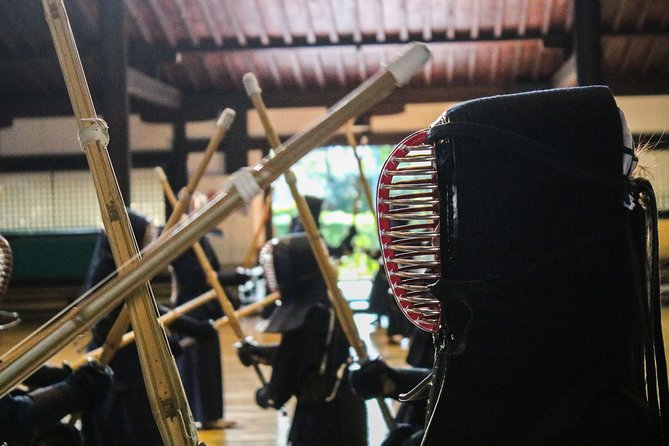
After that you clean up and head to the Tokyo Metropolitan Government Building observation decks for a wide skyline view over Shinjuku. Then it’s quick yakitori and beer at Omoide Yokocho, also known as Piss Alley, before the day ends at Shibuya Crossing. That sequence is smart: food, then views, then the most famous crossing in the world.
If you like nightlife energy, you’ll probably be tempted to keep going after the official stops. The tour does not push that extra time, but the atmosphere will make you want it.
Hakone Ropeway and Lake Ashi Views Without the Tokyo Burnout
Day 4 is your “get out of the city” reset. You leave Tokyo on the Romance Car, then check into a mountain guesthouse in Hakone. This change of air and scenery is a big reason people fall for Japan. One moment you’re in train-station chaos, the next you’re surrounded by mountains.
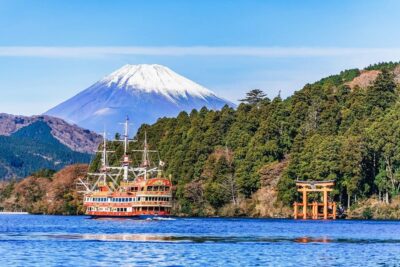
You spend time on the Hakone Ropeway, then head to Lake Ashinoko for a pirate ship ride. The itinerary notes that on a clear day, you can get an amazing view of Mount Fuji. Clear skies are never guaranteed, but you still get the payoff of open water and dramatic scenery.
Dinner is a traditional nabe meal at the guesthouse. I like this kind of included dinner on travel days because it removes decision fatigue. You’re less likely to end up hungry and stressed after transit.
Main consideration: Hakone days can involve steps, rides, and time spent outdoors. If it’s rainy or cold, dress for it. You’ll still get a good experience, just with more layers and a slower pace while you look around.
Takayama by Bullet Train: Market Mornings and Sake Tasting
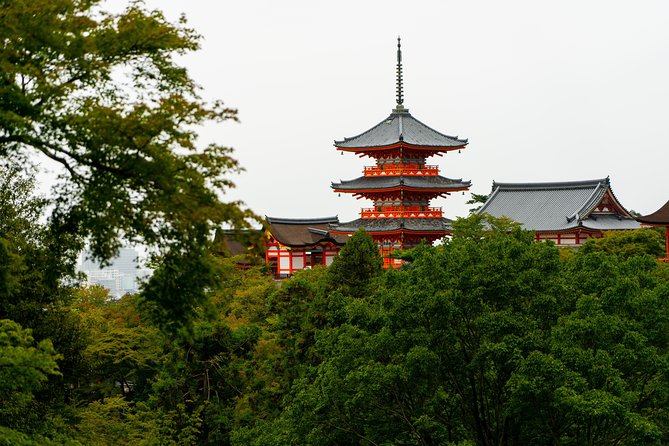
Day 5 switches regions with a bullet train and a scenic rail journey through the mountains toward UNESCO World Heritage area scenery (the schedule hints at this without locking you into one single site). The travel itself becomes part of the show in Japan, and this routing is built for that.
In the afternoon, you do Harada Sake Brewery, with sake tasting and even an option to treat yourself to Hida beef. This is one of those “local economy” stops that feels grounded. It’s not just souvenir tasting. You get a real sense of what the region is known for, and you’ll likely learn what makes its sake style different.
If you’re a foodie, this day has a lot going for it. If you’re not, it still gives you a break from constant temple hopping. You get flavors, craft, and a slower rhythm heading into sleep.
A different sort of day in Japan:
- Tokyo: teamLab Planets TOKYO Digital Art Museum Entry Ticket
★ 4.6 · 9,779 reviews - Mt Fuji & Hakone Cruise, Drum Show Bullet Train 1 Day from Tokyo
★ 4.0 · 7,413 reviews - Tokyo: Sumo Show Experience with Chicken Hot Pot and a Photo
★ 4.8 · 6,678 reviews - Tokyo: Shinjuku Food Tour (13 Dishes at 4 Local Eateries)
★ 5.0 · 6,603 reviews
Takayama Morning Market to Kyoto: Gion, Temples, and That Quiet-into-City Shift
Day 6 begins with the Hida-Takayama Miyagawa Morning Market along the Miyagawa River. Morning markets in Japan have a special energy, and the tour’s walking approach helps you see the town at a human pace. You also get a guided flow to keep the morning from turning into aimless wandering.
Then it’s back by train to Nagoya and onward to Kyoto by final bullet train leg. Kyoto is where the itinerary starts to feel more spiritual and more detail-focused.
Gion is the evening highlight, with famous shrines, temples, and the Geisha district vibe. The tour frames it as a way to find inner peace and get lost in small alleyways. That’s a key message. Kyoto is not a check-the-box city. You’ll enjoy it more if you’re willing to let the streets guide you.
Main consideration: Kyoto evenings can draw crowds. The tour gives you a guided structure, but you should still plan for some squeeze in narrow lanes.
Fushimi Inari Early Red Gates, Then Kiyomizu-dera Climb
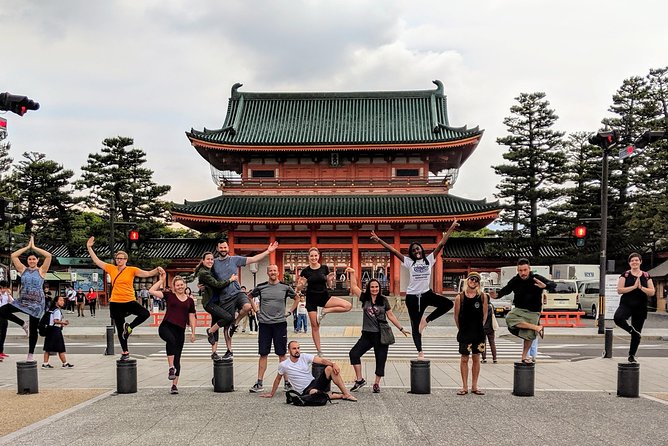
Day 7 is a classic Kyoto day, but the itinerary emphasizes the timing. You rise early for Fushimi Inari-taisha Shrine and use the subway to arrive before the crowds. That early arrival is not just a nice-to-have. It changes the experience from hectic to almost meditative.
Fushimi Inari’s corridor of red gates is where people come for photos, but the real value is walking through it and feeling the scale. Even when you know the image online, it’s still bigger in real life.
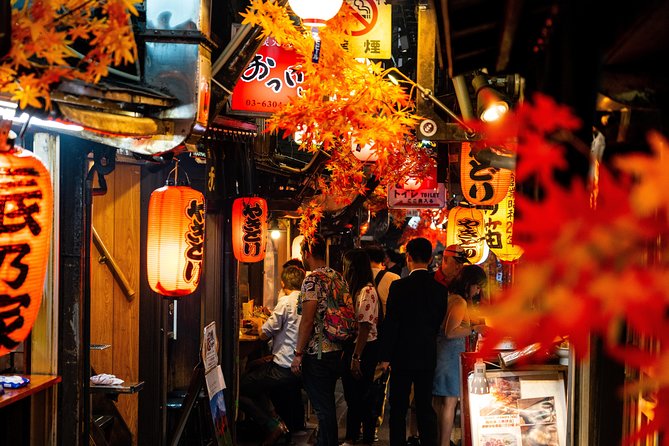
Then you head to Kiyomizu-dera Temple, with a wooden and bamboo complex perched on the mountainside. This is a walking-heavy stop, with stairs and viewpoints. If you want the best photos, you’ll end up standing in lines and waiting in spots, but you’ll also get those wide temple views that make the climb worth it.
Breakfast and hostel time are built in before the Kiyomizu segment, which is useful. You’re not running on pure adrenaline the whole day. You can reset and keep moving.
Golden Pavilion, Daitoku-ji Zen Gardens, and Kendo at Kyoto Budo Center
Day 8 layers three different kinds of Kyoto beauty, which is exactly what makes the trip feel complete.
Kinkakuji Temple, the Golden Pavilion, gets your attention first. The tour notes the gold-laden building with lakes and reflections. Even if you’ve seen it before, reflections and color change the whole experience. You might notice how the light shifts as you move around.
Then you head to Daitoku-ji, chosen as a quieter option away from main districts, where you visit zen gardens. I like this because it helps you see that Kyoto isn’t only about the headline monuments. Quiet spaces help you slow down and actually look.
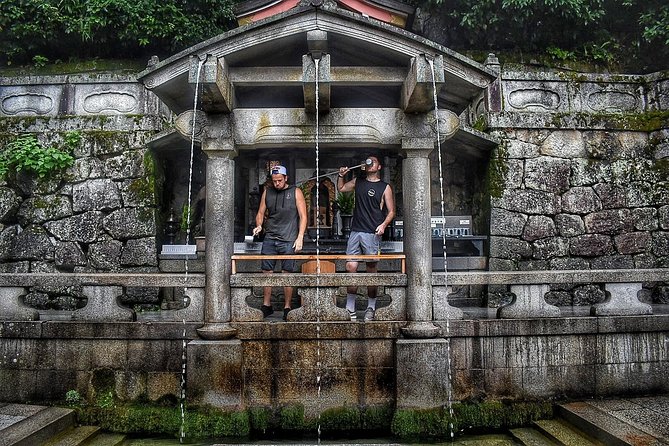
The afternoon switches gears again with Kendo at Kyoto Budo Center. The schedule describes an authentic Bushido instructor, a descendant of a Japanese Samurai Warrior. Even if you’re not big on martial arts, the respectful dojo format can be a highlight. You’re learning about discipline and posture, not just watching a performance.
If you’re worried this will feel touristy, it likely won’t. The structure of a class tends to keep you focused, and you’ll leave with something practical in your mind, not just images on your camera roll.
Arashiyama Bamboo, Monkey Park, and Rowing Through the Valleys
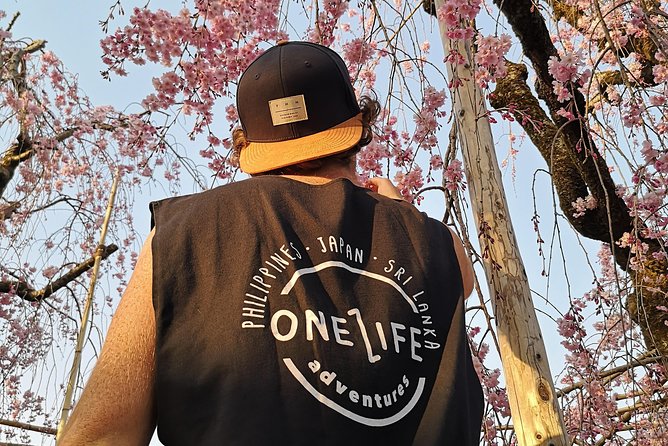
Day 9 is nature plus motion plus Osaka lights. You start by heading to Arashiyama district to beat crowds, with time in bamboo forest areas and the wider valley setting. The tour includes Monkey Park Iwatayama, where you climb steps to see Japanese macaques.
Monkey Park is not for everyone, because it involves climbing. The payoff is that it’s a different kind of Japan moment, wildlife viewing with a viewpoint reward.
Then you shift to a private row boat ride through valleys using a more traditional way of exploring. The schedule keeps this short, but it’s a nice change from temples and shopping streets. It also breaks up the day before the big transfer.
Finally, you move to Osaka. After checking in, you head to Dotonbori and take part in a food tour. Dotonbori is known for lights, color, and lively street scenes, and the tour frames it as the kitchen of Japan. The evening ends with karaoke, which is a very Japan way to end a hectic day.
Main consideration: After a nature-packed morning, Osaka can feel like a switch flipped. If you’re sensitive to crowds, take breaks when you can, especially around dense food streets.
Osaka Wrap-Up: Final Tradition and How to Continue After the Tour
Day 10 is a breather day that still stays connected to the vibe. The itinerary keeps it as a full day in Osaka, then says goodbye to your group and new friends.
Because this tour finishes at your accommodation in Osaka, you’re not stuck trying to find your own way immediately after the last sightseeing push. The tour also provides extremely detailed instructions on reaching the airport, and it can arrange bullet trains back to Tokyo at an additional cost if you want to continue exploring.
This is a practical ending, especially for first-time Japan visitors. It reduces the “what now” stress that can happen at the end of fast itineraries.
Price and Value for a 10-Day Japan Classic Route
At $6,629 for about 10 days, this is not a budget-only trip. But it can make sense if you value structure, included meals, and guided time in multiple regions.
Here’s why the cost can feel justified:
- You’re spanning Tokyo, Hakone, Takayama, Kyoto, and Osaka. That alone usually means expensive, time-consuming planning.
- You get included meals: lunch throughout, plus 4 breakfasts and 3 dinners. Meals are one of the easiest costs to underestimate in Japan, so having parts covered helps.
- You’re getting several ticketed experiences marked as included, including things like sushi making and select transport experiences within the schedule.
- You’re traveling with a guide and staying in a group capped at 22, which can make the day-to-day feel simpler than independent travel.
The tradeoff is that you’re paying for convenience and timing, not for downtime. If you like slow travel, this won’t match your style.
Who Should Book This Japan Classic, and Who Should Think Twice
This tour fits best if you:
- Like packed itineraries and hate wasting hours trying to figure out the next move.
- Want food experiences that go beyond restaurant recommendations.
- Are excited by a mix of neon cities, temple culture, and classic scenery stops like Lake Ashi.
- Don’t mind early mornings, crowded train rides, and lots of stair moments.
It may not fit if you:
- Get worn down quickly by long transit days.
- Need a very relaxed pace with lots of free time to wander on your own.
- Prefer to choose each meal and attraction completely independently, without guidance.
One more note: the tour requests a moderate physical fitness level for the walking and active style. If you’re on the fence, think about your usual daily routine and whether you can comfortably walk for hours.
Should You Book Japan Classic 10 Day (One Life Adventures)?
I’d book it if you want a tour that treats Japan like a living story. You’ll see Tokyo’s main energy, escape to Hakone for mountain views, experience Takayama food and sake culture, spend Kyoto time in both famous and quieter temple settings, then end in Osaka with food and karaoke.
You should skip it if you’re chasing relaxation or you don’t like being on the move most days. This itinerary is designed to move, and it rewards people who show up ready for the pace.
FAQ
How long is the Japan Classic 10 Day tour, and where does it start and end?
The tour runs for about 10 days. It starts in Tokyo, Japan and finishes in Osaka, Japan.
What kind of activities are included besides sightseeing?
You’ll have hands-on and experience-focused activities like a sushi making class at Tsukiji, a sake tasting at Harada Sake Brewery, a Kendo class at Kyoto Budo Center, and a food tour in Dotonbori. There is also karaoke in Osaka.
Are meals included, and what is not covered?
Lunch is included, along with 4 breakfasts and 3 dinners. Tipping is not included, and pre and post tour accommodation, arrival and departure transfers, international flights, and travel insurance are not included.
Do I need a certain fitness level?
Yes. The tour notes a moderate physical fitness level is recommended because it is an active, fast-paced backpacking style tour with a lot of walking.
Is there a mobile ticket for this tour?
Yes. The tour includes a mobile ticket.
How many people are in a group?
The tour has a maximum of 22 travelers.
Is the tour refundable if I cancel or need to change dates?
No. The experience is non-refundable and cannot be changed for any reason. If you cancel or ask for an amendment, the amount you paid is not refunded.
Newly listed around Tokyo
- Private Tokyo Tour with Licensed Guide & Vehicle (Max 15 persons)★ 5.0 · 107 reviews
- Private Tokyo Food Tour – A Journey Through Time Through Food★ 5.0 · 36 reviews
- Private Tokyo Custom Full-Day Tour by Chartered Vehicle★ 5.0 · 16 reviews
- Private Tokyo Custom Half-Day Tour by Chartered Vehicle★ 4.5 · 13 reviews
- Private Outstanding Nikko Tour with English Speaking Driver★ 4.0 · 11 reviews
- Private Sightseeing to Mt Fuji and Hakone with English Driver★ 5.0 · 51 reviews
- Private Snow Monkeys park Day Trip From Tokyo or Nagano★ 4.5 · 26 reviews
- 4 Day Tour – Mount. Fuji, Tokyo, Hakone, Kamakura and Yokohama★ 5.0 · 19 reviews
Tokyo Tours, compared.
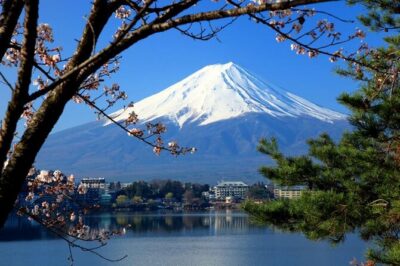
Mt Fuji and Hakone 1-Day Bus Tour Return by Bullet Train
Read our review →

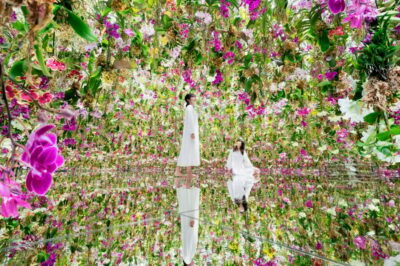
teamLab Planets TOKYO Digital Art Museum Entry Ticket
Read our review →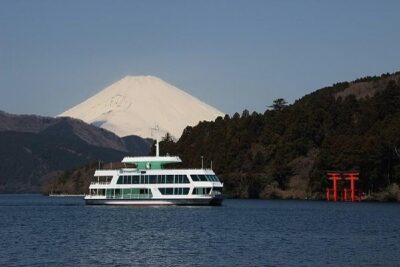
Mt Fuji & Hakone Cruise, Drum Show Bullet Train 1 Day from Tokyo
Read our review →
Sumo Show Experience with Chicken Hot Pot and a Photo
Read our review →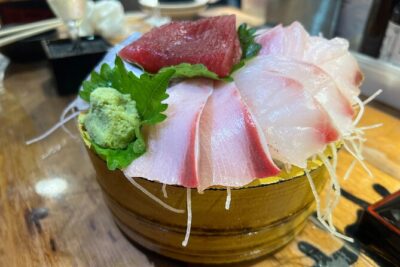
Shinjuku Food Tour (13 Dishes at 4 Local Eateries)
Read our review →