
Review · FOOD TOURS IN TOKYO
Japanese Whisky Hunting《HIGH-QUALITY-ONLY》Rare Tasting Class
Japanese whisky gets way more fun with a guide. This Tokyo class focuses on high-quality-only rare drams and pairs each pour with Japanese sweet treats, so you taste more than you drink. You also leave with a surprise souvenir and plenty of time to ask questions.
I love the setup because the tastings are small, so the host can adjust the experience to your reactions and what you want to learn. I also like that you get photos during the tour, which is handy when you want a nice memory without awkward camera juggling.
One drawback to plan for is that it can be held very small, often up to 4 people, so it tends to sell out. Also note there is no air-conditioned vehicle included, so think about the weather on your way in.
In This Review
- Key things to know before you go
- Easy Tokyo start point, fast access from Shinjuku and Shibuya
- Small-group format, and why it changes everything
- What you actually taste: around 10 rare pours from across Japan
- Brunch snacks and Japanese sweet pairings that make the whisky make sense
- Photos, Q&A, and hosts who help you remember the details
- The surprise souvenir, plus how to use what you learned
- Who should book this Japanese whisky hunting class
- Should you book Japanese Whisky Hunting《HIGH-QUALITY-ONLY》Rare Tasting Class?
- FAQ
- How long is the Japanese Whisky Hunting rare tasting class in Tokyo?
- Where do I meet for the tour?
- What is the price per person?
- How many whiskies will I taste?
- What food and drinks are included?
- Is there an air-conditioned vehicle included?
- How big is the group?
- Is there anything extra for guests traveling with children?
- Do I need to pay the guide for meals or drinks?
- What happens if weather is poor or the minimum group size is not met?
Key things to know before you go
- Small-group format with lots of Q&A, so you are not just passively tasting.
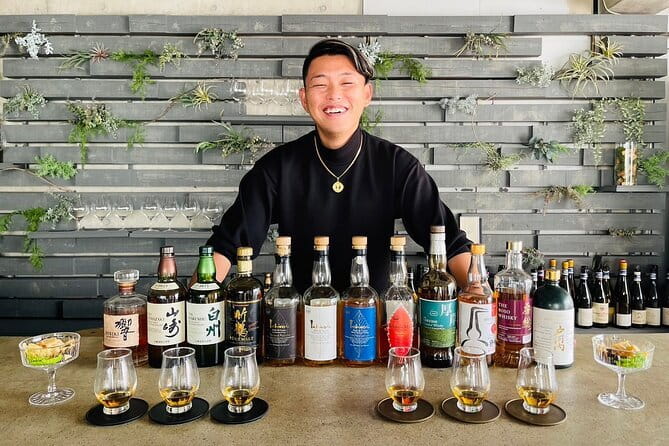
- Around 10 Japanese whiskies from across Japan, and the bottles may change based on what is available.
- Thoughtful tasting order, with pours that make sense for your palate.
- Brunch snacks and small Japanese desserts paired alongside the whisky.
- A surprise souvenir plus bottled water and a soft drink for chasing.
- Photo help from your host, so you can actually enjoy the experience.
Easy Tokyo start point, fast access from Shinjuku and Shibuya
This experience launches close to transit, which matters in Tokyo. The meeting point is just about 10 seconds from Yoyogi-Uehara Station, and it is also around 10 minutes from Shinjuku and Shibuya. That means you can often fit the timing around dinner plans without spending half your day commuting.
You do not need a complex plan to get there, either. If you are staying anywhere near Shinjuku or Shibuya, you can use rail to get yourself to Yoyogi-Uehara, then walk a few seconds and you are there. I like tours like this because you are not burning energy figuring out transportation once you are already excited about tasting.
Also, this is a short commitment. The class is about 2 hours, so it works well as an evening activity or a daytime reset when you want something social but not too long. Bring a normal appetite. You will have brunch-style Japanese snacks and small desserts included, but do not assume you will skip real food later if you are a big eater.
Finally, keep weather in mind. The experience notes that it requires good weather, and if it is canceled for poor weather you will be offered another date or a full refund. That is not something you want to ignore in Tokyo when plans can change fast.
More Food Tours in Tokyo
- Tokyo: Shinjuku Food Tour (13 Dishes at 4 Local Eateries)
★ 5.0 · 6,603 reviews - Tokyo Tsukiji Fish Market Food and Culture Walking Tour
★ 5.0 · 3,184 reviews - Tokyo: Shinjuku Food Tour (15 Dishes and 4 Eateries)
★ 4.9 · 2,033 reviews
Small-group format, and why it changes everything
The biggest promise here is not just whisky. It is the class size and the way the host can interact with you. The experience can accommodate up to 6 travelers, and the notes explain that the tour is often held even smaller, typically up to 4 people, so you can talk through your preferences and ideas about Japanese whisky in depth.
This matters because Japanese whisky can feel confusing fast. There are different styles, age statements, and house flavors. When your group is small, the host can slow down, answer follow-up questions, and guide the tasting order in a way that matches your palate. You are more likely to come away with actual understanding, not just a collection of labels.
In past sessions, hosts like Shugo, Dan, Yukata, and Hayato have been mentioned by name in the experience feedback. The common thread is that they focus on conversation, adjusting tastings to the group, and helping you make sense of what you are tasting. You should expect a relaxed vibe, not a stiff classroom.
One more practical point: this tour is flagged as often sold out. If Japanese whisky is on your must-do list, book early. That small-group limit is the reason the experience can stay intimate and interactive, so you lose something if you wait too long.
What you actually taste: around 10 rare pours from across Japan
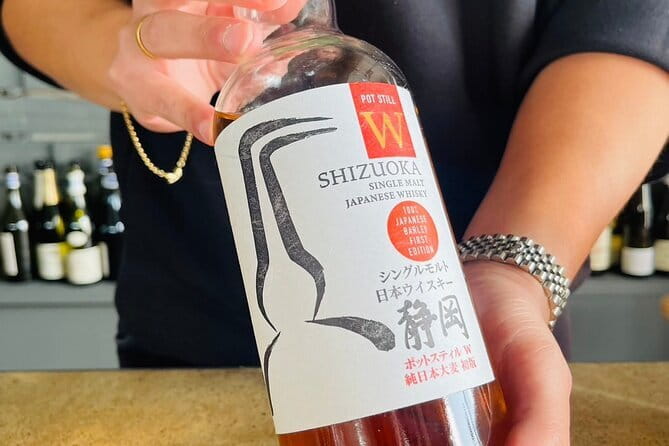
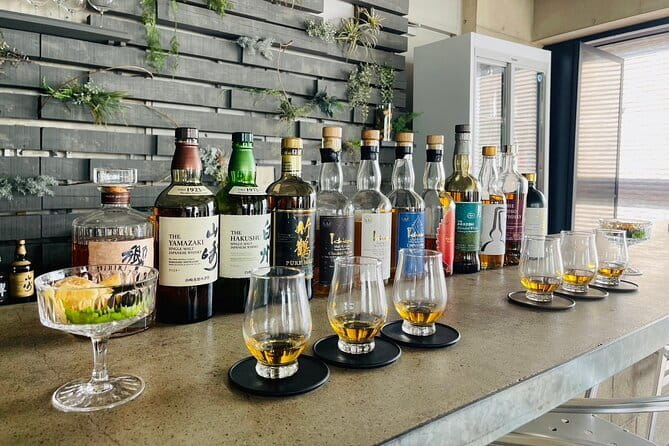
The core of the class is the whisky. You are served about 10 types of Japanese whiskey, collected from all over Japan. The exact bottles may change depending on the professional market at the time, and the tour notes make it clear that substitutions can happen to pick the best stock available.
So treat this as a tasting program, not a fixed menu. That is often a good thing. A host can respond to what is fresh, what is in demand, and what they think you will enjoy learning from. It also means you are unlikely to show up and get the exact same set as the person next to you on a different day.
A standout detail is the pacing and ordering. One common theme in the feedback is that the order of the whiskies feels thoughtful, and the host uses that progression to help you taste differences more clearly. You can think of it as a guided palate walk, where each pour makes the next one easier to interpret.
The class also includes bottled water and a soft drink for chasing. That sounds basic, but it is actually part of making the tasting work. When you can reset your palate between drams, you get more detail out of each bottle and you are less likely to end up with everything tasting similar by the end.
One more thing to expect: the tasting is not just for people who already know everything. It is designed for those who are curious and want to learn what to look for. If you are new, ask simple questions early, like what style you like best (or least), then watch how the host steers later pours.
Brunch snacks and Japanese sweet pairings that make the whisky make sense
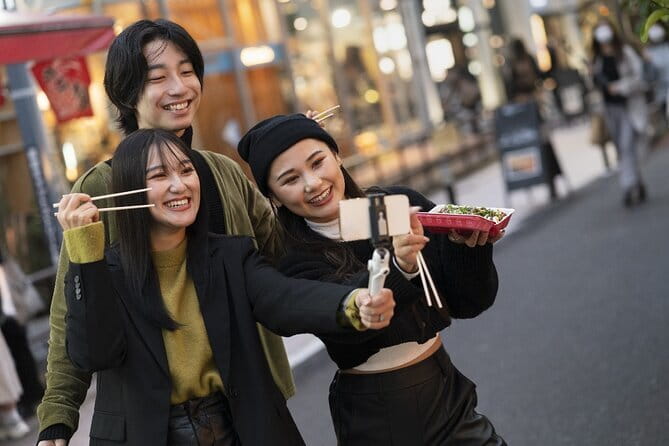
The food is not an afterthought here. You get brunch Japanese snacks plus a small Japanese dessert included with the tasting. Each drink is paired with local sweet treats, and that pairing is part of the educational value.
Here is why it matters: whisky tasting is easier when you can compare flavors. Sweet bites can highlight fruit notes, caramel-like tones, or the way a finish lingers. The snacks give your palate a reference point, so you start noticing what the whisky is doing instead of only judging it as smooth, smoky, or strong.
Also, the included snacks help you enjoy the full experience without feeling stuck waiting for your next meal. Since the tour is about 2 hours, you want something satisfying in your stomach. You will not be paying your guide for food or drinks, so the included bites are part of the deal.
I recommend coming hungry but not empty. If you arrive with nothing in your system, whisky tasting can get overwhelming even if the pours are paced well. If you arrive after a huge meal, the sweetness might feel like overload. Aim for a normal appetite, then let the pairing guide you.
And keep an eye on your own preferences. The host may cater to what you like, and the snacks plus desserts are part of that customization. If you find a sweetness that works with a certain dram, mention it. That kind of feedback helps the host choose the right next bottle and makes the class feel tailored to you.
A few more Tokyo days to weigh up
- Tokyo: Tsukiji Fish Market Food and Walking tour
★ 5.0 · 1,724 reviews - Shinjuku Izakaya Food Tour
★ 5.0 · 1,041 reviews - Eat and Drink Like a Local: Tokyo Ueno Food Tour-Taverns&Ramen
★ 5.0 · 957 reviews - Tokyo: Shibuya Food Tour (13 dishes and 4 Eateries)
★ 5.0 · 770 reviews
Photos, Q&A, and hosts who help you remember the details
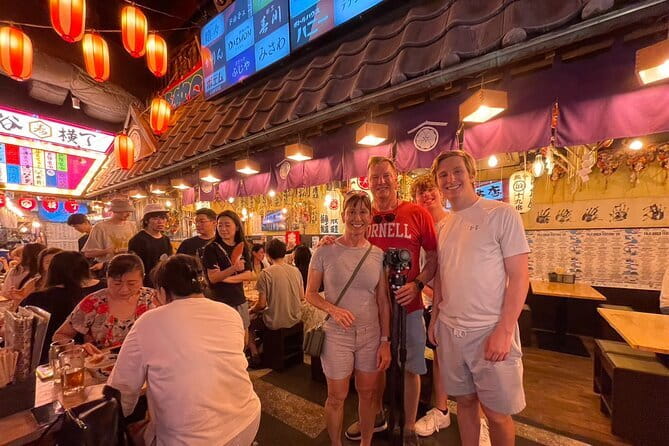
You get something small that ends up being big: photos during the tour. That is useful because Japanese whisky is not just about drinking, it is also about people, bottles, and the moment. If you are traveling with friends or alone, having the host capture a few photos can save you from awkwardly asking strangers for help.
Just as important, you will have time for questions. The format is intentionally small so the host can answer in real time. That is where the learning comes in. Instead of just hearing general facts, you can ask about what you tasted, why it tastes that way, and how Japanese brands differ from what you might be used to.
Based on the feedback, the guides frequently share both history and current brands. That combo is practical. History gives you context for why styles developed, and current labels help you translate what you learned into what to buy later.
When you talk with the host, do not be afraid to be specific. If you like a whisky that feels light and floral, ask what production or style choices might be behind that. If you found a dram too intense, say that too. In a small group, it is usually easy for the host to adjust the direction of the tasting.
And yes, expect a friendly atmosphere. Hosts named in the experience feedback, like Shugo and Dan, are described as making people feel welcomed, chatting about Japanese culture, and keeping the evening relaxed.
The surprise souvenir, plus how to use what you learned
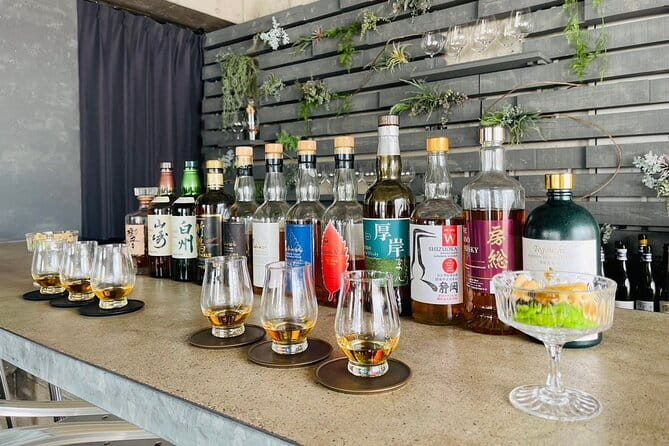
At the end, you receive hidden souvenirs. The exact item is not described in detail, but you should go in knowing it is part of the experience. Think of it as a thank-you for participating and a way to keep the class in your memory after you get home.
You also get a practical win: recommendations you can actually use. The host can guide you toward bottles you might want to look for later, especially when you tell them what worked for you. That is where the learning becomes valuable, because Japanese whisky can be tricky to shop for in your home market.
After your last pour, I suggest doing two things. First, jot down the whiskies you liked most, even if it is just the styles (not all labels are easy to remember later). Second, pay attention to what pairings worked for you. If you remember that a certain sweet snack made a dram feel more approachable, you can use that as a personal buying filter.
If you are traveling with friends, compare notes right away. The best part about tasting is that the group reactions help you understand what differences you might have missed. If you are alone, ask the host one final question before you wrap up, like what bottle they think a new whisky drinker should try next based on your favorites.
Who should book this Japanese whisky hunting class
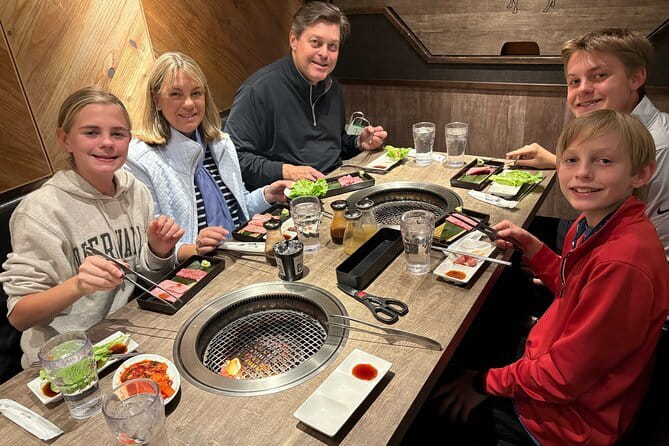
I think this is a great fit if you want Japanese whisky without the stress of researching every bar in Tokyo. The class gives you a structured introduction, around 10 types, with food and conversation built in.
It is also ideal if you like small-group activities. Since the tour often runs up to 4 people, you get more face time with the host, more chances to ask questions, and less waiting for attention while the group chat moves on.
You might especially enjoy it if you:
- are curious about Japanese whisky styles and want a guided order for tastings
- like paired food and want the sweetness to help you notice flavors
- want photo help so you can keep a real memory of the night
You might skip it if you strongly prefer a large, lively public event. This is more intimate and conversational than party-style. Also, plan for the possibility of selling out, since the small-group limit is part of the concept.
Should you book Japanese Whisky Hunting《HIGH-QUALITY-ONLY》Rare Tasting Class?

Yes, if you want a high-quality Japanese whisky tasting with real guidance, not just a flight. The value is in the combination: around 10 whiskies, included Japanese snacks and dessert, bottled water and soft drink, photo help, and a surprise souvenir. For $110.62 for about two hours, it is not cheap, but it is reasonable for a guided tasting where the bottles can change and the host tailors the experience.
Book early because it can sell out. Bring a curious mindset, and be ready to ask what you want to taste next. If you do that, you will leave with a clearer sense of what you like in Japanese whisky, and you will have a fun Tokyo story to go with it.
FAQ
How long is the Japanese Whisky Hunting rare tasting class in Tokyo?
It lasts about 2 hours.
Where do I meet for the tour?
The start point is near Yoyogi-Uehara Station, at 3 Chome-8 Nishihara, Shibuya, Tokyo 151-0066, Japan. The activity ends back at the meeting point.
What is the price per person?
The price is $110.62 per person.
How many whiskies will I taste?
You can expect around 10 types of Japanese whiskey. The exact selection may change depending on what is available.
What food and drinks are included?
You get brunch Japanese snacks and a small Japanese dessert, plus bottled water and a free soft drink to chase. Photos are included as well.
Is there an air-conditioned vehicle included?
No. An air-conditioned vehicle is not included.
How big is the group?
The experience can accommodate up to 6 travelers, and it is often held in a smaller group (up to 4 people).
Is there anything extra for guests traveling with children?
Babysitting services are available for an extra fee. The notes say you can contact the team for details.
Do I need to pay the guide for meals or drinks?
No. The notes say there is no need to pay for meals and drinks to the guide.
What happens if weather is poor or the minimum group size is not met?
The experience notes it requires good weather. If canceled due to poor weather, you’ll be offered another date or a full refund. If canceled because the minimum number of travelers is not met, you’ll also be offered a different experience or a full refund.
Newly listed around Tokyo
- Private Tokyo Food Tour – A Journey Through Time Through Food★ 5.0 · 36 reviews
- Private Tokyo Tour with Licensed Guide & Vehicle (Max 15 persons)★ 5.0 · 107 reviews
- Private Tokyo Custom Full-Day Tour by Chartered Vehicle★ 5.0 · 16 reviews
- Private Tokyo Custom Half-Day Tour by Chartered Vehicle★ 4.5 · 13 reviews
- Private Sightseeing to Mt Fuji and Hakone with English Driver★ 5.0 · 51 reviews
- Private Snow Monkeys park Day Trip From Tokyo or Nagano★ 4.5 · 26 reviews
- Private Outstanding Nikko Tour with English Speaking Driver★ 4.0 · 11 reviews
- 4 Day Tour – Mount. Fuji, Tokyo, Hakone, Kamakura and Yokohama★ 5.0 · 19 reviews
Food Tours in Tokyo, compared.
Shinjuku Food Tour (13 Dishes at 4 Local Eateries)
Read our review →
Tokyo Tsukiji Fish Market Food and Culture Walking Tour
Read our review →
Shinjuku Food Tour (15 Dishes and 4 Eateries)
Read our review →
Eat and Drink Like a Local: Tokyo Ueno Food Tour-Taverns&Ramen
Read our review →
Tsukiji Fish Market Food and Culture Walking Tour
Read our review →Browse the lists this tour appears in