
Review · SHRINE & TEMPLE VISITS
Kamakura Temples Private Guided Tour from Tokyo
Kamakura in one day, without the hassle. I like that you get a private, English-speaking licensed guide and a tight route that hits the big spiritual sights plus a real lunch break. It is built for first-timers who want meaning, not just photos.
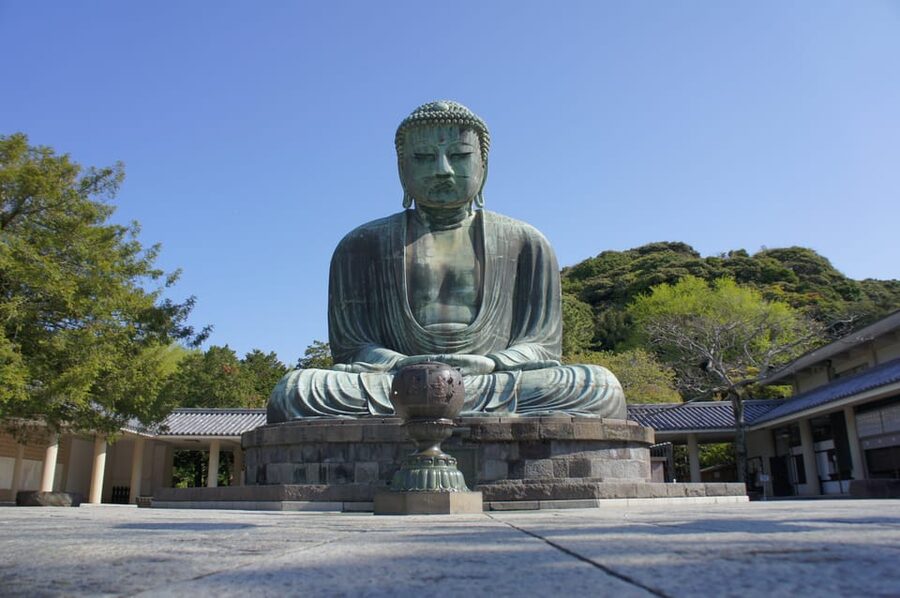
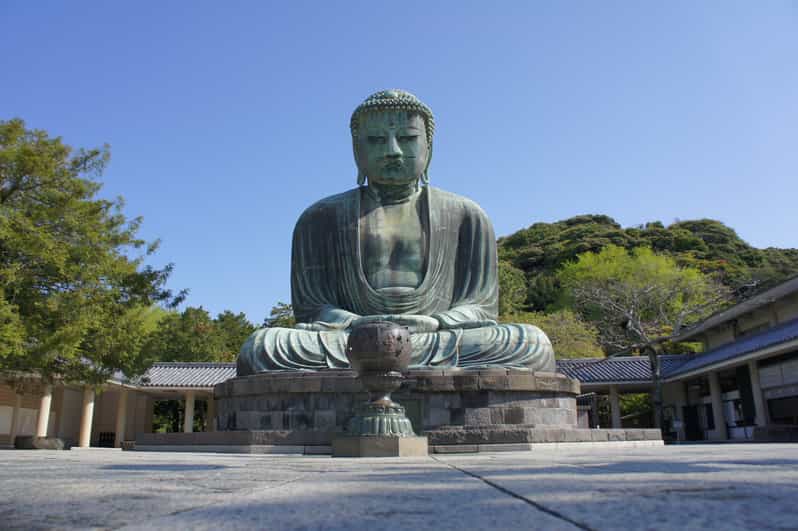
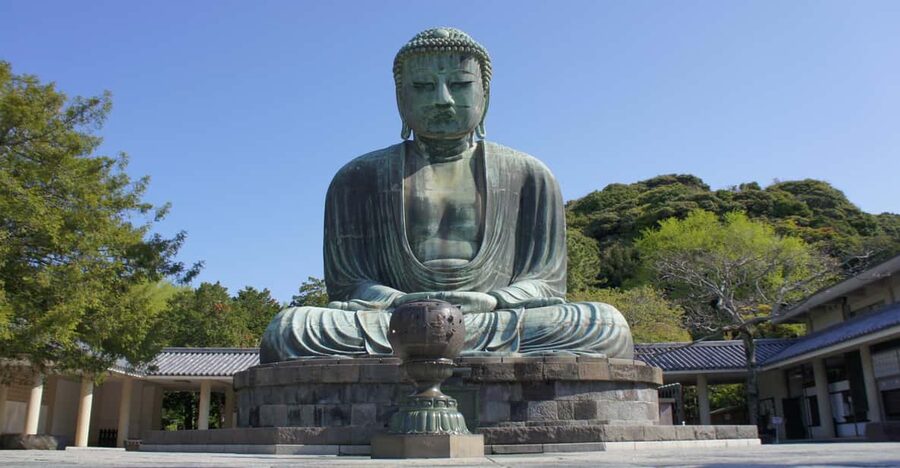
I also love the pairing of Hase-dera and the Great Buddha at Kotoku-in. You see the famous Kannon statue at Hase-dera, then you follow it up with the 13-meter-high Buddha that dates back to 1292. That rhythm keeps the day feeling connected, instead of like three random stops.
One thing to think about: this tour is not fully all-in. You still pay for transport to and from the sights and the temple entrances, plus lunch, and the day includes about 3 to 4 km of walking.
In This Review
- Key points to know before you go
- Kamakura in one day, temples plus a shrine that shapes the city
- From your Tokyo hotel to Kamakura by train in about 70 minutes
- Hase-dera Temple (Hase-dera) and Hase Kannon, plus the Jizo-do Hall
- Kotoku-in and the Great Buddha statue, 13 meters of presence
- Tsurugaoka Hachimangu Shrine, Emperor Ojin, and the calm of a full stop
- Komachi Street lunch time: eat well, then shop a little
- Price and logistics: what $145 covers, and the extras to budget for
- Walking, timing, and what the end of the day feels like
- Guide quality makes or breaks this day
- Who this private Kamakura tour is best for
- Should you book this Kamakura Temples private tour?
- FAQ
- How long is the Kamakura Temples private guided tour from Tokyo?
- What is included in the price?
- Are entrance fees included?
- How do you travel between Tokyo and Kamakura?
- Is lunch included?
- How much walking is involved?
Key points to know before you go
- Private guide, English, and flexible pace: you get hands-on explanations at each stop, not a rush-through style.
- Hase-dera’s Kannon focus: you will learn about the eleven-faced Goddess of Mercy and see the gardens and Jizo-do Hall.
- Kotoku-in’s Great Buddha scale: a 13-meter statue with a history that stretches back to 1292.
- Tsurugaoka Hachimangu Shrine context: built in 1063, dedicated to Emperor Ojin, also known as the God of War.
- Lunch and shopping time at Komachi Street: 1.5 hours gives you room to eat and browse.
- Smart timing, but extra costs: transport and entrance fees are not included, so plan your budget.
Kamakura in one day, temples plus a shrine that shapes the city
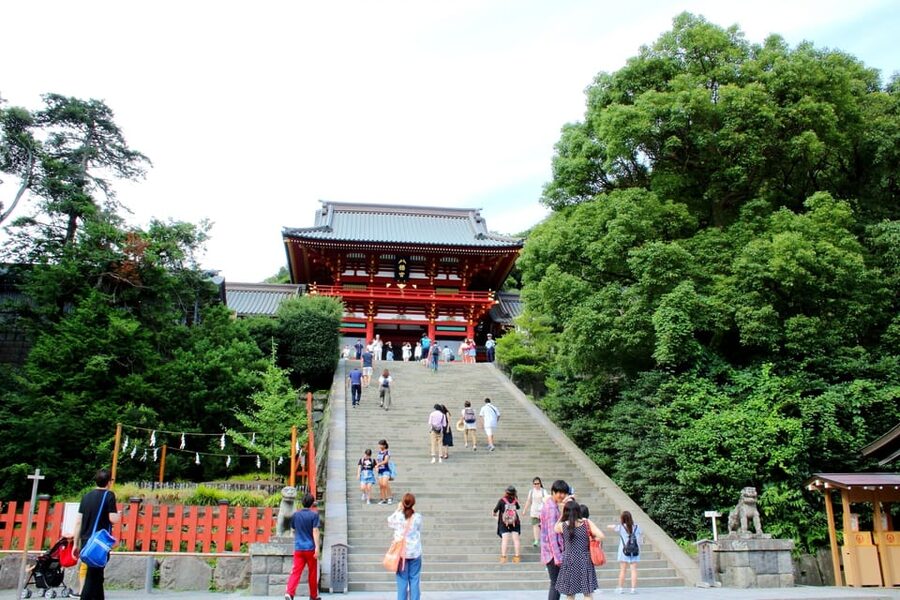
Kamakura is one of those places where the past feels close to the present. You get Buddhist temple atmosphere at Hase-dera and Kotoku-in, then you shift into Shinto space at Tsurugaoka Hachimangu, which sits at the geographic center of town.
I like that the tour is designed as a story of faith and place, not just a checkbox list. You are guided through what you are seeing, and you still have enough time to look around, take photos, and pick a lunch spot that fits your taste.
The crowd factor is real in Kamakura. The upside is that a good guide helps you keep moving and not lose time waiting around.
More Shrine & Temple Visits in Tokyo
- Tokyo: Meiji Shrine, Asakusa, Skytree Bus Tour and Cruise
★ 4.7 · 1,986 reviews - Tokyo: Asakusa Walking Tour with Sensoji Temple Visit
★ 4.8 · 1,583 reviews - Nikko: Kegon Falls, Lake Chuzenji & Toshogu Temple
★ 4.6 · 1,577 reviews
From your Tokyo hotel to Kamakura by train in about 70 minutes
You start with hotel pickup in Tokyo. The options are Tokyo Station, Tokyo area hotels, Shinjuku City, and Shinjuku Station, and pickup and drop-off are on foot, meaning you meet the guide near your lodging.
From there, you ride the train to Kamakura, and the schedule gives you about a 70-minute first leg. That timing matters because it gets you to the first main stop without burning the whole morning traveling.
Then the day tightens into short, well-used chunks of time: guided visits and photo stops at each site, followed by short train hops and walking between key locations.
Hase-dera Temple (Hase-dera) and Hase Kannon, plus the Jizo-do Hall
Hase-dera, also known as the Temple of Flowers, is the tour’s opening act. You get a first photo stop and then a guided walkthrough for about 30 minutes, which is enough time to get oriented and to understand what you are looking at.
The main reason this stop matters is Hase Kannon, the Buddhist statue of Kannon, the Goddess of Mercy. Here, you will learn about the eleven-faced form of this figure and how it connects to the idea of progressing through different phases in the search for enlightenment. That kind of explanation turns a statue into something you can actually read.
What you can do beyond the guided parts is equally important. Outside, you can wander through the gardens, and you will see the Jizo-do Hall with hundreds of small Jizo Bodhisattva statues. If you like details, this is the moment that often sticks in your mind, because you are looking at repetition with purpose, not just one big centerpiece.
Practical note: comfortable shoes really matter here. Even though the tour is only a day, you are stacking temple steps and uneven paths.
Kotoku-in and the Great Buddha statue, 13 meters of presence
Next comes Kotoku-in Temple, where Kamakura’s most famous icon makes its case. You get another photo stop and then guided sightseeing for about 30 minutes.
The headline is the Great Buddha statue, a 13-meter-high figure. The tour also frames its significance with historical context, including that the Great Buddha dates back to 1292. That date helps you understand why this statue became a long-lasting symbol rather than just a tourist attraction.
What I like about putting Kotoku-in right after Hase-dera is the contrast. At Hase-dera, your eyes move among many figures and scenes. At Kotoku-in, the scale is the message. The Great Buddha is the kind of thing you feel in your body, because it dominates your viewpoint and makes you slow down naturally.
This is also a great stop for photos, but keep your expectations realistic. You might get crowds at peak times, and the guide’s job is to help you see the most important angles without turning your day into a standstill.
More Shrine and Temple visits in Tokyo:
- Tokyo: Nikko Toshogu Shrine and Kegon Waterfall Tour
★ 4.5 · 1,266 reviews - Tokyo Panoramic 1 Day: Meiji Shrine, Asakusa, Odaiba and SKYTREE®
★ 4.5 · 1,222 reviews - Asakusa Senso-ji Temple and Old Tokyo Walking Tour
★ 5.0 · 560 reviews - Tokyo: Zen Meditation at a Private Temple with a Monk
★ 5.0 · 510 reviews
Tsurugaoka Hachimangu Shrine, Emperor Ojin, and the calm of a full stop
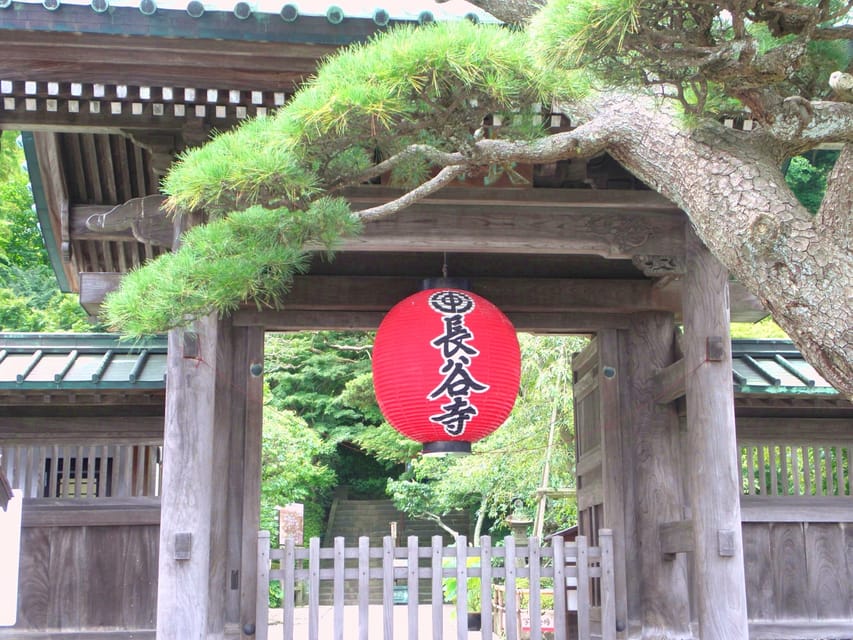
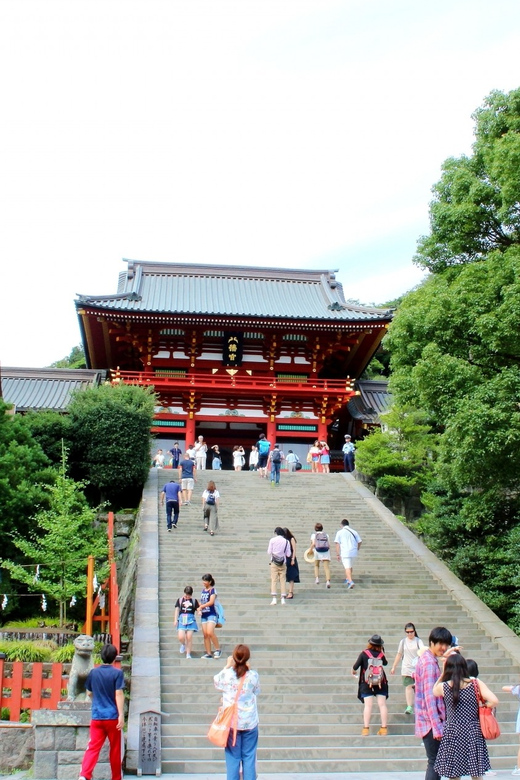
After you finish at Kotoku-in and take the short transfer, the day lands at Tsurugaoka Hachimangu Shrine. You get another photo stop and guided sightseeing of about 30 minutes.
This shrine is the most important Shinto shrine in Kamakura, and it sits at the geographical center of the city. You will also learn that it was built in 1063 and dedicated to Emperor Ojin, who is also known as the God of War. That detail matters because it changes how you read the space. You are not just walking through pretty architecture, you are learning what people connected this place to.
The tone you are looking for here is calm rather than hurried. The schedule gives you time to soak it in, and your guide’s explanations help you slow down and notice what you might otherwise miss.
Komachi Street lunch time: eat well, then shop a little
Once you leave the shrine, the tour gives you 1.5 hours on Komachi Street for lunch, guided time, and free time for shopping. This is a smart slot, because it is late enough that you have built up an appetite, but not so late that your options shrink.
Your lunch is not included, so you can choose what fits you. That is a plus if you have dietary preferences or want a specific kind of Japanese food. Komachi Street is also a practical place to browse souvenirs without leaving the core area of Kamakura.
Even if shopping is not your thing, it is still worth using this block to reset. Think of it as your cushion before the train ride back.
Price and logistics: what $145 covers, and the extras to budget for
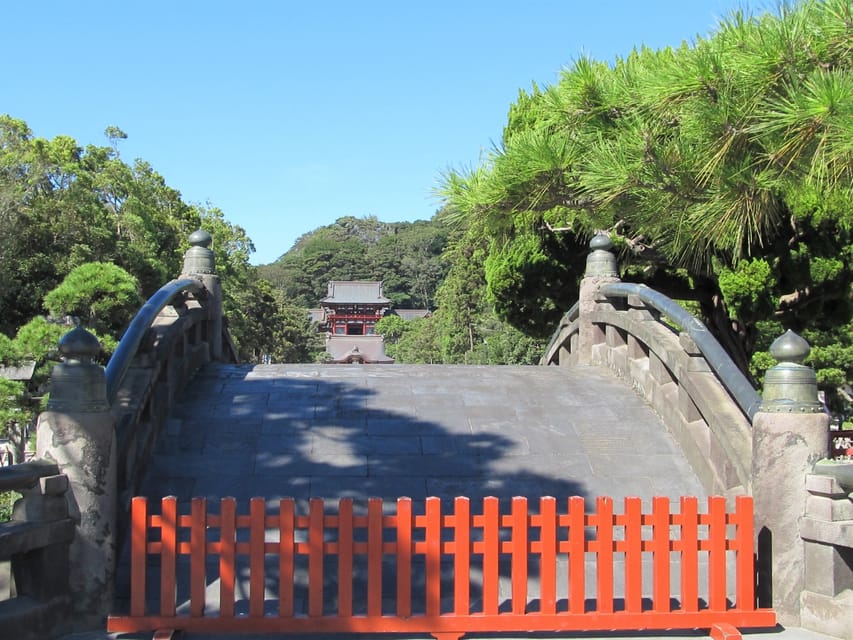
The headline price is $145 per person, and the tour is private, with a National Government Licensed Guide Interpreter in English. That part matters because you are not paying for a generic walkthrough. You are paying for someone who can explain what you are seeing in a way that makes it click.
Still, you should budget for costs that are not included:
- Public transportation for you and the guide, around 2000 yen per person
- Entrance fees: Hasedera Temple 400 yen, Kotoku-in Great Buddha 300 yen
- Lunch and drinks for both you and the guide
Your personal train tickets also come into play, since the day uses train segments. The tour information puts 1-way train tickets at around 1200 yen. With all that stacked together, the all-in cost is higher than the base price.
So is it good value? For the right traveler, yes. Private guiding plus temple explanations plus an organized route can be worth paying extra for, especially if you want someone to manage crowds and timing. If you are cost-only focused, you could recreate the route on your own, but you would lose the guided context and the smooth pacing.
Walking, timing, and what the end of the day feels like
This is a full-day plan in the most literal sense: about 3 to 4 km of walking, plus temple stairs and paths. Bring comfortable shoes and expect to stand, climb, and walk between stops.
The itinerary has you finishing with the return train to Tokyo, arriving around 4 or 5 pm. That end time is useful if you still want to be productive after dinner plans in Tokyo.
One more practical detail: pickup and drop-off are on foot. That is great if your hotel is close to a pickup point, but if you are far off the route, you might have a longer walk than you expect.
Guide quality makes or breaks this day
The guide is a core part of the experience, and the feedback you can rely on here points to consistent strengths: clear historical context, practical navigation through crowds, and explanations that make the sites easier to understand on the spot.
For example, guides like Mizuma-san, Steve, Take, and Richie are referenced for their experience, family-friendly clarity, and the ability to work through busy areas. One guide approach mentioned using maps and pictures to help you grasp what you are seeing, which is especially handy at shrines and temples where the details can be dense.
You will still want to bring questions of your own. If you care about Buddhism versus Shinto, or if you want to know why certain figures appear in certain places, this is the kind of tour where a good guide can answer in real time.
Who this private Kamakura tour is best for
This tour fits best if you want a guided day trip with built-in structure. If you are traveling with family, it helps because a private guide can slow down or move faster depending on energy levels.
It also works well if you are a first-timer in Kamakura and want the headline sites: Hase-dera, Kotoku-in’s Great Buddha, and Tsurugaoka Hachimangu. You get enough time to enjoy each stop rather than just passing through.
You might reconsider if you are strongly budget-driven, because entrance fees, transport, and lunch add up. You also might pass if walking 3 to 4 km is a problem for you, since the schedule includes active temple grounds.
Should you book this Kamakura Temples private tour?
Book it if you want an organized one-day route with real explanations and a private guide. The blend of Hase-dera’s Kannon and Jizo-do, Kotoku-in’s monumental Great Buddha, and Tsurugaoka Hachimangu’s shrine context gives your day a shape that feels meaningful, not random.
Skip it or plan your own route if you want to control every cost and you are comfortable navigating trains and local transit on your own. You can always visit these places independently, but you will miss the guidance that helps the day make sense.
If you decide to go, do one simple thing: wear comfortable shoes and budget for the added transport and entrance fees. You will have a much smoother time, and the tour’s structure will feel like it was made for you.
FAQ
How long is the Kamakura Temples private guided tour from Tokyo?
The tour runs for 8 hours from Tokyo to Kamakura and back.
What is included in the price?
You get a licensed English guide and hotel pickup and drop-off on foot. Entrance fees, public transportation to/from the attractions for you and the guide, and lunch and drinks are not included.
Are entrance fees included?
No. Entrance fees are paid on the tour day. Hasedera Temple is 400 yen, and the Great Buddha at Kotoku-in is 300 yen per person.
How do you travel between Tokyo and Kamakura?
You travel by train, with about 70 minutes for the outbound trip and about 1 hour for the return trip. Train ticket costs for customers are around 1200 yen one way.
Is lunch included?
No. You get 1.5 hours on Komachi Street for lunch and free time, but lunch and drinks are not included.
How much walking is involved?
The tour includes about 3 to 4 km of walking across temple and shrine areas. Comfortable shoes are strongly recommended.
Newly listed around Tokyo
- Kamakura Private & Customizable Tour – All-in-One Experience★ 5.0 · 49 reviews
- Kabukicho, Shinjuku: experiencing Japanese Host Club★ 4.3 · 9 reviews
- Tokyo: KABUKI Show at Kabukiza Theatre Admission Ticket★ 4.8 · 152 reviews
- Kabukicho Macabre Tour – the Real Tokyo Vice★ 5.0 · 48 reviews
- Japanese Traditional Sweets making and Tea Ceremony★ 4.7 · 50 reviews
- Japanese Traditional Music Show in Tokyo★ 5.0 · 72 reviews
- Japanese Traditional Sweets making★ 4.1 · 19 reviews
- Japan: eSIM with Unlimited Local 4G/5G Data★ 4.5 · 163 reviews
Shrine & Temple Visits, compared.
Fushimi Inari, Kinkakuji, Bamboo Grove 1 Day Bus Tour
Read our review →
Meiji Shrine, Asakusa, Skytree Bus Tour and Cruise
Read our review →
Fushimi Inari Hidden Hiking Tour (Private Option Available)
Read our review →
Osaka/Kyoto:Kinkakuji,Arashiyama,FushimiInariShrine,NaraPark
Read our review →
Asakusa Walking Tour with Sensoji Temple Visit
Read our review →
Nikko: Kegon Falls, Lake Chuzenji & Toshogu Temple
Read our review →
Kamakura & Enoshima Day Trip including Temple Tickets
Read our review →Browse the lists this tour appears in