

Review · WALKING TOURS
Kanazawa Walking Tour From Local to Major Highlights
Kanazawa history comes with a local guide and a real walk. This tour threads Edo-era sites, local neighborhoods, and shrine culture into one easy route you can actually feel on your legs. I especially like how the guide connects places like Omicho Fish Market to the city’s bigger religious and historical stories. I also like that the experience stays conversational, with Yu (and sometimes Aiko) making it easy to ask questions as you go.
What you’ll love most is the mix of “see it” and “why it matters.” You get stops tied to Kanazawa’s samurai past, time in the castle area, and a garden visit that’s meant to be read like a designed space, not just photographed. The one thing to consider is that food and drinks are not included, so you will want a budget and a plan for breaks.
In This Review
- Key Highlights Worth Your Time
- Kanazawa, Walked Like a Story (Not a Checklist)
- The Real Value: A Guide Like Yu (Friendly, Focused, Easy to Talk To)
- Omicho Fish Market: Your First Taste of Kanazawa Life
- Nagamachi Samurai District: Earthen Walls and Old-Family Energy
- Oyama Shrine: Shrines, Stories, and Plum Blossoms When the Timing Works
- Kanazawa Castle Park and Inside the Castle: Edo-Era Proof in Stone and Wood
- Traditional Cafe Street Break: Tea, Coffee, and Castle Views
- Kenrokuen Garden: Seeing the Design Behind the Beauty
- Higashi Chaya District: Teahouses, Tradition, and a Sweet Ending
- Price and Value: What $60 Buys You in Kanazawa
- Timing, Flexibility, and Comfort on a 3 to 4 Hour Walk
- Who Should Book This Tour
- Should You Book This Kanazawa Highlight Walk?
- FAQ
- FAQ
- How long is the Kanazawa walking tour?
- Is the tour private?
- Are food and drinks included?
- Is hotel meet-up available?
- What languages are available for the tour?
- What should I bring, and what payment methods are accepted?
- What is the cancellation window for a full refund?
Key Highlights Worth Your Time
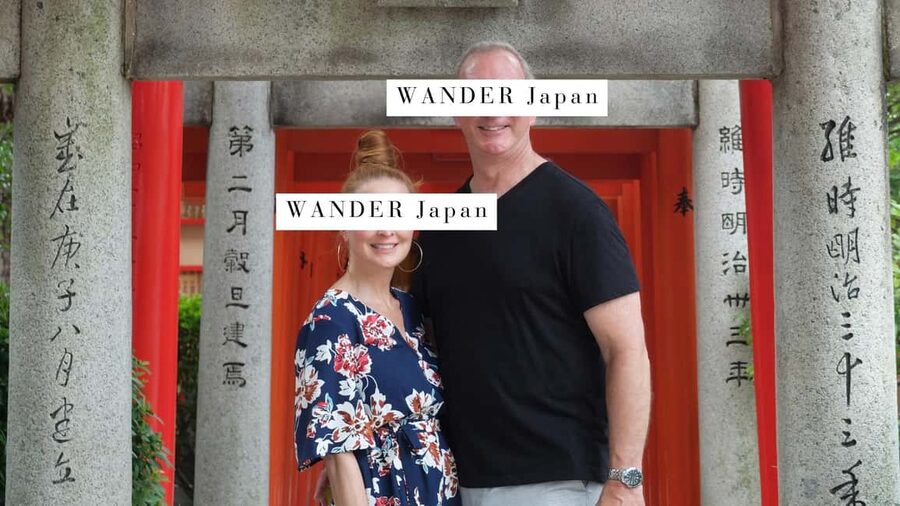
- Private 3 to 4 hour walking route that focuses on major highlights plus local context
- Guide Yu’s storytelling in English, with clear answers and lots of personal anecdotes
- Omicho Fish Market as your “smell and sample” introduction to everyday Kanazawa food culture
- Oyama Shrine with shrine history tied to the samurai leader and his wife, plus a chance to see plum blossoms when in season
- Kenrokuen Garden and Higashi Chaya District to round out the day with garden design and traditional teahouse streets
Kanazawa, Walked Like a Story (Not a Checklist)
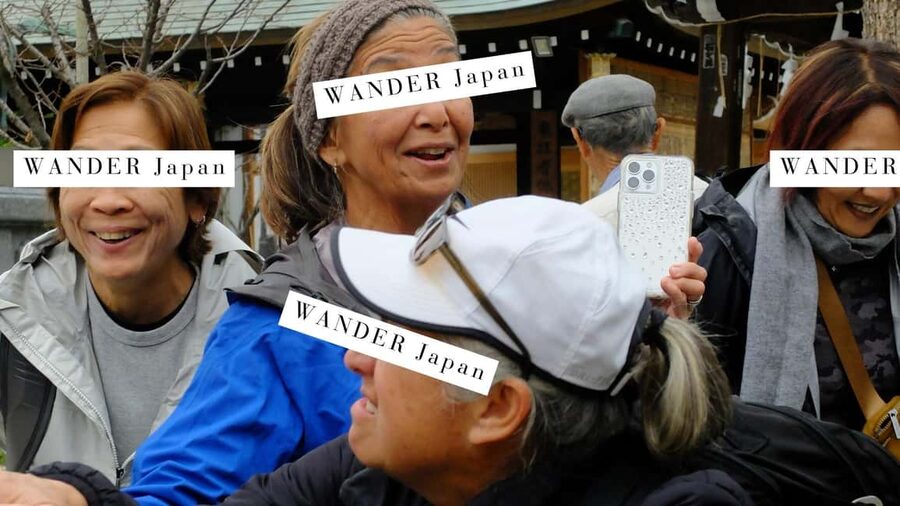
Kanazawa rewards slow travel. On foot, you start noticing the small shifts between neighborhoods, how streets curve toward gates and shrines, and how everyday life sits next to old power structures. This tour is built around that idea: you move through the city’s key layers, then the guide helps you connect the dots.
I like that the focus is not only famous sights. You also get the cultural “how” behind what you see, including the relationship between Shinto and Buddhism. That matters here because Kanazawa’s shrines, temples, and family histories are not separate topics. They overlap, and the guide makes that overlap feel understandable instead of academic.
More Walking Tours in Kanazawa
- Kanazawa: Private Walking Tour with a Local
★ 4.8 · 141 reviews - True Kanazawa: Private Walking tour with a Local guide
★ 5.0 · 66 reviews - Kanazawa: City Highlights & Hidden Gems Private Walking Tour
★ 4.8 · 42 reviews
The Real Value: A Guide Like Yu (Friendly, Focused, Easy to Talk To)
The standout strength is the guide. Yu is repeatedly described as approachable, engaging, and fluent in English, with energy that keeps the walk moving without feeling rushed. You’re not stuck listening to a lecture. Instead, you can talk, ask questions, and steer small parts of the conversation based on what you care about.
Another plus is the way stories connect “then and now.” The guide’s examples bring in modern Japan alongside the Edo-era architecture and samurai district remnants. That helps if you want meaning, not just names. And if you happen to travel in a way that needs extra coordination, one account notes Yu helped with small adjustments and arranging a taxi when needed, which is exactly the kind of practical care that turns a sightseeing hour into a smoother trip.
Omicho Fish Market: Your First Taste of Kanazawa Life

Omicho Market is where you feel the city’s daily rhythm. You’ll walk through the market area and the guide sets the stage with local food traditions, including the kind of seafood-focused culture Kanazawa is known for. Even if you do not plan to snack right away, the atmosphere itself tells you this is not a museum stop. It’s a working food hub.
Here’s what to plan for: food and drinks are not included. So if you want to taste something, come with cash or be ready to pay with your card. You’ll also want a bit of flexibility, because market moments can be sensory and crowded in a good way, meaning you may pause longer than you expect while you decide what looks best.
Nagamachi Samurai District: Earthen Walls and Old-Family Energy

Next you head to the Nagamachi Samurai District. This area is known for preserved samurai residences and the feel of older street boundaries. One detail that stands out is the presence of earthen walls, which you can actually see and walk alongside. It’s the kind of physical structure that makes history feel less abstract.
What the guide adds is the human scale. It’s not only about defensive architecture. You also get stories about warriors and their families, which helps you picture how people lived behind those walls. If you like history that comes with everyday life, this stop is usually where the tour starts to feel personal.
A few more Kanazawa days to weigh up
- Kanazawa: Private Food Tasting Walking Tour
★ 4.7 · 25 reviews - Kyoto Geisha Walking Tour: Gion District & Hidden Gems
★ 4.7 · 3,273 reviews - Tokyo Tsukiji Fish Market Food and Culture Walking Tour
★ 5.0 · 3,184 reviews - Kyoto: Gion Geisha District Walking Tour – Stories of Geisha
★ 4.7 · 2,187 reviews
Oyama Shrine: Shrines, Stories, and Plum Blossoms When the Timing Works

Oyama Shrine is one of the iconic shrine stops, and the guide connects it to Kanazawa’s samurai leadership story. You’ll learn about the shrine history tied to the samurai leader of Kanazawa Castle and his beloved wife. That gives the shrine a narrative anchor, so you understand why certain details matter.
The highlight mention of plum blossoms is also worth knowing. If you’re visiting during plum blossom season, you may see the blooms and get that extra layer of seasonal beauty around shrine culture. If plum season has passed, the shrine history and the vibe still make the stop worthwhile, it just won’t have the same flower show.
Kanazawa Castle Park and Inside the Castle: Edo-Era Proof in Stone and Wood
After the shrine, you move to Kanazawa Castle Park. Plan on about 30 minutes here, plus time to visit inside the castle. Even though you are walking, the castle area gives you a different tempo, with wide sightlines and architecture that helps you understand the city’s old power center.
The guide’s job here is important. Without context, a castle can turn into “pretty buildings.” With the guide, you start seeing the logic of Edo period life in how the town was organized and how authority was expressed through space. You also get a clearer sense of how Kanazawa’s story leads to what you see today.
Traditional Cafe Street Break: Tea, Coffee, and Castle Views
One of my favorite practical parts of this tour is that it does not treat breaks as optional. The route includes a stop on Traditional Cafe Street for a quick tea or coffee moment at the guide’s favorite cafe. This is where you reset your legs and let the city sink in after the more intense historical stops.
You may also hear about special drink moments. One guest specifically enjoyed a Sakura latte arranged with a private upstairs session. I cannot promise that every day includes extra surprises, but it’s a good sign that the guide thinks about comfort and atmosphere, not just photo stops. If you like your travel day to include one small pause with views or quiet, this break adds real value.
Kenrokuen Garden: Seeing the Design Behind the Beauty
Kenrokuen Garden is one of Japan’s three most beautiful gardens, and you’ll spend time walking the paths with the guide. The best gardens are not only scenic. They are readable. The guide helps you notice how seasons change the experience, so you understand what you are seeing rather than just watching it pass by.
Because the tour is only 3 to 4 hours, your garden time has to be efficient. That’s a strength here. You get the key experience without turning the day into an endurance event. You’ll also be better prepared to understand seasonal changes if you return later on your own, because you’ll know what to look for.
Higashi Chaya District: Teahouses, Tradition, and a Sweet Ending

To close the tour, you’ll visit the Higashi Chaya District. This is a traditional geisha district area, with beautifully preserved wooden teahouses that give you that old-street feel. It’s also a nice way to end because it shifts from major historical “anchors” into atmosphere and everyday street elegance.
At the end, you’ll get some free time to explore further or enjoy lunch in the city. That matters because you can tailor the rest of your day based on energy and hunger. If you want dessert or a second stop at a cafe, your guide can point you in a good direction, and one guest even noted a delicious dessert type shop was part of their wrap-up.
Price and Value: What $60 Buys You in Kanazawa
At $60 per person, this tour is positioned as a practical value for a private walking experience. You get a local guide, a 3 to 4 hour route, and a structure that covers multiple high-priority Kanazawa locations without requiring you to stitch together buses, tickets, and directions.
The big value is not only the sights, it’s how the guide adds meaning. When you understand the Shinto and Buddhism relationship, and how samurai stories connect to specific places, the day feels less like a checklist. You also get the benefit of English guidance, with Yu described as having excellent English.
Two cost cautions. First, food and drinks are not included, so you should plan for at least a snack budget. Second, transportation is not included. The tour is primarily a walking experience, so you will want comfortable shoes, and you may use public transport only as needed depending on where you start.
Timing, Flexibility, and Comfort on a 3 to 4 Hour Walk
This is a walking-focused experience. That sounds obvious, but it’s worth stating plainly: you are signing up for time on your feet. If you have mobility limits, you should consider how you handle a multi-hour urban walk. One account mentions taxi coordination and small adjustments, which is encouraging, but it also points to the fact that comfort needs can vary.
Also note that the order can change depending on the day. That flexibility is normal for walking tours, especially when weather, crowds, or opening times shift. The key point is you still get the major Kanazawa highlights and the cultural themes that tie them together.
Who Should Book This Tour
This tour fits best if you want:
- A private, guide-led Kanazawa experience instead of a self-guided sprint
- Clear connections between historical sites and the religious context behind shrine and temple culture
- A route that includes Omicho Market, samurai district streets, castle area time, Kenrokuen Garden, and Higashi Chaya District
- A guide you can actually chat with, like Yu, with English that keeps the conversation flowing
It may not be your best match if your priority is a fully food-and-drink itinerary or if you want a transportation-heavy tour where you sit most of the time.
Should You Book This Kanazawa Highlight Walk?
Book it if you like your travel days to have structure, but still feel personal. This is the kind of tour that makes major sites feel connected, especially with the Shinto and Buddhism context and the samurai narratives that give places a reason to exist beyond their names.
Skip or reconsider if you want food fully included, or if a 3 to 4 hour walk is more than you want to do in one outing. Otherwise, this is a strong, practical way to get oriented in Kanazawa and understand what you’re looking at.
FAQ
FAQ
How long is the Kanazawa walking tour?
The tour is about 3 to 4 hours walking time, with stops at major highlights and some hidden gems.
Is the tour private?
Yes. It is a private and personalized walking tour with a local guide.
Are food and drinks included?
No. Food and drinks are not included, so you’ll want to plan for snacks or meals on your own.
Is hotel meet-up available?
Hotel meet-up is available on request for central locations.
What languages are available for the tour?
The tour is available in English and Japanese.
What should I bring, and what payment methods are accepted?
You should bring a credit card and cash.
What is the cancellation window for a full refund?
You can cancel up to 24 hours in advance for a full refund.
Newly listed around Kanazawa
- Shirakawa-go, Gokayama & Takayama Private Tour From Kanazawa★ 4.7 · 21 reviews
- From Kanazawa/Toyama: Shirakawago and Takayama Day Tour★ 4.7 · 82 reviews
- Kanazawa:Traditional Experience -kimono rent at wargo★ 4.7 · 30 reviews
- Kanazawa: Sushi Making Experience at Oumicho Market★ 5.0 · 7 reviews
- Kanazawa: Authentic Japanese Cooking and Sushi-Making Lesson★ 5.0 · 93 reviews
- Kanazawa: Private Tour with Local Guide★ 4.9 · 70 reviews
- Kanazawa: Tea Ceremony Experience at Kenrokuen★ 4.2 · 7 reviews
- Kanazawa: Private Custom Tour with Local Guide★ 4.9 · 20 reviews
Walking Tours, compared.
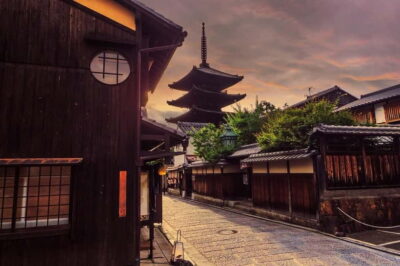
Kyoto Geisha Walking Tour: Gion District & Hidden Gems
Read our review →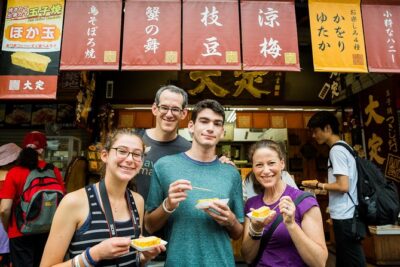
Tokyo Tsukiji Fish Market Food and Culture Walking Tour
Read our review →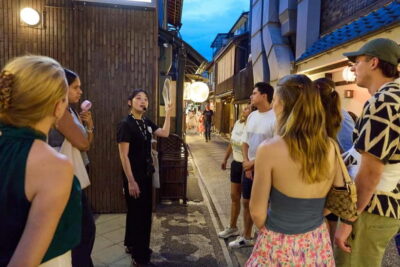
Gion Geisha District Walking Tour – Stories of Geisha
Read our review →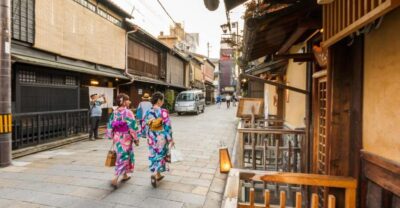
Shinjuku Local Bar and Izakaya Guided Walking Tour
Read our review →
Asakusa Walking Tour with Sensoji Temple Visit
Read our review →
Kyoto Gion Geisha District Walking Tour – The Stories of Geisha
Read our review →Browse the lists this tour appears in