
Review · GEISHA DISTRICT WALKS
Kyoto: Gion Geisha District Walking Tour – Stories of Geisha
Kyoto at night feels like a stage. This Kyoto Gion Geisha District walking tour takes you through old wooden lanes in Gion and Pontocho, guided by local storytelling and set up for real cultural context, not tourist trivia.
I especially like how the walk builds from place to place, with stops like Pontocho Alley and the statue of Izumo-no-Okuni that connect geisha arts to wider Japanese performance culture. I also like the hands-on feel, where you can ask questions as you go and keep your attention on what matters. One consideration: you may see geiko or maiko, but sightings are not something you can bank on every night.
In This Review
- Key Highlights You Should Not Miss
- Starting at Ben’s Cookies Kyoto Shijo, Then Letting Gion Lead
- Pontocho Alley After Dark, Where Entertainment Traditions Feel Physical
- Gion’s Old Wooden Lanes: How the Tour Makes You Notice Details
- Yasaka Shrine: A Cultural Anchor Before the Geisha-Watching Stretch
- Gion Corner and Hanamikoji: Where Appointments Drive the Night
- What You’ll Learn: Training, Roles, and the Meaning of Ceremony
- Pace, Timing, and Photo Moments in a Two-Hour Walk
- Price in Perspective: Is $20 Worth It?
- Who This Tour Suits Best, and Who Might Want to Skip It
- Should You Book This Gion Geisha Night Walk?
- FAQ
- How long is the Kyoto Gion Geisha District walking tour?
- Where do I meet the guide?
- What languages are available?
- What should I bring?
- Is this tour suitable for children?
- Are geisha sightings guaranteed?
- What is not allowed during the tour?
Key Highlights You Should Not Miss
- Pontocho Alley at night: traditional eating streets and old-club energy, best felt slowly
- Izumo-no-Okuni statue stop: a quick story link to kabuki origins, so the arts feel connected
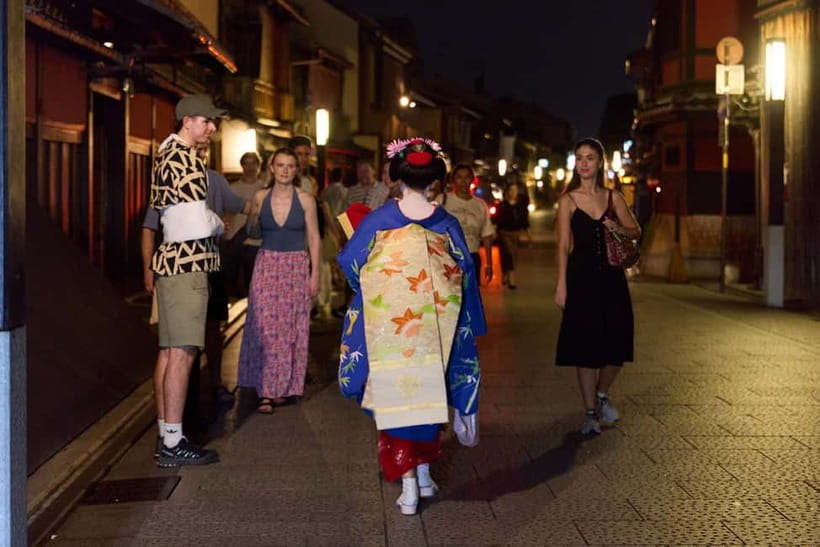
- Gion narrow-alley atmosphere: old wooden teahouses and quiet corners you would miss alone
- Yasaka Shrine context: a grounding cultural anchor before your geisha-watching stretch
- Hanamikoji geisha-watch section: the right place and timing for appointment spotting
- Local guide Q and A flow: guides seem to adapt well to first-timers and people with more background
Starting at Ben’s Cookies Kyoto Shijo, Then Letting Gion Lead
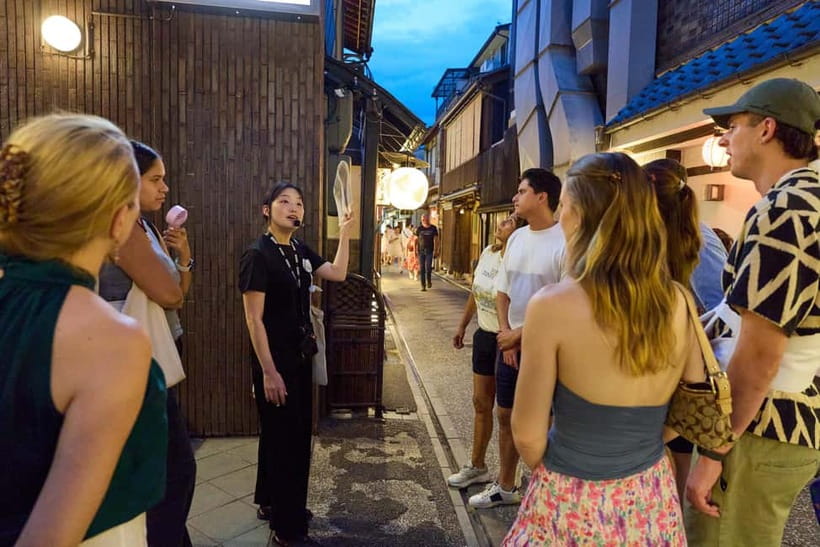
The tour begins right by Ben’s Cookies Kyoto Shijo, which makes it easy to orient. Your guide meets you in front of the shop and holds a sign board, so you are not wandering around Kyoto trying to guess who the guide is. Plan to arrive a few minutes early, because once the walking starts, the whole thing stays most enjoyable when you do.
Bring water. That sounds basic, but Kyoto nights can mean damp air and lots of stopping to look closely. Also, keep the evening practical. This is a culture walk through narrow streets, so comfortable shoes matter more than fancy footwear.
English and Spanish guides are available. In fact, you will likely notice your guide’s personality quickly. Many guides on this route are praised for keeping the pace easy and the explanations clear, which matters because this tour is short. At two hours, you want time to understand what you are seeing, not just pass by it.
More Walking Tours in Kyoto
- Kyoto Geisha Walking Tour: Gion District & Hidden Gems
★ 4.7 · 3,273 reviews - Night Walk in Gion: Kyoto’s Geisha District
★ 4.5 · 2,003 reviews - Kyoto Gion Geisha District Walking Tour – The Stories of Geisha
★ 5.0 · 1,441 reviews
Pontocho Alley After Dark, Where Entertainment Traditions Feel Physical
Your first major look at nightlife comes with Pontocho Alley. This is not a generic street shot moment. It is a narrow riverside-feeling lane lined with traditional-style eateries and elite club vibes. At night, the lighting and the tight spacing make the whole area feel like it has a script, even if you are not part of the performance.
This is also where your guide’s storytelling helps most. When you walk into a place like Pontocho without context, it is easy to treat it like scenery. With a local guide, you start seeing how the entertainment world is tied to the neighborhood design, the routines, and the expectations of guests and hosts.
After Pontocho, you move to the statue of Izumo-no-Okuni. This stop is small but smart. The tour connects her story to the invention of kabuki, which gives you a useful way to think about Japanese performing arts beyond a single neighborhood. In other words, you get the big picture: geisha culture is part of a broader entertainment history, not a sealed-off museum exhibit.
Gion’s Old Wooden Lanes: How the Tour Makes You Notice Details
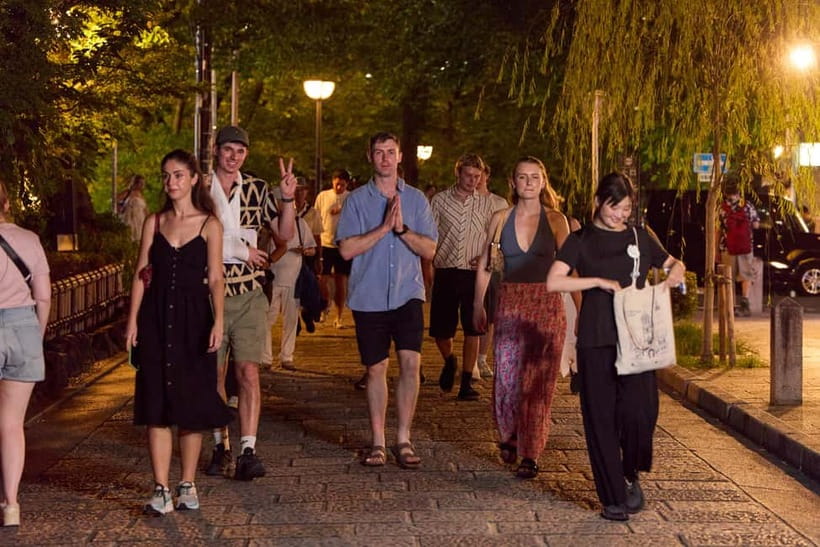
Next comes Gion, Kyoto’s most famous geisha district. This is where the walk stops feeling like a checklist and starts feeling like atmosphere. Gion’s value is in what you can spot at human speed, narrow alleys, older wooden teahouse-style buildings, and the sense that this neighborhood runs on appointment schedules and social rituals.
Your guide will point out what to look for, and more importantly, what not to assume. For example, guides tend to explain the difference between geiko and maiko, and how training and roles work in practice. That kind of context changes your whole night. You stop looking for a costume and start noticing the system behind it.
One of the best parts here is the chance to ask questions. People often love that the guide does not rush through facts. Instead, you can clarify things as you walk, which makes the experience stick. If you are new to geisha culture, you should leave with clearer basics. If you already know some terms, you should still pick up details about history and everyday etiquette.
Yasaka Shrine: A Cultural Anchor Before the Geisha-Watching Stretch
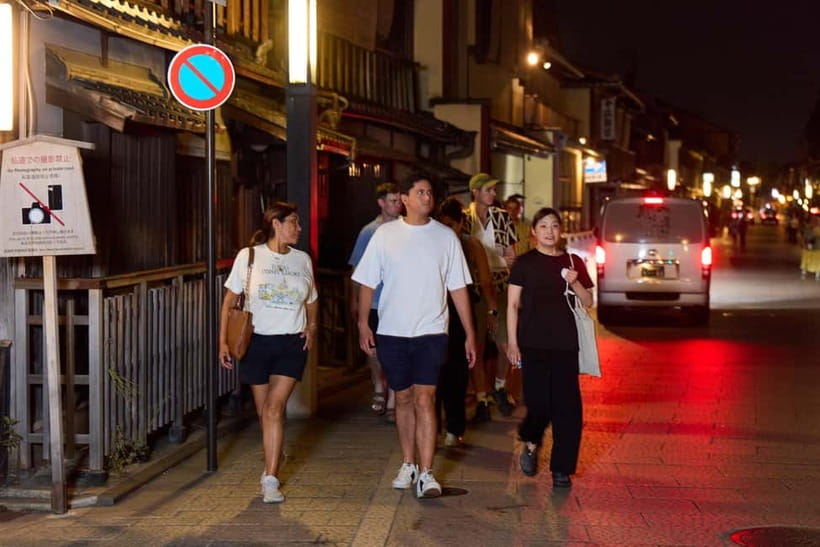
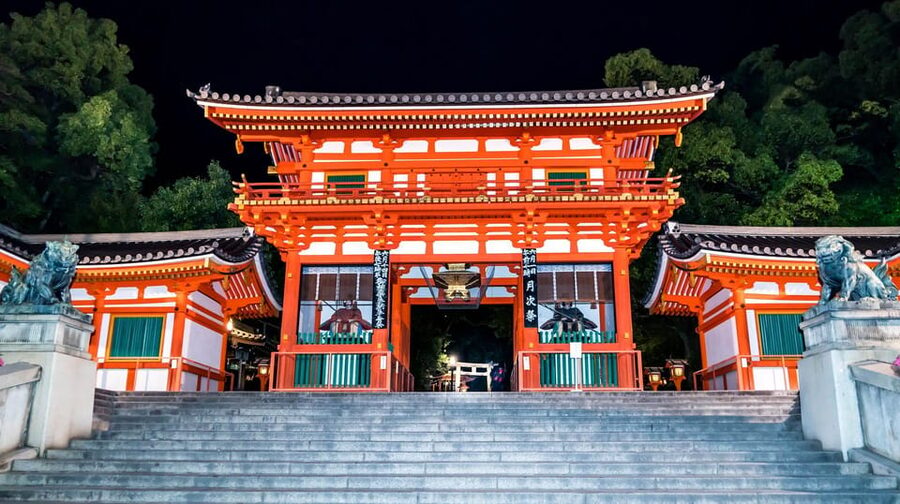
Then you hit Yasaka Shrine, one of Kyoto’s most recognizable landmarks. In a tour like this, the shrine stop works for a simple reason: it shifts your brain from nightlife mode back into tradition mode.
Geisha culture can look like pure spectacle if you only focus on street sightings. A stop like Yasaka Shrine reminds you that the entertainment world sits inside a much older framework of festivals, community rhythms, and cultural symbolism. Your guide connects those dots so the evening feels more grounded.
Practically, it also gives you a breather. You are still walking, but it is a “look, listen, reset your eyes” moment. If you are taking photos, this is often a good point to pause, adjust settings, and regroup your group so you do not end up spread out in every narrow lane.
Compare these Geisha District walks in Kyoto:
- Best of Kyoto: Gion, Geisha, Pagodas & Cobblestones
★ 4.9 · 2,058 reviews - Kyoto Night Foodie Tour in Gion (9+ dishes + 6 Sake tastings)
★ 5.0 · 1,762 reviews - Kyoto: Gion Magical Night Walking Tour with Geisha Insights
★ 4.9 · 1,286 reviews - Kyoto Gion Night Walk & Geisha District Guided Tour
★ 5.0 · 786 reviews
Gion Corner and Hanamikoji: Where Appointments Drive the Night
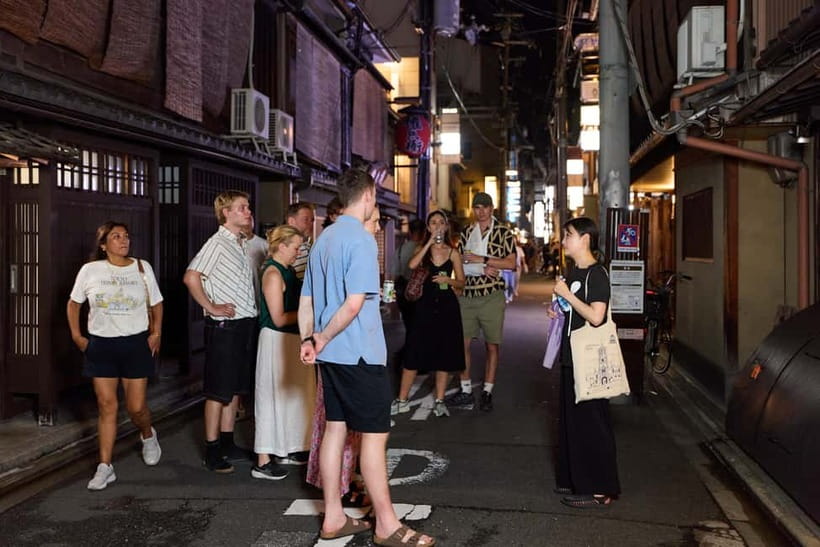
After Yasaka Shrine, the tour moves to Gion Corner and then down Hanamikoji Street. These last stretches matter because this is where you get serious geisha-watching time.
Hanamikoji Street is the right kind of famous. It is also narrow enough that you feel how people move through the district. Your guide encourages you to keep an eye out for geishas en route to appointments. That is the key wording. You are not hunting a parade. You are watching everyday movement within an organized world.
Gion Corner is visited on the route, and your guide uses this stop as another story hinge. Even if you do not know what you are seeing at first glance, a good guide helps you connect the role of performance, public cultural life, and the neighborhood identity that makes Gion feel like Gion.
This is also where you should be mindful of how you behave. Narrow streets mean you can accidentally block someone’s path. Keep your distance, step aside when needed, and treat the people you see like real people with private schedules. The tour works best when you respect that boundary.
What You’ll Learn: Training, Roles, and the Meaning of Ceremony
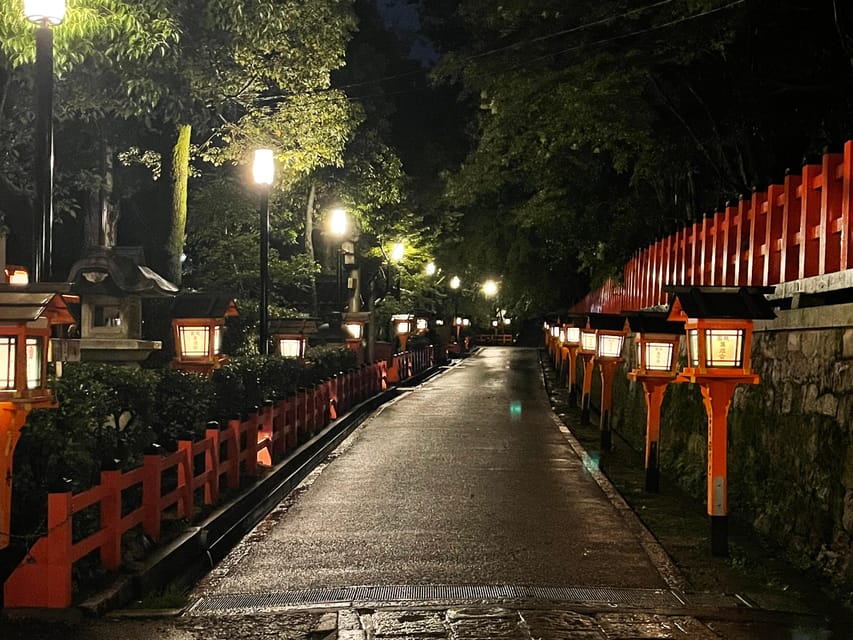
The tour’s core promise is deeper insight into geisha culture. In practice, that comes through explanations of how the world functions, not just who is who.
Expect your guide to cover things like:
- the relationship between geiko and maiko roles
- how training connects to performance and etiquette
- why ceremony and discipline are treated as serious parts of life, not makeup-table pageantry
You might also hear stories about how the tradition has changed over time. Some guides emphasize the ongoing relevance of the culture, others touch on concerns about how rare sightings can become. Either way, the discussion is meant to help you see geisha culture as a lived system, not a single image.
One thing I like about this kind of tour format is that it teaches you how to interpret what you observe later. After the walk, you are better equipped to understand the district when you wander on your own. You will notice how the streets support the social rhythm, and you will recognize that the atmosphere is intentional.
Pace, Timing, and Photo Moments in a Two-Hour Walk
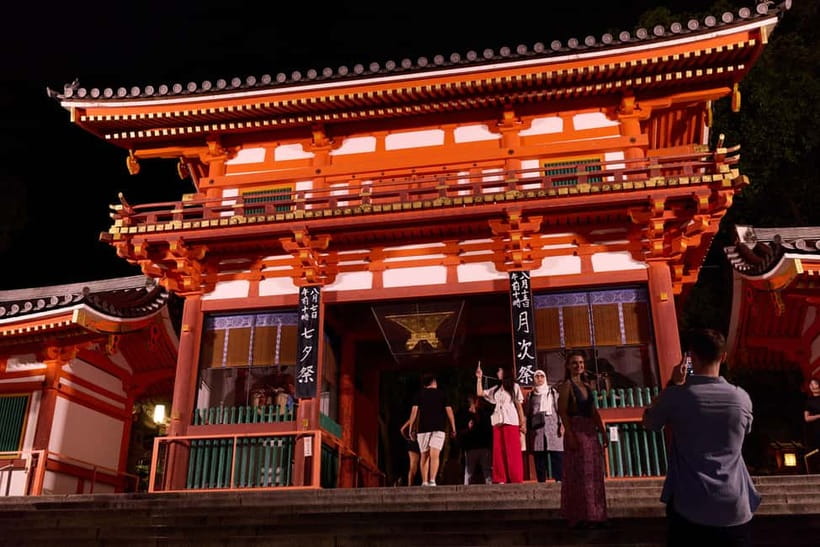
This is a two-hour nighttime walking tour, which is just long enough to feel you got somewhere without burning a whole evening. The itinerary is designed for momentum, but most guides are praised for keeping a pace that allows for explanations, questions, and photo stops.
You should also expect that the group experience may vary by night. Some people report small-group intimacy, while others describe joining larger groups. Either way, the guide’s job is to keep the walkthrough smooth and the talk relevant to the group’s level of familiarity.
If rain or weather changes your plans, you might notice your guide adjusting. Kyoto nights can get damp fast, and the route relies on short stops and street-level viewing. Your best move is simple, wear layers and keep your hands free for photos without juggling bags.
Price in Perspective: Is $20 Worth It?
At $20 per person for a two-hour guided walking tour, the value is in the guide plus the context. You could walk Gion and Pontocho on your own, sure. But you would be missing the connective tissue that turns “pretty streets” into “I understand what this means.”
This price also makes a practical difference. For many first-time Kyoto visitors, two hours is the ideal window to learn the basics before you spend the rest of your time wandering. If your itinerary is tight, this kind of evening tour helps you avoid the classic mistake of treating geisha culture like a photo scavenger hunt.
The tour also includes a live English or Spanish guide, which is a big part of what you are paying for. In a short time, a good guide can save you from confusion, explain terminology, and show you where the meaningful spots are.
Who This Tour Suits Best, and Who Might Want to Skip It
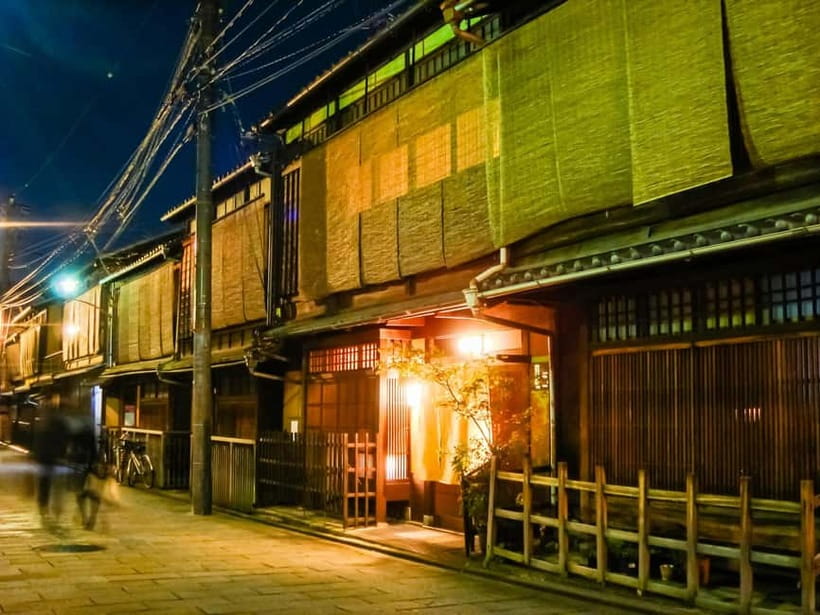
This is a nighttime walking tour focused on geisha culture in the Gion area. It is most suited for adults and older teens who want cultural understanding alongside street views.
It is also not suitable for children under 10. If you are traveling as a family with younger kids, you may need to choose a different activity that fits shorter attention spans and different comfort levels in crowded, narrow streets at night.
If you love history, etiquette, and the “how things work” side of culture, you will likely enjoy the storytelling. If you only want high-action entertainment, you may find it calmer than expected. This is a walk where the real energy comes from your guide’s narrative and the atmosphere of the streets.
Should You Book This Gion Geisha Night Walk?
If you are in Kyoto for a short time and you want an efficient, meaningful introduction to Gion, I think you should book this tour. It is priced for value, it focuses on the right neighborhoods, and it gives you enough background to see more later on your own.
Book it early in your trip if possible. That way, you can use what you learn to guide your self-paced wandering. When you go, do these three things:
- come with comfortable shoes
- bring water
- be respectful about street space and personal schedules if you spot geiko or maiko
Most importantly, go with the right expectation: the night is for understanding and noticing, not for guaranteed sightings. If you treat it like a cultural walk first, you will get the most out of it.
FAQ
How long is the Kyoto Gion Geisha District walking tour?
The tour lasts 2 hours.
Where do I meet the guide?
Meet your guide in front of Ben’s Cookies Kyoto Shijo. The guide will be holding a sign board.
What languages are available?
The live tour guide is available in English and Spanish.
What should I bring?
Bring water.
Is this tour suitable for children?
It is not suitable for children under 10.
Are geisha sightings guaranteed?
The tour says you may encounter geisha and maiko en route as you explore, but the information does not guarantee sightings every time.
What is not allowed during the tour?
You must not bring alcohol and drugs.
Newly listed around Kyoto
- Taste of Nishiki Market Walking Food Tour with Local guide★ 5.0 · 17 reviews
- Kyoto: Sushi Making Class with Sushi Chef★ 4.8 · 64 reviews
- Simple Plan with Maiko★ 4.4 · 10 reviews
- Shibori Furoshiki Course at Kyoto Shibori Museum★ 5.0 · 21 reviews
- Kyoto: City Secrets eBike Tour★ 4.9 · 196 reviews
- Sacred Pathways: Discover the Philosopher’s Path of Kyoto★ 4.9 · 20 reviews
- Private Tour to Monkey Park and Arashiyama Highlights★ 5.0 · 22 reviews
- Private Nara Tour from Osaka – Meet at Your Hotel★ 5.0 · 22 reviews
Geisha District Walks, compared.
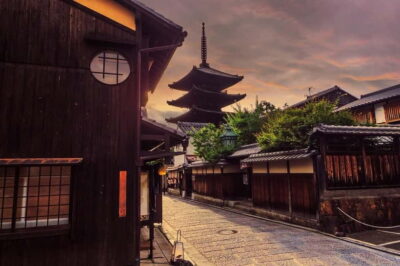
Kyoto Geisha Walking Tour: Gion District & Hidden Gems
Read our review →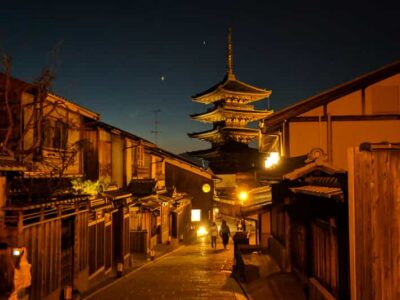
Best of Kyoto: Gion, Geisha, Pagodas & Cobblestones
Read our review →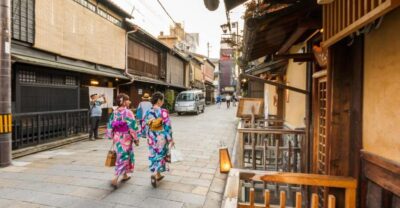

Kyoto Night Foodie Tour in Gion (9+ dishes + 6 Sake tastings)
Read our review →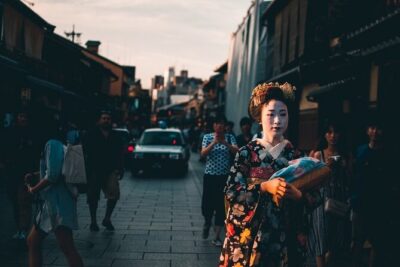
Kyoto Gion Geisha District Walking Tour – The Stories of Geisha
Read our review →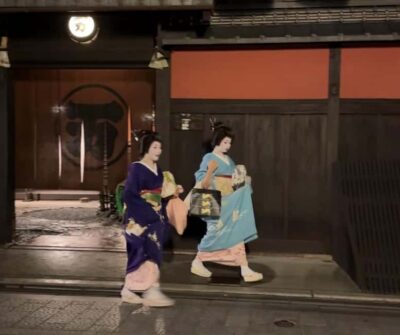
Gion Magical Night Walking Tour with Geisha Insights
Read our review →
Kyoto Gion Night Walk & Geisha District Guided Tour
Read our review →
Kyoto Night All-Inclusive Eats and Streets, Gion and Beyond
Read our review →Browse the lists this tour appears in