
Review · GEISHA DISTRICT WALKS
Kyoto Geisha Walking Tour: Gion District & Hidden Gems
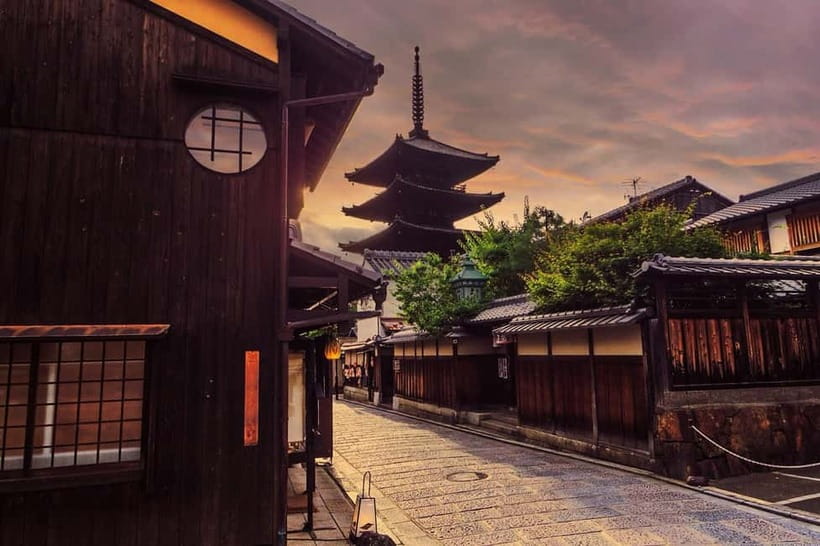
Gion feels like a living museum when you walk it right. This 2-hour Kyoto Geisha Walking Tour puts you in the historic heart of Gion, with a guide who explains what you are seeing and why it matters. You also have real chances to spot geiko and maiko as they move through their day.
I like that the route is built around meaning, not just photo stops. You visit places tied to Kyoto’s temple culture like Kennin-ji and Chion In, and you also get off-the-beaten-path looks at preserved machiya townhouses and quieter lanes.
One consideration: you will be walking a lot on city streets. This tour is not suitable for wheelchair users or people with mobility impairments, and during colder months you will want layers.
In This Review
- Key points to know before you go
- Walking Gion with Geiko and Maiko in Mind
- Meeting at Hotel Alza Kyoto: Find the Red Parasols
- The 2-Hour Route Through Gion’s Main Stage and Hidden Corners
- Why the “hidden gems” part is more than marketing
- Spotting Geiko and Maiko: How to Do It Respectfully
- Hokan-ji Pagoda, Kennin-ji, and Chion In Temple
- Hõkan Ji Pagoda: a Kyoto heritage symbol
- Kennin-ji Temple: serene Zen in the middle of it all
- Chion In Temple: the often overlooked national treasure angle
- Lantern-Time Gion: Why Timing Can Change Everything
- Machiya Townhouses and Tea Houses: Reading the Architecture
- Photo Stops That Feel Planned, Not Random
- The Tour Guide Factor: Michael, Yuri, Anton, Ikuro, and More
- What the Tour Adds at the End: Your Next 3 Days in Kyoto
- Price and Value: Is $25 Worth It?
- Who Should Book This Kyoto Geisha Walking Tour
- Should You Book This Gion District Geisha Walk?
- FAQ
- How long is the Kyoto Geisha Walking Tour?
- How much does it cost?
- Where is the meeting point?
- Is there an English guide?
- Will I have a chance to see geiko and maiko?
- What stops are included in the tour?
- Are there opportunities for photos?
- Is the tour suitable for wheelchair users?
- Can I cancel for a full refund?
- Do I pay when I book?
Key points to know before you go
- Gion street-level context: you learn the stories behind the teahouses and appointments you are watching from the sidewalk
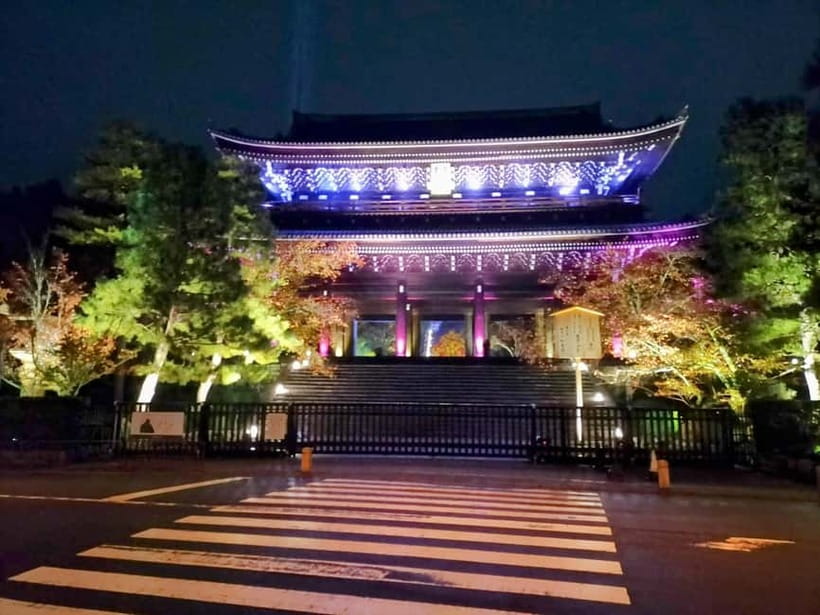
- Real temple stops: Kennin-ji and Chion In help explain Kyoto’s older religious roots, not just geisha-era glamour
- Photo guidance: the guide leads you to off-the-beaten-path spots for pictures, not random crowds
- Geiko and maiko spotting, with realistic expectations: you get opportunities to see them, but sightings are never guaranteed
- Practical follow-up tips: you finish with restaurant, bar, shop, and activity recommendations for the rest of your trip
- Small-group energy: many recent guests describe the group as small, sometimes feeling very personal
Walking Gion with Geiko and Maiko in Mind
Gion is one of those places where your first instinct is to look. Your second instinct should be to understand what you are looking at, and this is where the walk pays off.
The tour is set up for you to stroll cobblestone streets lined with teahouses in a dreamlike, old-Kyoto setting. Along the way, you will have opportunities to see geiko and maiko as they head to appointments. That visual is the hook, but the guide’s job is to connect it to history and daily life.
I also like that the experience does not lock you into a single storyline. You get the geisha culture background, then you move outward into Kyoto’s architecture, temple atmosphere, and neighborhood details like machiya townhouses and boutique-style shops.
More Walking Tours in Kyoto
- Kyoto: Gion Geisha District Walking Tour – Stories of Geisha
★ 4.7 · 2,187 reviews - Night Walk in Gion: Kyoto’s Geisha District
★ 4.5 · 2,003 reviews - Kyoto Gion Geisha District Walking Tour – The Stories of Geisha
★ 5.0 · 1,441 reviews
Meeting at Hotel Alza Kyoto: Find the Red Parasols
Logistics are simple if you know what to look for. The meeting point is on a side street next to Hotel Alza Kyoto.
Look for the red parasol umbrellas with marble seats underneath. That detail matters, because Gion streets can look similar block to block. If you arrive a few minutes early, you will feel less rushed and more ready to start watching quietly.
The 2-Hour Route Through Gion’s Main Stage and Hidden Corners
This is a focused walk, built for a 2-hour window. That short duration is part of the value, because it lets you see a lot without spending half your day in transit or waiting around.
You will start in the core of Gion and walk through the lanes known for teahouses. The guide keeps you moving, but the pacing is described as comfortable in recent feedback. That matters because Gion rewards slow attention, not sprinting between corners.
As you go, the tour aims to balance famous landmarks with places many people skip. You will look at preserved machiya townhouses, which are a key part of Kyoto’s traditional street character. You will also pass areas with charming tea houses, where geisha make private performances for wealthy clientele. Even if you never step inside, seeing how the neighborhood is arranged gives you a better sense of how that world worked.
Why the “hidden gems” part is more than marketing
The tour’s off-the-beaten-path stops are the difference between looking at Gion and actually reading it. When you notice older townhouse shapes, narrow street alignments, and the way certain storefronts sit behind main lanes, the district stops feeling like a postcard.
The same goes for the photo planning. Guests repeatedly mention that the guide chooses spots for pictures. That is useful, because in Gion you do not want to just aim your camera into busy foot traffic. You want angles where you can frame architecture and street life without being intrusive.
Compare these Geisha District walks in Kyoto:
- Best of Kyoto: Gion, Geisha, Pagodas & Cobblestones
★ 4.9 · 2,058 reviews - Kyoto Night Foodie Tour in Gion (9+ dishes + 6 Sake tastings)
★ 5.0 · 1,762 reviews - Kyoto: Gion Magical Night Walking Tour with Geisha Insights
★ 4.9 · 1,286 reviews - Kyoto Gion Night Walk & Geisha District Guided Tour
★ 5.0 · 786 reviews
Spotting Geiko and Maiko: How to Do It Respectfully
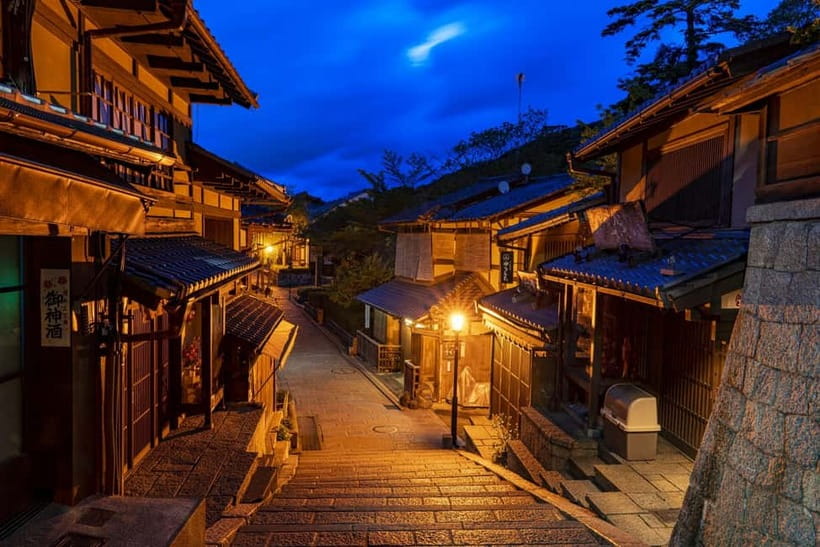
Let’s be honest: seeing geiko and maiko is the big reason many people book. The tour includes opportunities to spot them, and the experience is designed around their daily movement to appointments.
Still, you should treat sightings like a chance, not a promise. One guest noted they were not lucky enough to see any geisha that day. That is normal. Schedules, privacy, and timing all play a role.
So what should you do? Walk calmly. Keep your voice low. Stay on the sidewalk edge and let the locals pass first. If the guide signals where to look, follow that, because they are guiding you toward places where you can observe without causing a scene.
Also, remember what you are actually seeing. Geiko and maiko are not “street performers.” They are working professionals moving between appointments. Understanding that shifts your mindset from sightseeing to cultural respect.
Hokan-ji Pagoda, Kennin-ji, and Chion In Temple
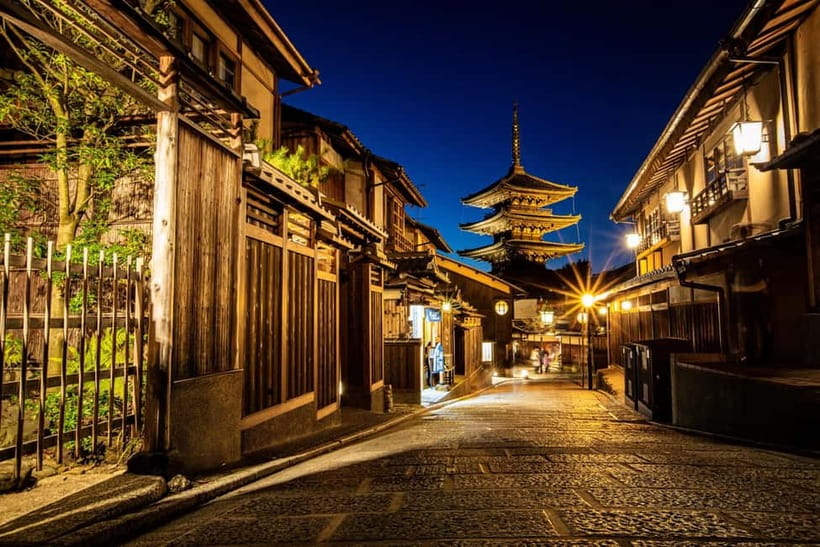
The tour does a smart thing: it ties Gion glamour to Kyoto’s deeper spiritual settings. You get more than one kind of sacred space, and the guide explains what you are looking at as you go.
Hõkan Ji Pagoda: a Kyoto heritage symbol
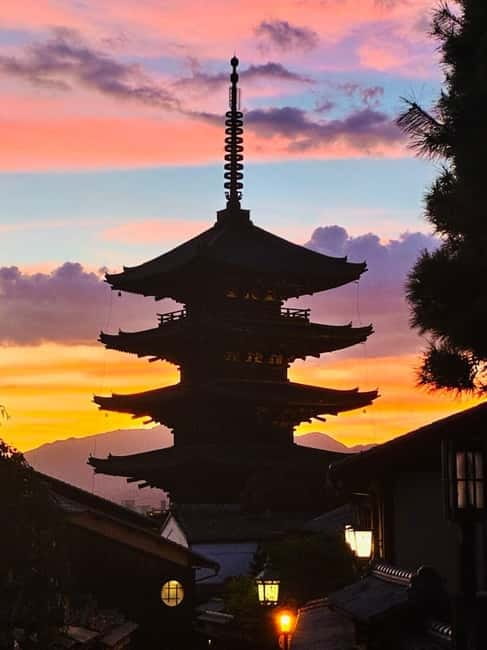
You will see the Hõkan Ji Pagoda, described as a symbol of Kyoto’s cultural heritage. A pagoda is not just a pretty silhouette. In Kyoto, it usually signals continuity, craft traditions, and a long timeline that predates modern neighborhood branding.
If you care about architecture, this stop is an easy win. You will get a clearer sense of how the district’s identity connects to broader Kyoto landmarks.
Kennin-ji Temple: serene Zen in the middle of it all
Next is Kennin-ji Temple, noted as the oldest Zen temple in the city. That line alone tells you why it fits the tour. You are learning about geisha culture, but you are also walking through a city where Zen temples helped shape the social rhythm and aesthetics around everyday life.
This stop also gives you a break. The district can feel visually intense. A calm temple moment helps you reset your senses so the rest of the walk feels more grounded.
Chion In Temple: the often overlooked national treasure angle
Then you hit Chion In Temple, called an often overlooked hidden gem. The information you get here is specific: the temple grounds include three designated national treasures.
That kind of detail matters. It moves the visit from sightseeing into something closer to stewardship. When you understand a site holds national treasures, you tend to slow down automatically, look more carefully, and absorb the scale of the place rather than just rushing through.
Lantern-Time Gion: Why Timing Can Change Everything
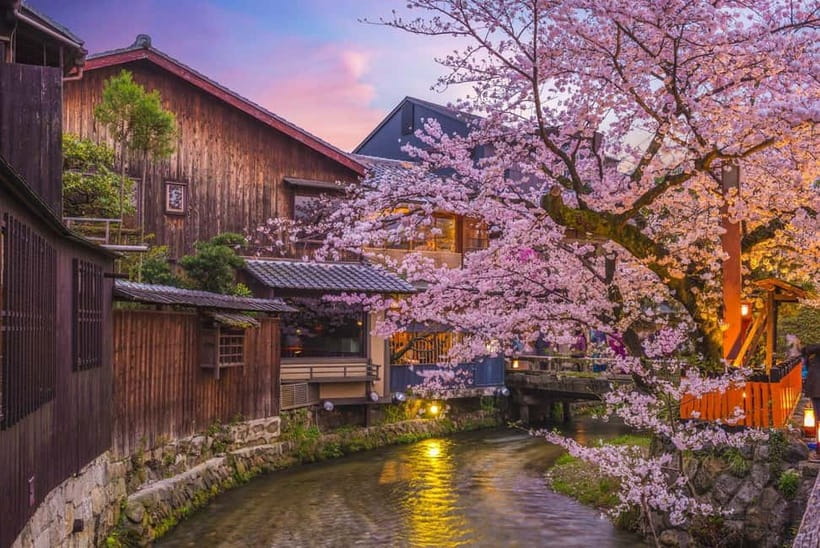
Gion shifts as evening approaches. The tour includes the idea that as evening falls, Gion transforms into a magical scene with lantern-lit streets.
Even better, some recent guests mention that a 6pm slot can be a great time because the area is quieter. Quiet streets mean you can hear your surroundings, take better photos, and ask questions without constantly fighting for space.
So if you have flexibility with tour times, consider late afternoon or early evening. You will likely get a better blend of day texture plus night atmosphere.
Machiya Townhouses and Tea Houses: Reading the Architecture
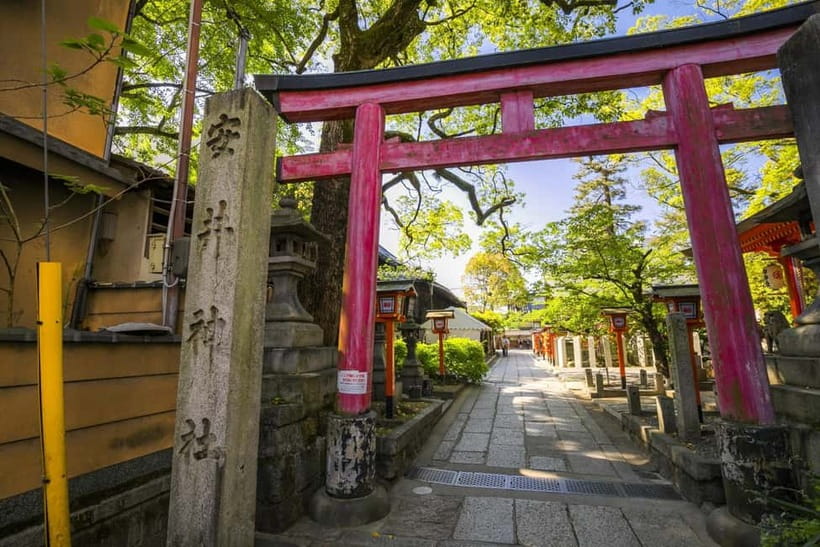
Machiya townhouses are one of the strongest “quiet wow” moments on this kind of walk. These traditional structures help you understand why Gion looks the way it does: narrow frontage, layered depth, and a sense of privacy even in public streets.
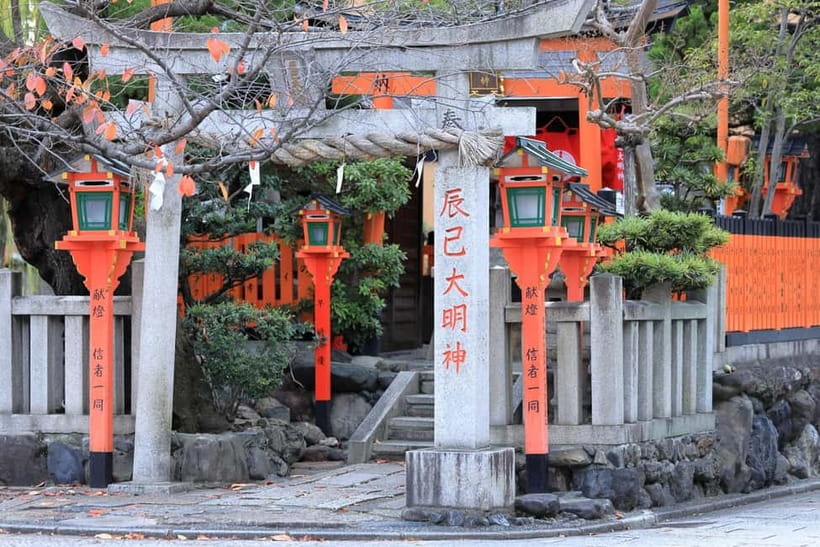
You will also pass charming tea houses linked to exclusive private performances for wealthy clientele. The tour does not need you to enter to make the point. The arrangement tells the story. You can see how spaces supported discretion, hospitality, and the controlled rhythms of appointments.
And for a more practical side of travel, you will not just look at the past. You will also see boutique-style souvenir shops. That means you can browse thoughtfully after you understand the cultural context, instead of grabbing random trinkets that do not connect to anything.
Photo Stops That Feel Planned, Not Random
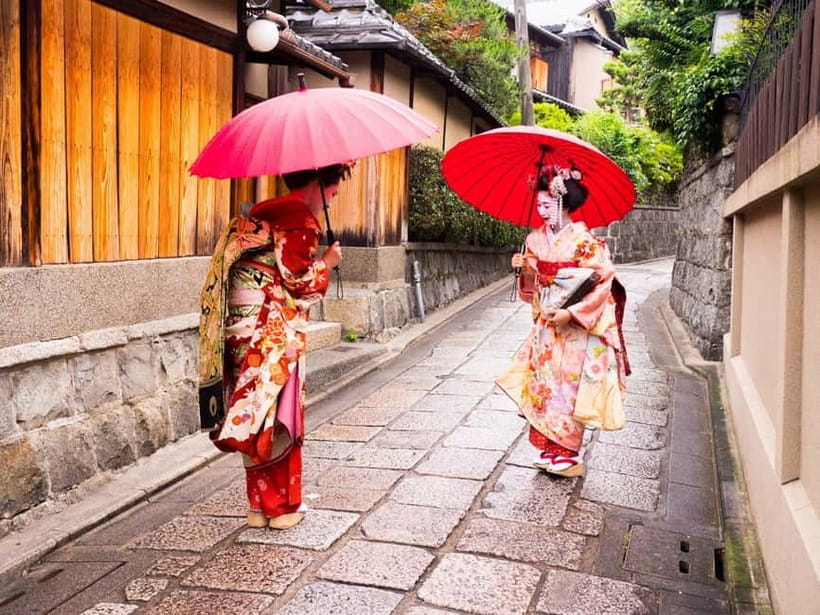
You get opportunities to take stunning photos at off-the-beaten-path locations. The guide also pays attention to framing, not just where to walk.
From feedback, guides like Michael are repeatedly praised for showing the best spots for photos. That is a big deal in Gion. If you have ever tried to photograph a street scene there, you know how quickly a shot turns into chaos when everyone points their camera at the same time.
So use the tour like a photo compass. Let the guide pick the angles. Then you can take your own shots while still respecting people and privacy.
One more tip: do the tour before you settle into dinner. A guest specifically suggested this order so you have a smooth transition to food afterward. When your mind is already in Kyoto-mode, your restaurant choices often get better.
The Tour Guide Factor: Michael, Yuri, Anton, Ikuro, and More
The experience lives or dies by the guide, and recent bookings show a strong pattern. Many guests name guides such as Michael, Yuri, Anton, and Ikuro, with consistent praise for clear explanations and friendly energy.
Michael comes up again and again, often described as passionate, funny, and able to answer questions in a way that makes the history feel usable. Some guests also mention multilingual ability, including English and French, plus some Japanese and Arabic. That kind of communication flexibility helps if you want to ask follow-up questions on the spot.
Other named guides like Yuri and Anton also receive very positive mentions. One guest even described feeling like the tour turned private because they were the only participant, which meant the guide could tailor the walk and adjust the route slightly to personal interests.
So if you care about asking questions, this tour seems set up for it. The guides are not just reading a script. They help you connect the dots between culture, architecture, and daily life.
What the Tour Adds at the End: Your Next 3 Days in Kyoto
This tour finishes with guidance you can actually use. The guide shares a full and detailed list of tried-and-true recommendations for restaurants, bars, shops, and places to visit.
That is value you do not get from a simple self-guided walk. Gion has plenty of options, but knowing where to go next can be the difference between an average meal and a memorable one. Multiple guests specifically praised the way these recommendations made the rest of the trip easier.
One review also suggested leaving time afterward because there are many nice places to eat, shop, and even do activities like making your own perfume or pottery. That is not guaranteed as part of the tour, but it is a smart way to plan your day: treat the walk as your starting map.
Price and Value: Is $25 Worth It?
At $25 per person, this is one of the easier Kyoto add-ons to justify. You are paying for three things that are hard to reproduce alone:
First, you pay for context. Gion is easy to misunderstand if you only look at it as a themed district. With the guide explaining geisha culture origins and how it fits modern Kyoto, your visit turns into learning, not just looking.
Second, you pay for access to better walking routes. Off-the-beaten-path photo spots and preserved machiya views are hard to find quickly without local guidance.
Third, you pay for time efficiency. In 2 hours, you cover a lot of ground and hit major points like Kennin-ji and the Chion In Temple area. For many travelers, that’s the sweet spot between full-day plans and half-day wanderings.
The main tradeoff is that you are still outside, walking city blocks. If you cannot walk comfortably for extended periods, the experience is not a match.
Who Should Book This Kyoto Geisha Walking Tour
This tour fits you best if you:
- Want an intro to Gion and geisha culture that goes beyond surface-level sightseeing
- Like guided explanations as you walk, especially around architecture and temples
- Want a photo plan with respectful geiko and maiko spotting opportunities
- Appreciate local food and shopping recommendations for the rest of your trip
It is probably not your best match if you need step-free access or mobility accommodations. The tour is explicitly not suitable for wheelchair users or people with mobility impairments.
It is also a good first-day activity in Kyoto. Several guests described it as a strong start, because it helps the city make sense quickly.
Should You Book This Gion District Geisha Walk?
I think you should book this tour if you want Gion to feel like a story you can understand, not just a place you pass through. The combination of Gion street atmosphere, chances to spot geiko and maiko, and temple stops like Kennin-ji and Chion In gives you more than one way to connect with Kyoto.
If your top priority is guaranteed geisha sightings, manage expectations. You will have opportunities, but outcomes depend on timing and privacy.
Bottom line: for $25 and a compact 2-hour schedule, this is a strong value way to get oriented, learn fast, and leave with a practical list of where to go next.
FAQ
How long is the Kyoto Geisha Walking Tour?
The tour lasts 2 hours.
How much does it cost?
It costs $25 per person.
Where is the meeting point?
You meet on a side street next to Hotel Alza Kyoto. Look for the red parasol umbrellas with marble seats underneath.
Is there an English guide?
Yes. The tour is led by a live guide in English.
Will I have a chance to see geiko and maiko?
Yes. The tour includes opportunities to spot geiko and maiko as they make their way to appointments.
What stops are included in the tour?
The tour includes the Gion district and highlights such as Hõkan Ji Pagoda, Kennin-ji Temple, and Chion In Temple, plus time in areas with teahouses, machiya townhouses, and shops.
Are there opportunities for photos?
Yes. You get photo opportunities at off-the-beaten-path locations along the way.
Is the tour suitable for wheelchair users?
No. It is not suitable for wheelchair users or people with mobility impairments.
Can I cancel for a full refund?
Yes. Free cancellation is available up to 24 hours in advance for a full refund.
Do I pay when I book?
You can reserve now and pay later.
Newly listed around Kyoto
- Taste of Nishiki Market Walking Food Tour with Local guide★ 5.0 · 17 reviews
- Kyoto: Sushi Making Class with Sushi Chef★ 4.8 · 64 reviews
- Simple Plan with Maiko★ 4.4 · 10 reviews
- Shibori Furoshiki Course at Kyoto Shibori Museum★ 5.0 · 21 reviews
- Kyoto: City Secrets eBike Tour★ 4.9 · 196 reviews
- Sacred Pathways: Discover the Philosopher’s Path of Kyoto★ 4.9 · 20 reviews
- Private Tour to Monkey Park and Arashiyama Highlights★ 5.0 · 22 reviews
- Private Nara Tour from Osaka – Meet at Your Hotel★ 5.0 · 22 reviews
Geisha District Walks, compared.
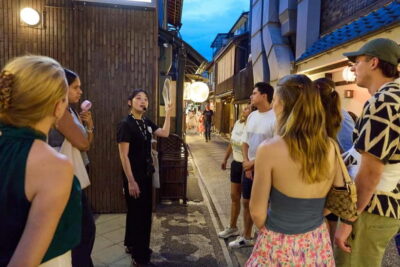
Gion Geisha District Walking Tour – Stories of Geisha
Read our review →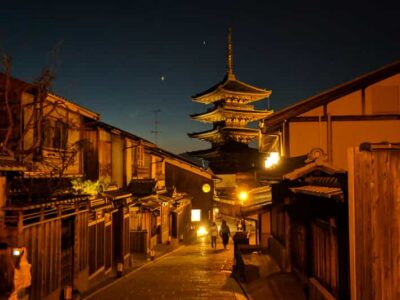
Best of Kyoto: Gion, Geisha, Pagodas & Cobblestones
Read our review →

Kyoto Night Foodie Tour in Gion (9+ dishes + 6 Sake tastings)
Read our review →
Kyoto Gion Geisha District Walking Tour – The Stories of Geisha
Read our review →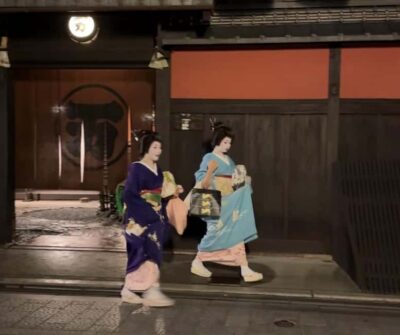
Gion Magical Night Walking Tour with Geisha Insights
Read our review →
Kyoto Gion Night Walk & Geisha District Guided Tour
Read our review →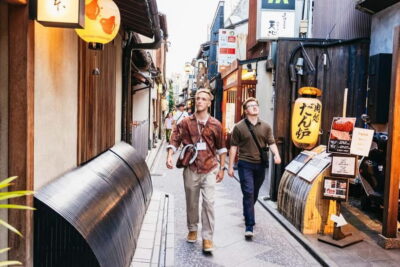
Kyoto Night All-Inclusive Eats and Streets, Gion and Beyond
Read our review →Browse the lists this tour appears in