
Review · GEISHA DISTRICT WALKS
Kyoto Gion Geisha District Walking Tour – The Stories of Geisha
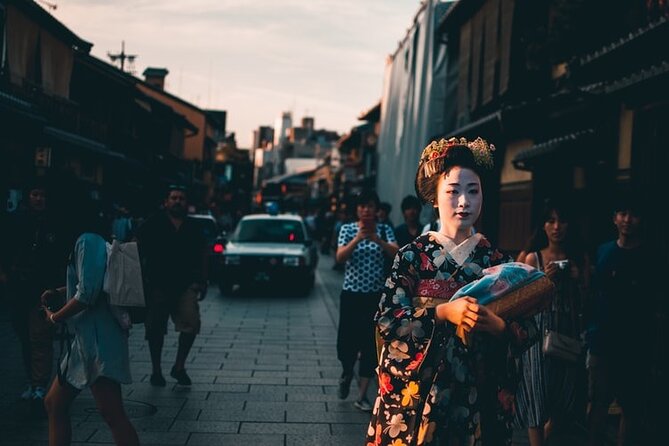
Kyoto’s Gion changes after dark. This small-group geisha district walking tour takes you through the elegant lanes in the evening, when the biggest daytime crowds have thinned and geisha and maiko can be seen heading to appointments.
I especially like the maximum 15-person group size, which keeps the stories personal instead of rushed. I also like the way the tour connects geisha culture to the broader world of traditional entertainment in Kyoto.
The main downside is also the simplest one: you’re walking outdoors for about 2 hours, and Kyoto evenings can be cold. If weather turns, the tour may be rescheduled or refunded, so plan for layers and a backup date if you can.
For $25 and a mobile ticket, this is a solid value if you want more than a quick look at Gion. You’ll leave with clearer context for what you’re seeing, why the streets and buildings matter, and how geiko and maiko fit into Kyoto’s long-running cultural calendar.
In This Review
- Key highlights worth your attention
- Gion after dark: what feels different on this geisha walk
- Price and timing that make it feel like a bargain
- Getting oriented fast: meeting point to the Izumo-no-Okuni start
- Minamiza and kabuki roots: why this stop matters
- Tatsumi Bridge and Shinbashi: reading Gion’s layout at night
- Hanamikoji Street: the postcard street with real meaning
- Gion Corner: a quick cultural orientation stop
- Yasaka Shrine at the edge of Gion: context and atmosphere
- What you’ll actually learn (and how it changes your photos)
- Who this tour is best for
- Practical tips to get the most out of your evening
- Should you book the Kyoto Gion Geisha District Walking Tour?
Key highlights worth your attention
- Small group focus (max 15), so you can actually ask questions without yelling over the crowd
- After-dark Gion experience, timed when the atmosphere feels more local than touristy
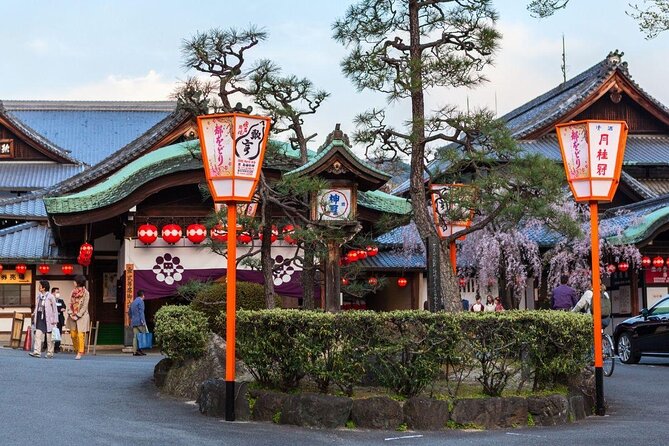
- Stop-by-stop storytelling, tying geisha culture to theater, shrines, and neighborhood layout
- Practical local cues for reading the district, including the sort of details guidebooks rarely explain
- Historic photo moments along classic streets and bridges, without daytime congestion
- A short, efficient route that works well on a first night in Kyoto
Gion after dark: what feels different on this geisha walk
Gion is famous for a reason, but in daylight it can feel like you’re watching the neighborhood through glass. Evening changes that. Street life gets slower, lantern light softens the scene, and you’re more likely to notice the quiet rhythms that make places like this feel lived-in.
What makes this walk special is that it’s designed around that timing. You’re not just passing buildings, you’re learning what to look for: how the district developed, what the “tea-house town” atmosphere means, and how geisha and maiko move through their world. Guides often bring in the practical side too, like helpful context for the flower towns codes and the everyday etiquette behind what you see.
Also, the small size matters. When you’re with a larger crowd, you drift from stop to stop and miss the why. With a group capped at 15, you can linger, ask about something specific, and get answers in a way that actually sticks.
If you are the kind of traveler who likes a tour that ends with you feeling oriented, this fits. Several guides have been praised for being friendly and enthusiastic, and for answering questions in plain language, not just reciting facts.
More Walking Tours in Kyoto
- Kyoto Geisha Walking Tour: Gion District & Hidden Gems
★ 4.7 · 3,273 reviews - Kyoto: Gion Geisha District Walking Tour – Stories of Geisha
★ 4.7 · 2,187 reviews - Night Walk in Gion: Kyoto’s Geisha District
★ 4.5 · 2,003 reviews
Price and timing that make it feel like a bargain
At $25 for about 2 hours, you’re paying for two things: expert guidance and smart timing. The route is short enough to keep energy up, but structured enough to cover the big “story beats” of the district.
One practical point: bottled water is not included. On a cold Kyoto night, that sounds minor until you’re ten minutes in and you realize you should have brought something warm-friendly or at least water. Pack accordingly, especially if you’re prone to getting cold or you walk slowly.
The tour also runs with a mobile ticket. That’s a real time saver when you’re in unfamiliar neighborhoods, and it reduces the hassle of printed confirmations.
Getting oriented fast: meeting point to the Izumo-no-Okuni start
You start at Ben’s Cookies Kyoto Shijo, then head toward Gion. This is a good choice for a first evening, because it gets you from a recognizable street landmark into the heart of the historic district without wasting your night on backtracking.
The first stop centers on a key cultural link that many visitors miss. You’ll begin with Izumo-no-Okuni, a legendary figure associated with the founding of kabuki theater. That might sound like a left turn if you only came for geisha stories, but it’s actually a smart setup. Kyoto’s traditional entertainment world is connected. The same city that shaped geiko and maiko also shaped theater traditions, performance style, and audience culture.
You’ll see the Izumo-no-Okuni statue (free to visit), and then you’ll move on to the area connected with Minamiza, a historic kabuki theater known for traditional performances. Even if you do not buy tickets to a show, just learning what Minamiza represents gives you better context for why performance art has such deep roots here.
What to watch for at the beginning: notice how the guide frames “entertainment” as something broader than one performance. You’re getting a lens for the whole night, not just the geisha district as a photo set.
Minamiza and kabuki roots: why this stop matters
If geisha culture is the headline, kabuki is one of the key footnotes. Kabuki is known for its elaborate costumes and dramatic storytelling, and the tour’s early stop gives you a quick bridge between different forms of Japanese stage tradition.
Why you’ll care: when you understand kabuki’s influence and the long history of performance spaces, geisha culture stops feeling like a closed mystery. It becomes part of a wider ecosystem of arts, etiquette, and public life.
A drawback to consider here: this is not a deep lecture. The tour is short by design. So if you’re hoping for a long history seminar, you might want to pair this walk with a separate cultural show or reading on another day. But for most people, this beginning is exactly the right amount of context.
Compare these Geisha District walks in Kyoto:
- Best of Kyoto: Gion, Geisha, Pagodas & Cobblestones
★ 4.9 · 2,058 reviews - Kyoto Night Foodie Tour in Gion (9+ dishes + 6 Sake tastings)
★ 5.0 · 1,762 reviews - Kyoto: Gion Magical Night Walking Tour with Geisha Insights
★ 4.9 · 1,286 reviews - Kyoto Gion Night Walk & Geisha District Guided Tour
★ 5.0 · 786 reviews
Tatsumi Bridge and Shinbashi: reading Gion’s layout at night
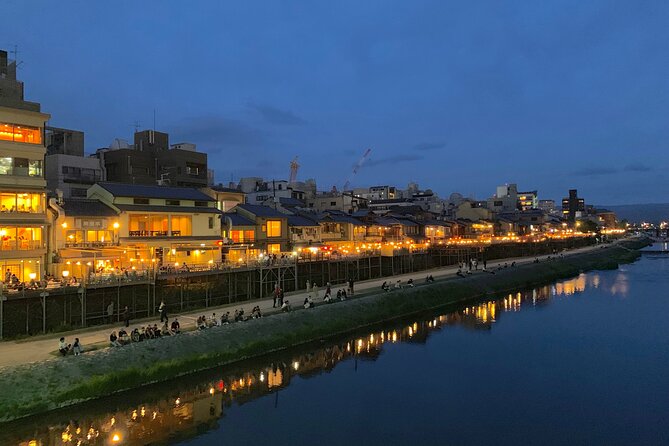
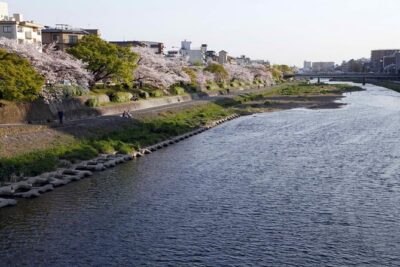
Next you head to Tatsumi Bridge. This is one of those spots where the physical geography helps the stories make sense. Bridges and river-adjacent areas often shaped where people gathered, how neighborhoods connected, and how the flow of daily life moved.
The tour ties this area to Gion Shinbashi, described as a charming neighborhood known for traditional tea houses and geisha culture. You’re not just walking for views. You’re learning how these lanes and crossings connect into a neighborhood identity.
The best way to use this stop: slow down. Look at the sightlines, take a photo if you want, then listen for the explanation about why a bridge like this shows up in so many neighborhood narratives. It’s one of the easiest places to grasp the idea that Gion is a designed landscape, not random streets.
Hanamikoji Street: the postcard street with real meaning
Then comes one of Gion’s most recognized thoroughfares: Hanamikoji Street. Yes, it’s scenic. Yes, it’s iconic. But on an after-dark walk, it’s more than a postcard.
You’ll learn about the street’s traditional machiya houses and the mix of teahouses and upscale dining that define the area’s public face. Even if you never step into any of those establishments, you’ll understand why the neighborhood is famous and what kinds of cultural expectations shaped it.
One of the practical payoffs here is that the guide helps you connect the street scene to social behavior and entertainment appointments. That’s when “geisha district” stops being a label and starts being an actual living system.
Dress tip for Hanamikoji: this is where cold nights can bite. Bring a warm layer you can move in, and if you’re traveling in winter, a coat that blocks wind helps a lot. Several past groups specifically praised guides for making the walk enjoyable even when temperatures were harsh.
Gion Corner: a quick cultural orientation stop
After Hanamikoji, the route includes Gion Corner, described as a cultural center and performance venue offering a condensed experience of traditional Japanese arts. The big value of this stop is orientation.
You’ll walk away knowing what Gion Corner is built to show, which makes it easier to decide later if you want to watch a performance there during your stay. Even if you do not attend a show, the explanation helps you recognize what you might be seeing elsewhere in Kyoto.
A balanced consideration: because the tour is only around 2 hours, you shouldn’t expect a ticketed performance during the walk. Think of this as a “you’ll know what to look for” stop, not a full show.
Yasaka Shrine at the edge of Gion: context and atmosphere
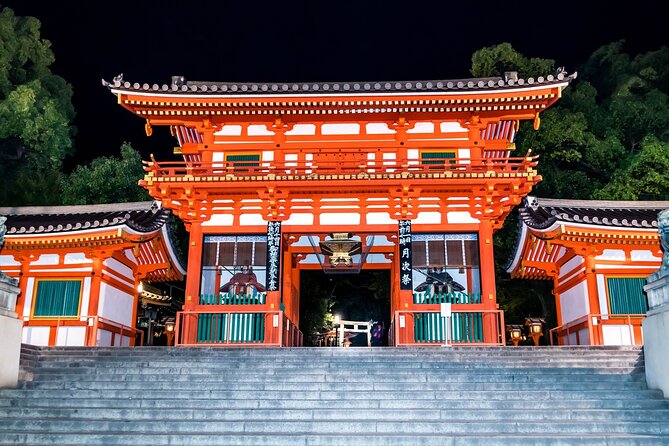
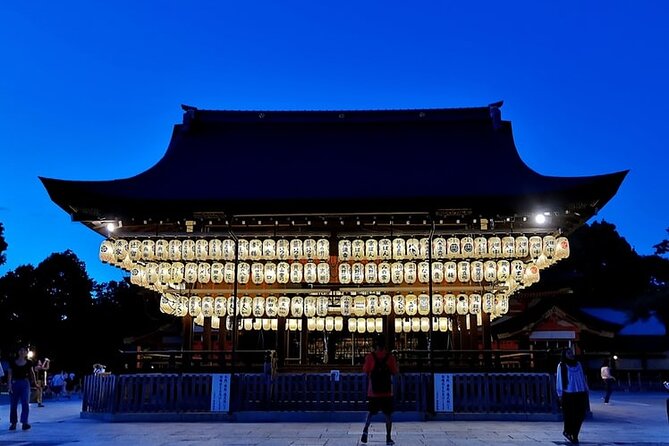
The walk finishes at Yasaka Shrine, one of the prominent Shinto shrines in the Gion area. It’s a fitting end point, because it returns you to something older and bigger than the entertainment district itself.
Shrines sit at the heart of many community rhythms in Japan, including seasonal events and local tradition. Even if you’re only passing through during a tour, learning how Yasaka Shrine connects to the surrounding neighborhood gives your geisha stories a wider background.
What you’ll likely appreciate here: the contrast. Your route moves from performance-oriented space and historic neighborhood lanes to a major shrine. That shift helps the “Kyoto story” feel whole instead of just focused on one district.
What you’ll actually learn (and how it changes your photos)
A good geisha tour is not only where you go. It’s what you start noticing once you’re there.
I like that this one teaches you to look for meaning in small, easy-to-miss details. Past guests have praised guides for pointing out non-obvious buildings and explaining why they matter in geisha culture. You’ll also hear clarifications around geisha terminology and everyday practice, including the broader evolution of geiko and maiko.
And if you care about photos, you’re in luck. Evening light makes Gion feel dramatic in a way you cannot fake in the same way at midday. Add the guide’s timing and you can capture the look without spending your entire night in a standing crowd.
Who this tour is best for
This works especially well for:
- First-time visitors to Kyoto who want a guided introduction to Gion’s culture and layout
- People who prefer smaller groups and dislike spending time fighting for space
- Travelers who enjoy theater and traditional arts context, not just geisha headlines
- Families and groups with teens, since the stories are often explained in an accessible way
If you’re the type of traveler who already knows a lot about geiko and maiko and wants a deep, multi-hour specialization, you might find the route brief. But as an orientation walk that sets you up to explore more, it’s a strong move.
Practical tips to get the most out of your evening
- Wear layers. Past groups specifically called out cold weather, and it can make a short walk feel longer.
- Bring a scarf or something windproof. Gion lanes can feel breezy at night.
- Plan to move at a relaxed pace. The tour is short, but the points only land if you pause long enough to listen.
- Bring comfortable shoes. You’ll cover enough ground that you should not wear brand-new stiff footwear.
- If you want extra comfort, carry a small drink since bottled water is not included.
Should you book the Kyoto Gion Geisha District Walking Tour?
I’d book it if you want a clear, after-dark introduction to Gion that does not feel like you’re just walking through a theme park. The short duration, the cap of 15 people, and the after-crowds timing are exactly the kind of practical travel choices that turn a “sightseeing stroll” into a memorable night with real context.
Book it now if:
- you want to understand geisha and maiko culture through a guided story, not just photos
- you like smaller groups and Q and A time
- you’re visiting Kyoto for the first time and want your bearings fast
I’d pass or pair it with something else if:
- you want a long, ticketed performance experience as part of the same activity
- you’re extremely sensitive to cold and you cannot handle 2 hours outdoors, even with layers
If you want an efficient, well-timed walk that makes Gion click, this is an easy yes.
Newly listed around Kyoto
- Taste of Nishiki Market Walking Food Tour with Local guide★ 5.0 · 17 reviews
- Kyoto: Sushi Making Class with Sushi Chef★ 4.8 · 64 reviews
- Simple Plan with Maiko★ 4.4 · 10 reviews
- Shibori Furoshiki Course at Kyoto Shibori Museum★ 5.0 · 21 reviews
- Kyoto: City Secrets eBike Tour★ 4.9 · 196 reviews
- Sacred Pathways: Discover the Philosopher’s Path of Kyoto★ 4.9 · 20 reviews
- Private Tour to Monkey Park and Arashiyama Highlights★ 5.0 · 22 reviews
- Private Nara Tour from Osaka – Meet at Your Hotel★ 5.0 · 22 reviews
Geisha District Walks, compared.
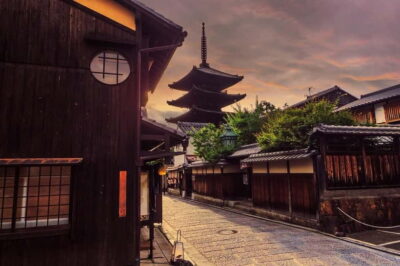
Kyoto Geisha Walking Tour: Gion District & Hidden Gems
Read our review →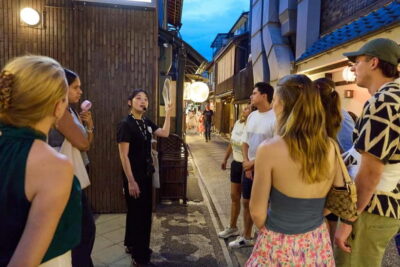
Gion Geisha District Walking Tour – Stories of Geisha
Read our review →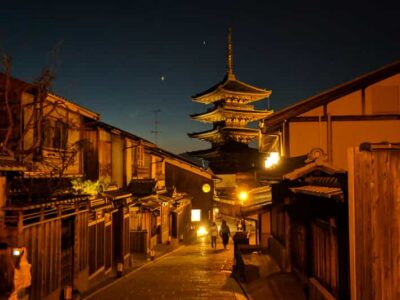
Best of Kyoto: Gion, Geisha, Pagodas & Cobblestones
Read our review →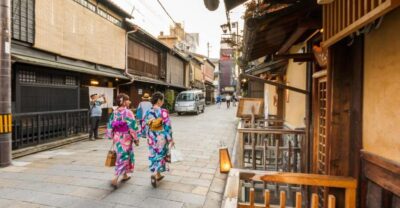
Kyoto Night Foodie Tour in Gion (9+ dishes + 6 Sake tastings)
Read our review →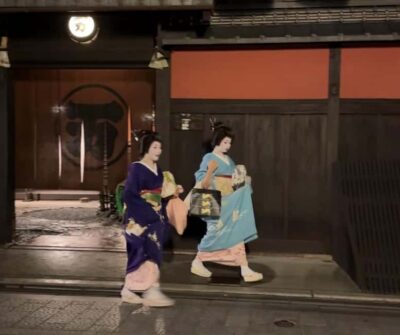
Gion Magical Night Walking Tour with Geisha Insights
Read our review →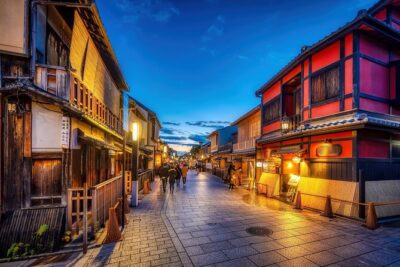
Kyoto Gion Night Walk & Geisha District Guided Tour
Read our review →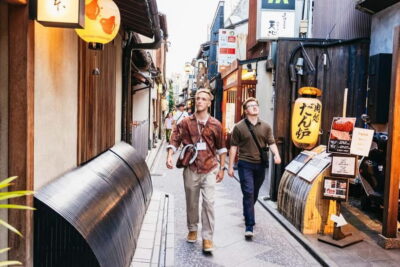
Kyoto Night All-Inclusive Eats and Streets, Gion and Beyond
Read our review →Browse the lists this tour appears in