
Review · HISTORIC CASTLE VISITS
Kumamoto Castle Walking Tour with Local Guide
Samurai walls, and real stories behind them. This Kumamoto Castle walking tour uses an English-speaking local guide to turn what you see into context, from samurai-era design to what earthquake damage changed and what rebuilding has meant for the city. You also get time for big views from an observation floor that feels like 14 stories up.
I especially liked two things. First, the guide’s English makes the castle’s mostly Japanese exhibits feel usable, not intimidating. Second, the route focuses on the castle’s interior special viewing path so you climb with a plan, not just because you walked in the door.
One thing to consider is the pace: it is a 3-hour, mostly on-your-feet outing that includes going up toward the top floor. If stairs and steady walking tire you out fast, you’ll want to plan your energy for the morning.
In This Review
- Key highlights you should not miss
- Why Kumamoto Castle still feels important
- Getting started: City Hall at 8:30 and a calm group size
- The route from castle walls to Johsaien finish
- Entering the keep: special viewing path up to the top floor
- Samurai strategy, architecture, and the human side of the fortress
- Earthquake damage and rebuilding: why it matters to your visit
- Price and value: is $106.50 a smart buy?
- Who should book this tour, and who might skip it
- Should you book the Kumamoto Castle Walking Tour with a Local Guide?
- FAQ
- How long is the Kumamoto Castle walking tour?
- Is the admission ticket to Kumamoto Castle included?
- Is the tour explained in English?
- Where do I meet and where does the tour end?
- What time does the tour start?
- How large is the group?
- What is the cancellation policy?
Key highlights you should not miss
- English explanations that connect what you see to Japanese history and culture
- Observation-floor panoramas from a level equivalent to 14 stories
- A small group size with a max of 6 people, so questions do not get lost
- Samurai strategy stories tied to castle architecture and how it worked
- Earthquake damage and reconstruction context, with guide stories from nearby areas
- A clean finish at Johsaien, close to Shirasaien and the Sakura no Baba area
Why Kumamoto Castle still feels important
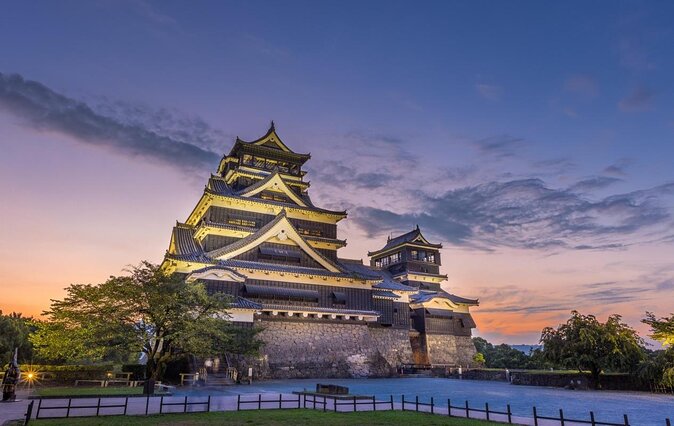
Kumamoto Castle is one of Japan’s three most famous castles, and it shows. It is not just a big photo spot. The structure reflects real samurai thinking from centuries ago, where defense, movement, and survival mattered every day, not just in battle stories.
I like that this tour treats the castle as something living for local people. For Kumamoto residents, it is a symbol of identity and pride. When your guide connects the physical layout to the human side of the past, the castle stops feeling like a frozen monument and starts feeling like a strategy in stone.
It also helps that the experience leans practical. You are not left staring at signs you cannot fully read. Instead, you get English guidance while you move through key spots inside and out, so you can actually make sense of the place.
More Castle visits in Kumamoto:
- Kumamoto: Castle Admission Ticket
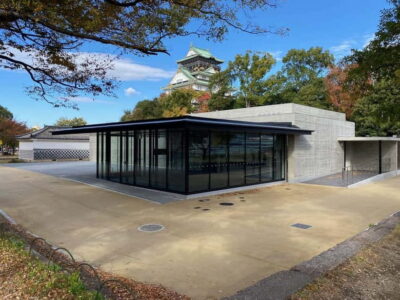
★ 5.0 · 6 reviews - Osaka Castle: Museum and Tower Entry Ticket
★ 4.5 · 2,380 reviews - Tokyo Castle & Imperial PalaceーShogun Walking Tour
★ 4.7 · 1,068 reviews
Getting started: City Hall at 8:30 and a calm group size
You meet at Kumamoto City Hall, 1-1 Tetorihonchō, Chuo Ward. The start time is 8:30 am, so you get a head start on the day while the area is still settling in. The tour uses a mobile ticket, which is a nice low-friction approach if you prefer not to juggle paper.
The group size is capped at 6 travelers, so the guide can slow down where you need it and answer questions without rushing. I like small-group tours for historic sites because the goal is understanding, not sprinting.
One more practical plus: after booking, the start time can often be adjusted to fit your schedule, when possible. That flexibility matters in Kumamoto, where you might want to line up other sights, meals, or transport without feeling locked in.
If you are coming from public transit, the meeting point being near public transportation is also a big deal. You can arrive, get oriented fast, and spend your energy on the castle instead of navigating a maze right before the tour begins.
The route from castle walls to Johsaien finish
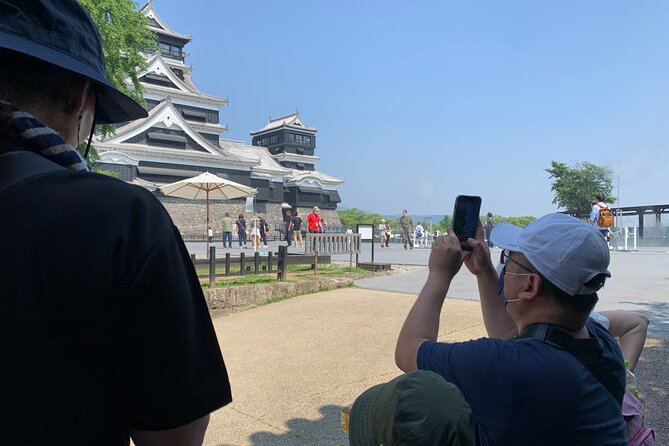
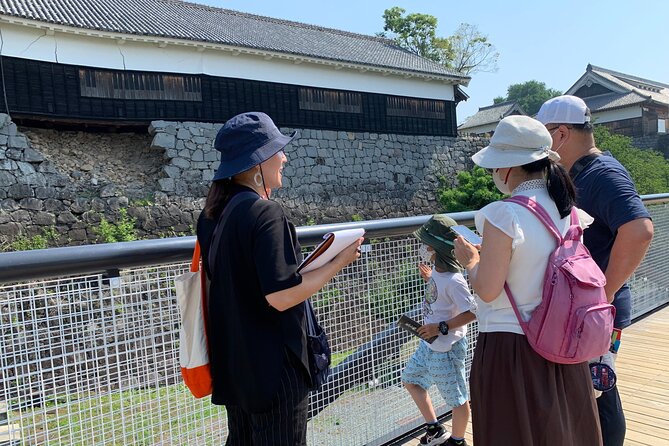
The walkthrough begins with the castle itself, with a guide accompanying you from outside toward inside. You are not just dropped at the entrance. You walk through highlights in sequence, and the guide helps you connect the exterior look to how the castle works as a fortress.
Then you move inside and continue up together along a special viewing path. This matters because castles can be confusing if you are trying to figure out your own route on the spot. A guided flow keeps you from missing the best angles and the key interior spaces that explain the big ideas behind the building.
The tour’s ending point is Johsaien at 1-1-2 Ninomaru, Chuo Ward. That is a smart finish. You are not wandering back down the hill feeling done before you are actually done. Johsaien also gives you an easy transition to the surrounding park area known as Shirasaien, which includes the Sakura no Baba (Sakura Field), plus facilities like museums, restaurants, and souvenir shops.
In plain terms, you leave the castle with options. You can keep exploring nearby, grab food, or shop without having to relocate across town.
Entering the keep: special viewing path up to the top floor
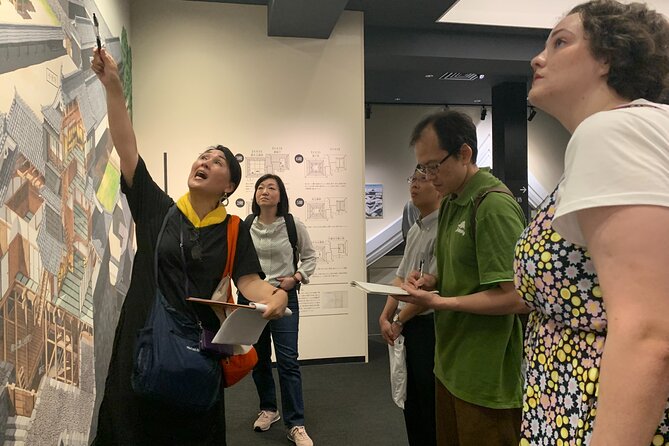
Inside the castle, the tour centers on your climb and the viewpoint payoff. The guide leads you along the special viewing path, then continues up as you make your way to the top floor together.
The standout moment is the observation floor with panoramic views from a level equivalent to 14 stories. That is the kind of height that changes how you understand the whole complex. From above, the layout clicks. You can see how the castle dominates the area, and you get a clearer sense of why its defenders cared so much about control of approaches.
I also appreciate that the guide pays attention to the experience gap. Many exhibits inside are primarily in Japanese, and that can be tough if you read slowly. With a guide explaining in English while you walk, you spend less time translating in your head and more time understanding what you are looking at.
You also get the benefit of pacing. Instead of a frantic line at one exhibit and then you are done, the route helps you keep moving while the guide narrates the story in the right order. For first-timers, this is how you avoid the most common castle problem: seeing a lot, but not remembering much.
A few more Kumamoto days to weigh up
- Kyoto Geisha Walking Tour: Gion District & Hidden Gems
★ 4.7 · 3,273 reviews - Tokyo Tsukiji Fish Market Food and Culture Walking Tour
★ 5.0 · 3,184 reviews - Kyoto: Gion Geisha District Walking Tour – Stories of Geisha
★ 4.7 · 2,187 reviews - Night Walk in Gion: Kyoto’s Geisha District
★ 4.5 · 2,003 reviews
Samurai strategy, architecture, and the human side of the fortress
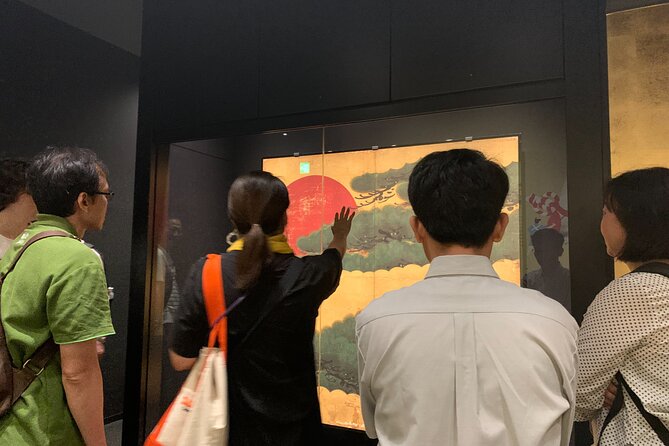
This is where the tour earns its ticket price. The castle was shaped by samurai philosophies and practical strategies that guided life 400 years ago. If you only look at walls, you miss the point. A guide helps you translate the physical features into intent.
What I like is that the storytelling is not random. It ties the castle’s layout to samurai logic, including how movement and sightlines matter in a fortress. You also hear stories connected to life and events around Kumamoto Castle, which makes the place feel less like a set piece and more like a lived environment.
Some guides make this connection especially vivid. On my tour, Tommy stood out for how she communicated before the start. Her English was excellent, and her explanations connected both the castle and Kumamoto in a way that made the city feel like part of the story, not just the backdrop.
Aki also brought the site to life by sharing stories about life and events in and around the castle. The key difference was how the facts had a human shape. You are not only learning about structures, you are learning how people might have thought and acted in that space.
If you care about history, this is the moment you will feel it. The castle becomes a lesson in cause and effect: design decisions lead to outcomes, and those outcomes shaped what happened in Kumamoto.
Earthquake damage and rebuilding: why it matters to your visit
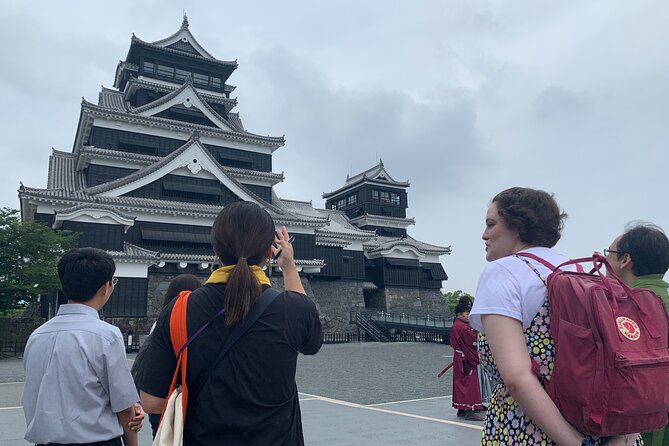
Kumamoto Castle has been through serious change, and the tour helps you understand that. One of the most meaningful parts of the experience is the context around earthquake damage and the resilience of local people working to reconstruct the castle.
On my tour, the guide emphasized the damage and what restoration has meant, including the point that rebuild work is ongoing and part of how locals keep their identity intact. That matters because it reframes what you see. You are not simply looking at a monument from the past. You are standing in a place that is actively being repaired and remembered.
It also adds emotional weight without turning the tour into something heavy or gloomy. The message is practical: the castle is still being restored little by little, and your visit supports that effort by showing interest and attention to the site.
This context makes the castle feel current. It also helps you understand why some areas may look different than the dream version you might have in your head from old photos. You will get the reason behind those differences, instead of guessing.
Price and value: is $106.50 a smart buy?
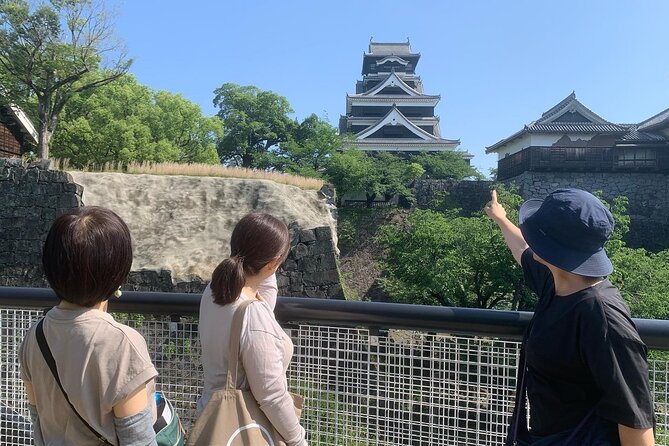
At $106.50 per person, this is not the cheapest way to see Kumamoto Castle. But the price is easier to justify when you break down what you actually get.
You are paying for three things that matter on-site:
- A 3-hour guided walk with one guide
- Your admission ticket to the castle included
- English explanations that help you handle mostly Japanese exhibits
The small group size (max 6) also changes the value. With fewer people in the group, the guide can tailor the pace. That makes a difference at a place where you are walking, reading less than you want, and trying to understand layout, not just collect pictures.
You should also consider how you would do it without a guide. Yes, you can probably visit independently. But if you want to understand samurai-era strategy and the meaning behind architecture, you will either spend time translating on your own, or you will leave the castle with a list of facts but not a connected story.
A good rule for tours like this: if you care about meaning, not just entry, a guided session usually pays off. This is especially true here because the interior interpretation is not automatically in your language.
One more practical point: the tour is commonly booked about 21 days in advance on average, so it is popular. If you are visiting during a busy period, booking ahead is a smart way to avoid tight schedule problems.
Who should book this tour, and who might skip it
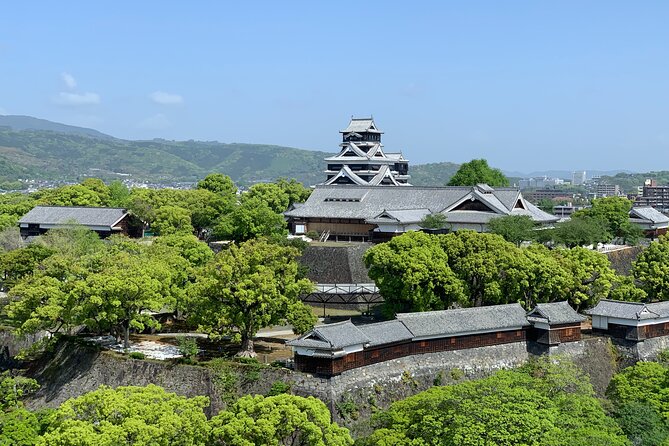
This tour is a strong fit if you want an English guide to explain what you see at Kumamoto Castle, connect the site to Japanese culture, and get the best view payoff from the observation floor. It is also a great match if you enjoy stories tied to real places and want the rebuilding context, not just the postcard version.
You might want to skip or modify your plan if you prefer entirely self-guided travel, or if you strongly dislike walking and climbing for about 3 hours. The experience is built around moving through the castle route and reaching higher viewpoints, so your comfort with that pace matters.
Should you book the Kumamoto Castle Walking Tour with a Local Guide?
I think you should book this tour if you want to leave Kumamoto Castle with understanding, not just photos. The English storytelling, the structured route from outside to inside, and the big panoramic viewpoint from a level equivalent to 14 stories combine into a visit that feels organized and meaningful.
It is also one of those experiences where the guide can truly shape the day. Guides like Tommy and Aki bring the site to life with strong English and stories tied to life, local identity, and earthquake rebuilding. That is exactly the kind of added value that makes a guided tour feel worth it.
If you are traveling with limited time but still want the highlights plus context, the timing and included admission help you get the most out of a morning. And because the tour ends at Johsaien, you are set up nicely to keep exploring nearby Shirasaien and the Sakura no Baba area at your own pace.
FAQ
How long is the Kumamoto Castle walking tour?
The tour lasts about 3 hours.
Is the admission ticket to Kumamoto Castle included?
Yes. Admission to Kumamoto Castle is included in the tour price.
Is the tour explained in English?
Yes. The guide provides explanations in English as you walk through the highlights and inside the castle.
Where do I meet and where does the tour end?
You meet at Kumamoto City Hall (1-1 Tetorihonchō, Chuo Ward, Kumamoto). The tour ends at Johsaien (1-1-2 Ninomaru, Chuo Ward, Kumamoto).
What time does the tour start?
The start time listed is 8:30 am.
How large is the group?
The tour has a maximum group size of 6 people.
What is the cancellation policy?
You can cancel for free up to 24 hours in advance for a full refund. If you cancel less than 24 hours before the start time, the amount paid is not refunded.
Newly listed around Kumamoto
- Kumamoto Half-Day Private Tour with Government-Licensed Guide★ 5.0 · 11 reviews
- Kumamoto : Iconic Statues World of Pirates Adventure Tour★ 5.0 · 7 reviews
- Kumamoto : Iconic Statues World of Pirates Adventure Tour★ 5.0 · 7 reviews
- Kumamoto: Castle Admission Ticket★ 5.0 · 6 reviews
- From Kumamoto: Aso & Takachiho Private All-inclusive Tour★ 4.7 · 11 reviews
- Private guided tour: Mt. Aso volcano, grasslands, Aso Shrine★ 5.0 · 19 reviews
- Private E-MTB guided cycling around Mt. Aso volcano & grasslands★ 5.0 · 16 reviews
- From Kumamoto : Mt.Aso and Takachiho All-inclusive Private Tour★ 5.0 · 37 reviews
Historic Castle Visits, compared.
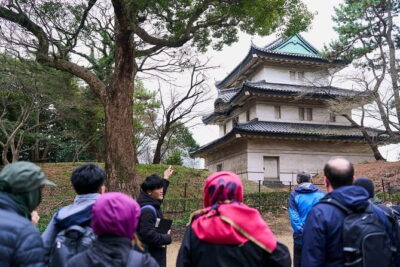
Tokyo Castle & Imperial PalaceーShogun Walking Tour
Read our review →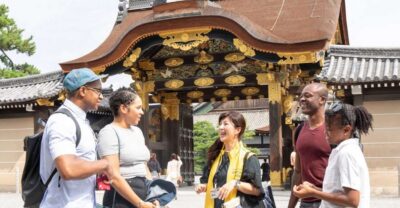
Nijo-jo Castle and Ninomaru Palace Guided Tour
Read our review →
Ultimate Osaka Walking Tour: Castle, Dotonbori & Hidden Gems
Read our review →Tokyo Castle & Imperial PalaceーShogun Walking Tour
Read our review →
Imperial Palace East Garden and Edo Castle Walking Tour in Tokyo
Read our review →
Imperial Palace & Nijo Castle Guided Walking Tour
Read our review →
Japanesel Archery Experience HIROSHIMA CASTLE SHARAKU
Read our review →Browse the lists this tour appears in