
Review · LICENSED GUIDES & PRIVATE DRIVERS
Kumamoto Full-Day Private Tour with Government-Licensed Guide
Kumamoto can be understood fast, with the right guide. This full-day private tour is built for a smooth, efficient day, guided by a government-licensed interpreter who can explain the why behind the what. You choose 3-4 stops from a solid lineup, so the day fits your interests, not the other way around.
I love that the tour is private and customizable, so you get a real conversation and a route that makes sense. I also like the mix: big-history sights like Kumamoto Castle, calm pauses in gardens and museums, and then the city’s street-level energy in markets and arcades. The one thing to watch is that it is a walking tour with no private vehicle included, so comfortable shoes matter, especially if you pick multiple longer stops.
In This Review
- Key Highlights Before You Go
- A Government-Licensed Guide That Makes Kumamoto Make Sense
- Price and the Value of a Private 6-Hour Day
- How the Walking Route Works (and Why It’s Not a Big Deal)
- Building Your Perfect Kumamoto Combo From the Stop List
- Option A: Castle and Hosokawa Power (history-forward)
- Option B: Literature and Modern Culture
- Option C: City Life, Crafts, and Shopping
- Option D: Views and a Slow Ending
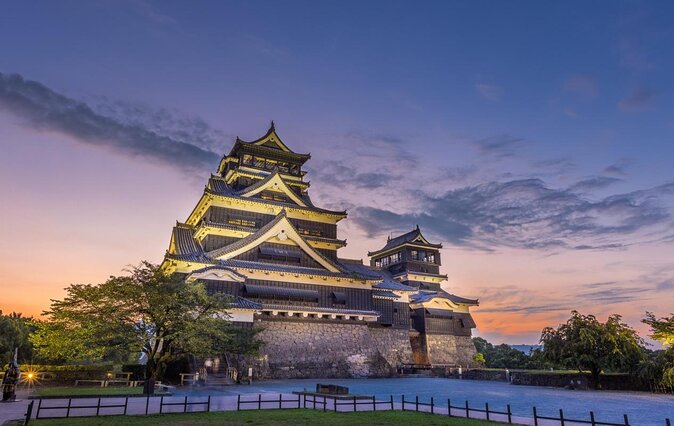
- Kumamoto Castle: Your Big-Scale Start
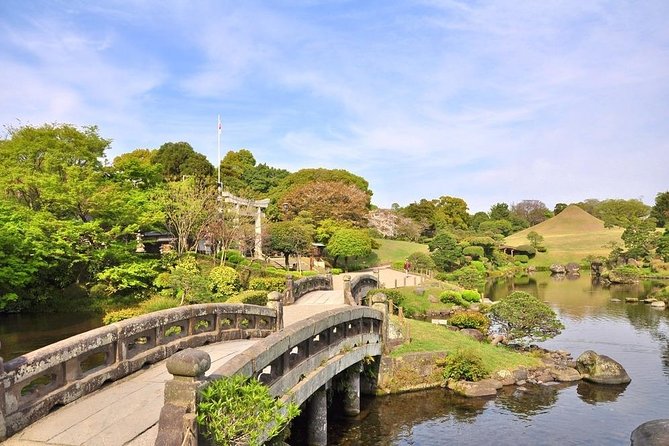
- Suizenji Jojuen Garden: A Stroll With a Purpose
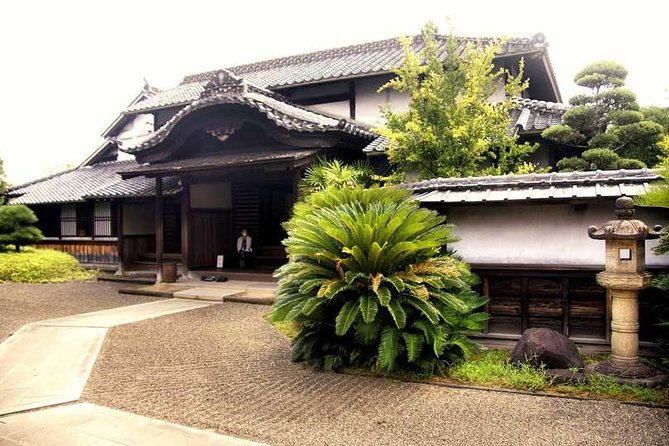
- Former Hosokawa Mansion: When Power Becomes a House
- Lafcadio Hearn House: Japan Through an Outsider’s Lens
- Sakuranobaba Josaien: Snacks, Souvenirs, and Local Names
- Shimotori Shotengai: Kumamoto’s Long Shopping Arcade
- Contemporary Art Museum Kumamoto: Art in Real Building Space
- Hanaokayama Park: City Views, Best in Clear Weather
- Soseki Natsume Uchitsuboi Old House: A Writer’s Footsteps
- Kumamoto Prefectural Traditional Crafts Center: Practical Creativity
- Shimada Museum of Arts: Small, But Worth Slotting
- What I’d Do First: Decide Your Day Type, Then Pick 3-4 Stops
- Guides Mieko and Jun: What Their Best Moments Say About the Tour
- Should You Book This Kumamoto Private Tour?
- FAQ
- How long is the Kumamoto private tour?
- Is this tour a walking tour?
- What stops are included?
- Are entrance fees included?
- Do I need to pay for lunch?
- Does the tour include pickup from Yatsuhiro Port?
- What is included in the tour price?
- Is there a mobile ticket?
- Can I cancel for a full refund?
- Is the tour private?
Key Highlights Before You Go
- Government-licensed English interpreting guide: A professional who can connect sites to Japanese culture and history.
- Choose 3-4 stops: Build your own best-of Kumamoto day instead of checking off everything.
- Castle plus garden plus city streets: You get both landmark Kumamoto and everyday Kumamoto.
- Art and literature are included: Contemporary Art Museum Kumamoto and a Natsume Soseki memorial stop.
- View payoff option: Hanaokayama Park can be timed for city lights if the weather cooperates.
- Local-food and workshop potential: Guides in past tours have suggested extras like izakaya-style bites and practical craft experiences.
A Government-Licensed Guide That Makes Kumamoto Make Sense
A lot of Japan tours list stops. This one explains them in a way that sticks. The big advantage is the guide credential: the National Government Licensed Guide Interpreter certification, which is tied to understanding Japanese culture and history. In plain terms, that means you spend less time guessing and more time getting the story behind the stone, gardens, art collections, and writer-related sites.
I also like the practical way the tour is built. You meet in Kumamoto city within a designated area, then you go on foot. Because you are not transferring by private vehicle, the guide can focus on pacing, timing, and the order of sights so you are not burning time between locations.
From guide examples shared by recent groups, you can also expect flexibility. For instance, Mieko and Jun have been praised for adjusting to interests and giving extra context on what to notice as you walk through each place. That matters on a day like this, where you only have about six hours, and you want every block to count.
More Private Guides in Kumamoto:
- Tokyo 6hr Private Tour with Government-Licensed Guide
★ 5.0 · 3,902 reviews - Kyoto Early Morning Tour with English-Speaking Guide
★ 5.0 · 1,427 reviews - Tokyo 4hr Private Tour with Government-Licensed Guide
★ 5.0 · 1,394 reviews
Price and the Value of a Private 6-Hour Day
The price is listed at $154.37 per person for a 6-hour experience. On its face, that can sound steep until you compare what you actually get: a private day with a government-licensed English speaking guide, built around 3-4 selected sites, with museum and garden visits handled through your guide’s coverage for listed stops.
What is not included is also important for value. Transportation fees, entrance fees, and lunch are not included. Entrance tickets are not included even though you might choose sites like Kumamoto Castle and other attractions from the stop list. So your true cost depends on what you pick and how many paid entrances you decide to use.
If you are the kind of traveler who wants more than photos, this format often wins. You pay for interpretation, route design, and guidance through places that can feel confusing without context. If you already know Kumamoto well, and you mainly want to wander, you might do it cheaper on your own. But for most people, the guide time is the point.
How the Walking Route Works (and Why It’s Not a Big Deal)
Despite the phrase pickup offered, the tour is a walking day. The pickup that is mentioned is effectively on foot, with the meeting point in Kumamoto city. There is no private vehicle included. That affects two things:
1) Your pacing depends on your shoe choice and energy level.
2) You do not get the option of long-distance hops in a car.
The upside is that you can move naturally from one type of place to the next. Castle grounds lead nicely into garden walking. Museums and literary sites are easy to pair with parks and arcades, because they are part of the same city orbit.
If you want an easy day, I recommend picking stops that are thematically connected rather than maximizing the number of paid entrances. For example, you could build a strong history arc, or a strong art and culture arc, and leave breathing room for browsing at street level.
Building Your Perfect Kumamoto Combo From the Stop List
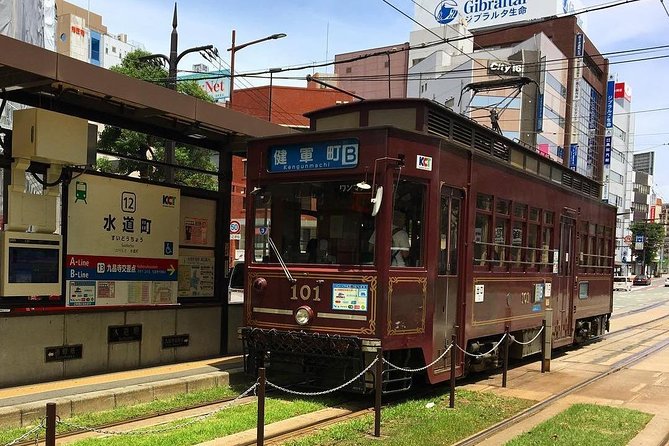
You will choose 3-4 sites from the provided options. That is the heart of the value. Here are a few smart ways to combine them using the listed stops.
A few more Kumamoto days to weigh up
- From Kumamoto : Mt.Aso and Takachiho All-inclusive Private Tour
★ 5.0 · 37 reviews - Private guided tour: Mt. Aso volcano, grasslands, Aso Shrine
★ 5.0 · 19 reviews - Private E-MTB guided cycling around Mt. Aso volcano & grasslands
★ 5.0 · 16 reviews
Option A: Castle and Hosokawa Power (history-forward)
- Kumamoto Castle
- Suizenji Jojuen Garden
- Former Hosokawa Mansion
This route gives you a clear line from political power to garden culture. It also helps you see how the city’s identity is shaped by the Hosokawa family.
Option B: Literature and Modern Culture
- Lafcadio Hearn House
- Contemporary Art Museum Kumamoto
- Soseki Natsume Uchitsuboi Old House
This mix is great if you like Japan through its writers and creative minds, not just through old buildings.
Option C: City Life, Crafts, and Shopping
- Sakuranobaba Josaien Tourist Information Center
- Shimotori Shotengai
- Kumamoto Prefectual Traditional Crafts Center
You get souvenirs that actually match the place, plus the feel of Kumamoto day-to-day shopping.
Option D: Views and a Slow Ending
- Hanaokayama Park
- Add one museum or castle earlier in the day
Hanaokayama can deliver the kind of photo moment that makes a walking tour feel worth it, especially if you are there in the evening and weather is clear.
Kumamoto Castle: Your Big-Scale Start
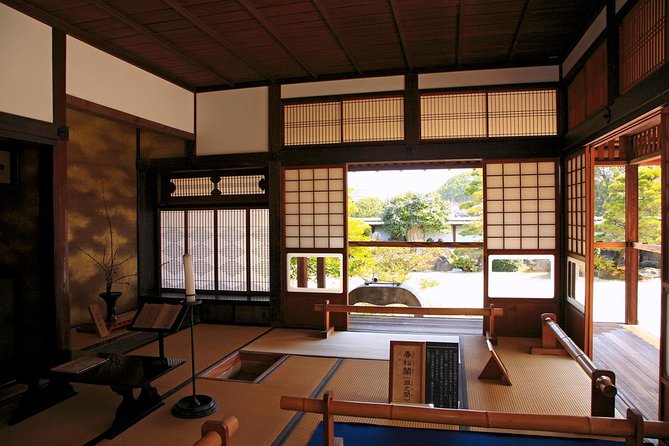
Kumamoto Castle is the city’s headline. It is known for large grounds and a variety of buildings, and the visit is sized at about one hour on the schedule. Admission is not included, so build that into your planning if it matters to you.
Why this stop works early: you get orientation. Even if you are not an architecture nerd, the castle gives you a framework for everything else you will see, including the Hosokawa family references that show up in other stops later on.
A practical note: castle grounds can mean lots of walking on uneven surfaces. If you choose this, plan your other stops based on your stamina. If you want to keep the day comfortable, pair it with one garden or one museum, not three heavy entrances.
Suizenji Jojuen Garden: A Stroll With a Purpose
Suizenji Jojuen Garden is a spacious Japanese-style garden built by the Hosokawa family in the 17th century. The best way to enjoy it is the circular walking path. This stop is also timed at about one hour.
I like that the format naturally slows you down. A garden visit can turn into a photo-and-scroll trap if you do it alone. With a guide, you are more likely to notice how the layout supports the mood of the place, and how it connects back to the Hosokawa story you see elsewhere.
There is also room for animal sightings depending on what you find in the garden that day. In at least one past group experience, kids fed carp and turtles at Suizenji, which shows you that this is not just for quiet adults. If you are traveling with children, this is often a good choice because it is memorable without needing advanced background knowledge.
Former Hosokawa Mansion: When Power Becomes a House
The Former Hosokawa Mansion is tied to a branch family of the Hosokawa Clan, the ruling family during the Edo period. Like the castle and garden, it is timed for about an hour, and admission is not included.
This stop is valuable because it adds a different angle. Castles and official grounds can feel grand but distant. A residence helps you understand how status, daily life, and culture connect. You end up with a more human sense of the era, even if the building is historical rather than lived in.
If you love history and want fewer shopping stops, this mansion is a strong pick. If you prefer art and modern culture, you might skip it and put your time into museums instead.
Lafcadio Hearn House: Japan Through an Outsider’s Lens
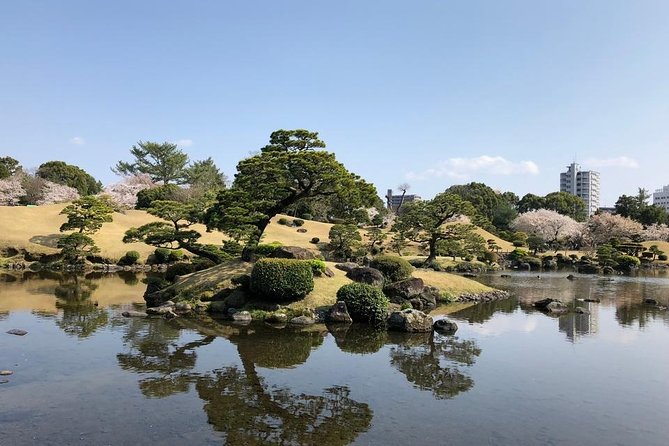
Lafcadio Hearn is known in Japan as Koizumi Yakumo. He was one of the first Western authors to write about Japan, and the stop is a house connected to that legacy. It is timed for about one hour, and admission is not included.
This is a great stop if you like the idea that Japan has been explained from multiple viewpoints. When you see a writer-related site like this, the guide can help you connect it to the bigger question of how culture gets translated. It also breaks up the day nicely if you already did castle and garden earlier.
Choose this stop if you want variety. If your day already feels too historical, this provides a different flavor of cultural context.
Sakuranobaba Josaien: Snacks, Souvenirs, and Local Names
Sakuranobaba Josaien Tourist Information Center is a practical stop that can pay off later. It is designed for specialty dishes and souvenirs, and it is where you can try Kumamoto regional items such as Salad Chikuwa.
Because lunch is not included on the tour, this kind of stop can work as a planned break. You can treat it as your low-stress food moment instead of trying to find something fast on your own later.
If you like shopping but do not want to lose an hour in the wrong place, Josaien is a smart choice. It’s basically a curated shortcut to local flavors and giftable items.
Shimotori Shotengai: Kumamoto’s Long Shopping Arcade
Shimotori Shotengai is the largest shopping arcade in Kumamoto Prefecture, about 511 meters long and 15 meters wide. It is described as a busy place with many daily visitors, lined with shops and department-store style offerings.
This stop is timed for about one hour. I like it because it shifts the day from landmark time to everyday time. You get a sense of how people actually move through the city, shop, and snack.
Practical tip: if you want souvenirs, bring a little extra space in your bag. Arcade shopping can add up quickly. Also, keep your “must-buy” list short if you want your day to stay on schedule.
Contemporary Art Museum Kumamoto: Art in Real Building Space
Contemporary Art Museum Kumamoto, often called CAMK, focuses on contemporary art. The stop time is about one hour, and entrance is not included.
What makes it especially worth your time, based on the way it is described, is that you can find works integrated into the actual building. That helps contemporary art feel less like you are standing in a blank gallery and more like you are experiencing the space.
If your day is heavy on older sites, CAMK can reset your brain. If you are not a contemporary art person, you might still enjoy it if your guide helps you notice how the art relates to the architecture.
Hanaokayama Park: City Views, Best in Clear Weather
Hanaokayama Park is a hill with great views over the city. It is described as particularly pretty if you hike there in the evening when you can see twinkling lights across Kumamoto. The schedule also gives it about one hour, with the note that the views depend on weather.
This is the stop I recommend as your “reward” moment. Put it after a couple of indoor or heavier sites so it feels like a payoff. If skies are clear, it becomes one of those simple moments that makes your whole day feel complete.
A caution: if weather is bad, the view may not be worth the climb. Your guide can help you decide whether to keep it as planned or shift to another option that keeps the day comfortable.
Soseki Natsume Uchitsuboi Old House: A Writer’s Footsteps
Soseki Memorial Hall is dedicated to Natsume Soseki, who lived during the Meiji period and died in 1916. The hall is based on his former home, dating from the 18th century, and the visit is timed at about one hour.
This stop works for two types of travelers. First, it is perfect if you recognize the name and want a deeper connection. Second, even if you do not, your guide can make the time period feel less abstract by translating what you are seeing into story form.
If you already picked Lafcadio Hearn House, Soseki can create a literature thread for your day. If you picked mostly history and art, this is a softer cultural finish.
Kumamoto Prefectural Traditional Crafts Center: Practical Creativity
The Kumamoto Prefectural Traditional Crafts Center is a strong choice if you want take-home value beyond generic souvenirs. It is described as a place to check out many different crafts, and it is timed for about one hour.
Even when you do not buy anything, watching crafts-related displays can give you a better sense of regional identity. If you like handmade items, this is one of the more meaningful shopping options on the list.
In at least one past tour experience, the guide also helped a group find a Zogan workshop as an added activity. That kind of thing matters because it moves you from shopping to creating. If your guide offers workshop-style additions, you can ask about them during your planning email.
Shimada Museum of Arts: Small, But Worth Slotting
The Shimada Museum of Arts is described as one of the smaller museums in Kumamoto, but worth it if you are in the area. It is timed around one hour, and entrance is not included.
This stop can work well on a day where you want a quiet indoor space that still feels culturally grounded. The museum galleries focus on items such as calligraphy, so it appeals to people who like traditional arts presented in a museum context.
Choose this if you want one calmer anchor in the middle of your route, especially after time in the arcade or a longer museum.
What I’d Do First: Decide Your Day Type, Then Pick 3-4 Stops
If you want the day to feel smooth, I suggest using a simple mental filter:
- If you love historical power and era storytelling, build around Kumamoto Castle and Hosokawa-linked sites.
- If you want culture through art and writers, pick Hearn plus CAMK plus Soseki.
- If you want local flavors and practical shopping, choose Josaien and Shimotori Shotengai, then add crafts.
This approach also helps with time and tired feet. On a walking day, you want your hardest sights early, then your lighter stops later. Hanaokayama Park can work well as the soft landing at the end if the weather cooperates.
Guides Mieko and Jun: What Their Best Moments Say About the Tour
From guide-focused feedback, two names show up often: Mieko and Jun. The praise is consistent in a few key ways:
- They adjust the plan to the group’s interests.
- They explain what you are looking at, not just where you should stand.
- They share local context that can turn a regular visit into a memorable one.
One group even highlighted extra cultural touches like Shinto prayer guidance and a stop connected to a long life spring, plus the suggestion of trying Kumamoto specialties like horse meat at an izakaya-style lunch and pairing it with shochu tied to a family name. Another group described a guide as super helpful after the tour, including travel arrangement support. That kind of follow-through is not guaranteed, but it gives you a strong hint about the service style: the guides pay attention beyond the clock.
If you are food-curious or craft-curious, this is also where you can get the most value. Ask your guide early what you might add if time and energy allow.
Should You Book This Kumamoto Private Tour?
Book it if you want a high-efficiency Kumamoto day with context, not just a string of photos. It is especially good for first-timers who want to understand the city’s identity quickly, and for anyone who likes the idea of picking their own 3-4 stops from a smart list.
Skip it if you are traveling with limited interest in guided interpretation, or if walking for a full six hours is not realistic for your body. Also consider that entrance fees and lunch are not included, so your total cost will rise depending on what you choose.
My practical call: if you plan ahead and pick stops that match your interests, this tour is a strong value. It turns Kumamoto from a checklist into a story you can actually repeat later.
FAQ
How long is the Kumamoto private tour?
It runs for about 6 hours.
Is this tour a walking tour?
Yes. It is described as a walking tour with pickup on foot, and no private vehicle is included.
What stops are included?
You can customize your itinerary by selecting 3-4 sites from the stop list, including Kumamoto Castle, Suizenji Jojuen Garden, Former Hosokawa Mansion, Lafcadio Hearn House, Josaien, Shimotori Shotengai, Contemporary Art Museum Kumamoto, Hanaokayama Park, Soseki Memorial Hall, Kumamoto Prefectural Traditional Crafts Center, and Shimada Museum of Arts.
Are entrance fees included?
No. Entrance fees are not included, and admission tickets are noted as not included at the stops.
Do I need to pay for lunch?
Lunch is not included, so you will pay for meals separately.
Does the tour include pickup from Yatsuhiro Port?
No. This tour does not allow for pickup at Yatsuhiro Port.
What is included in the tour price?
Included items are a licensed local English speaking guide, a customizable tour of your chosen 3-4 sites, and meet up with the guide on foot within a designated area in Kumamoto city.
Is there a mobile ticket?
Yes, the tour features a mobile ticket.
Can I cancel for a full refund?
Yes. Free cancellation is allowed up to 24 hours in advance of the experience start time for a full refund.
Is the tour private?
Yes. It is a private tour, and only your group participates.
Newly listed around Kumamoto
- Kumamoto : Iconic Statues World of Pirates Adventure Tour★ 5.0 · 7 reviews
- Kumamoto: Castle Admission Ticket★ 5.0 · 6 reviews
- From Kumamoto: Aso & Takachiho Private All-inclusive Tour★ 4.7 · 11 reviews
- Private guided tour: Mt. Aso volcano, grasslands, Aso Shrine★ 5.0 · 19 reviews
- Private E-MTB guided cycling around Mt. Aso volcano & grasslands★ 5.0 · 16 reviews
- From Kumamoto : Mt.Aso and Takachiho All-inclusive Private Tour★ 5.0 · 37 reviews
Licensed Guides & Private Drivers, compared.
Tokyo 6hr Private Tour with Government-Licensed Guide
Read our review →
Kyoto Early Morning Tour with English-Speaking Guide
Read our review →
Tokyo 4hr Private Tour with Government-Licensed Guide
Read our review →
Kyoto 6hr Private Tour with Government-Licensed Guide
Read our review →
Hiroshima / Miyajima Full-day Private Tour with Government Licensed Guide
Read our review →Early Morning Tour with English-Speaking Guide
Read our review →
Tokyo Private Sightseeing Tour by Car- English speaking chauffeur
Read our review →
Mt Fuji Private Tour with English Speaking Driver
Read our review →Browse the lists this tour appears in